Honeymoon in Japan
day 1 東京到着・新宿/東京都庁展望室
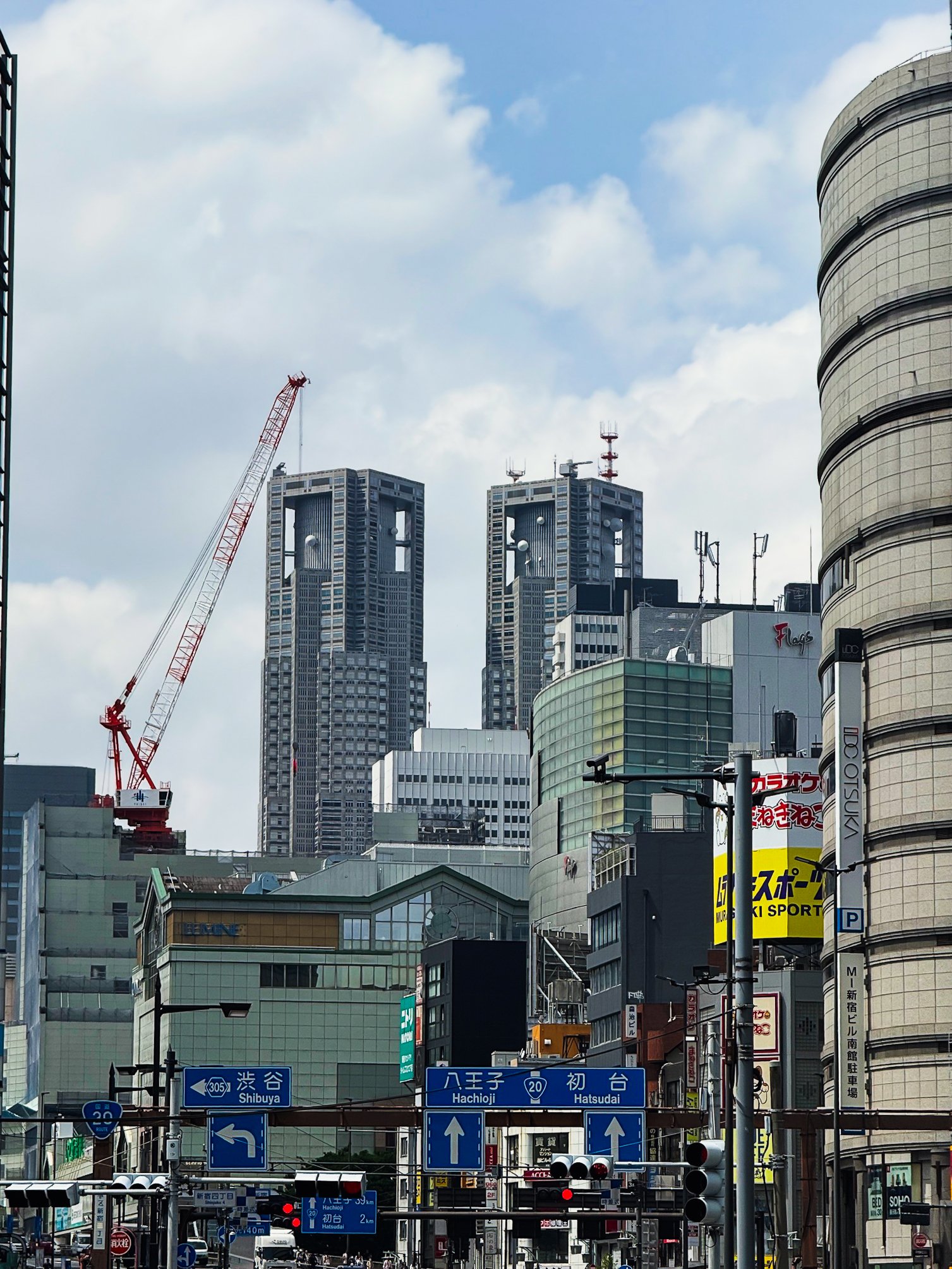
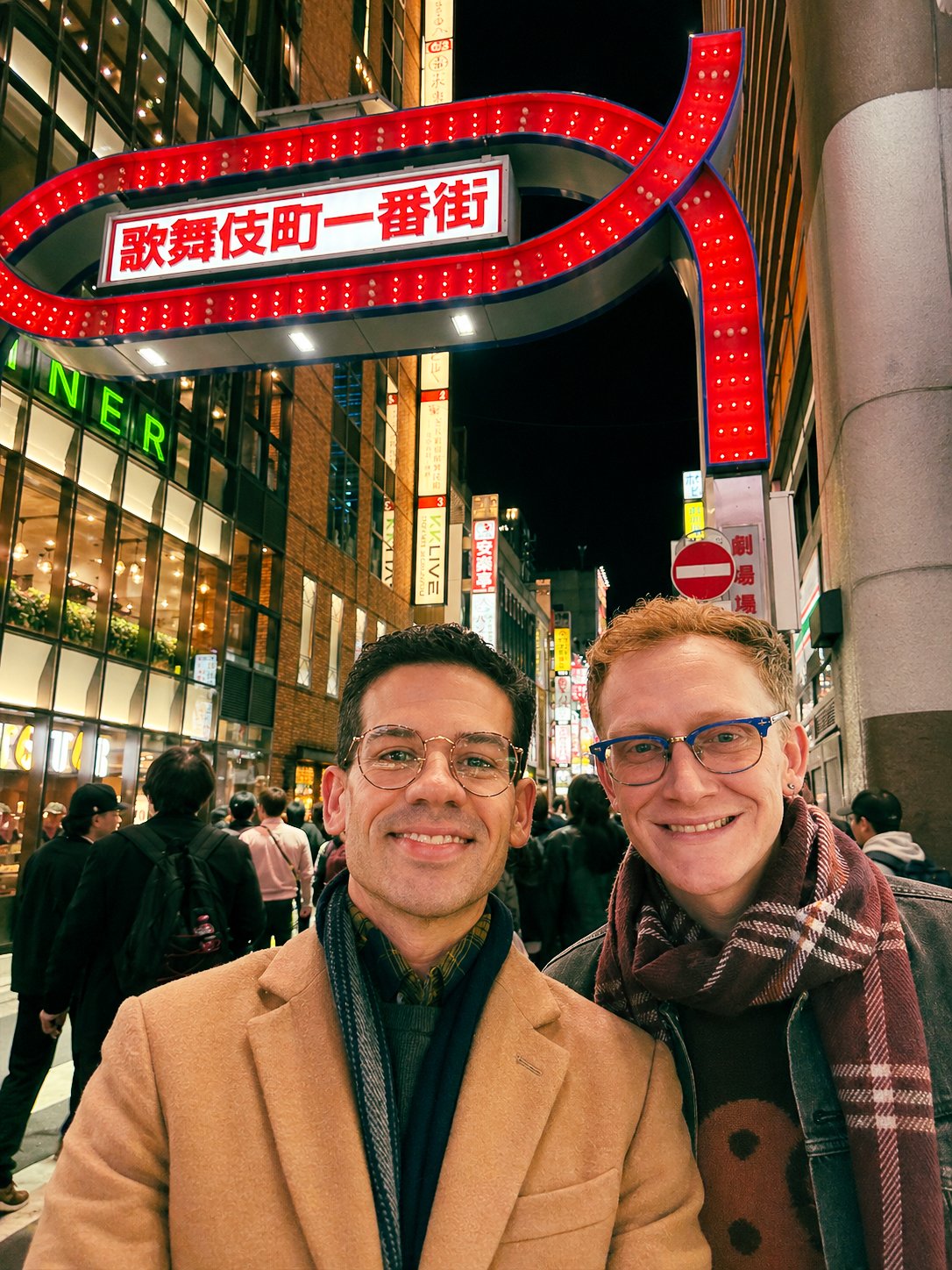
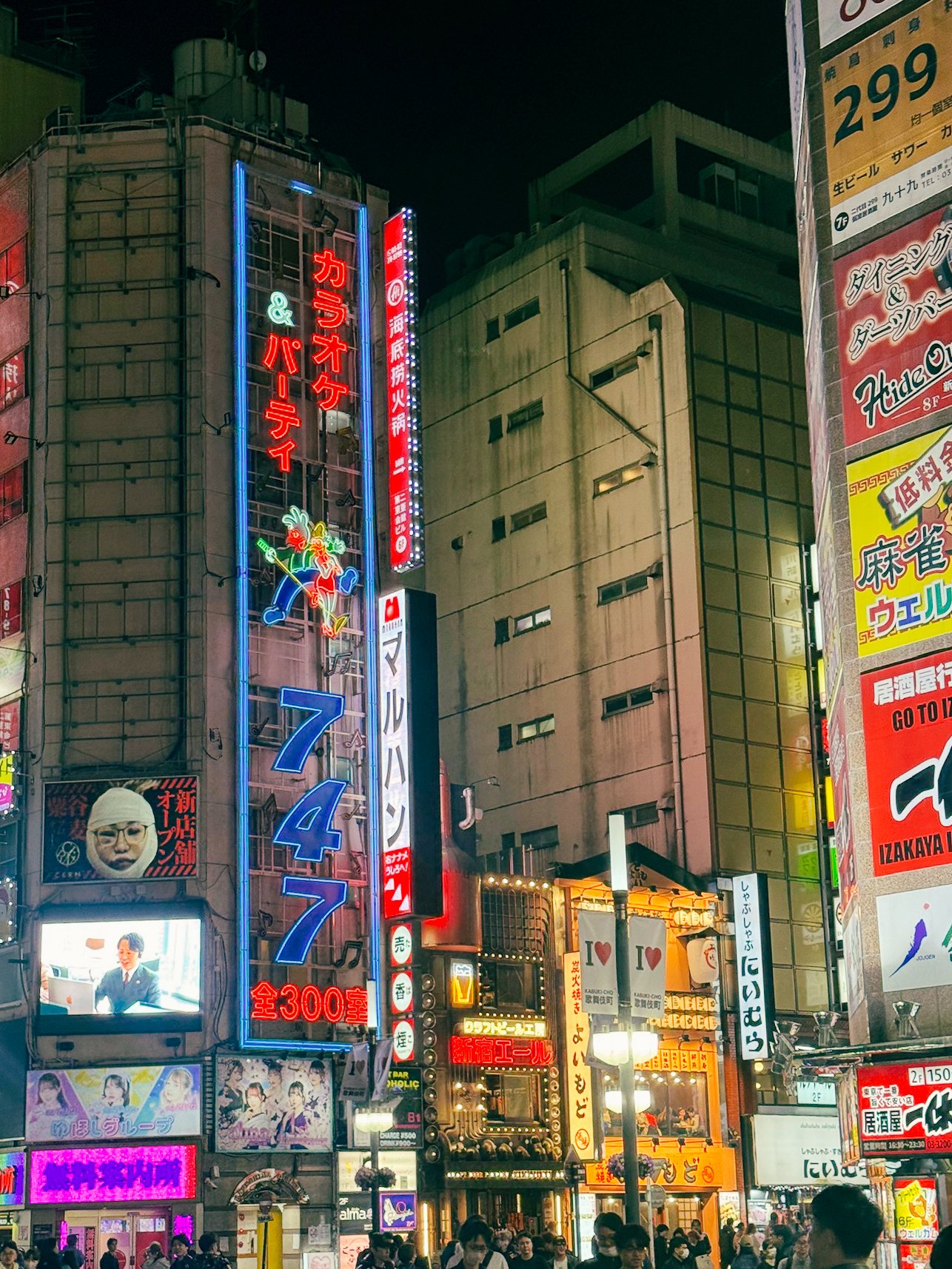
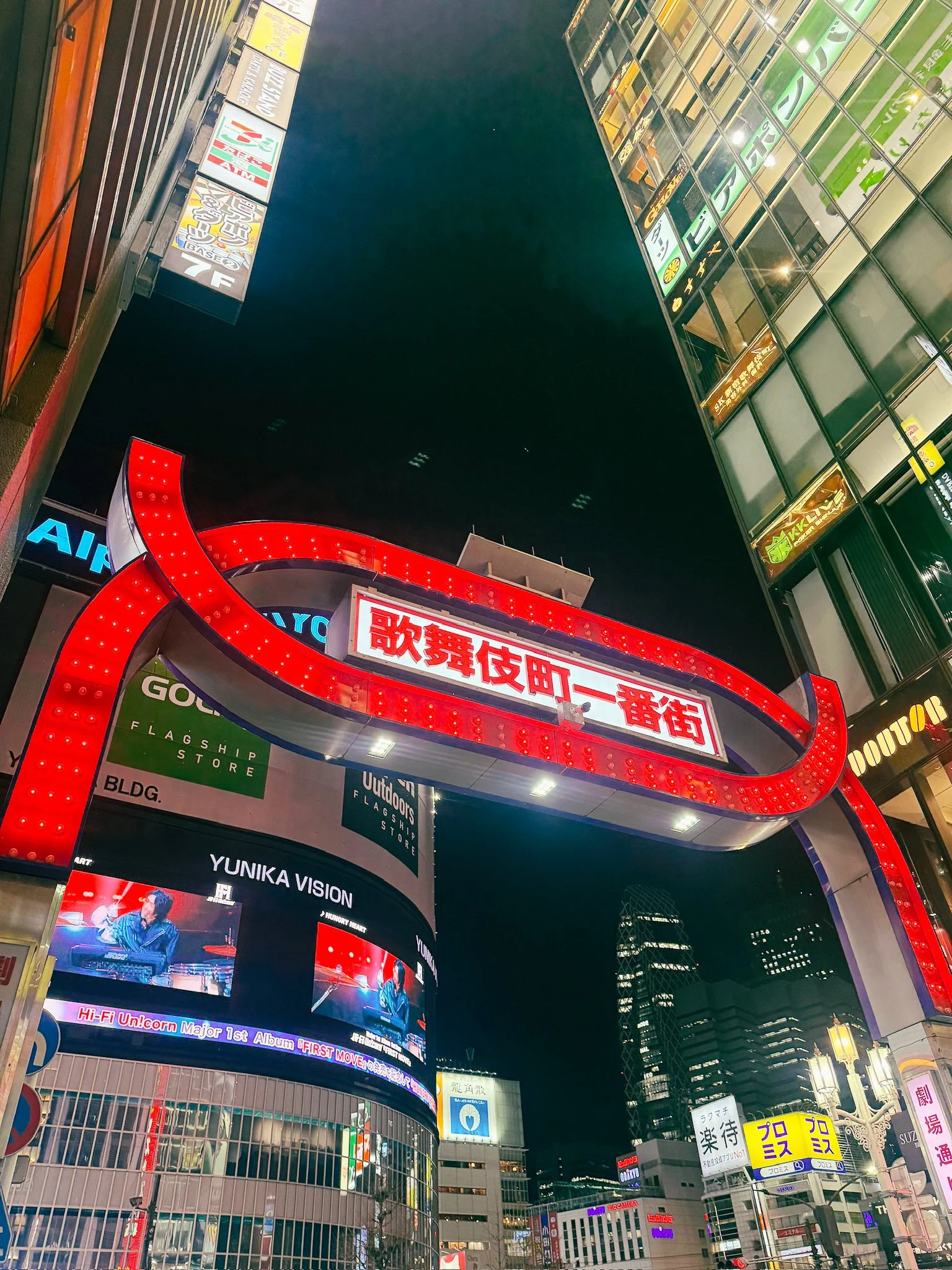
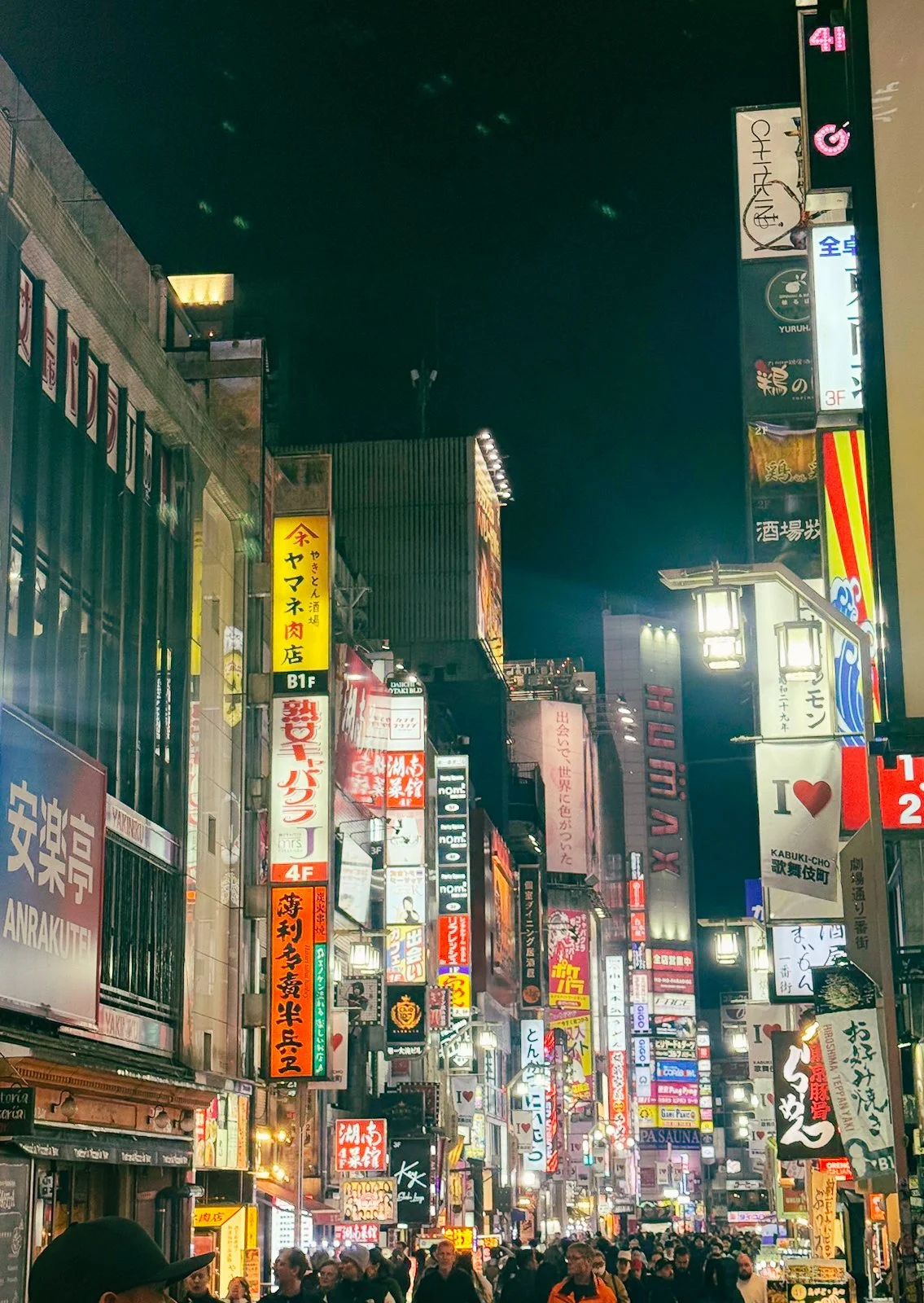
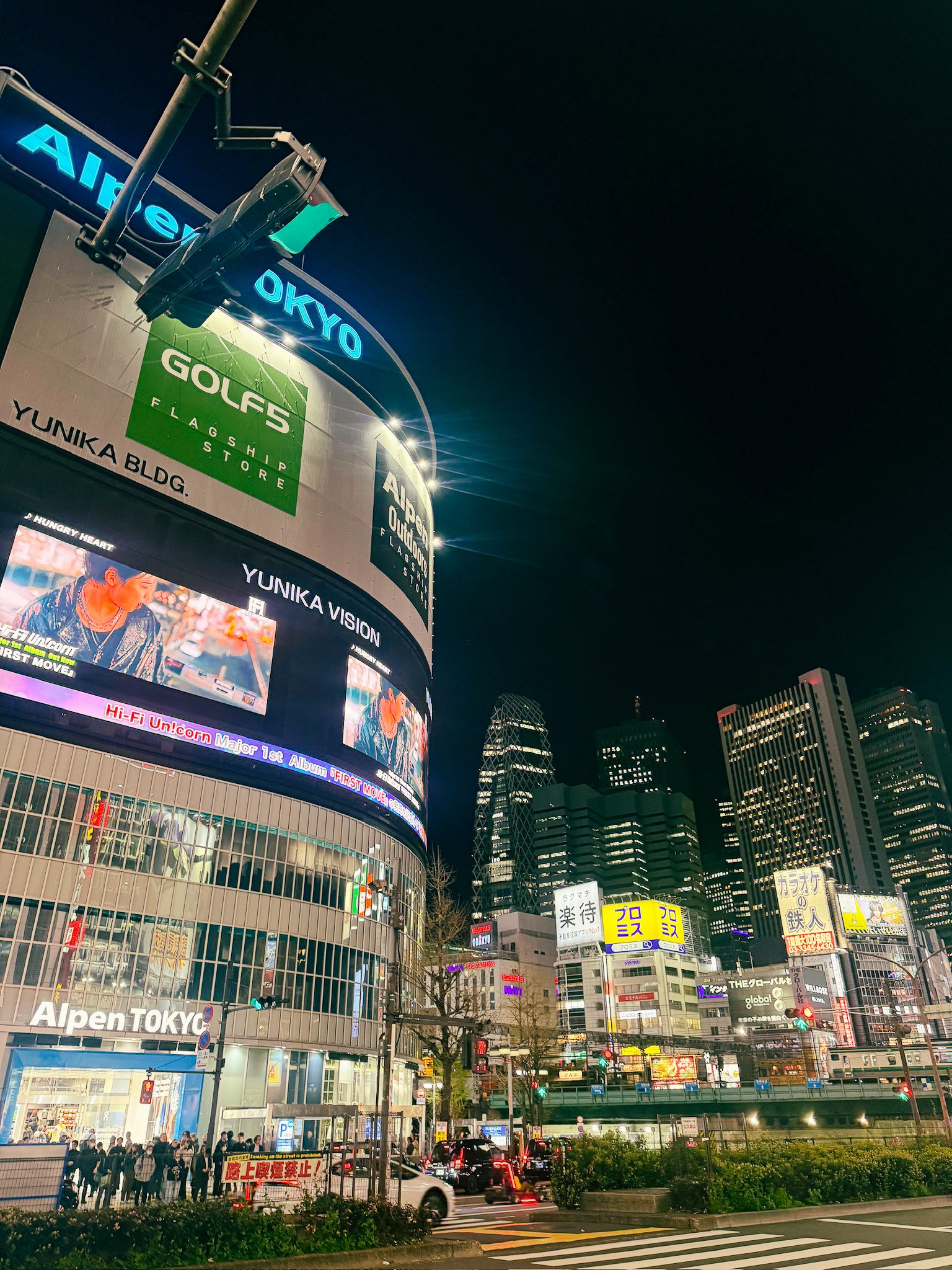
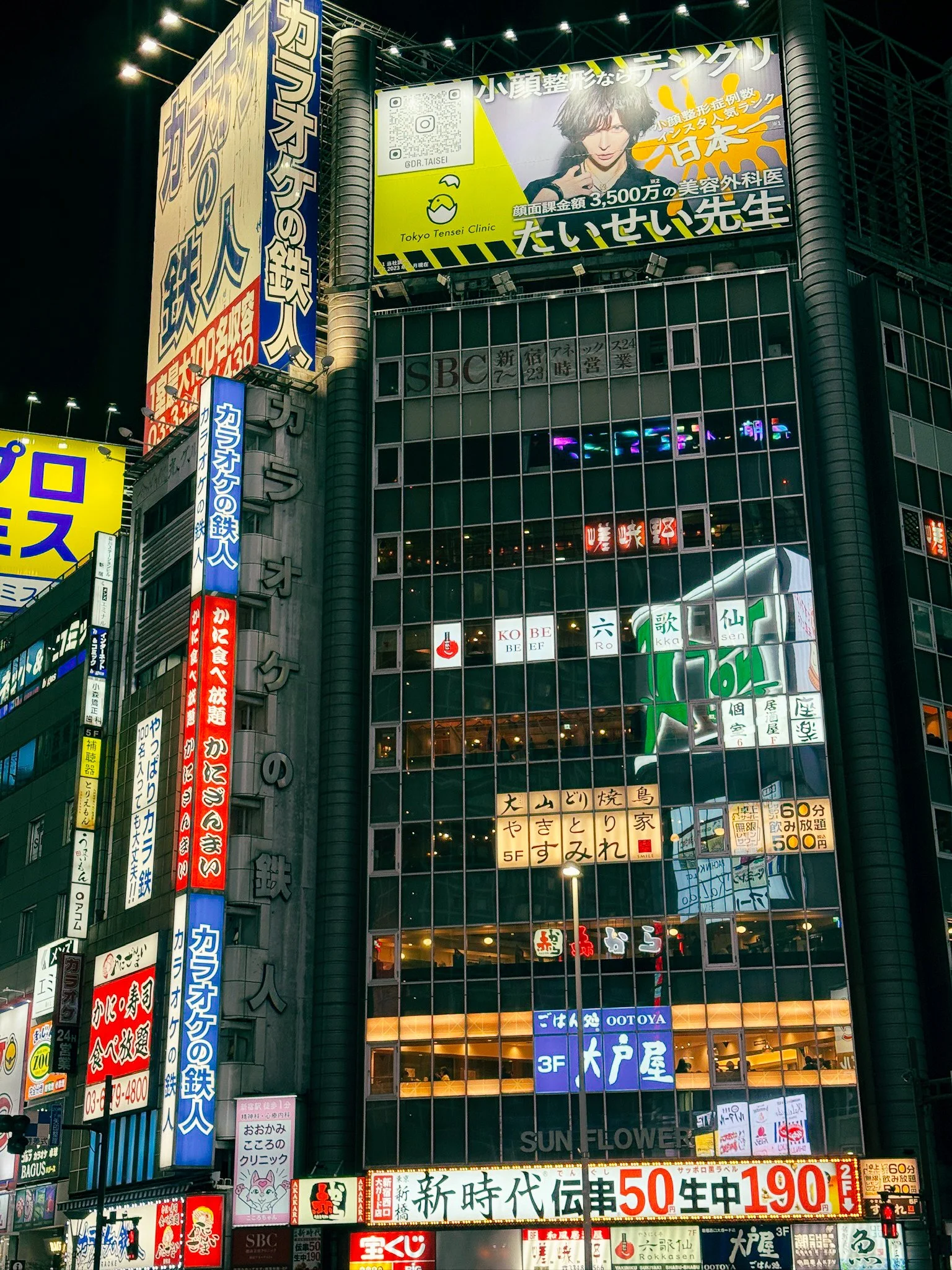
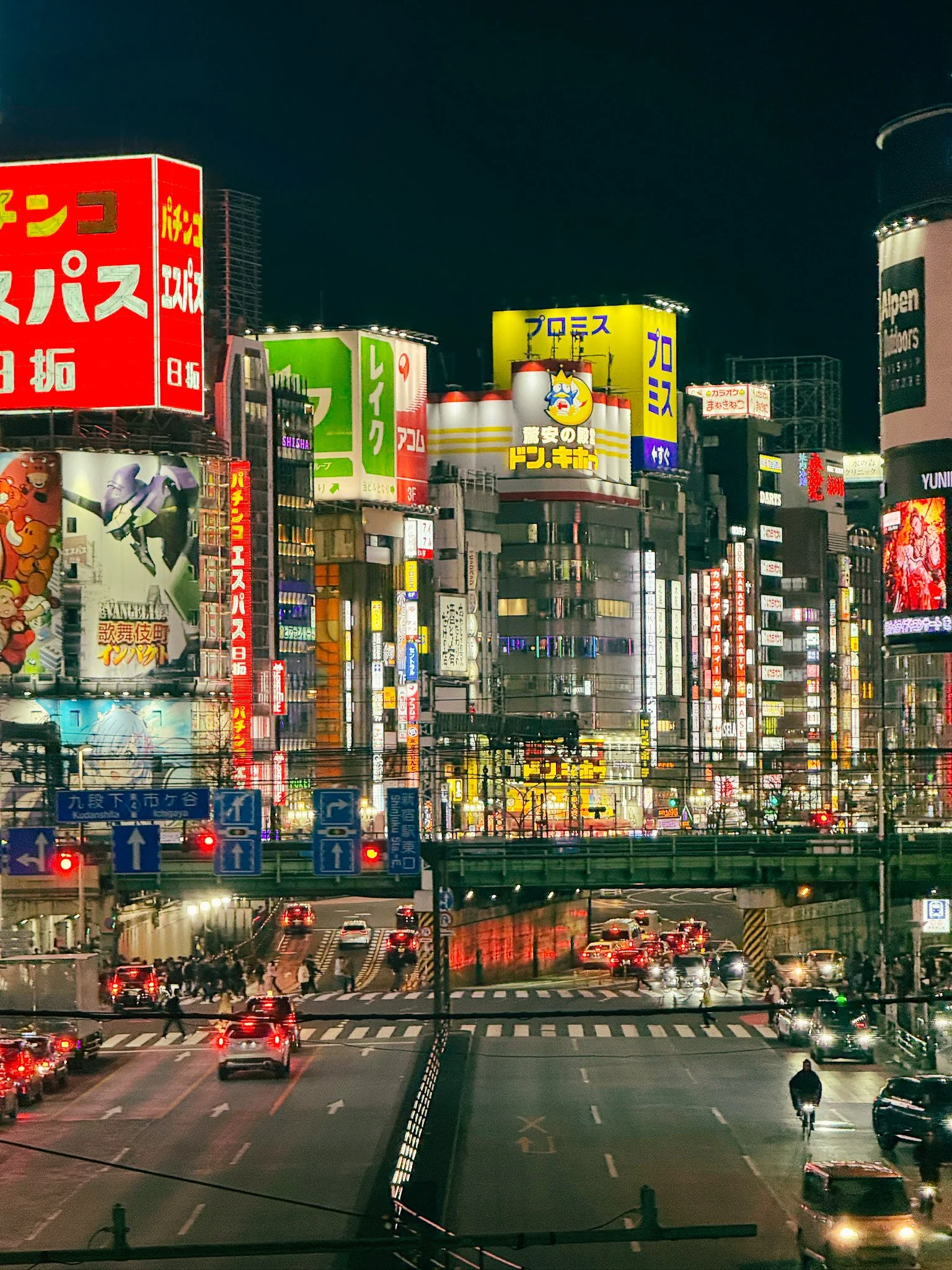
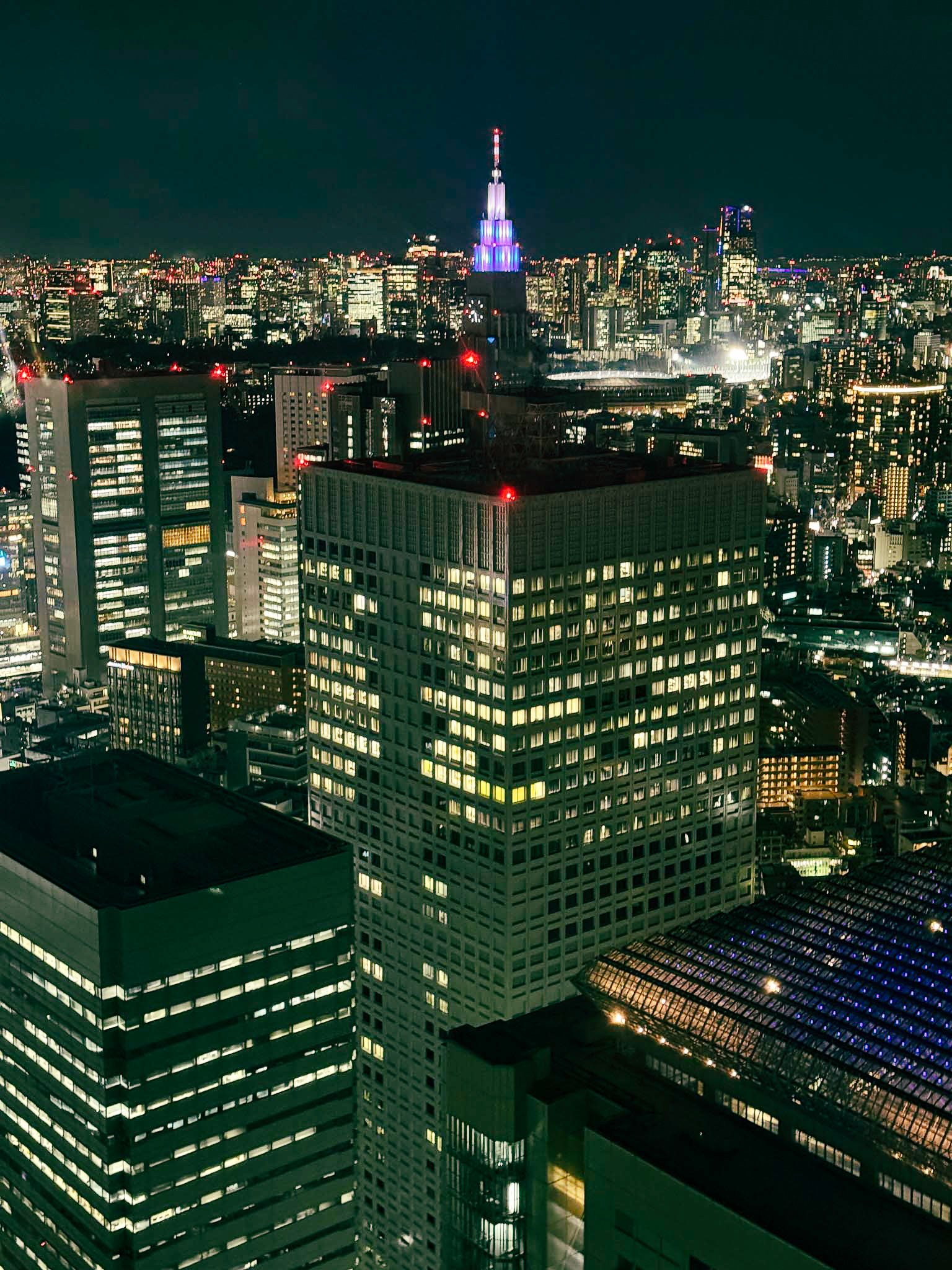
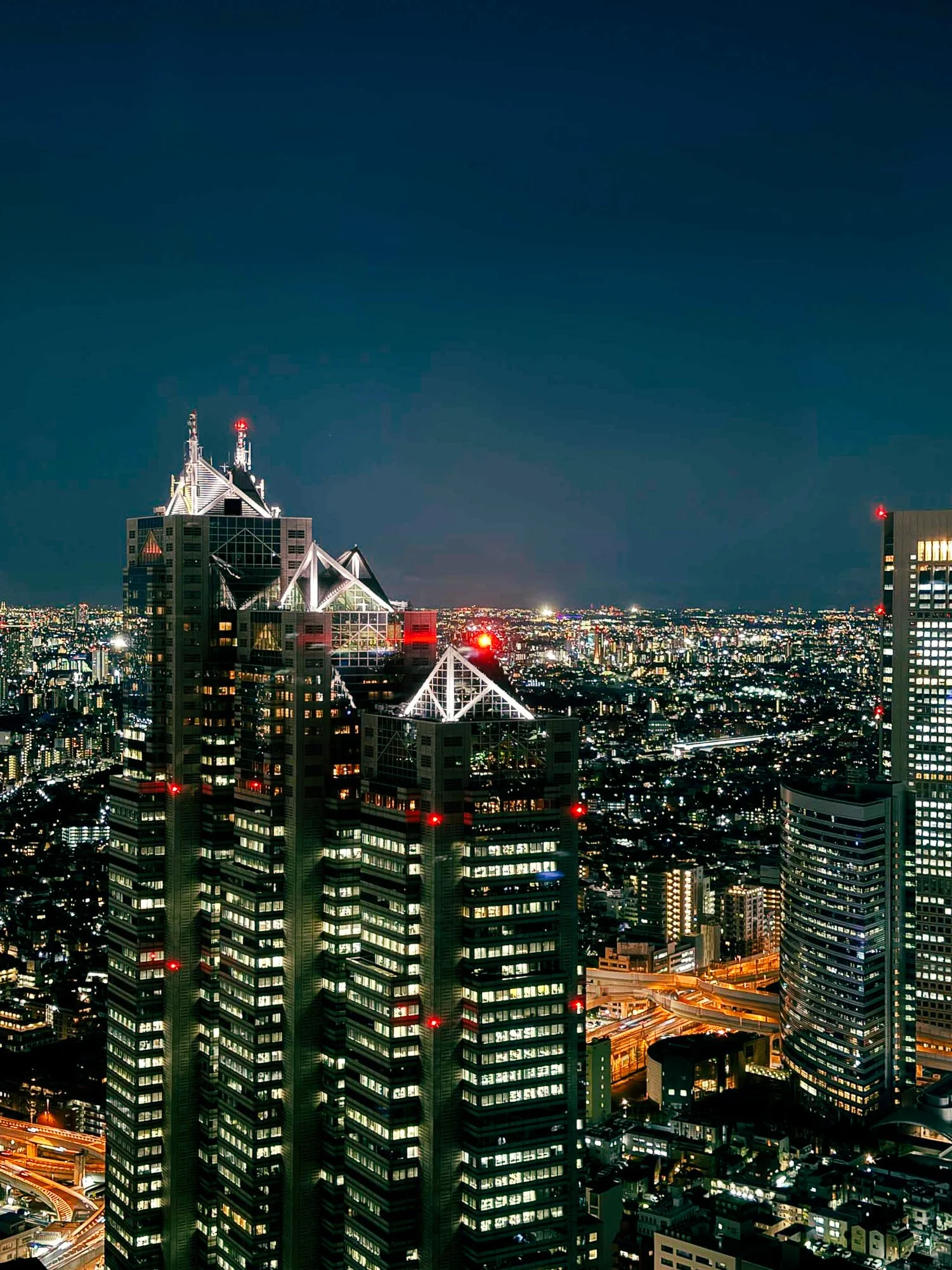
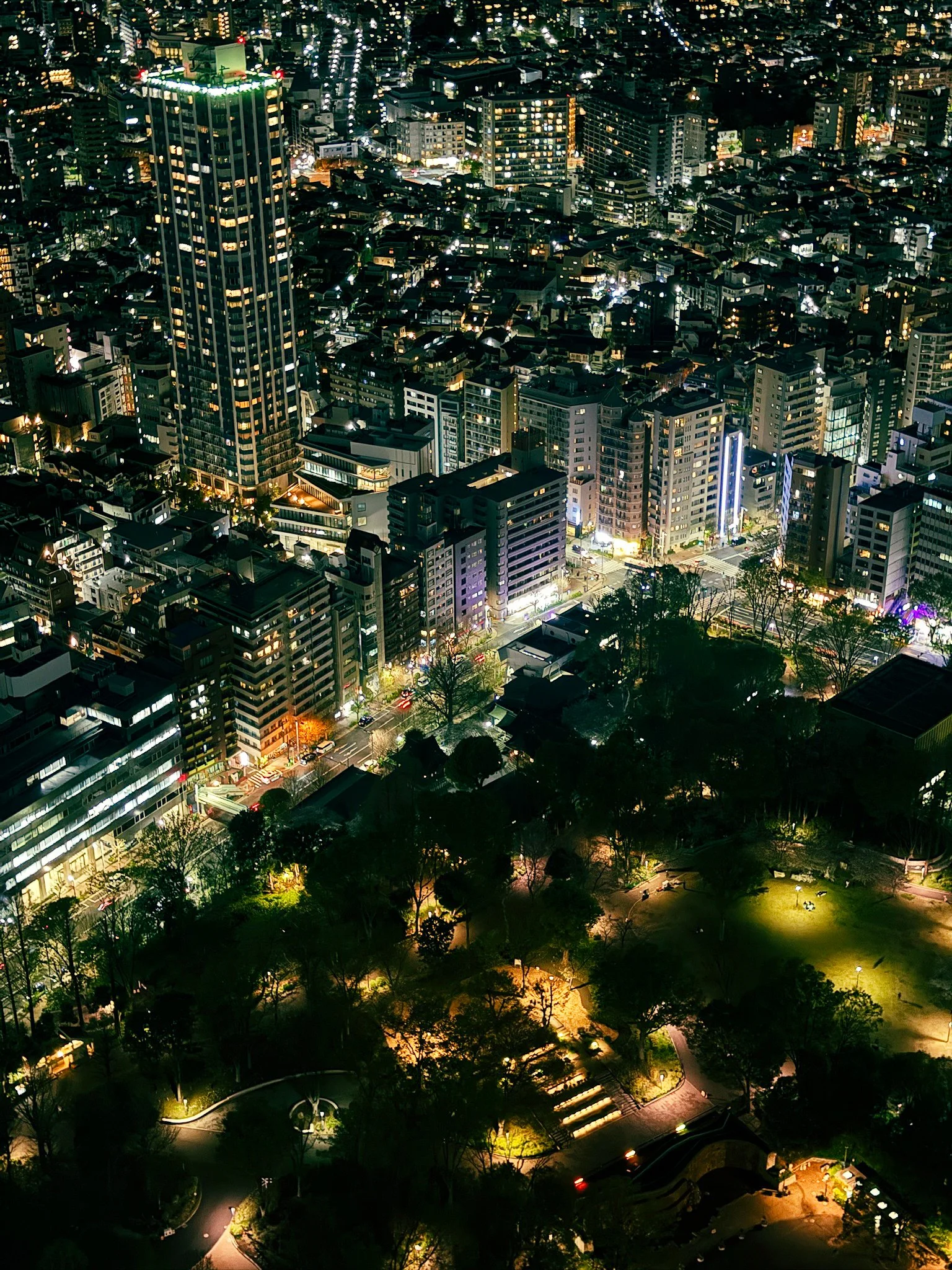
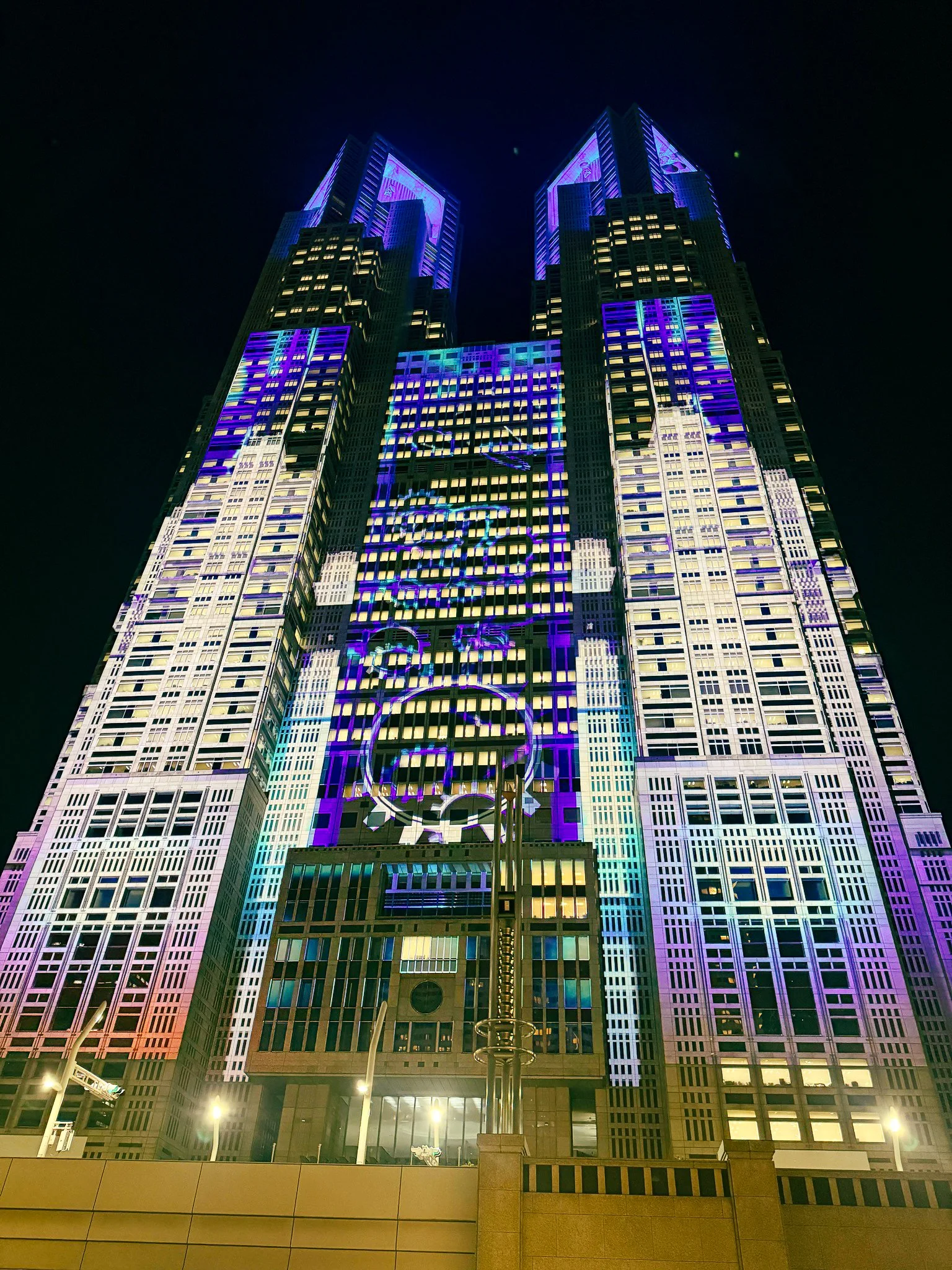
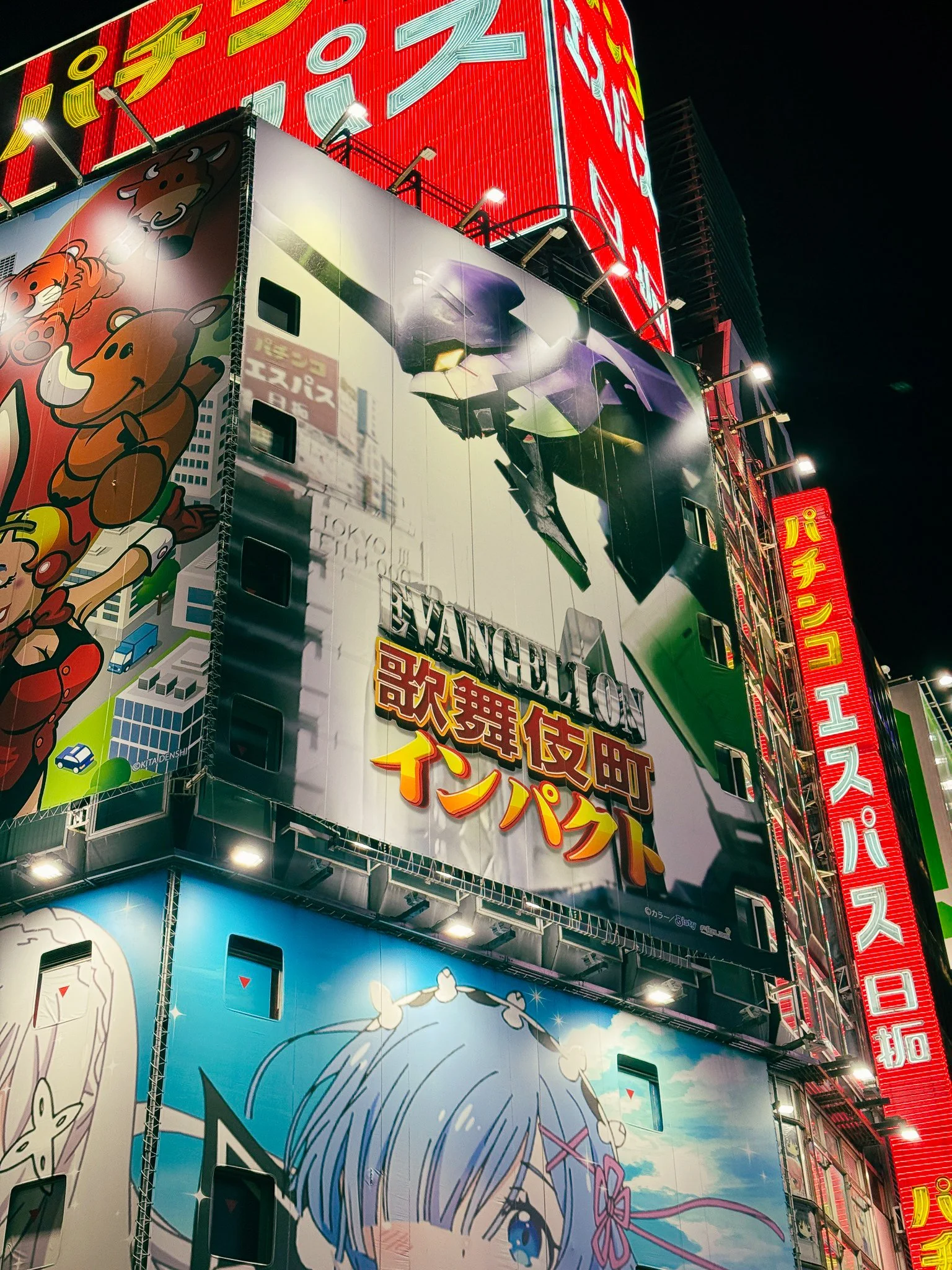
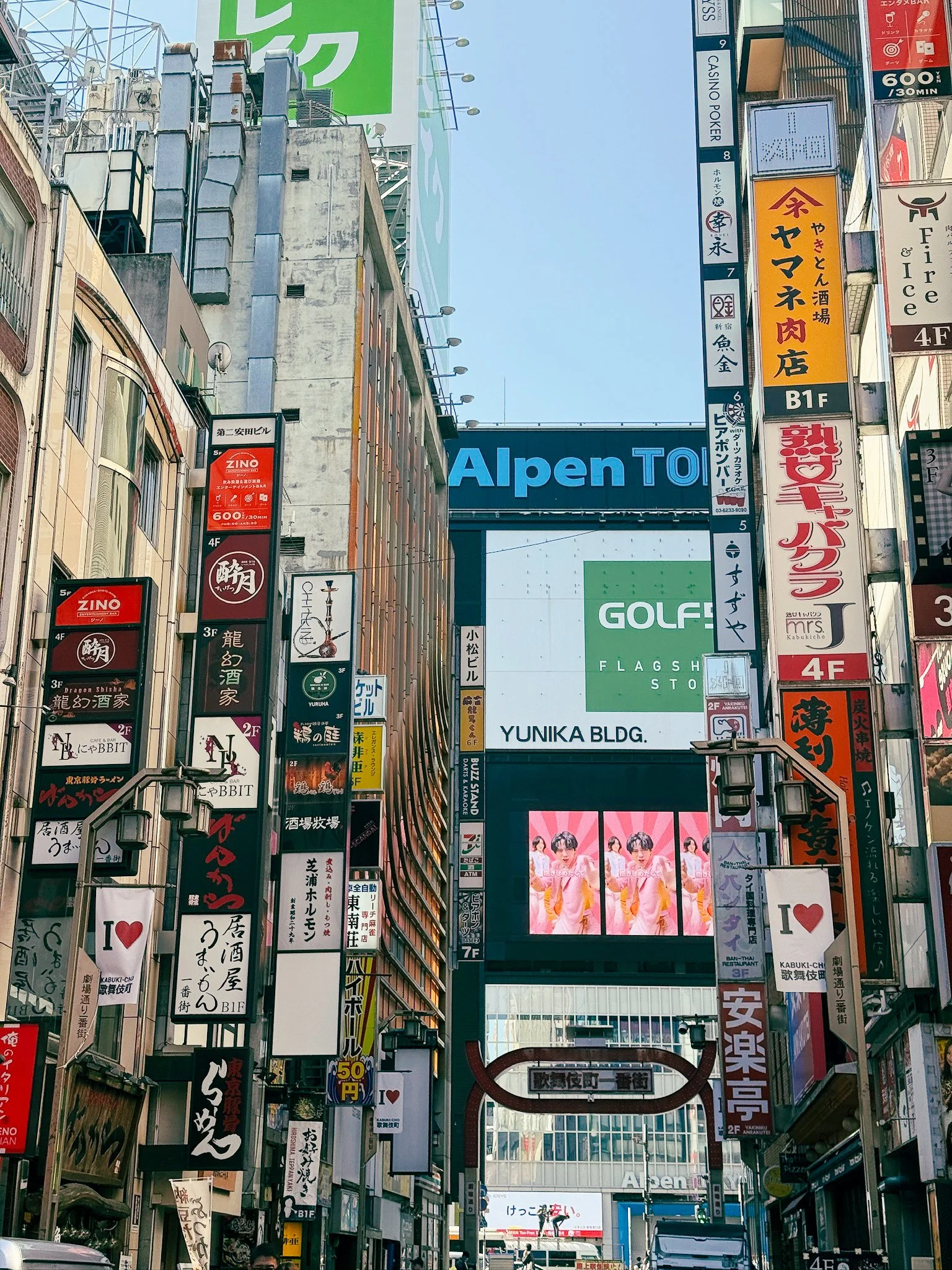
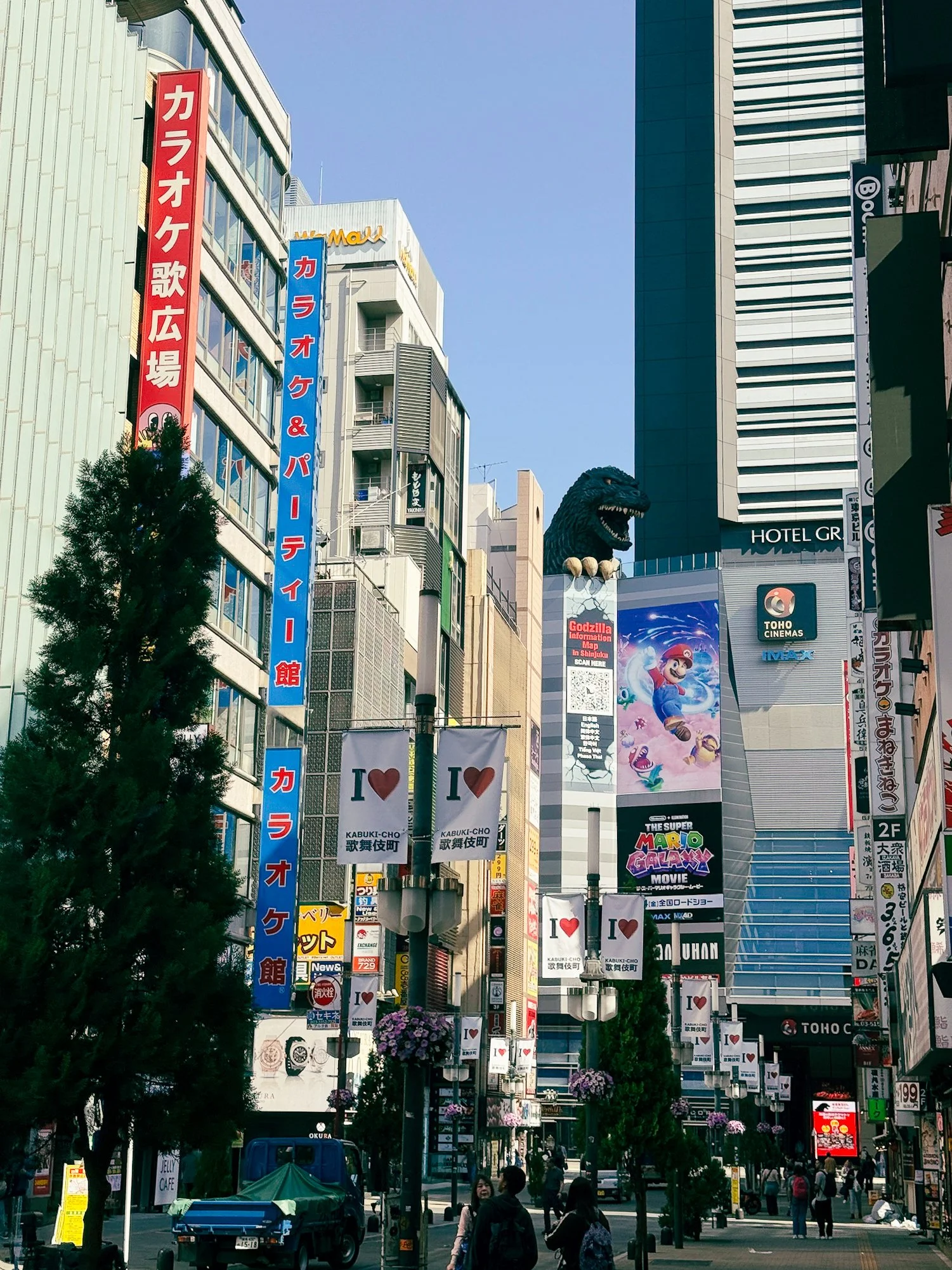
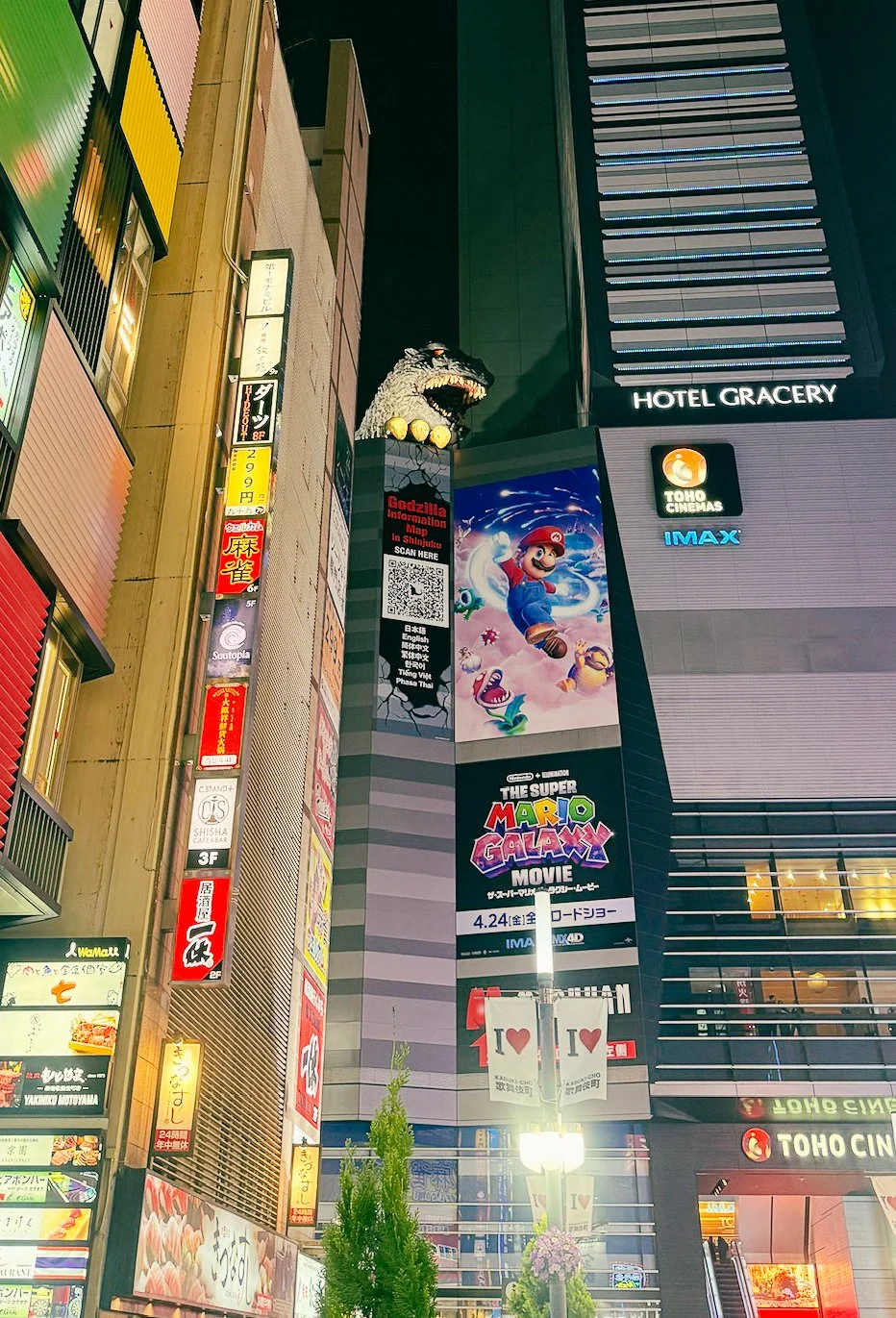
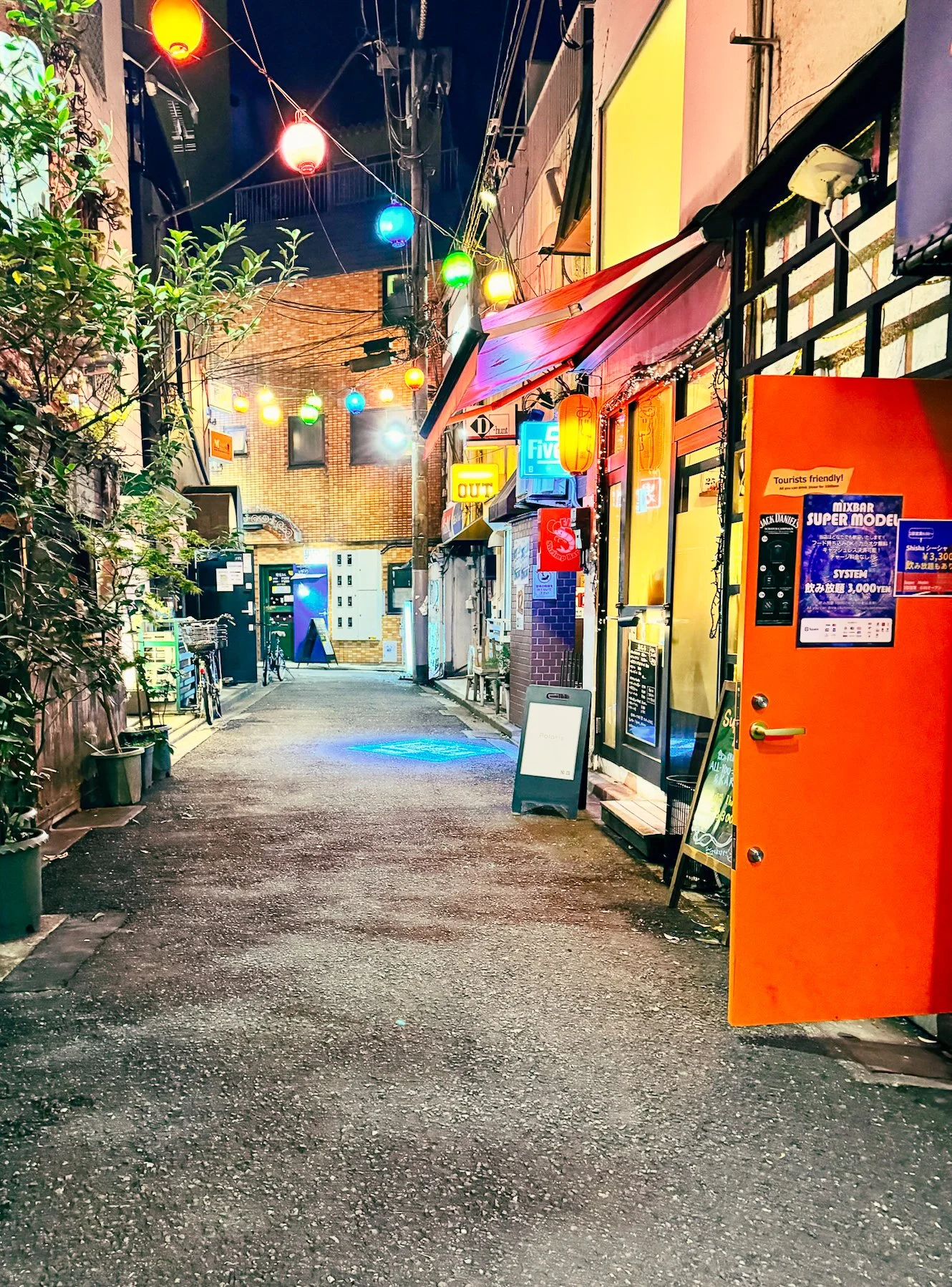
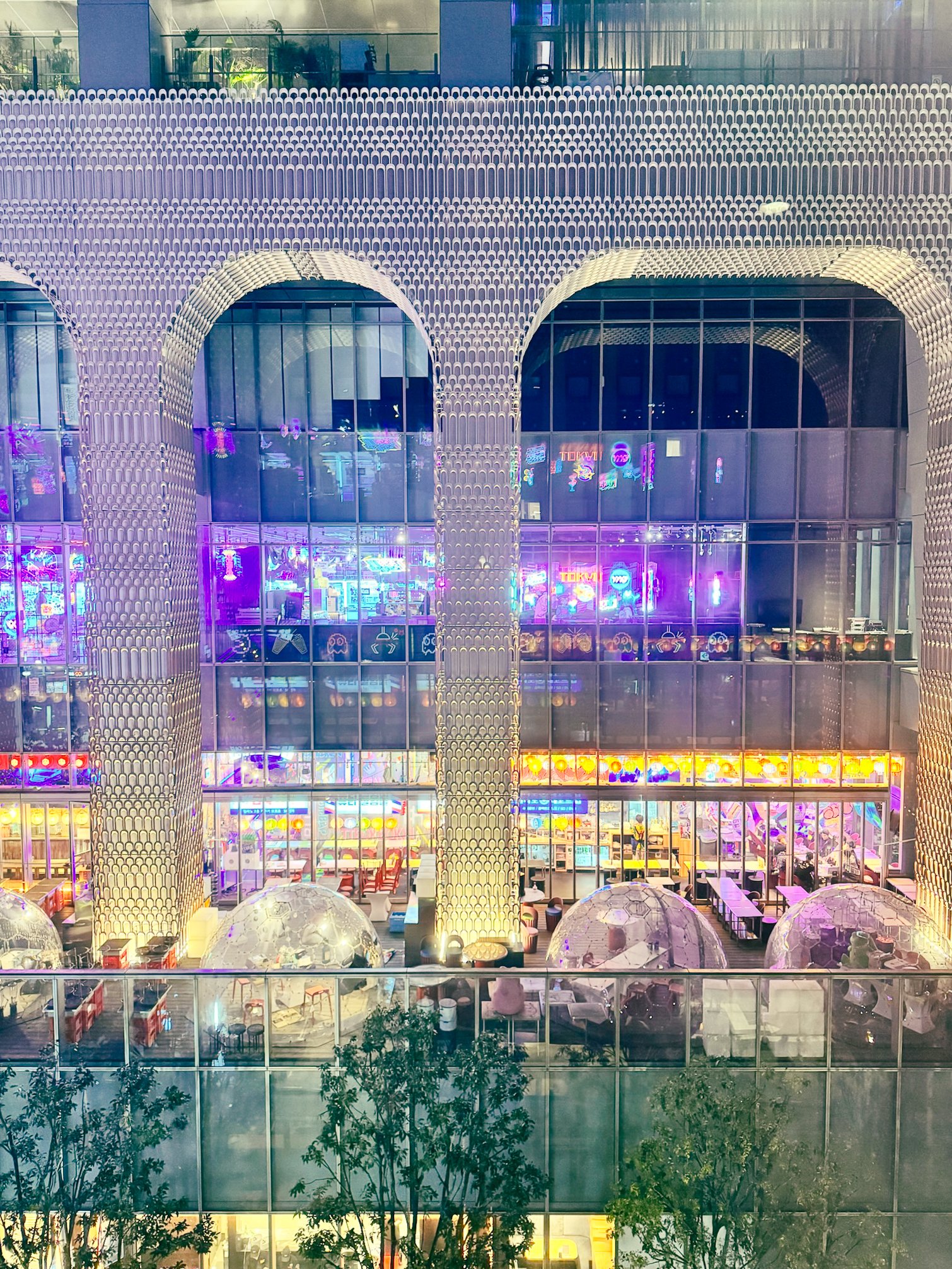
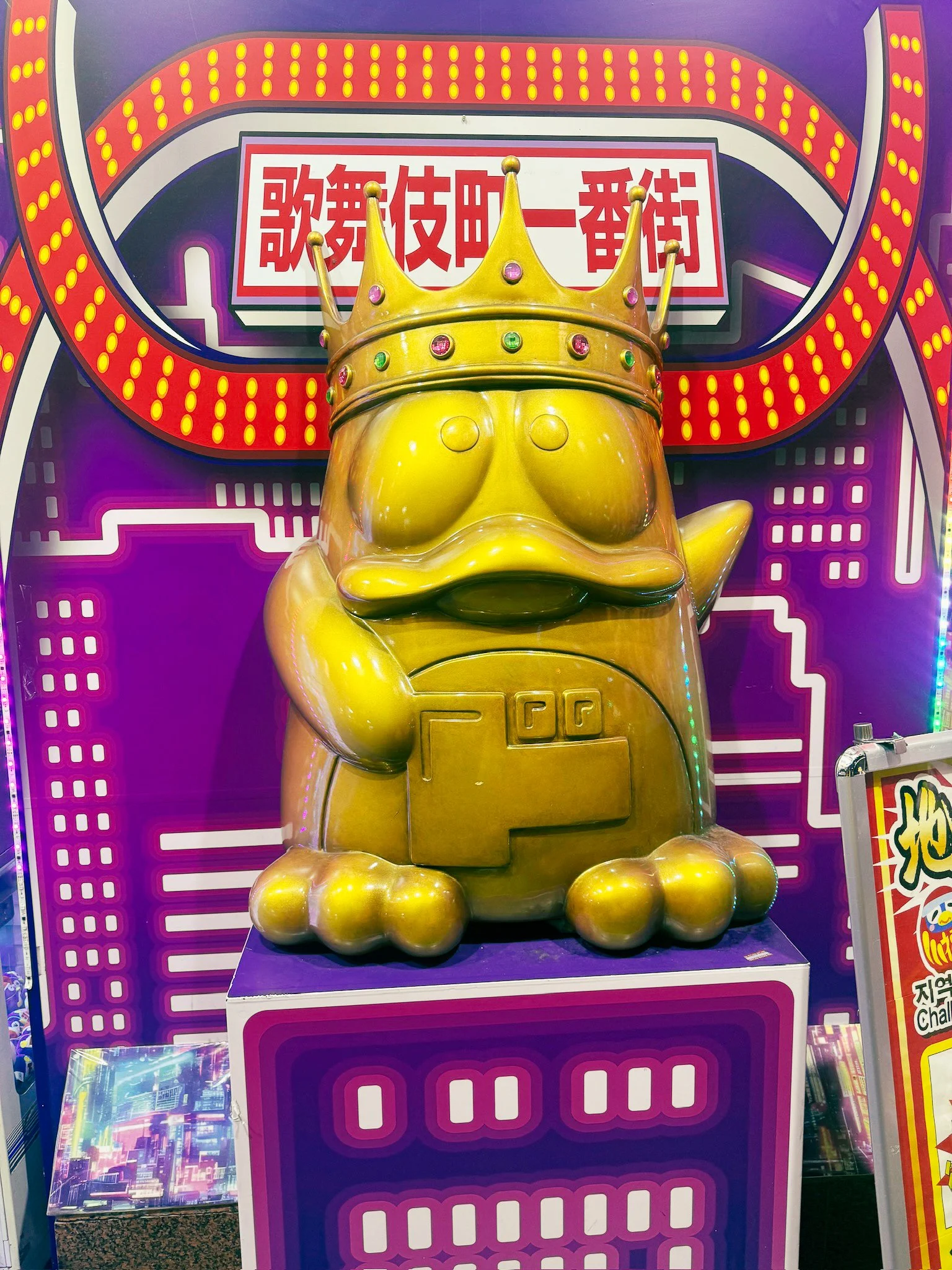
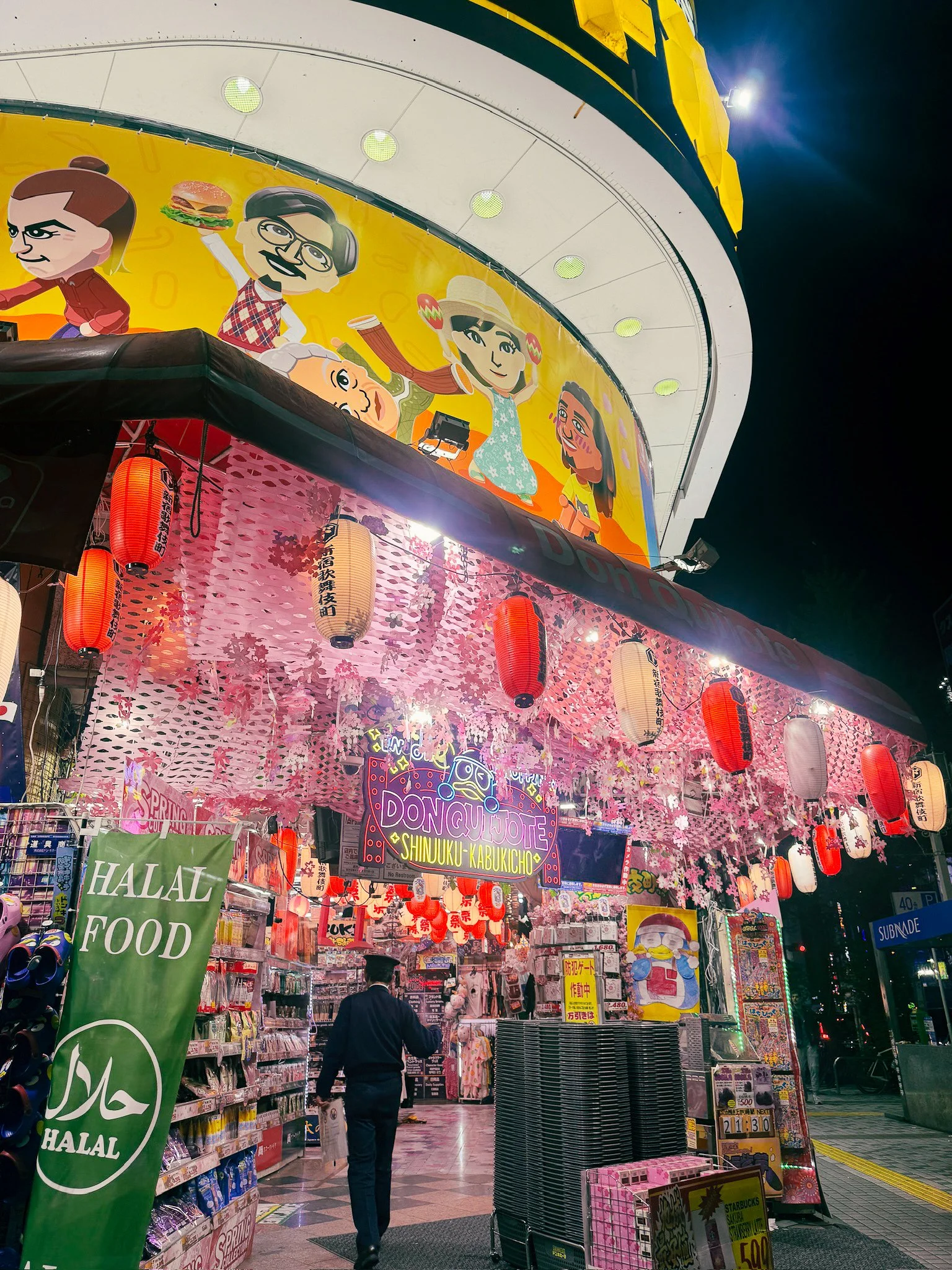
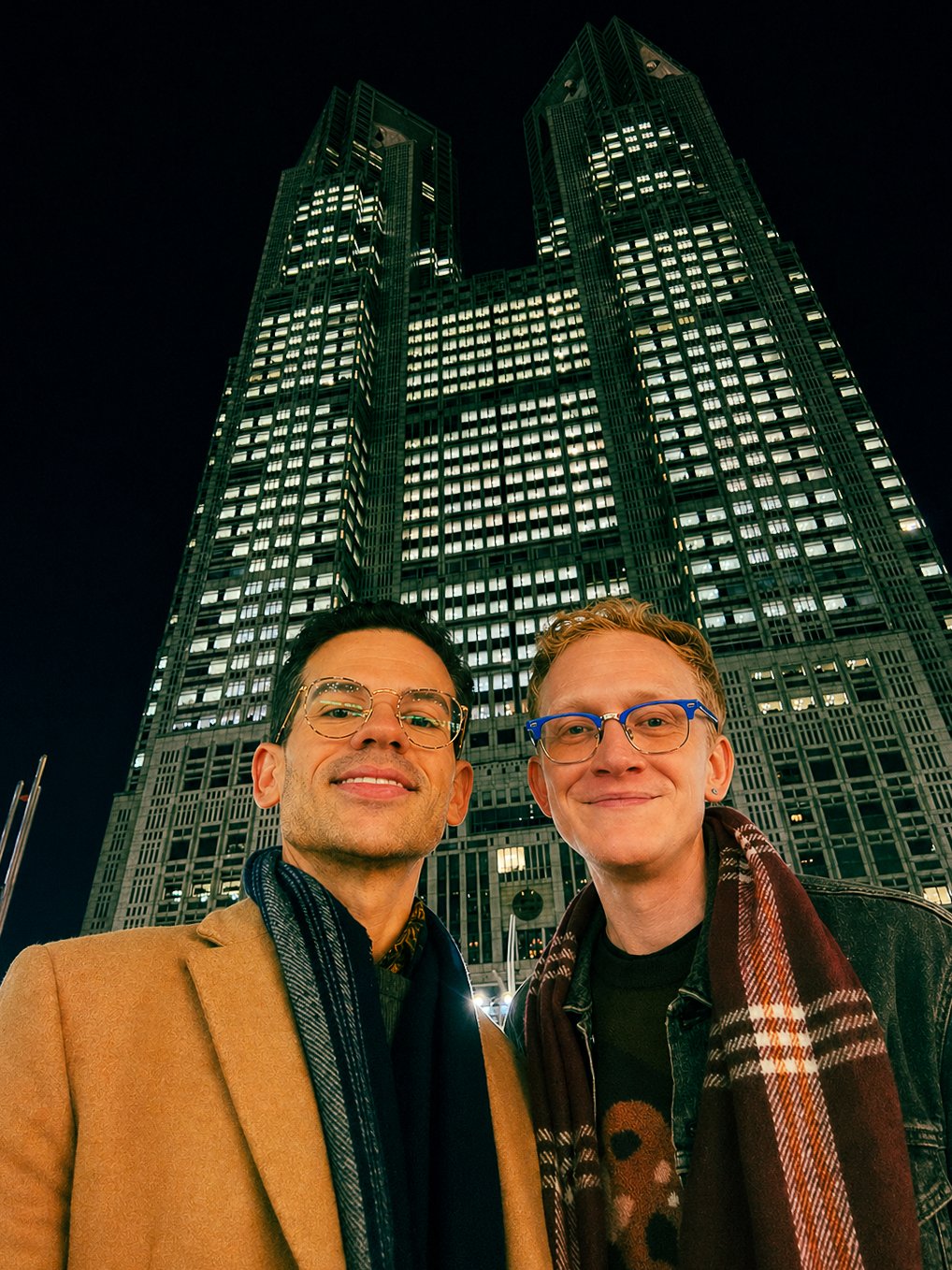
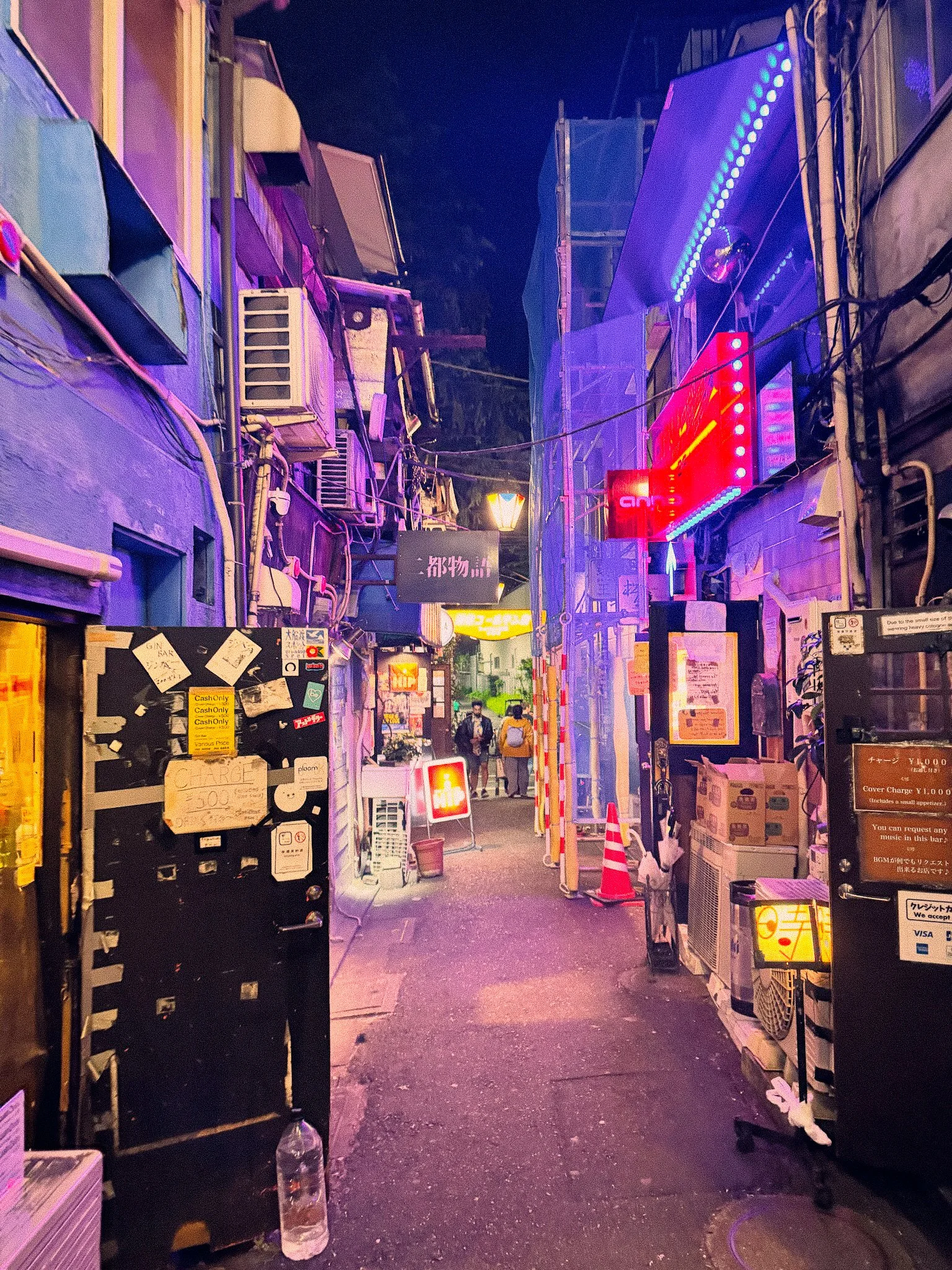
We landed in Tokyo and checked into our hotel in Shinjuku Kabukicho. After escaping the insanely complex train station, we were immediately blown away by the towering skyline and endless rows of shops, bars, and entertainment. Once we got settled, we spent the evening exploring the neon-lit streets before heading to the Tokyo Metropolitan Government Building Observatory. From the top, we got a panoramic view of the city and a first look at just how massive Tokyo really is.
day 2 明治神宮・代々木公園・原宿・渋谷/スクウェア・エニックス アルティニア(新宿)
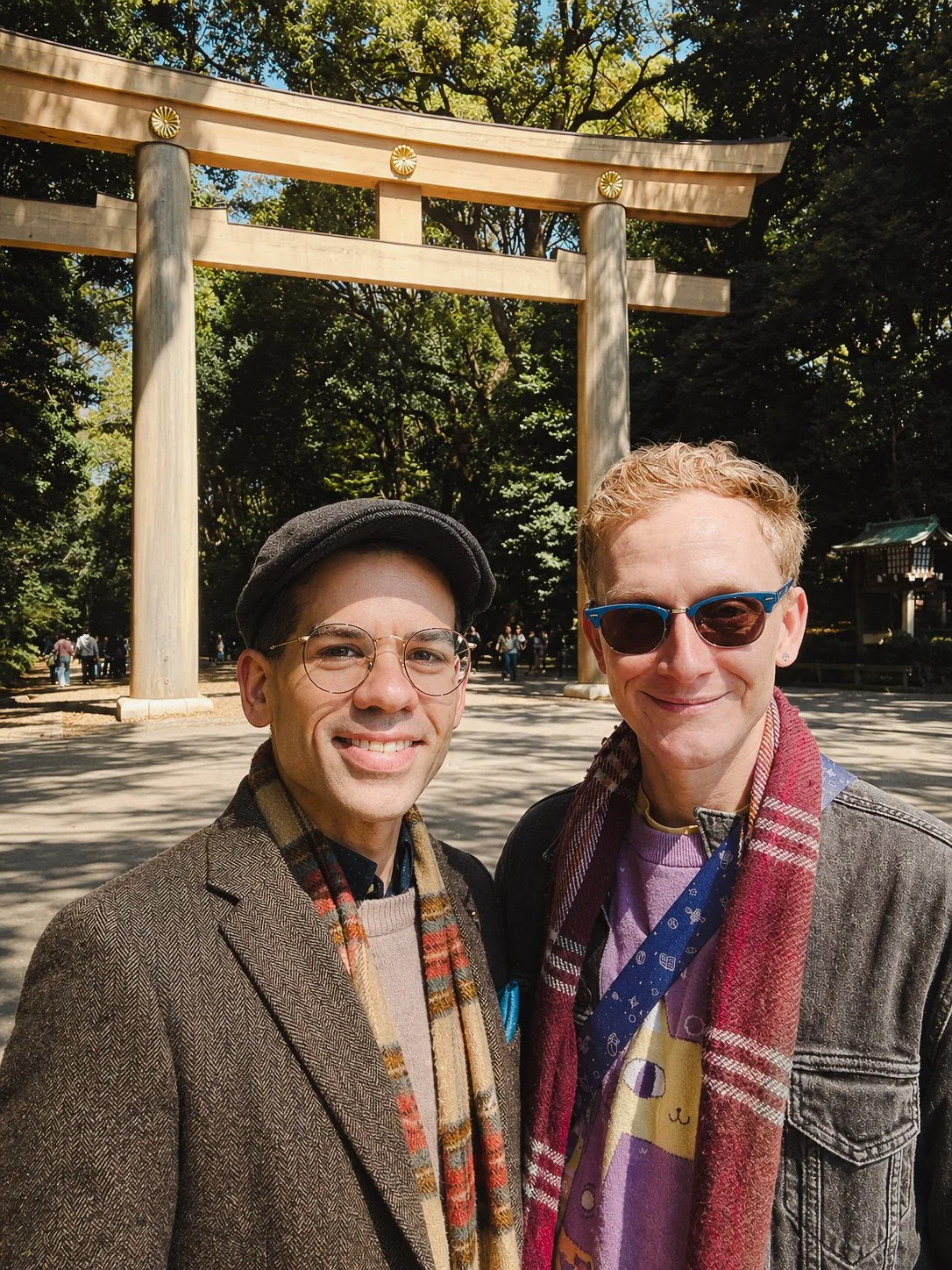
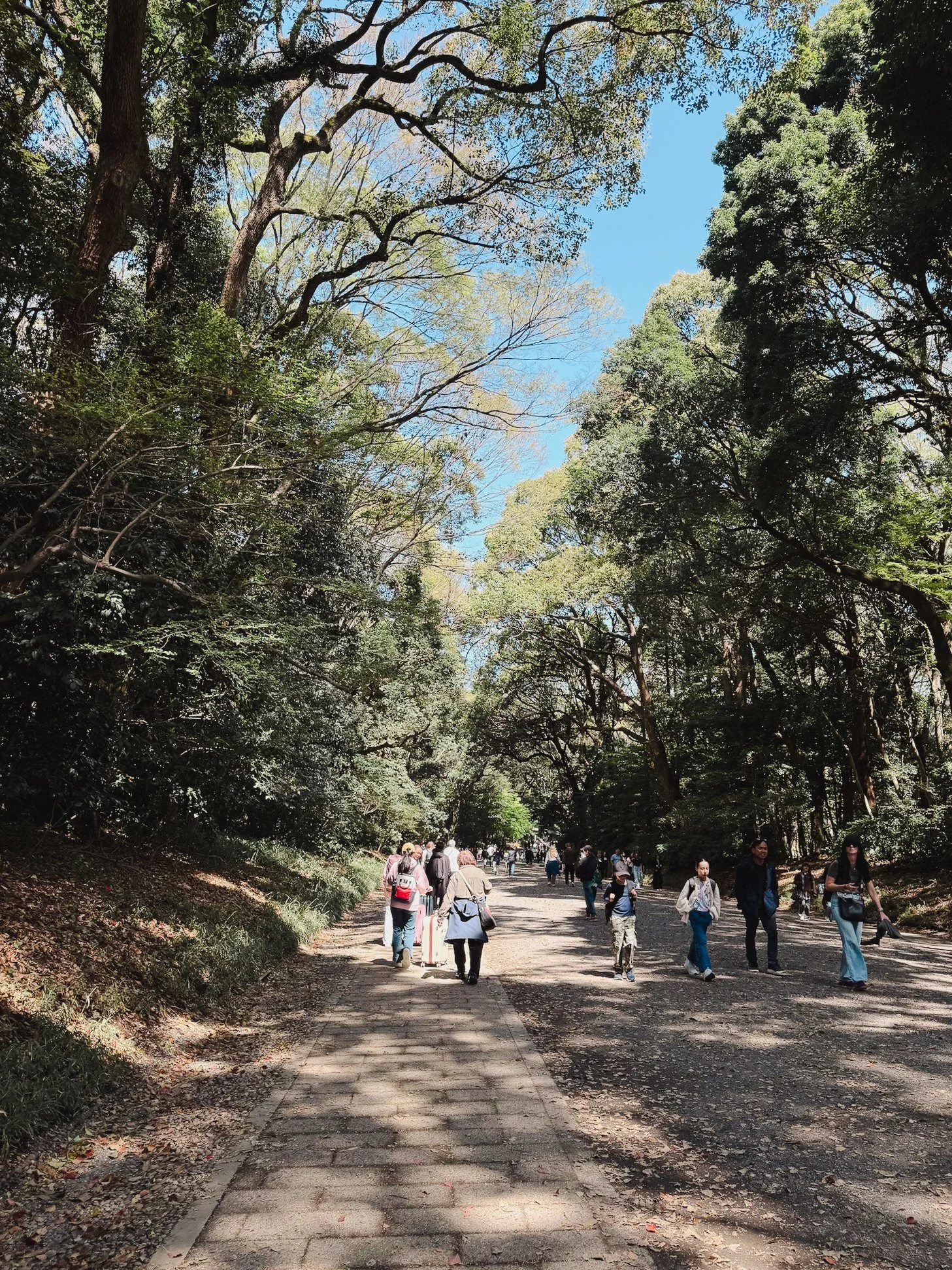
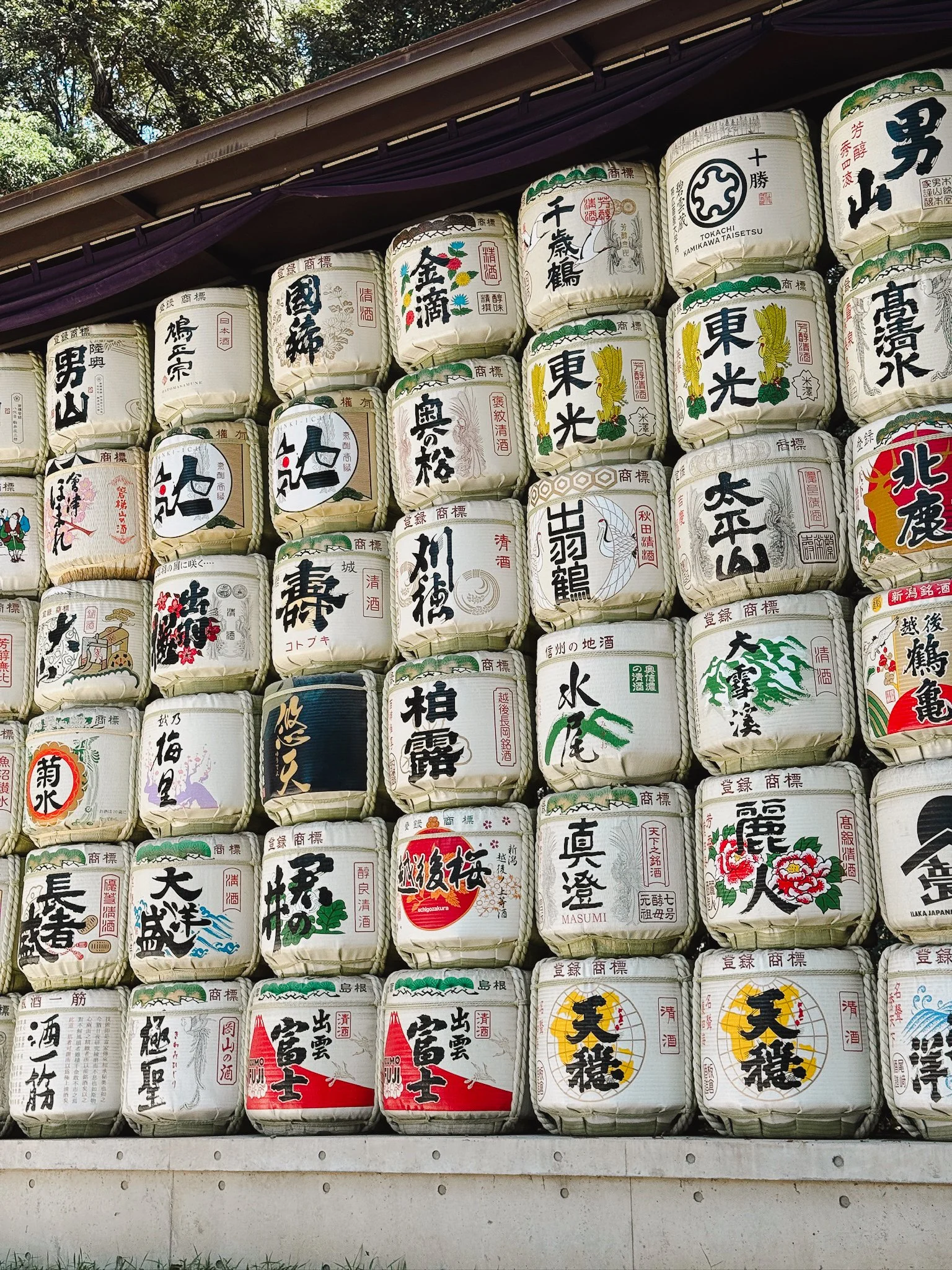
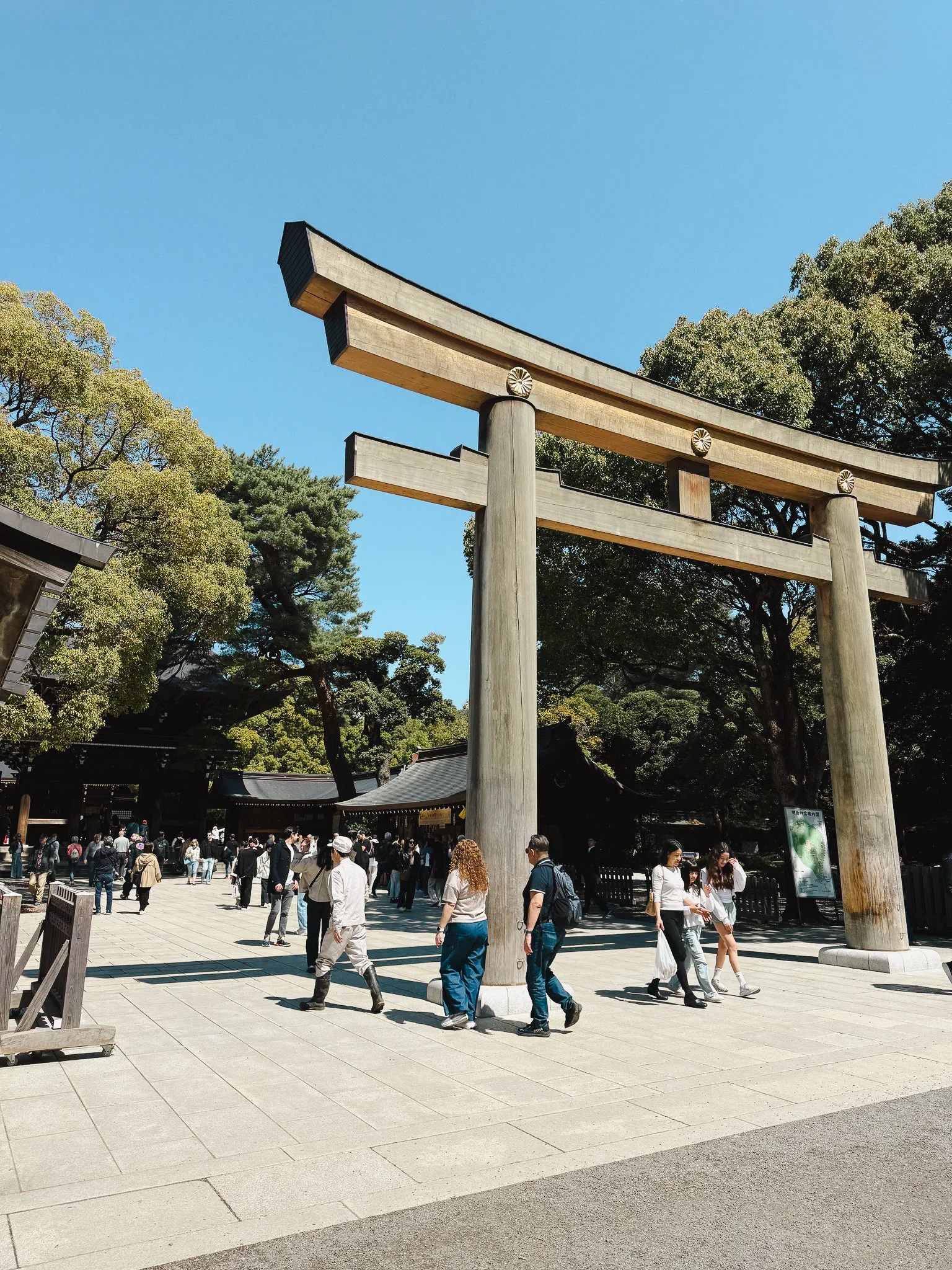
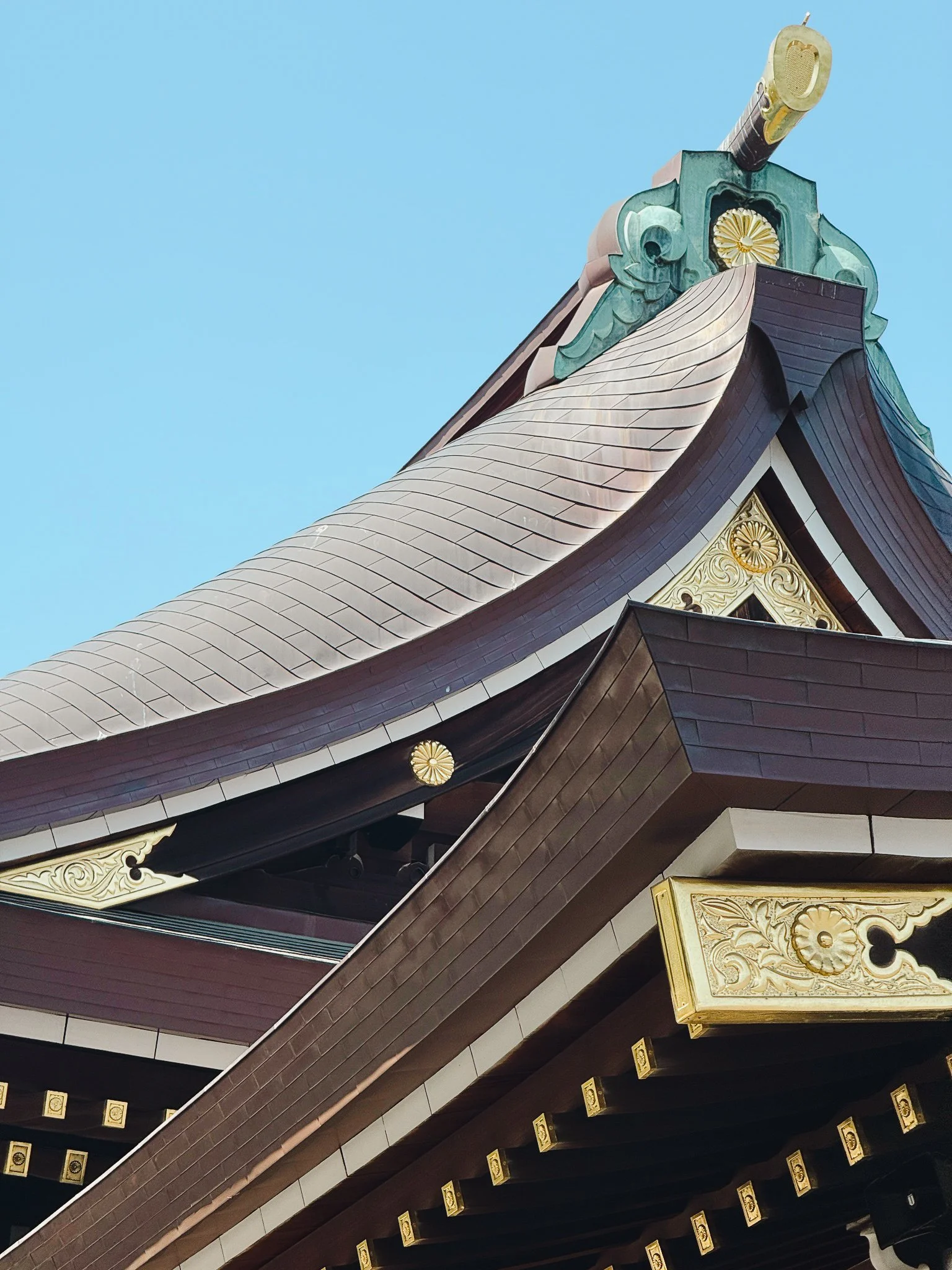
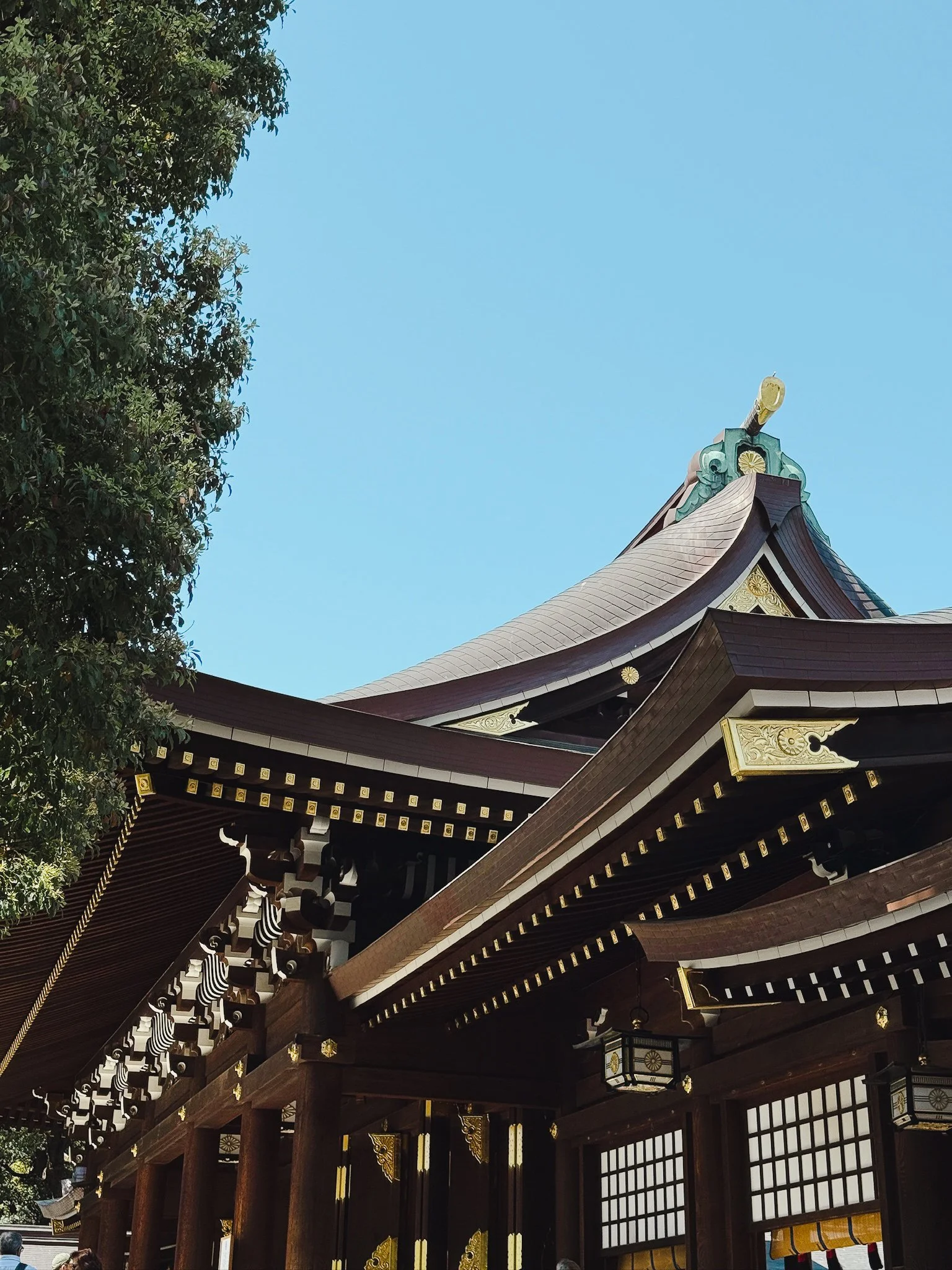
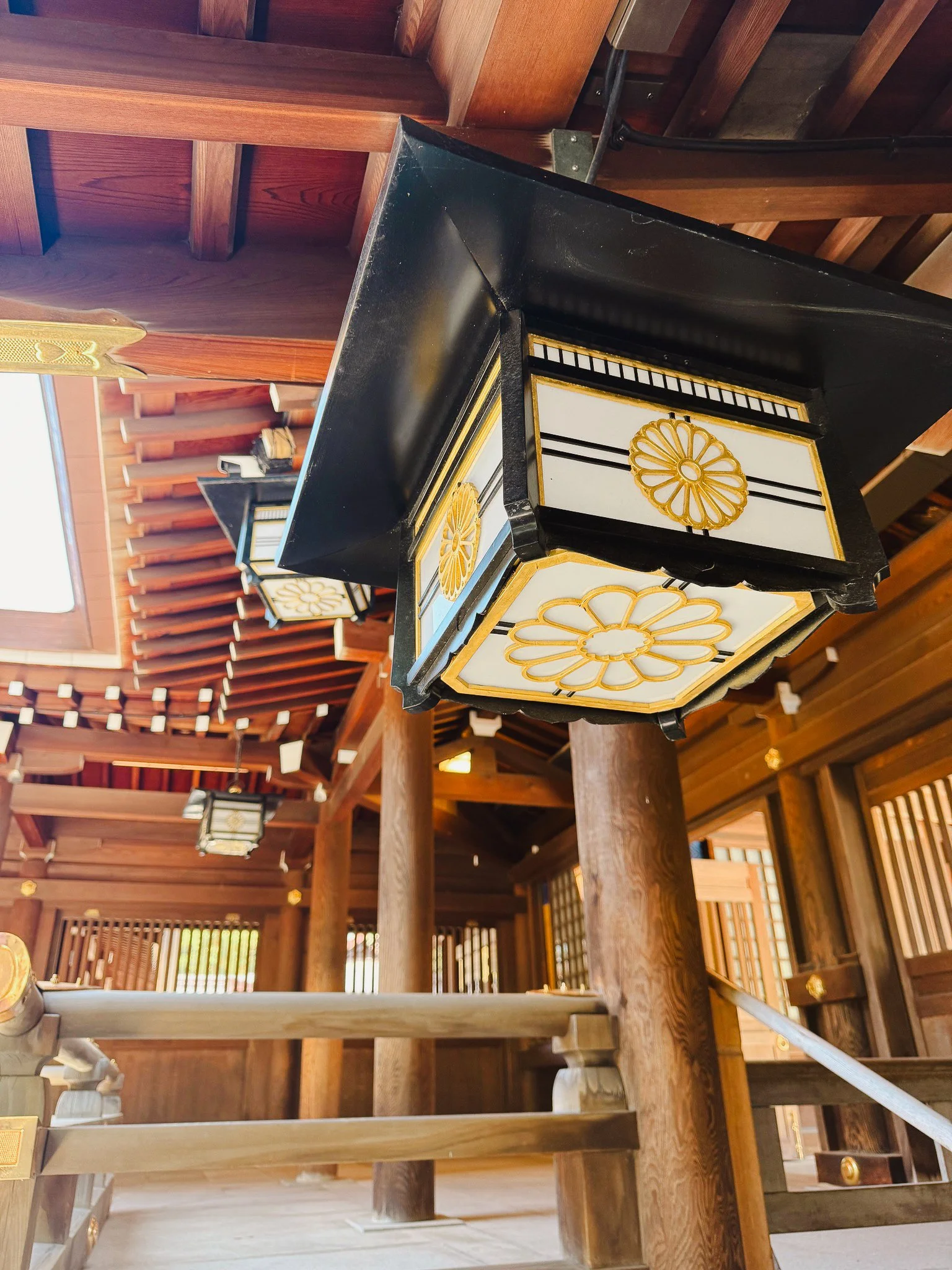
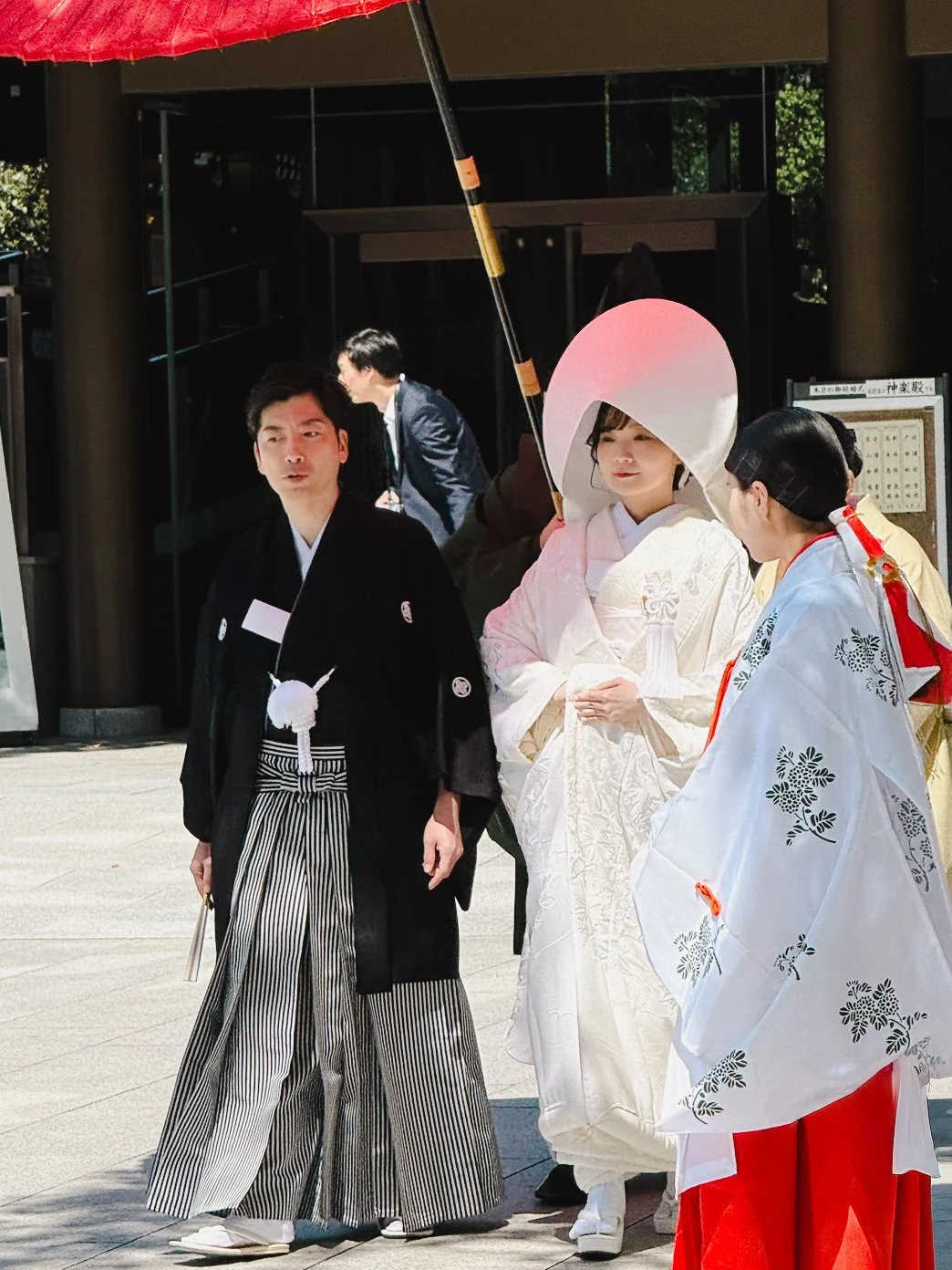
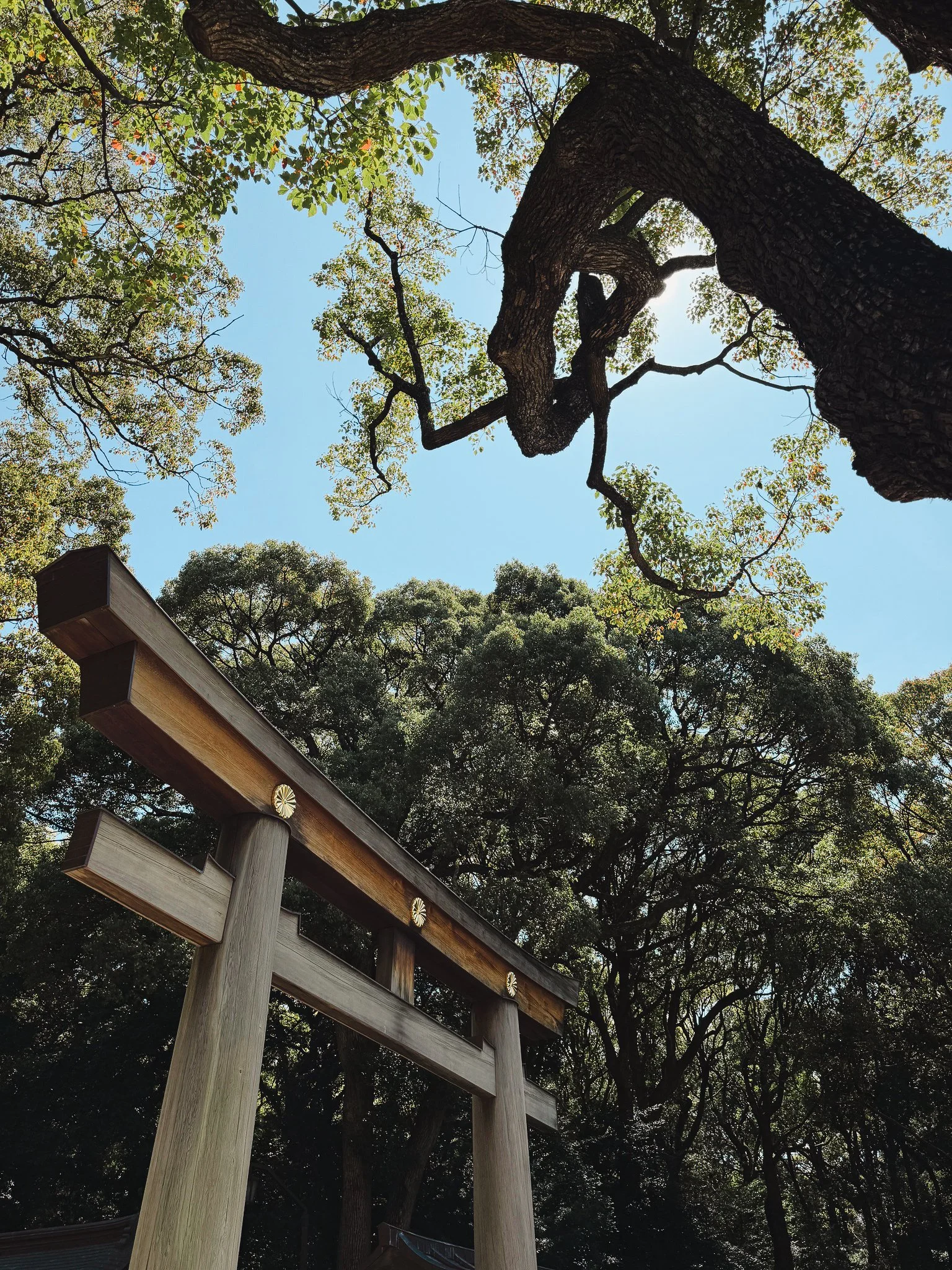
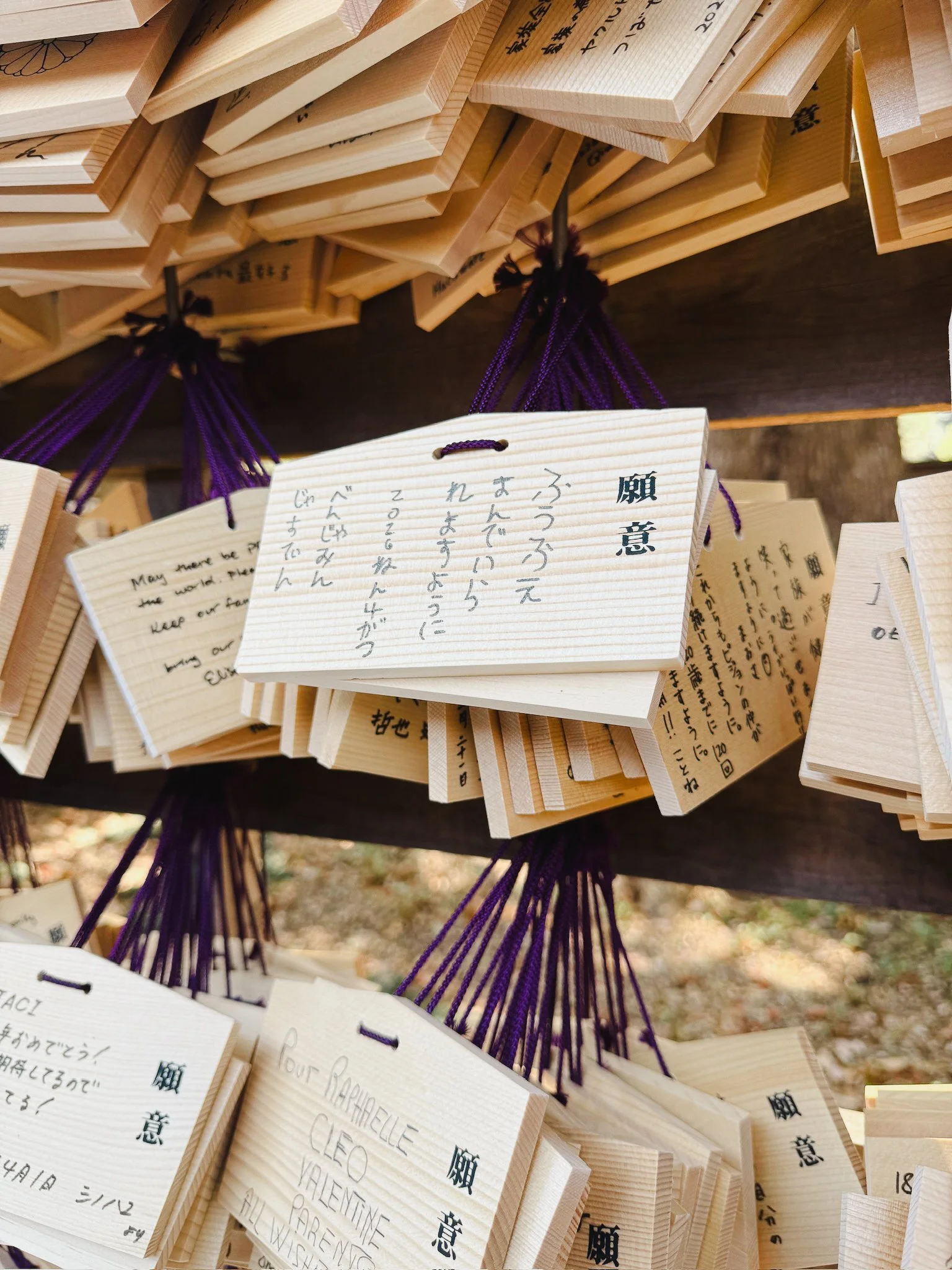
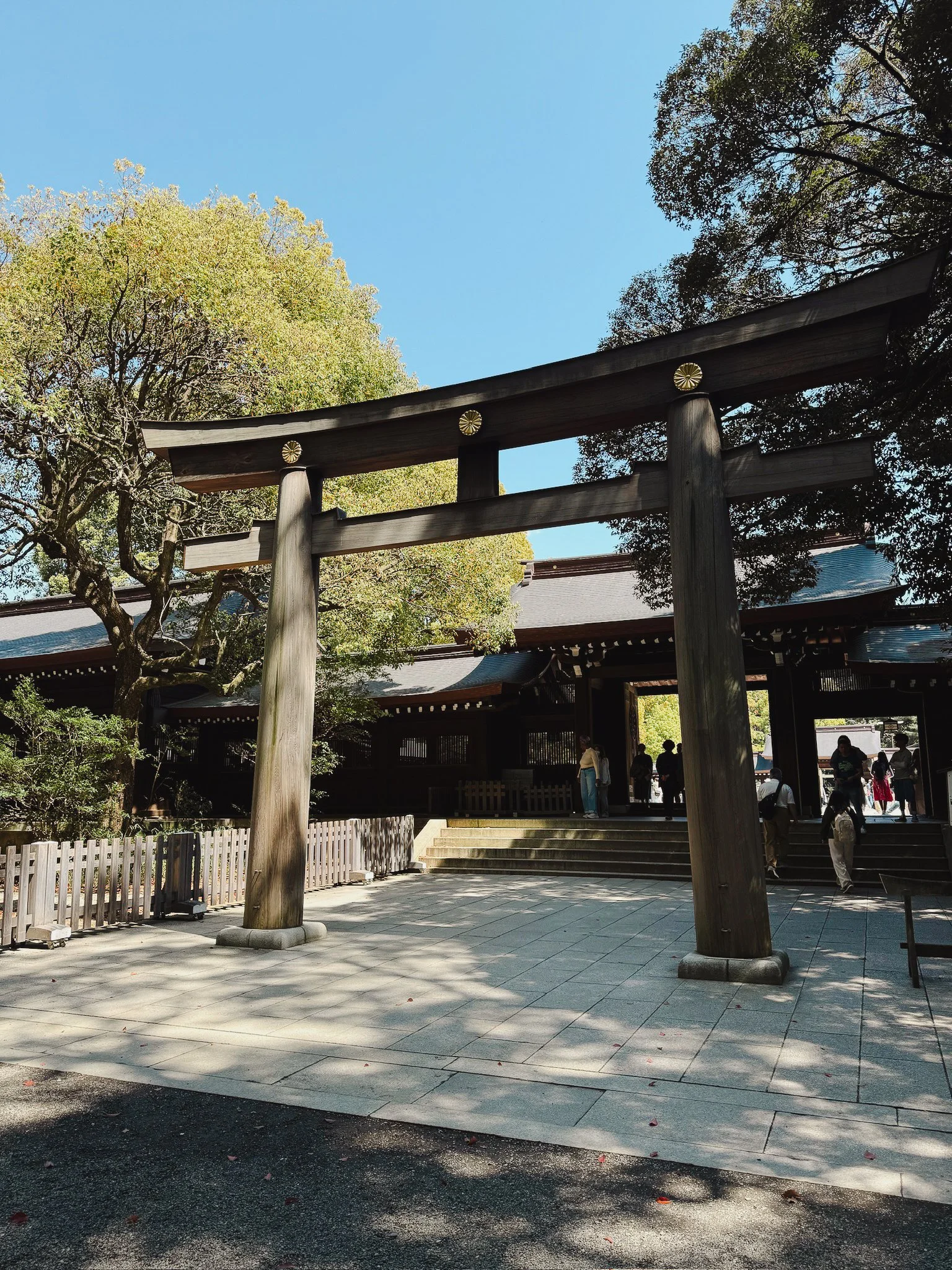
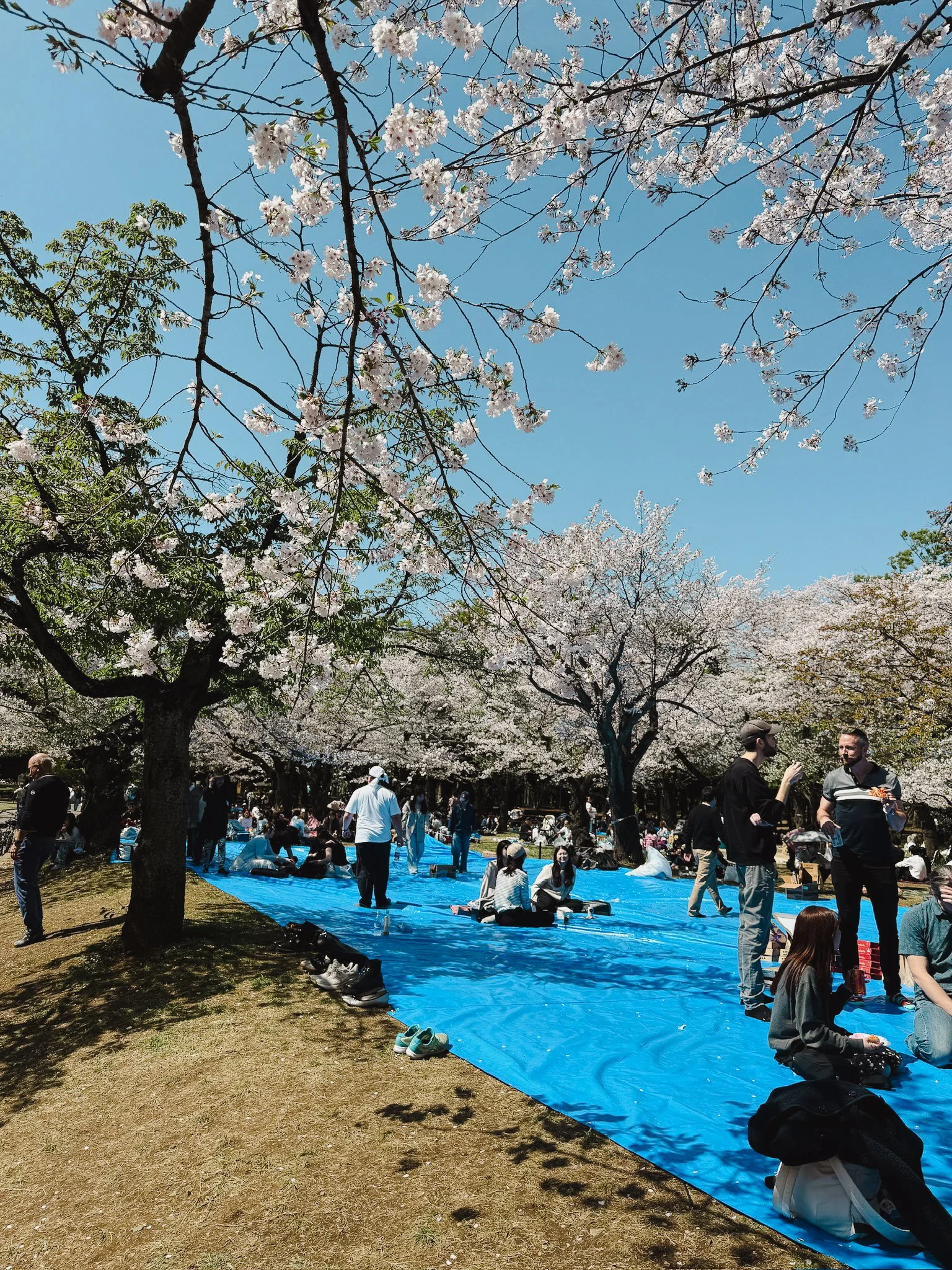
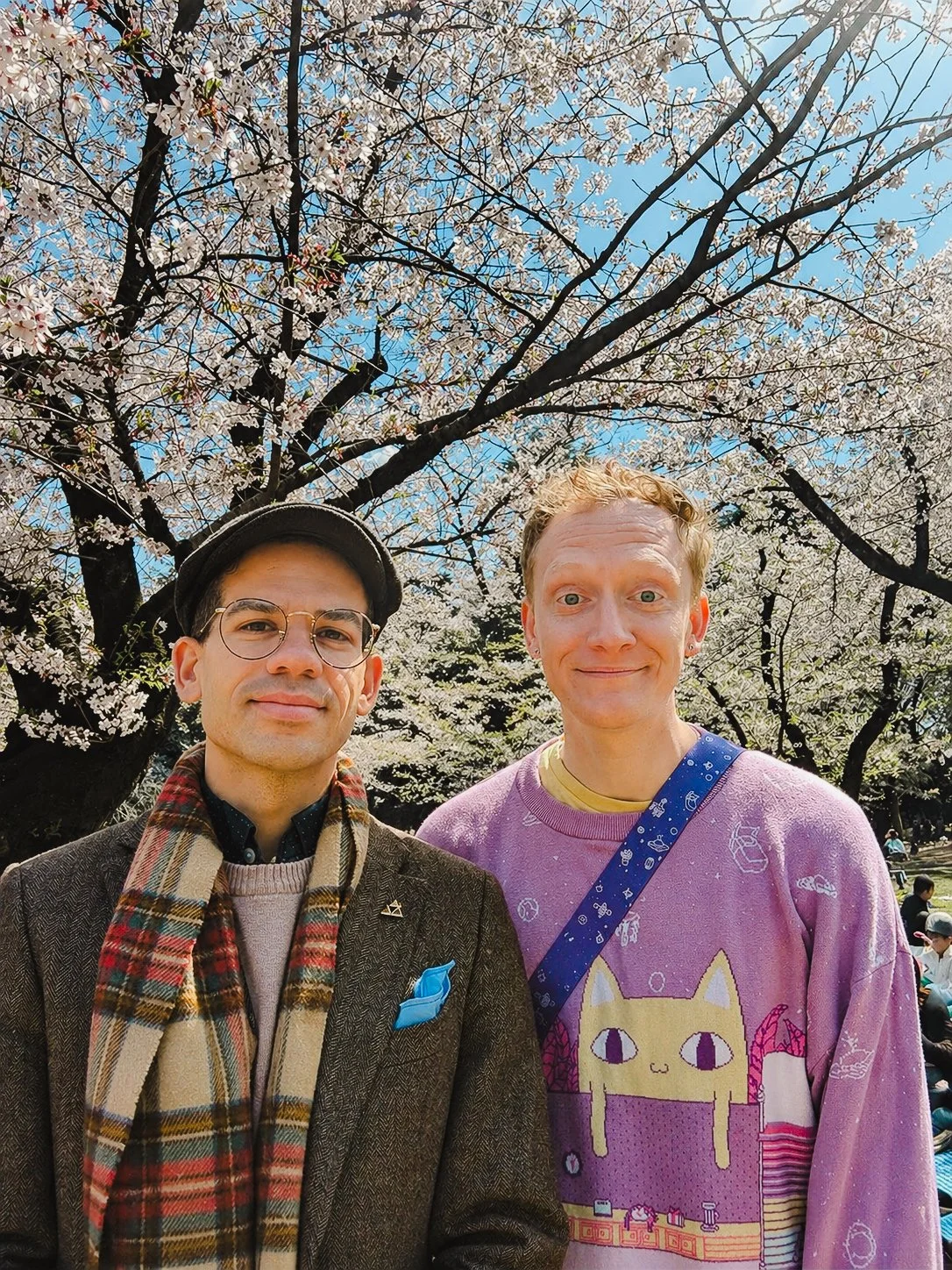
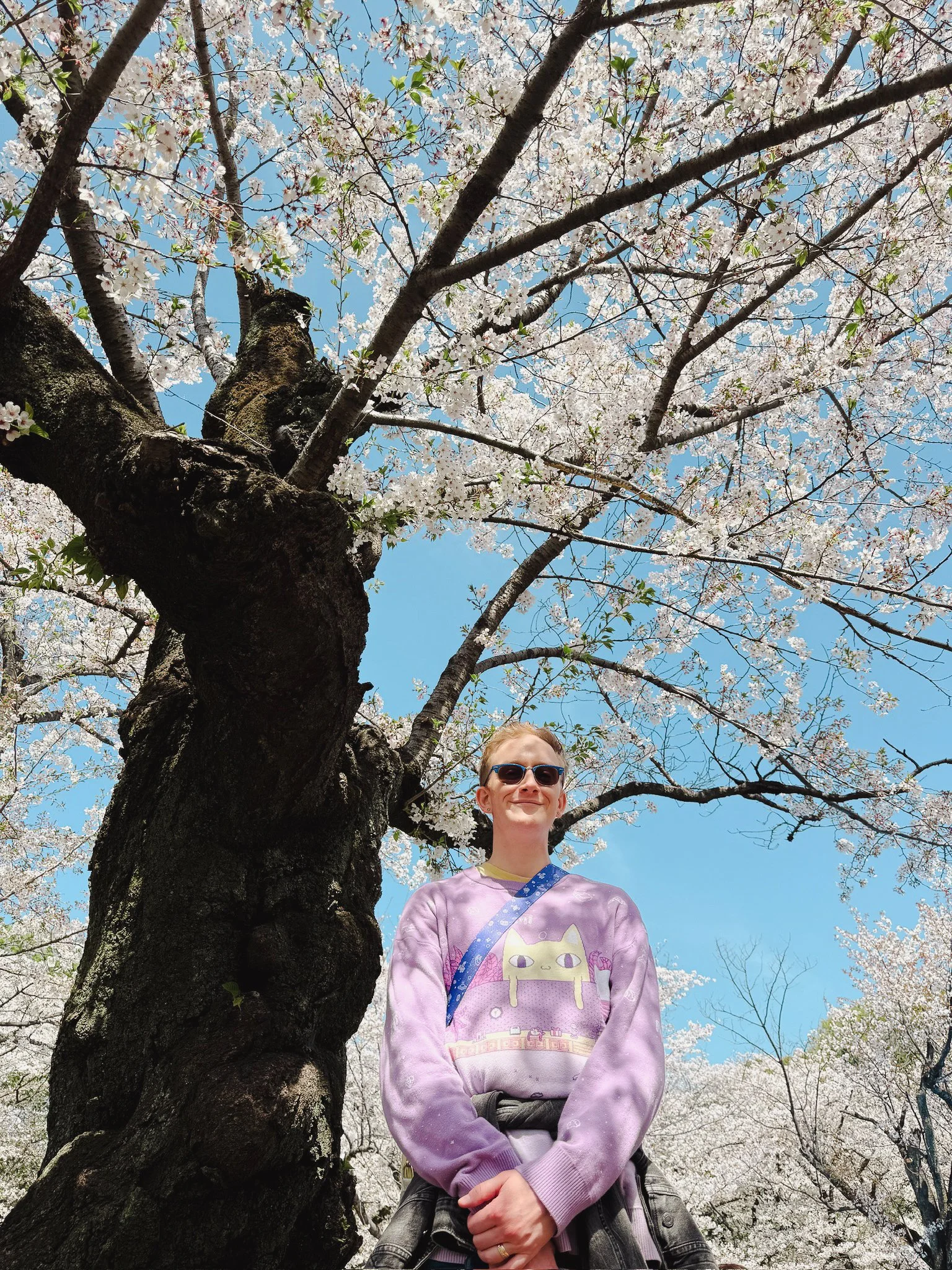
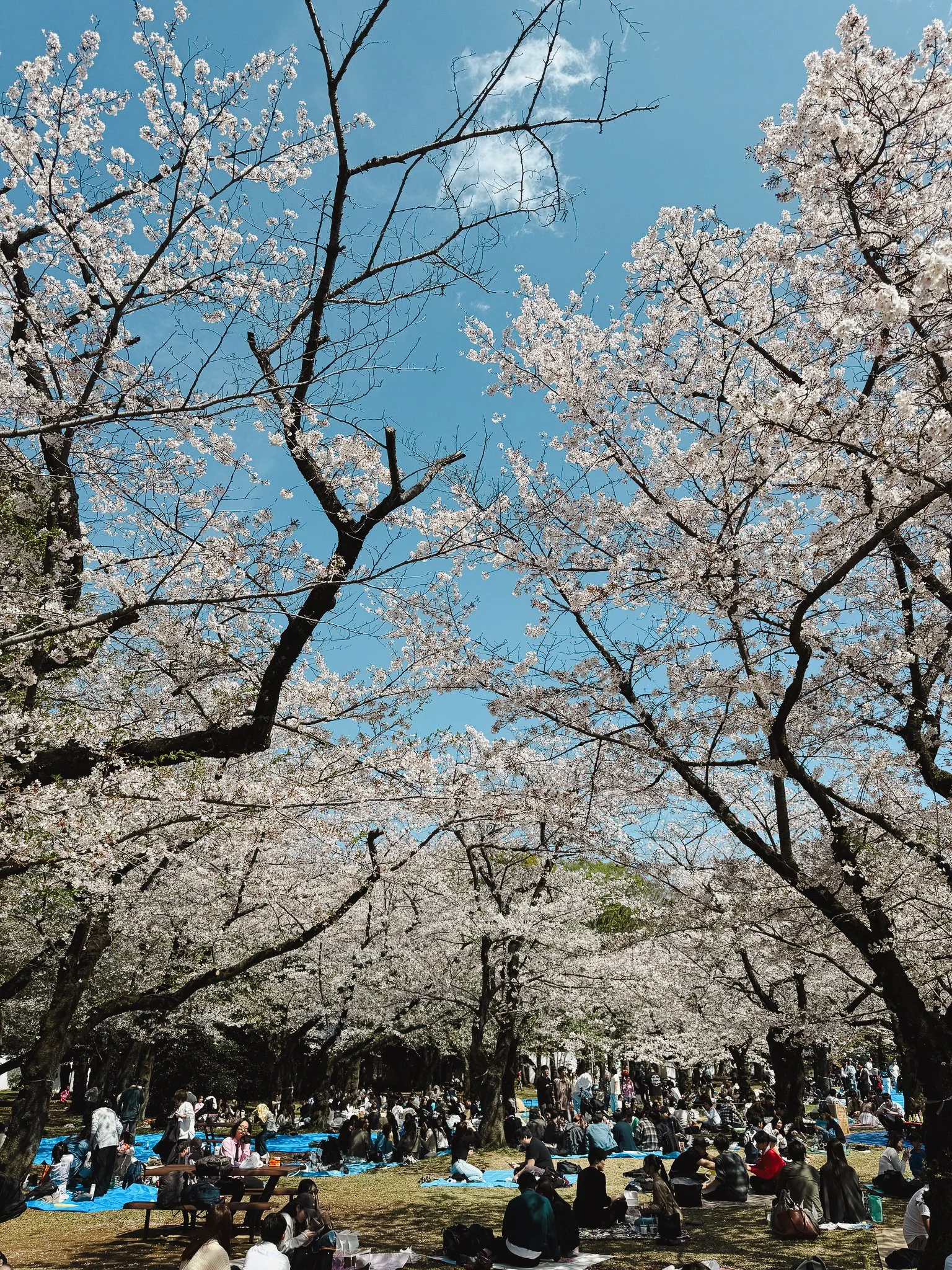
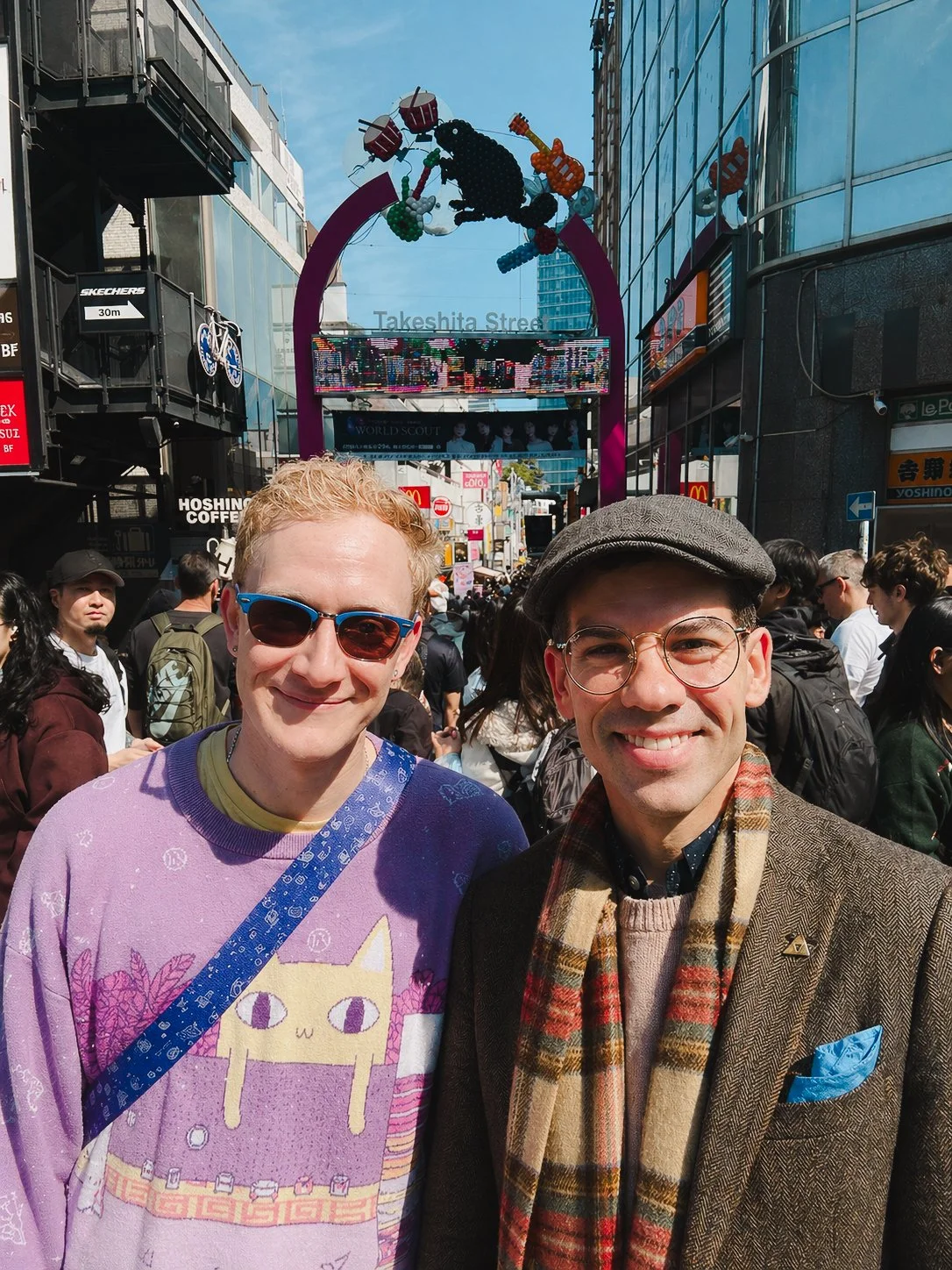
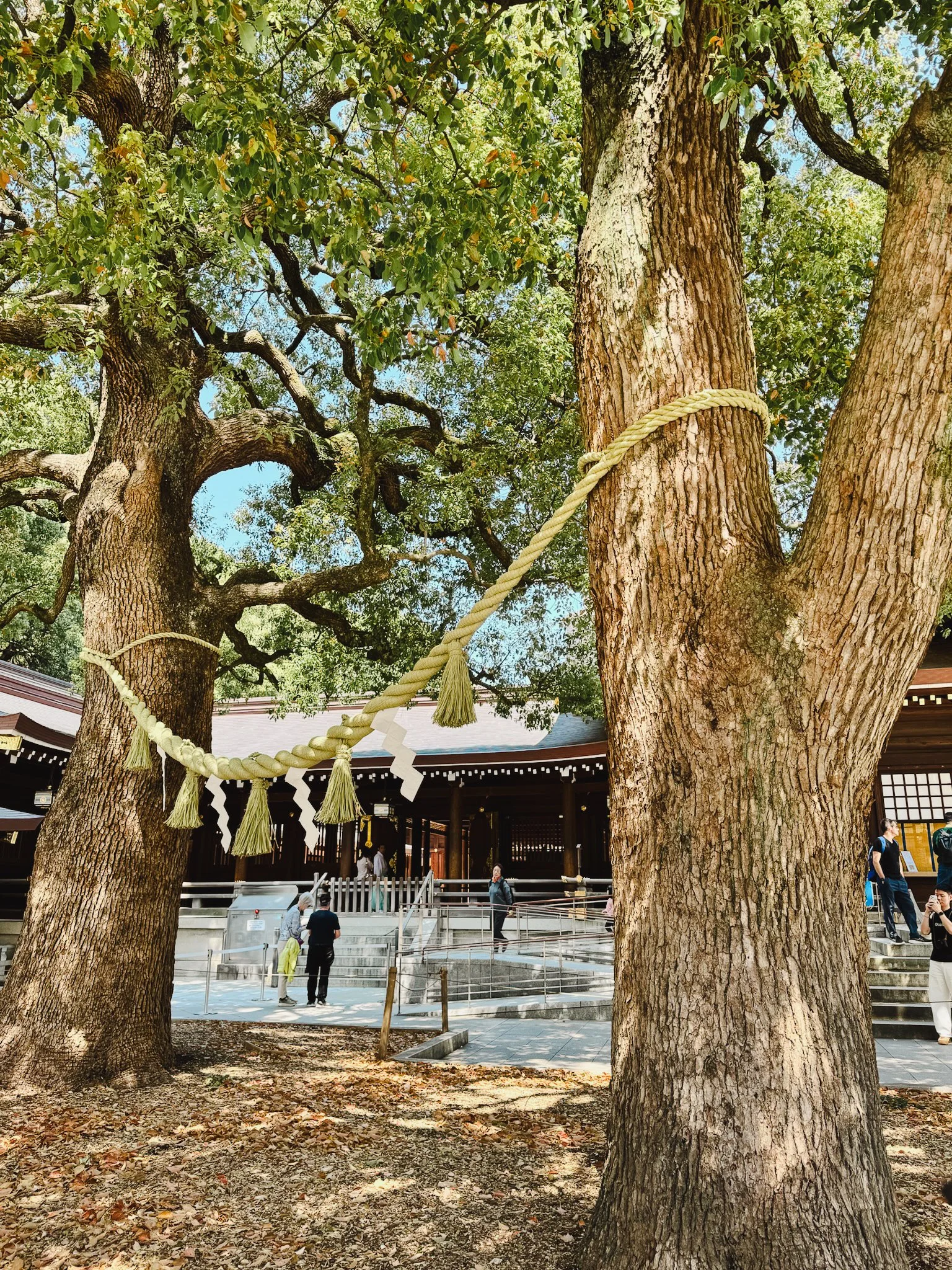
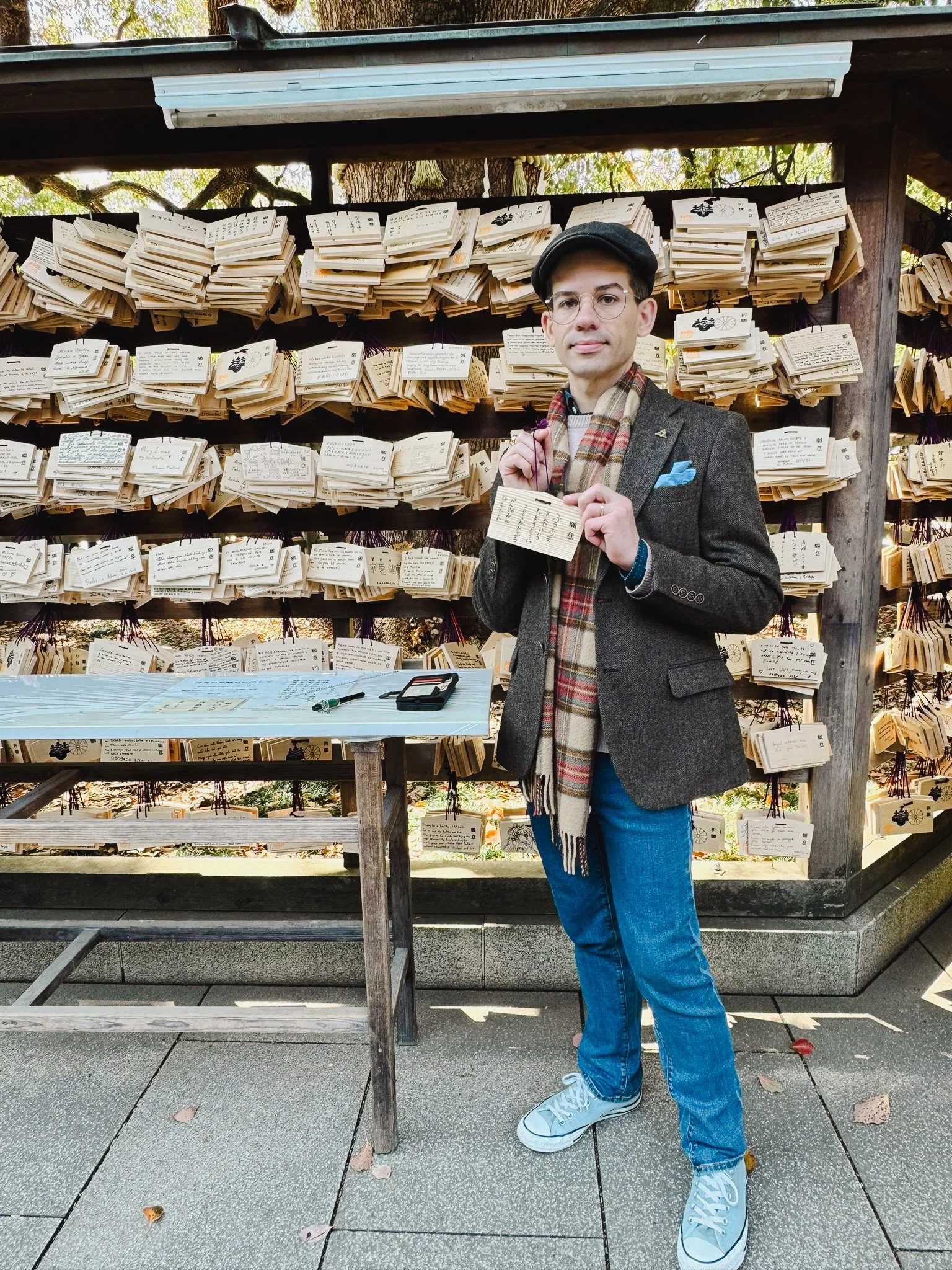
We started our first full day in Tokyo by heading to Meiji Shrine. We entered through the long forested paths which make it feel surprisingly removed from the city. We picked up omamori, got our first goshuin stamp of the trip, and saw traditional Japanese wedding processions taking place at the shrine. From there we walked into nearby Yoyogi Park, where the cherry blossoms were still hanging on and people were gathered beneath them. Then we made our way into Harajuku, where Takeshita Street was packed with storefronts full of street fashion.
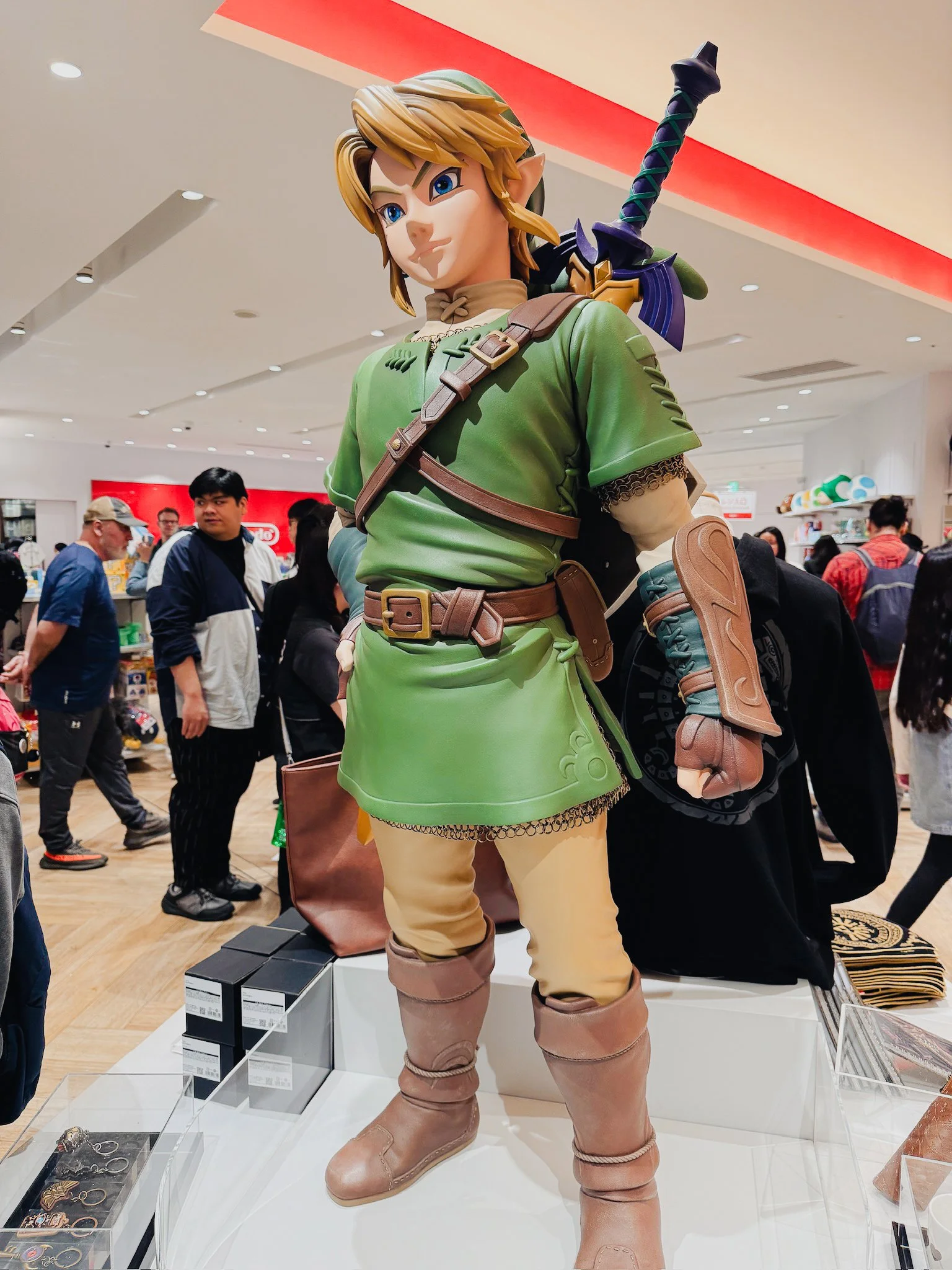
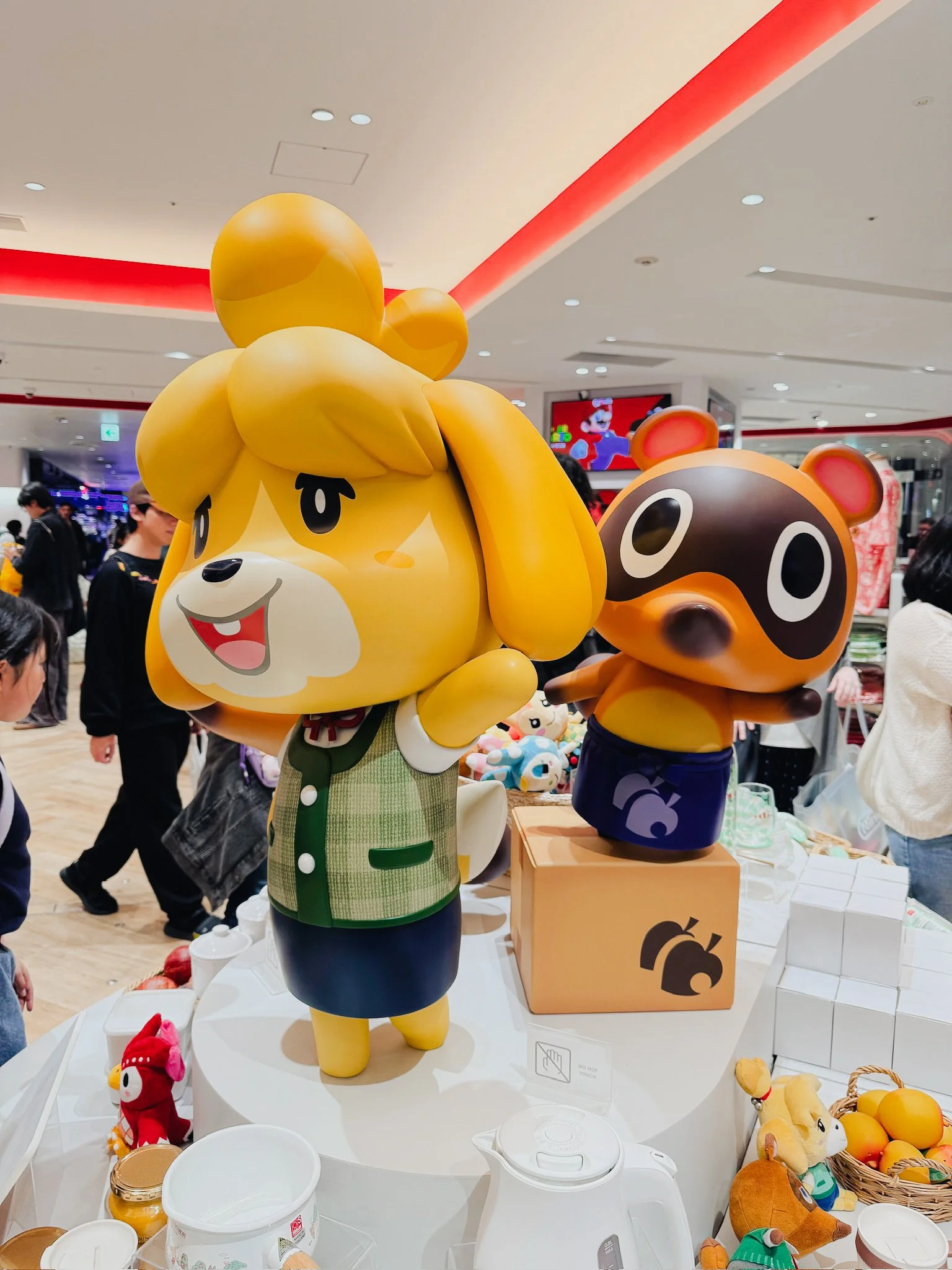
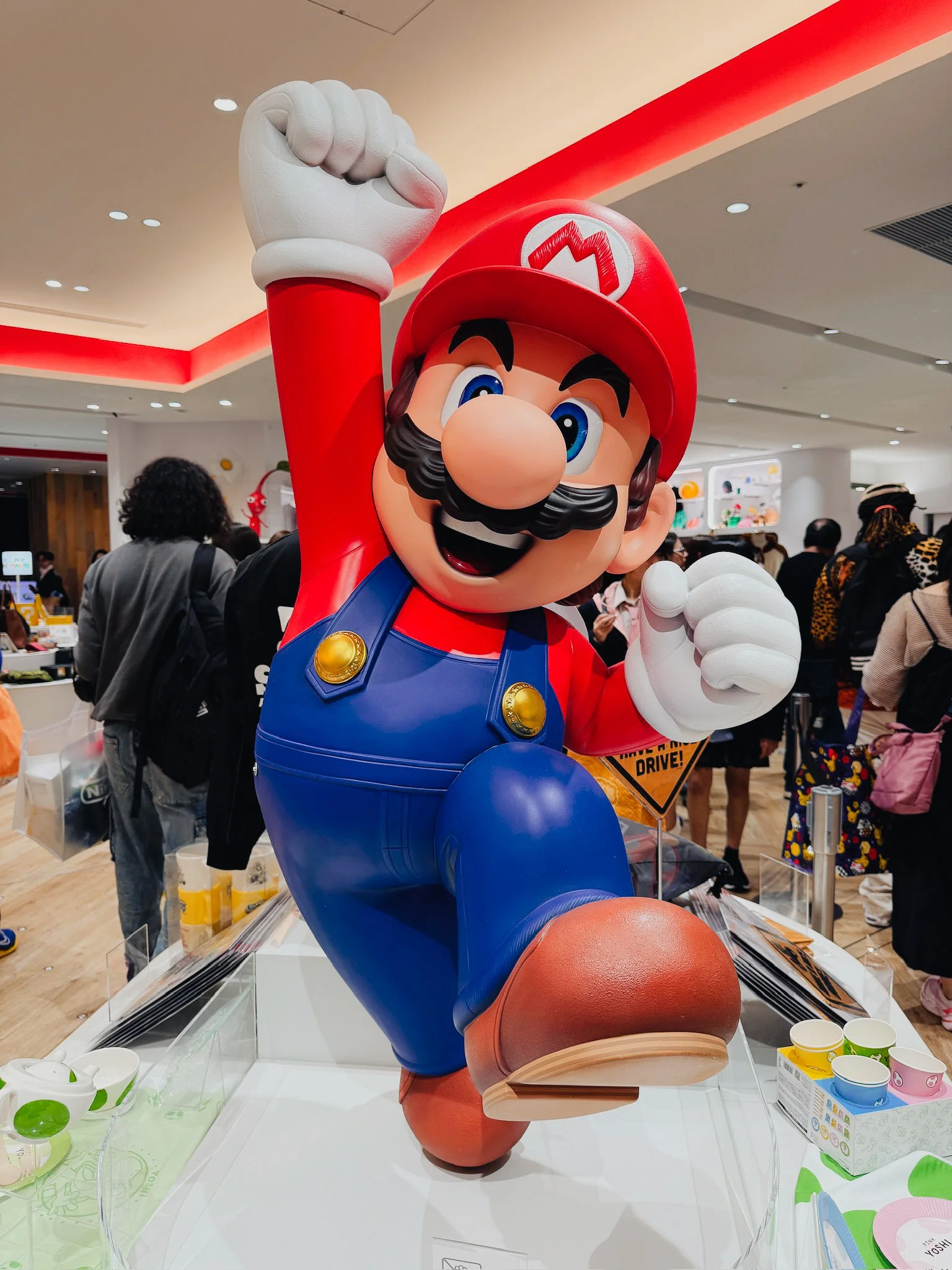
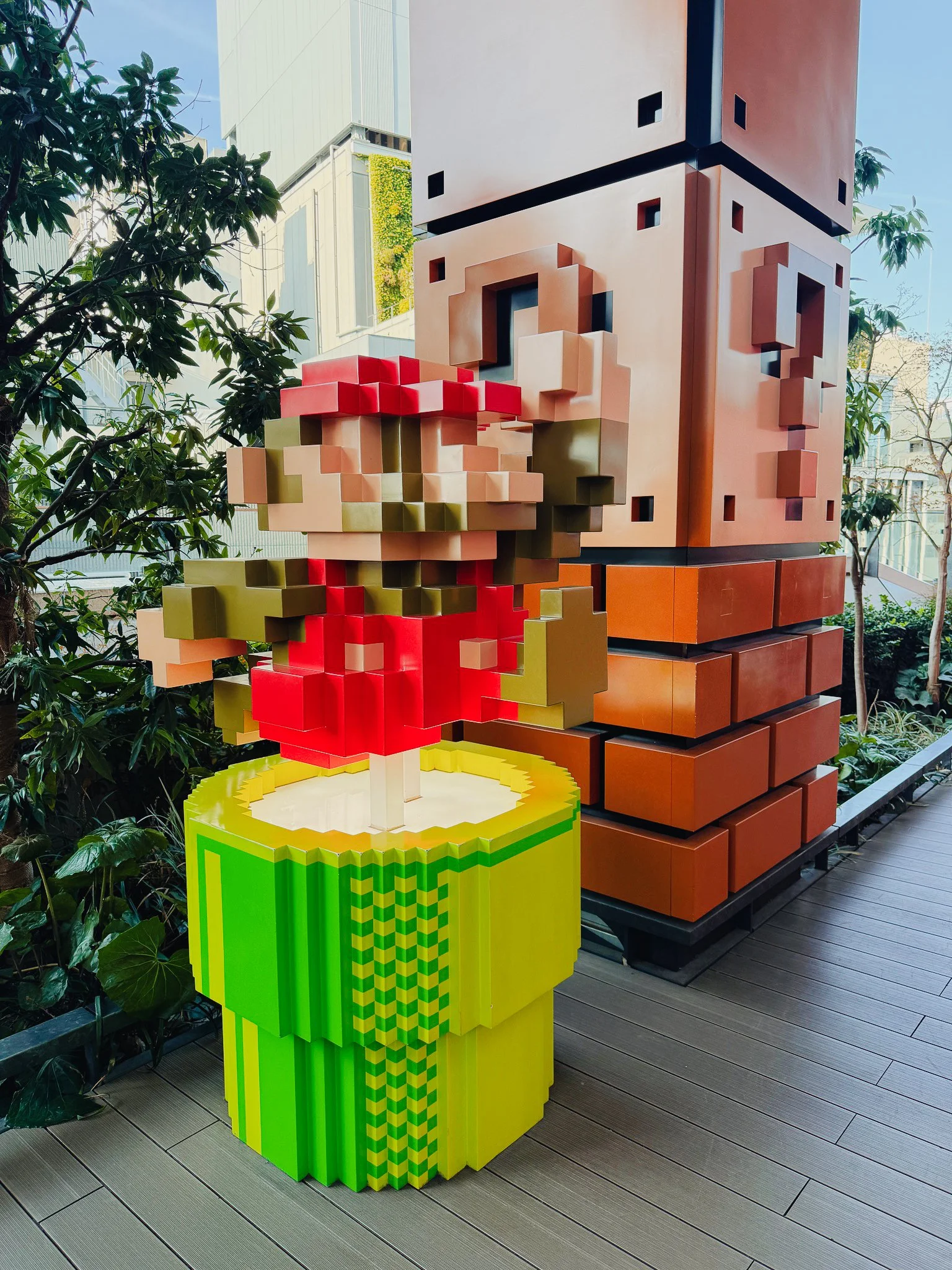
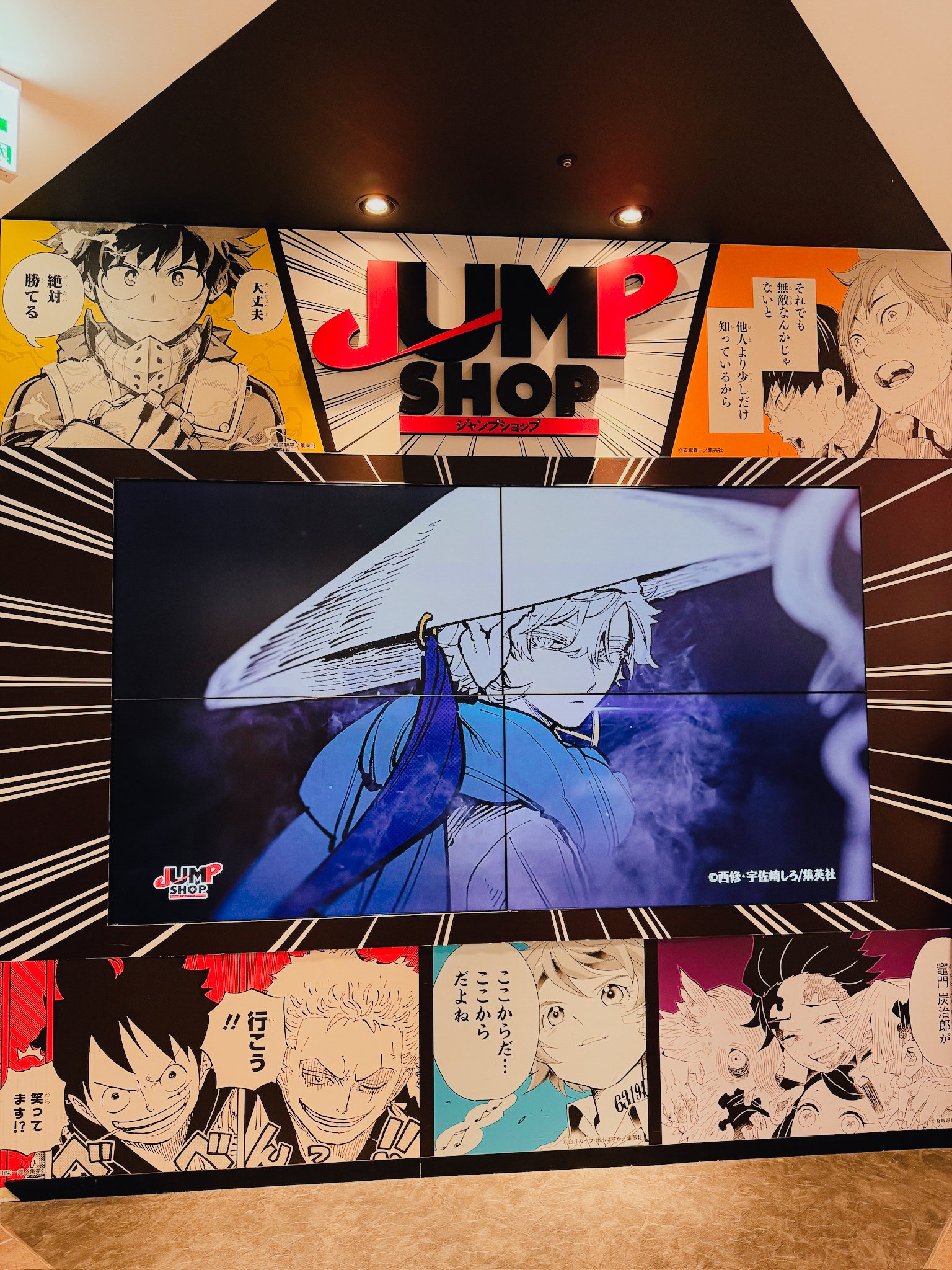
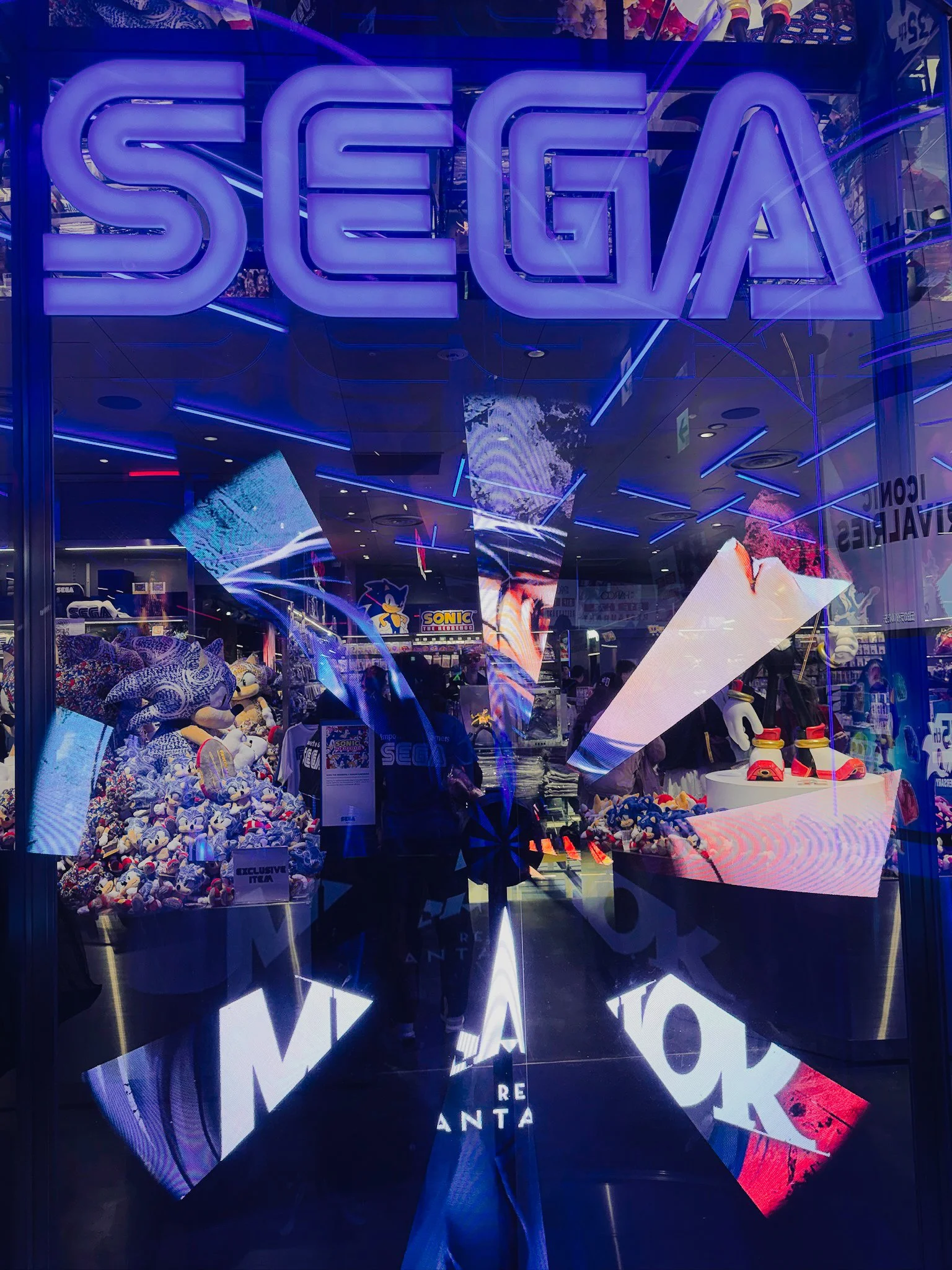
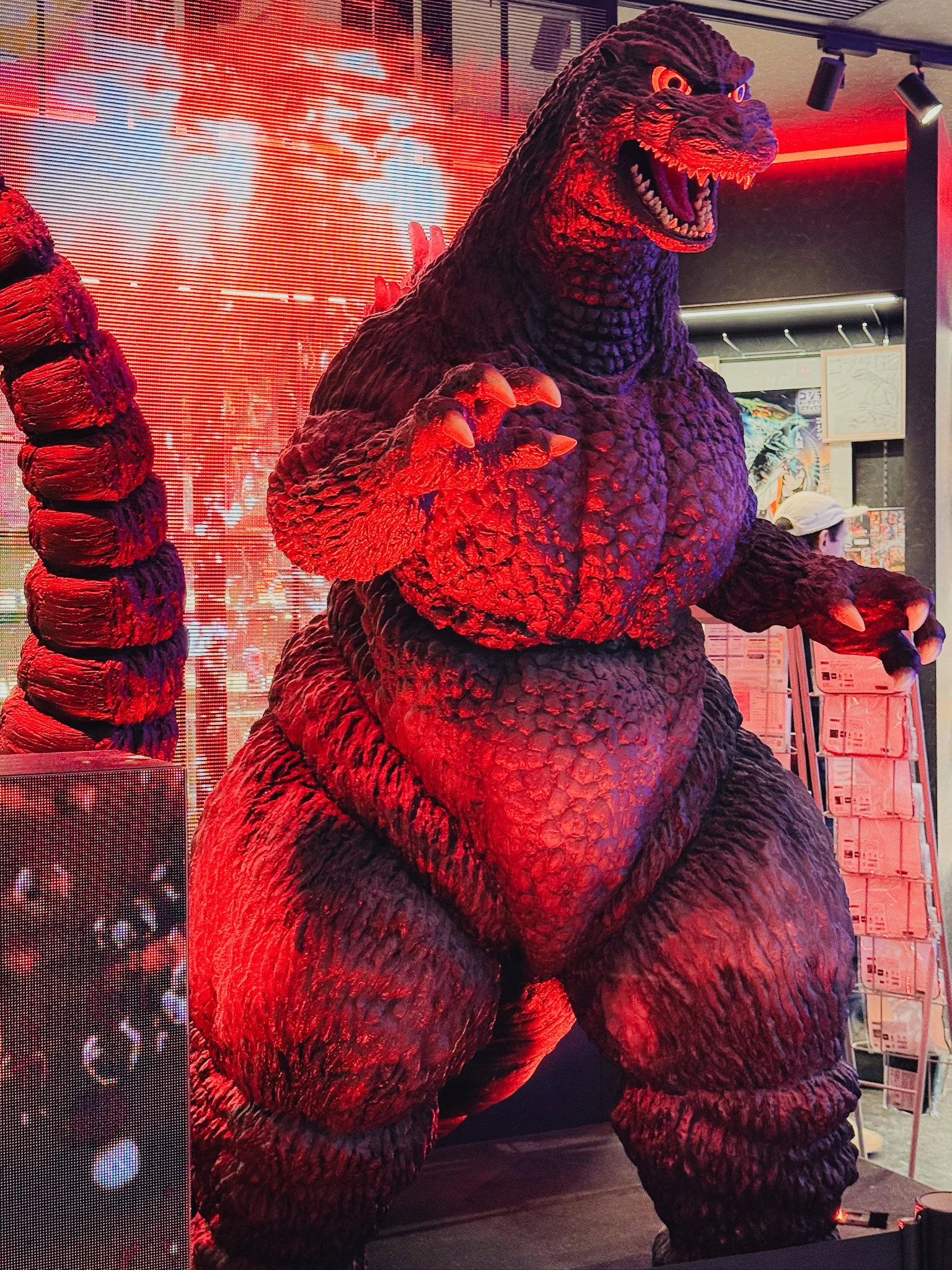
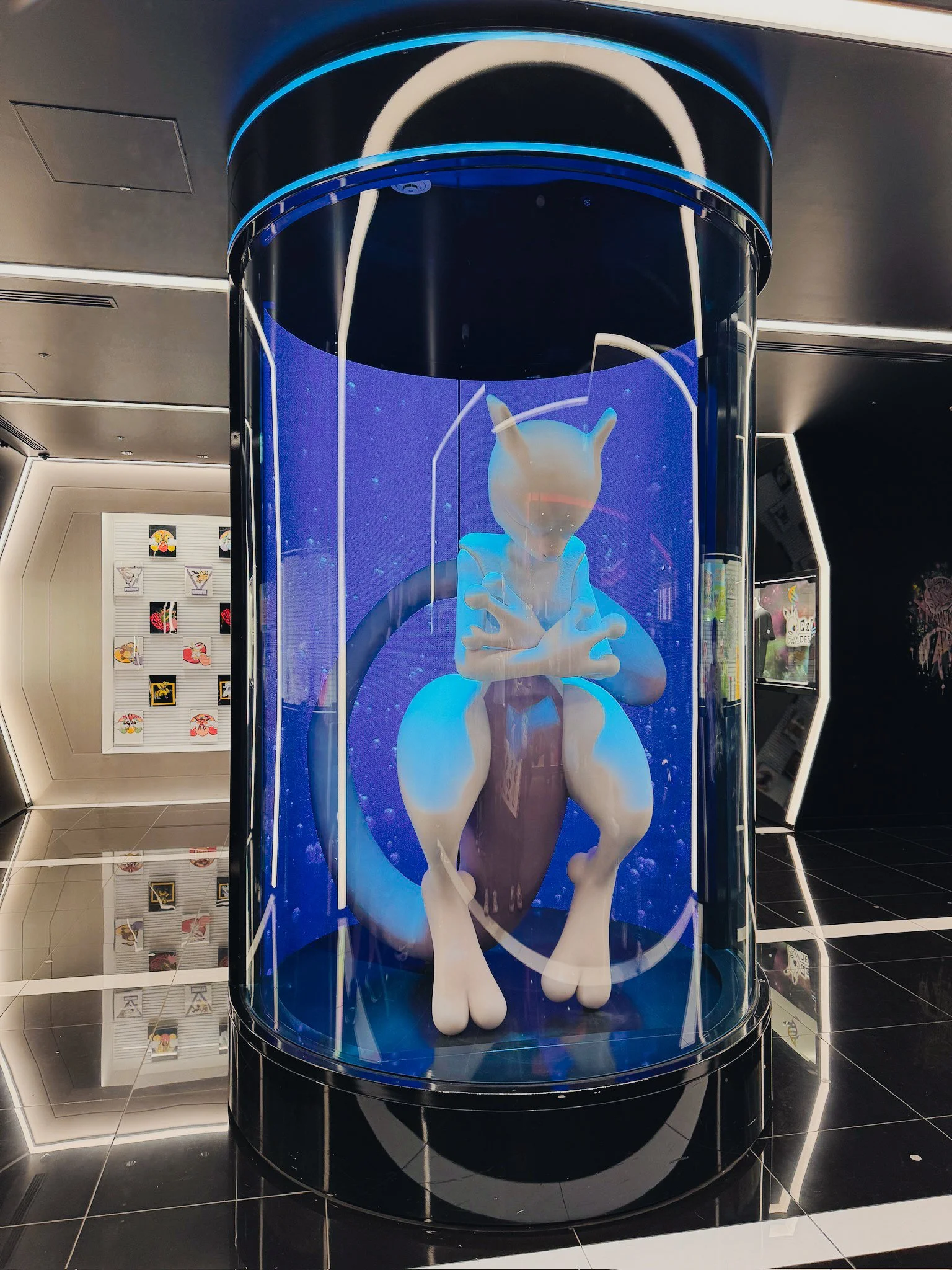
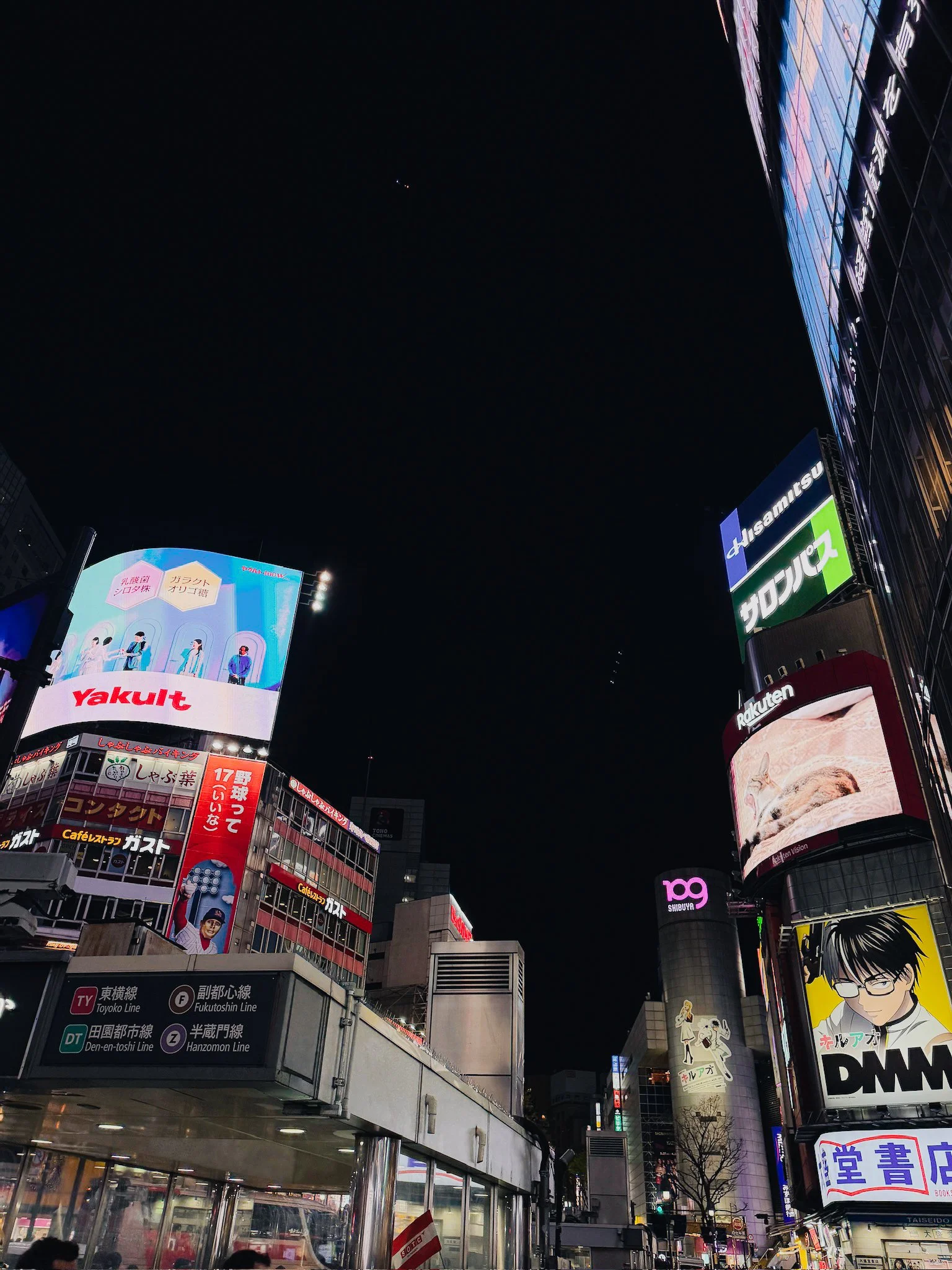
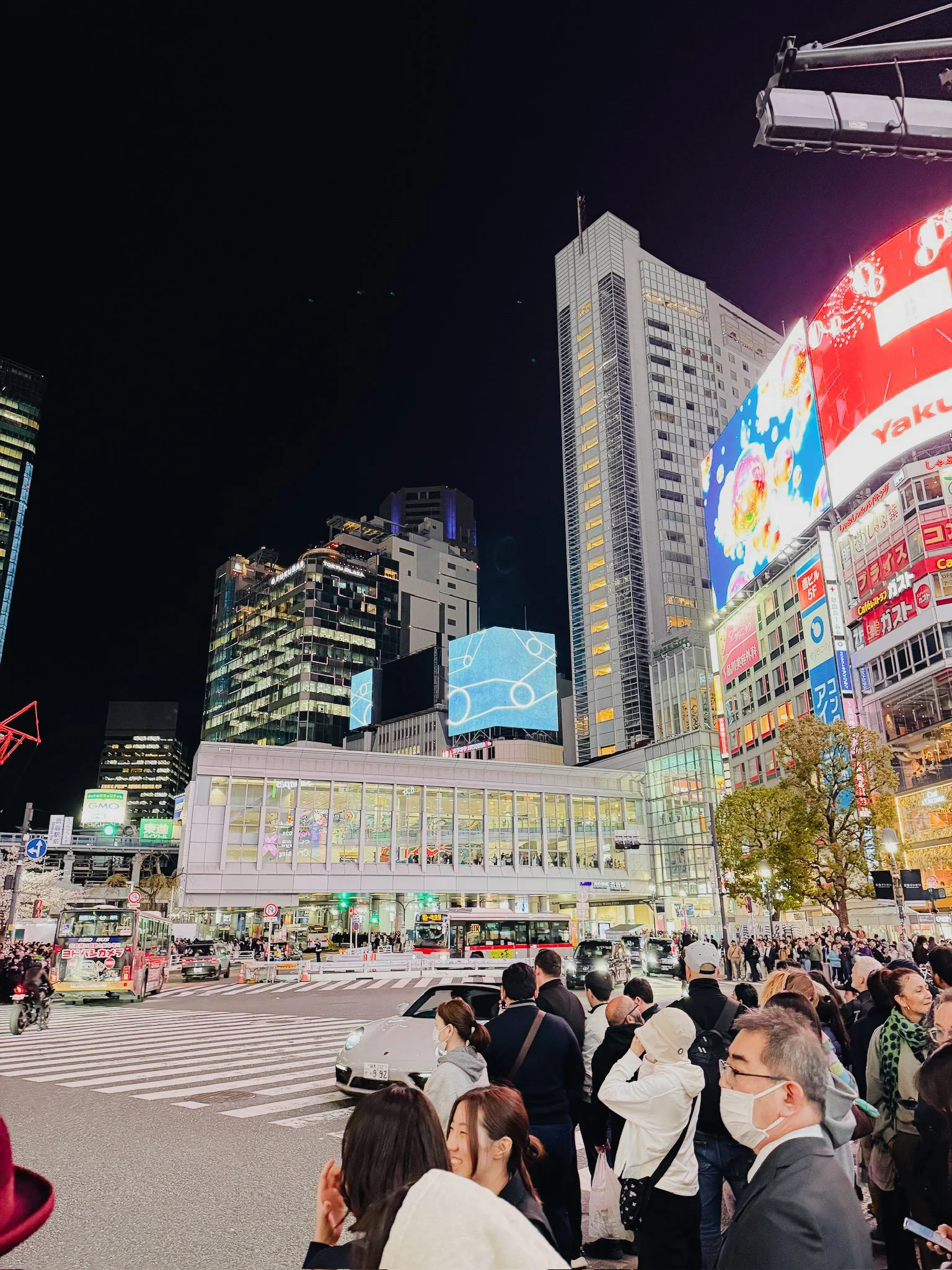
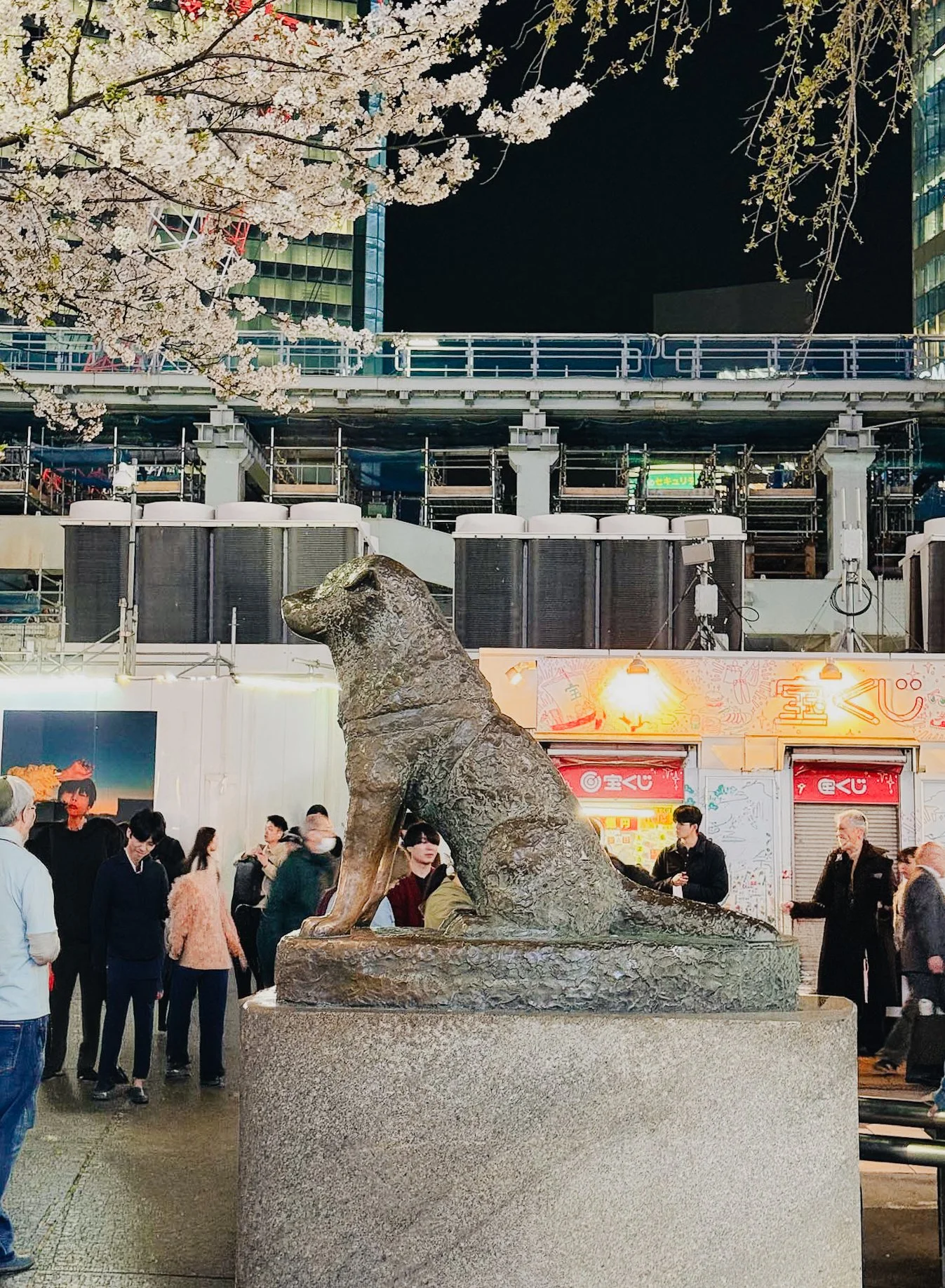
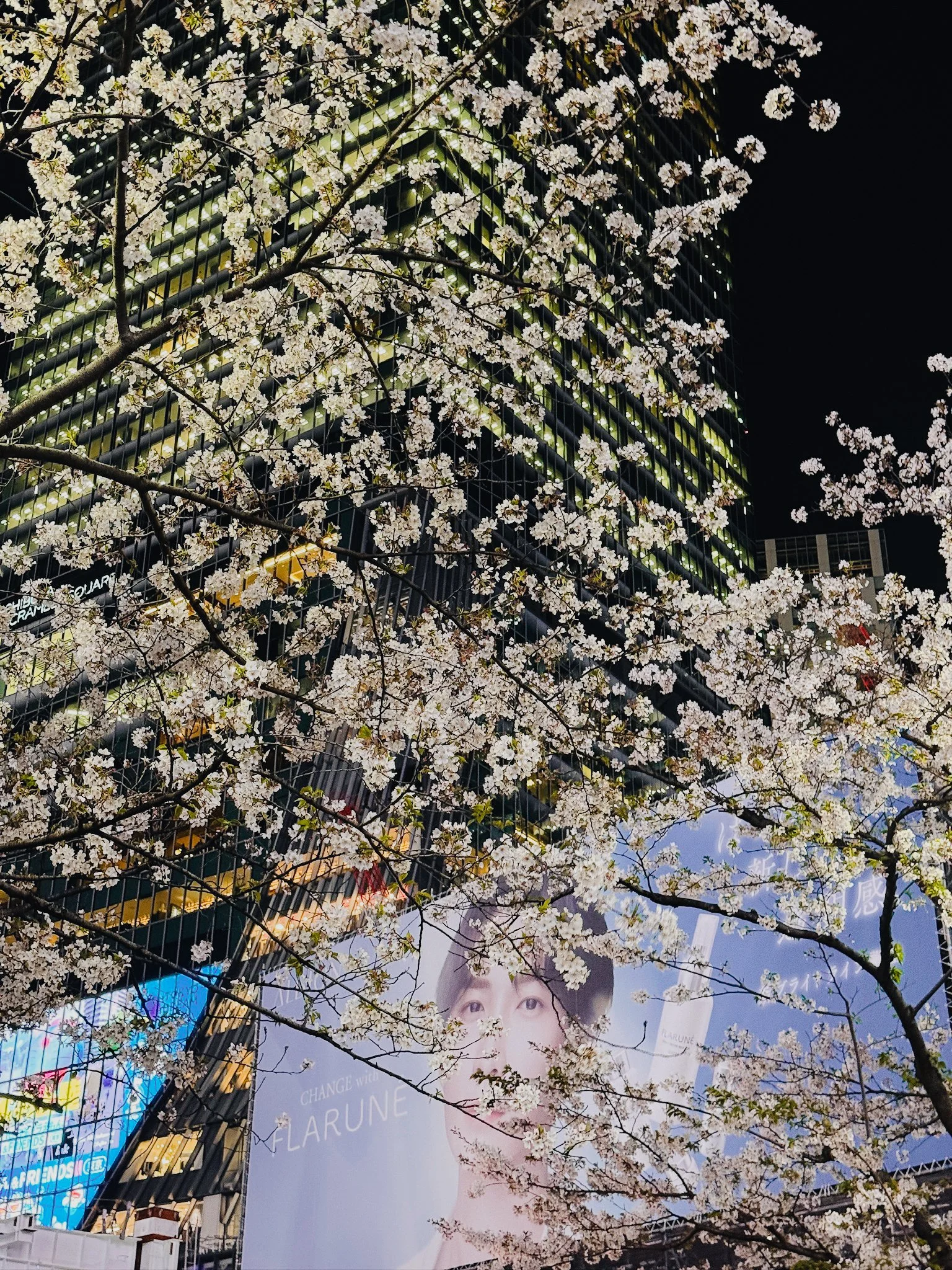
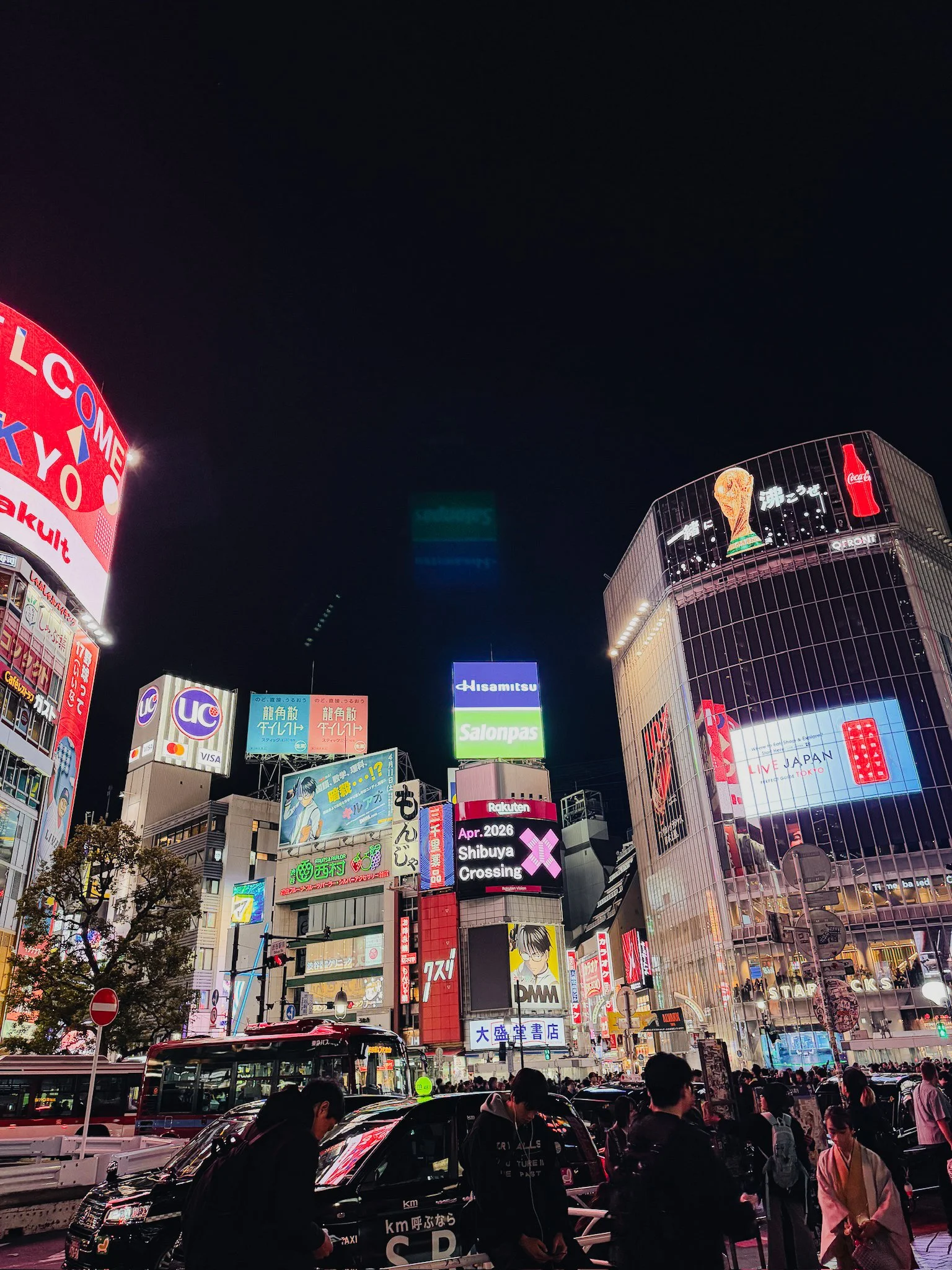
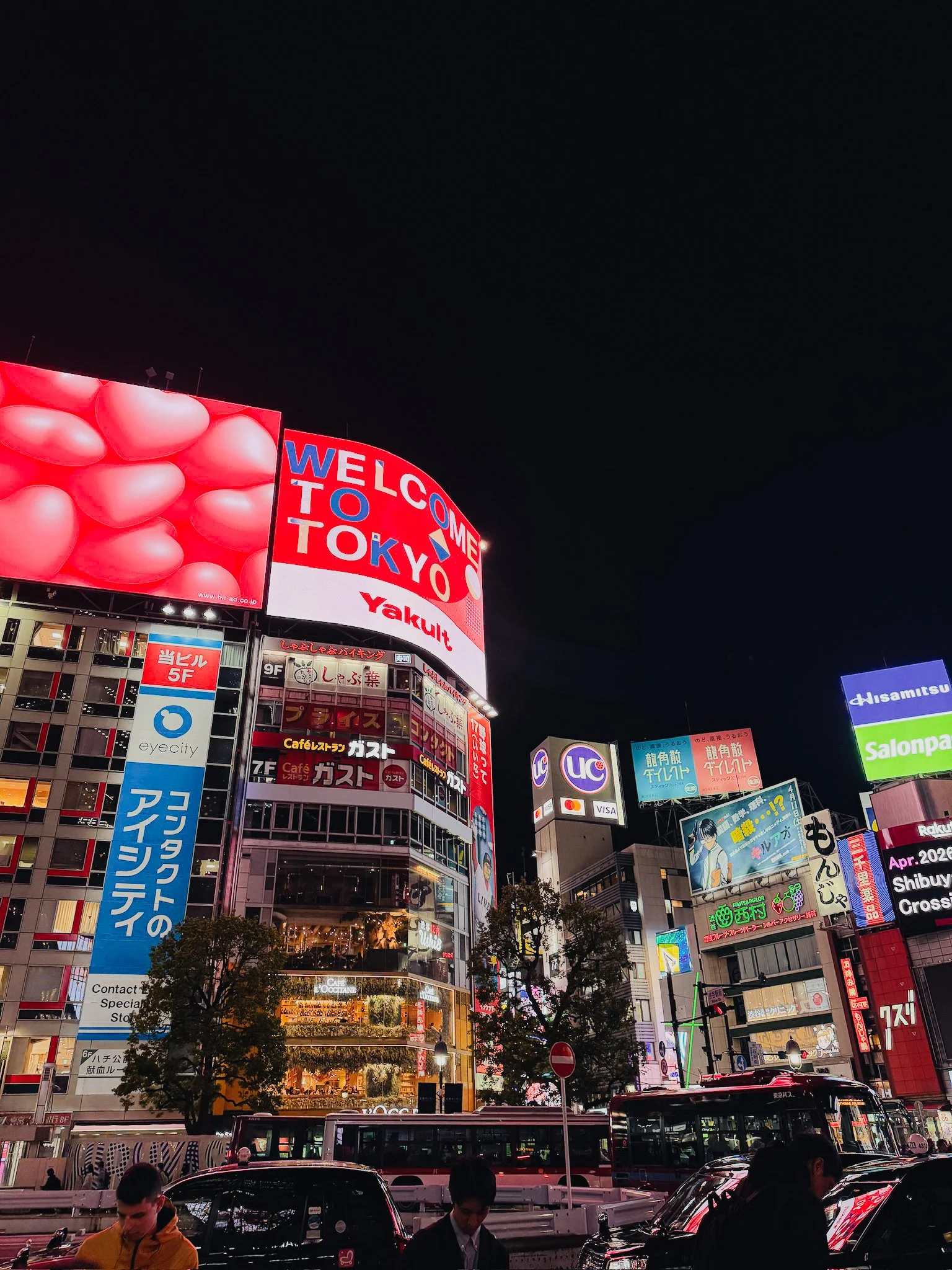
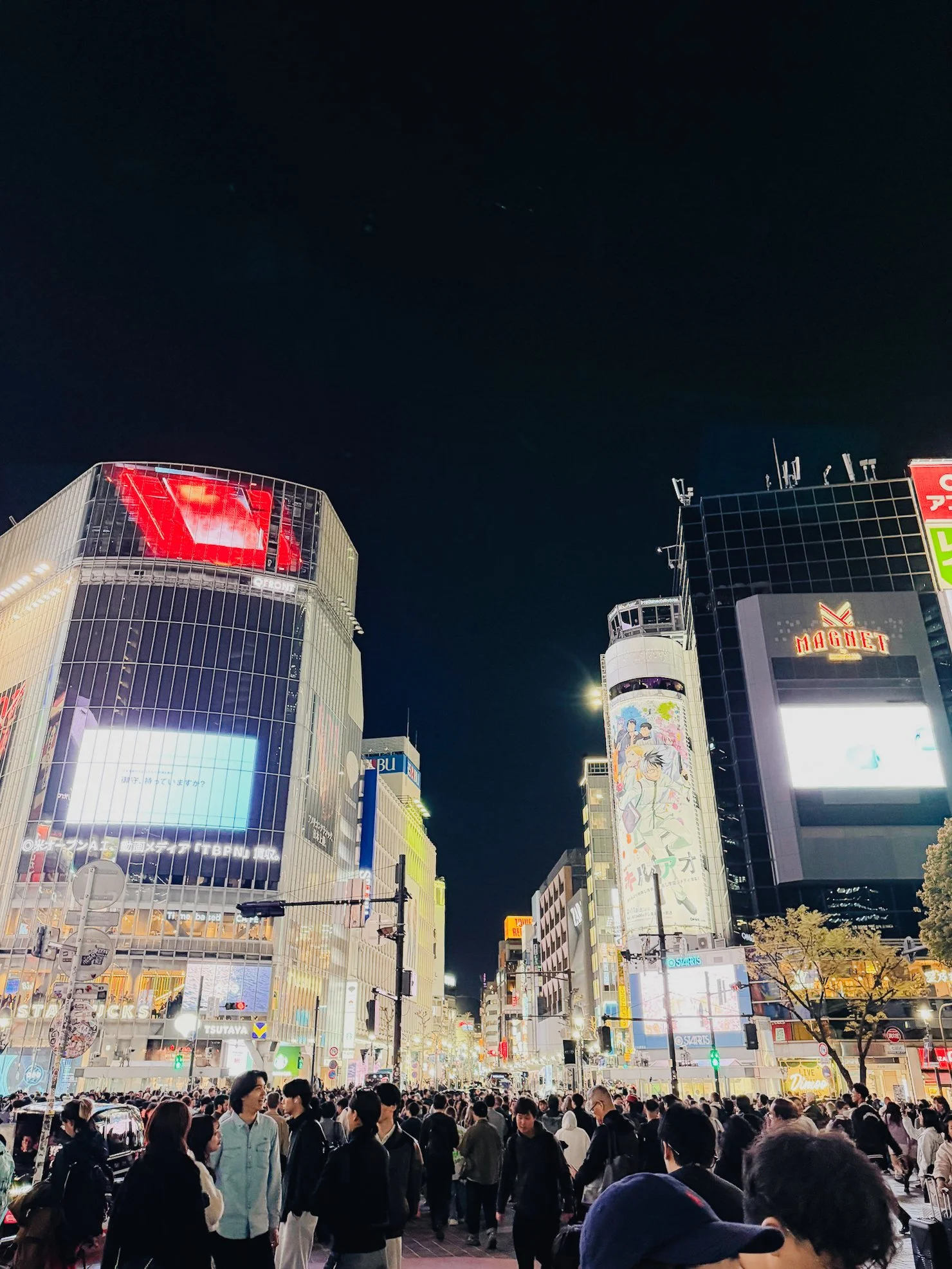
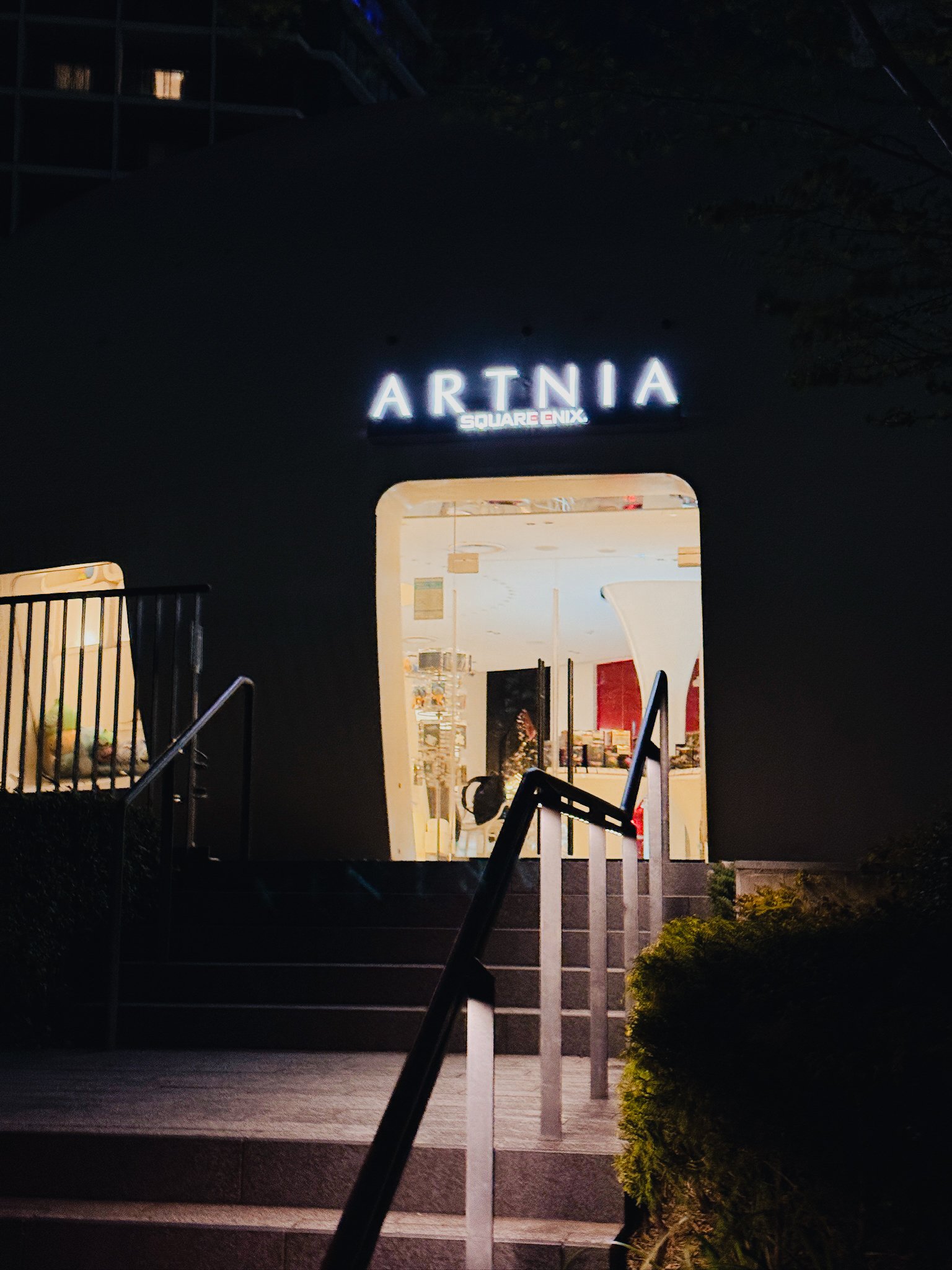
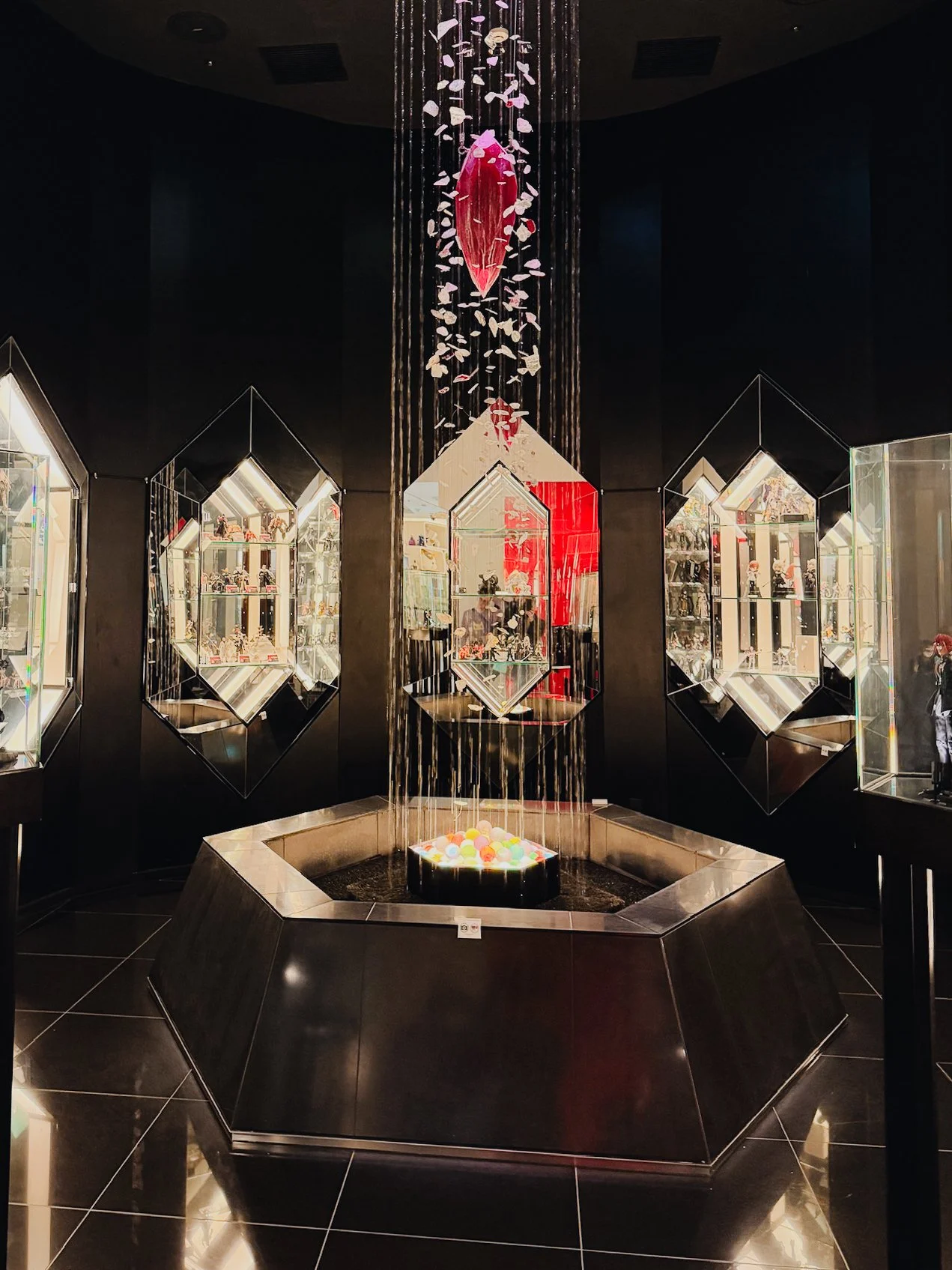
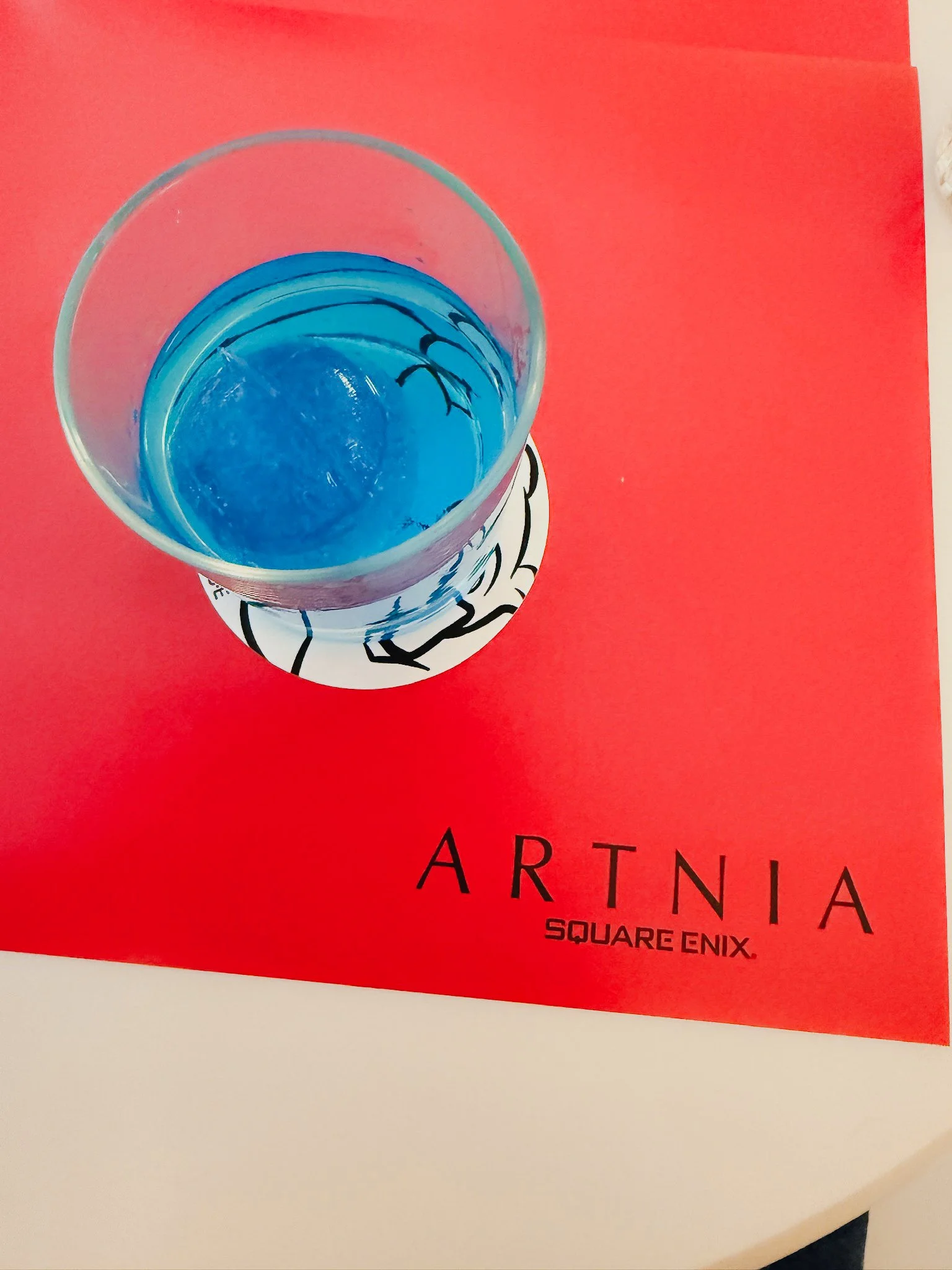
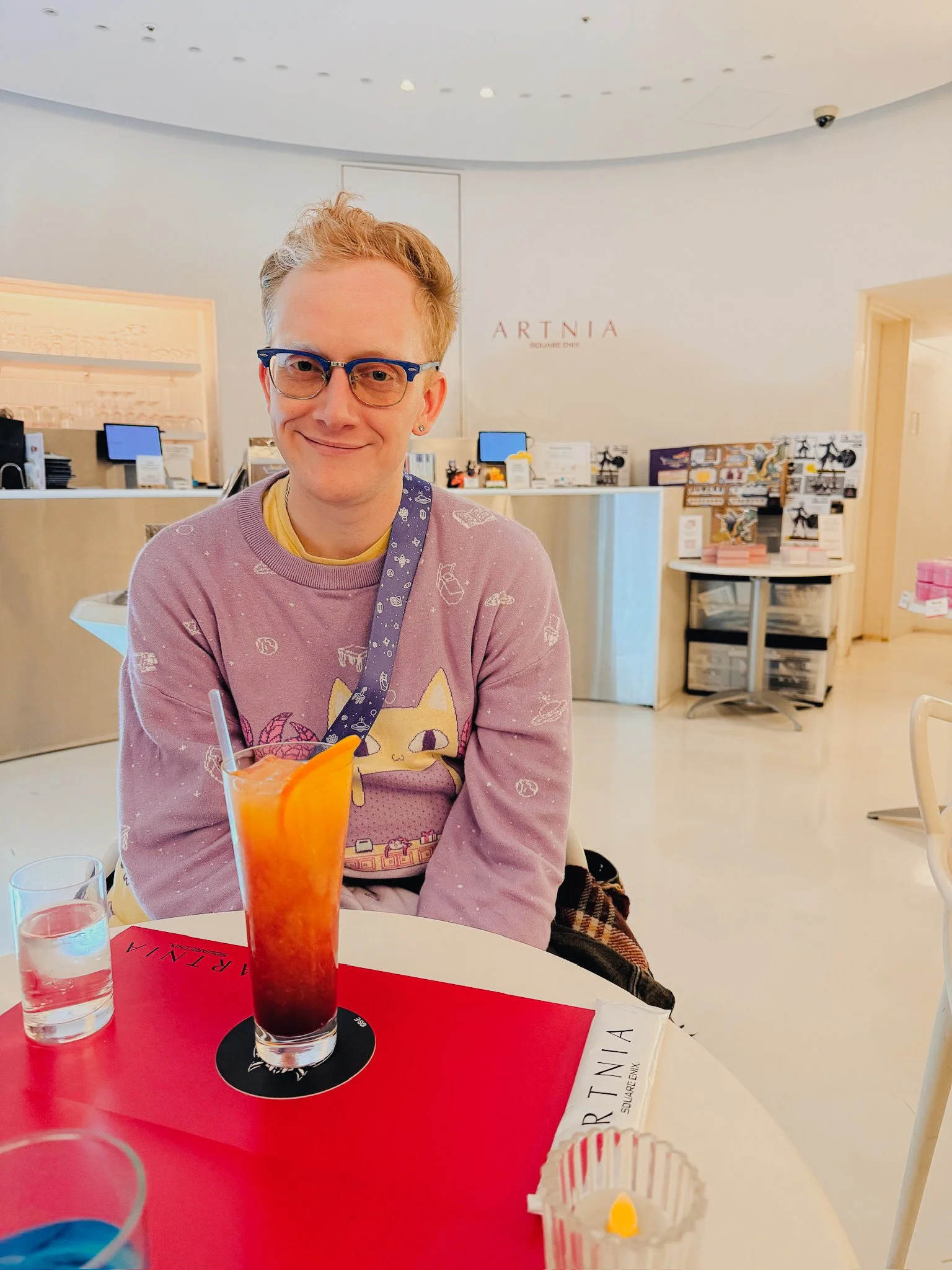
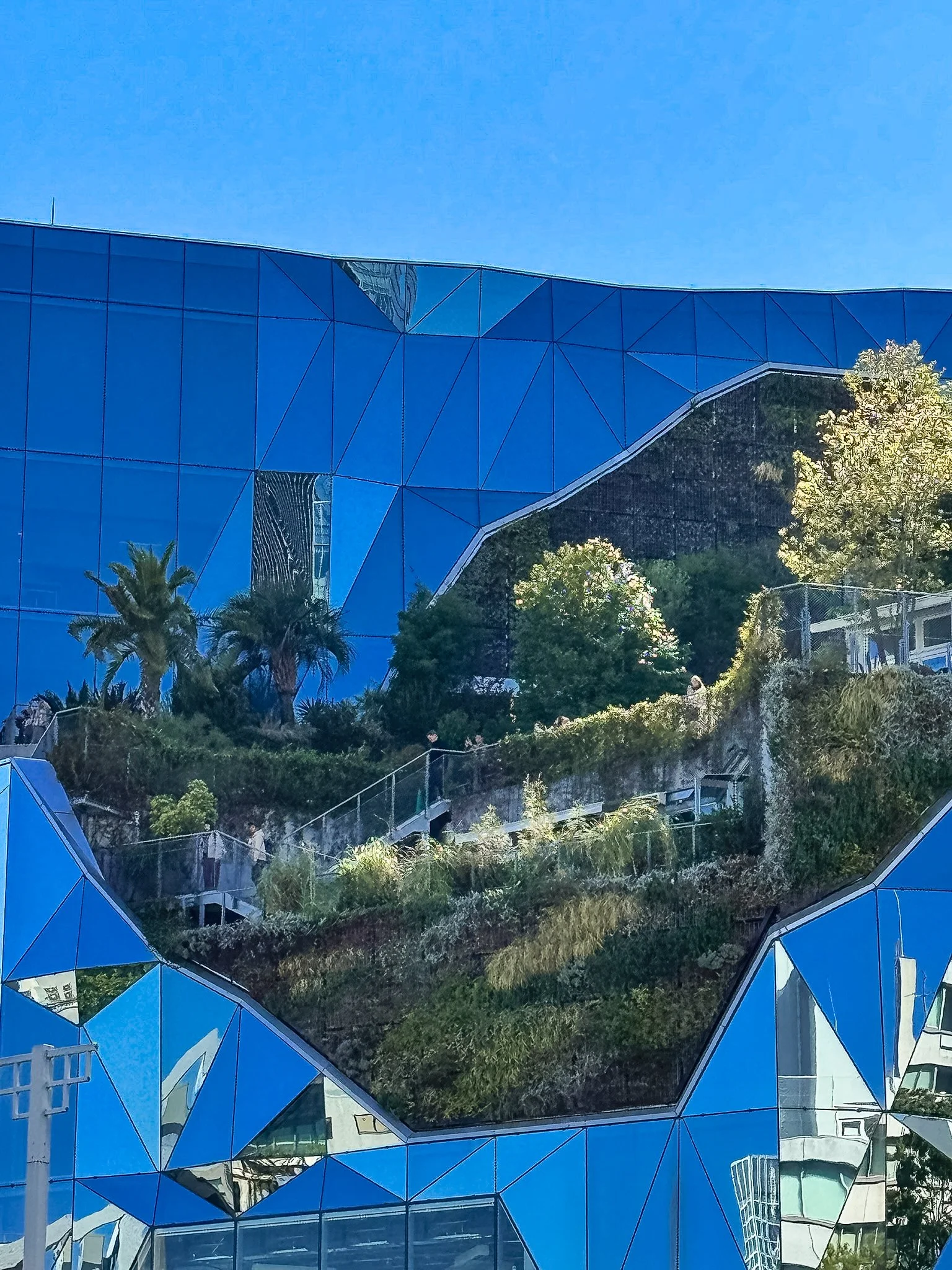
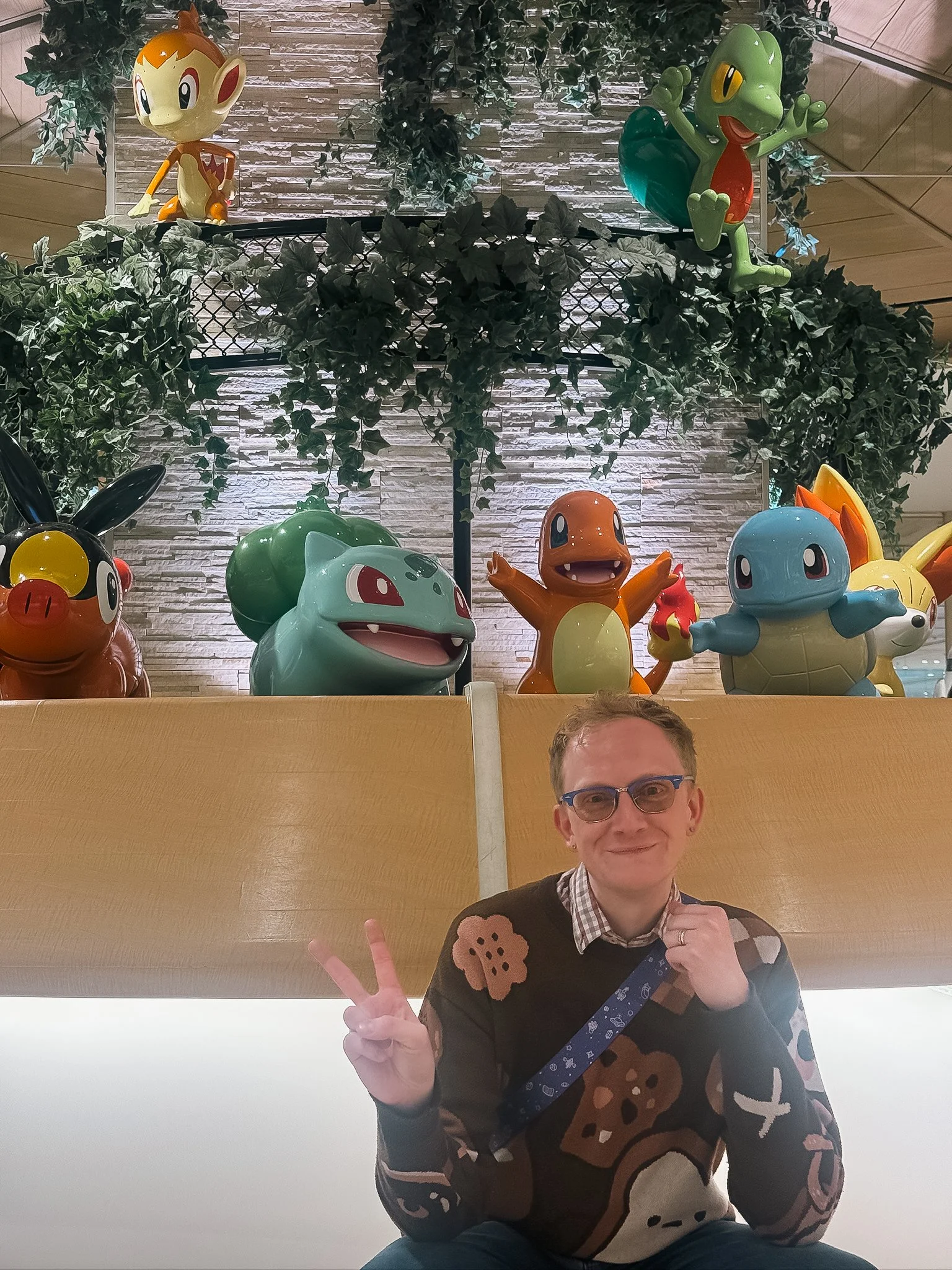
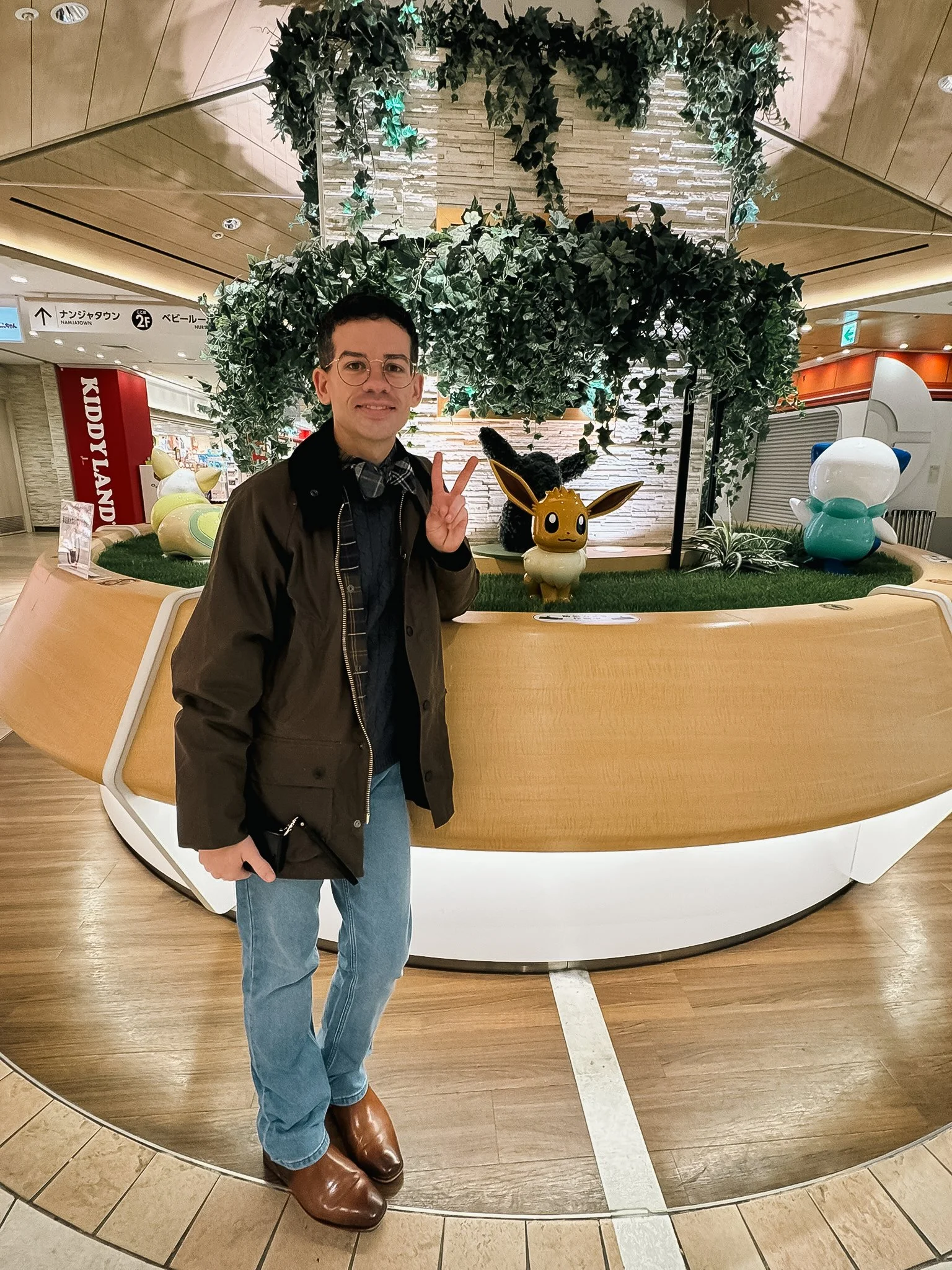
We continued on to Shibuya and made our way to Shibuya Parco, a massive department store with stores like Nintendo TOKYO, the Pokémon Center, Capcom, Jump, and the RADIO EVA store. Afterward we crossed the insane Shibuya Scramble crosswalk and stopped by the Hachikō statue before heading back toward Shinjuku. We made it just in time to Artnia, the official Square Enix café and shop, and had some Final Fantasy-themed drinks.
day 3 池袋/乙女ロード・BL学園/お台場/ダイバーシティ東京プラザ
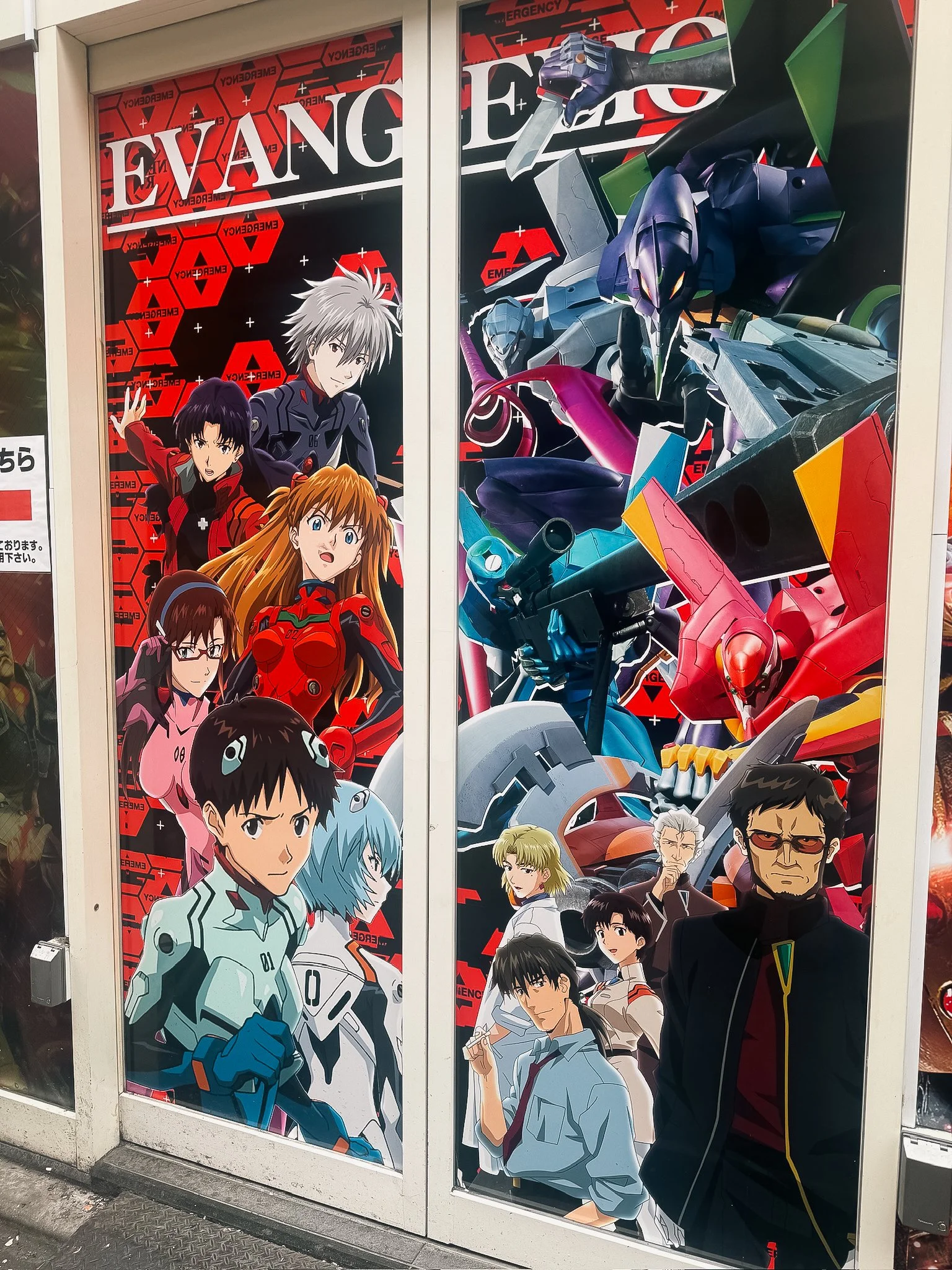
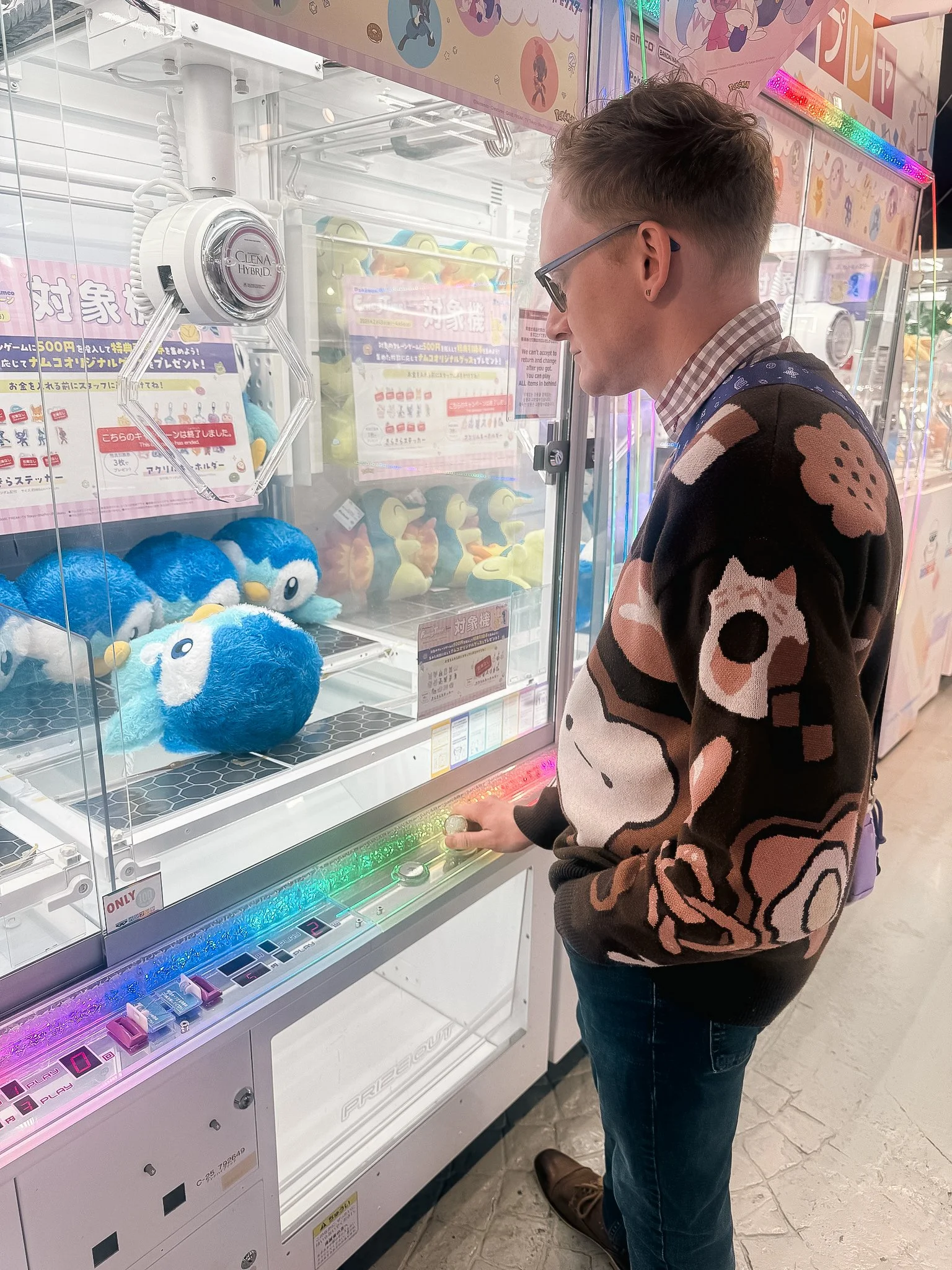
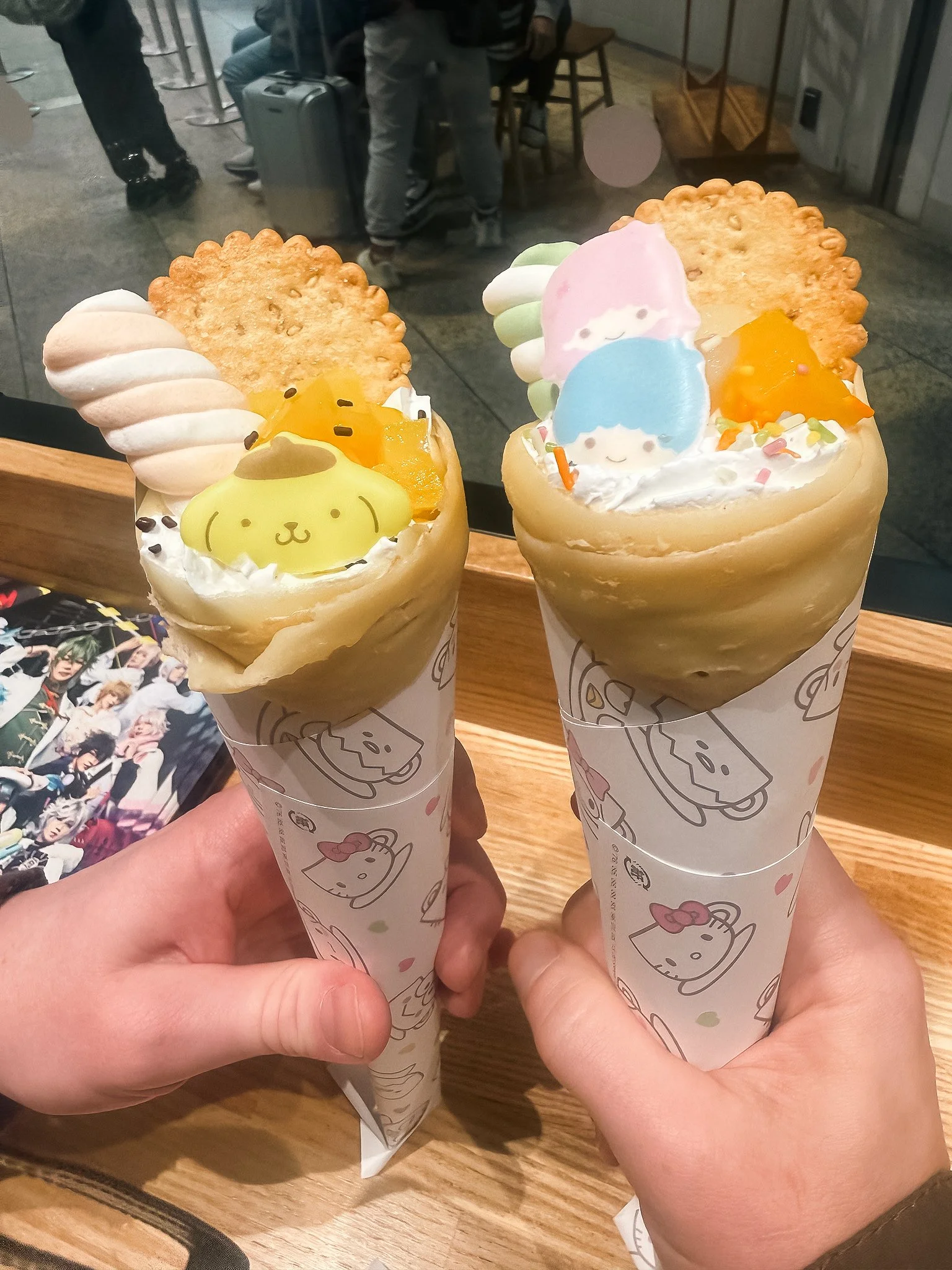
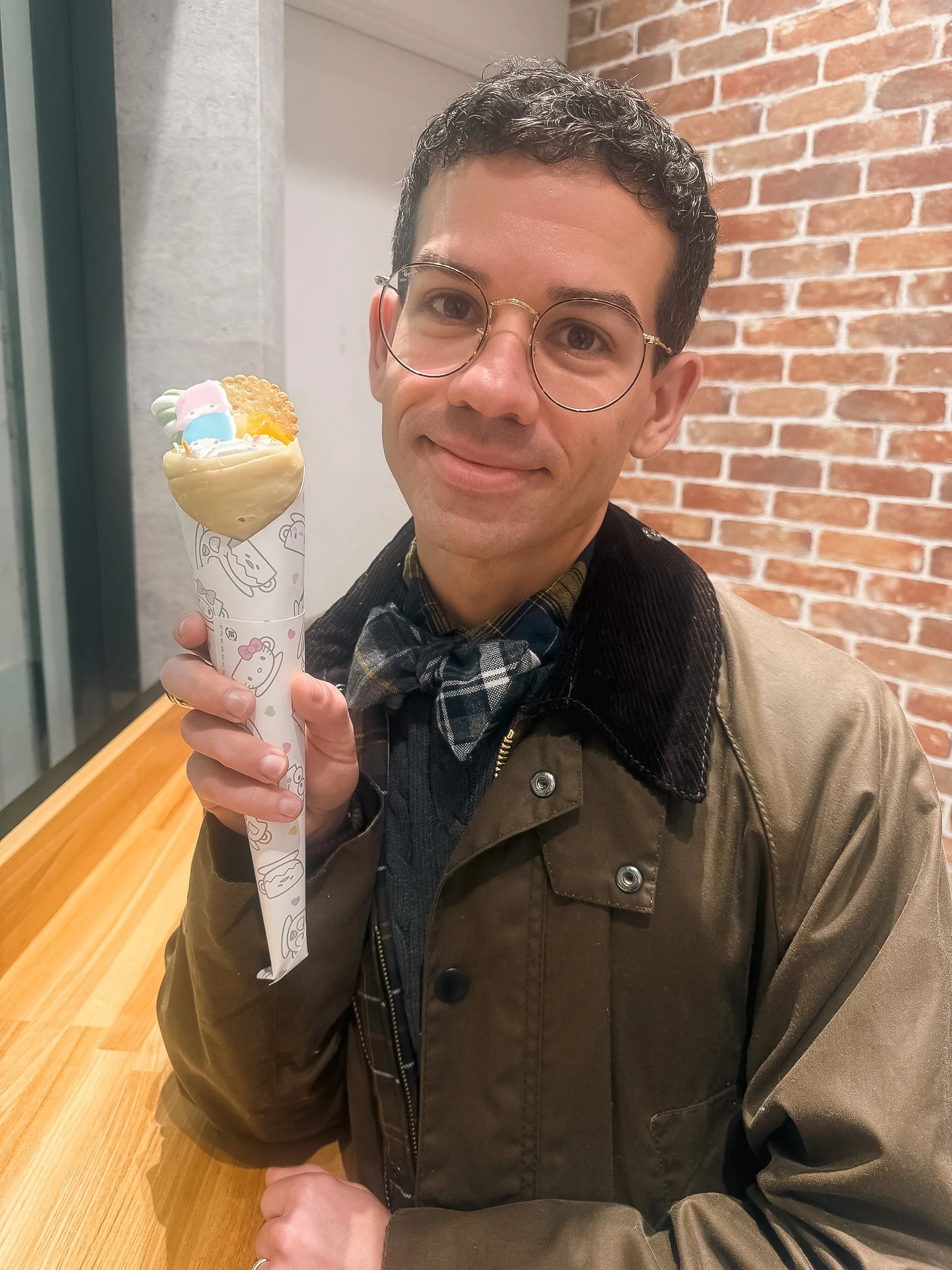
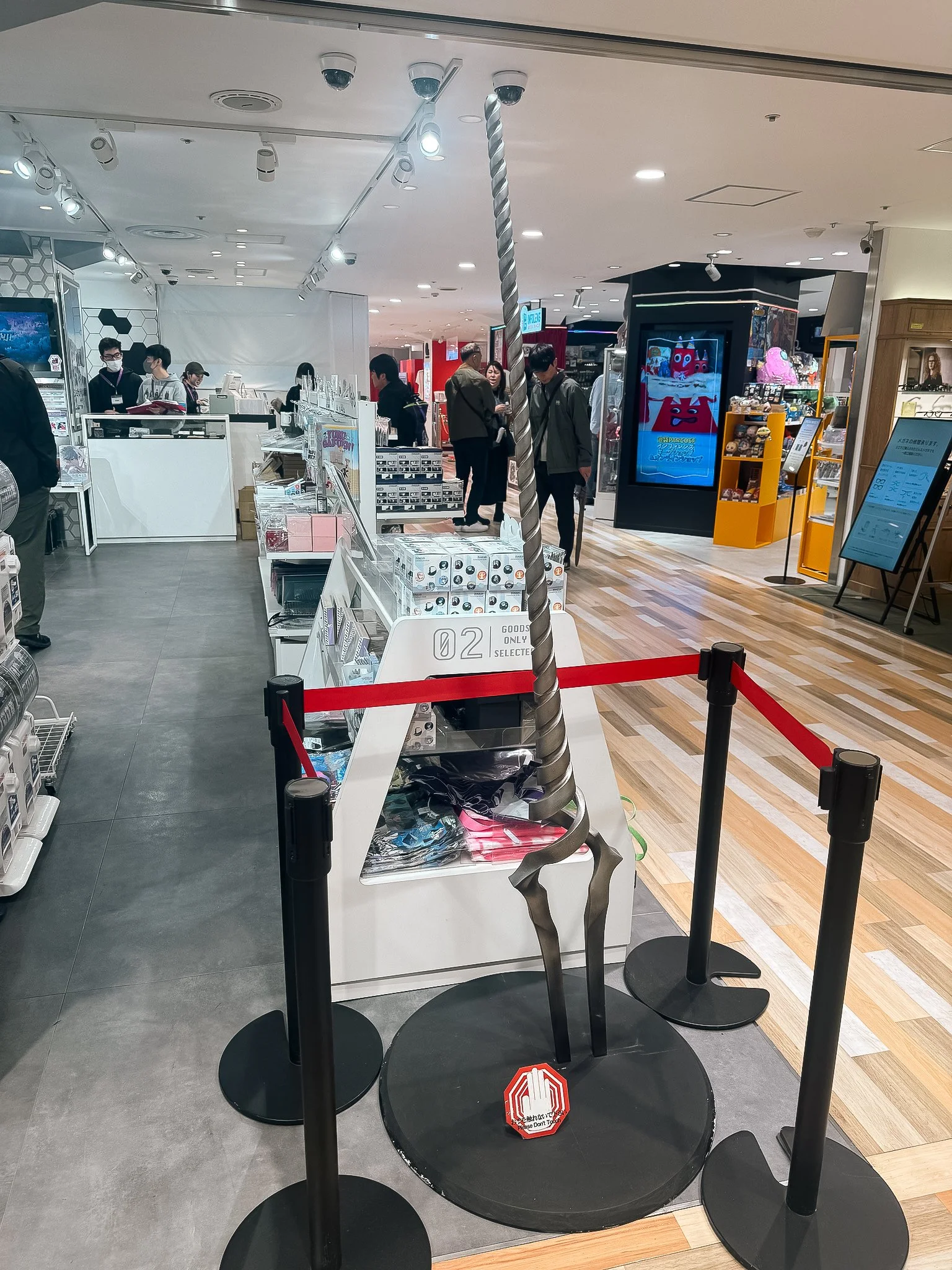
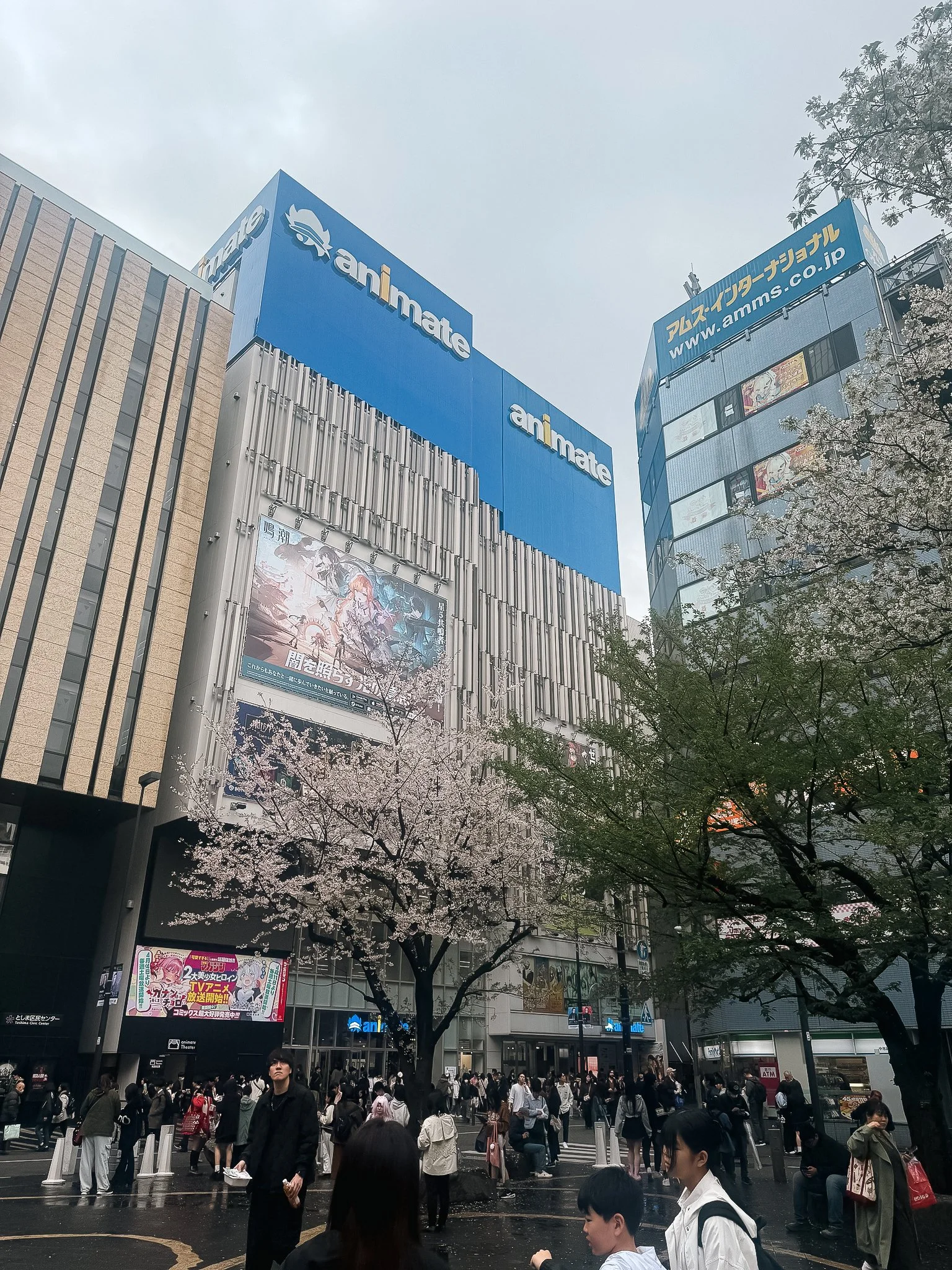
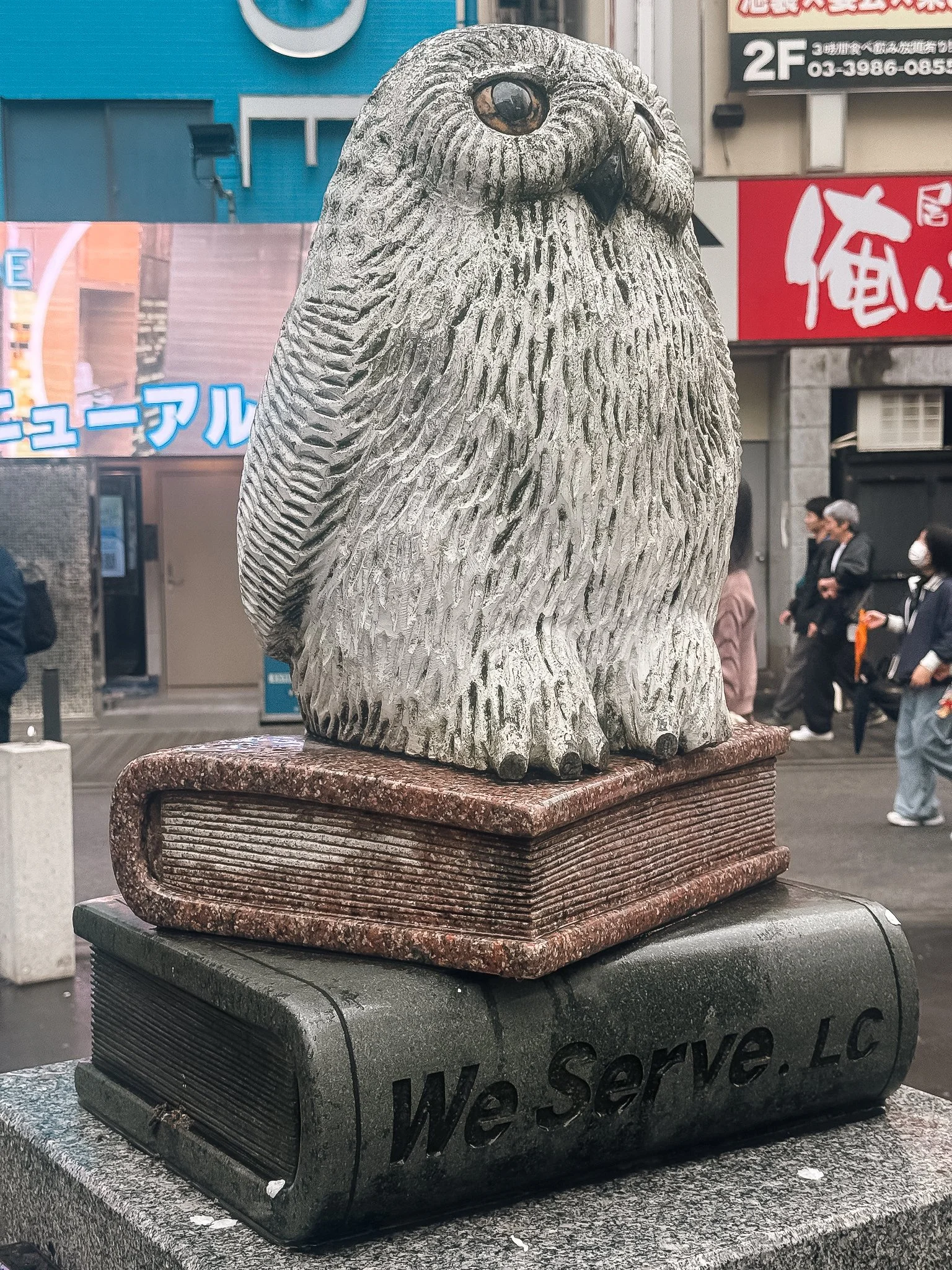
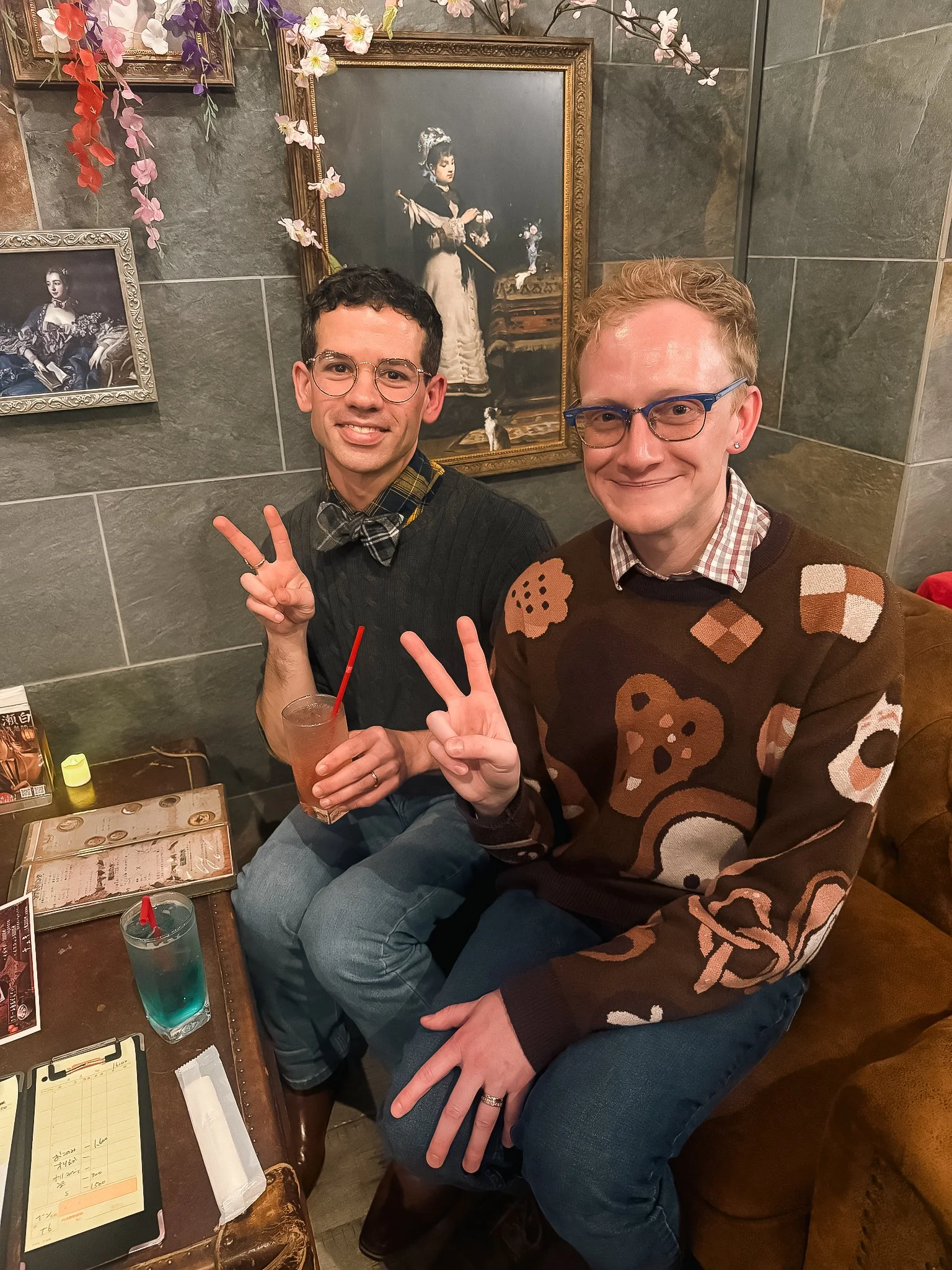
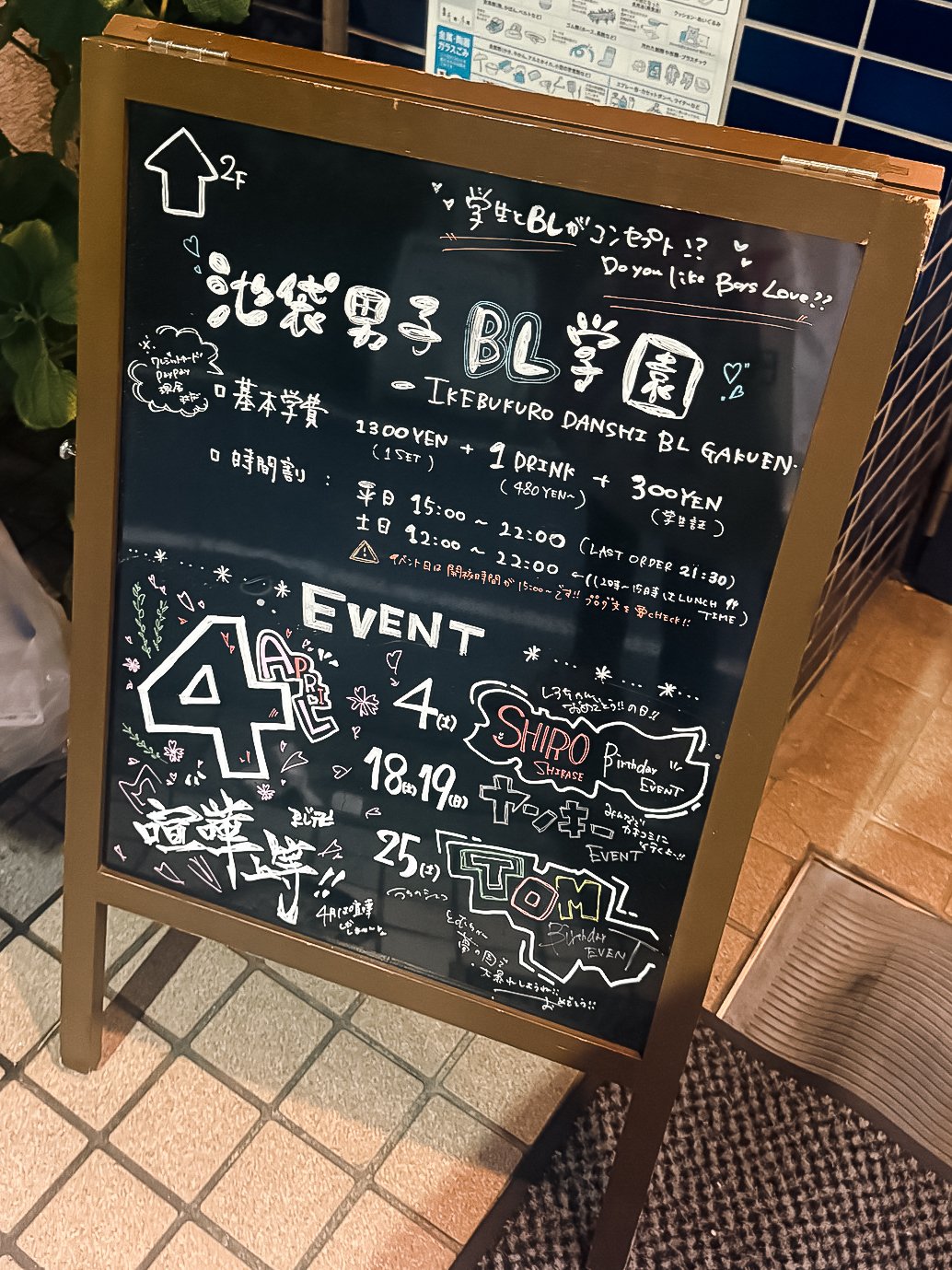
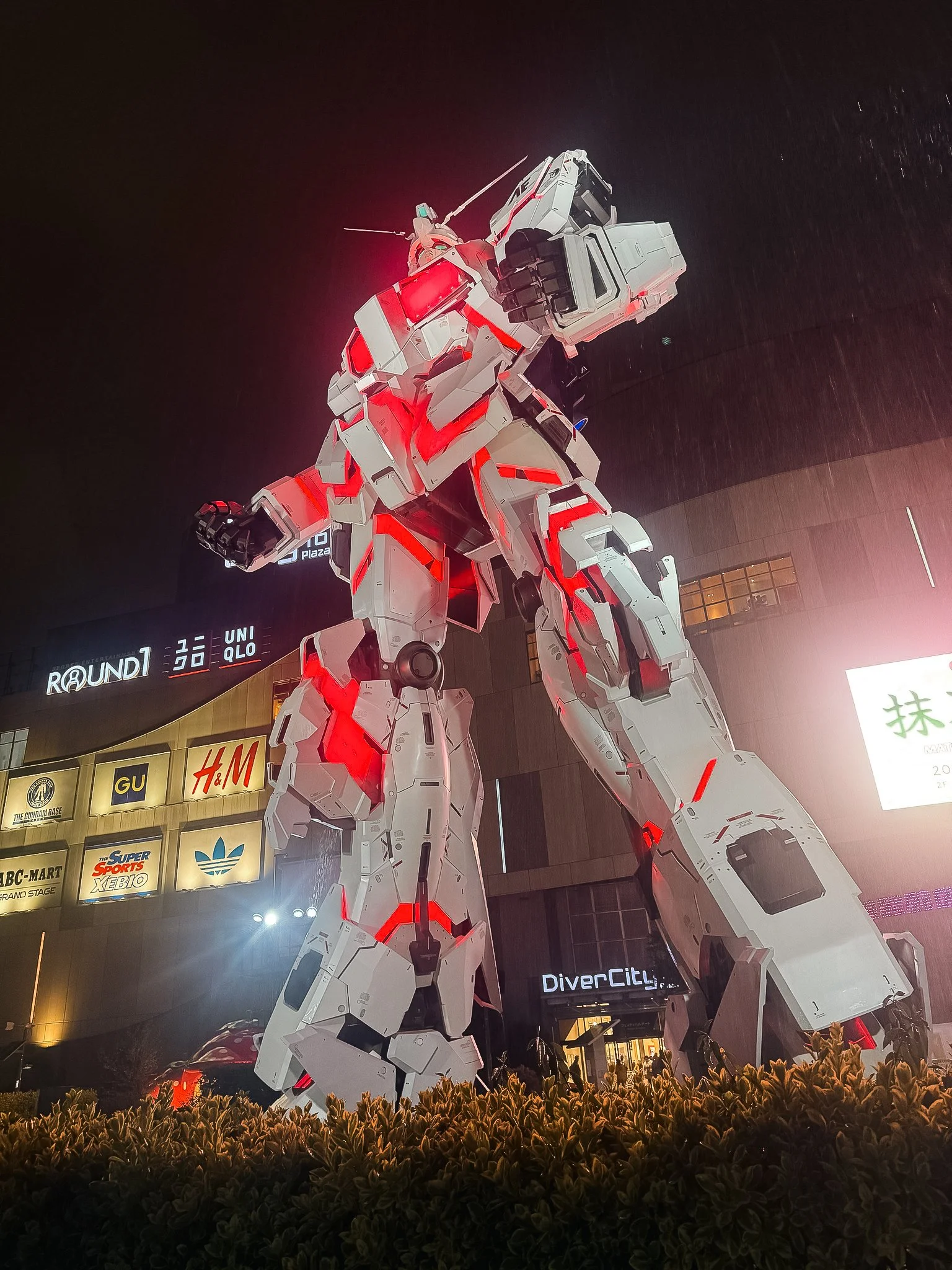
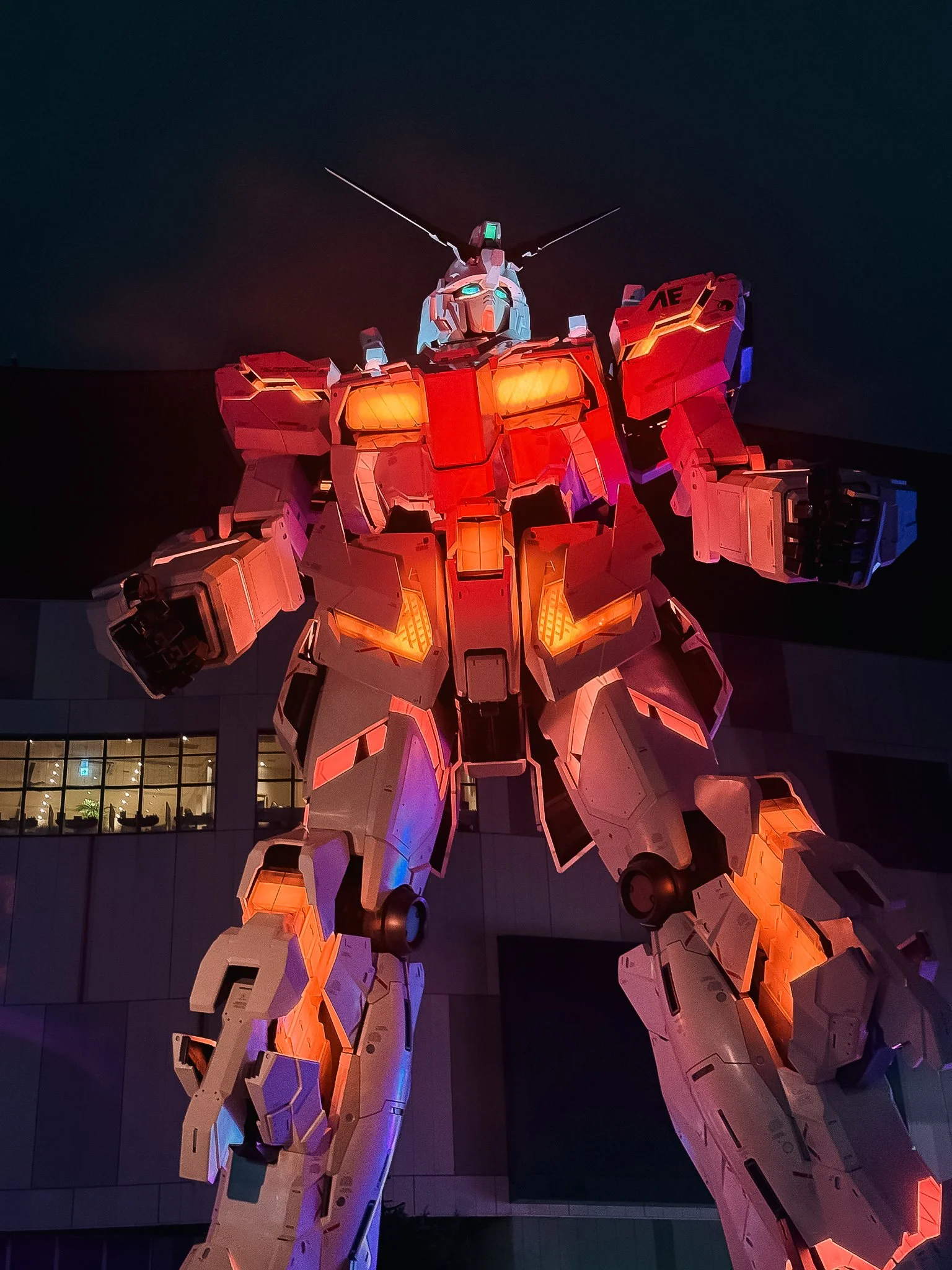
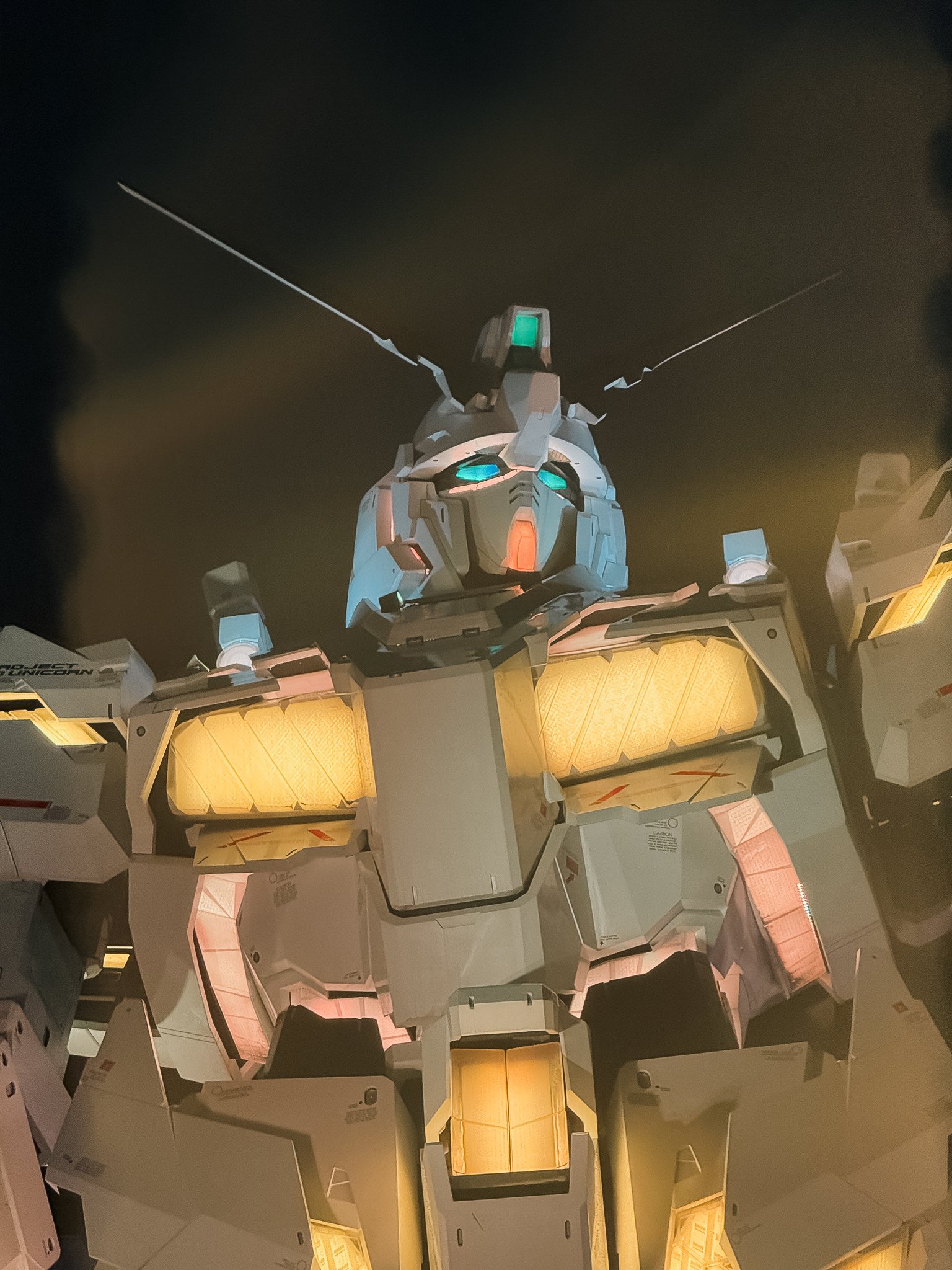
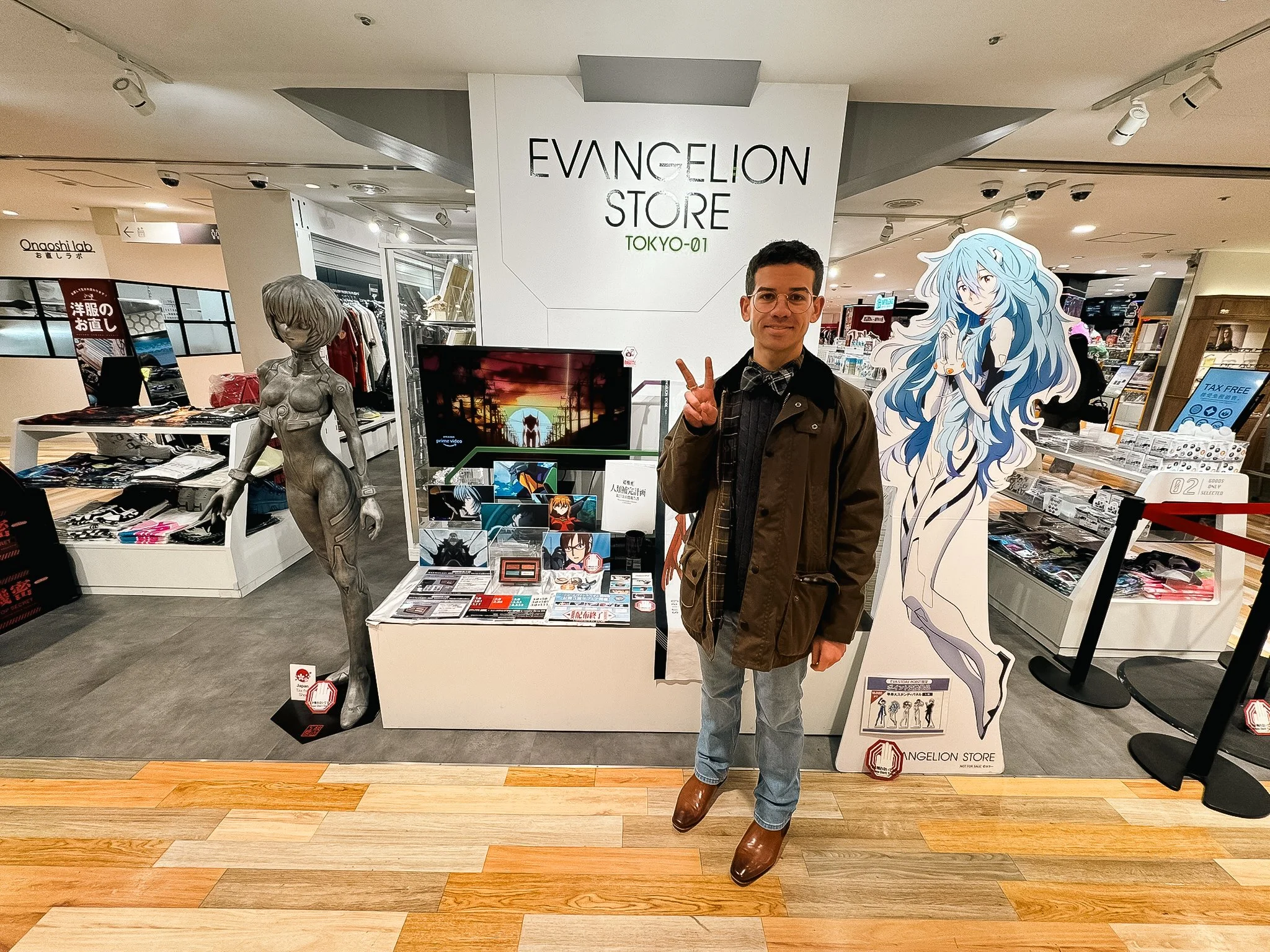
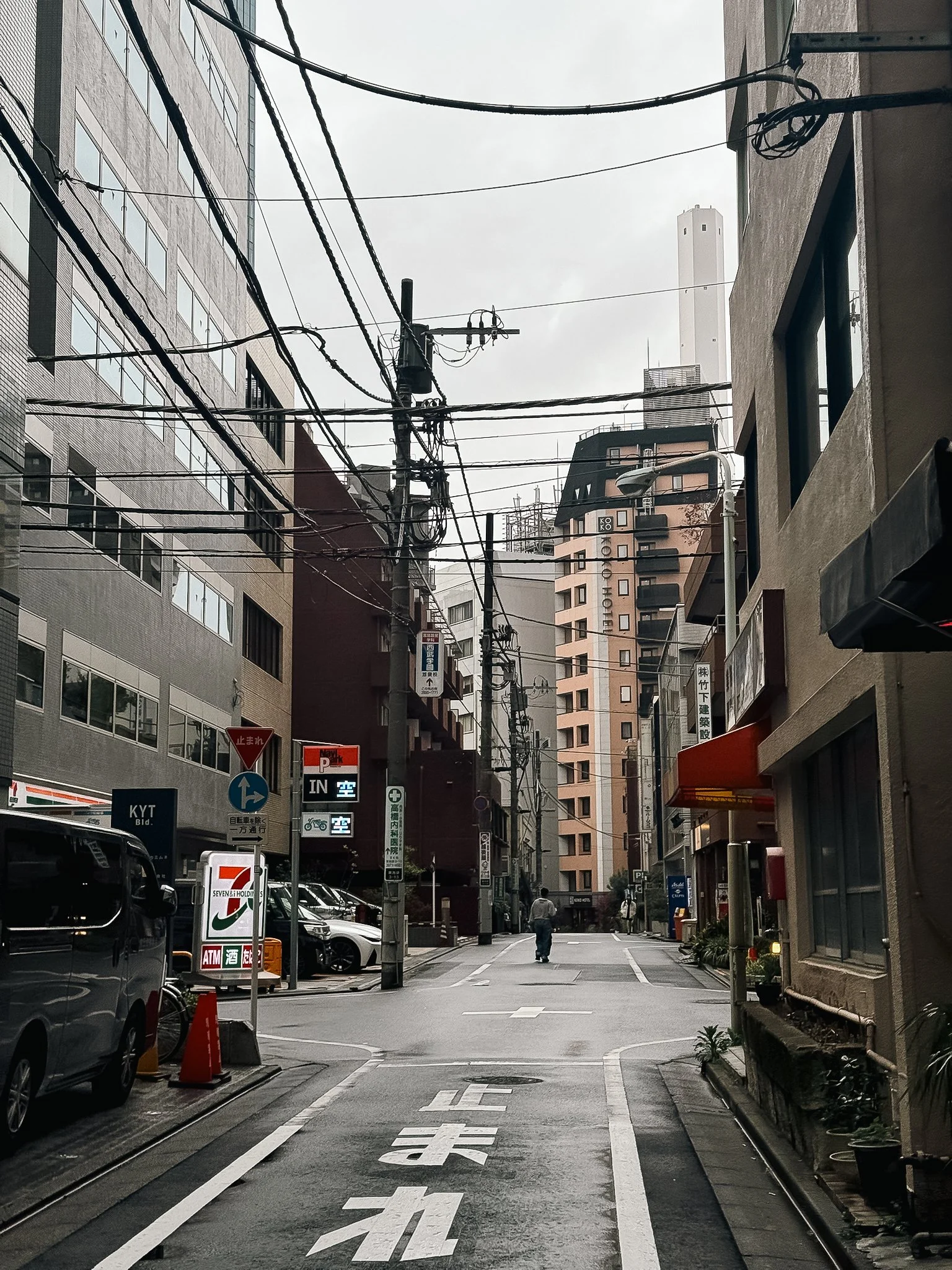
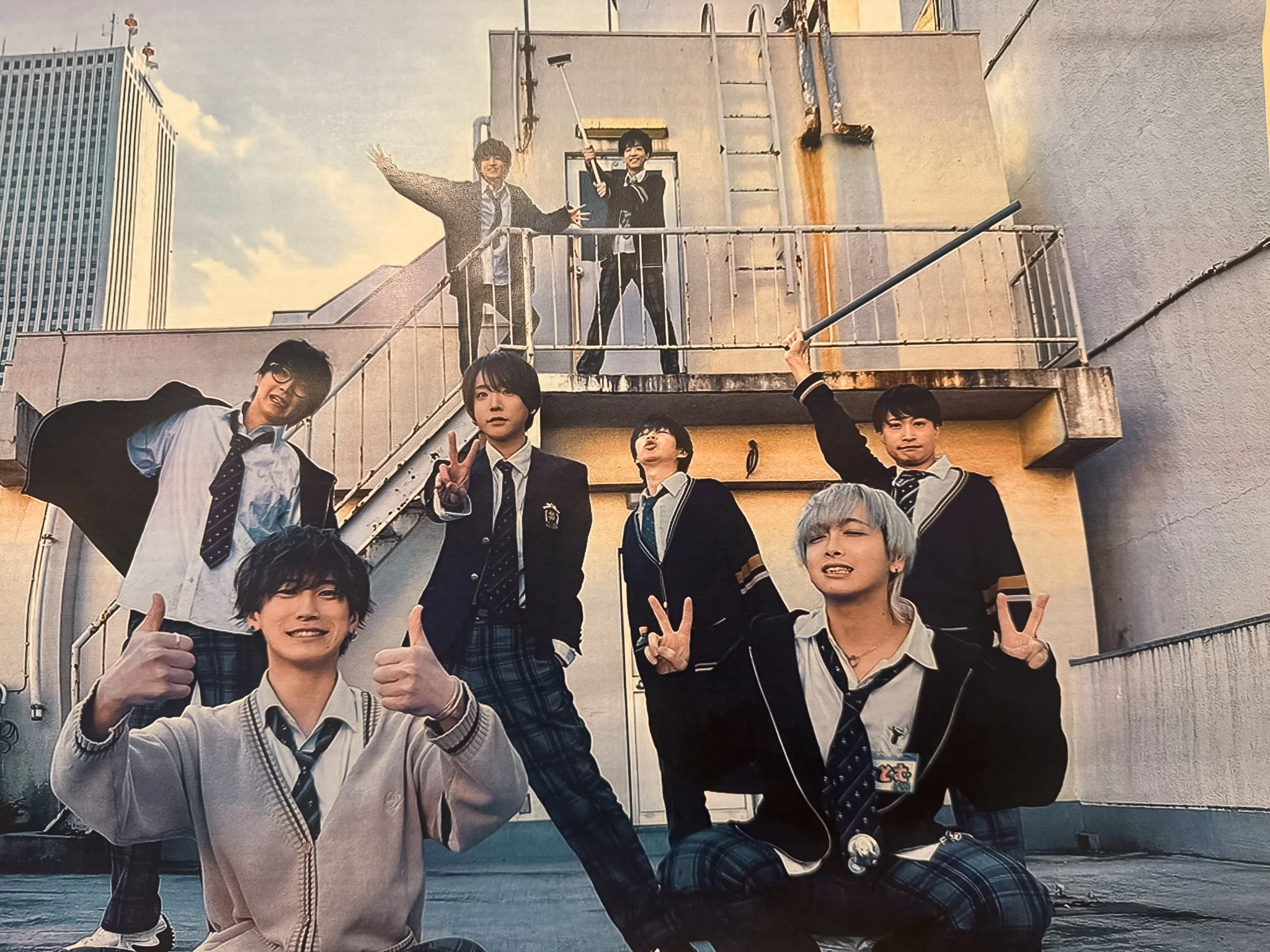
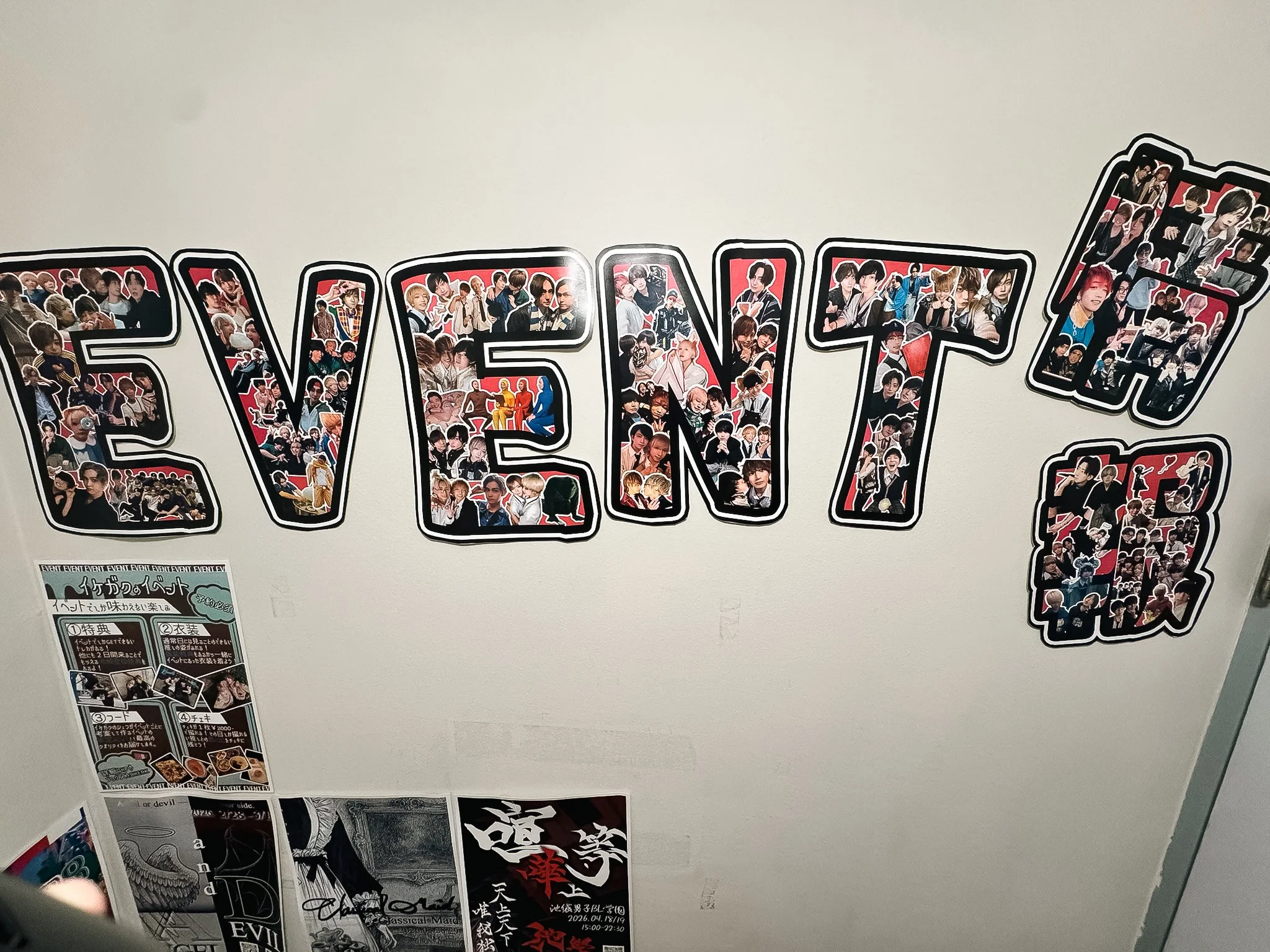
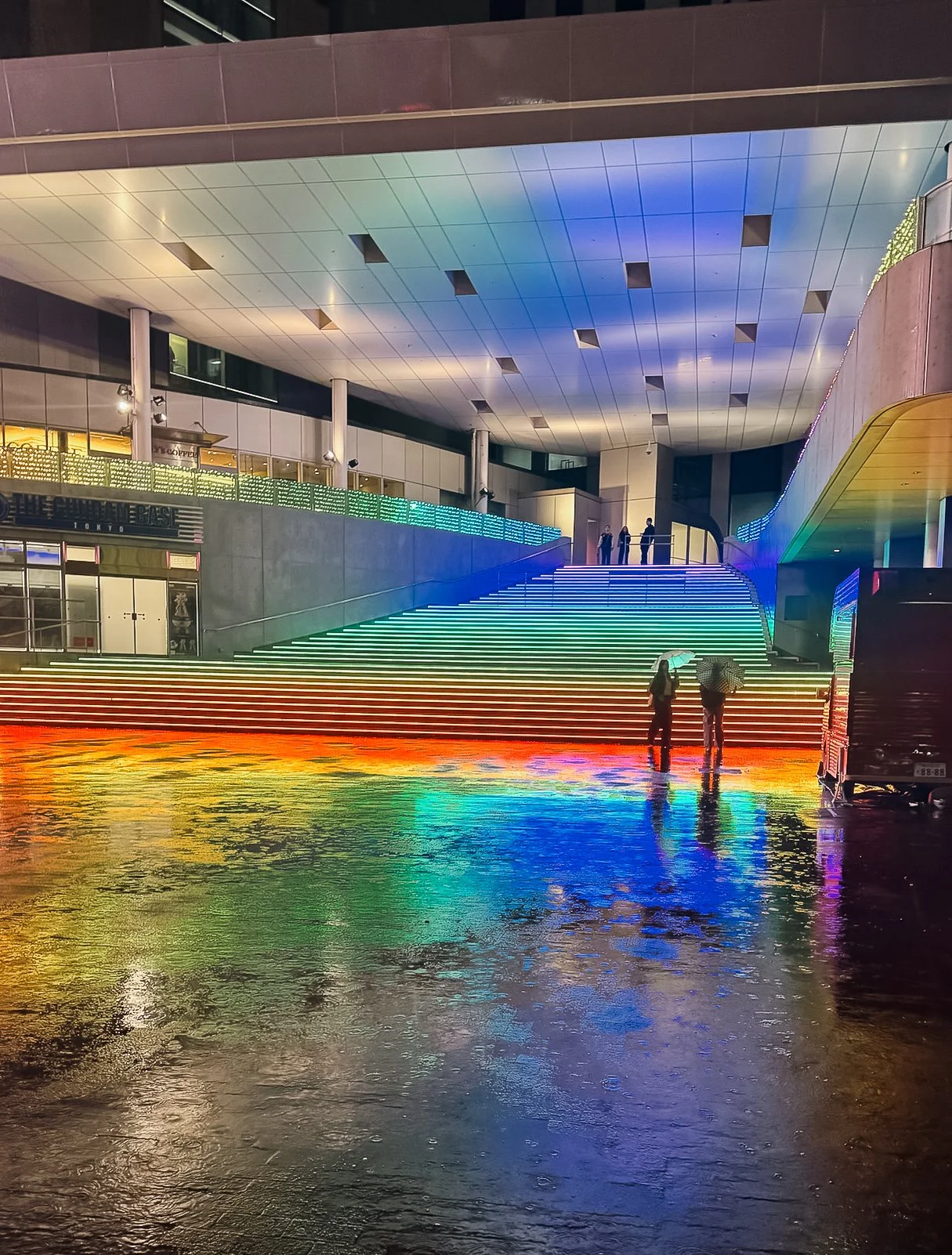
We went to Ikebukuro, a district packed with anime and fandom stores. We started at Sunshine City, where Justin spent a while playing UFO catchers and gashapon machines. After that we went to P’Parco, where I finally got to go to the official Evangelion store. After that we walked over to Otome Road, a stretch of shops focused on BL content. We went to BL Gakuen, which is a “boys’ love” café themed around a school. The staff were all hot guys dressed in uniforms who looked like they stepped straight out of an anime. They served food and drinks while doing roleplay. We headed out to Odaiba to see the Gundam at DiverCity in the evening. The train to get there was more confusing than expected, and by the time we arrived it was extremely rainy and windy being right on Tokyo Bay. Even with the weather, it was really cool seeing the massive life-size Gundam in person and watching it light up and “transform.” Afterward we made our way back through the rain to the hotel and warmed up in the outdoor public bath.
day 4 千代田/東京駅・皇居東御苑 / 川崎/ミューザ川崎シンフォニーホール(ドラゴンクエスト交響組曲)
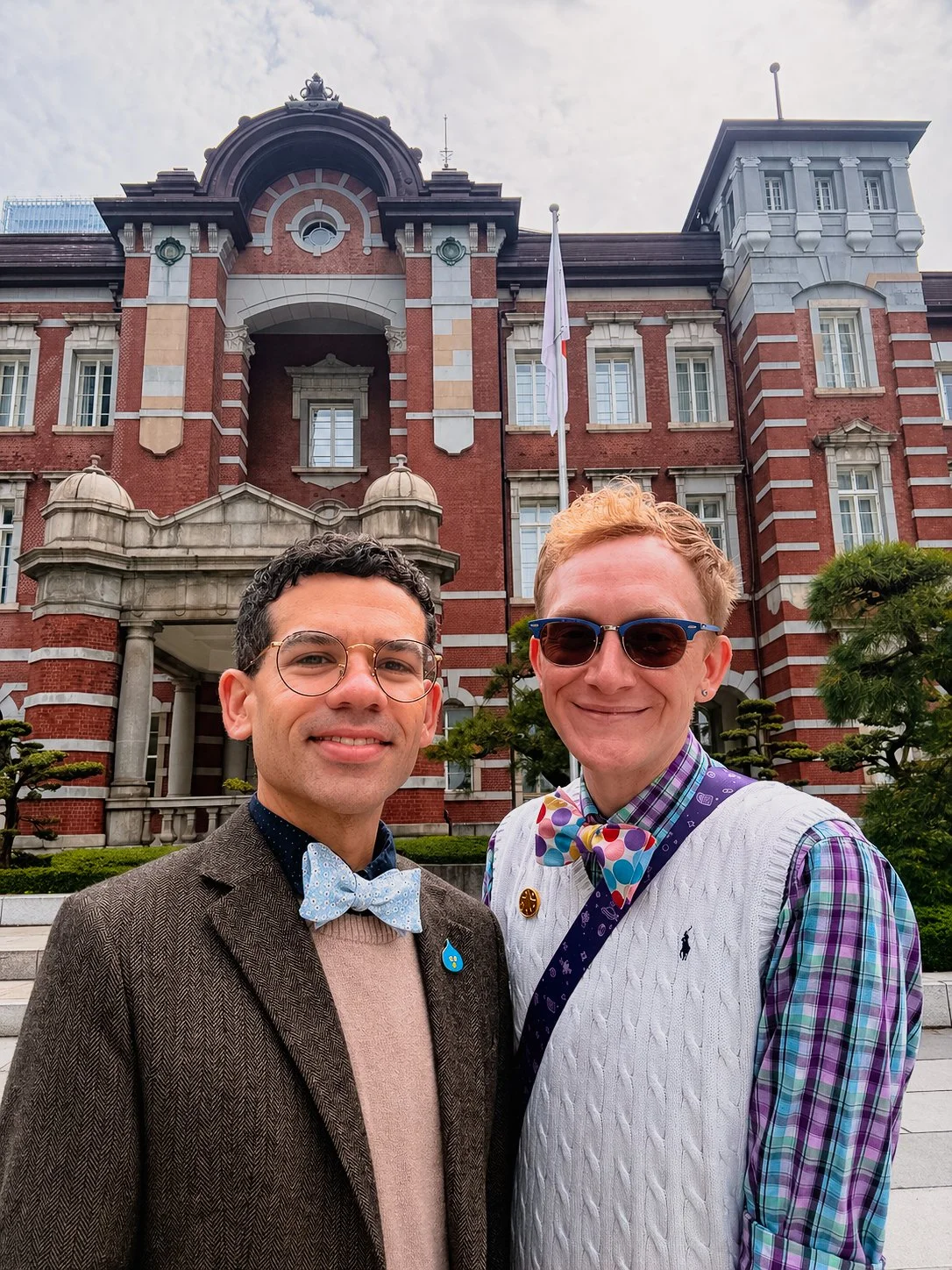
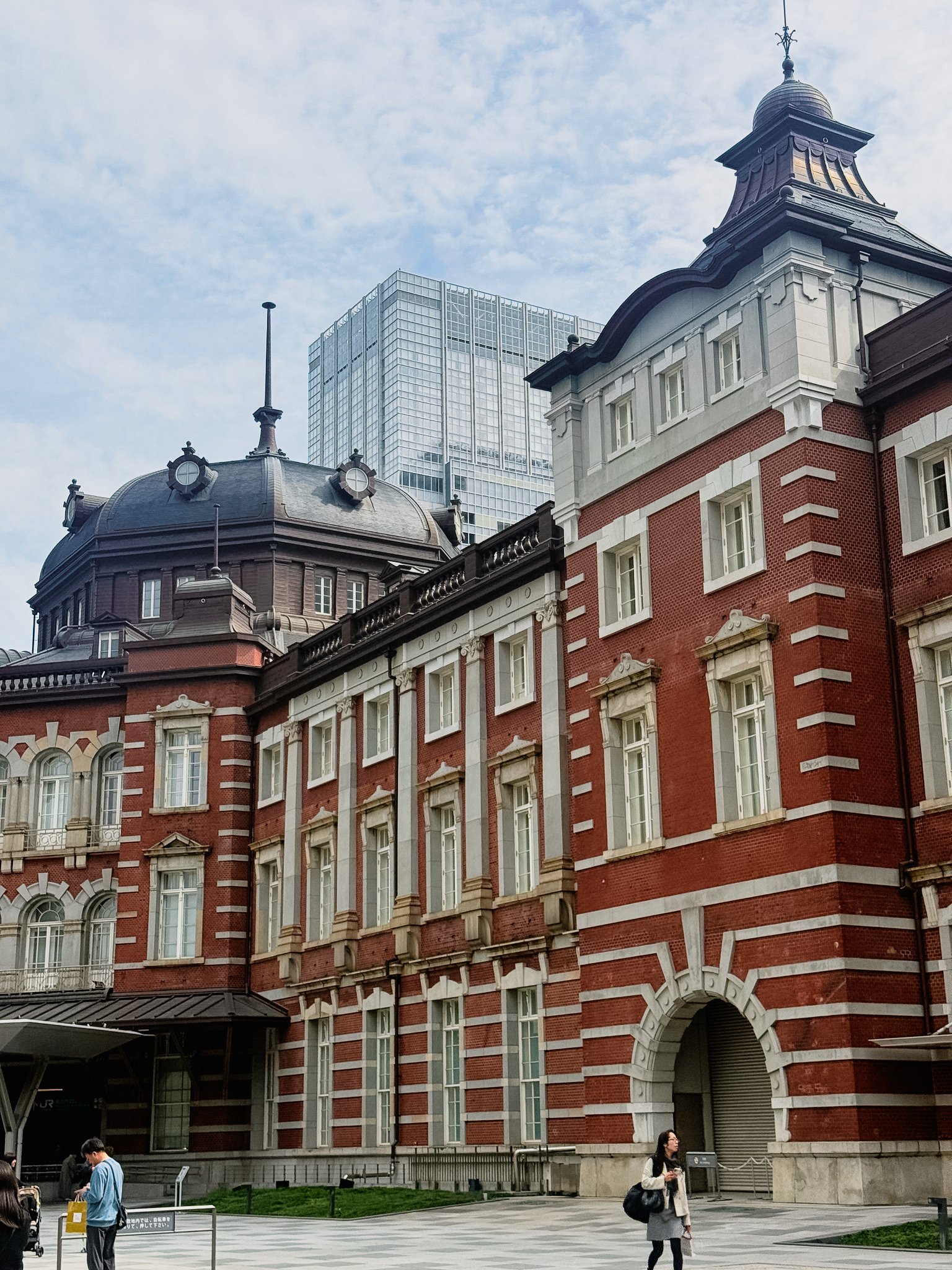
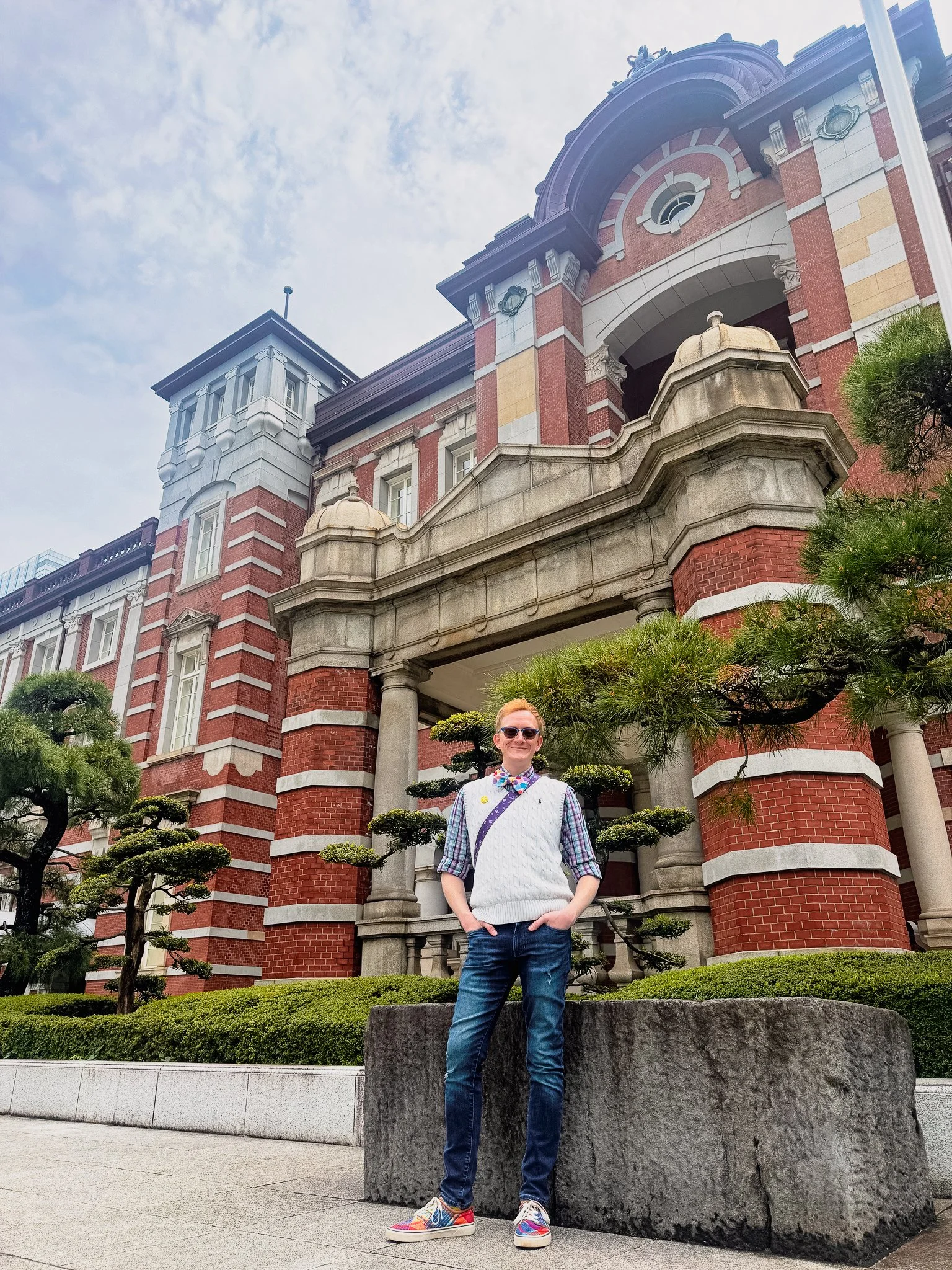
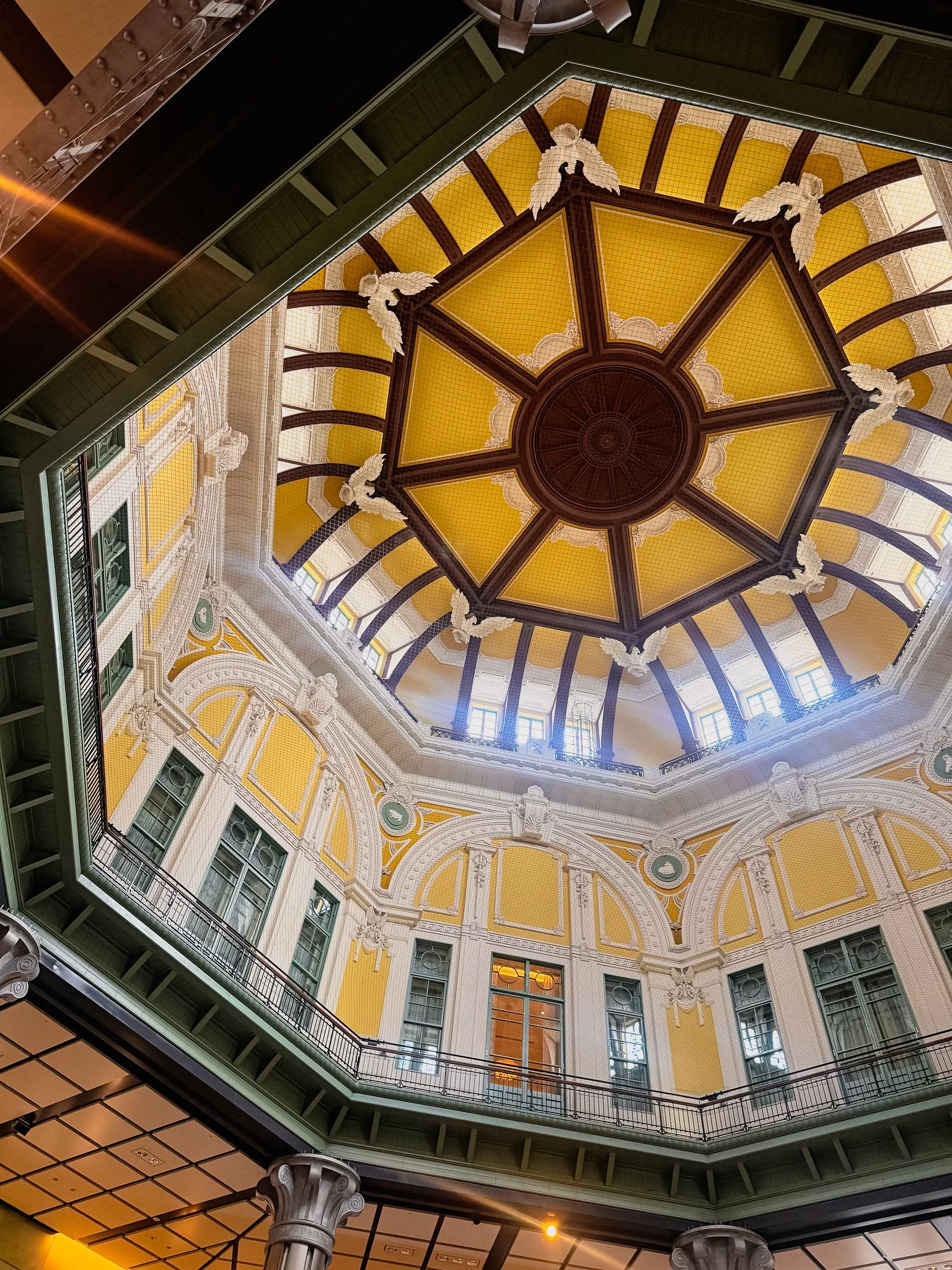
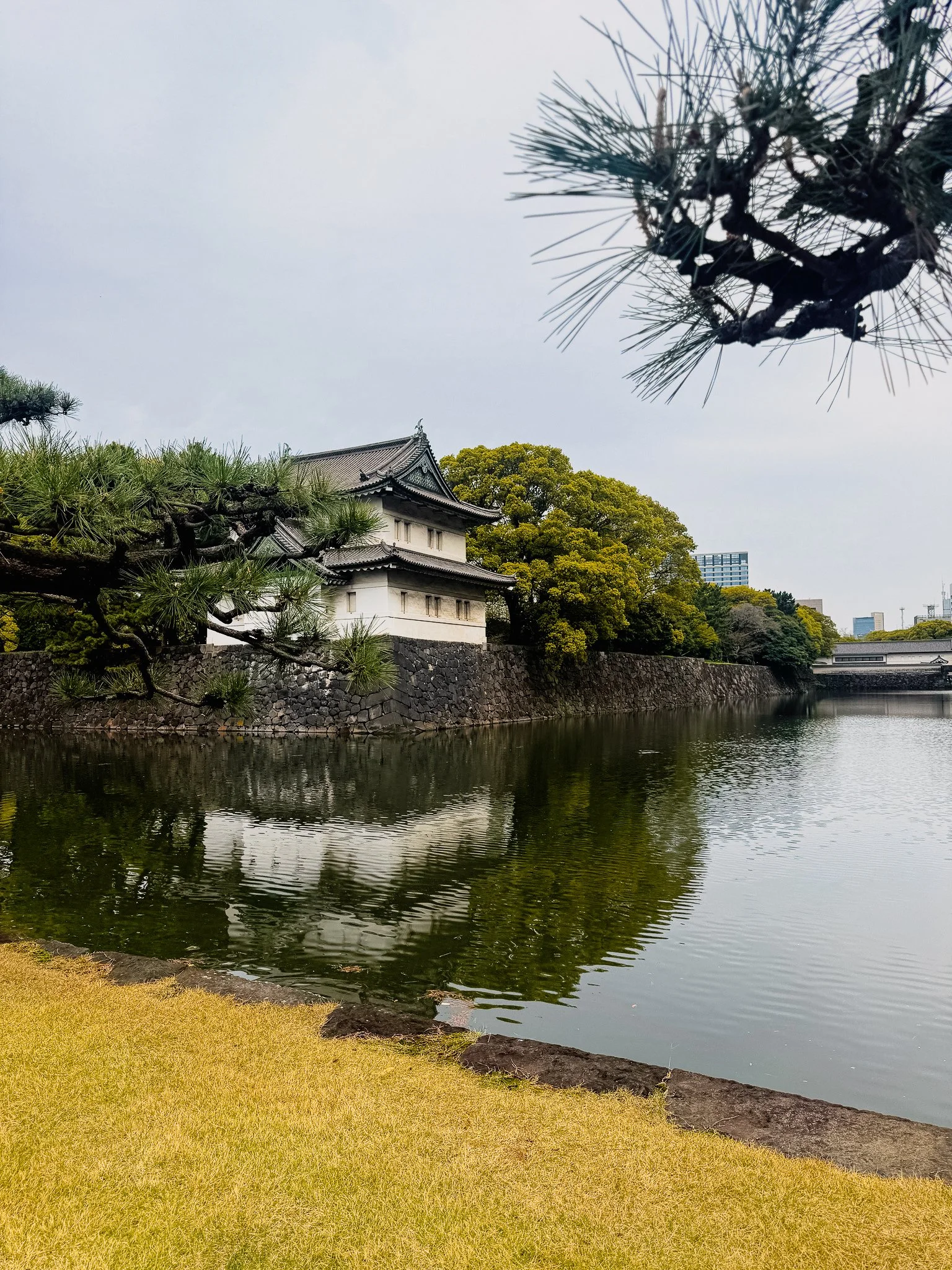
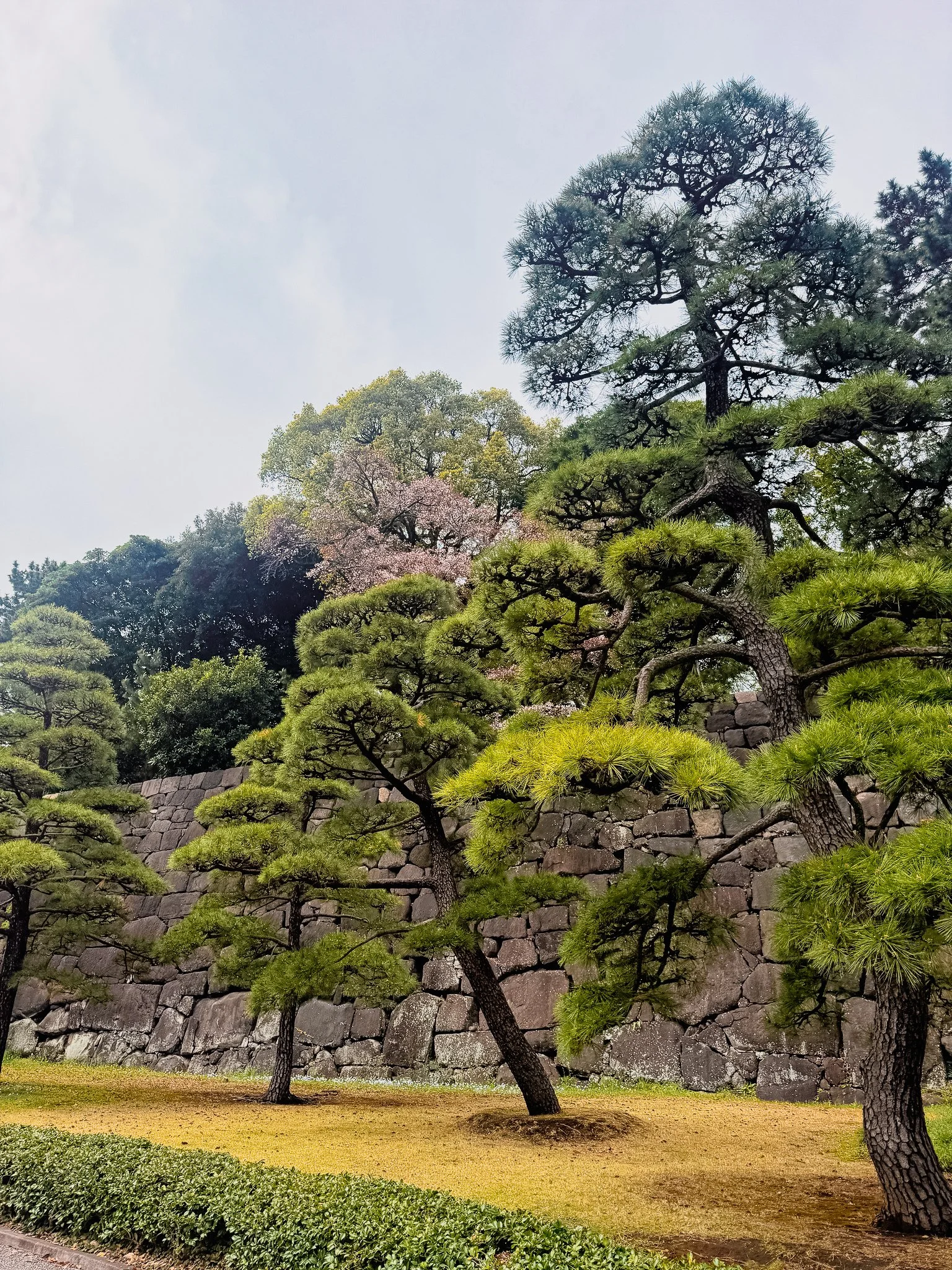
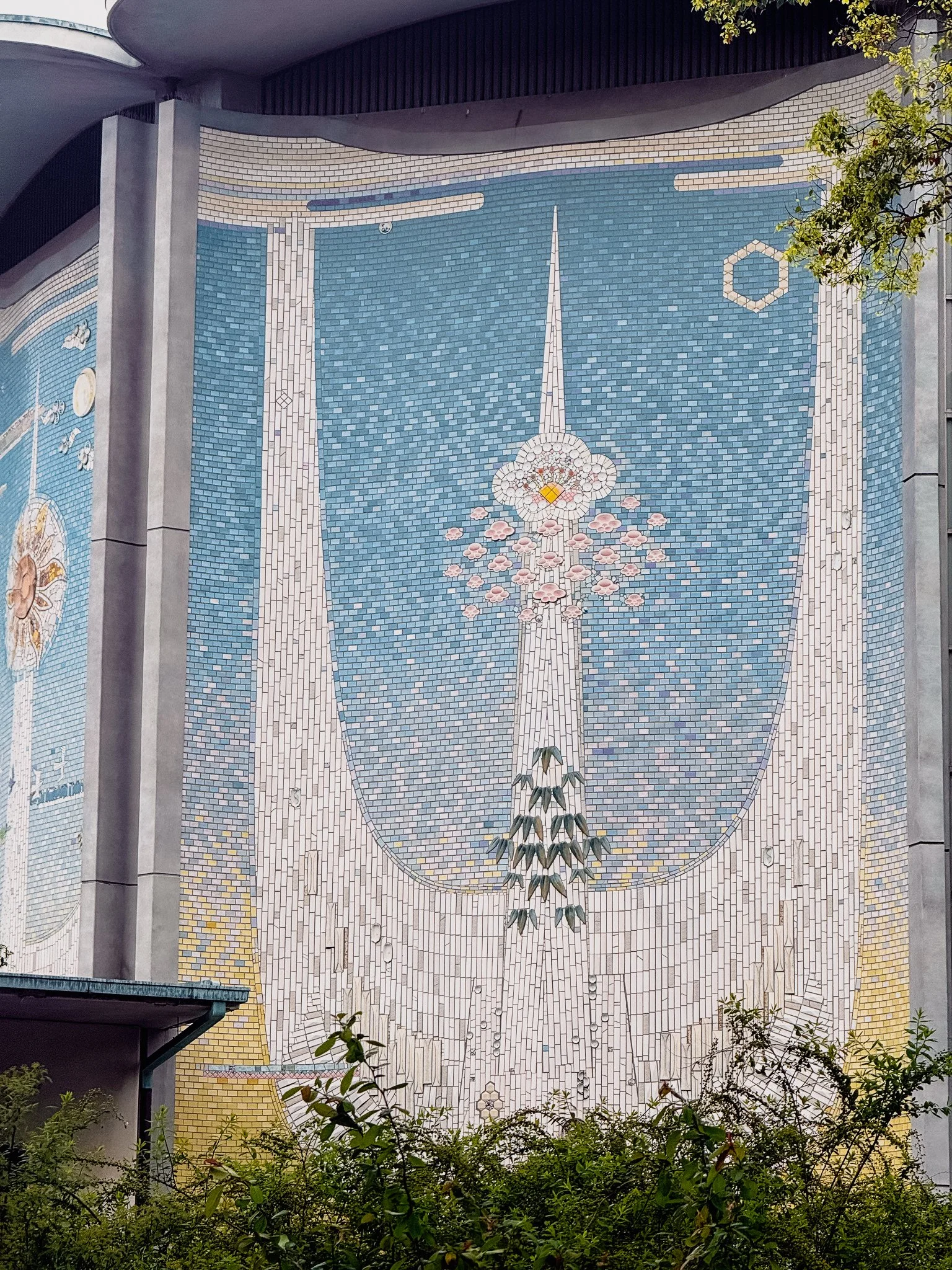
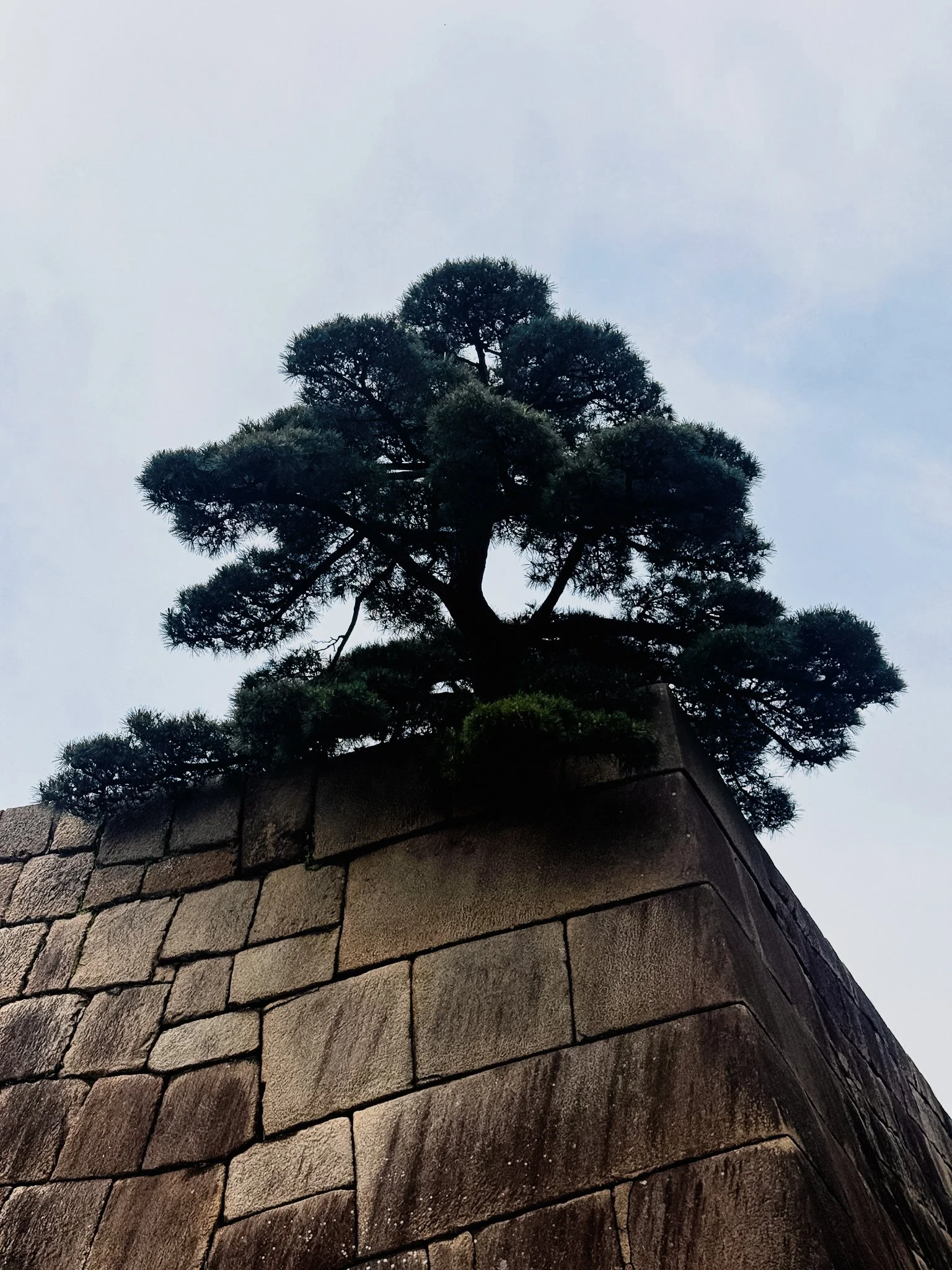
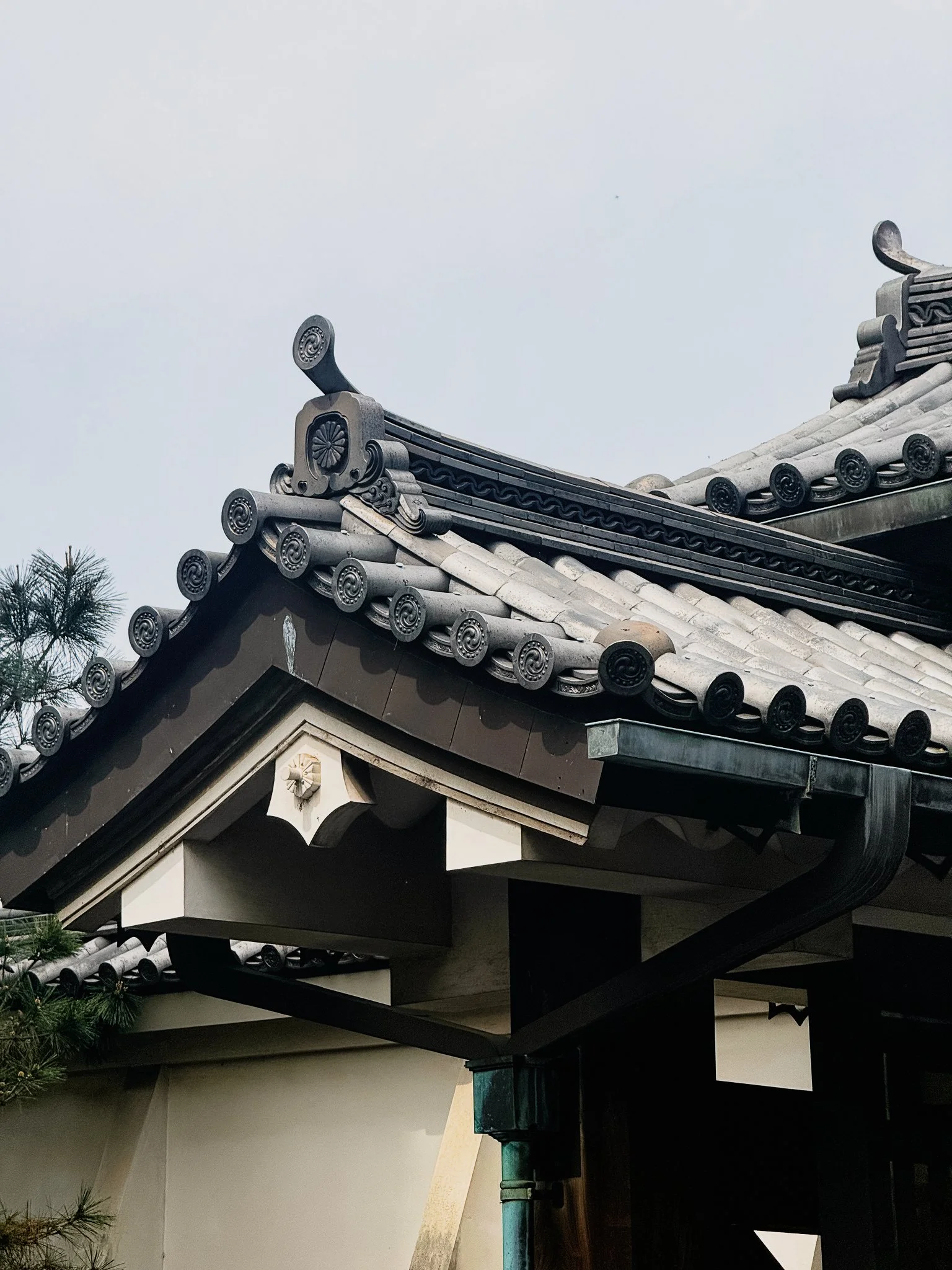
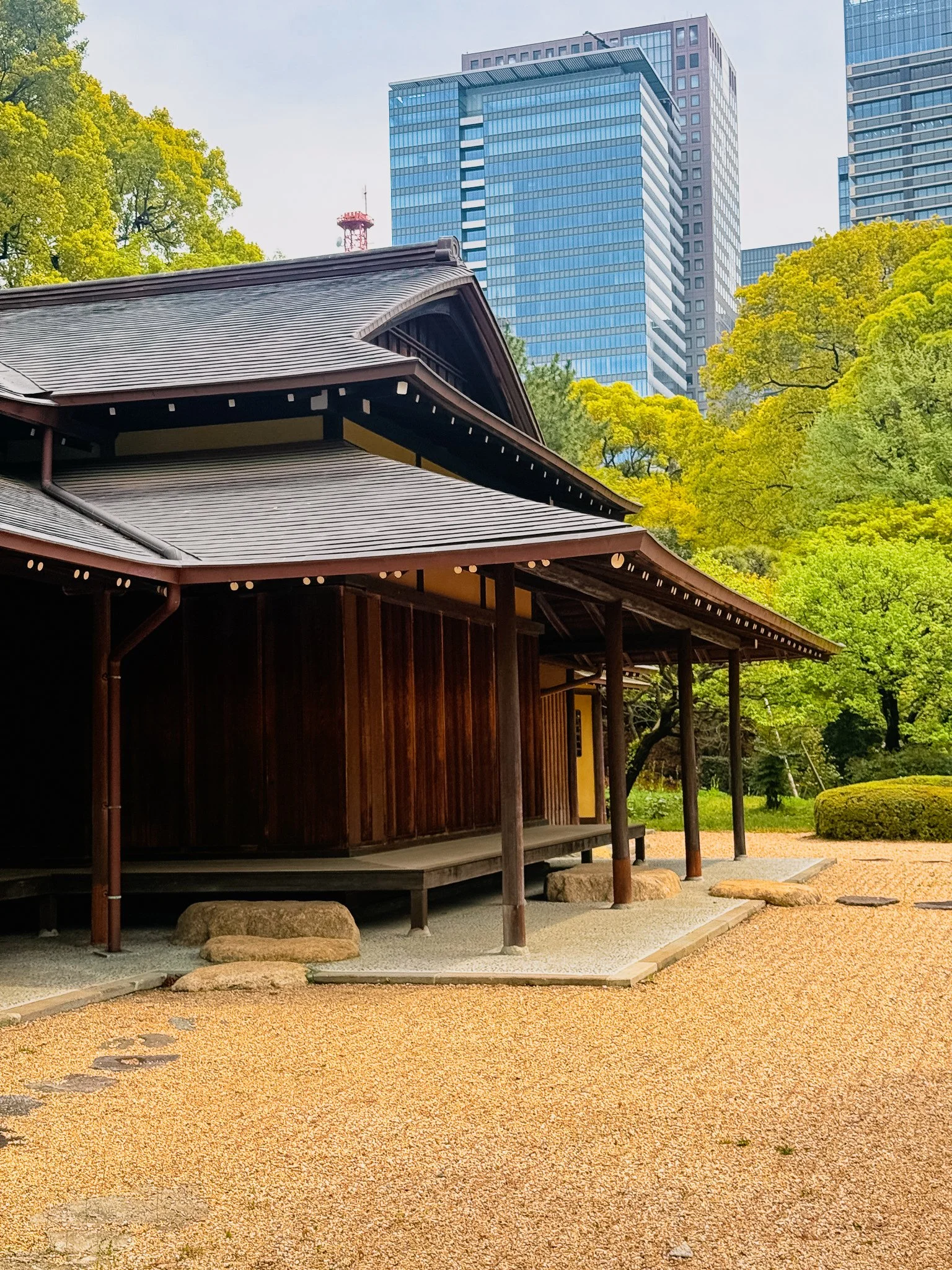
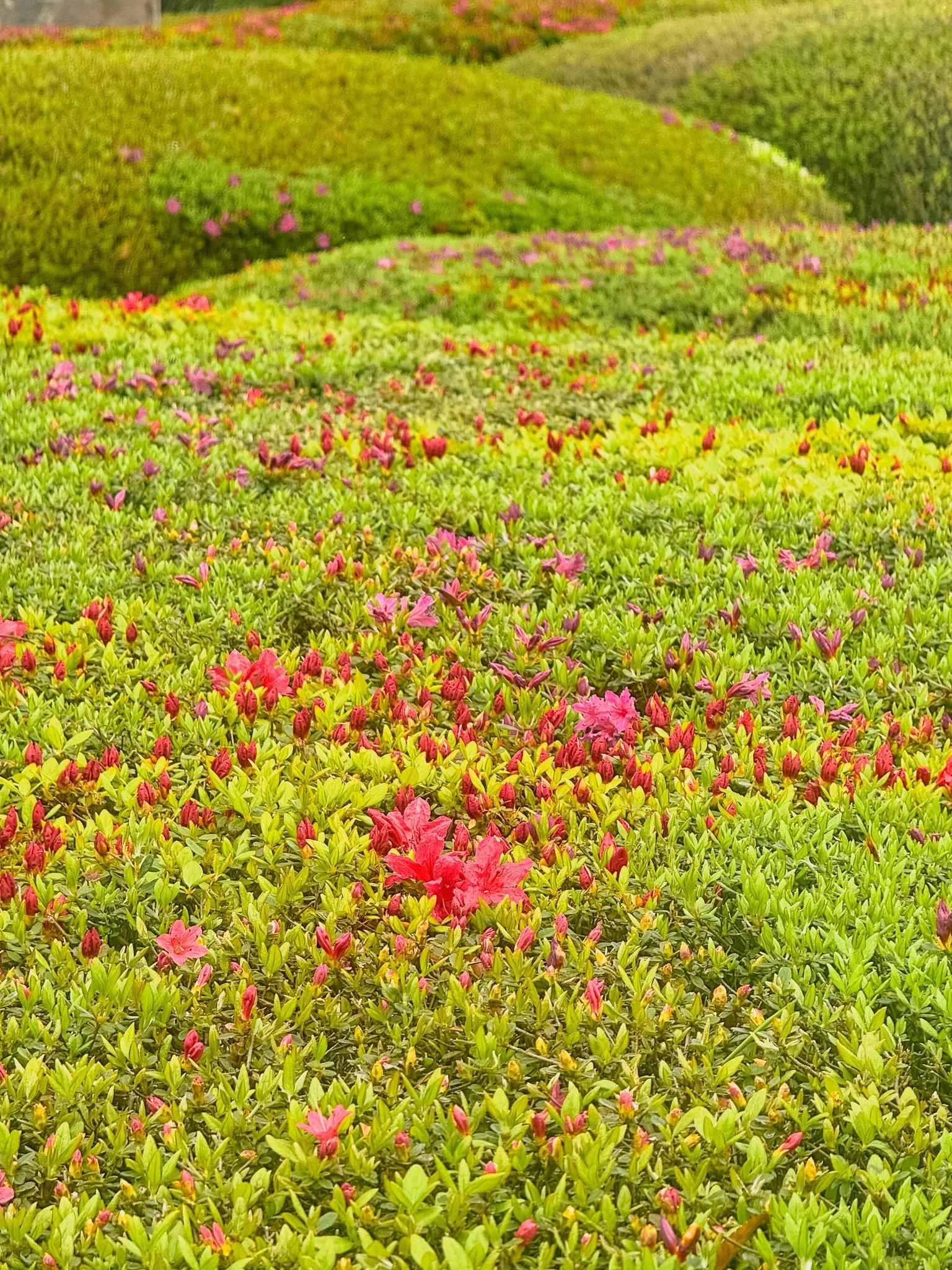
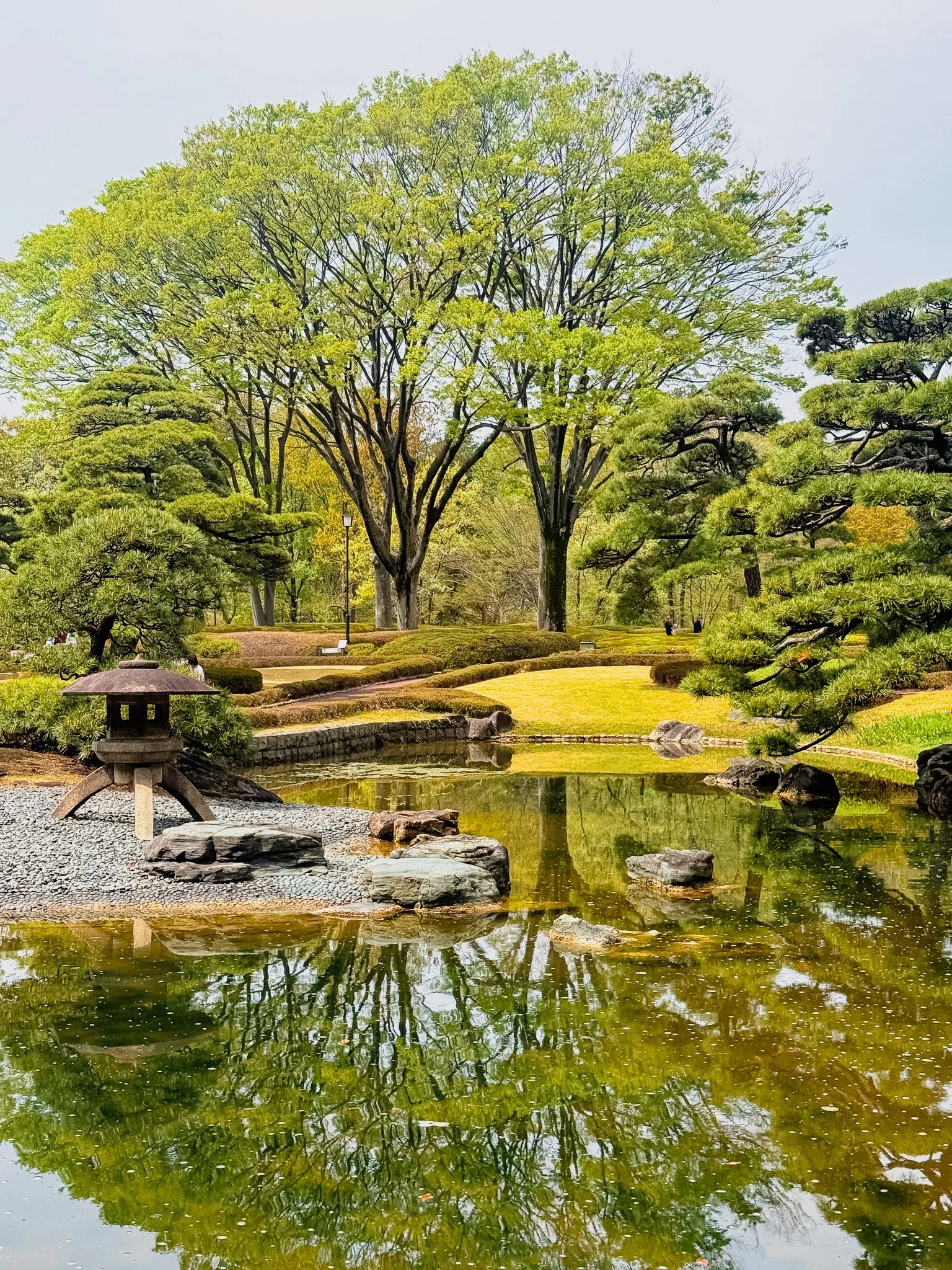
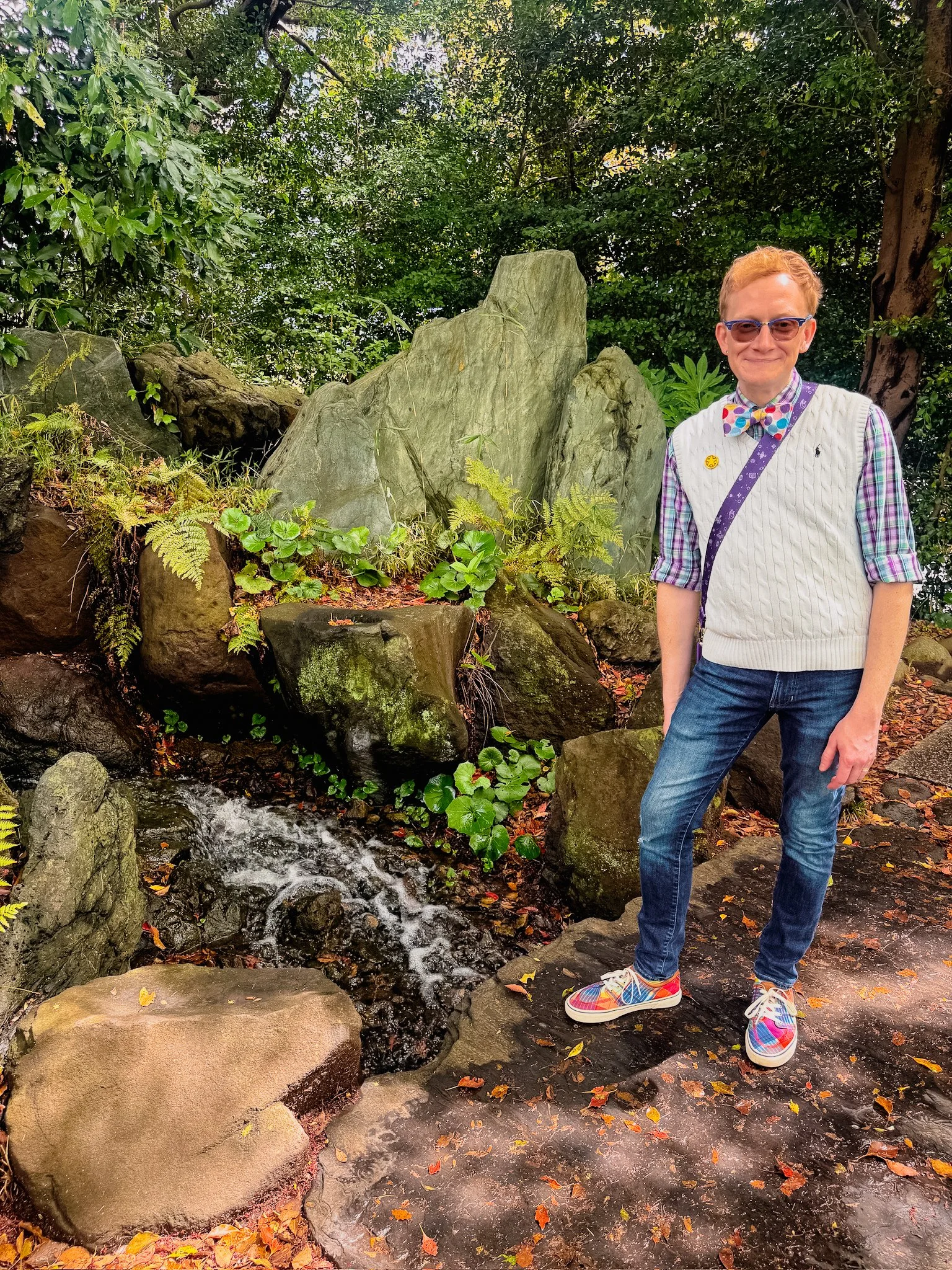
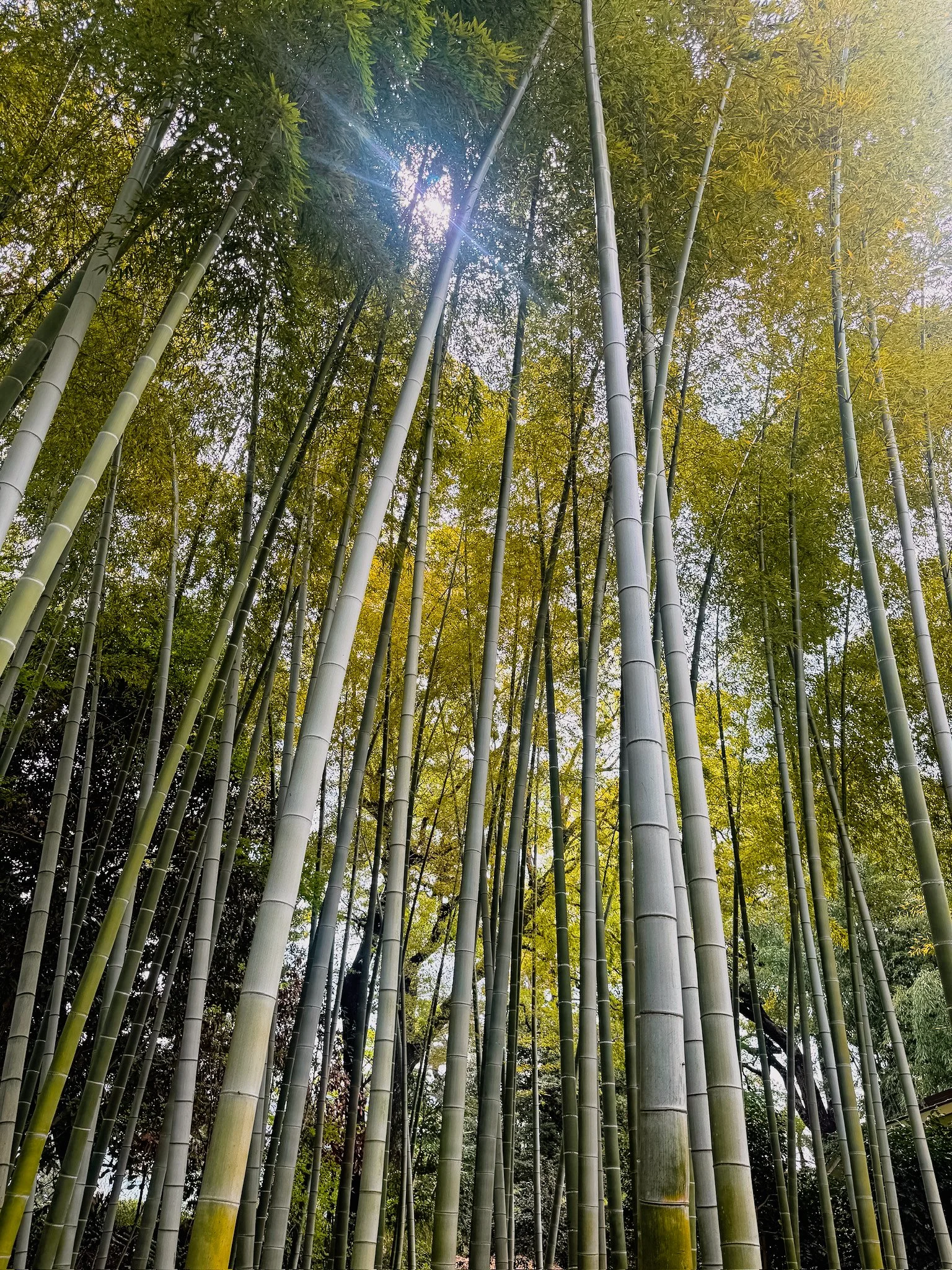
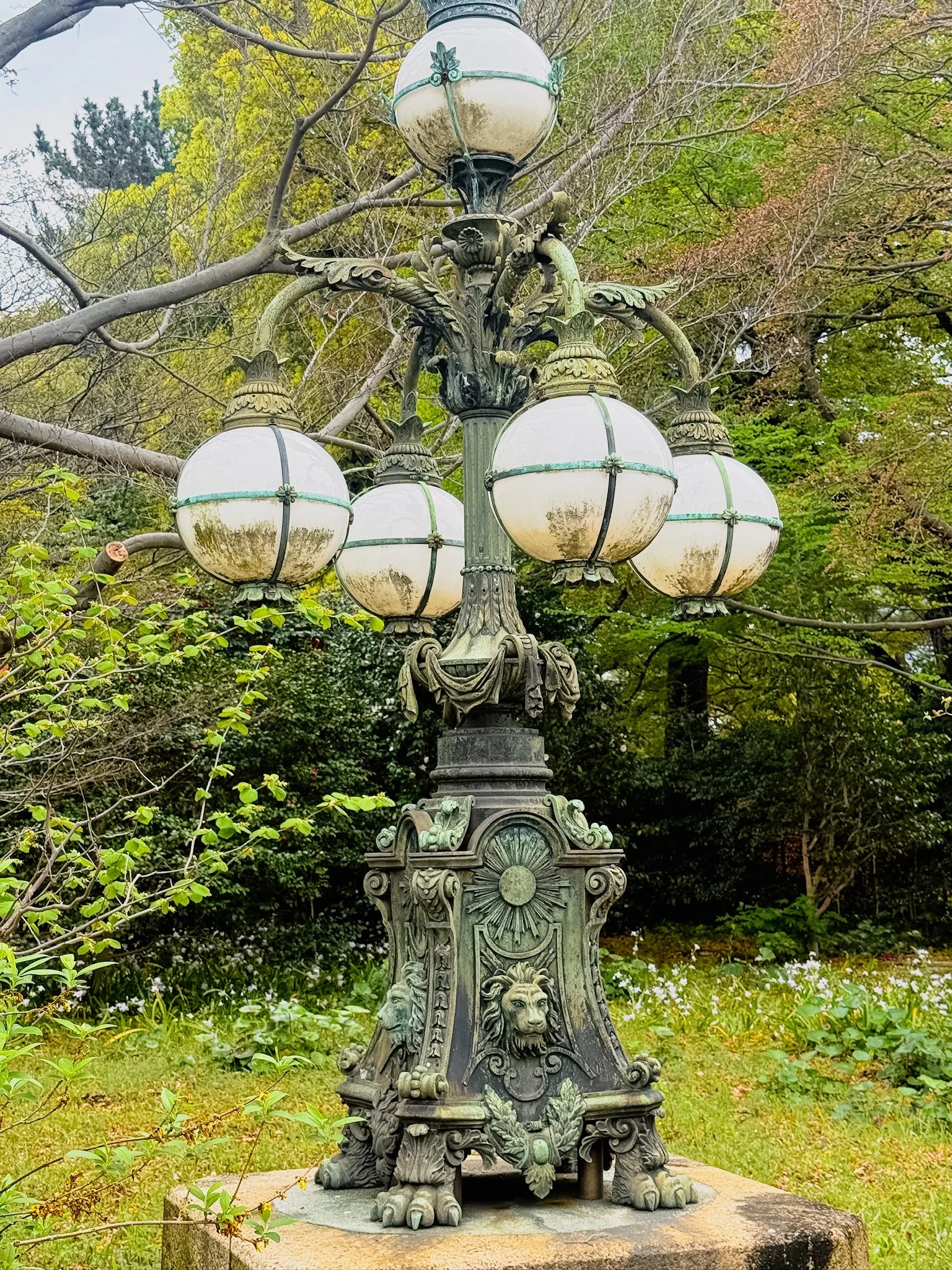
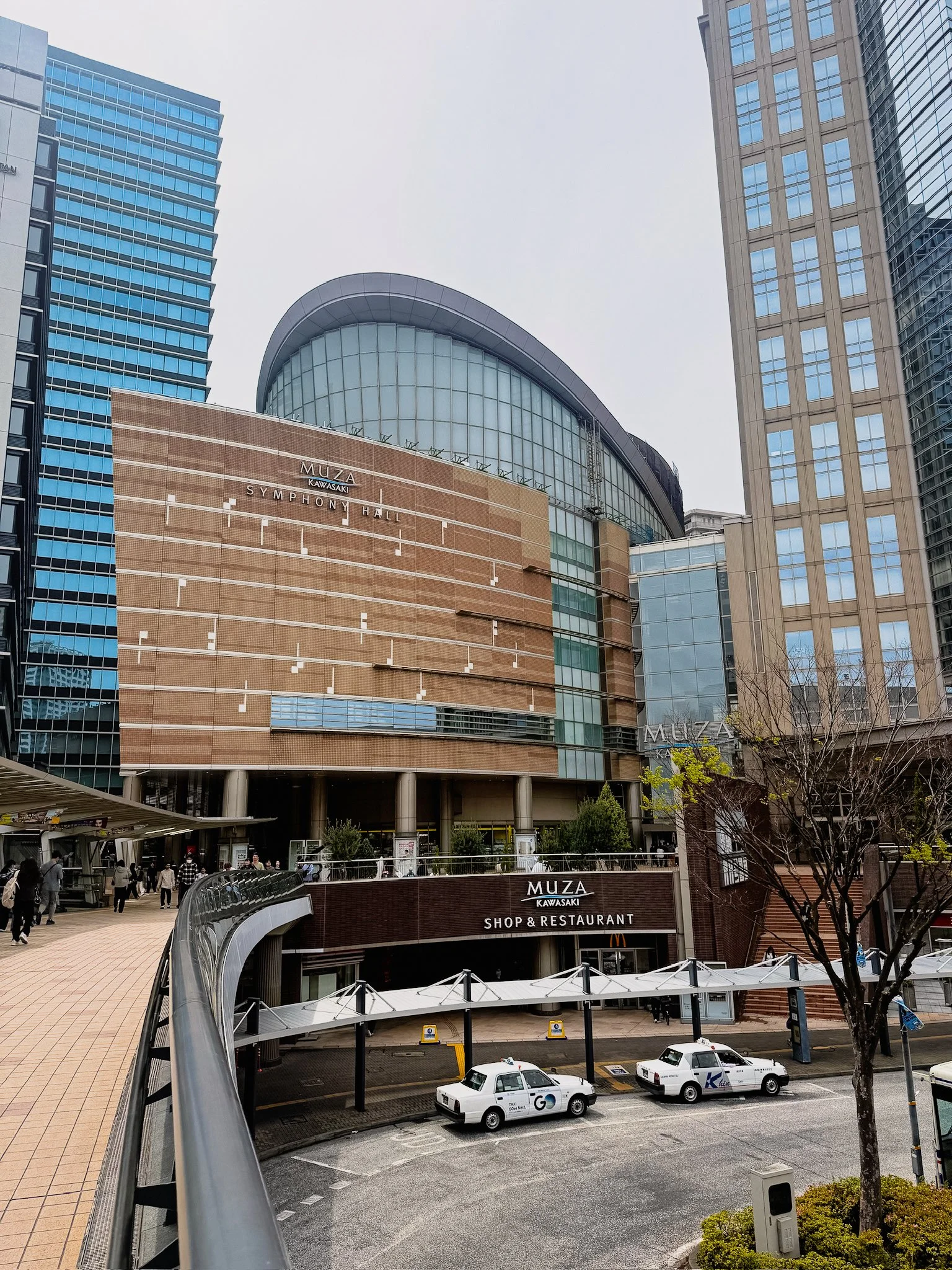
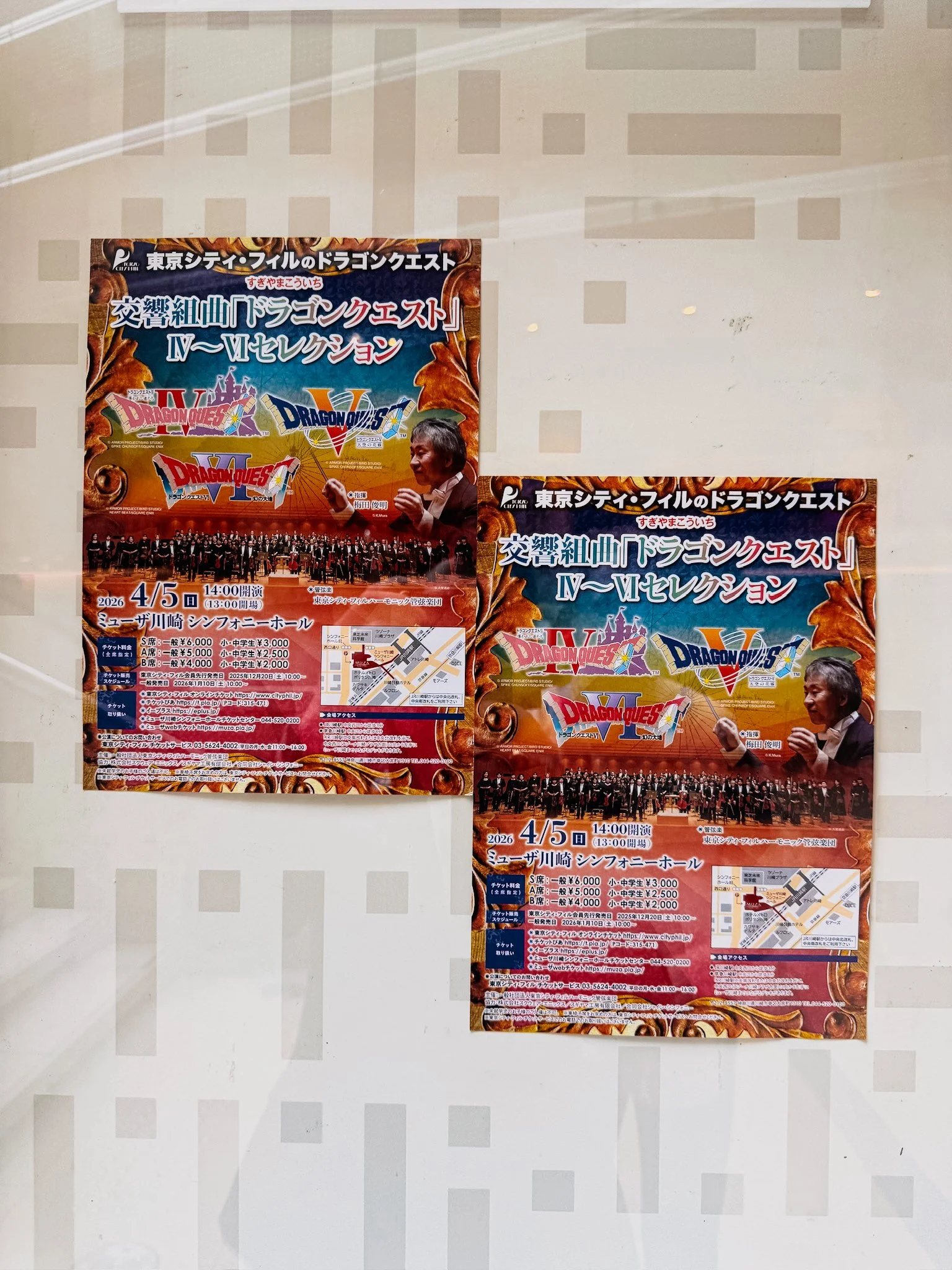
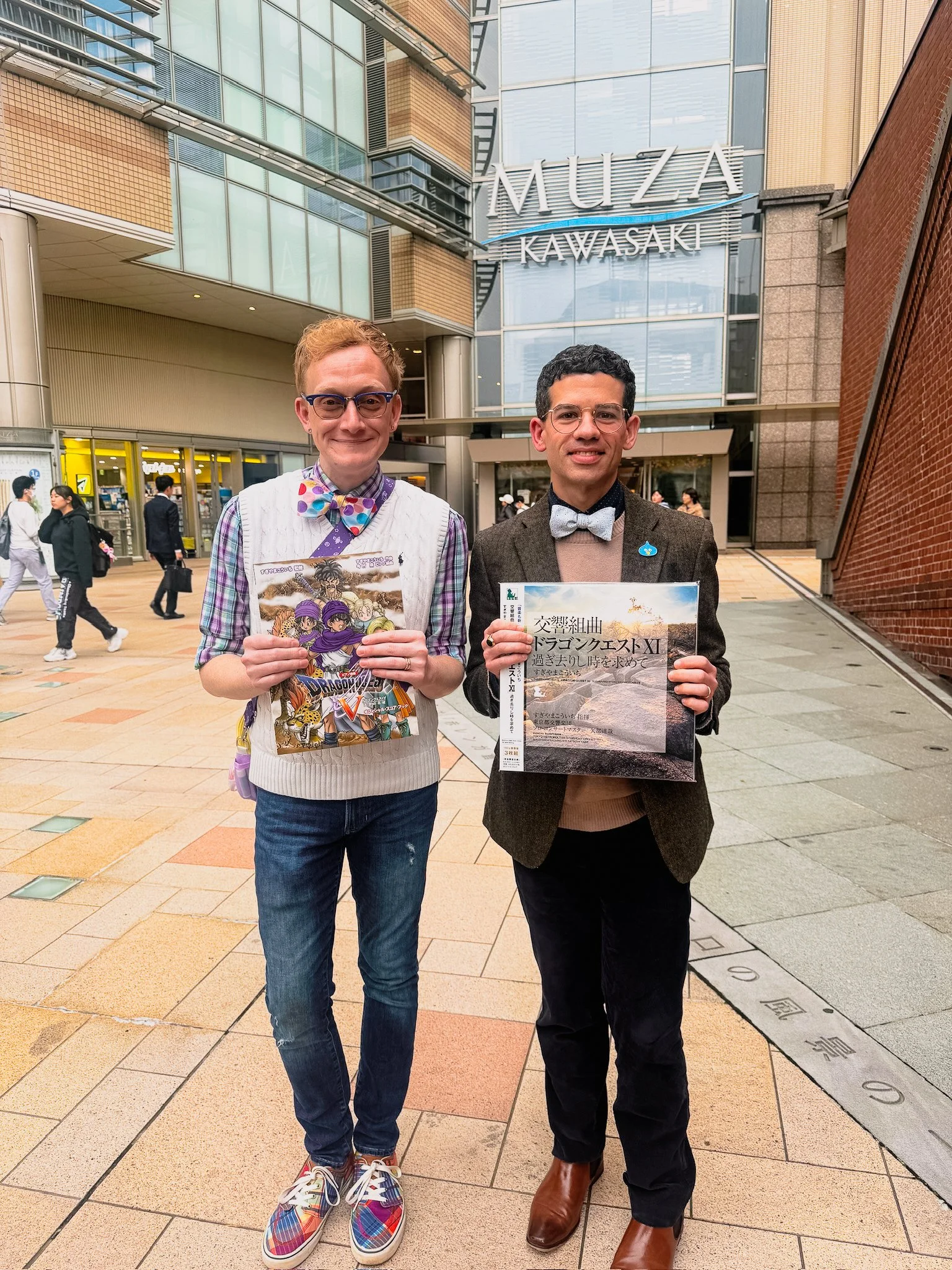
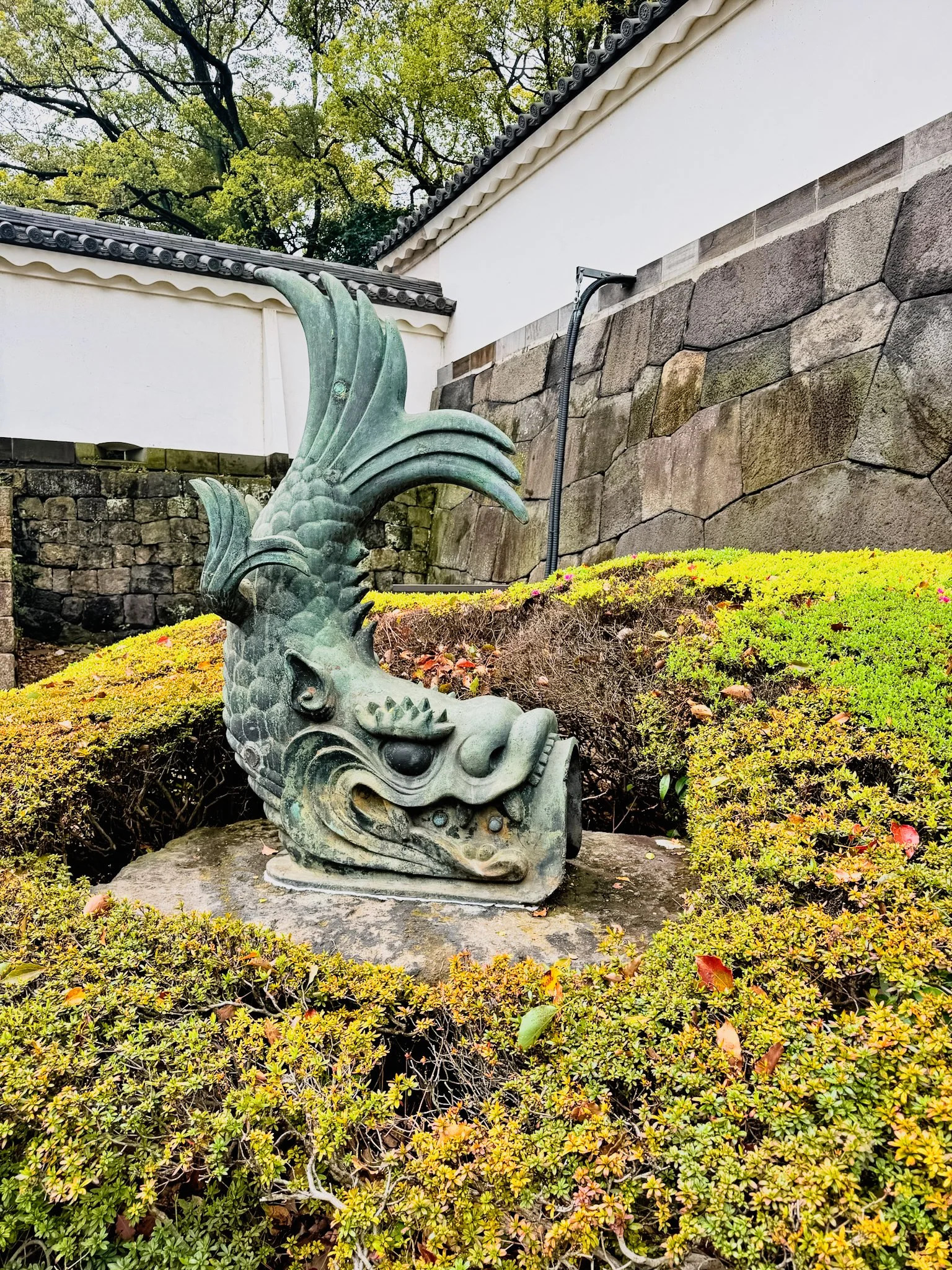
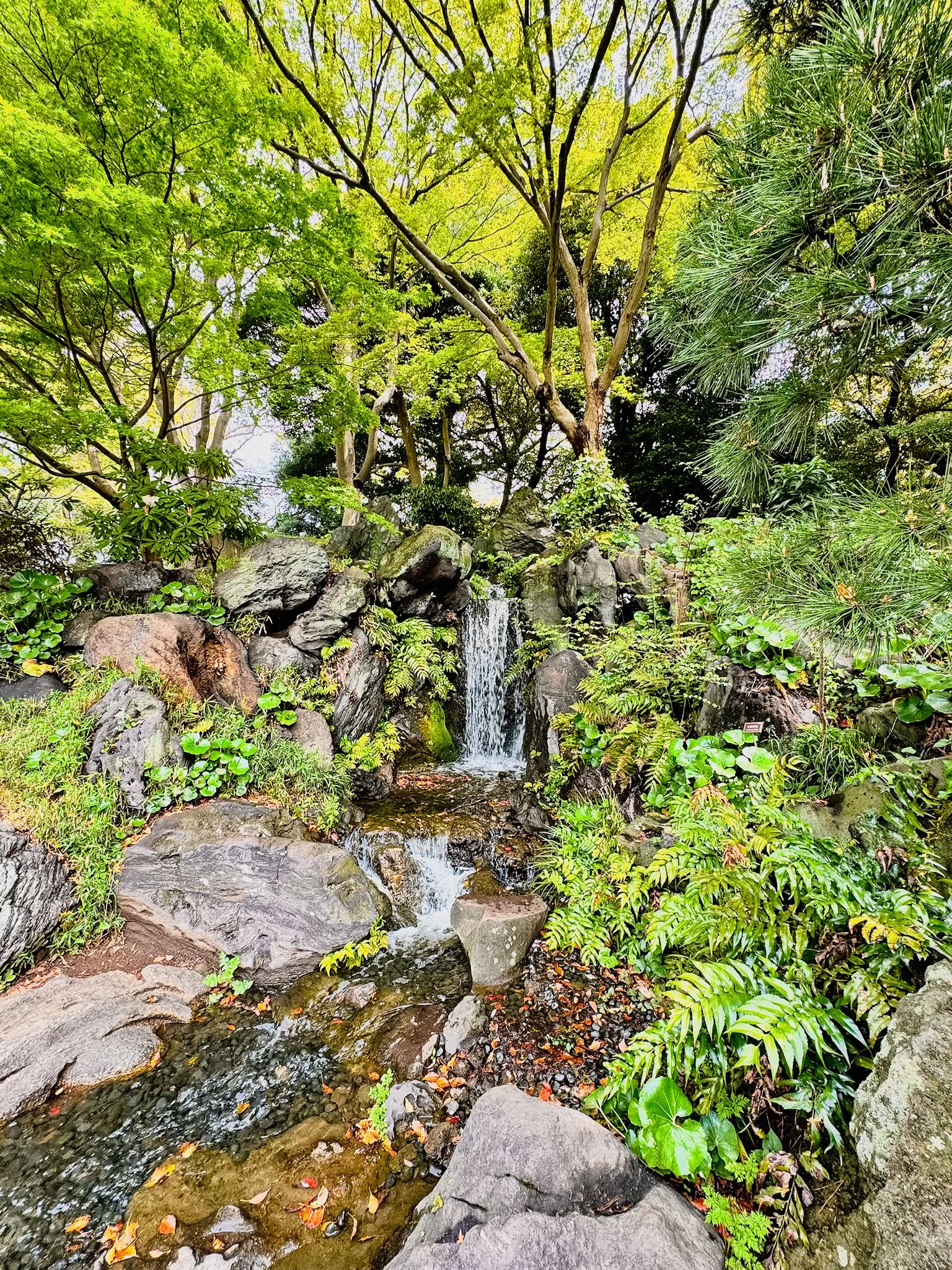
We started our day by taking the train to Tokyo Station. The station is very unique in that it looks like a European train station, with red brick and large, ornately decorated domes. From there we crossed over to the Imperial Palace East Gardens, which are the only part of the Emperor’s residence open to the public. We spent some time walking through the grounds, passing old stone walls, gates, and more traditional Japanese gardens with bridges and a small waterfall. We took the train to Kawasaki for the Dragon Quest IV–VI Symphony Concert at Muza Kawasaki Symphony Hall. Dragon Quest is one of Justin’s favorite series and also one of the most popular video game series in Japan (but not nearly as much in the US), so this was a unique experience that we would be unlikely to have anywhere else. We were also the only foreigners we noticed, which made it feel less like a tourist activity and more like we were just attending a regular event in Japan.
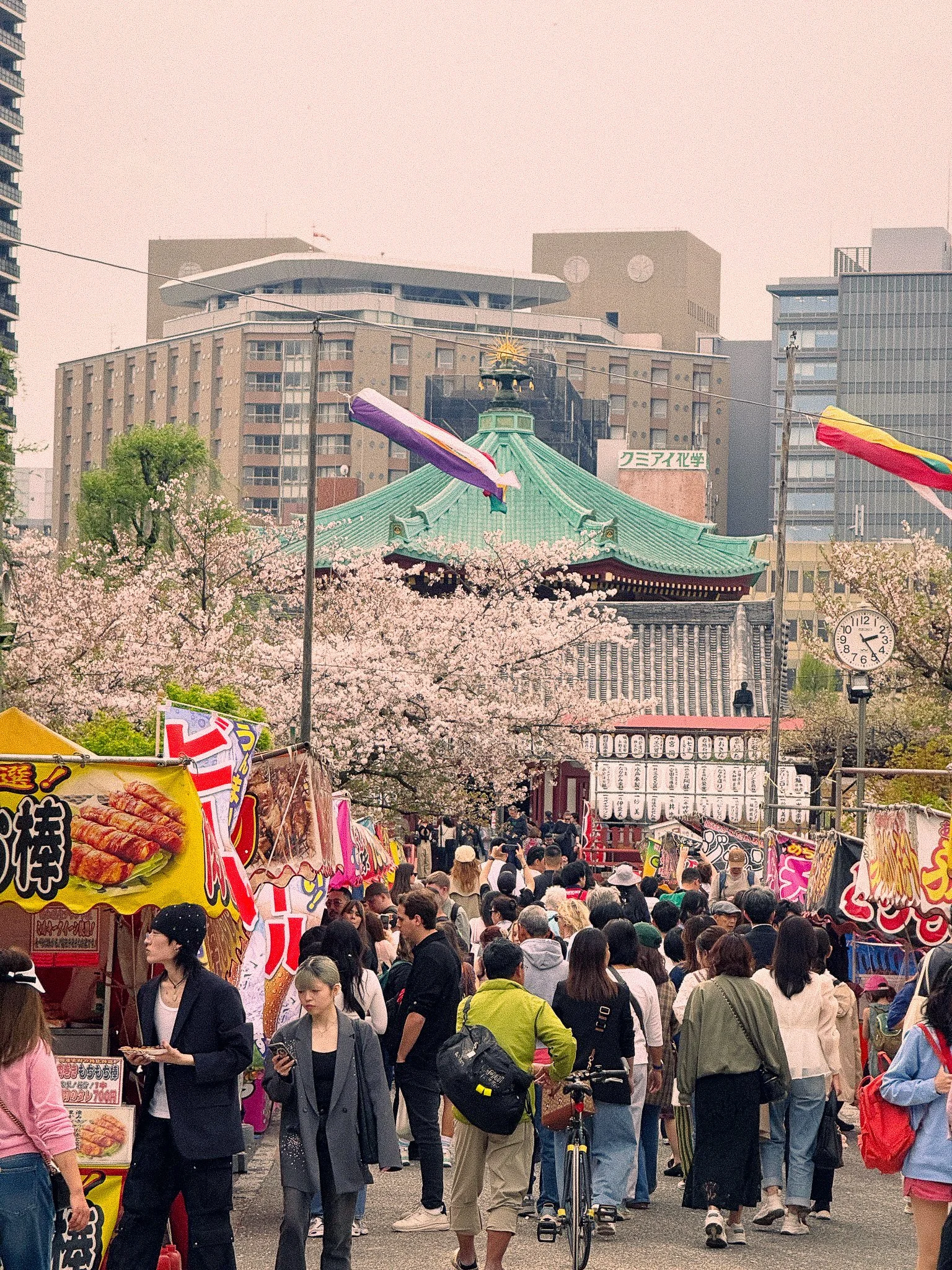
day 5 浅草/浅草寺・仲見世通り・上野/上野東照宮・薬師堂・弁天堂・秋葉原/フクロウカフェ アキバフクロウ
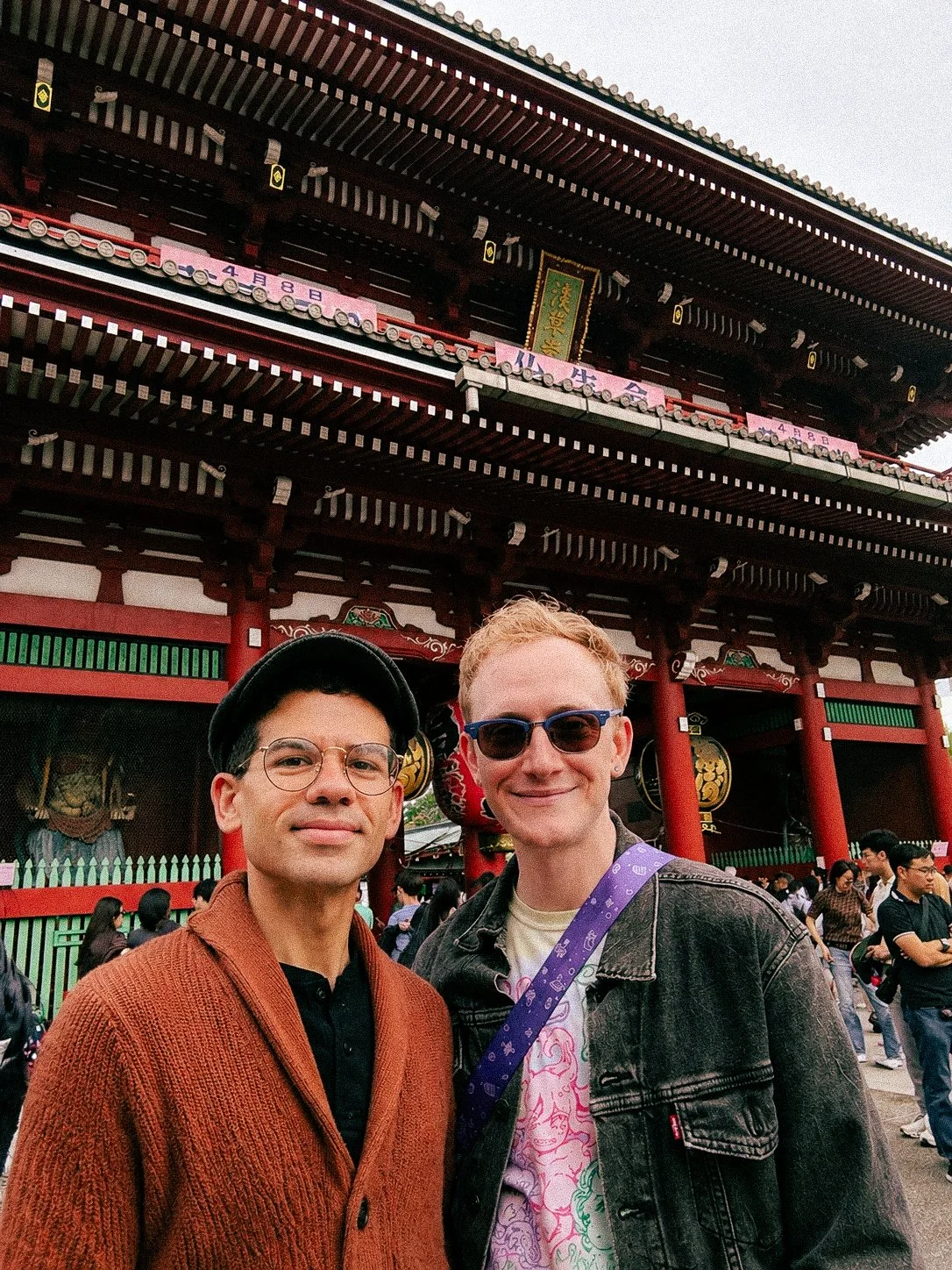
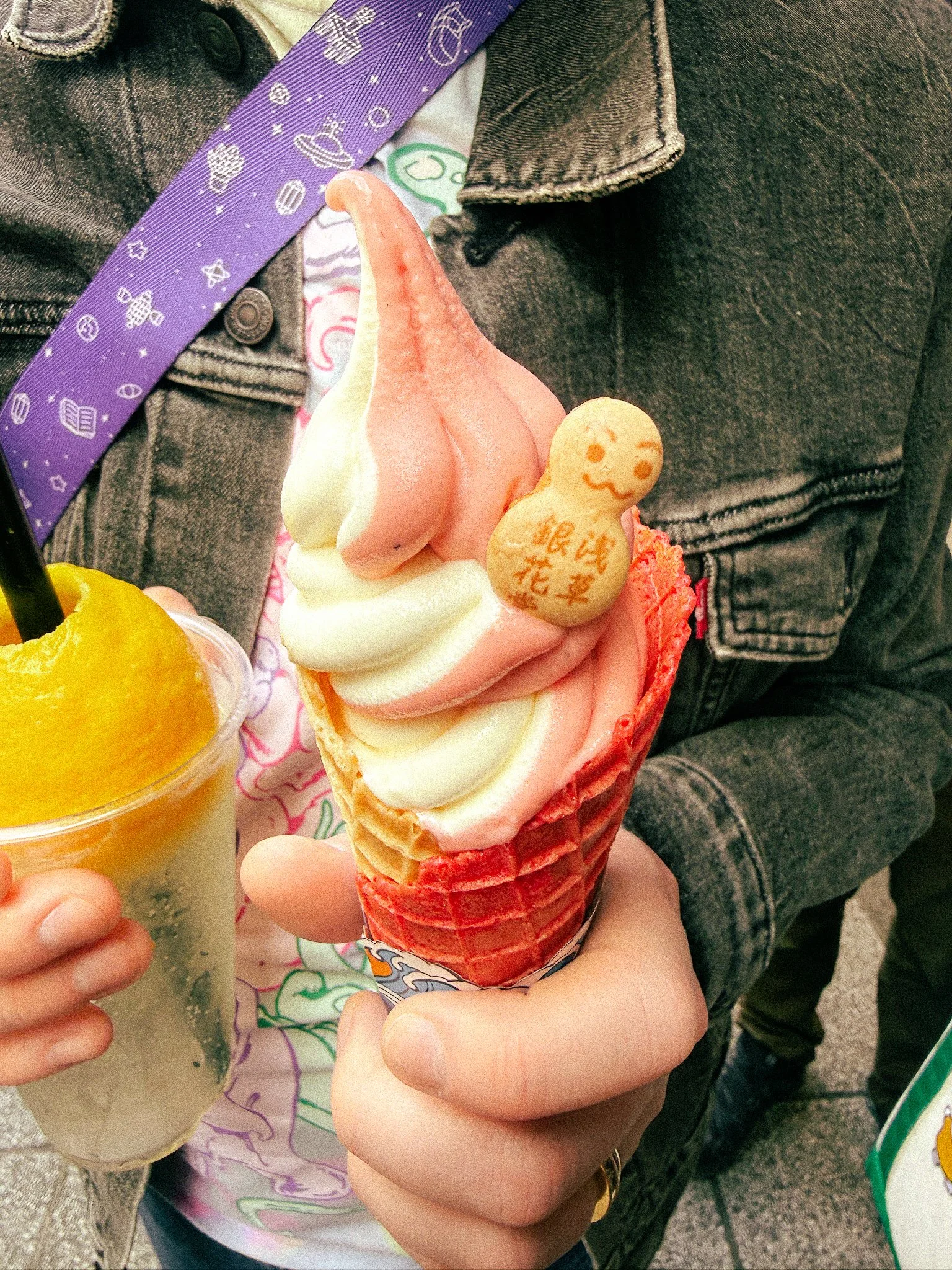
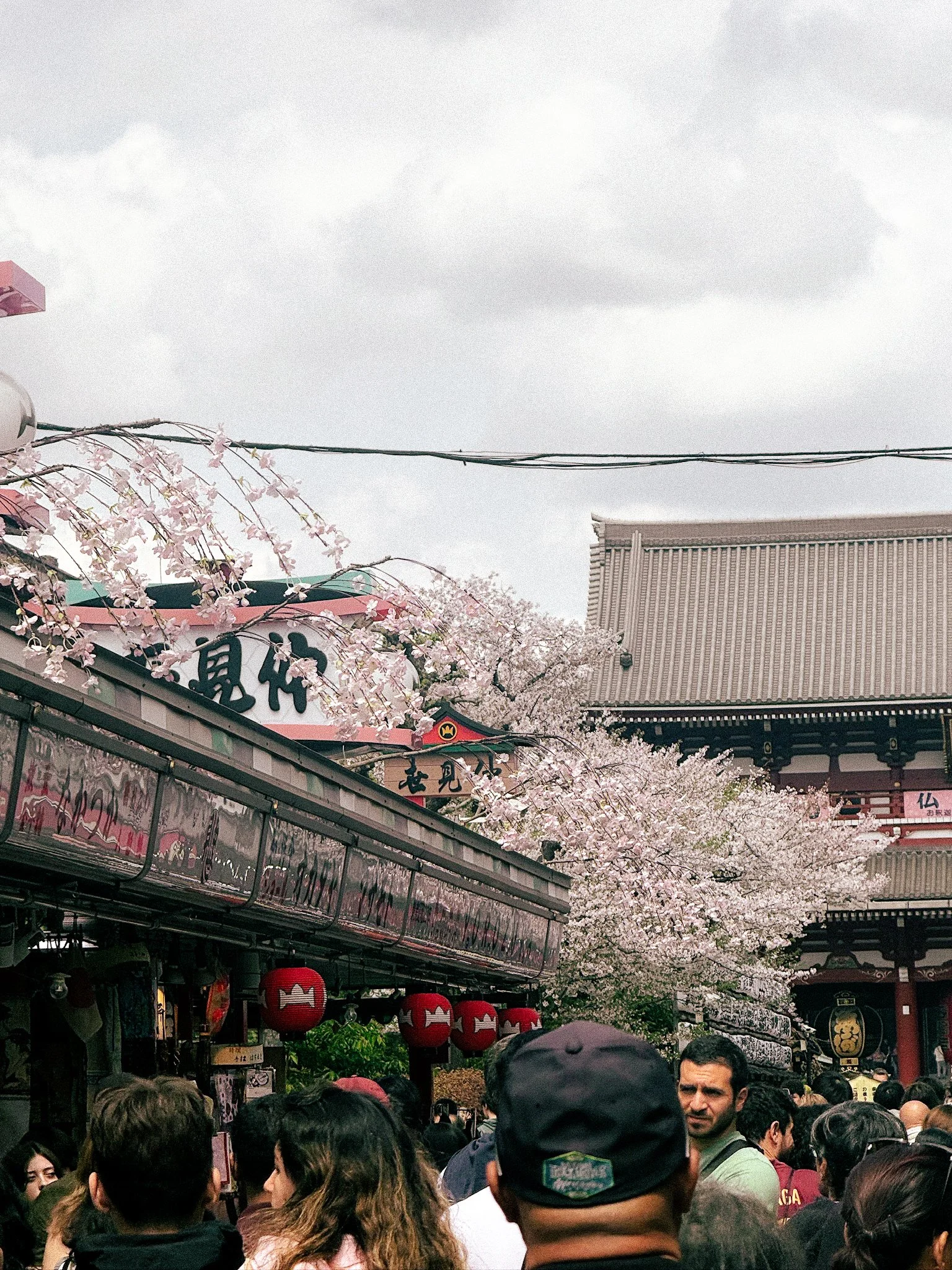
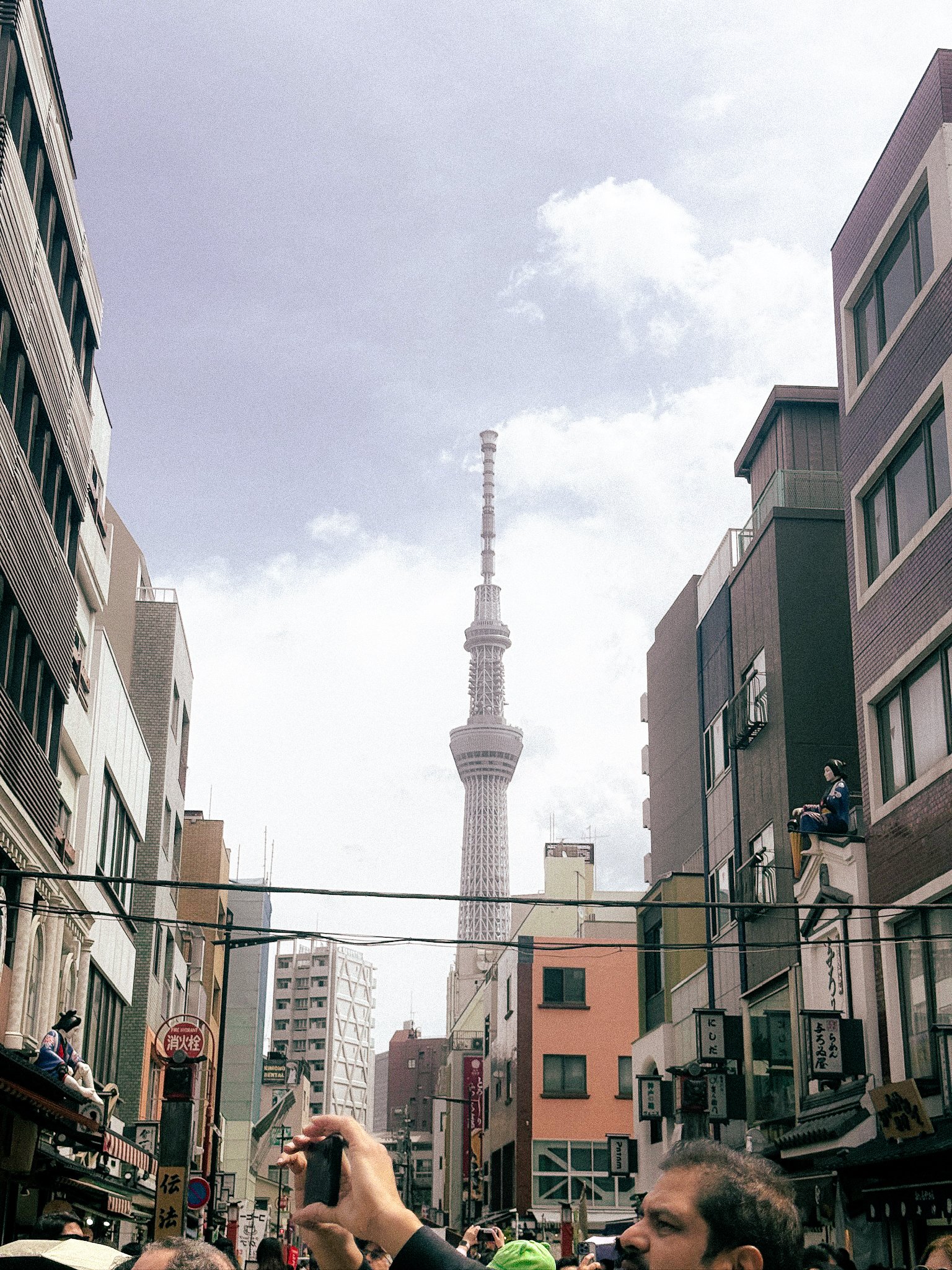
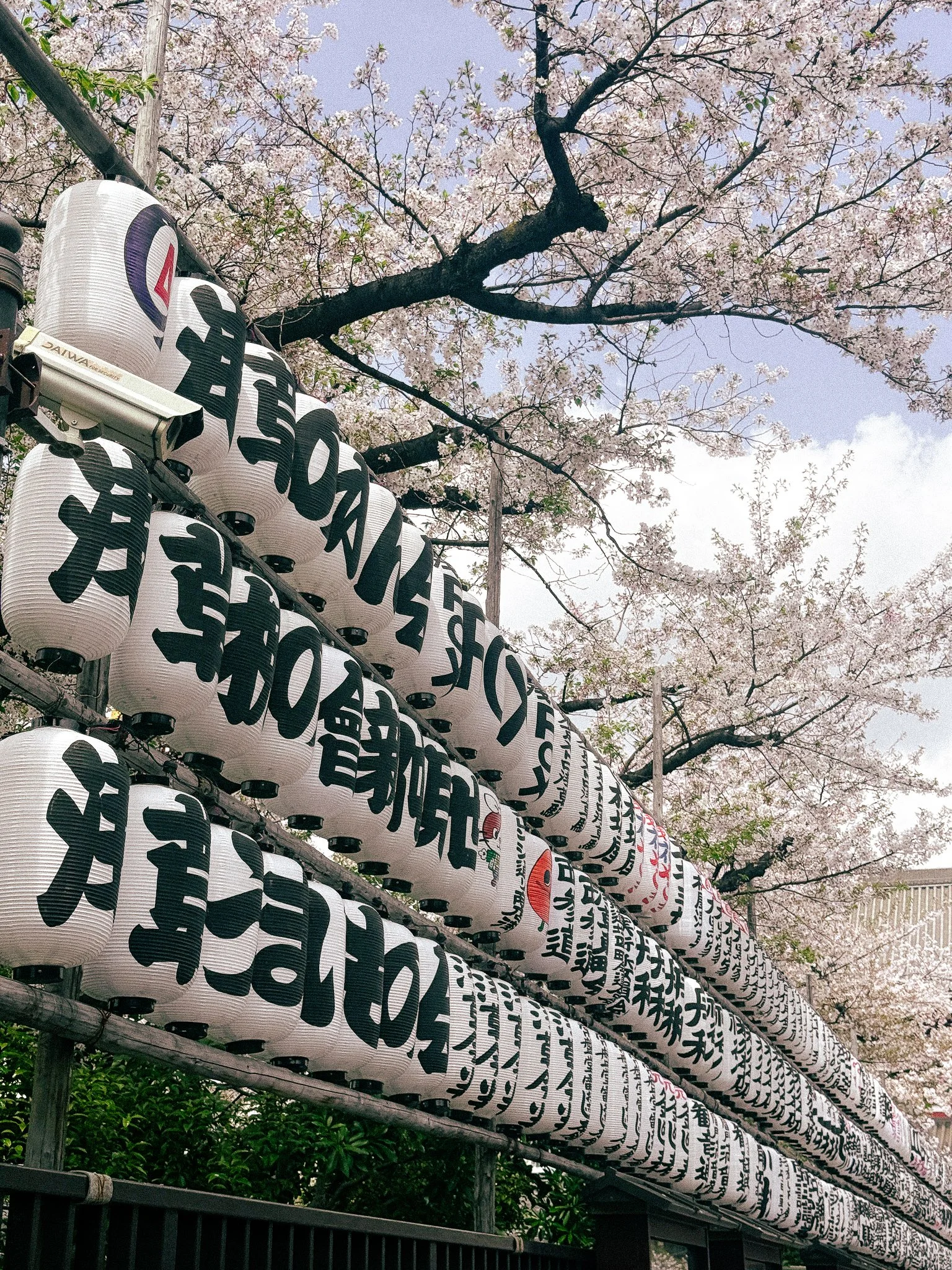
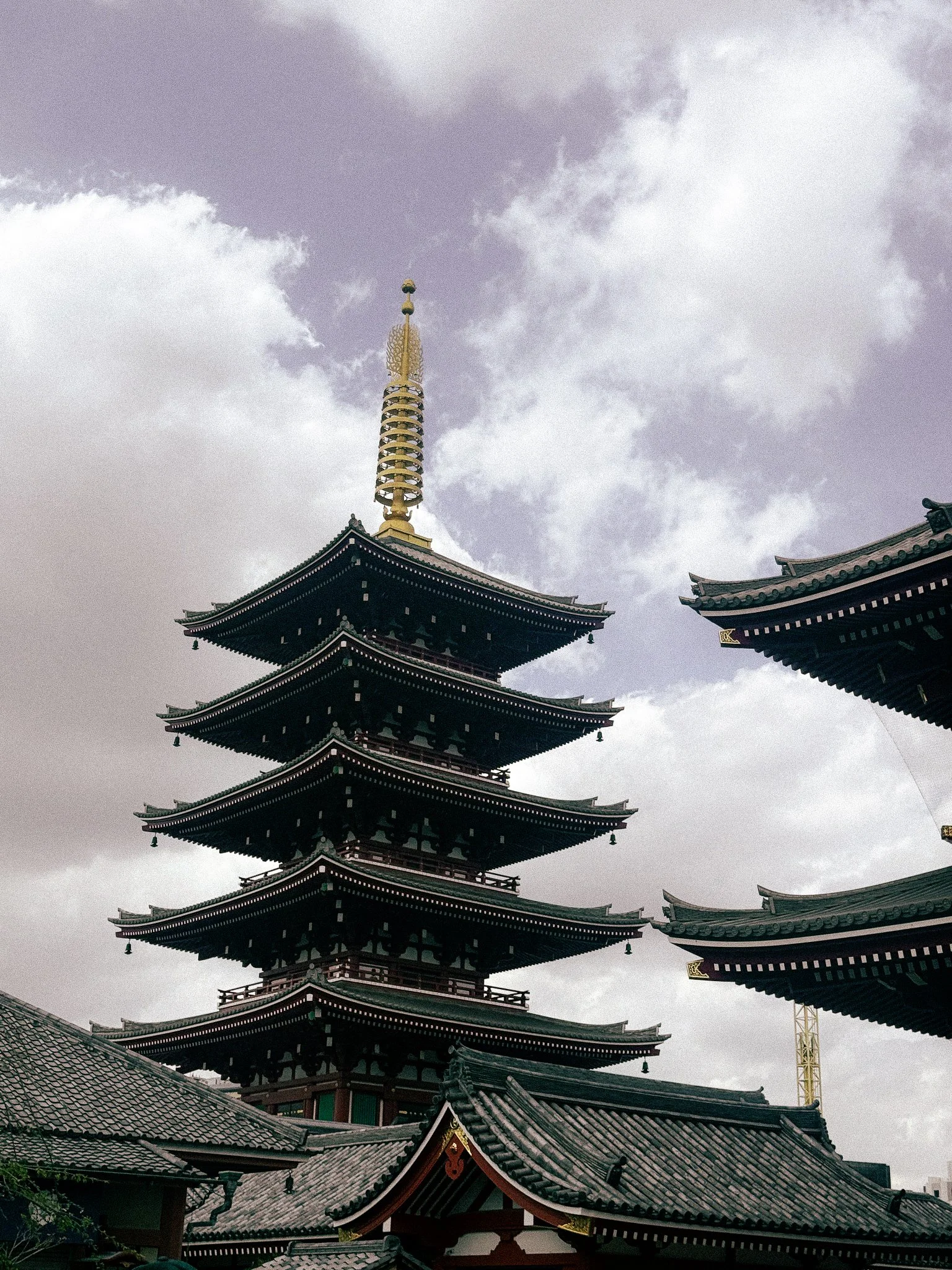
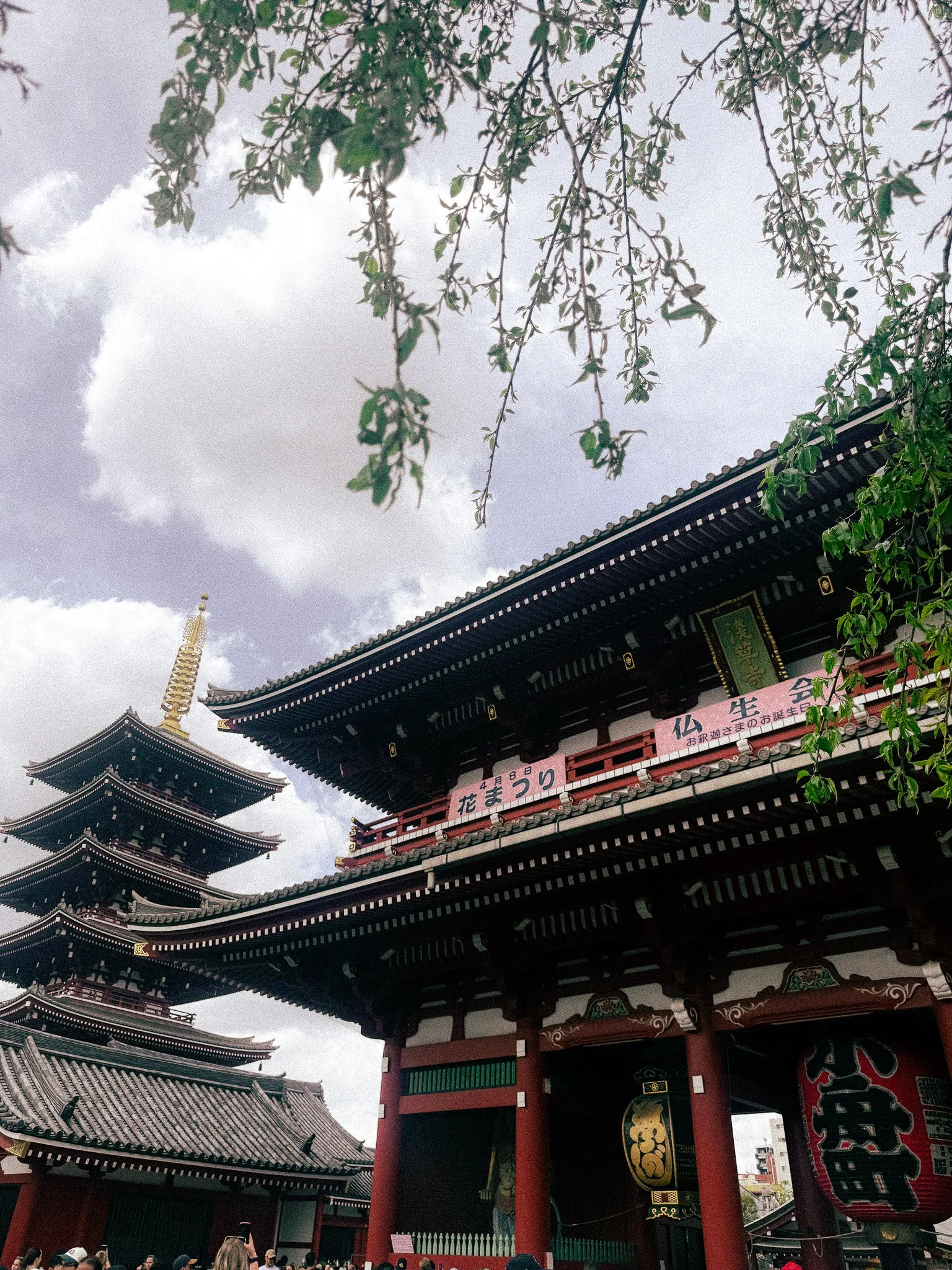
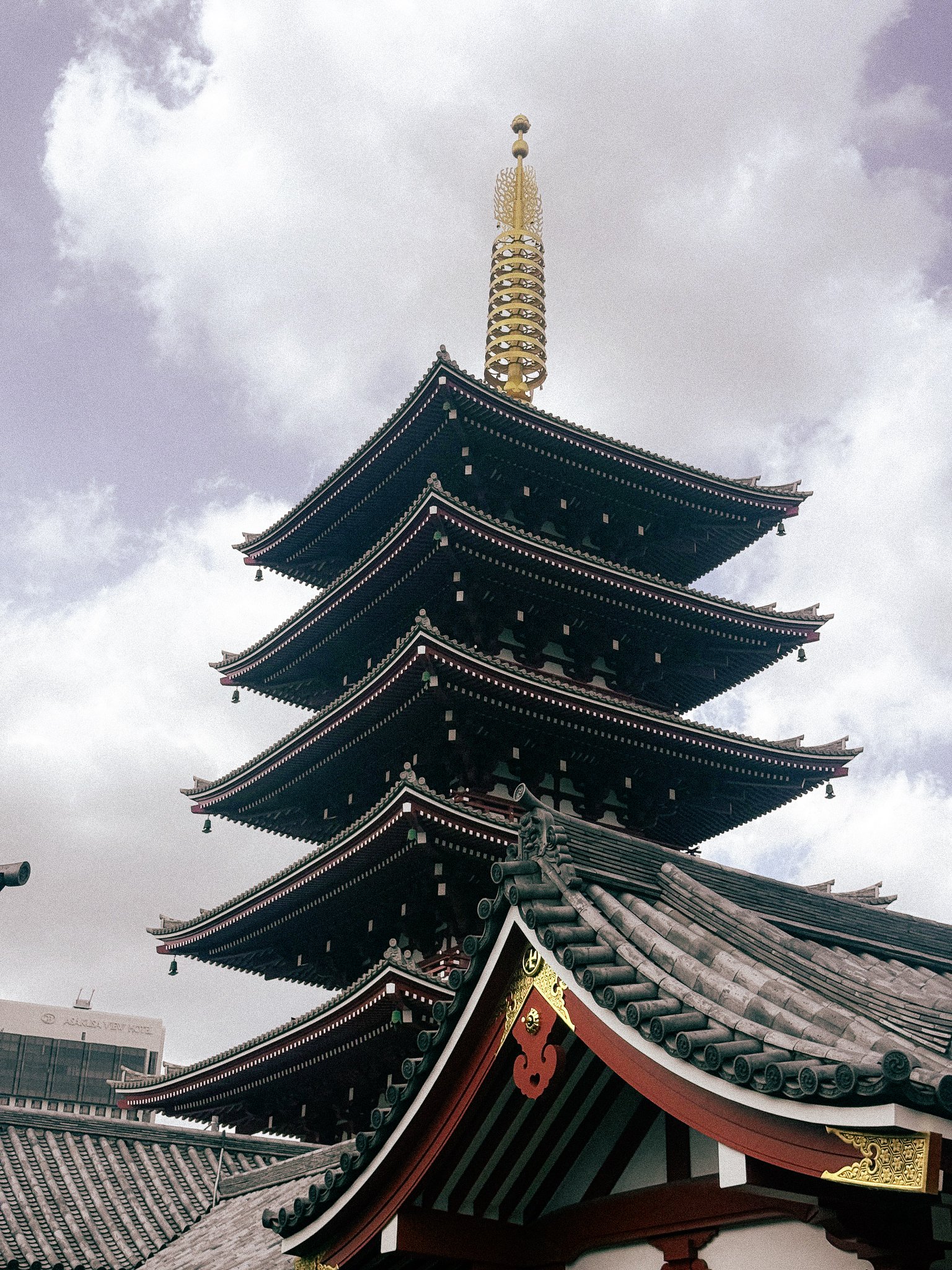
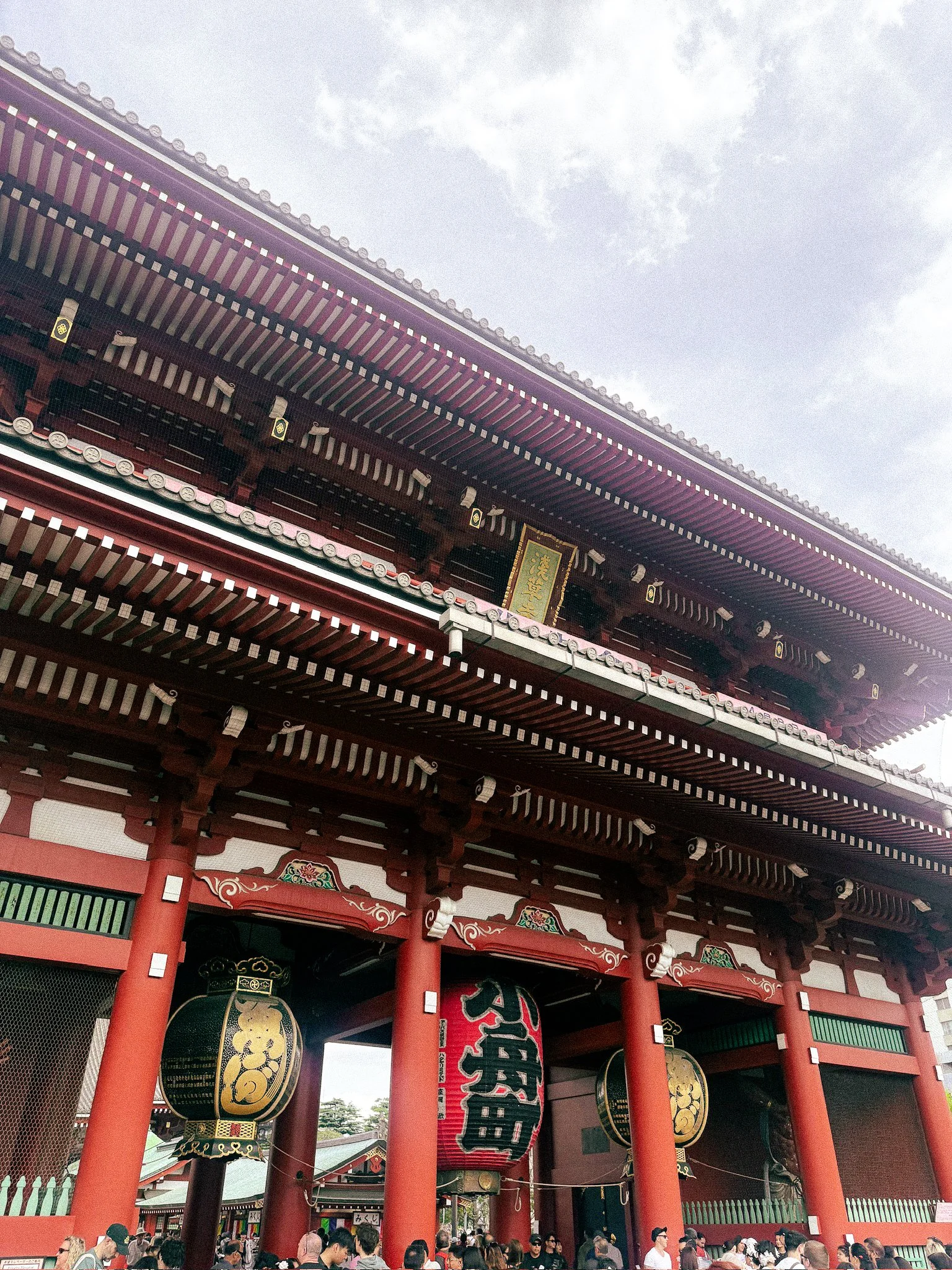
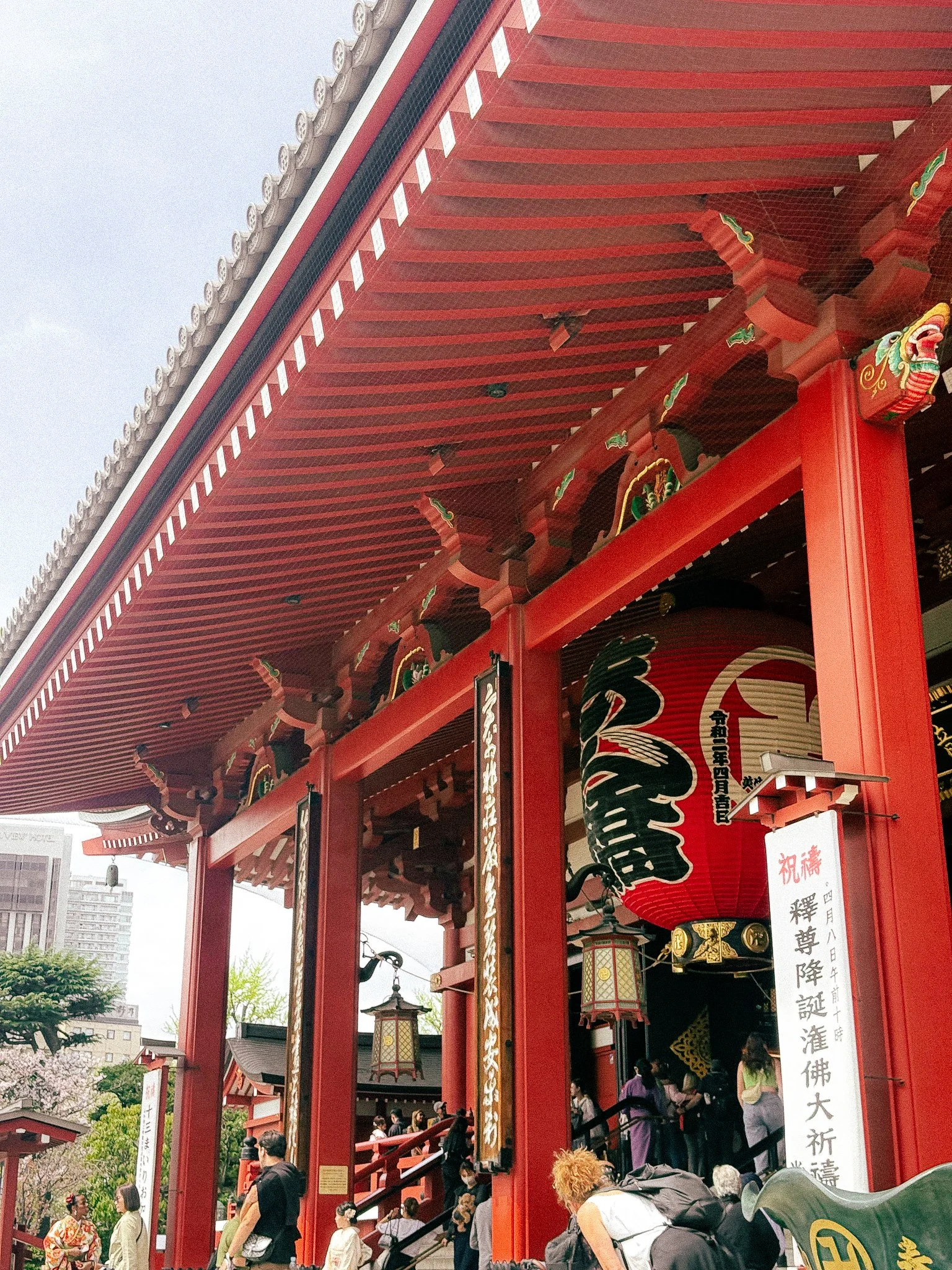
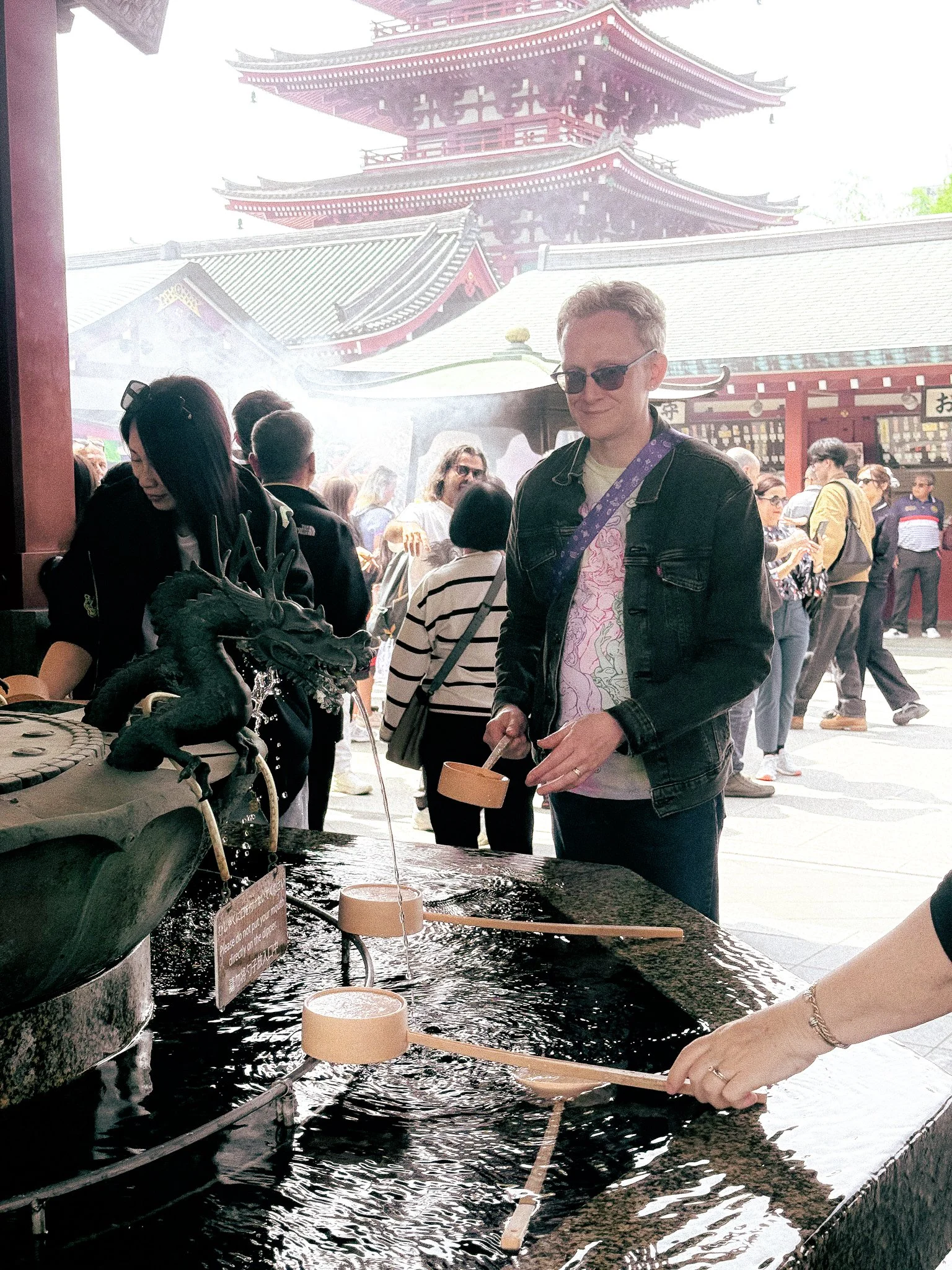
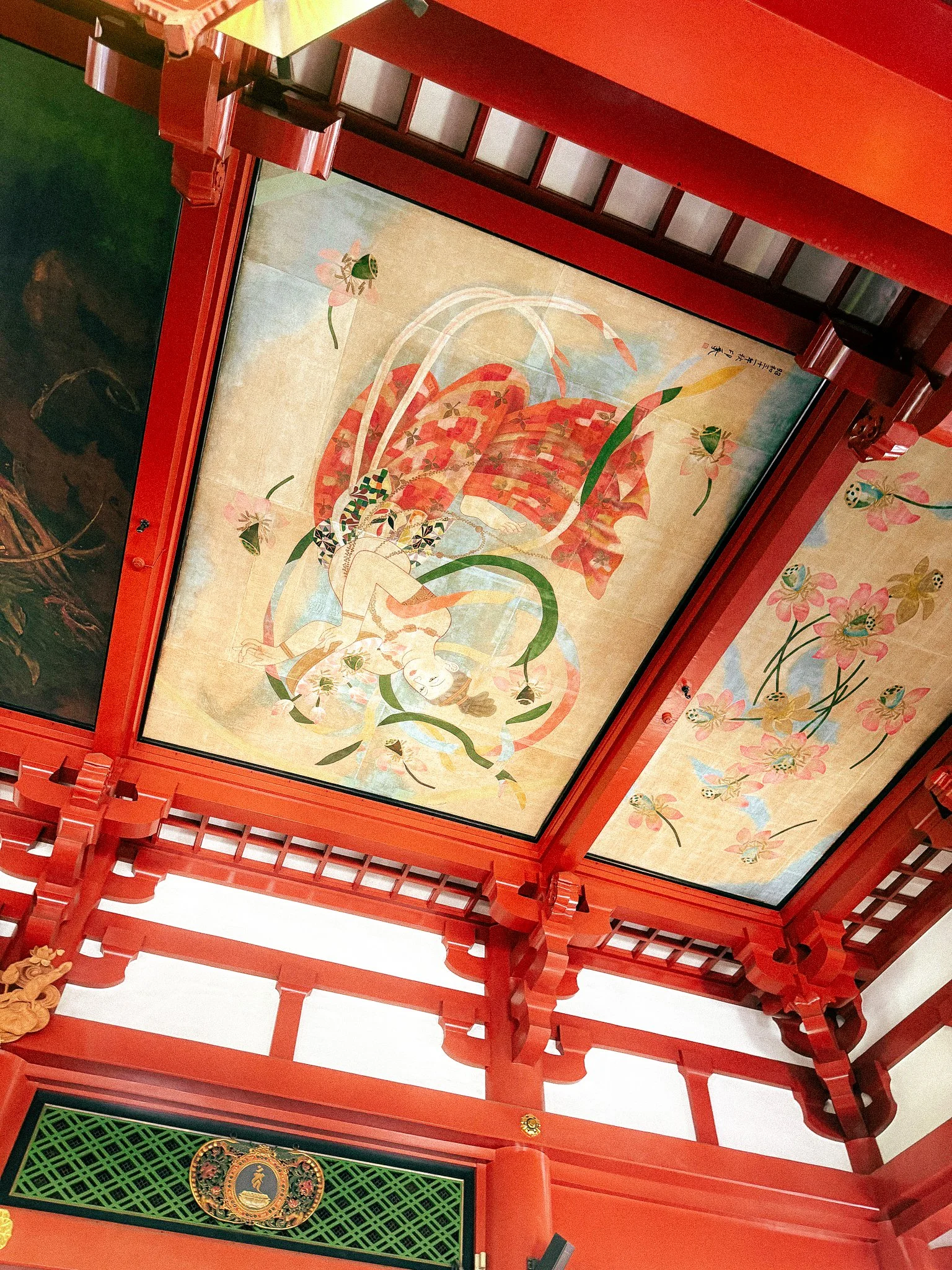
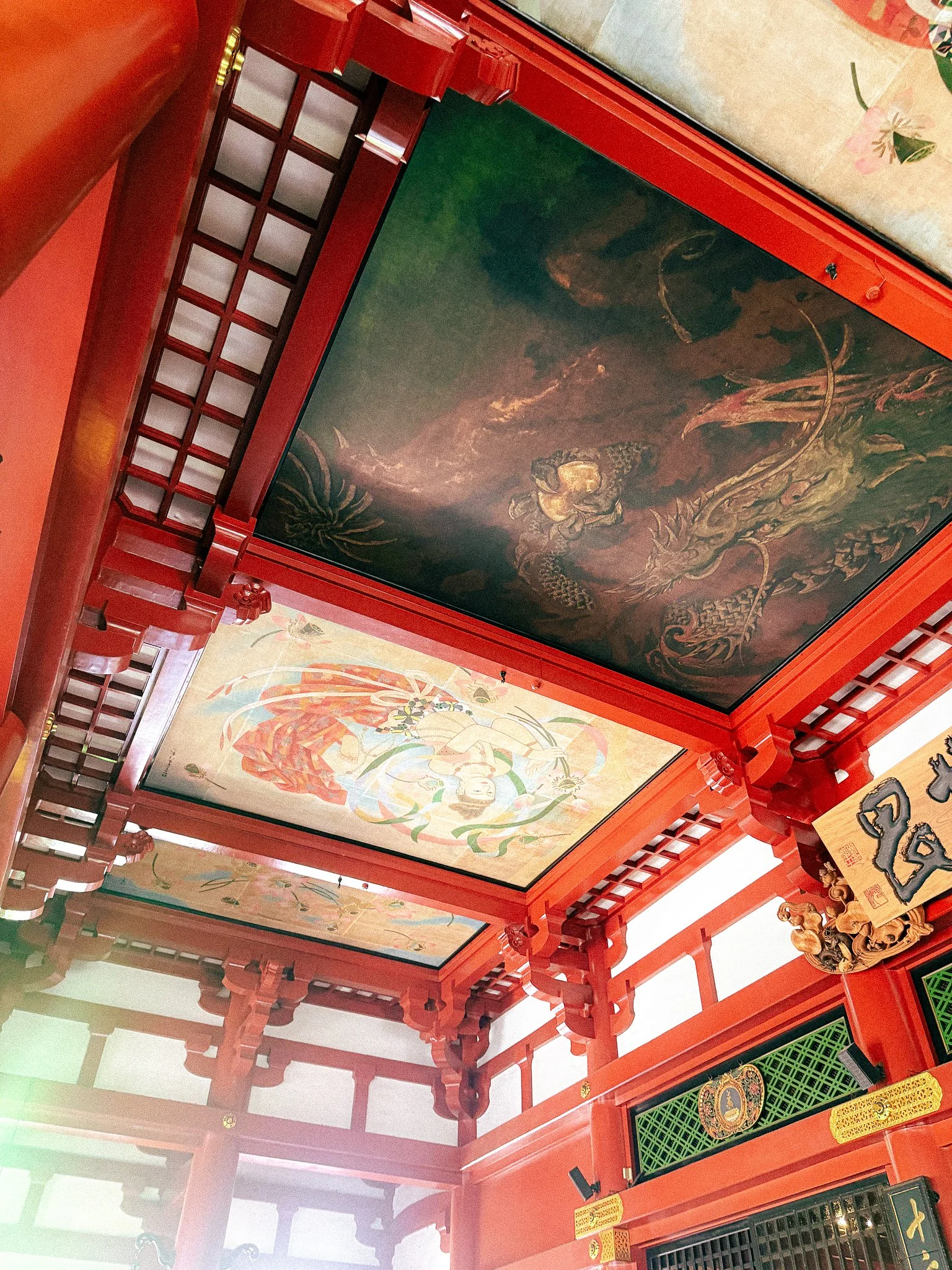
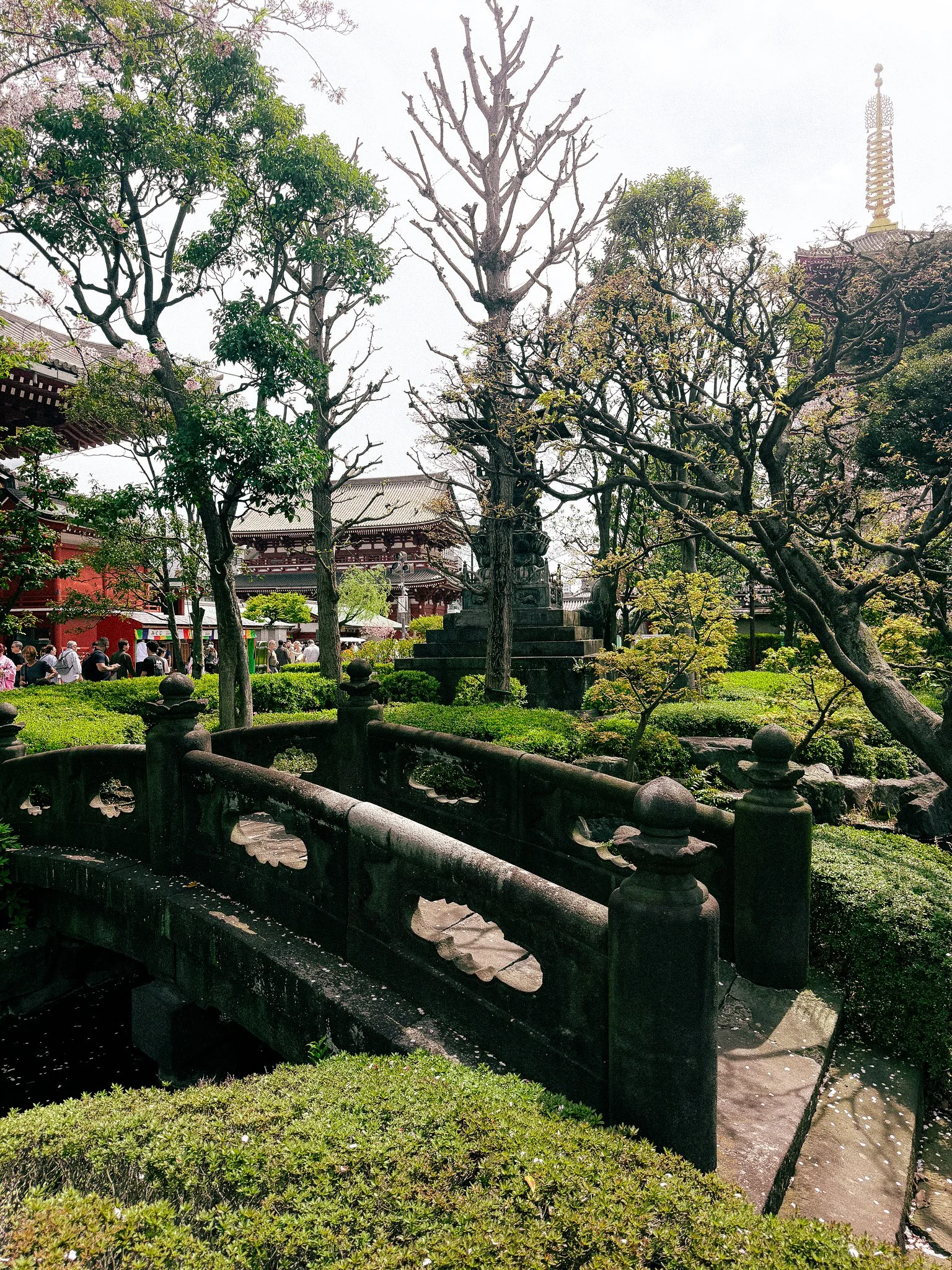
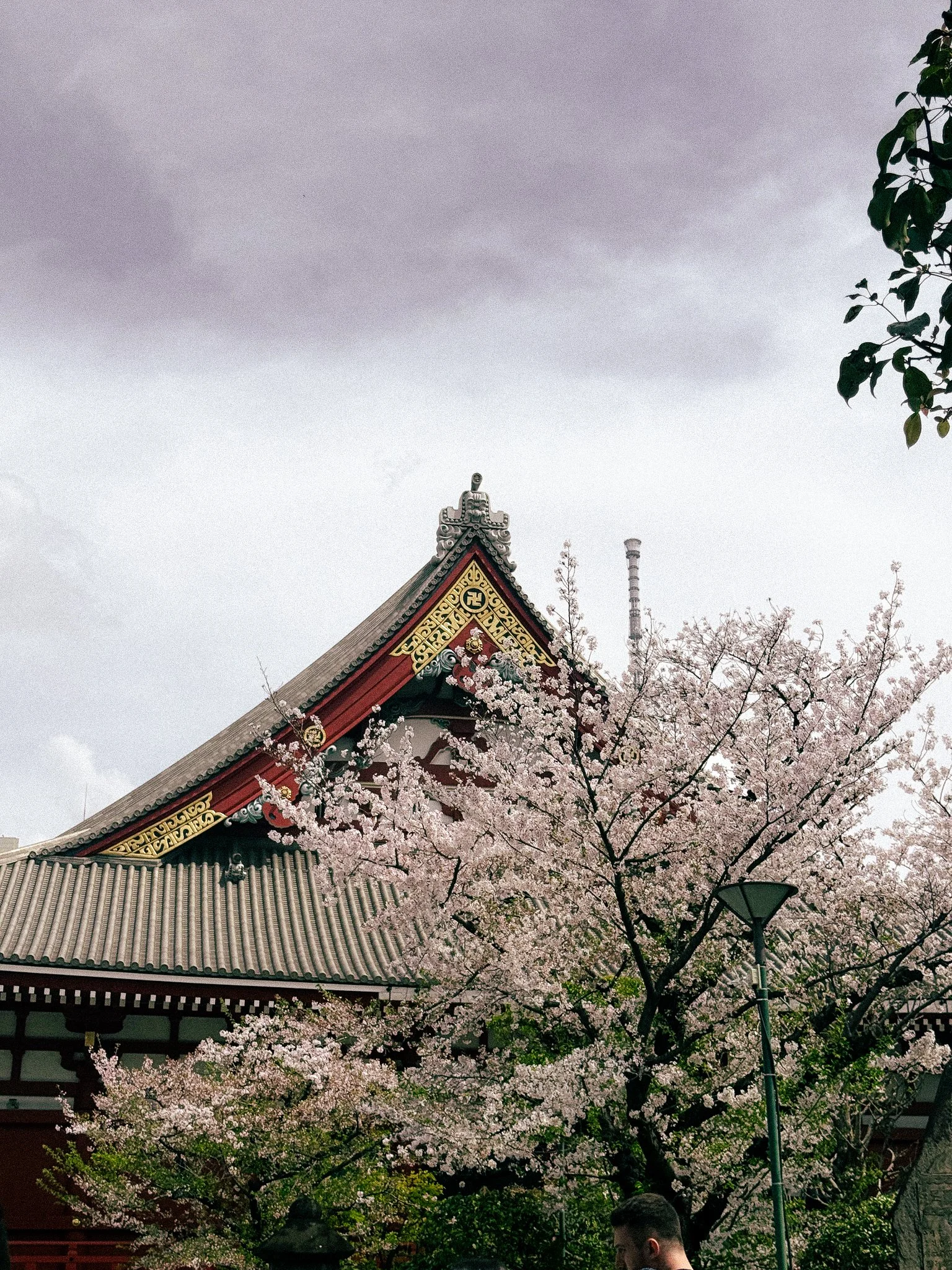
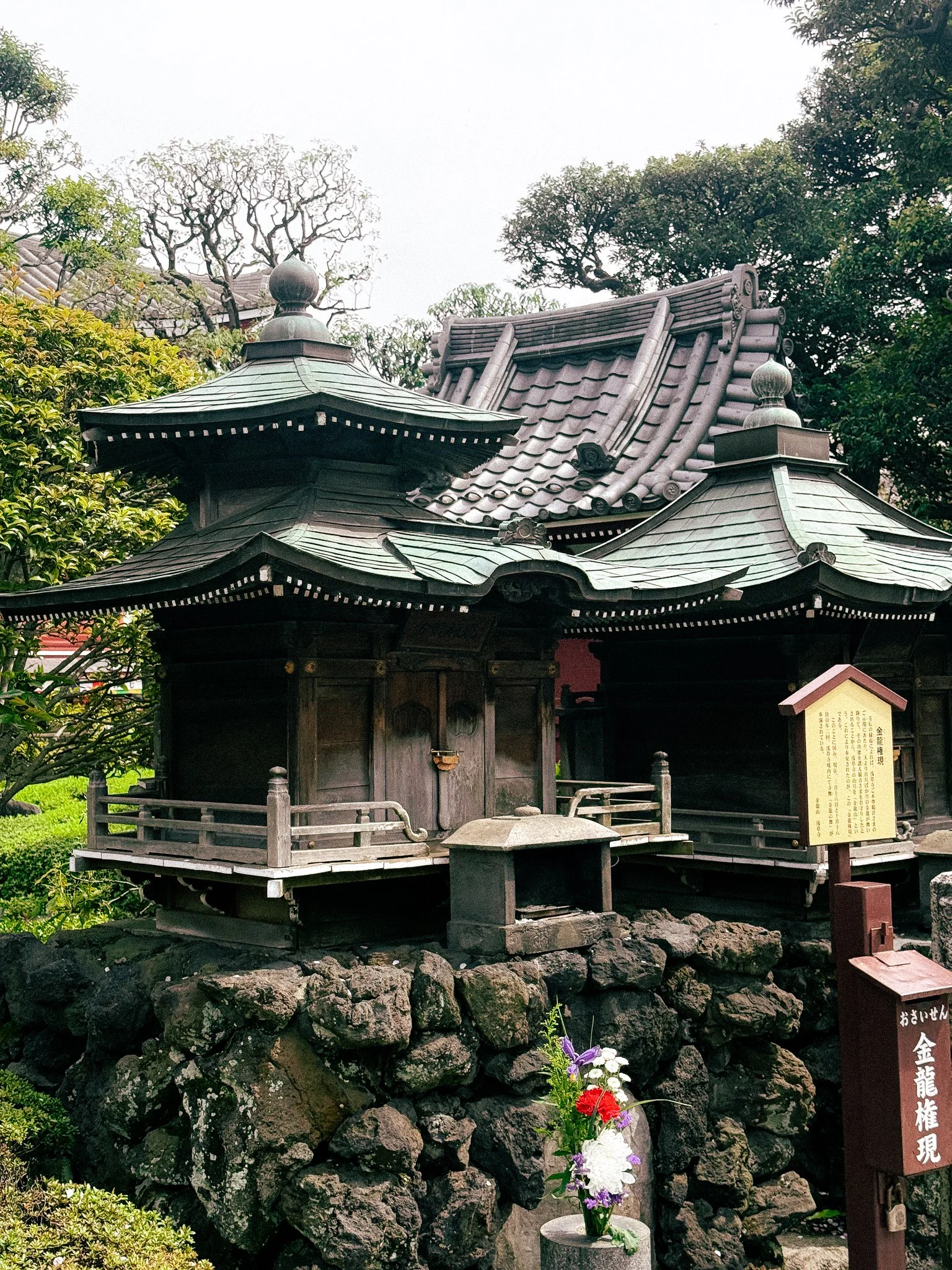
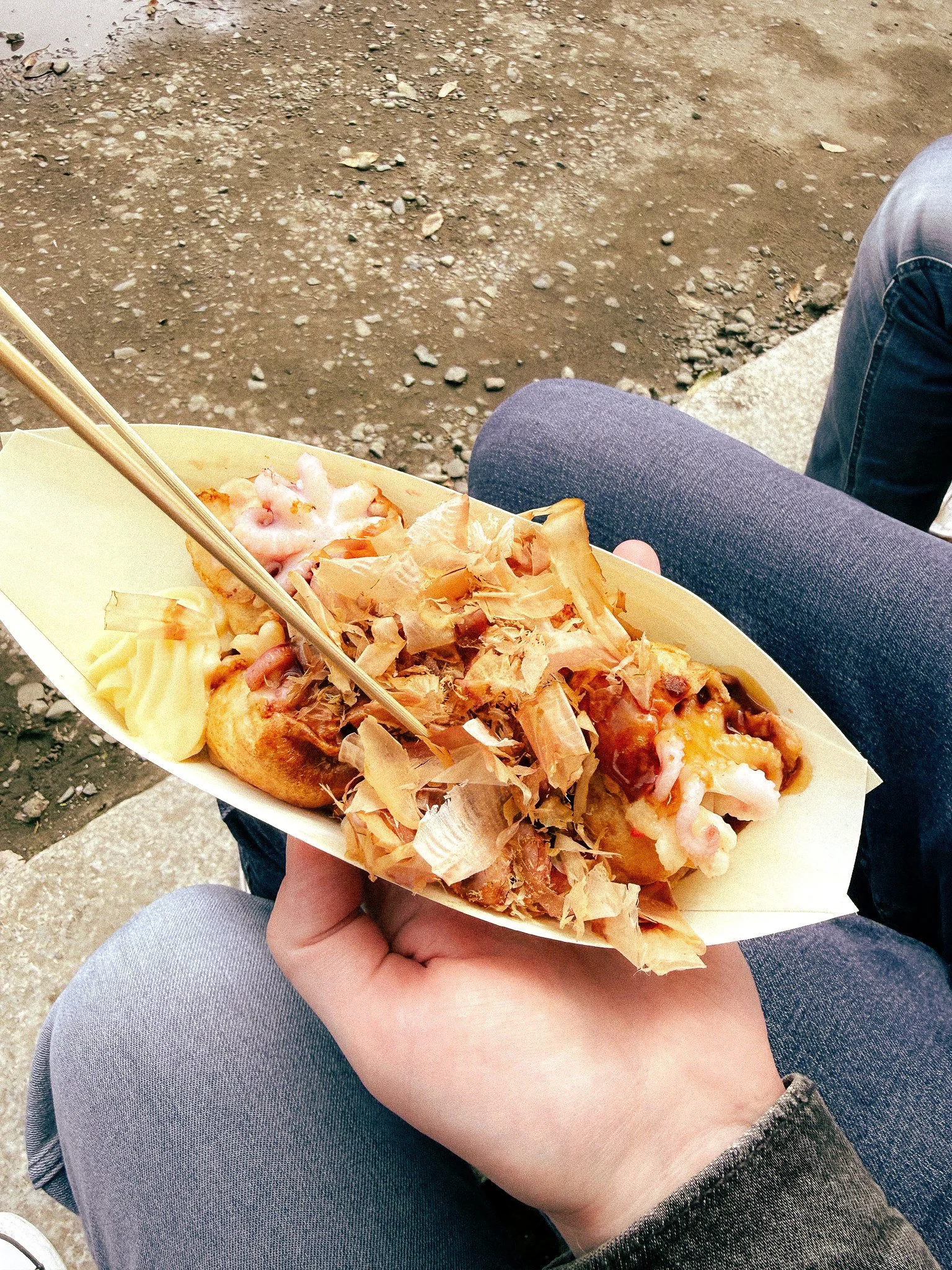
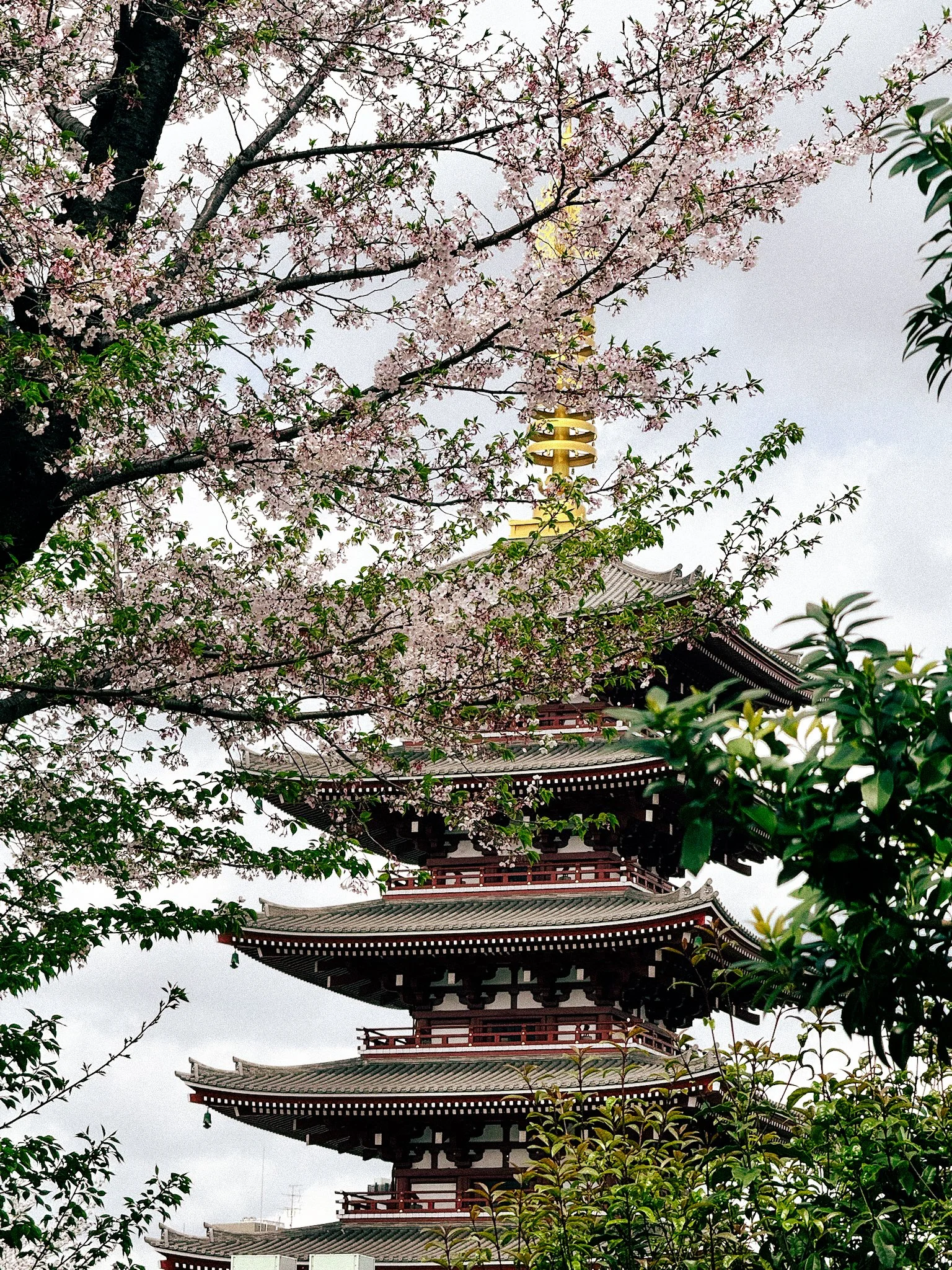
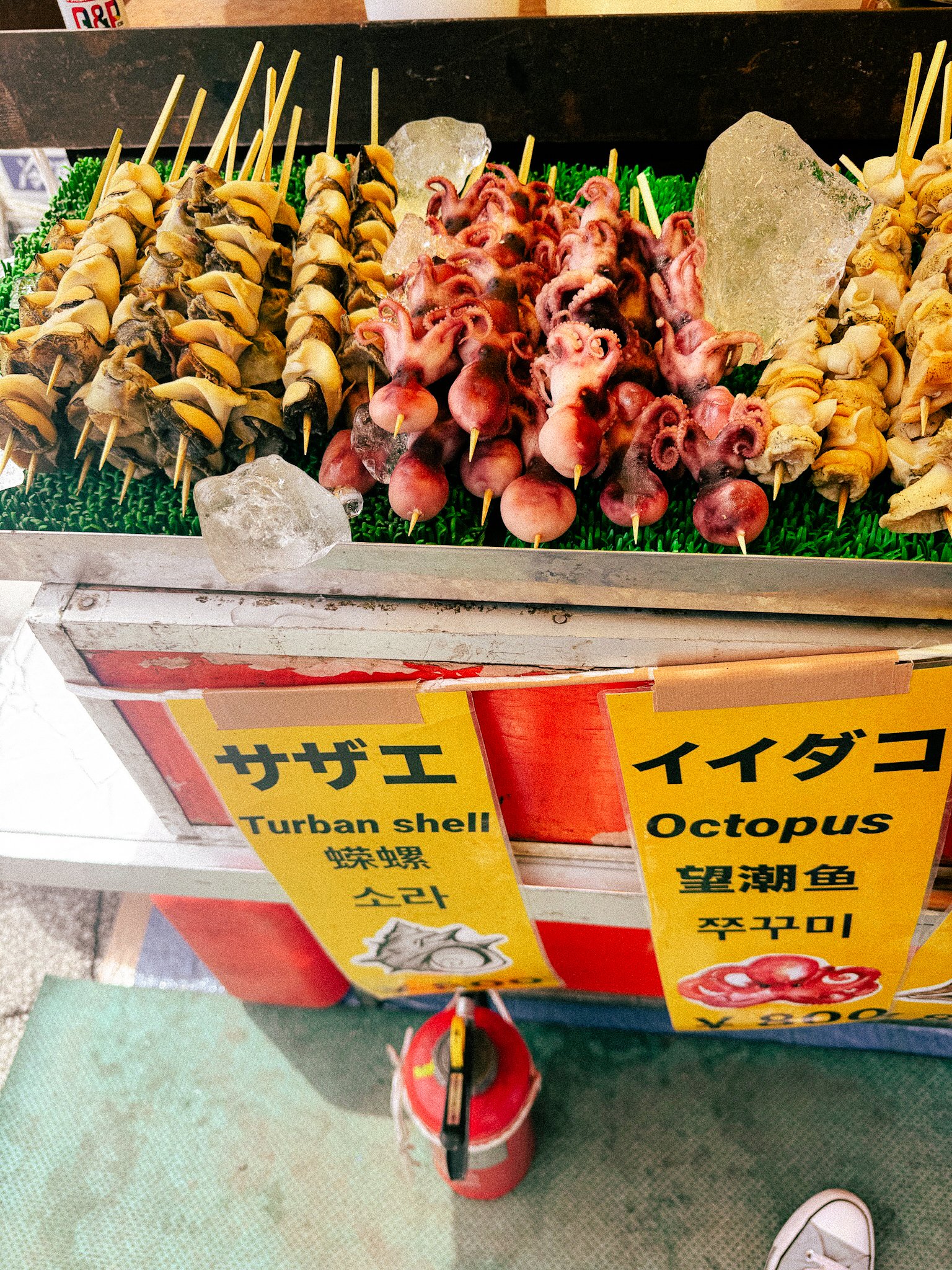
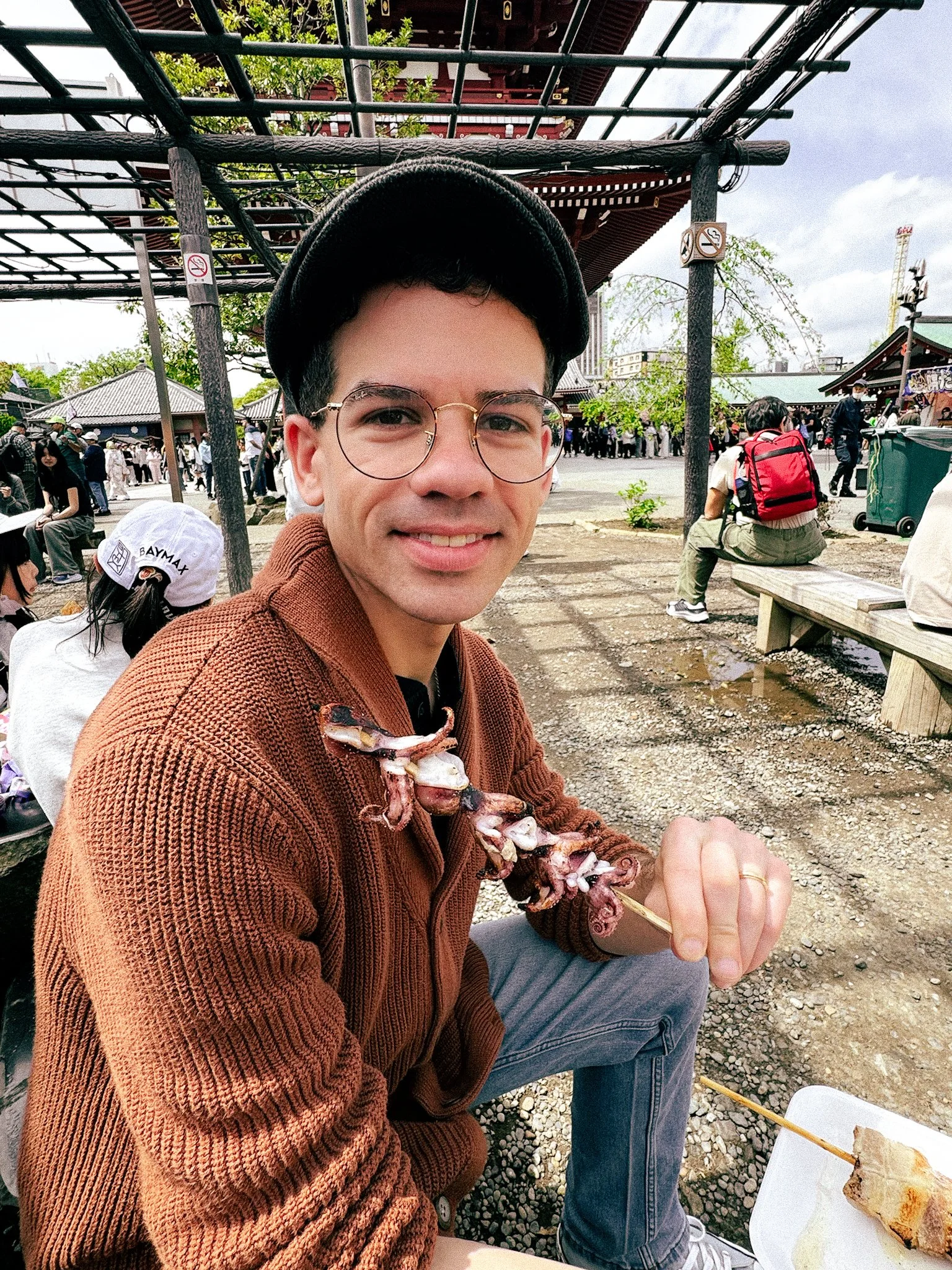
We took the train over to Asakusa and walked toward Sensō-ji, which is Tokyo’s oldest and most famous Buddhist temple, passing through the large ornate gate. We made our way down Nakamise Street, stopping for strawberry ice cream and other street food along the way. Our favorite was the “dancing” octopus balls. At the temple we drew fortunes (omikuji). Justin got good luck and I got bad luck, so I tied mine to the omikuji-kake to leave the bad luck behind.
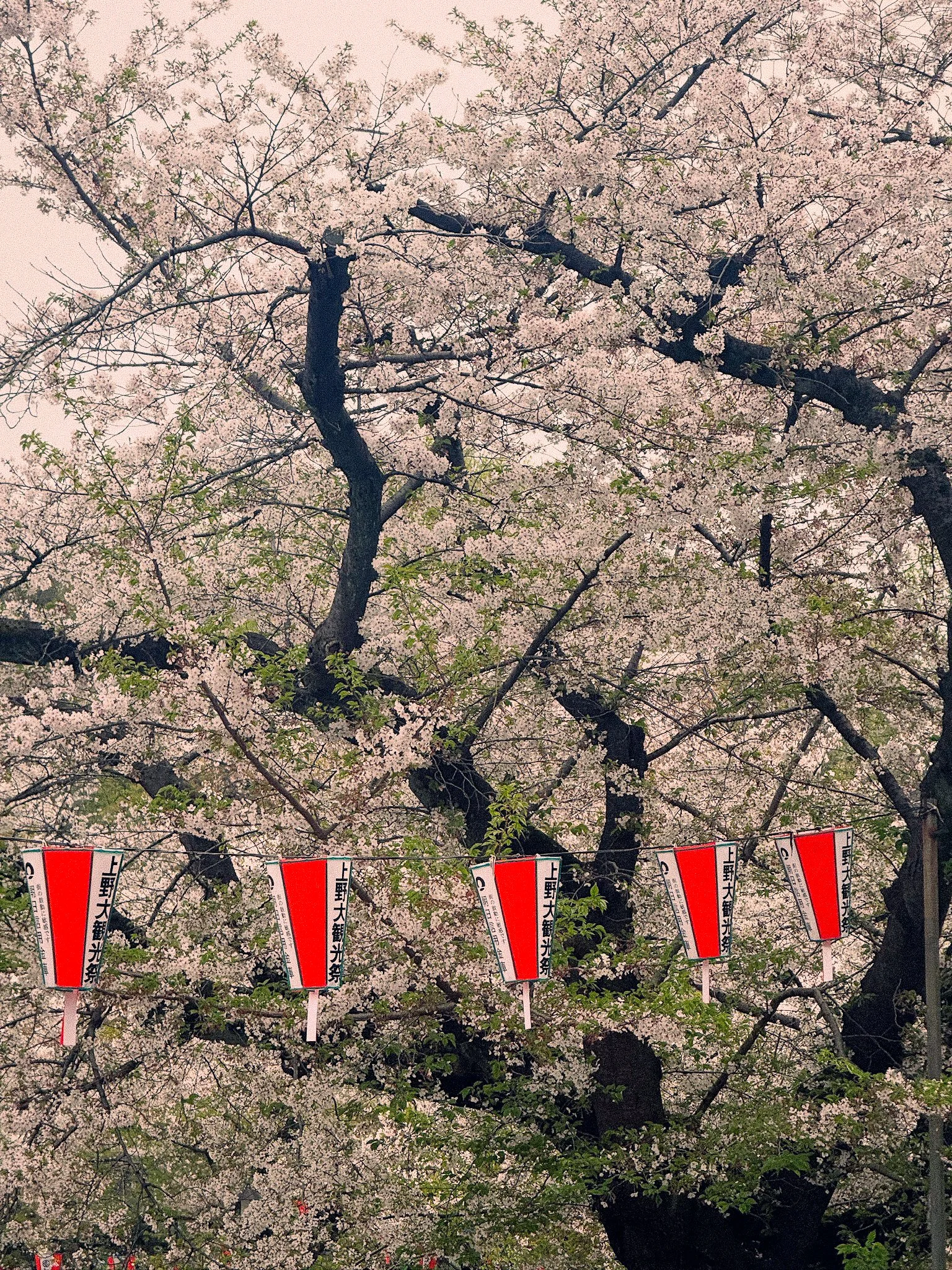
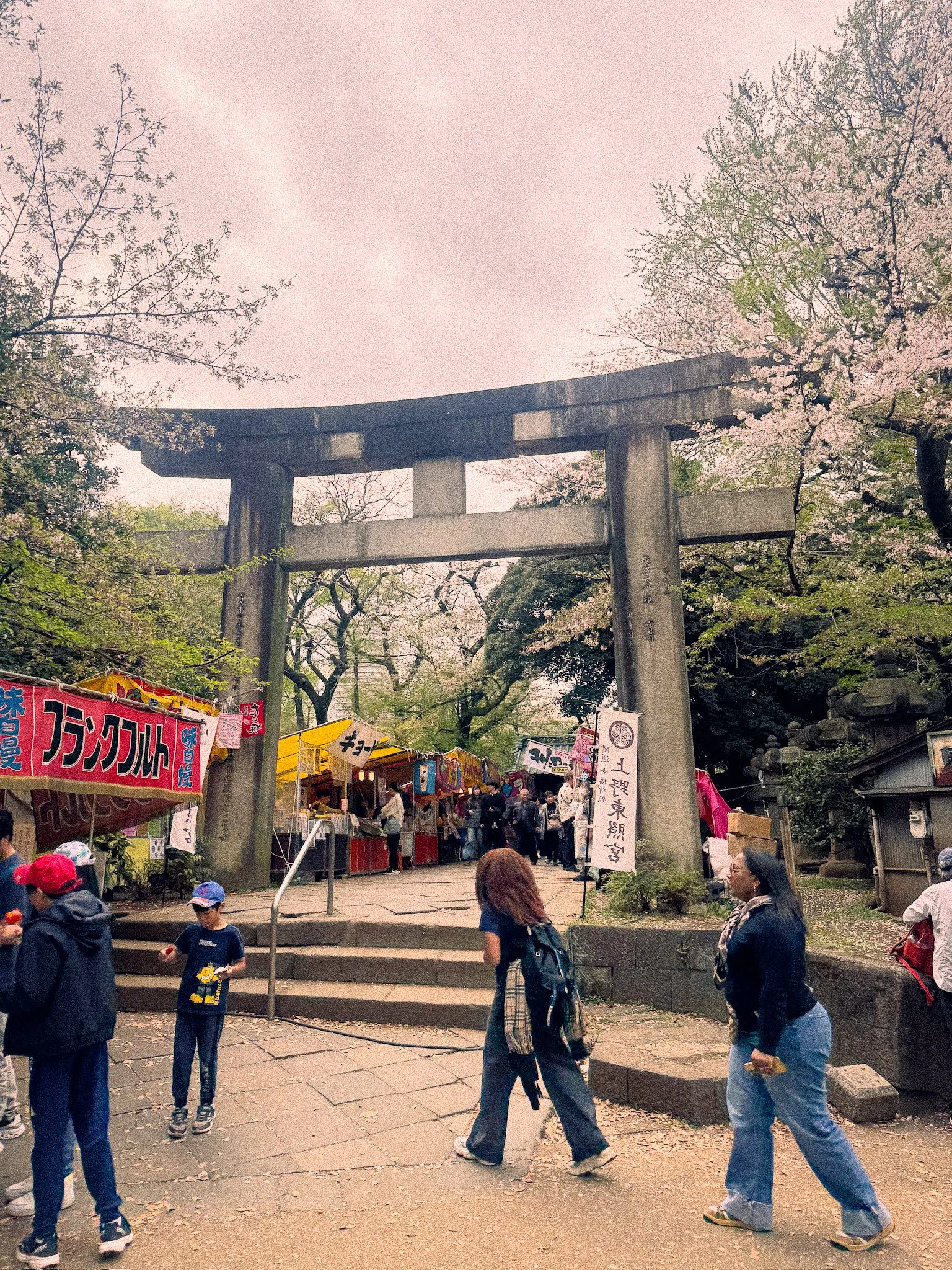
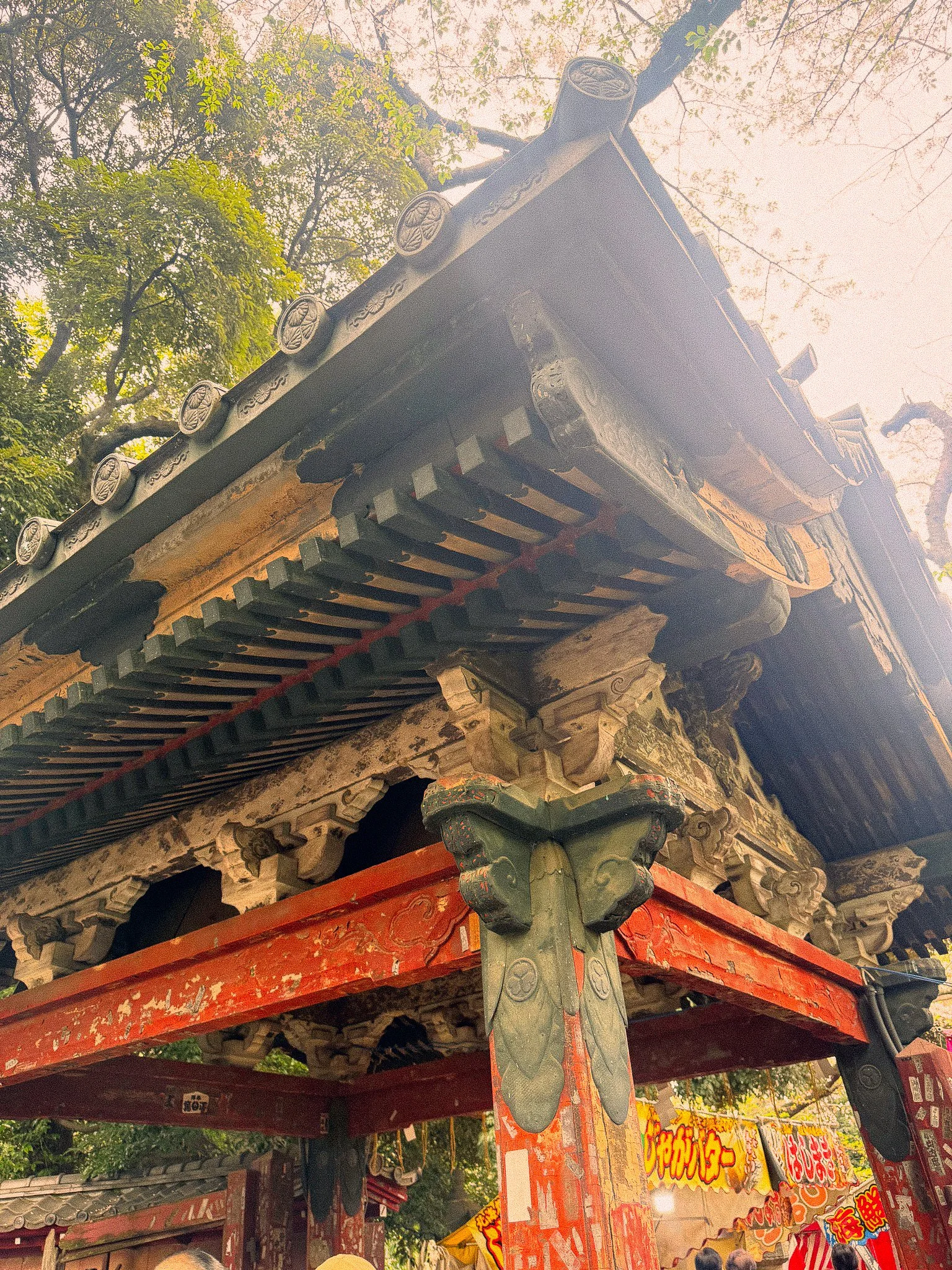
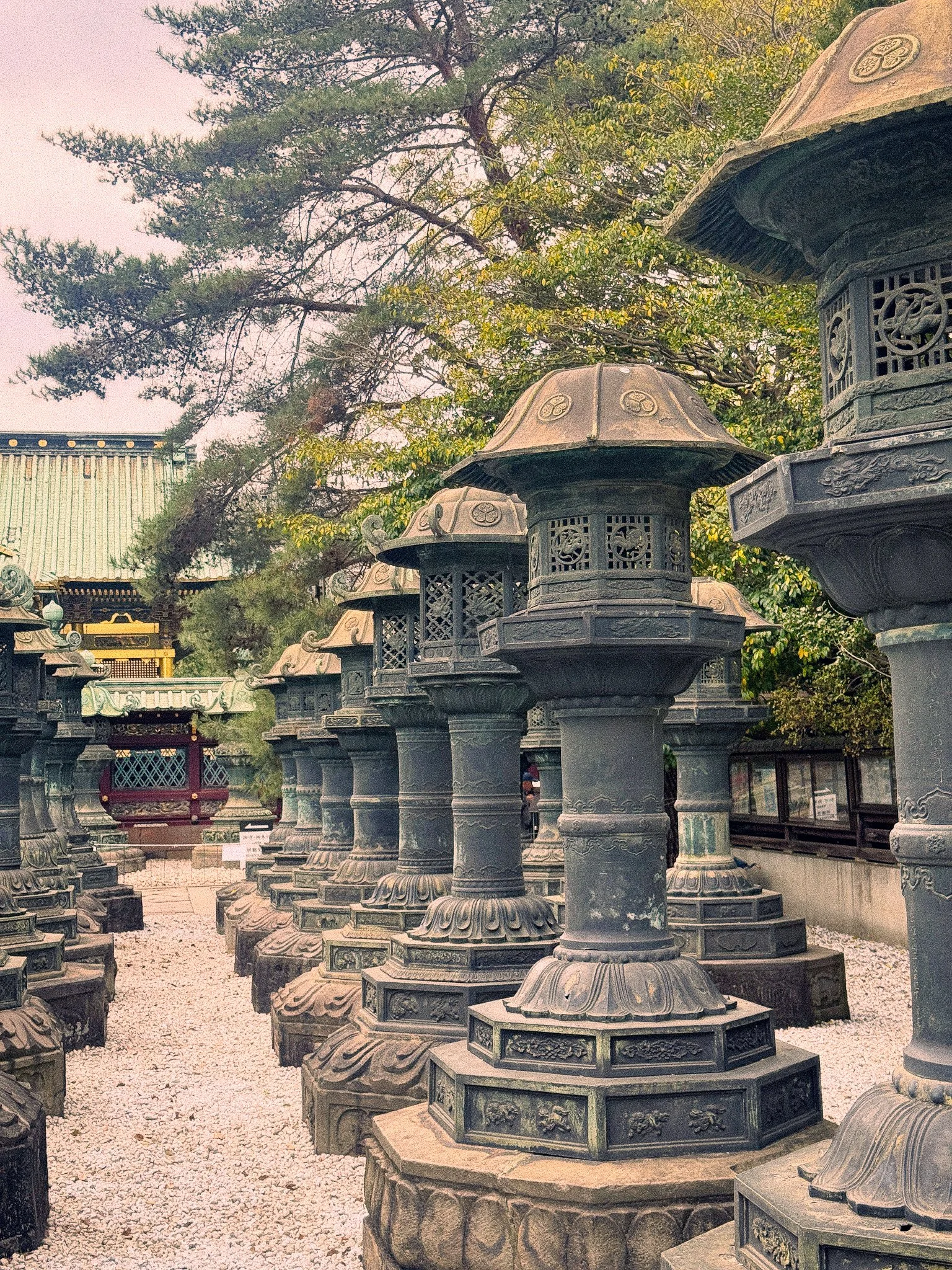
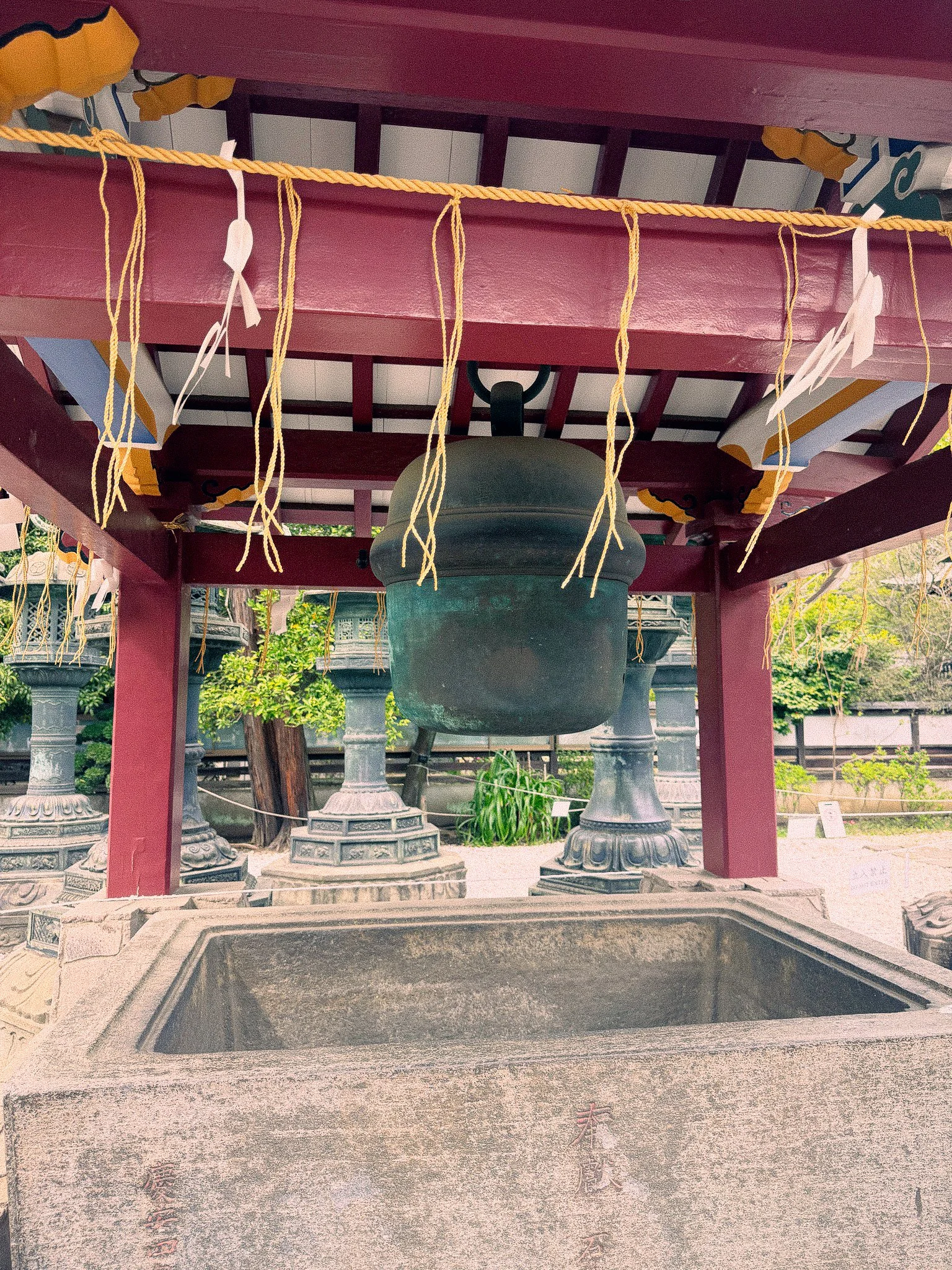
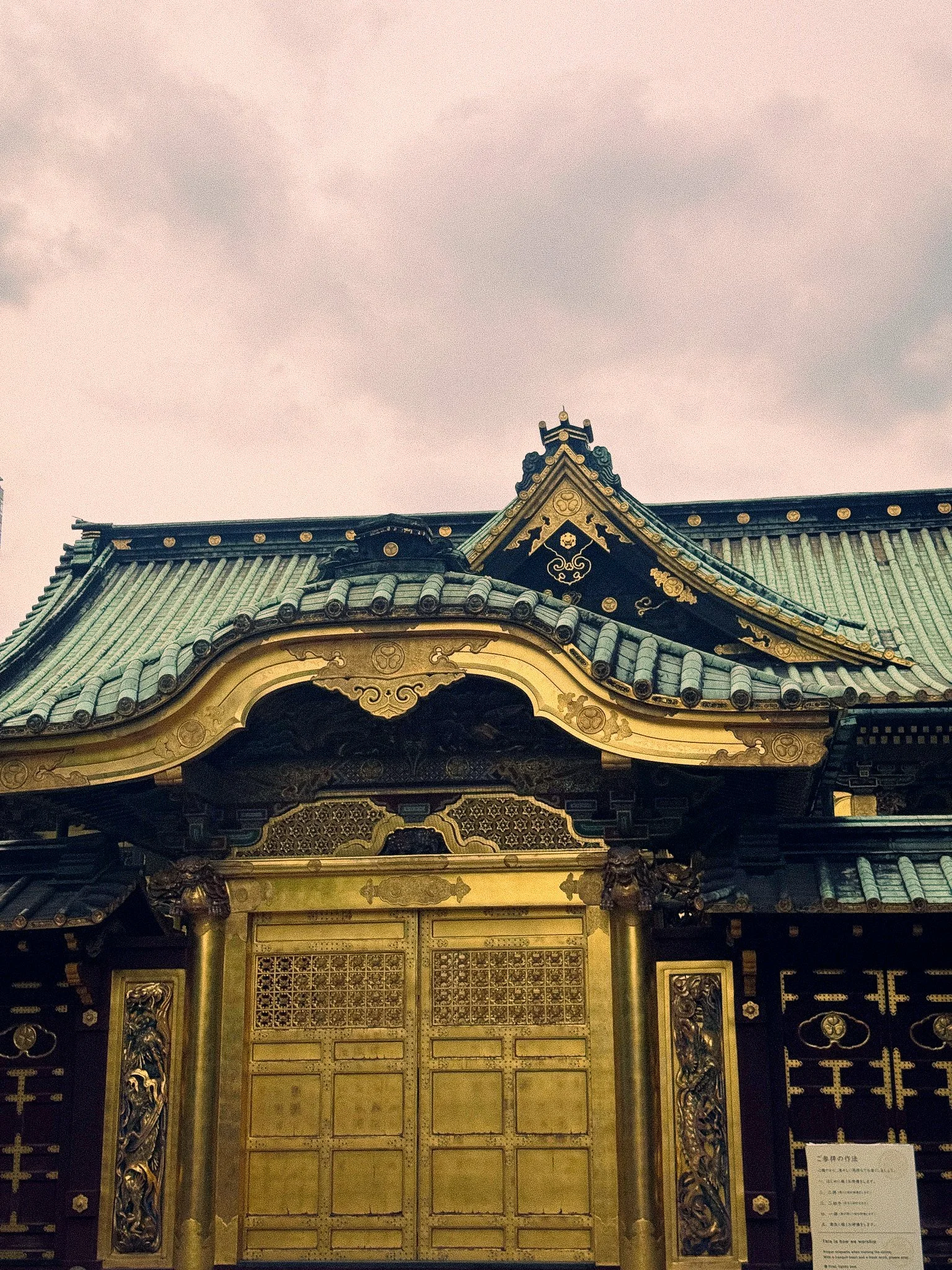
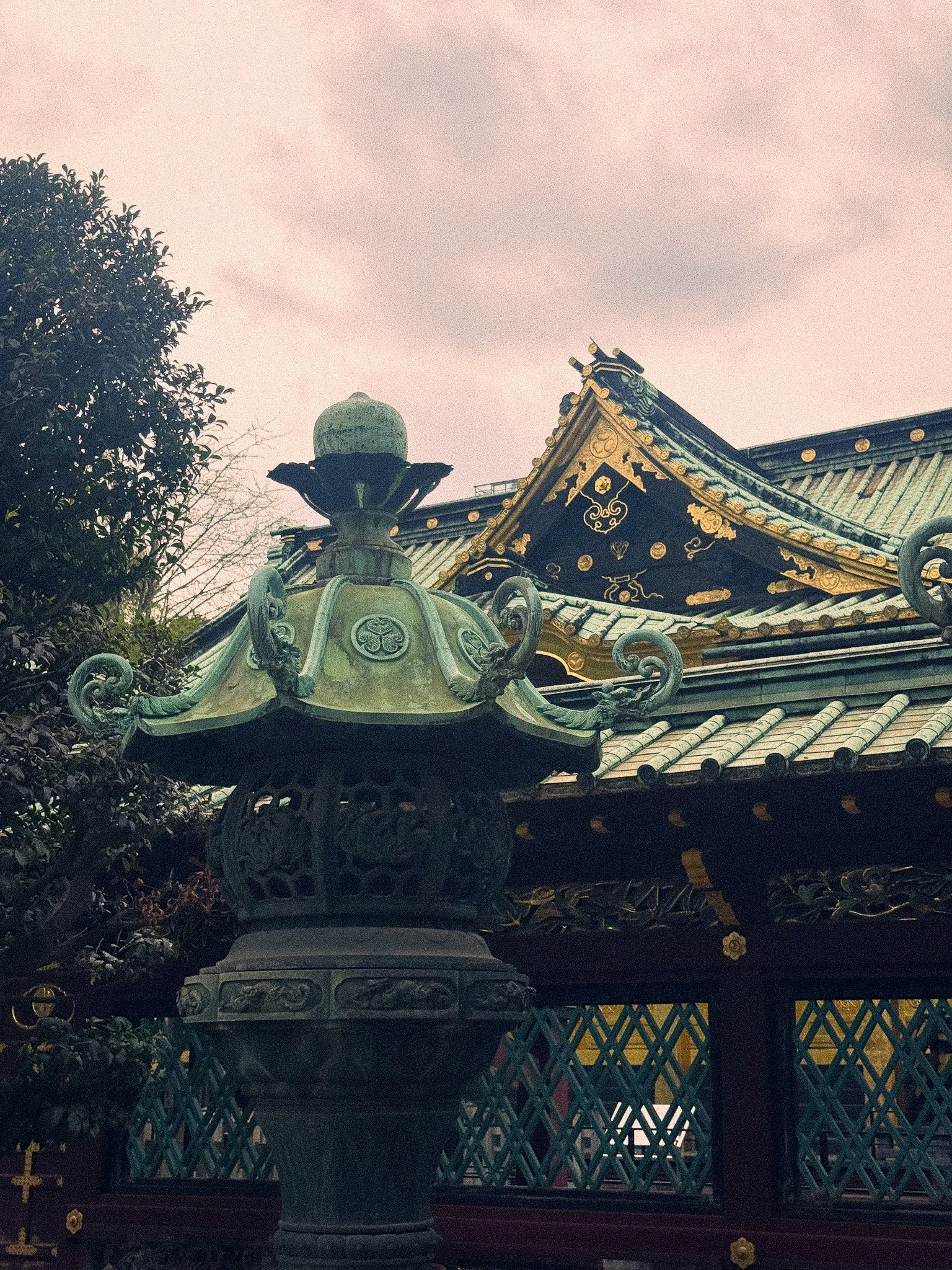
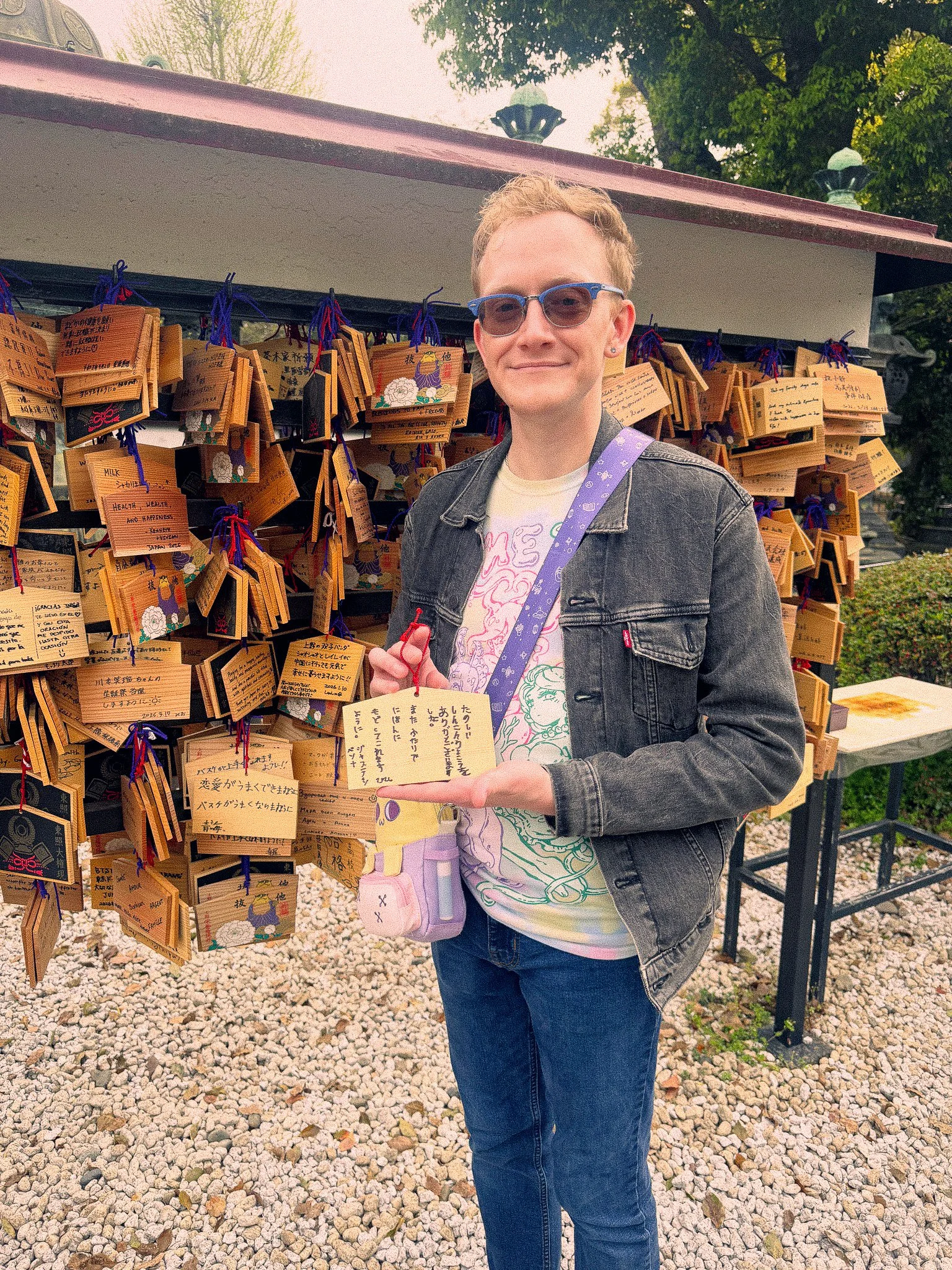
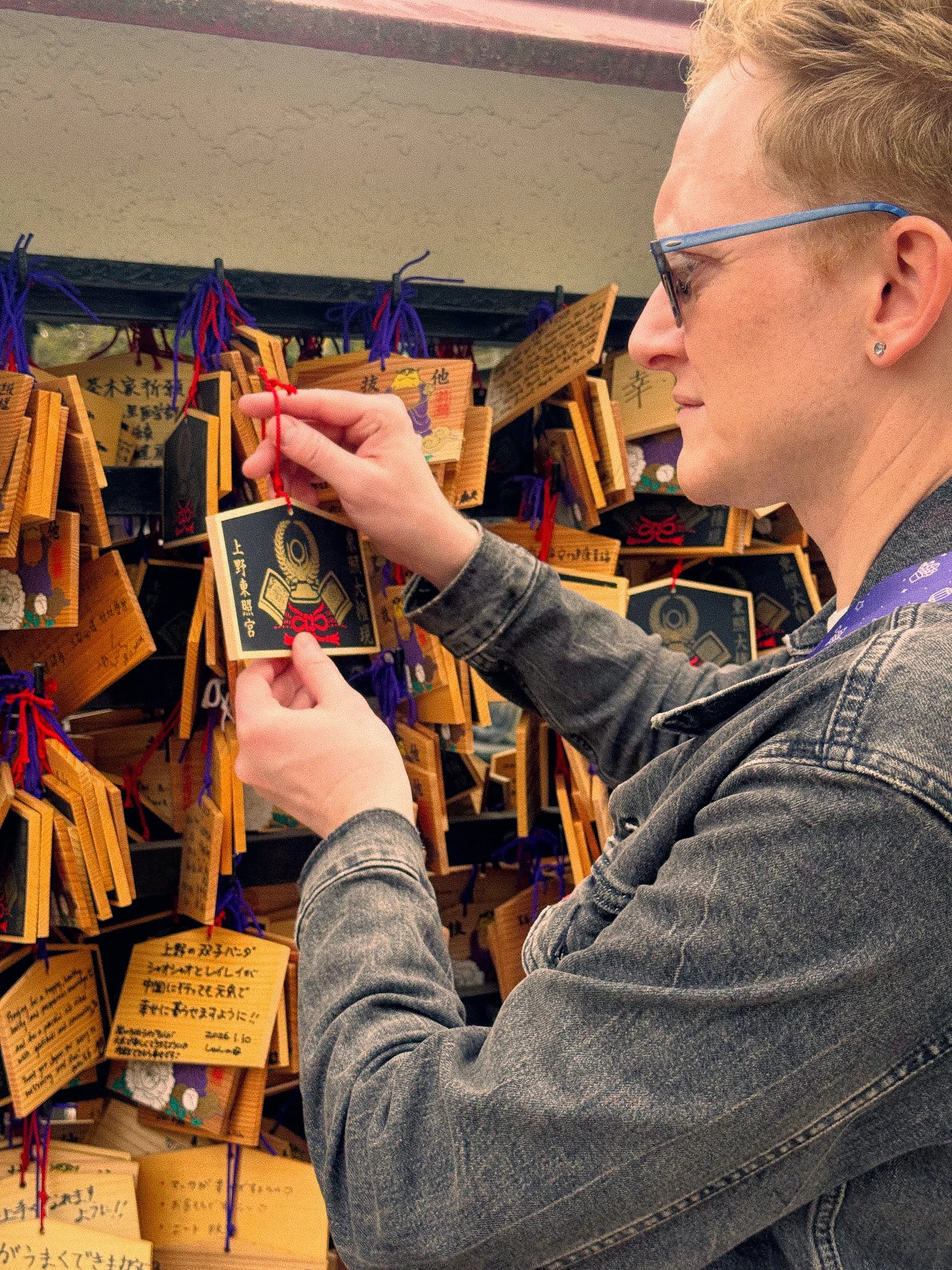
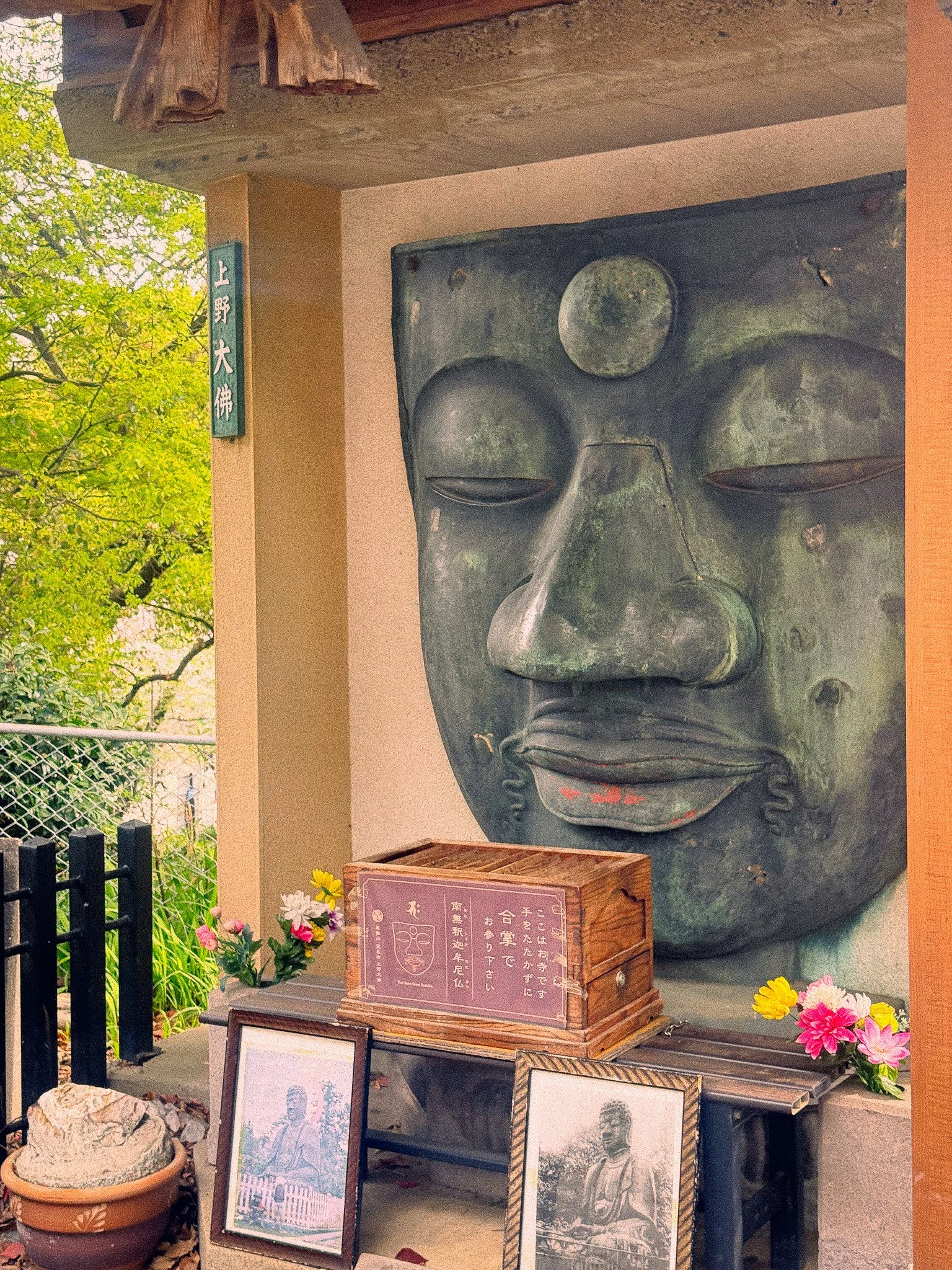
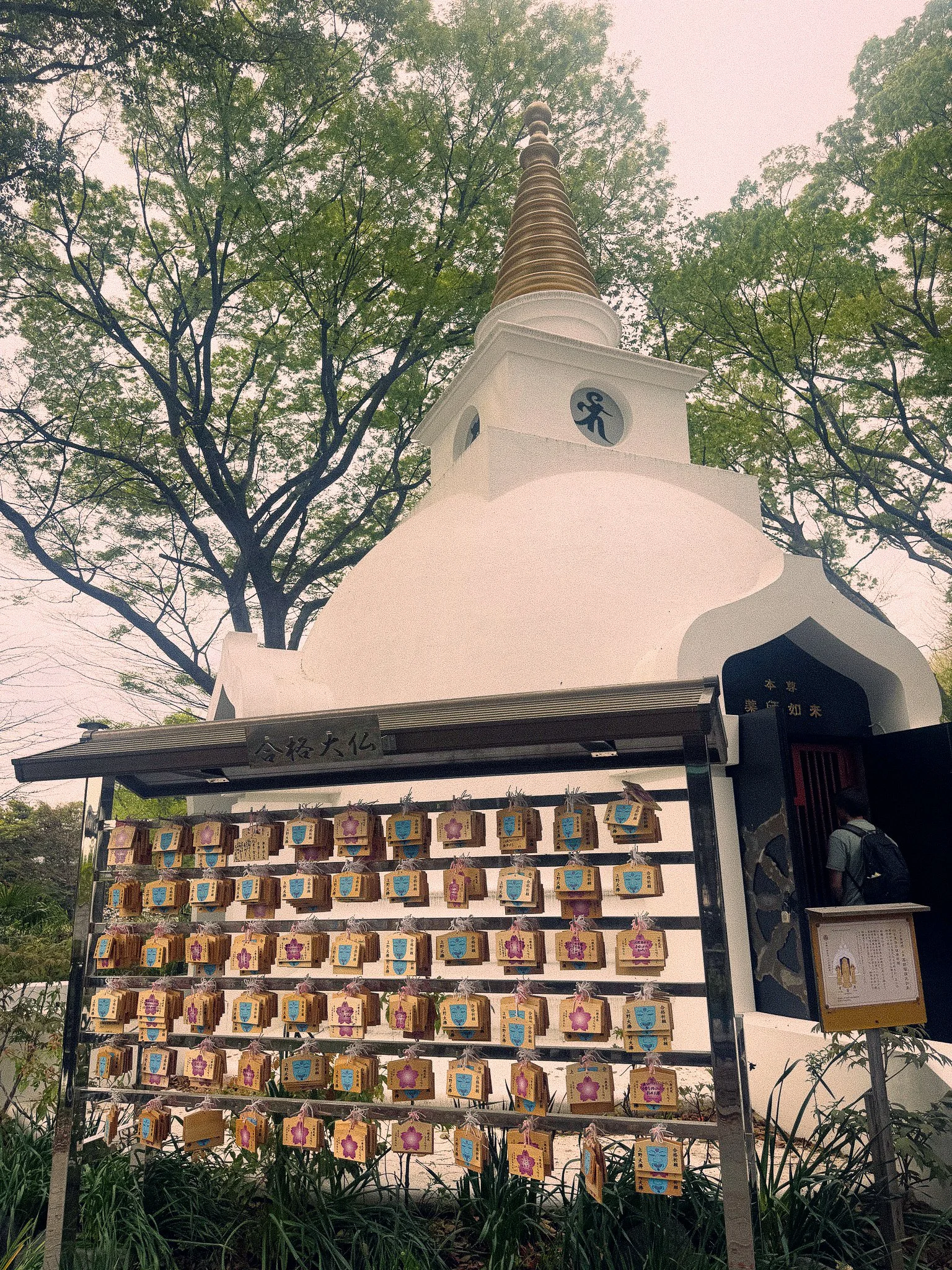
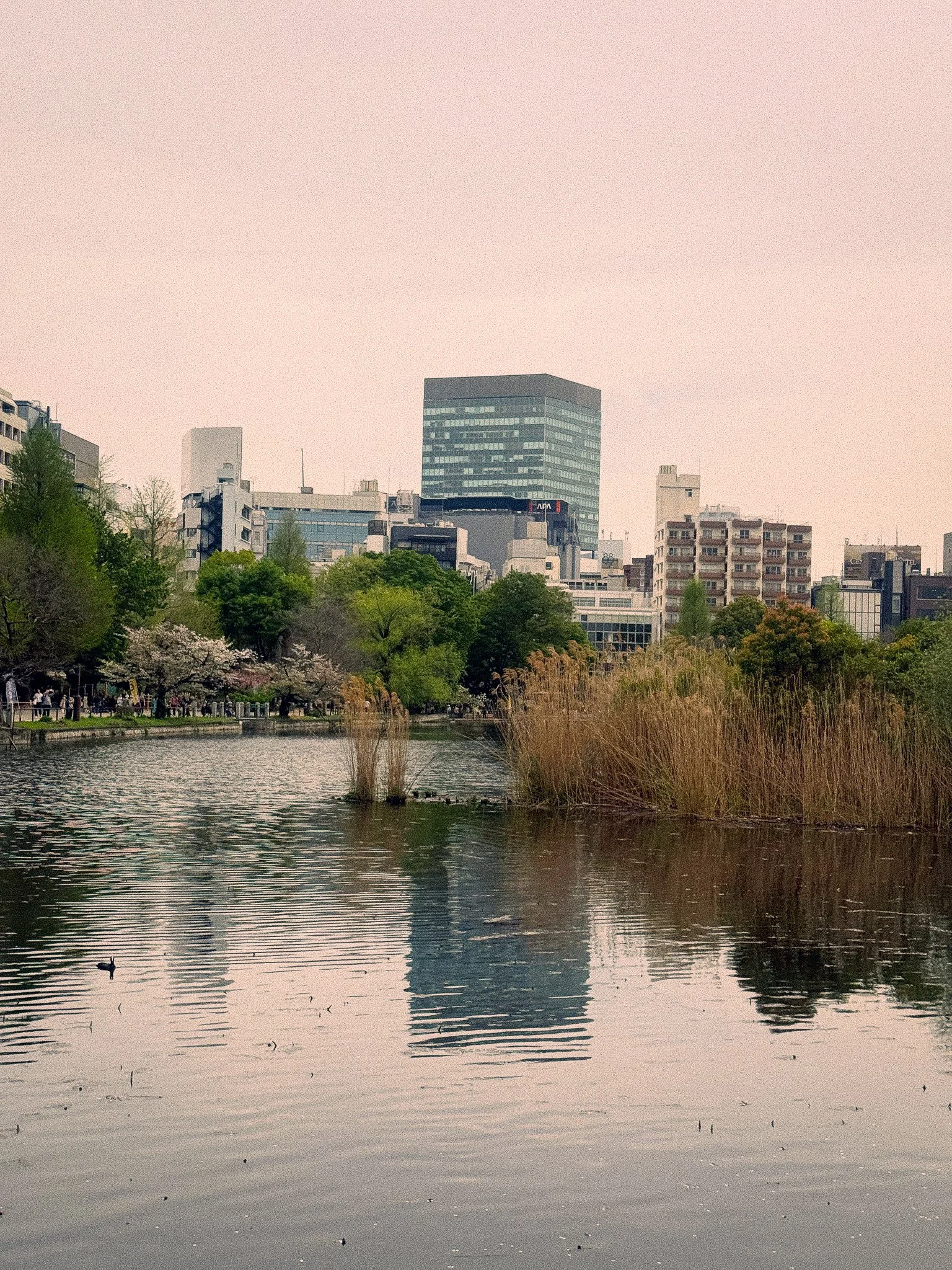
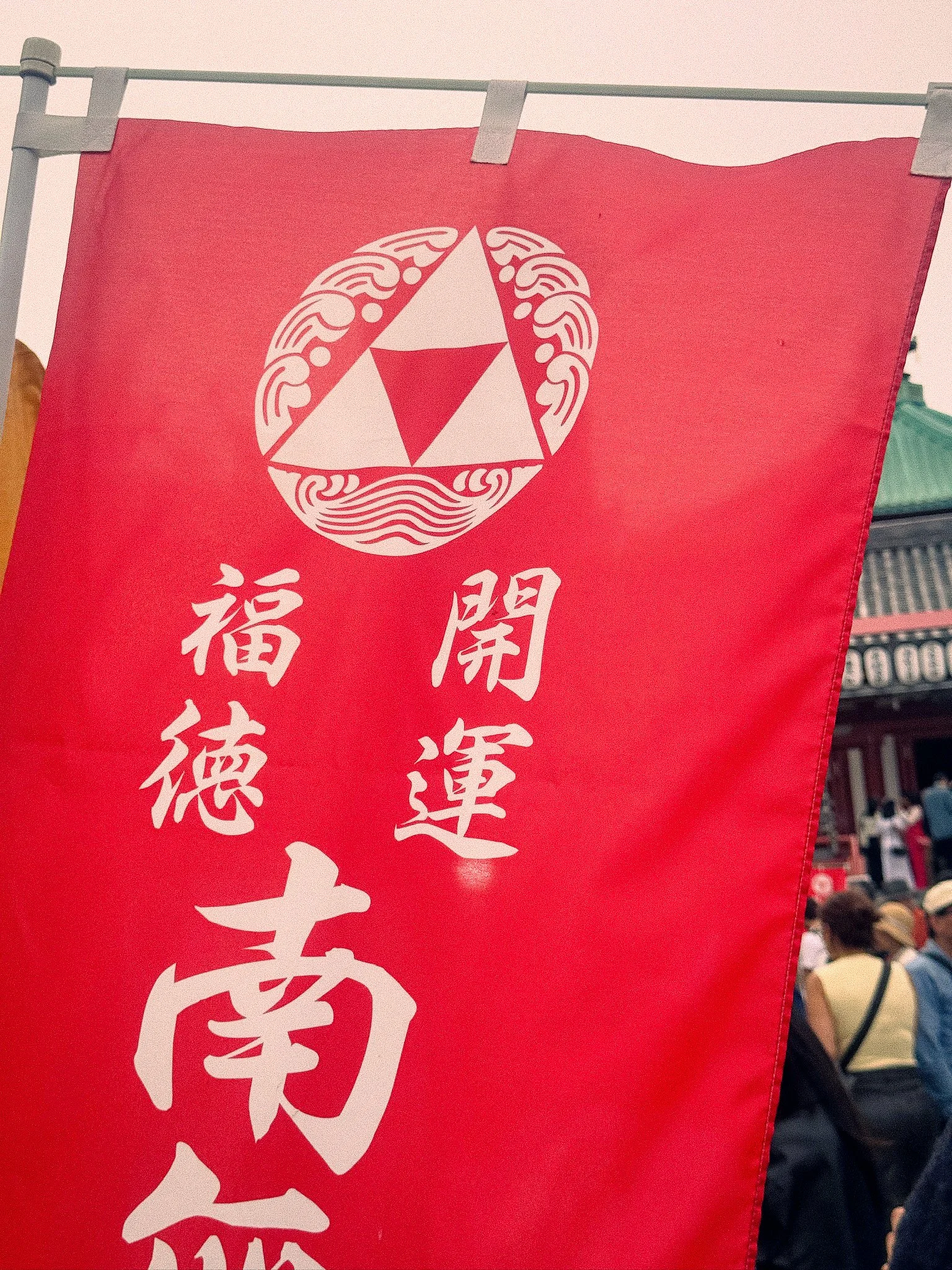
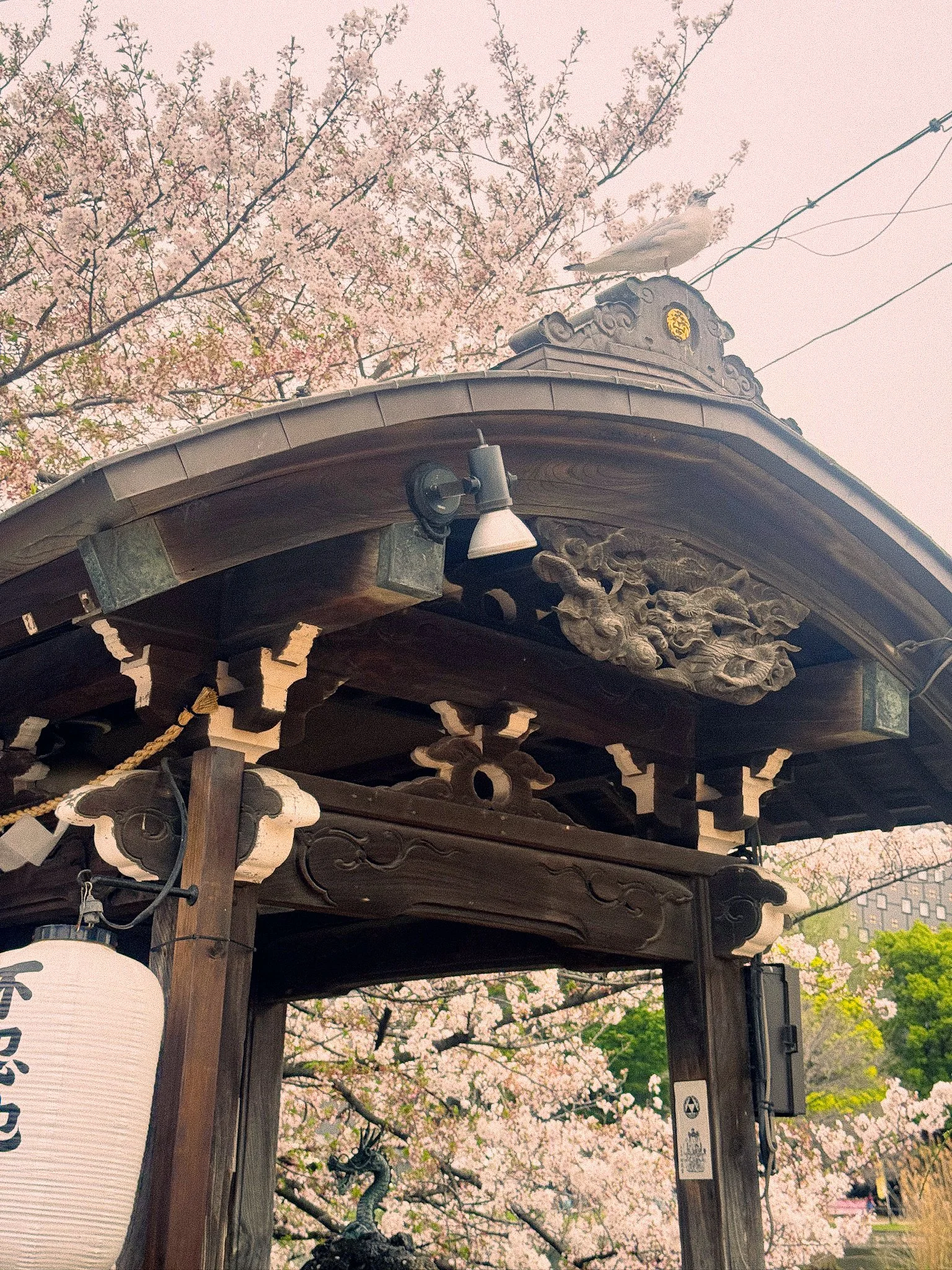
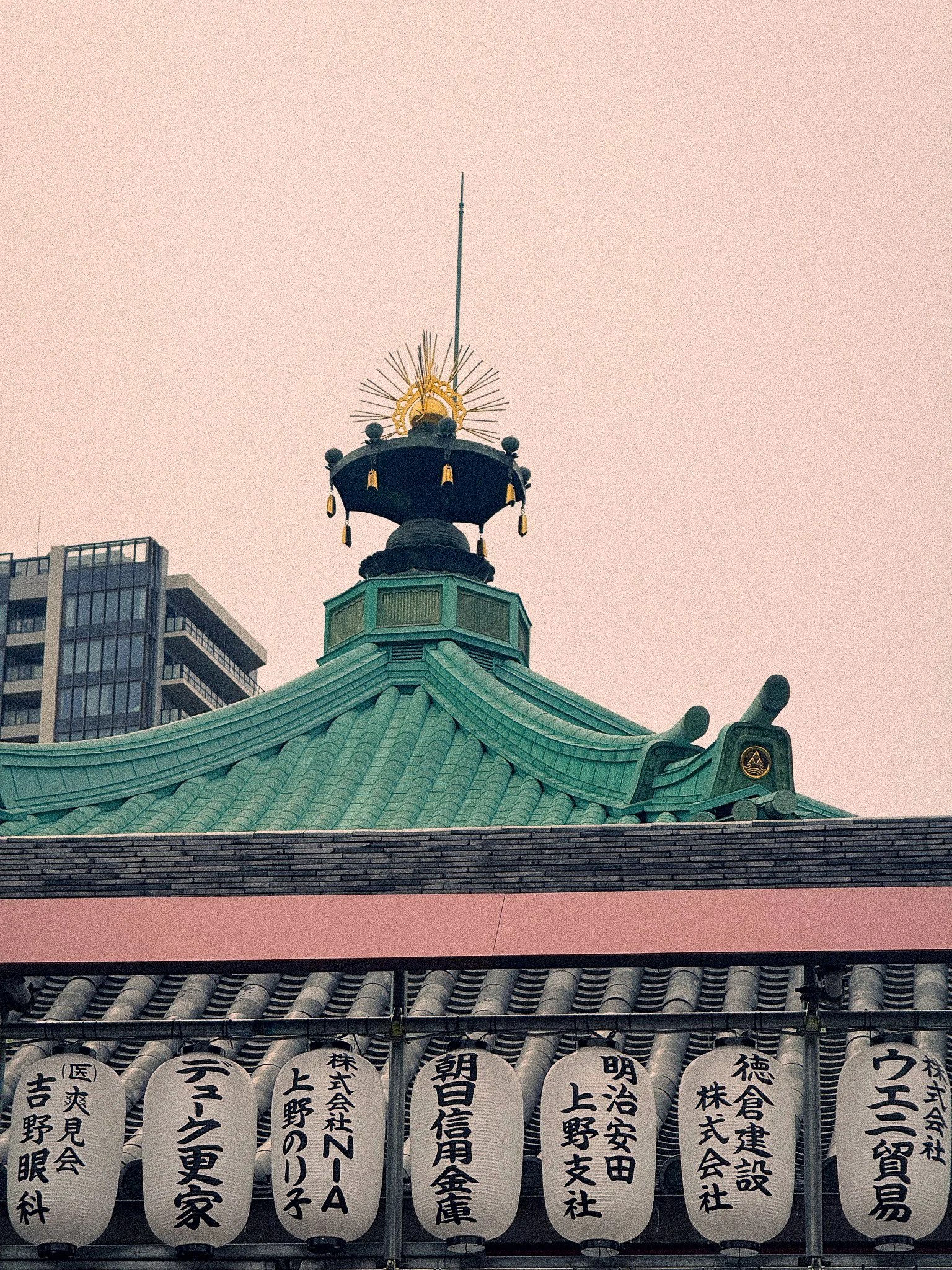
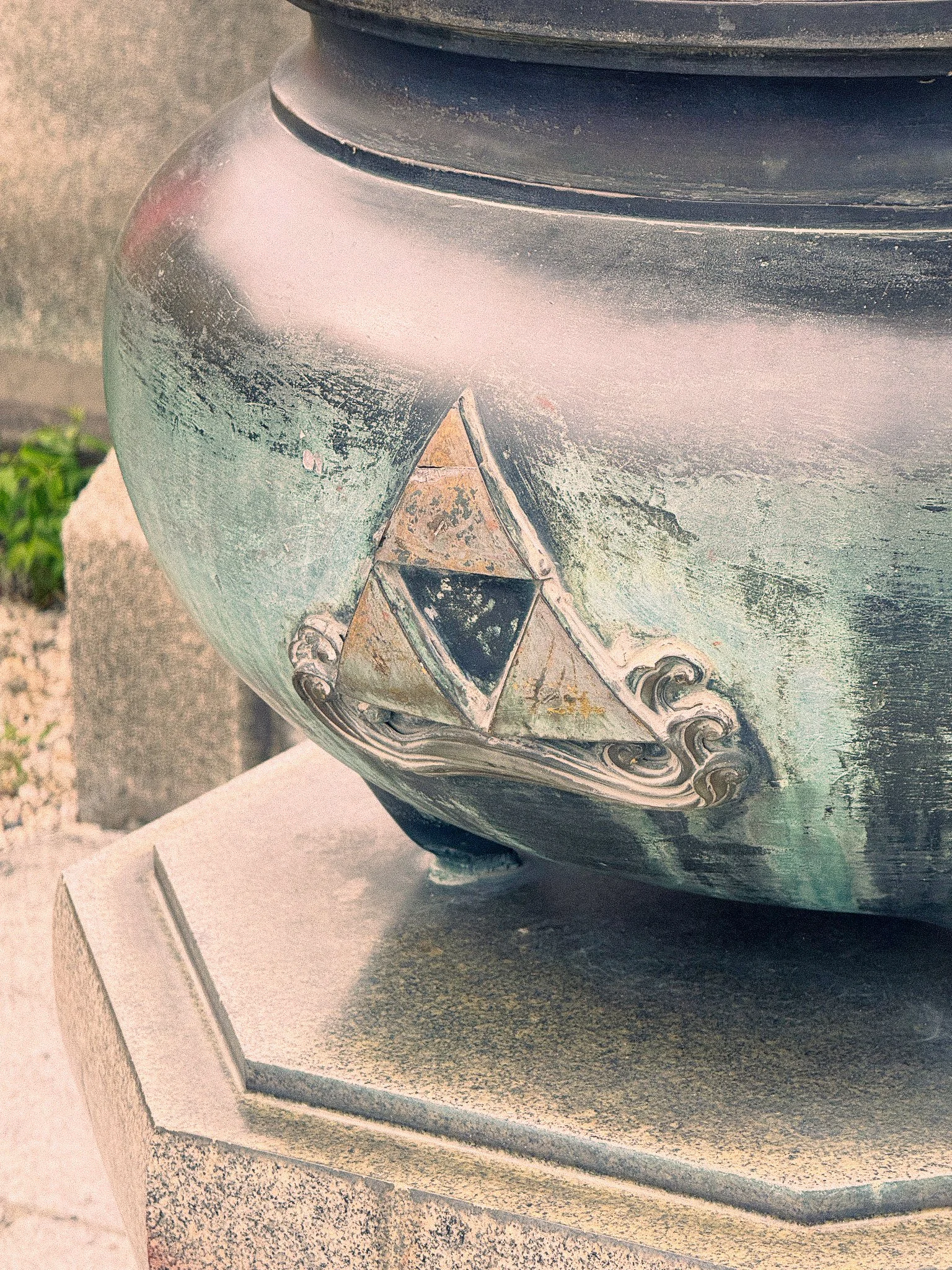
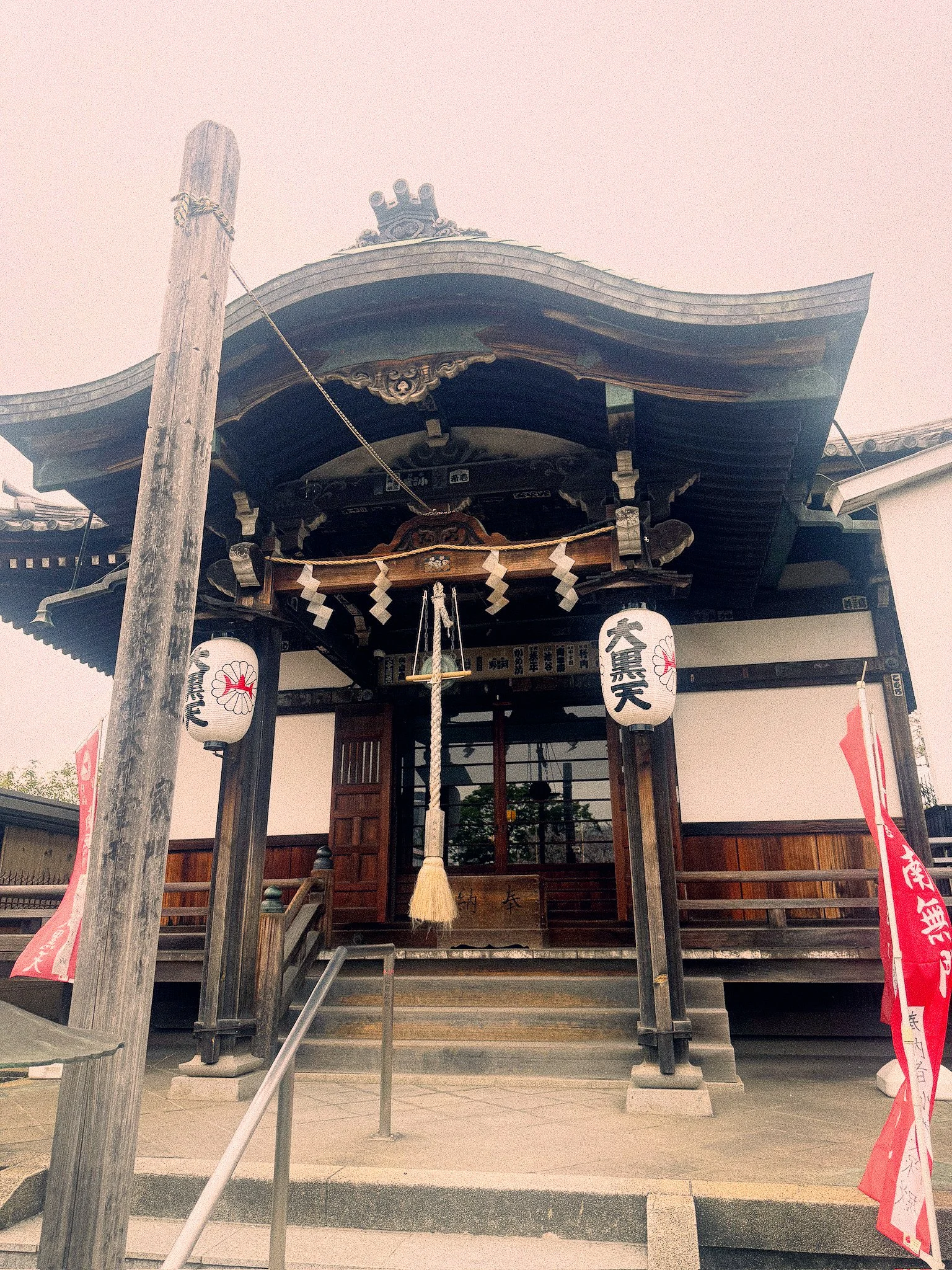
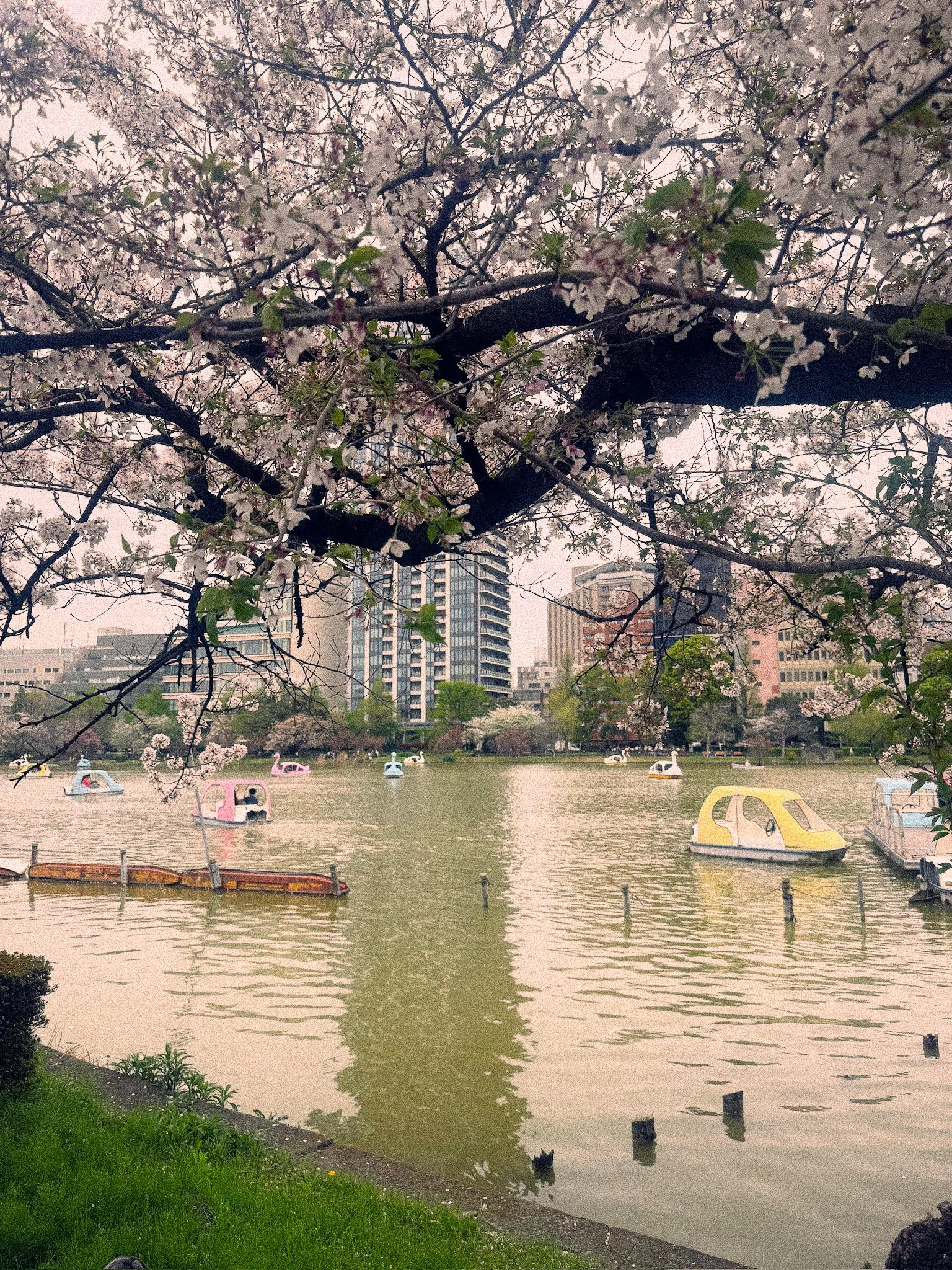
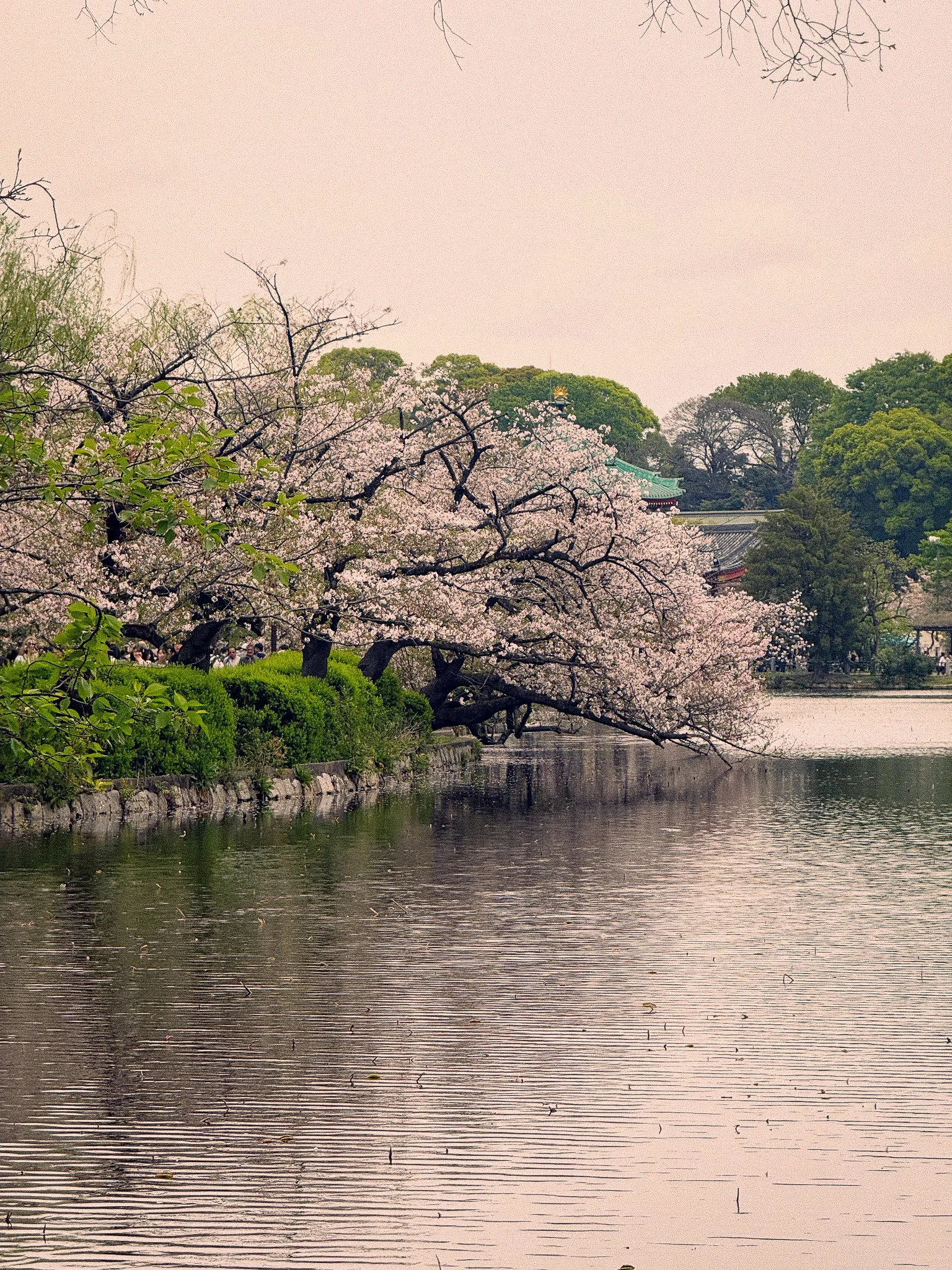
We originally went to Ueno Park thinking it would just be a good place to see cherry blossoms, but we did not realize how extensive the grounds were until we got there and veered off onto a smaller trail along the west side of the park that connected a number of shrines. The first was Ueno Tōshō-gū, with its gold detailing and more ornate style. From there we came across the small white pagoda at Yakushi-dō, which had a completely different look with its bright white structure and tall spire. We kept going until the path opened up to Shinobazu Pond, where we reached Bentendō sitting out on the water. I was so excited to discover this shrine was covered in Triforces everywhere (it’s actually the mitsuuroko crest, a traditional symbol representing three dragon scales that Zelda’s Triforce is based on).
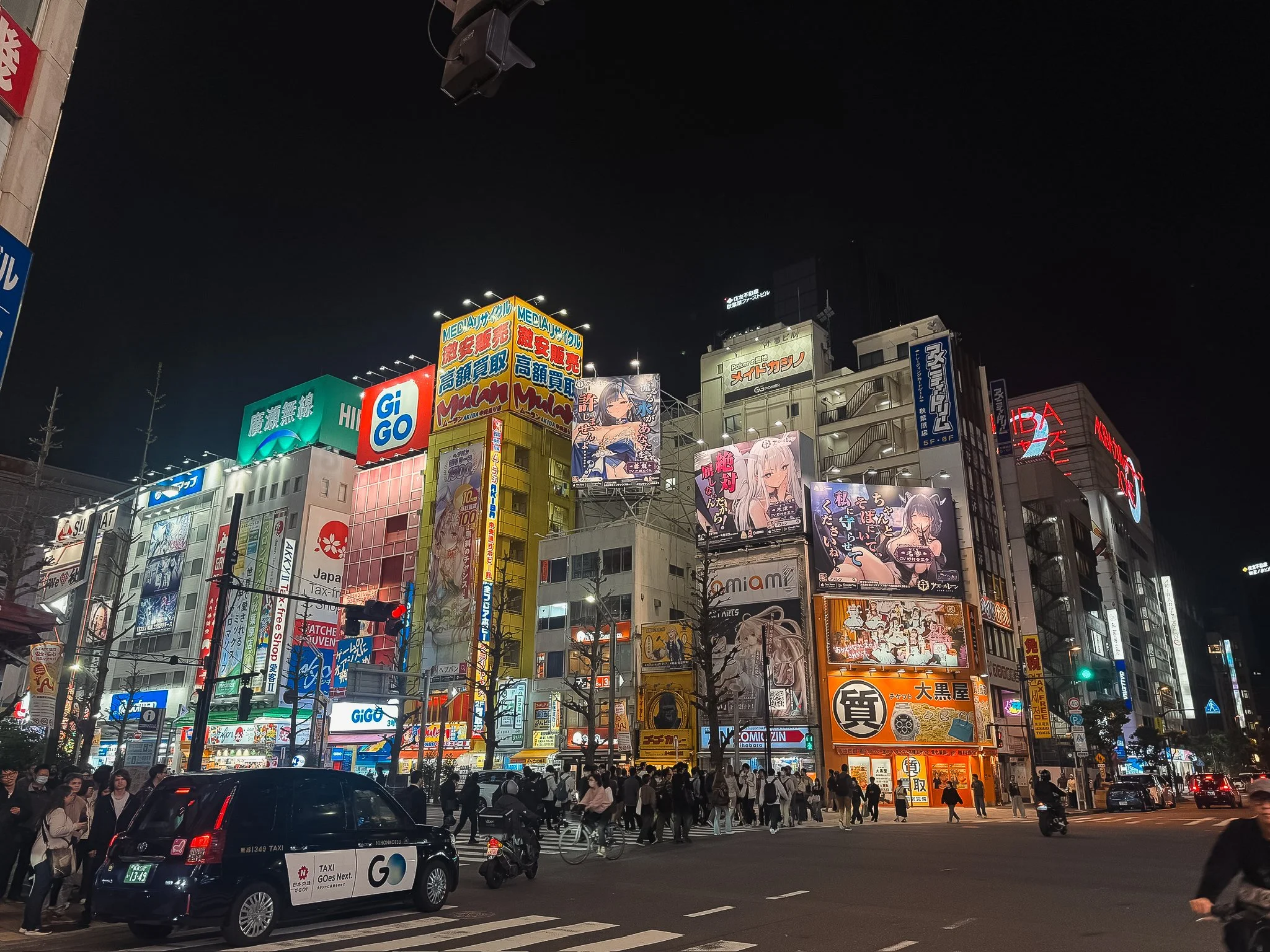
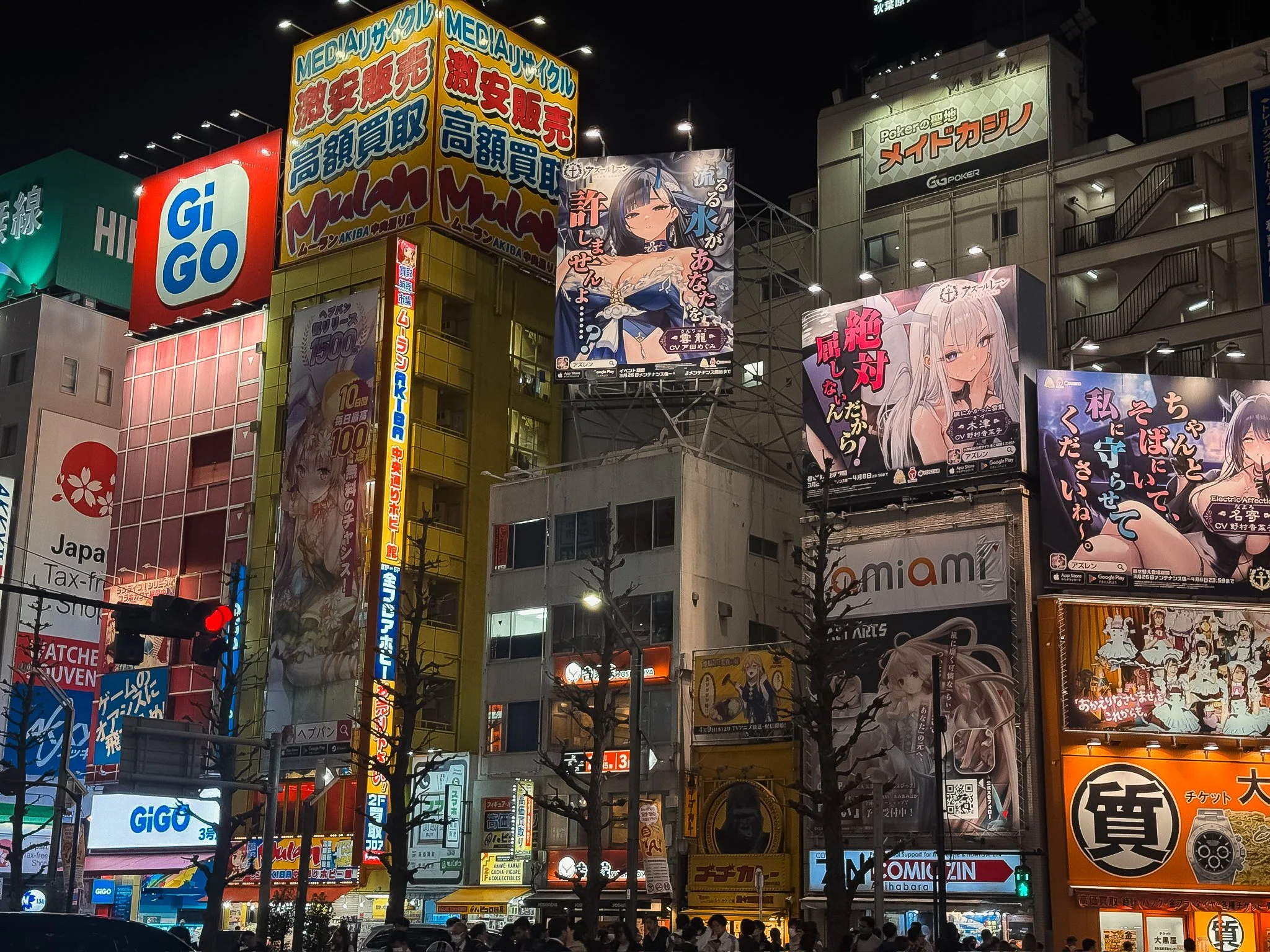
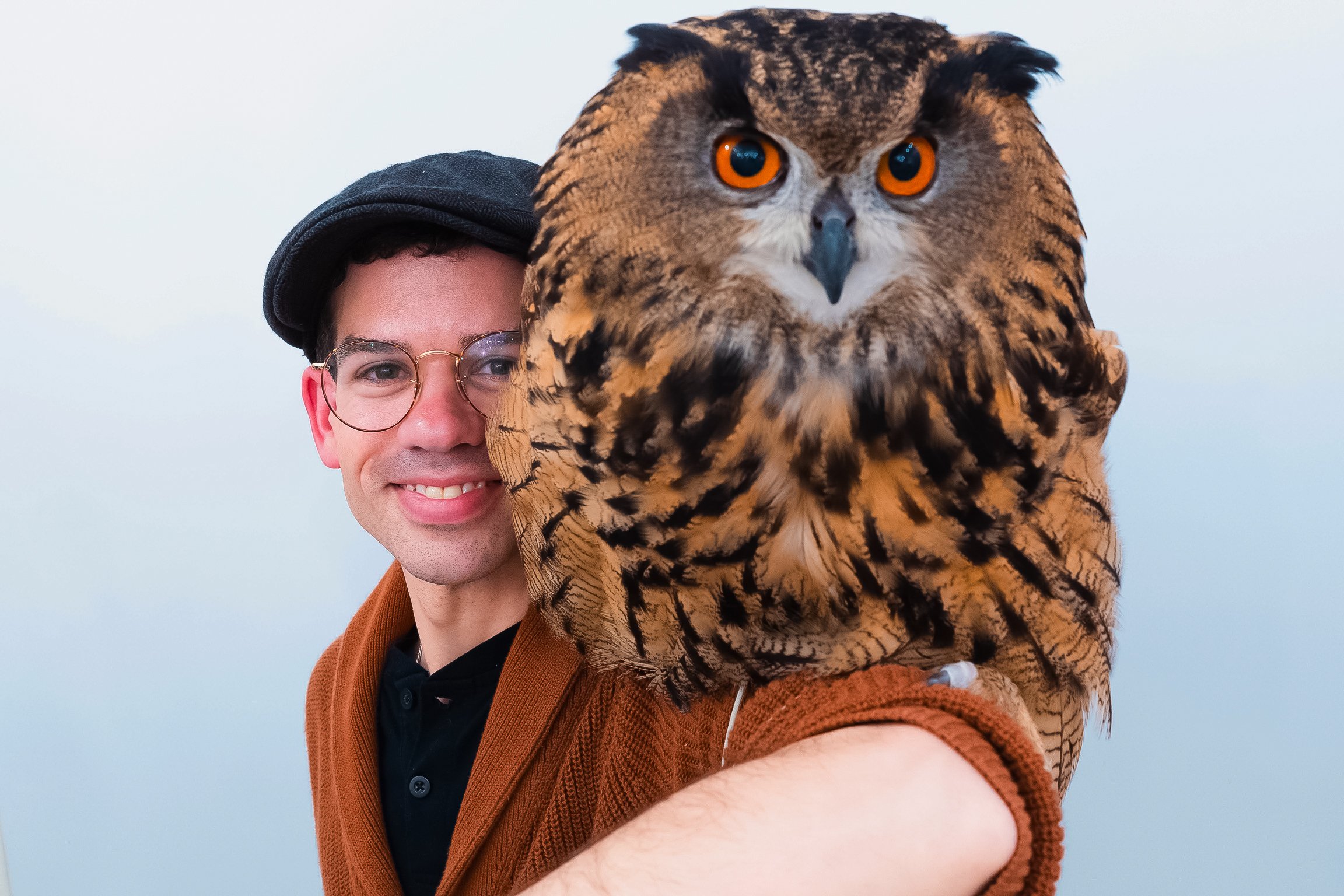
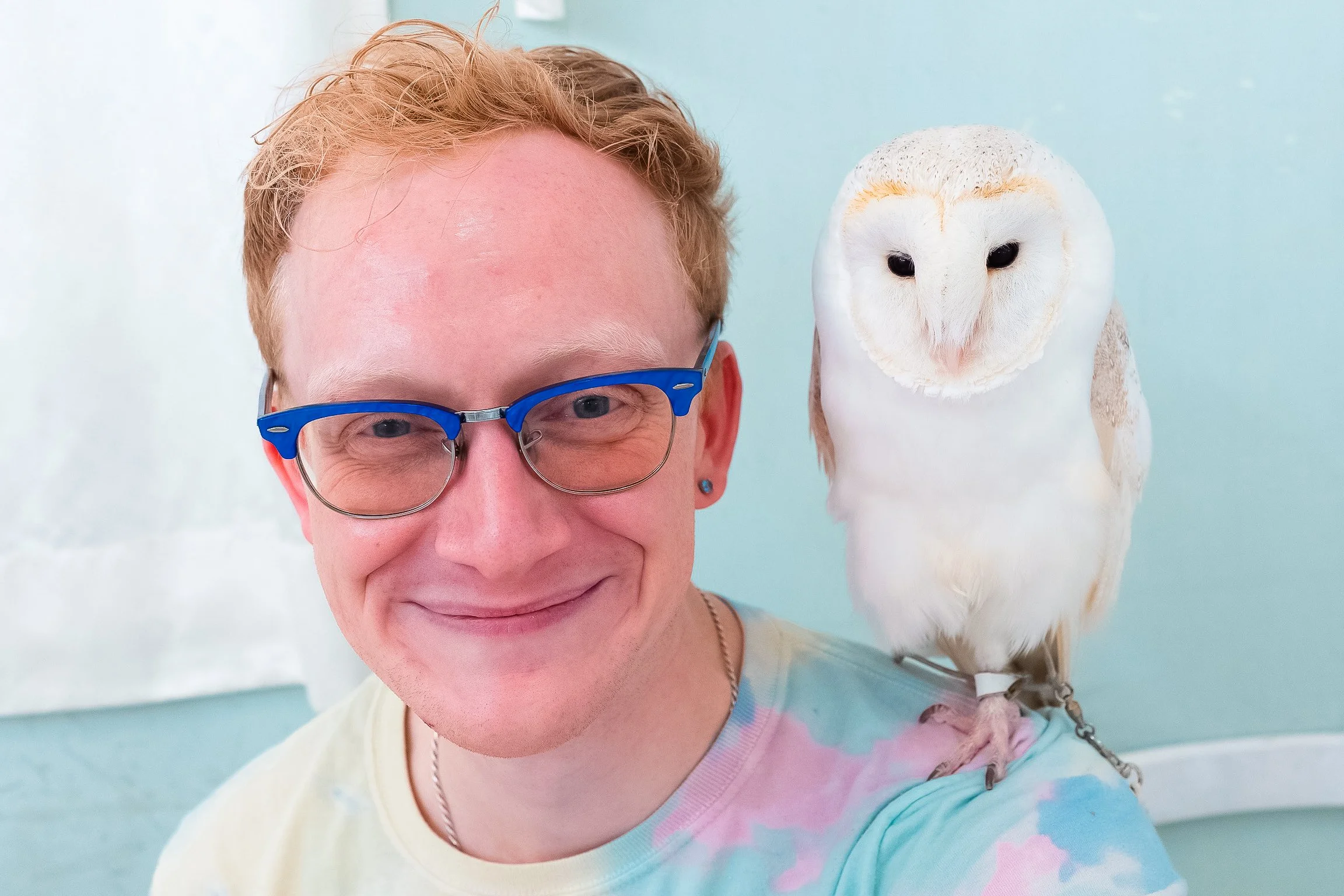
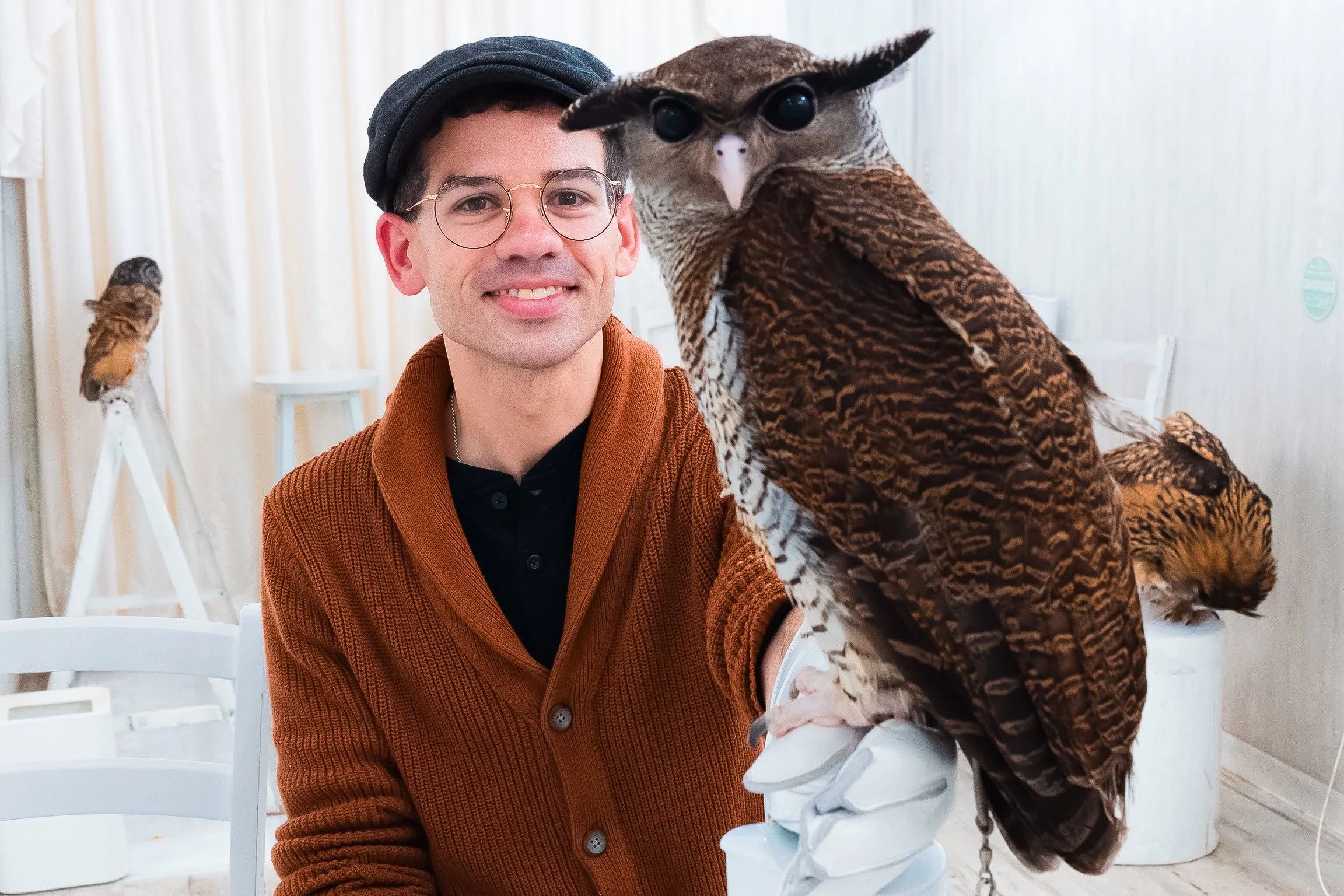
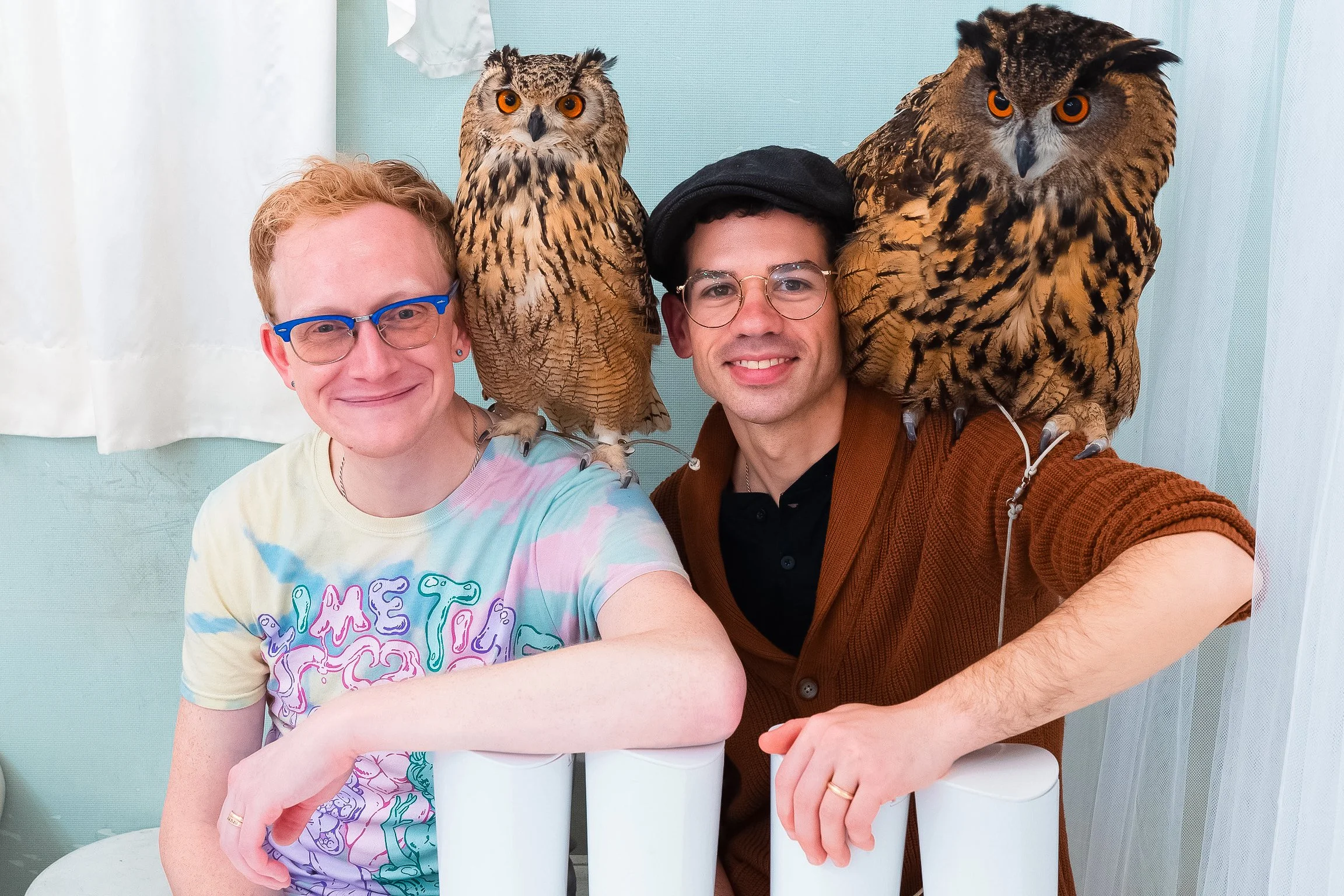
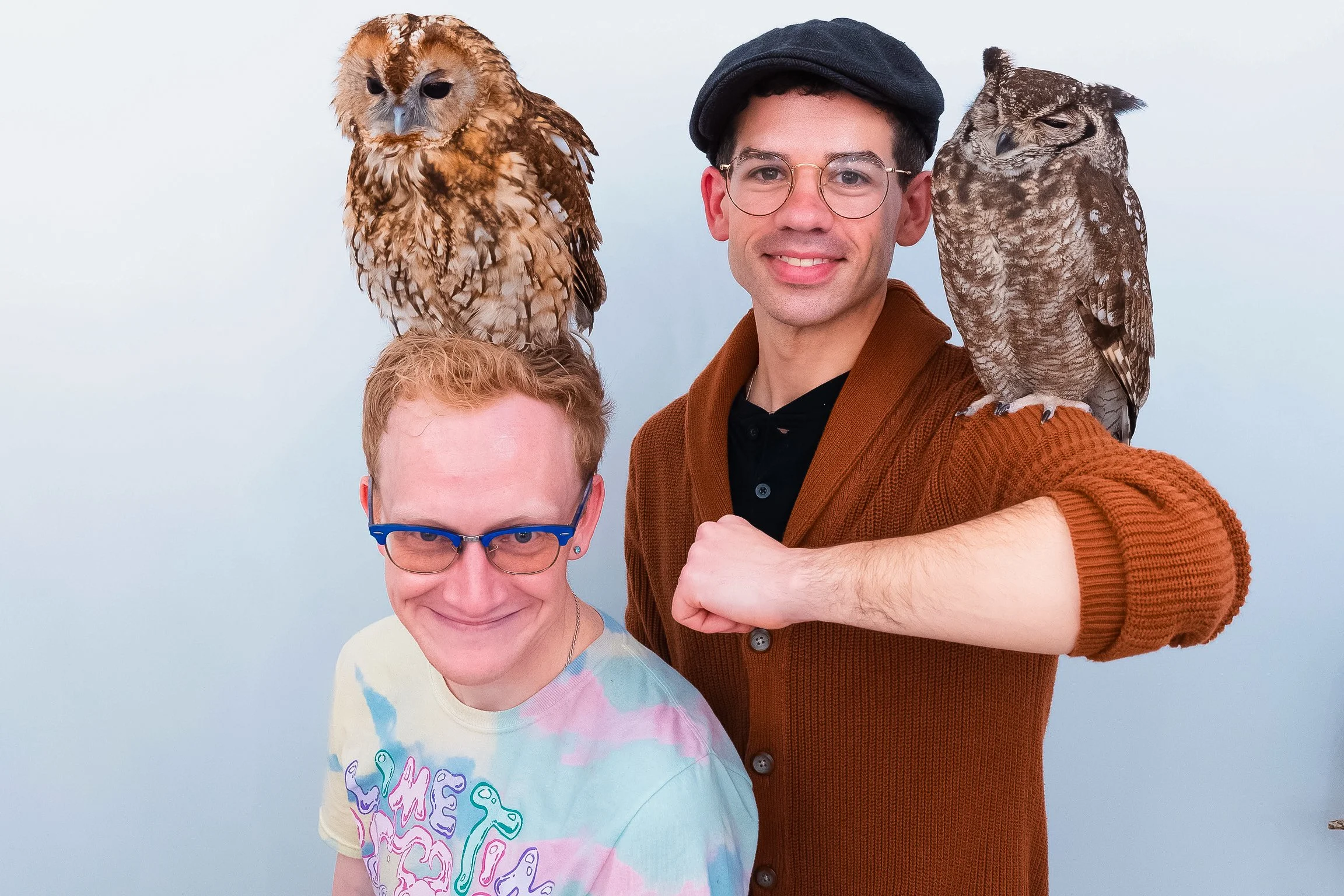
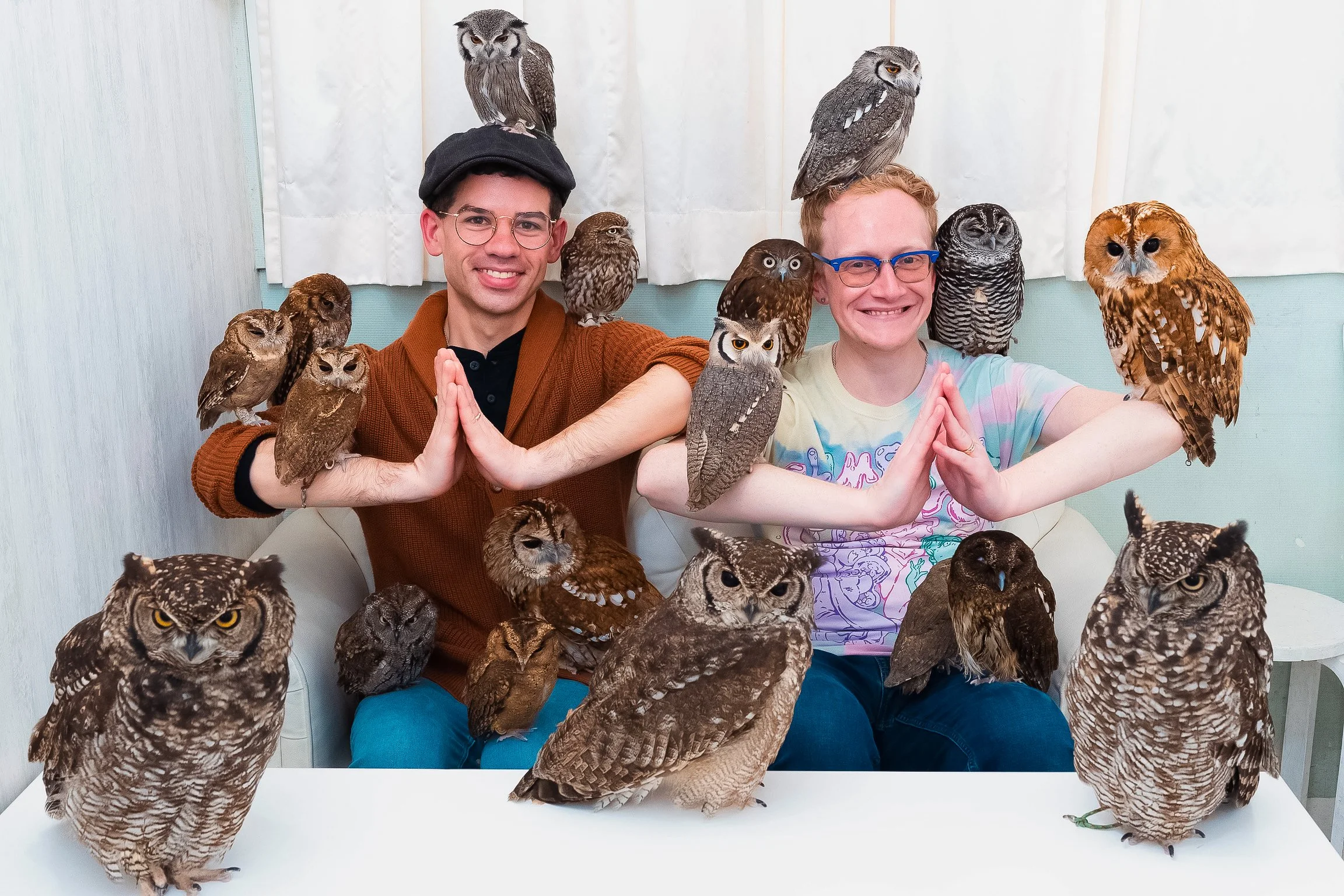
We continued on to Akihabara Electric Town, which is known for its dense concentration of stores featuring retro games, figures, and collectibles. We went through the Mandarake Complex and Super Potato and ended up finding some really unique items, including a Gundam Wing statue of Heero and Relena in their Sanc Kingdom outfits that I was obsessed with as a kid. After that we went to our reservation at Owl Cafe Akiba Fukurou Tokyo. We had a private session, so we were able to hold the owls, pet them, and have them fly between us. Afterward we walked around the neon-lit Akihabara a bit more at night, stopping in a few more stores. Seeing people in cosplay just casually walking around made me miss my own cosplay days, so we stopped into a shop and picked up a couple of anime wigs to wear (which show up in some of the next posts).

day 6 東京ディズニーランド
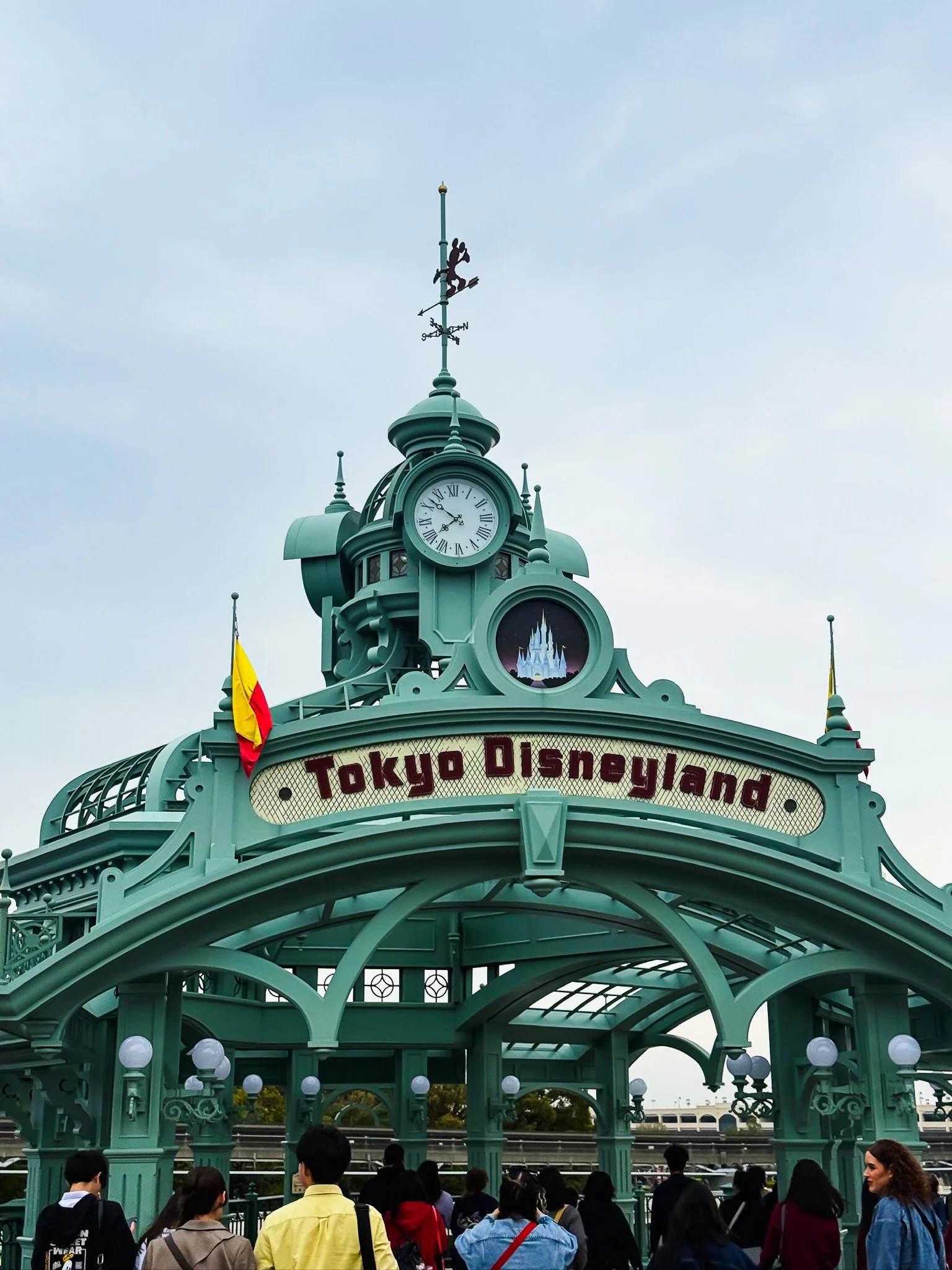
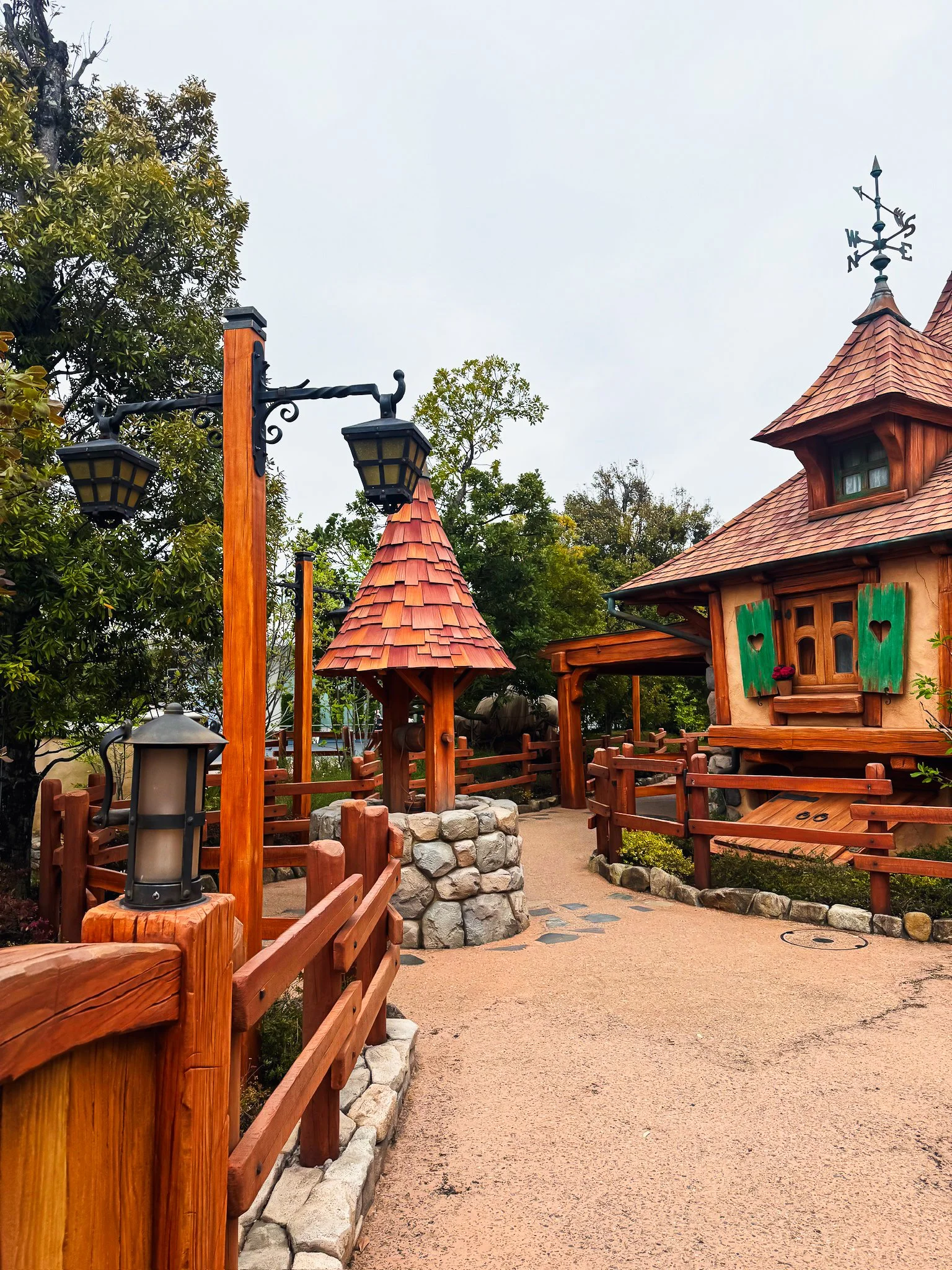
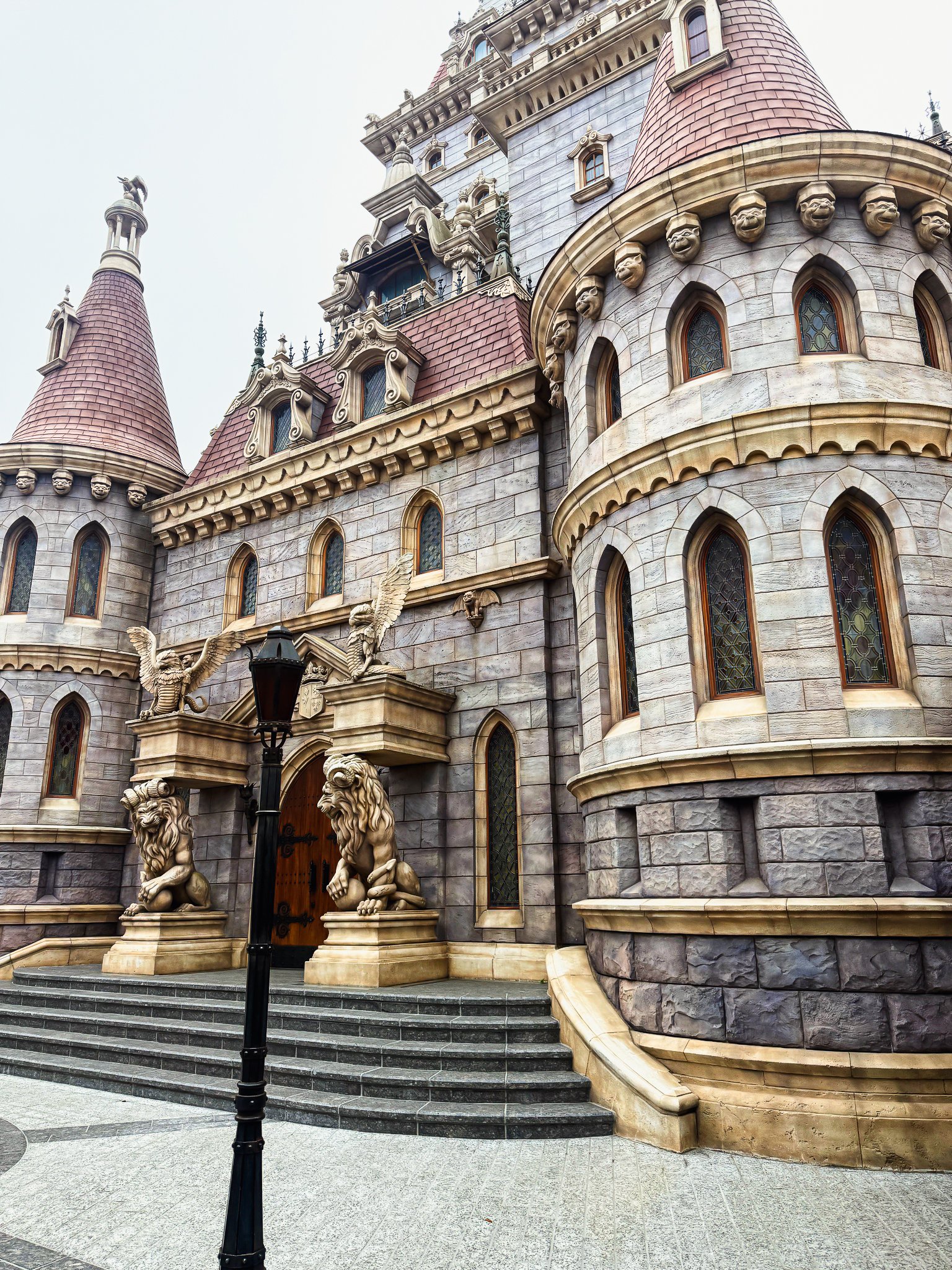
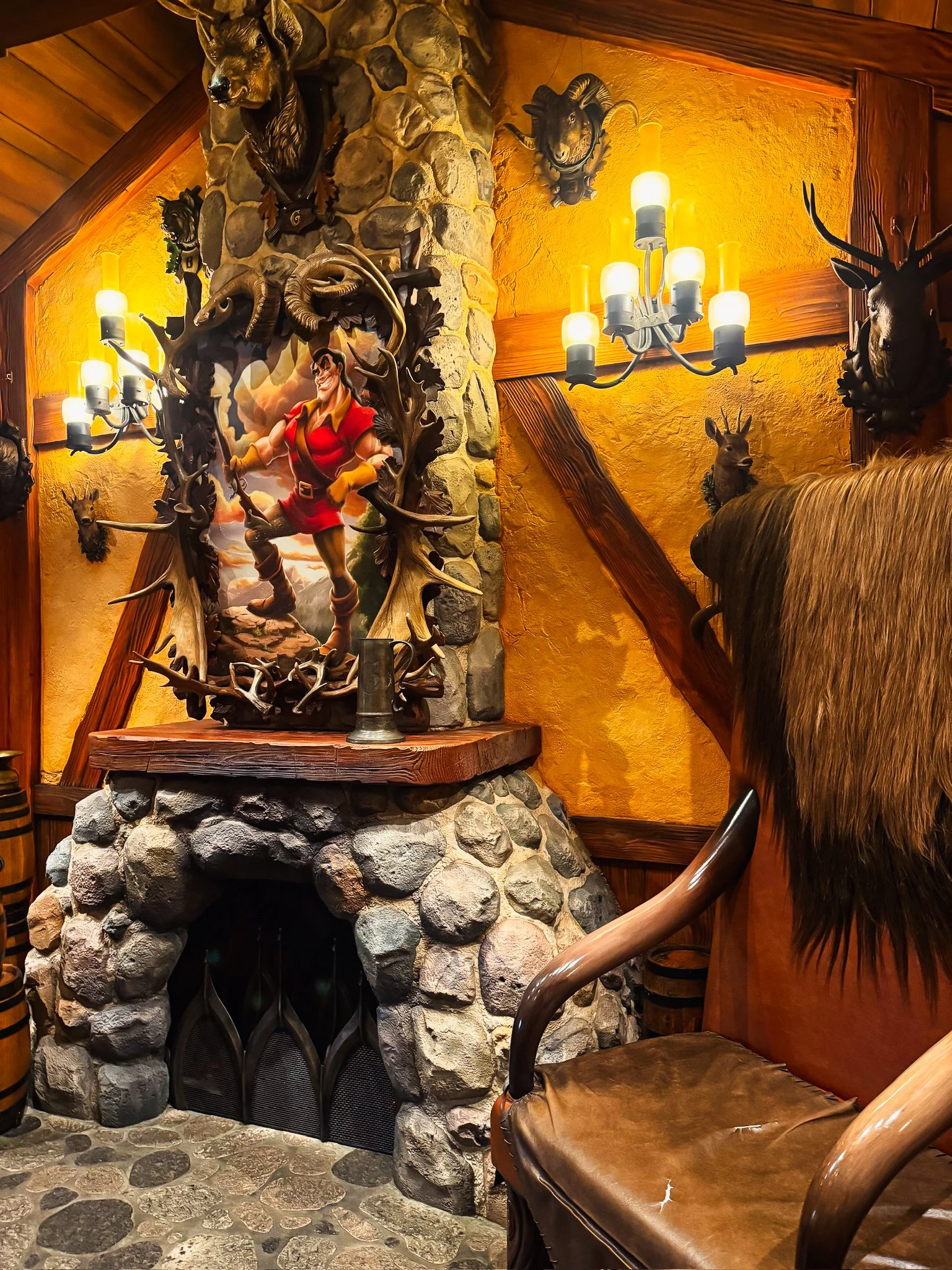
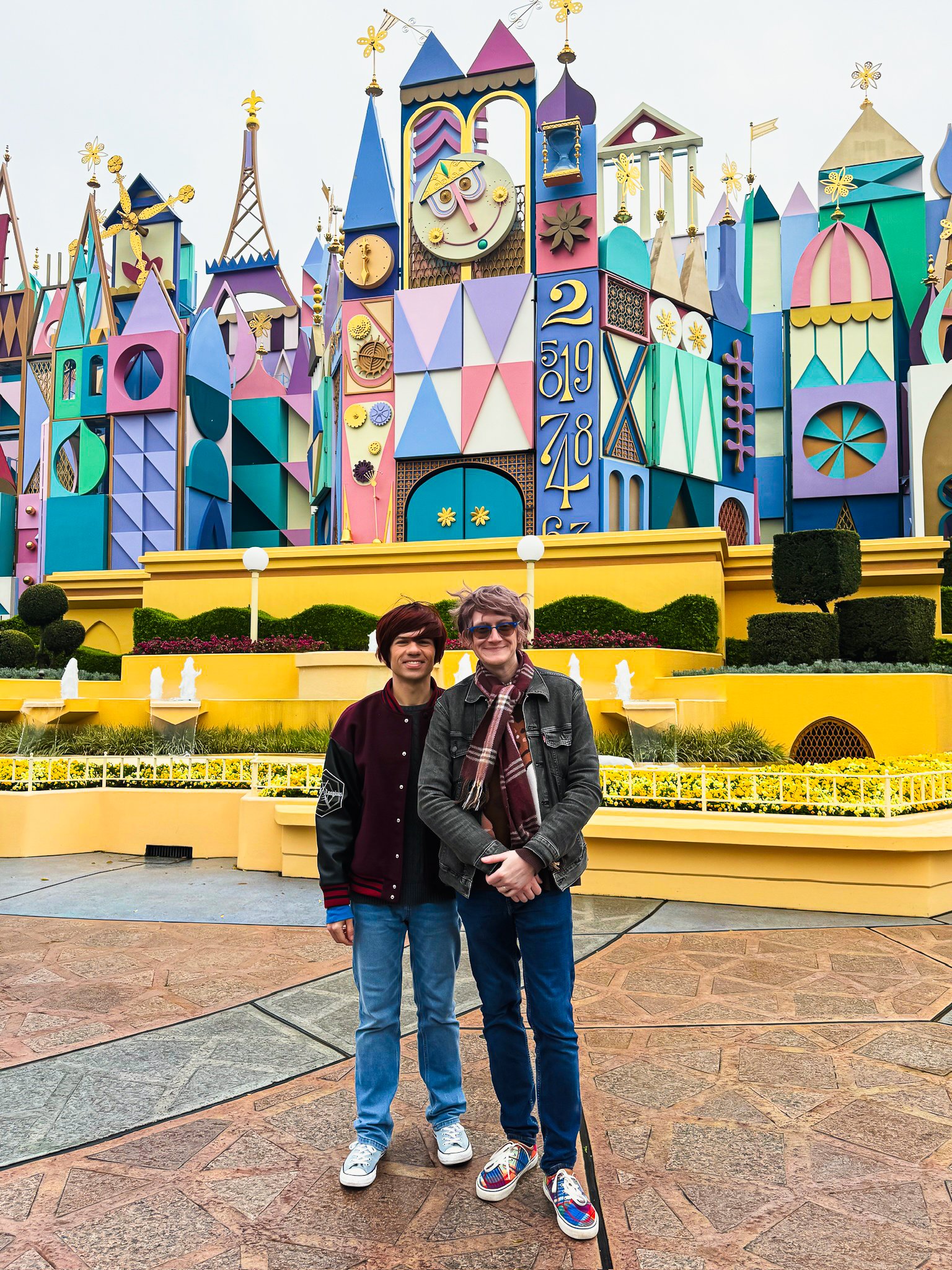
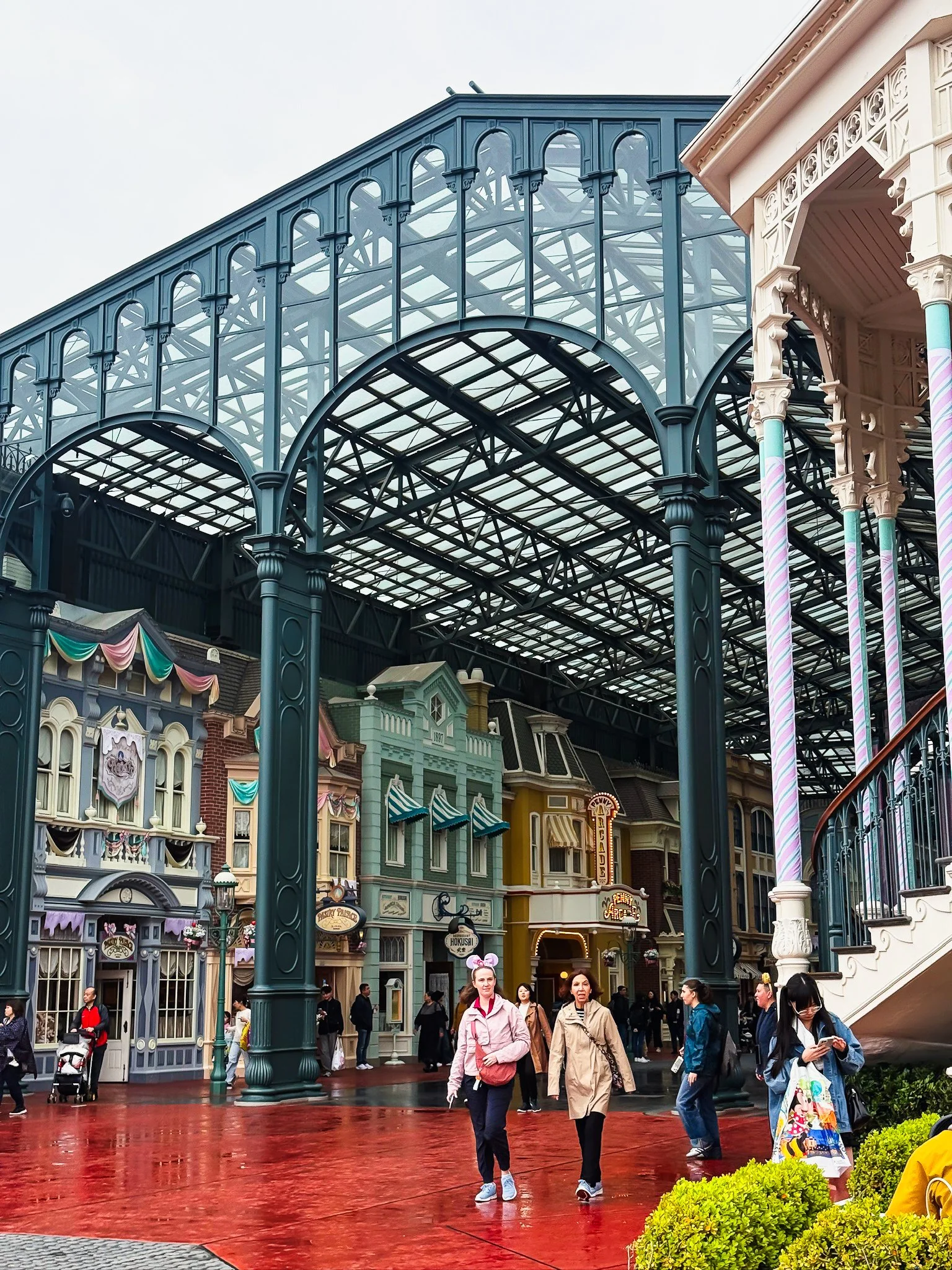
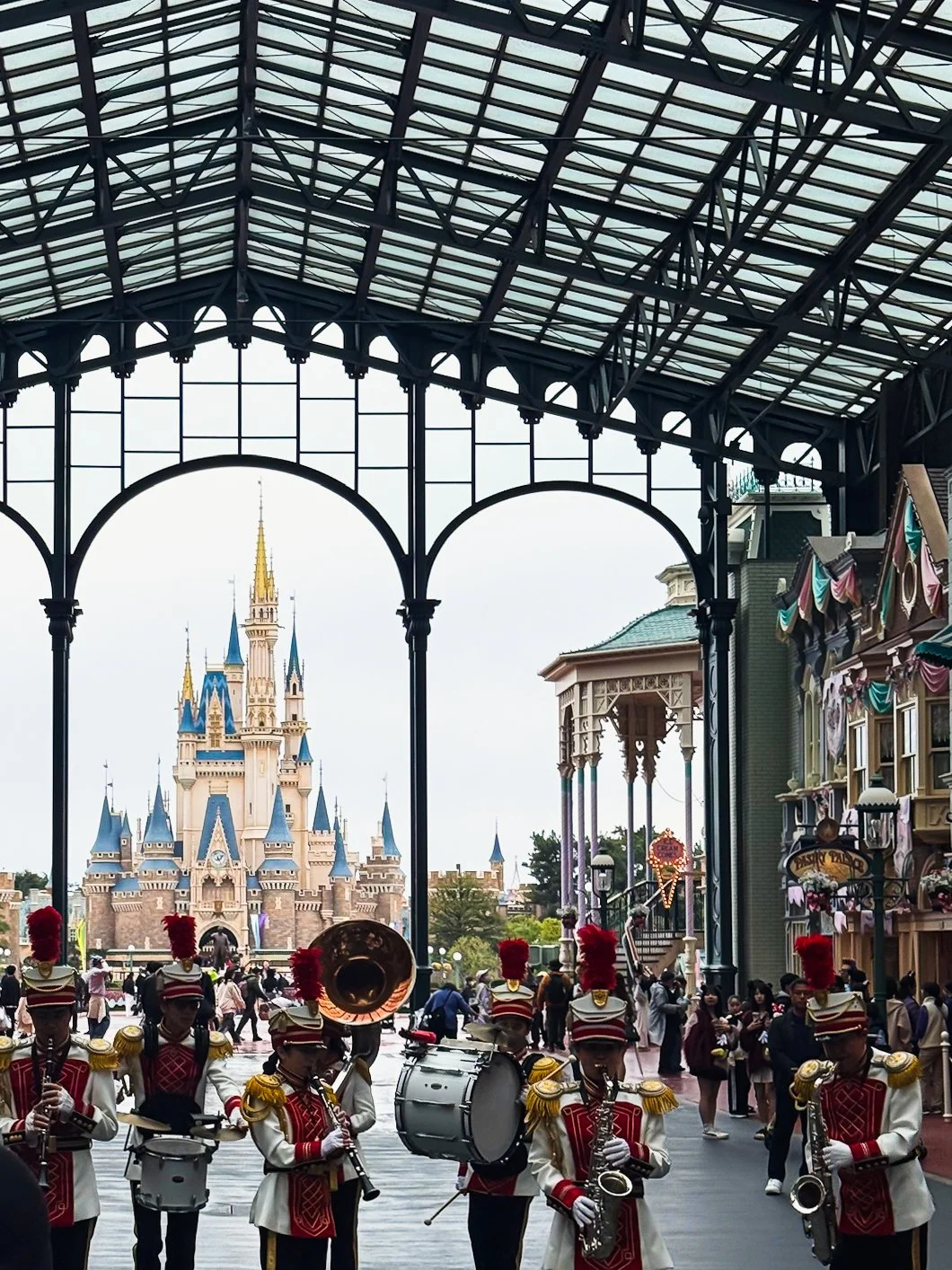
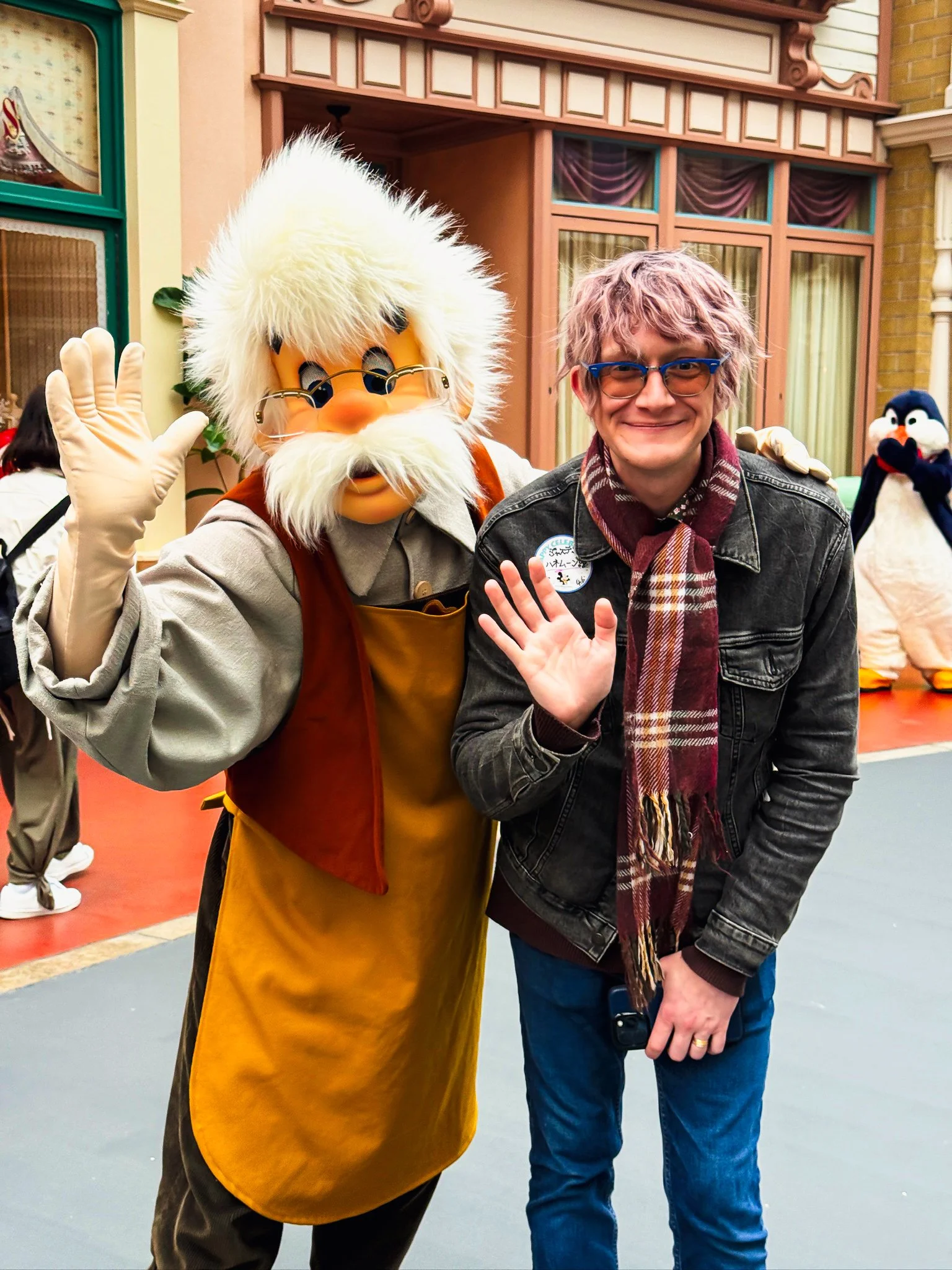
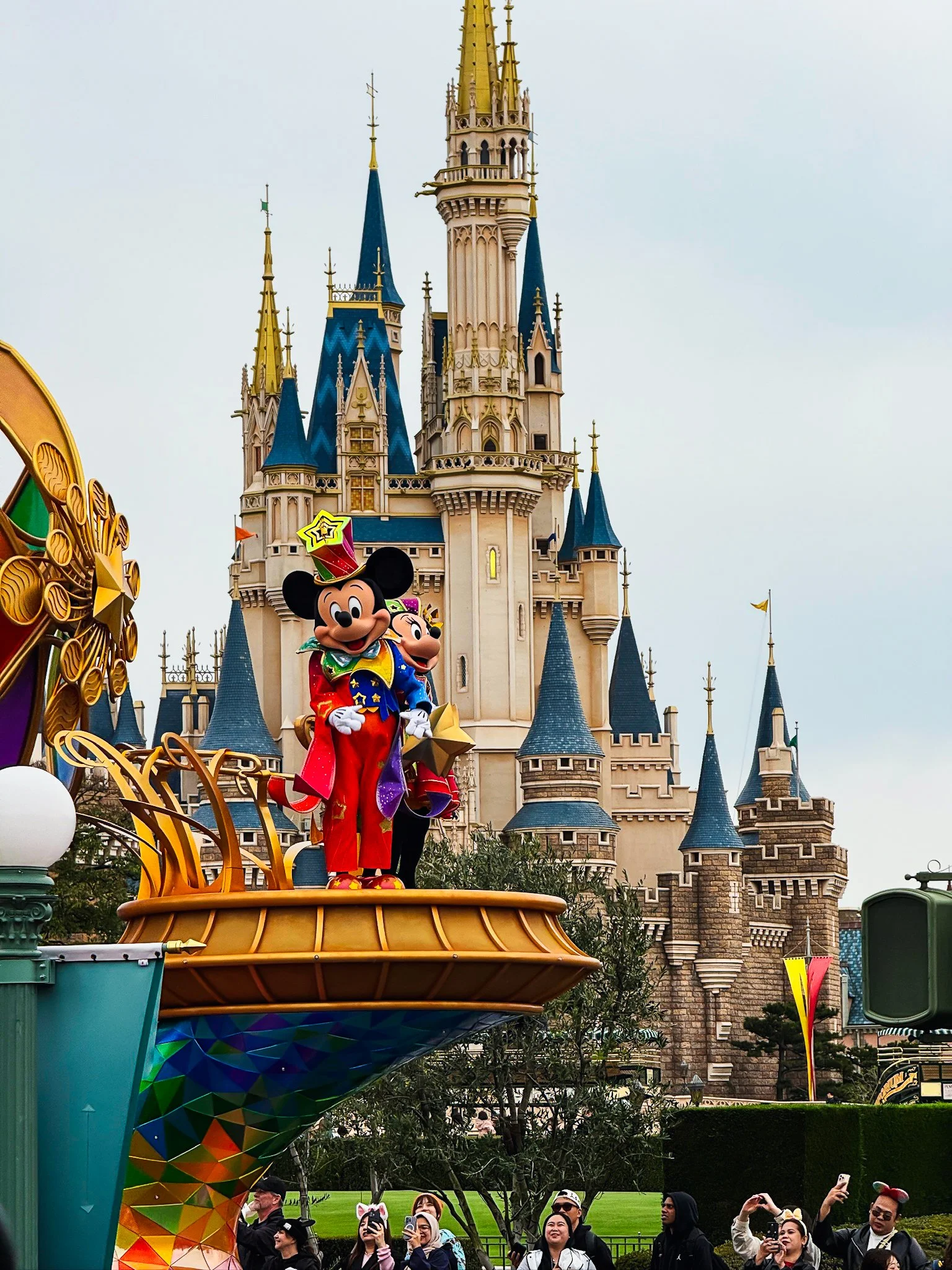
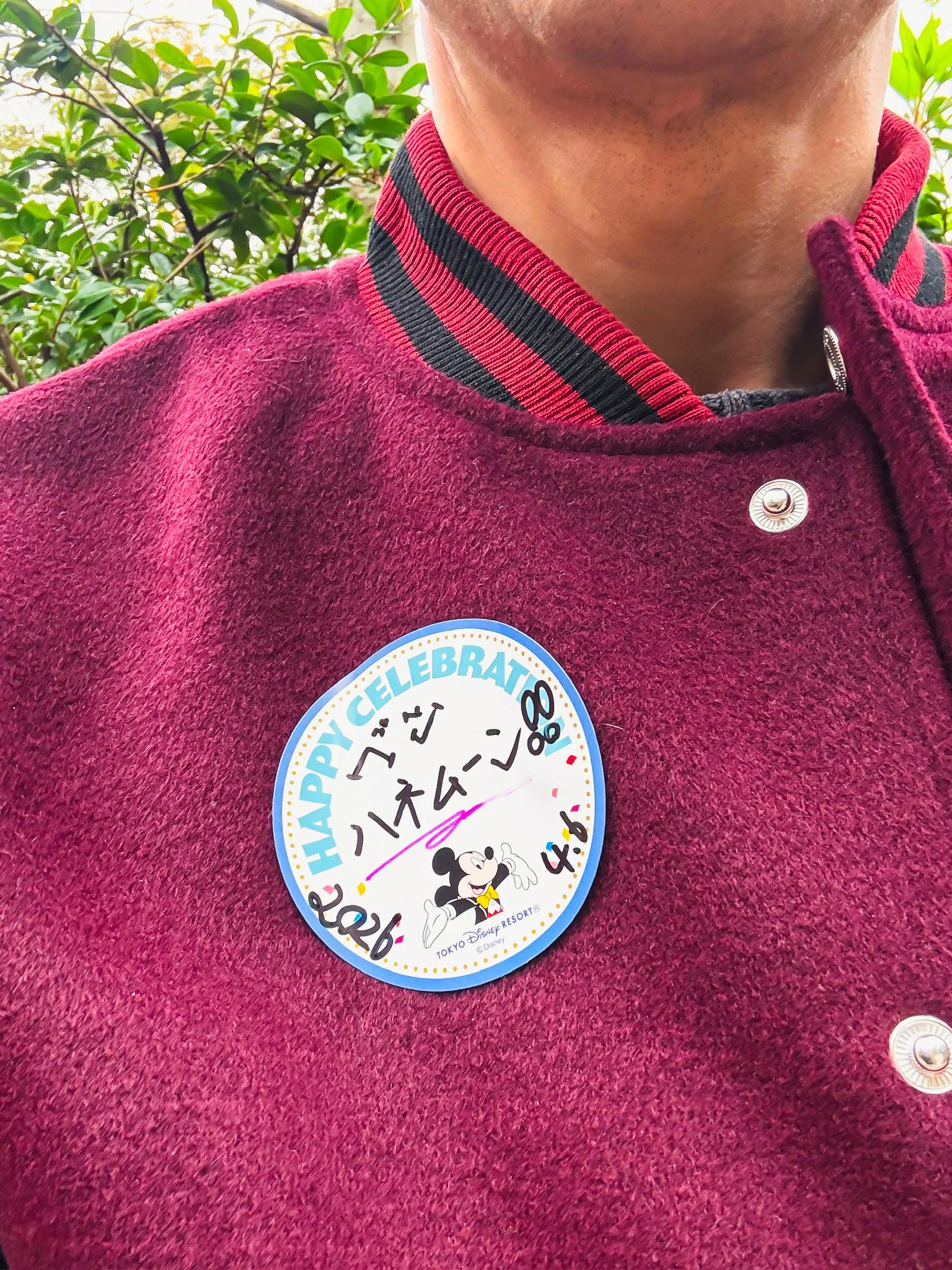
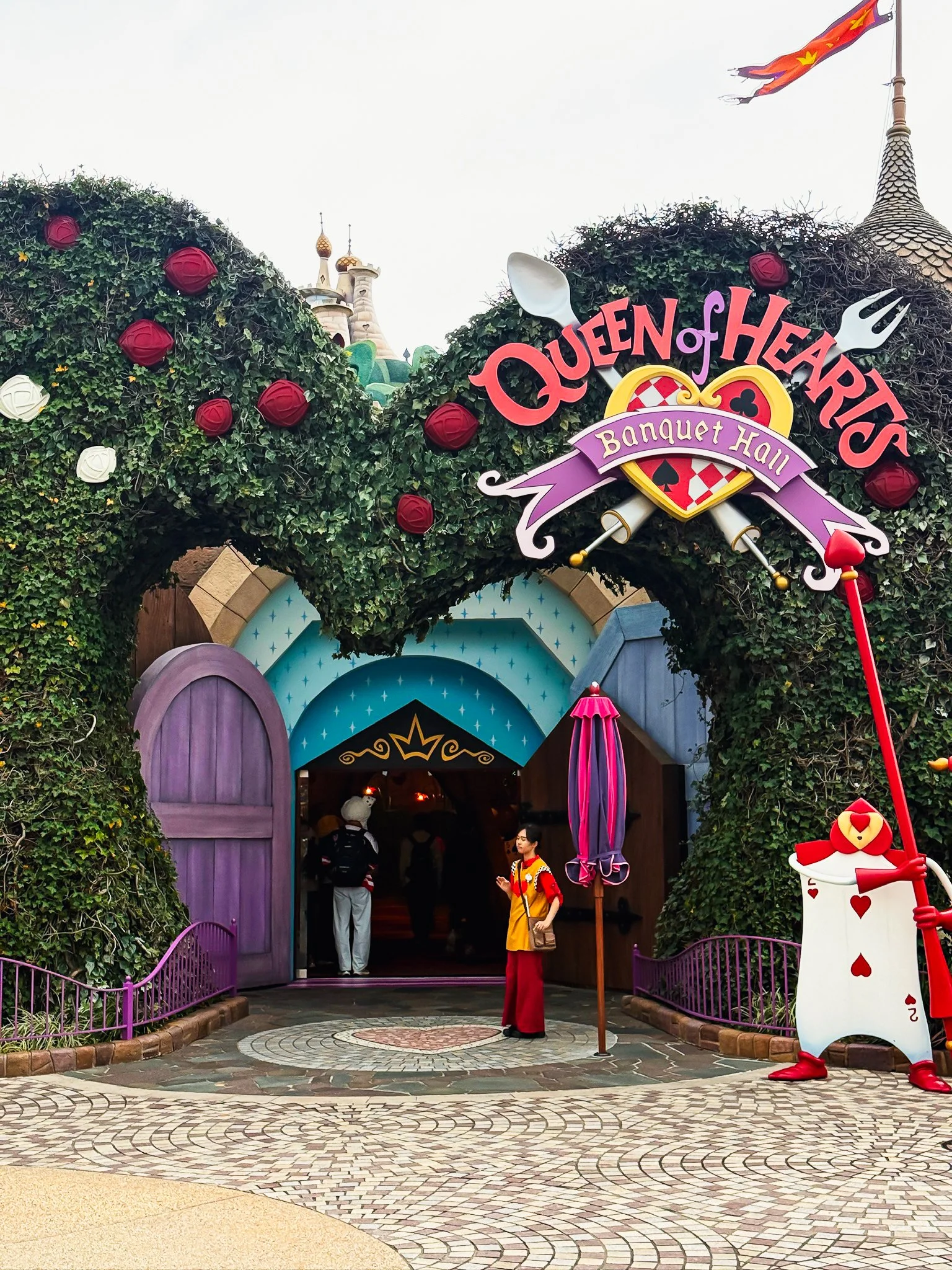
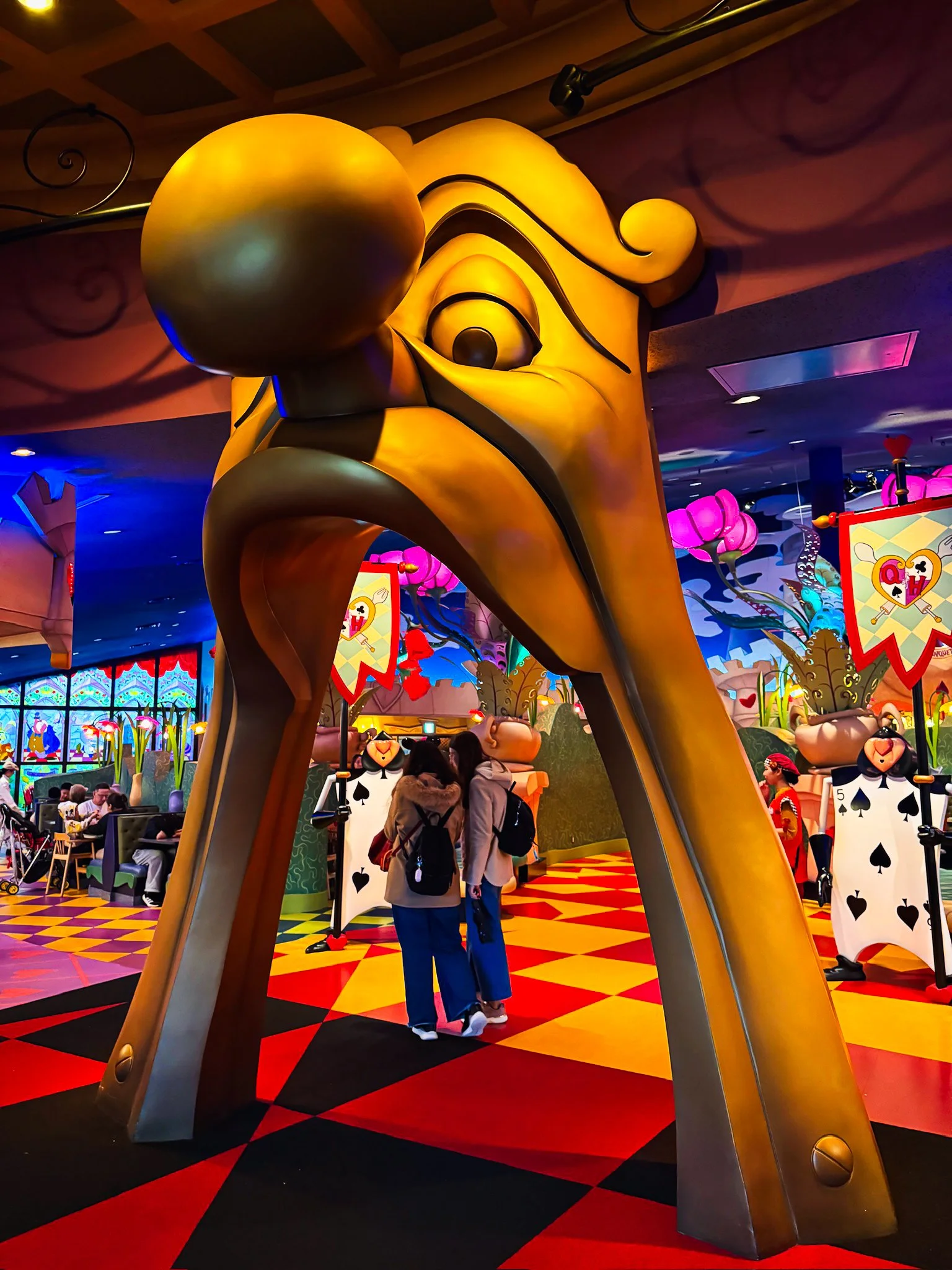
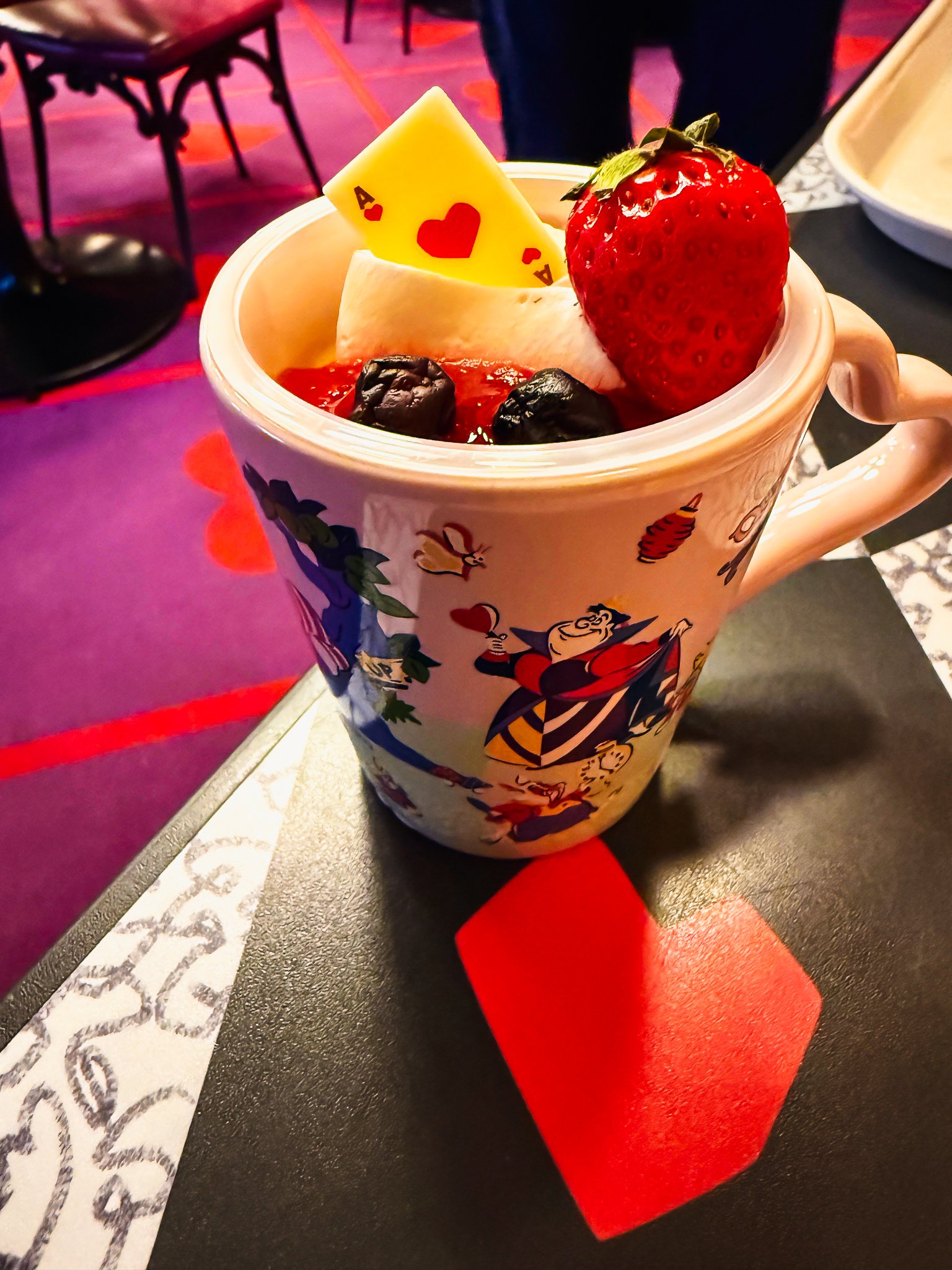
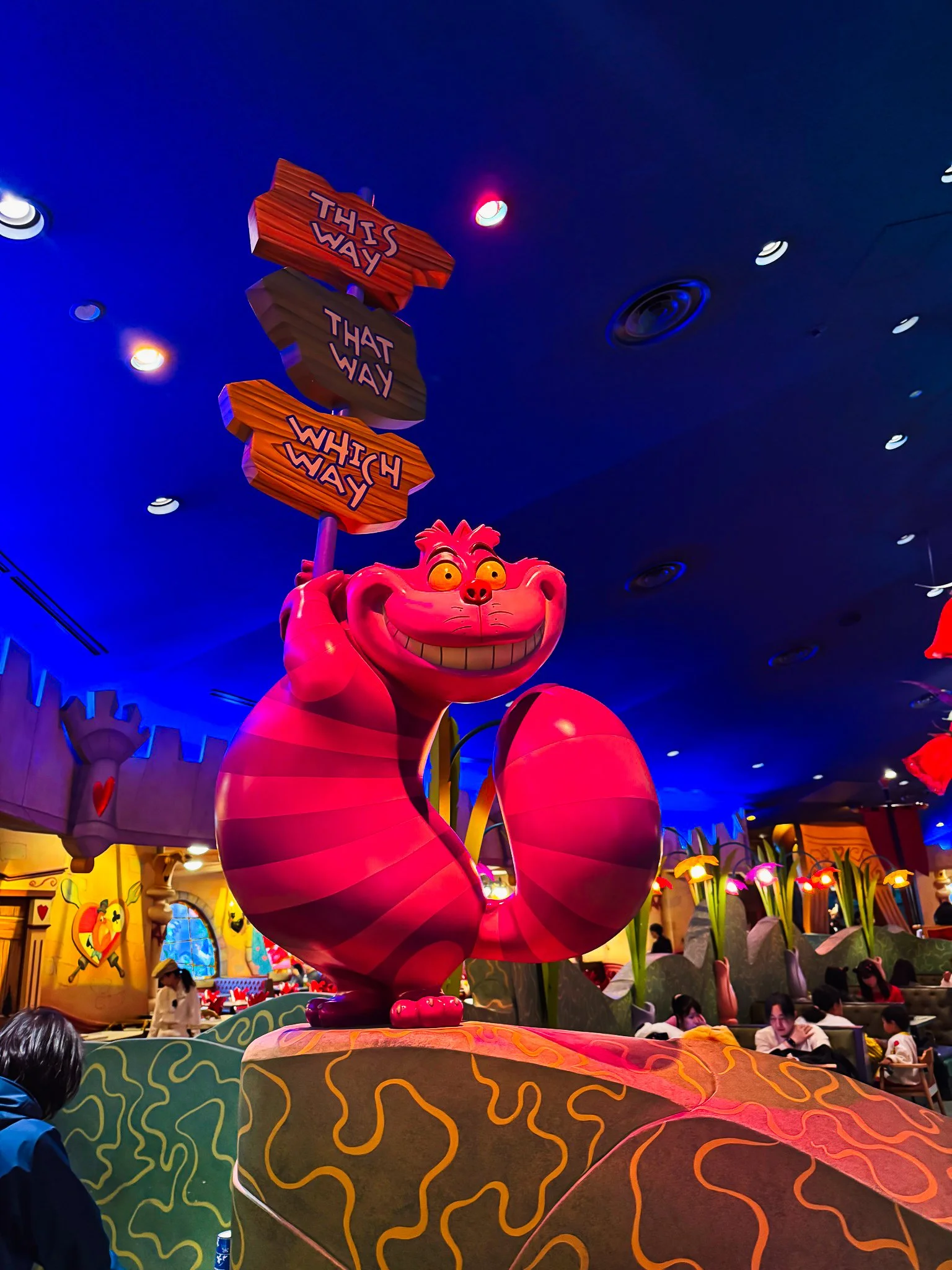
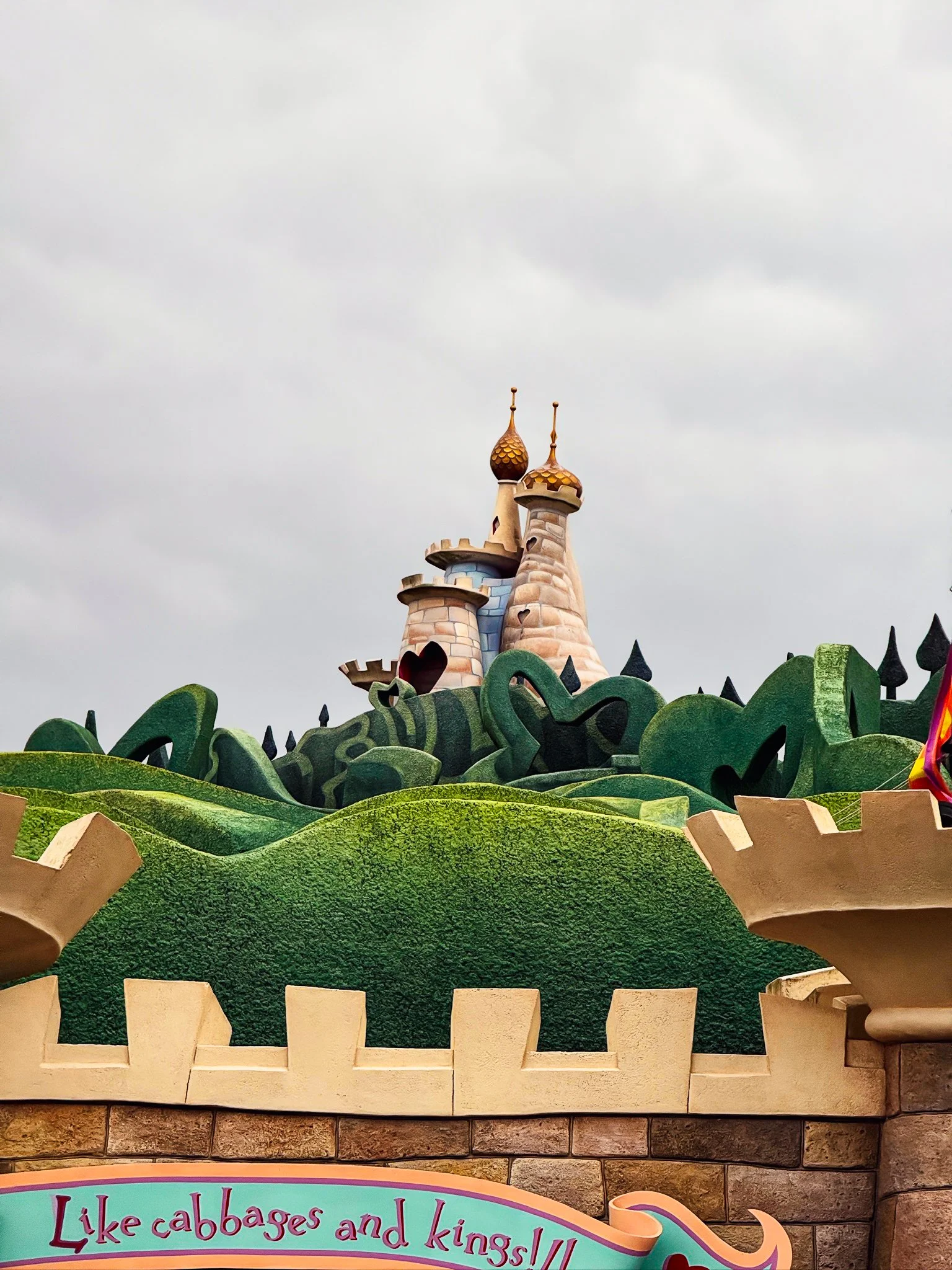
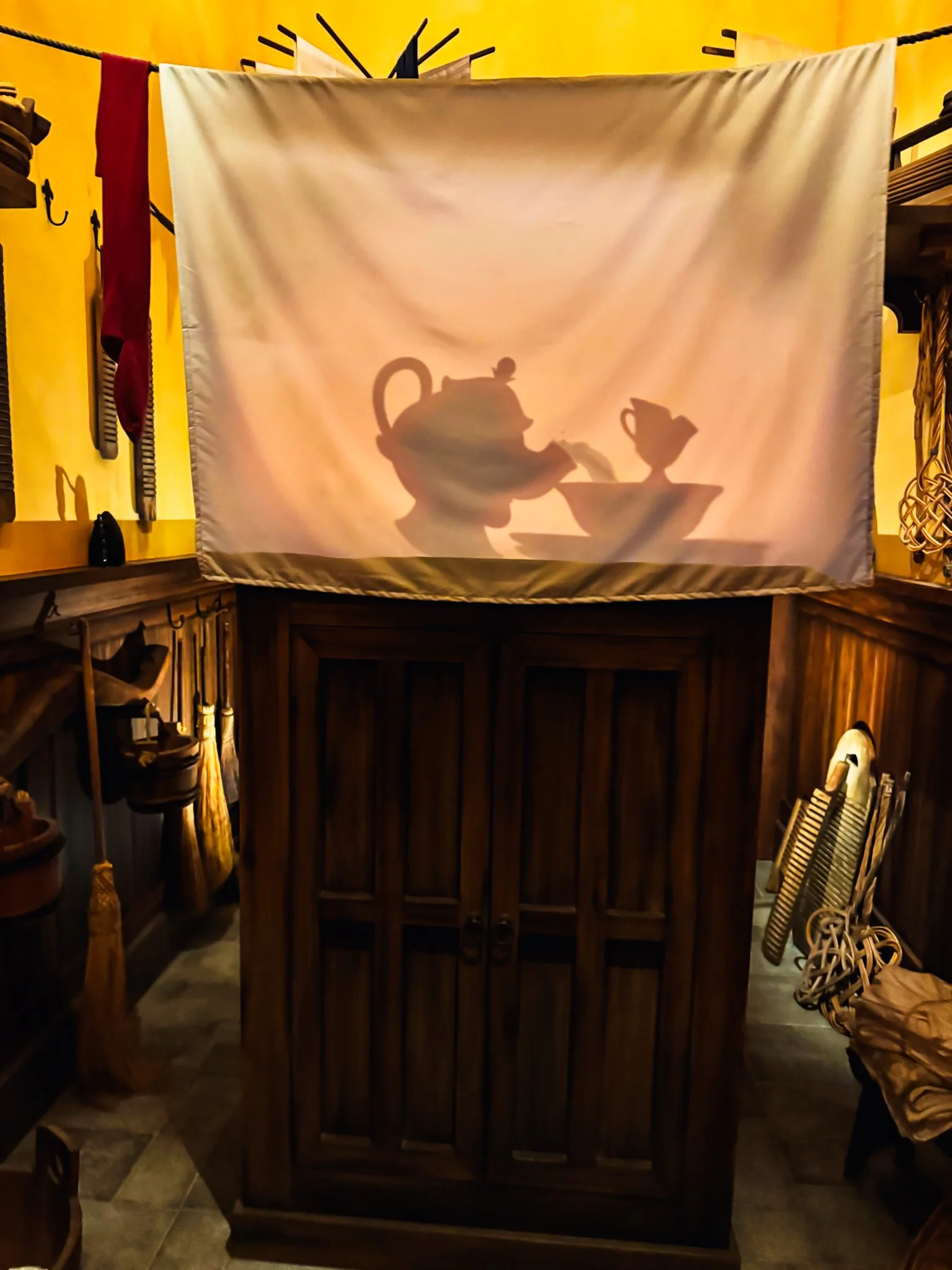
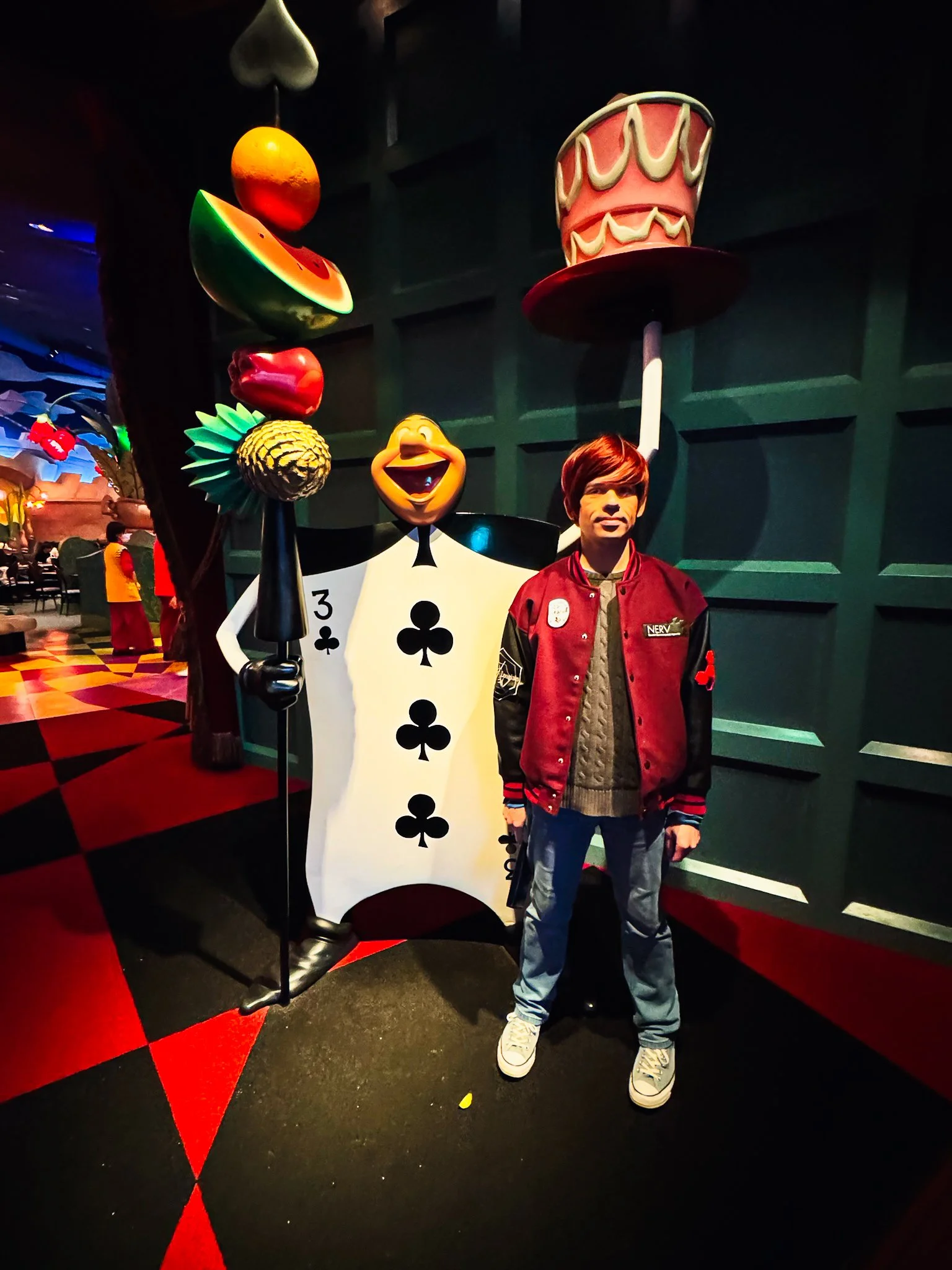
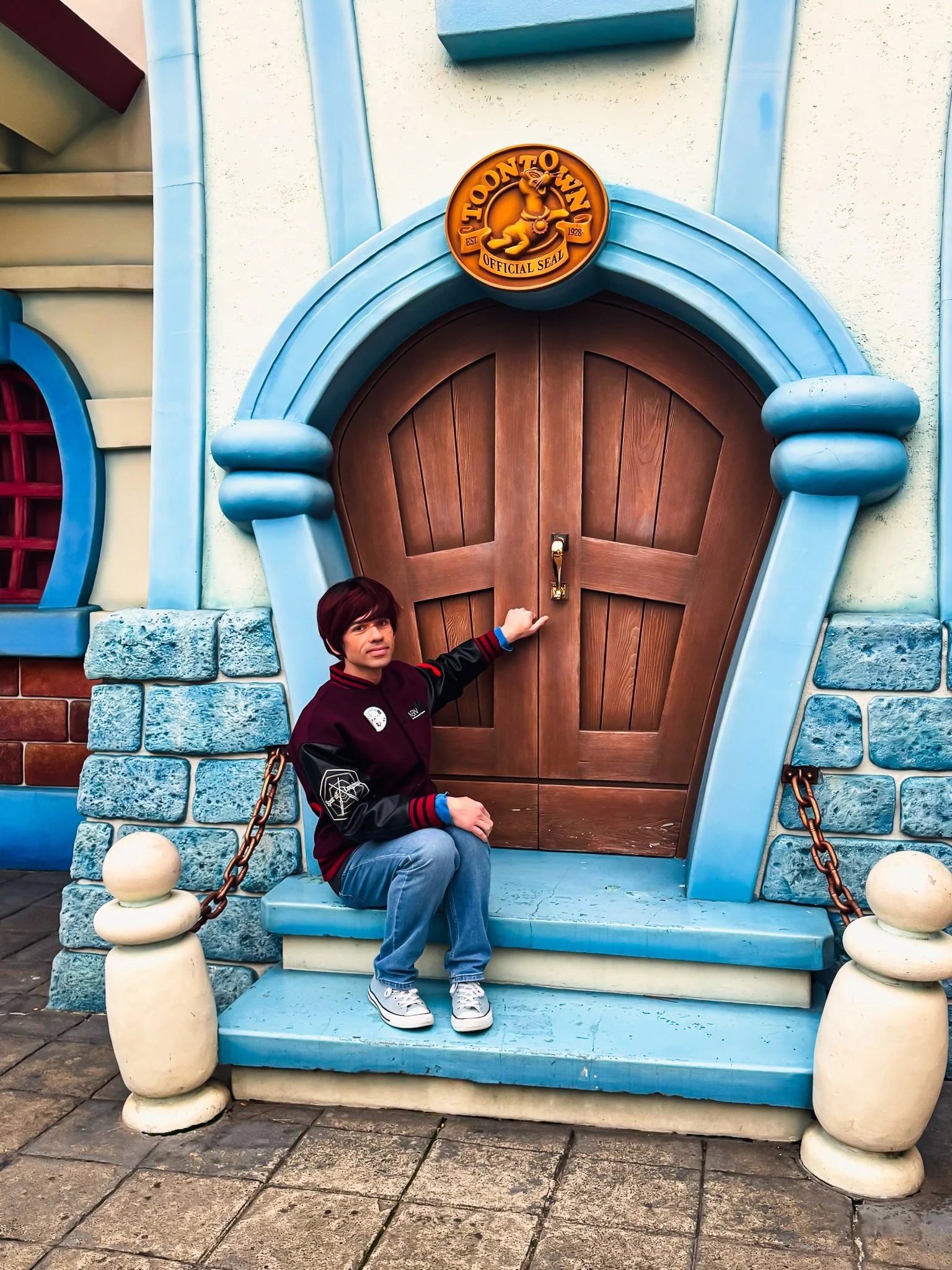
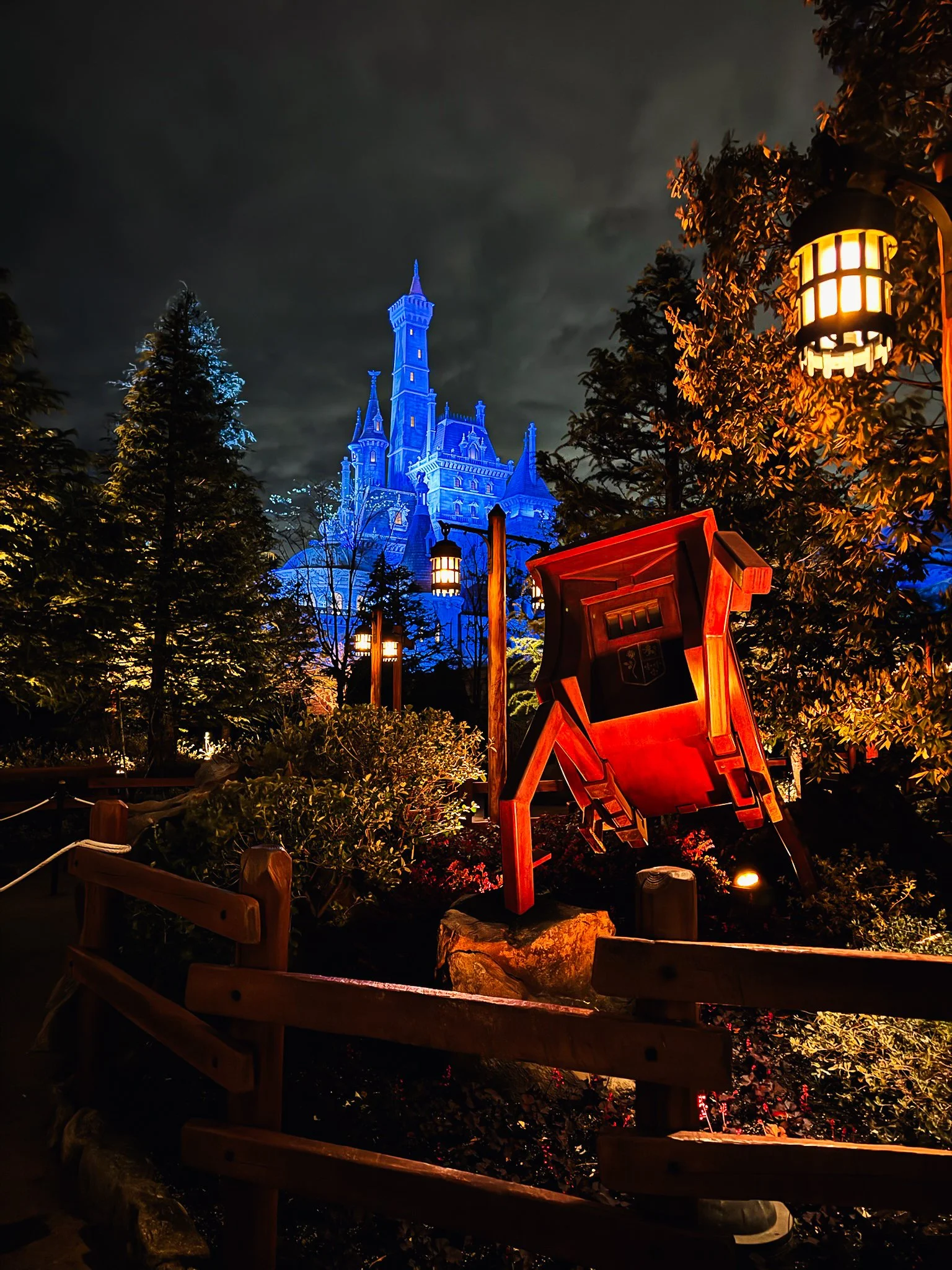
We spent the whole day at Tokyo Disneyland, and I was blown away by how much more “magical” it was than the Florida version of Magic Kingdom. Everything was held to a higher standard, and the whole experience felt a lot more relaxed. Cast members were noticeably held to higher expectations. They were insanely nice, constantly smiling and waving. The lines were more organized, and even with crowds it all felt totally manageable. It reminded me a lot more of going to Disney as a kid in the 90s, where things were less chaotic and you could actually sit down on a bench and take in the park. They had a great mix of older rides that no longer exist in Florida, like Snow White’s Scary Adventures (which I had forgotten just how dark and grim it was… it really lives up to its name), and newer rides that don’t exist in the other parks. The best part was the entire Beauty and the Beast area. They recreated the town leading up to the Beast’s castle, and the ride itself was one of the best I’ve ever been on. The animatronics and the trackless ride system were on another level. Since it’s one of my favorites, I also loved that the area around the teacups was expanded into a more fully themed Alice in Wonderland section with the Queen of Hearts Banquet Hall. The theming was so detailed that even the vending machines were disguised as giant teapots that released steam.
day 7 東京ディズニーシー
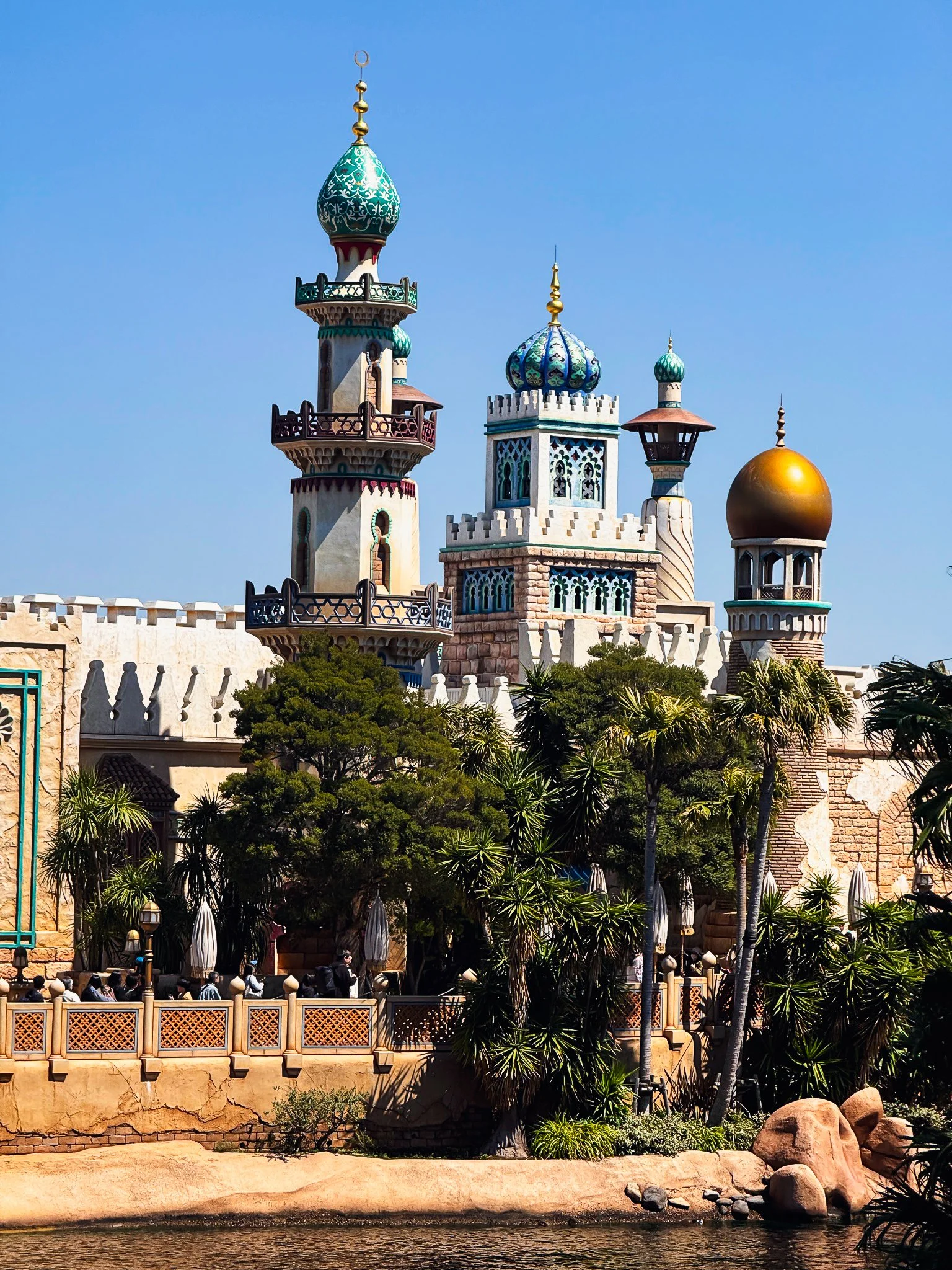
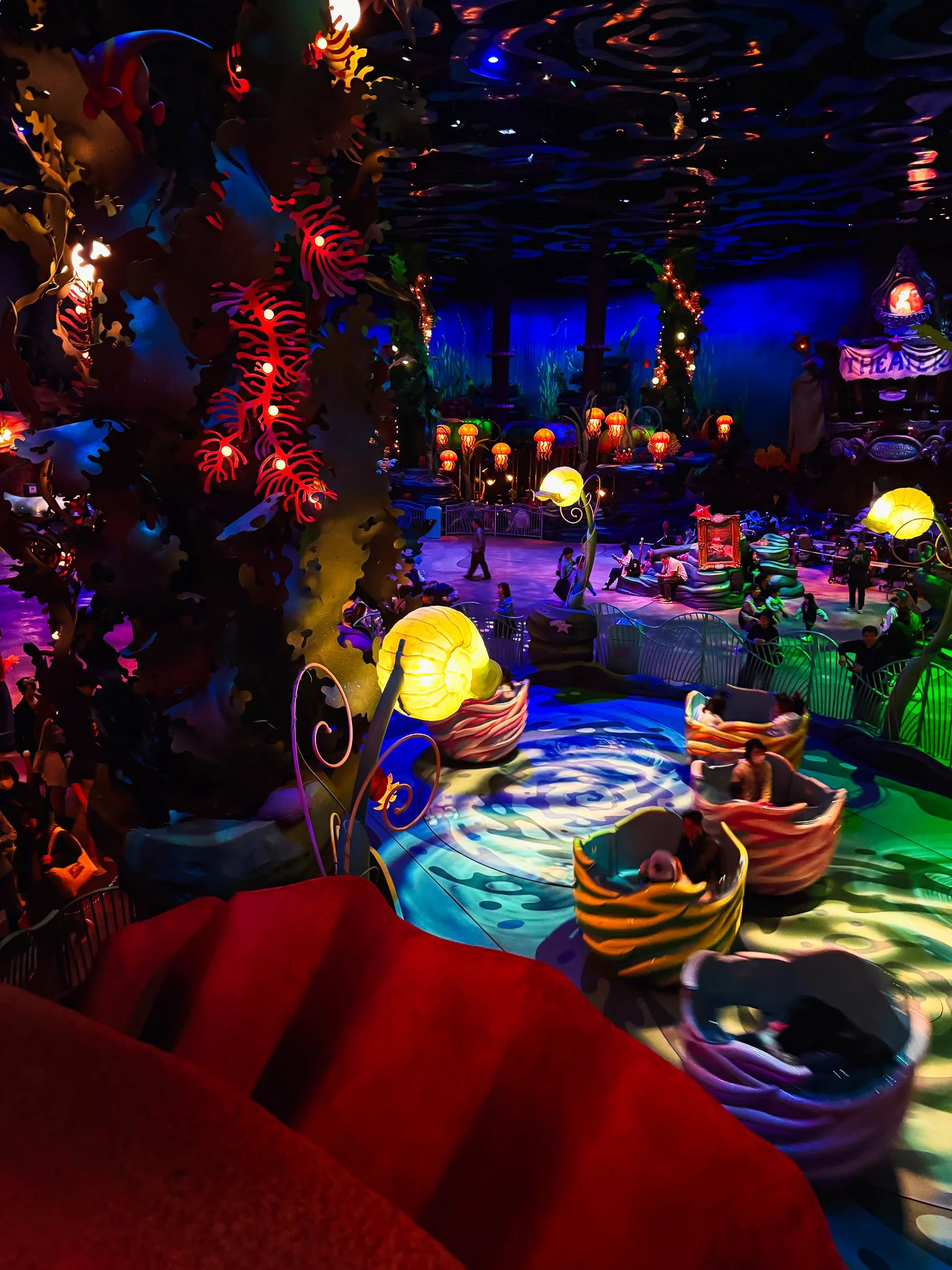
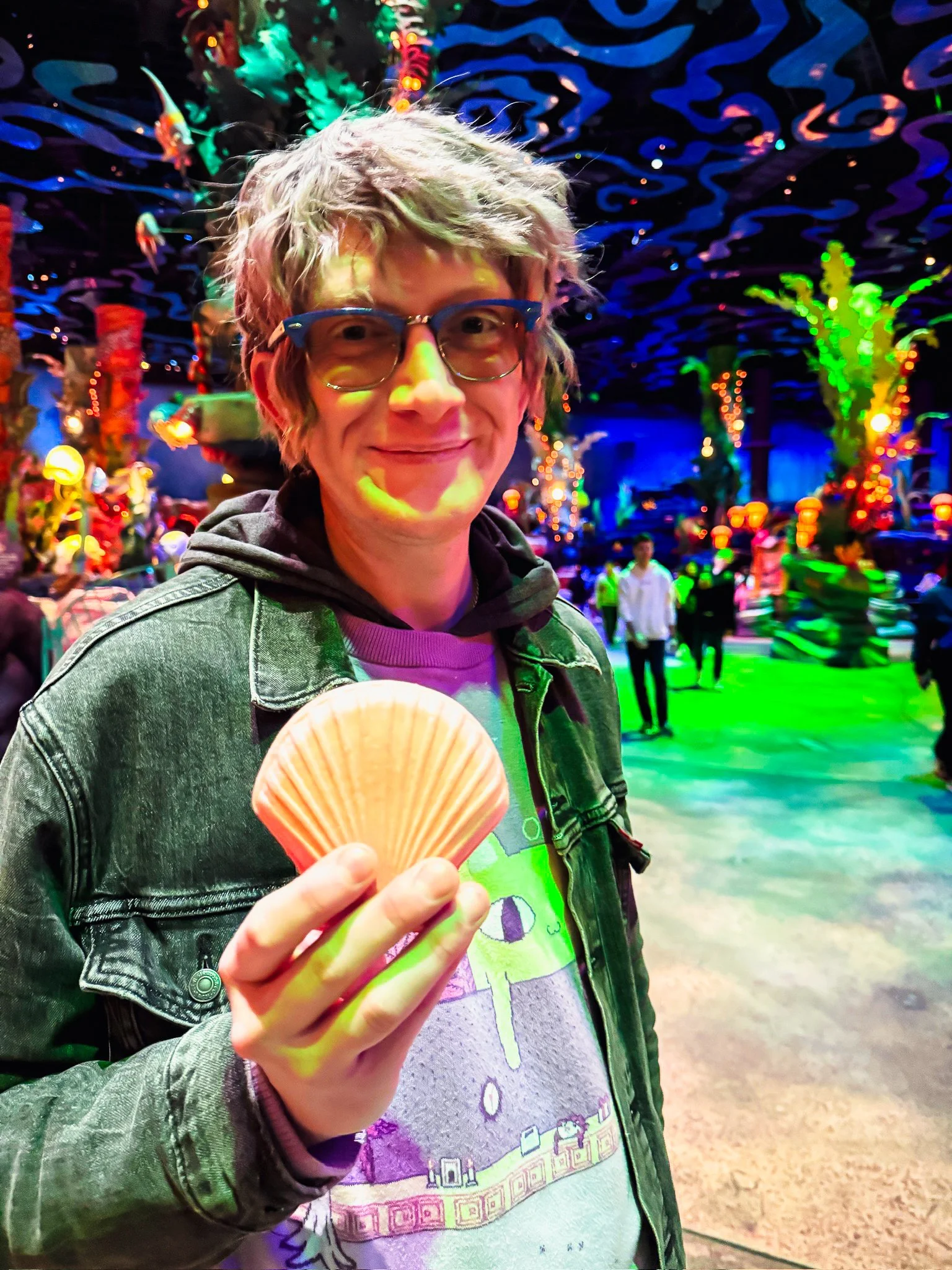
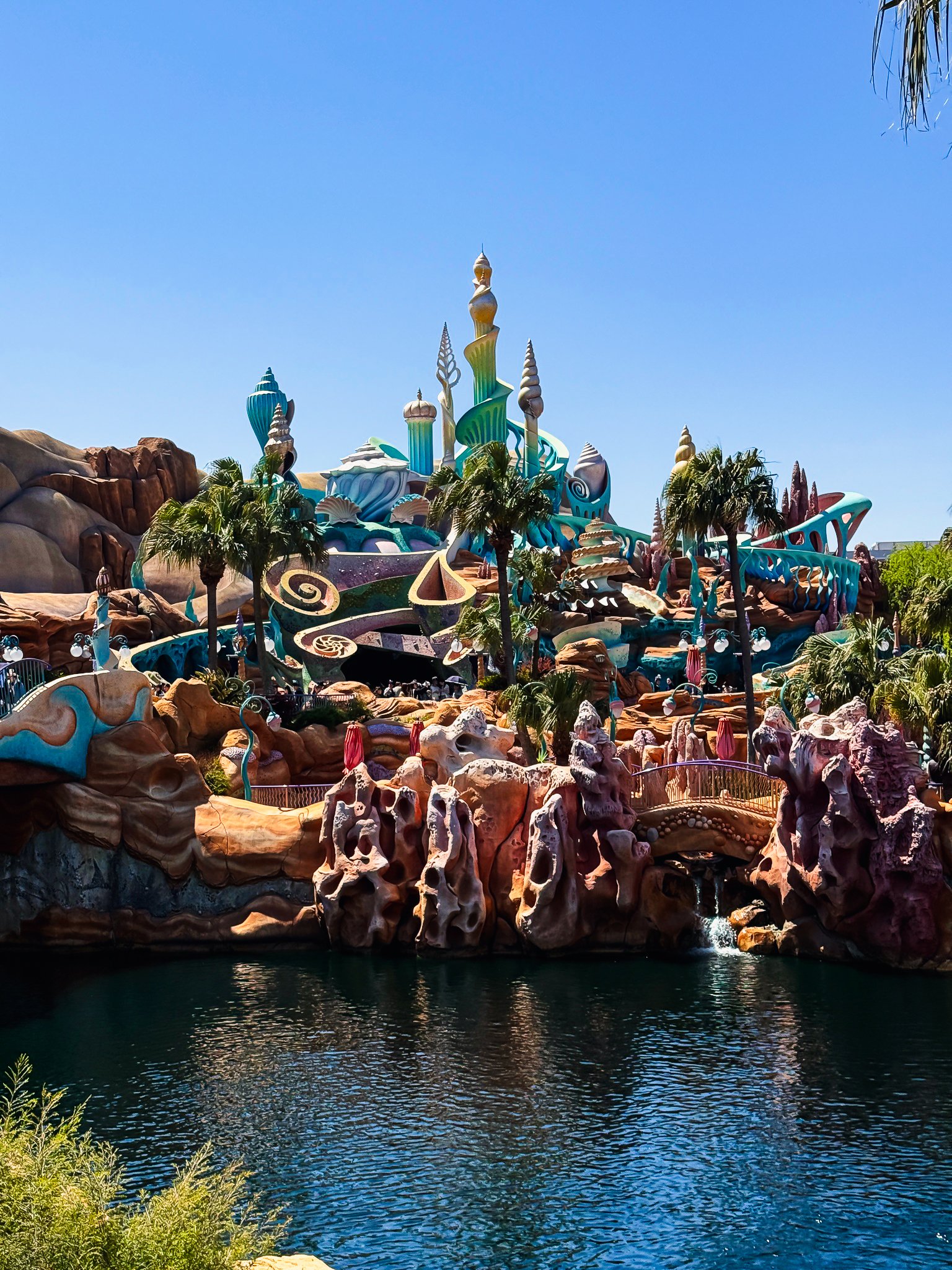
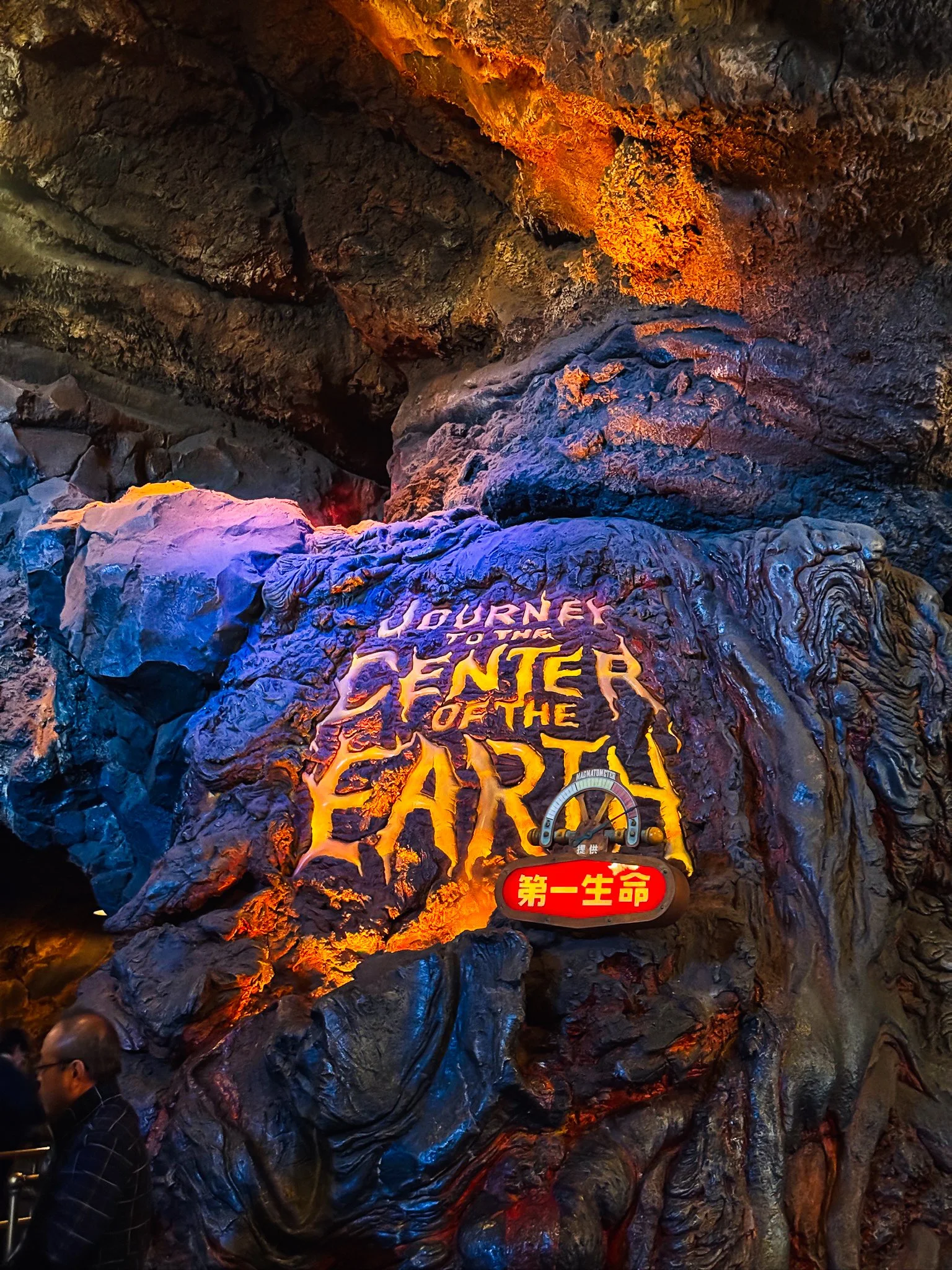
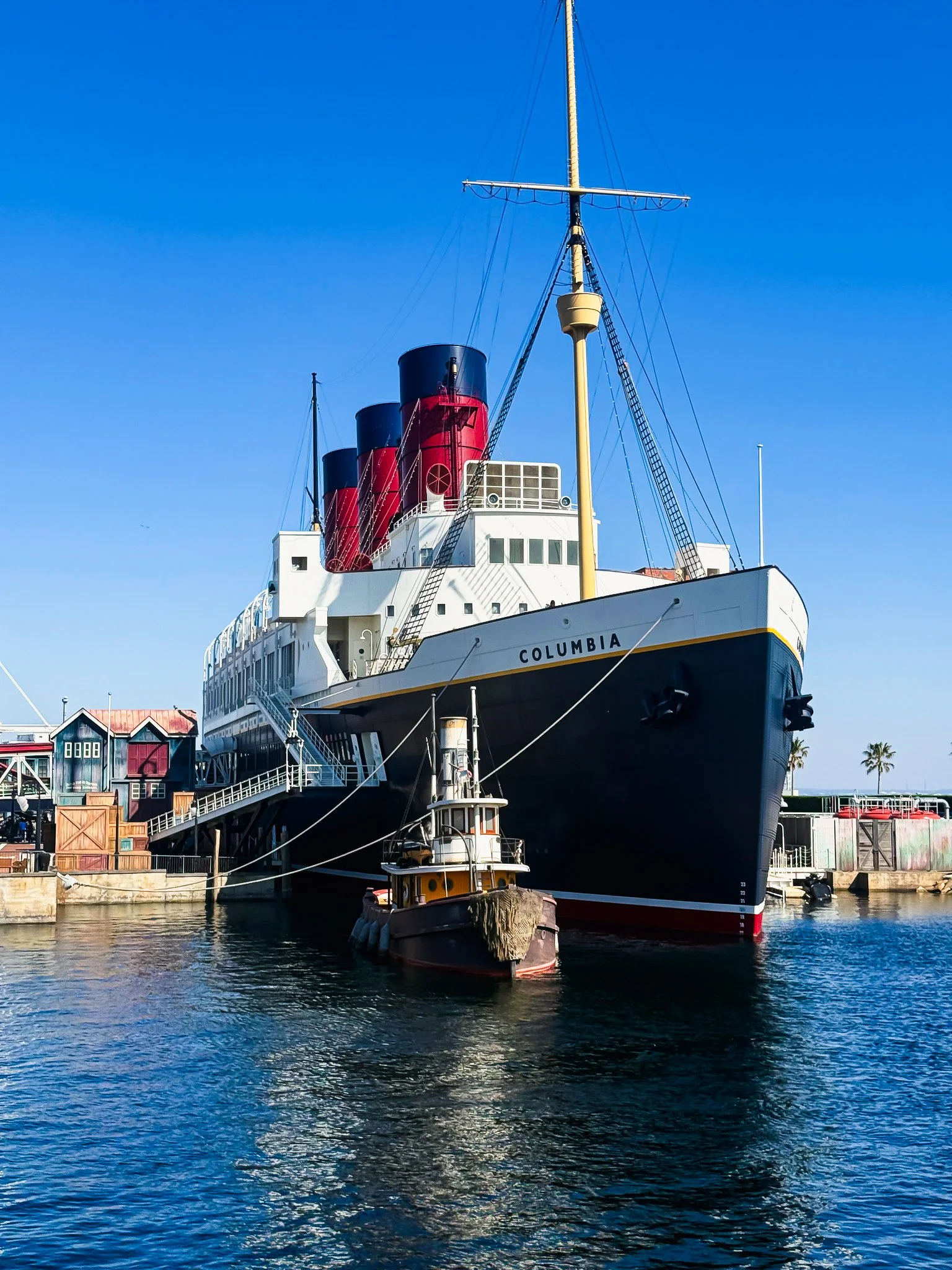
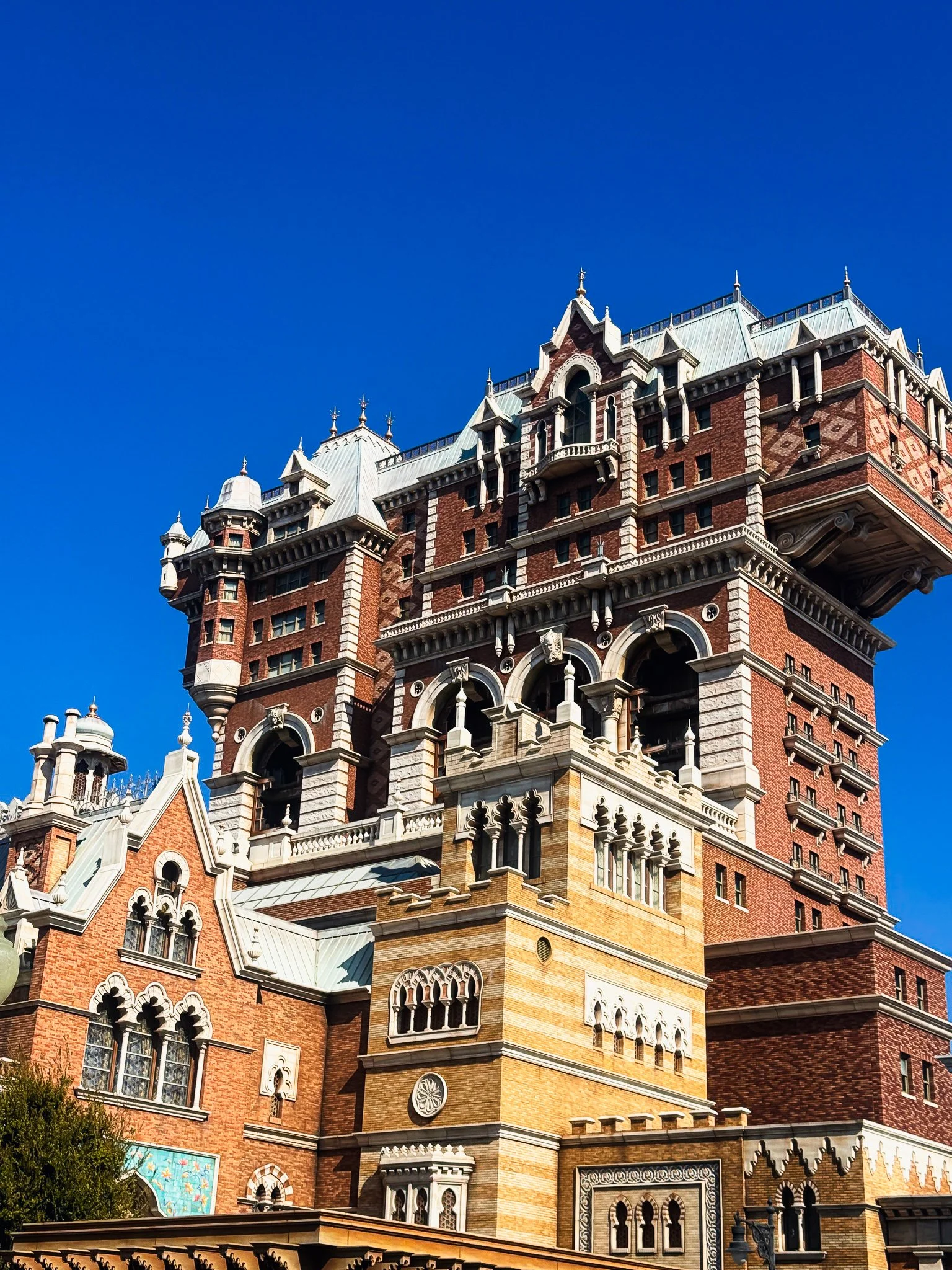
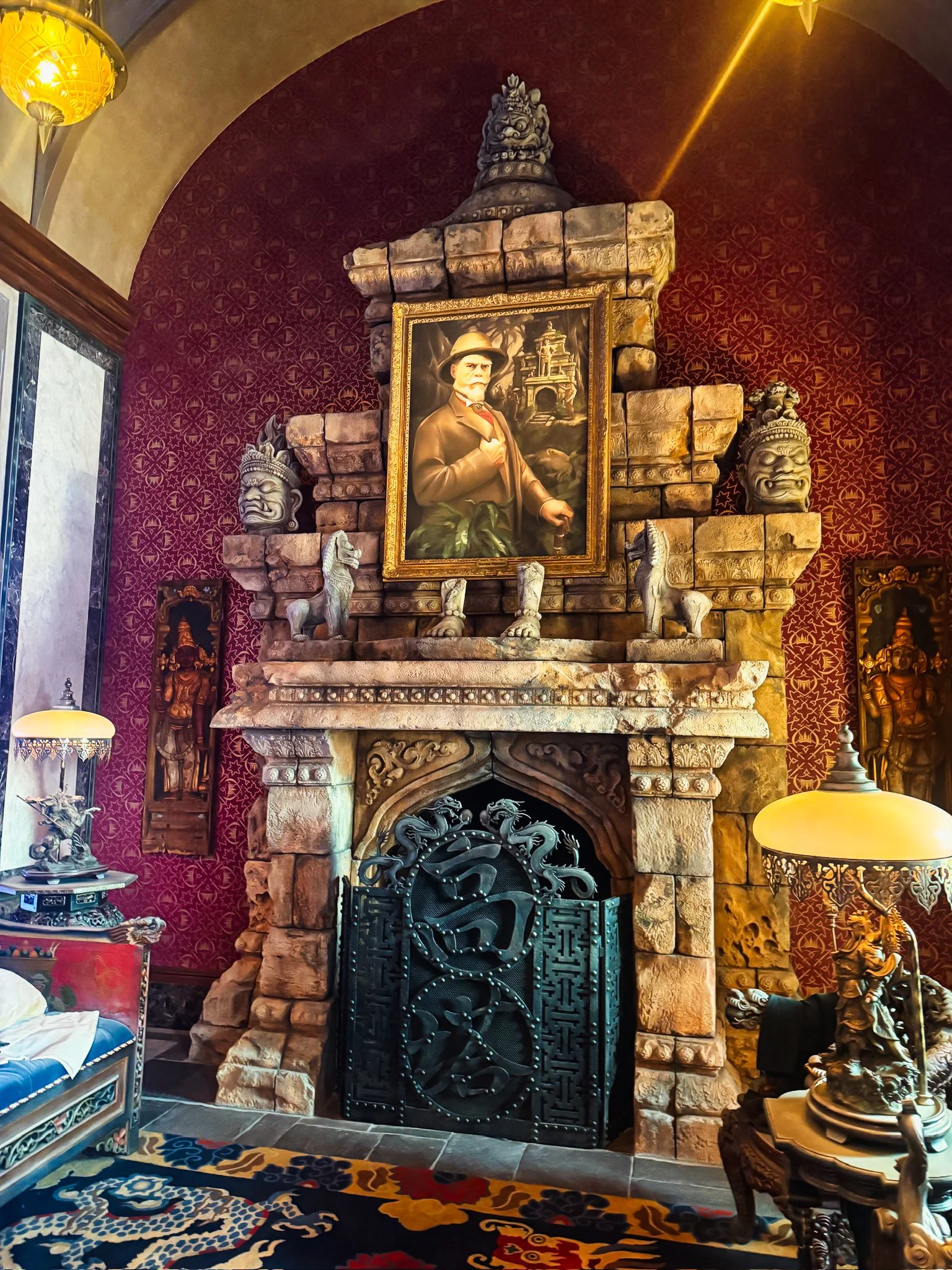
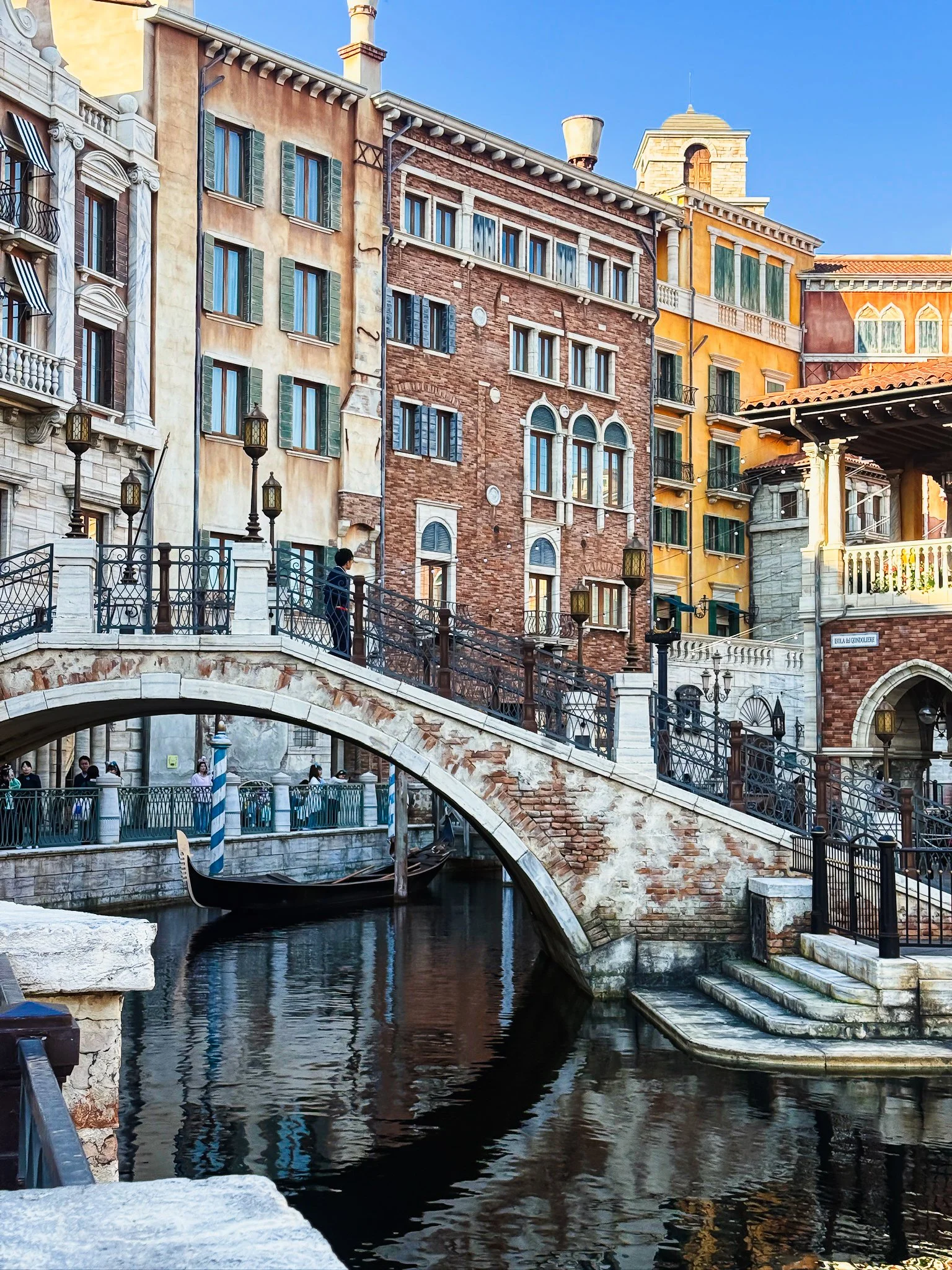
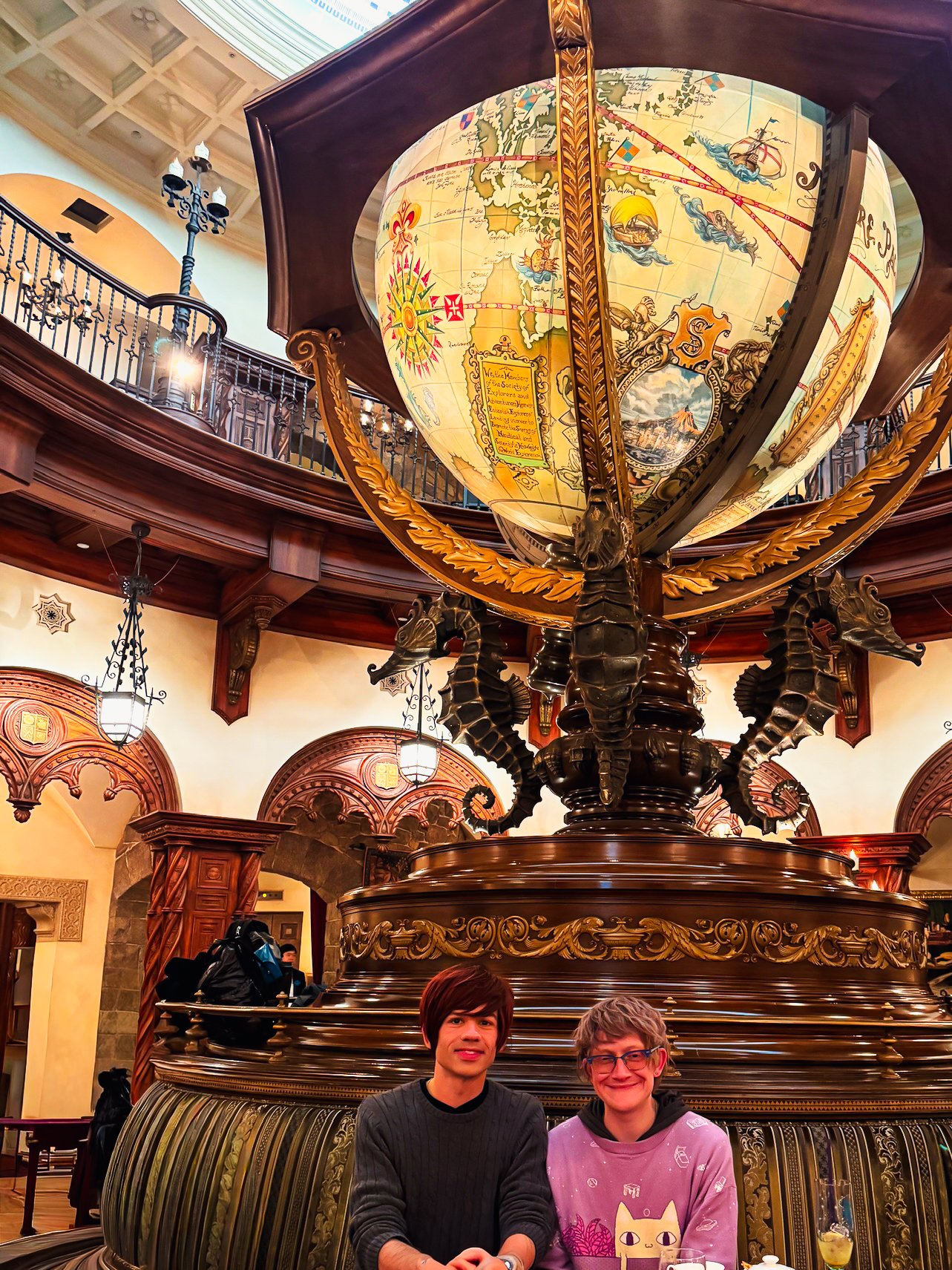
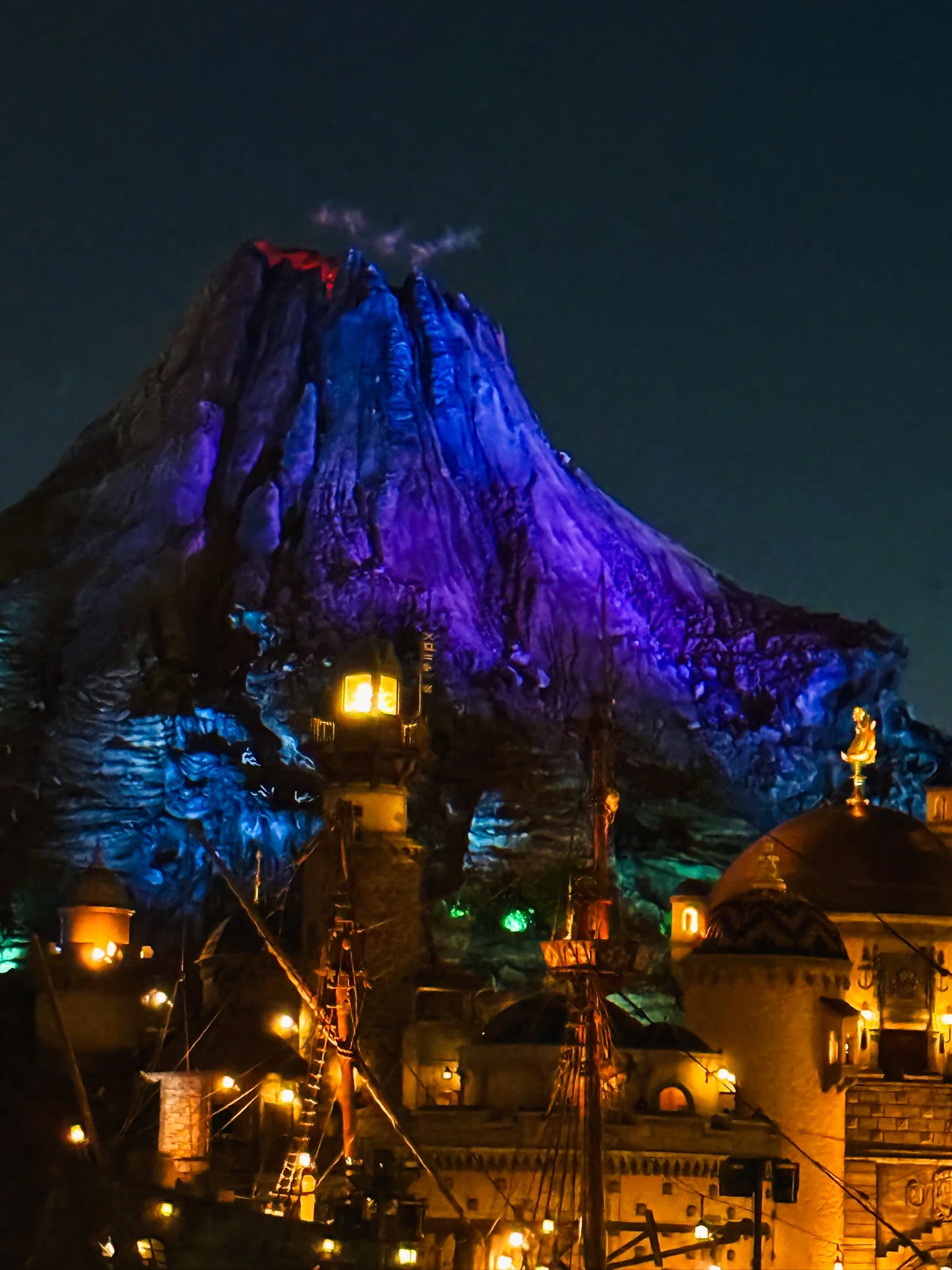
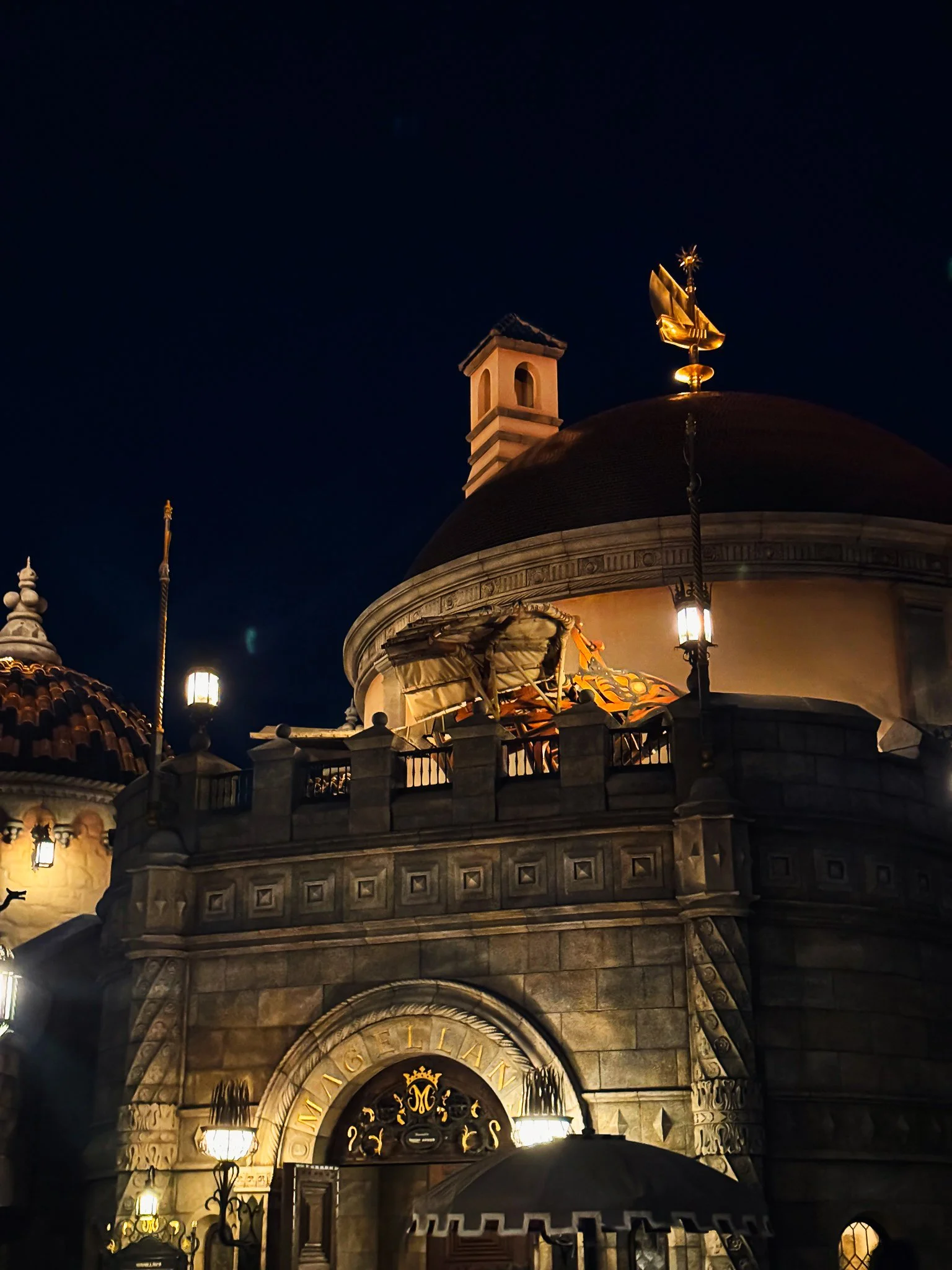
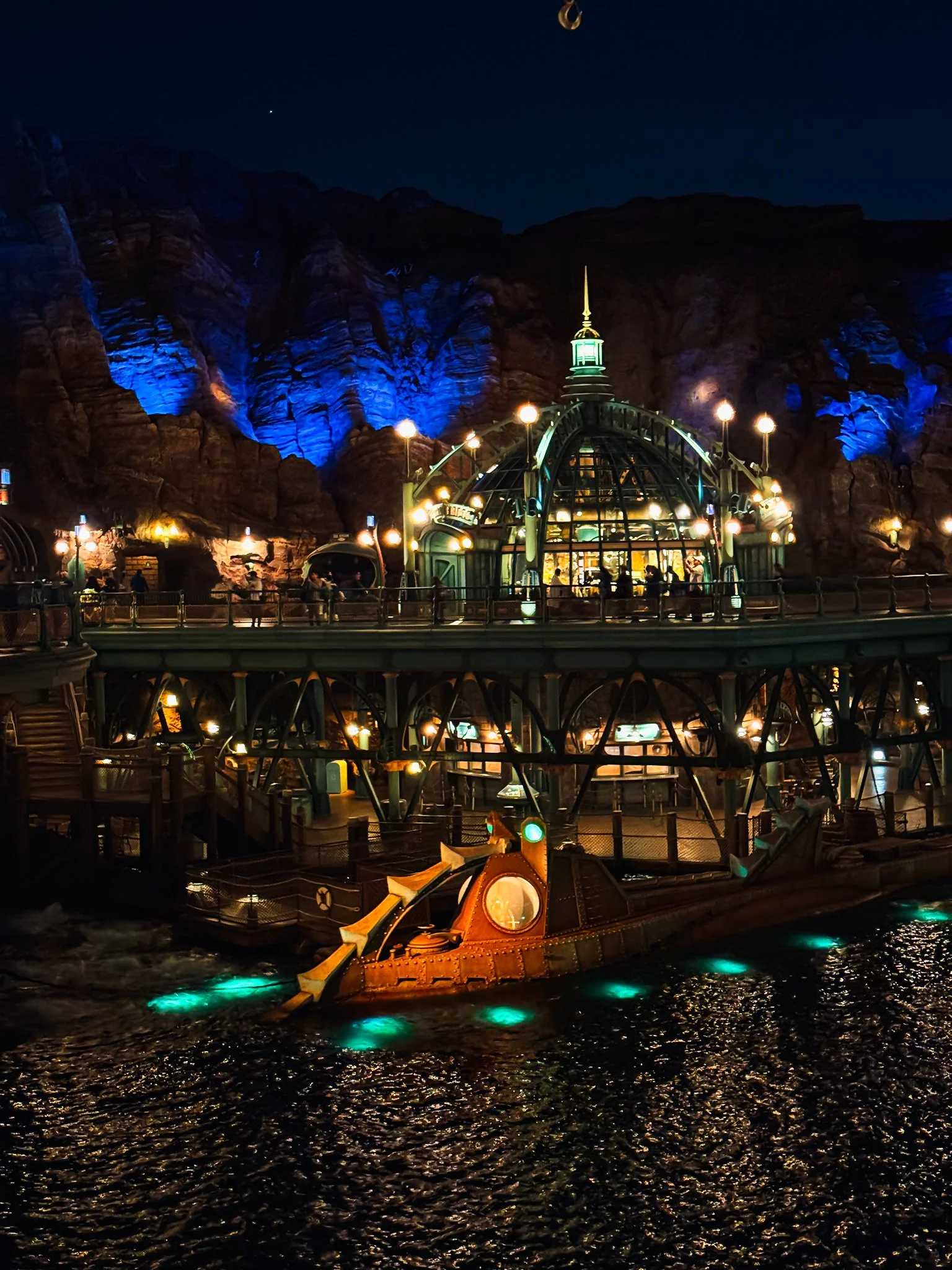
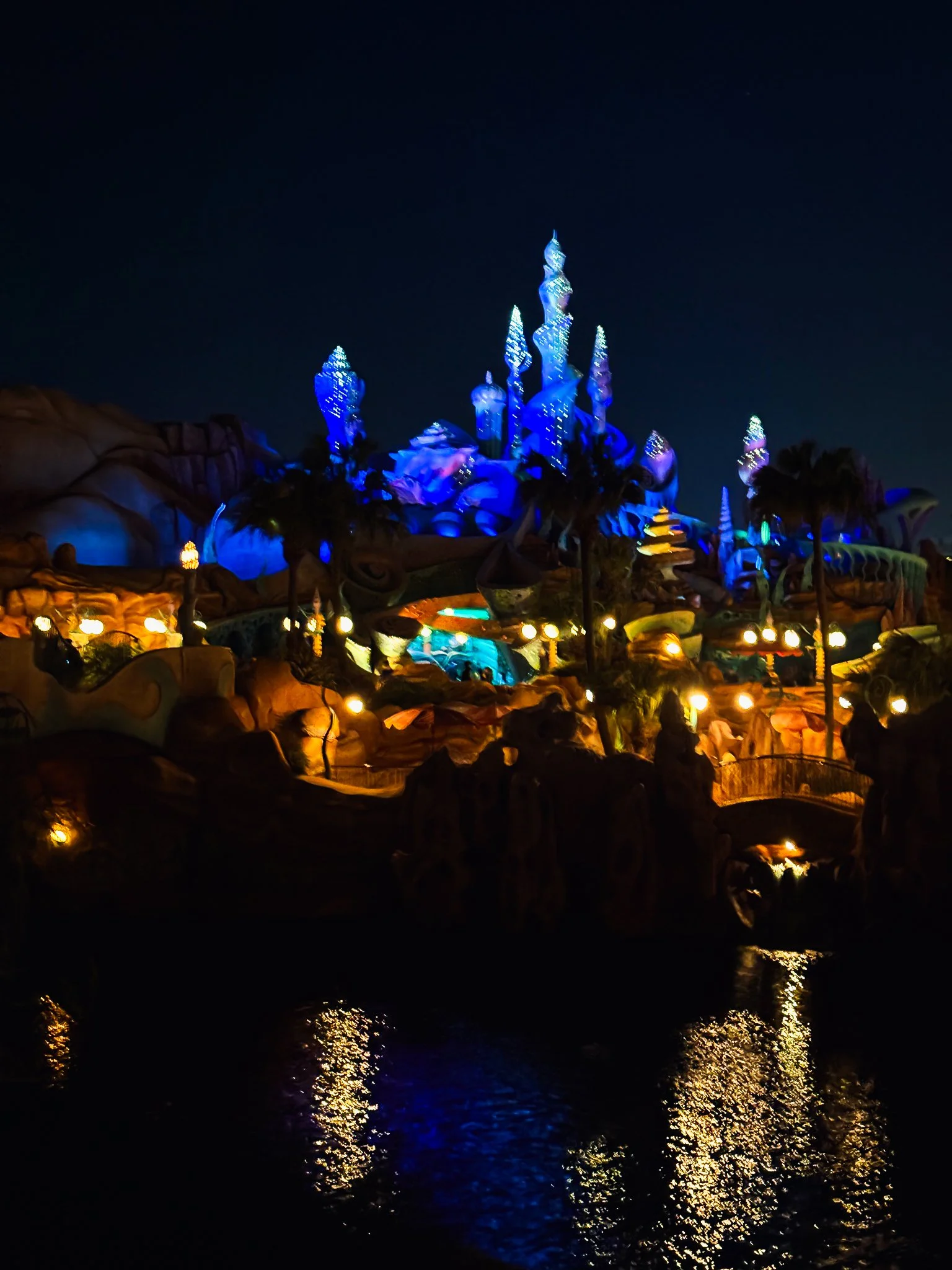
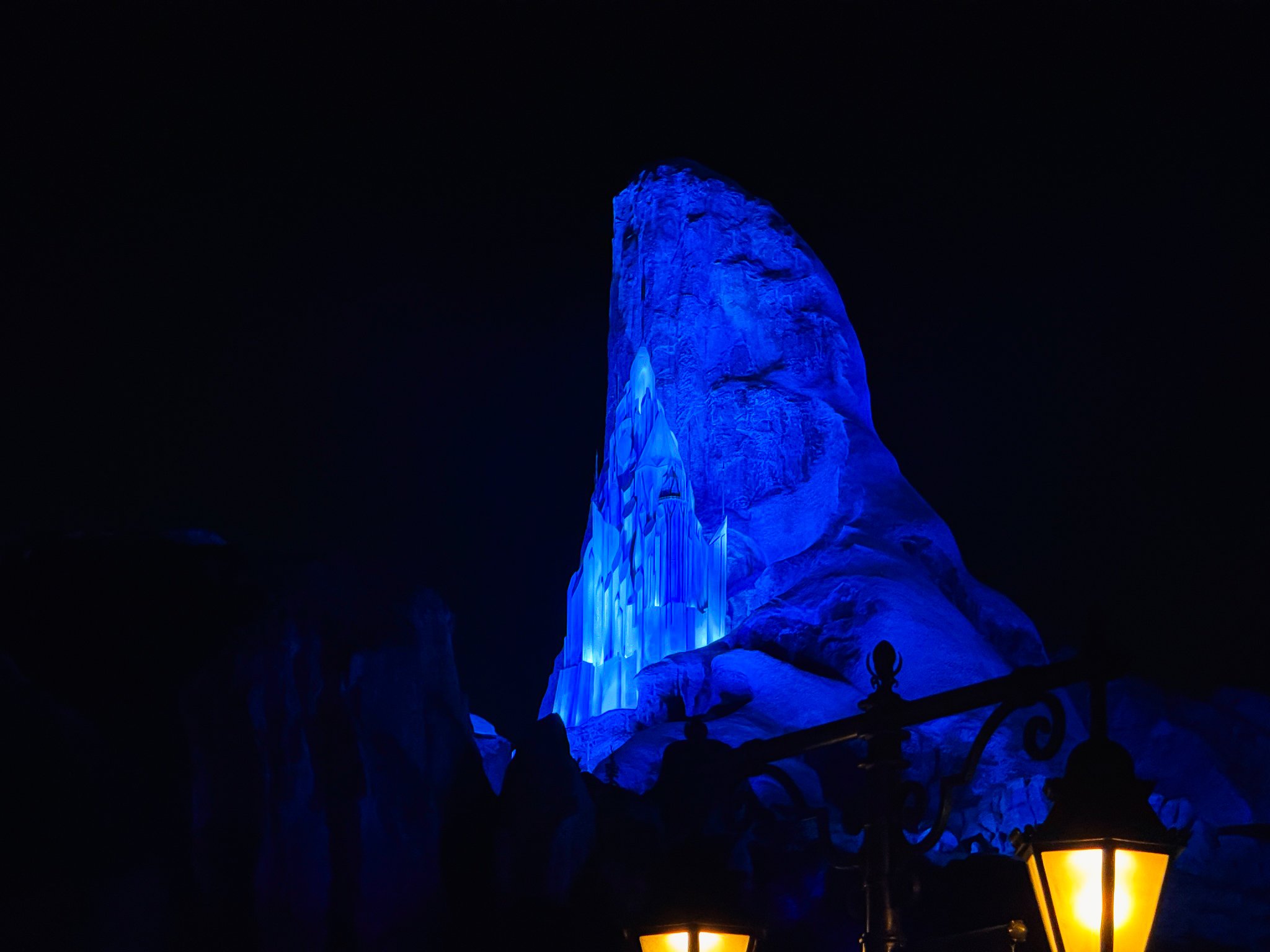
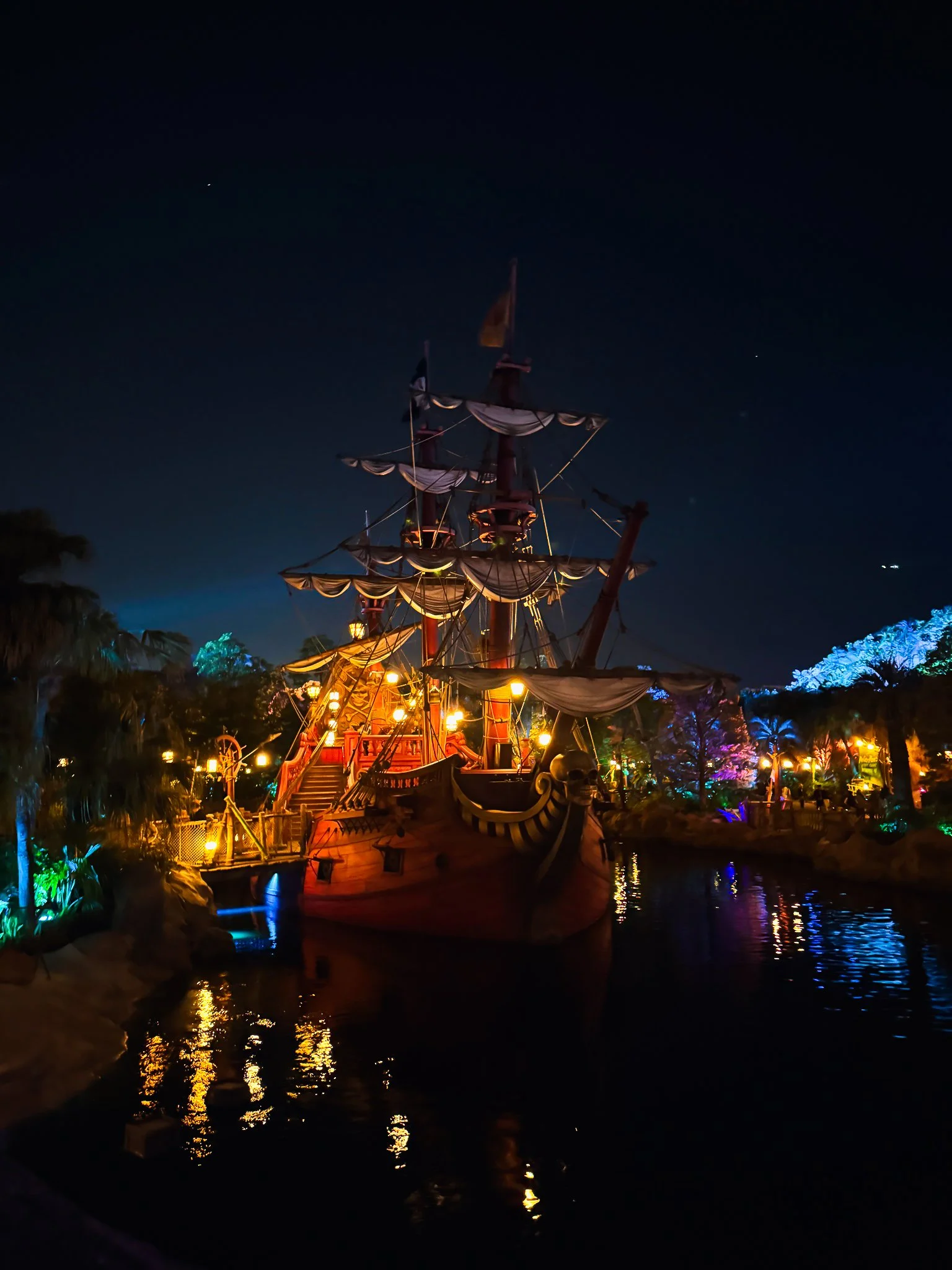
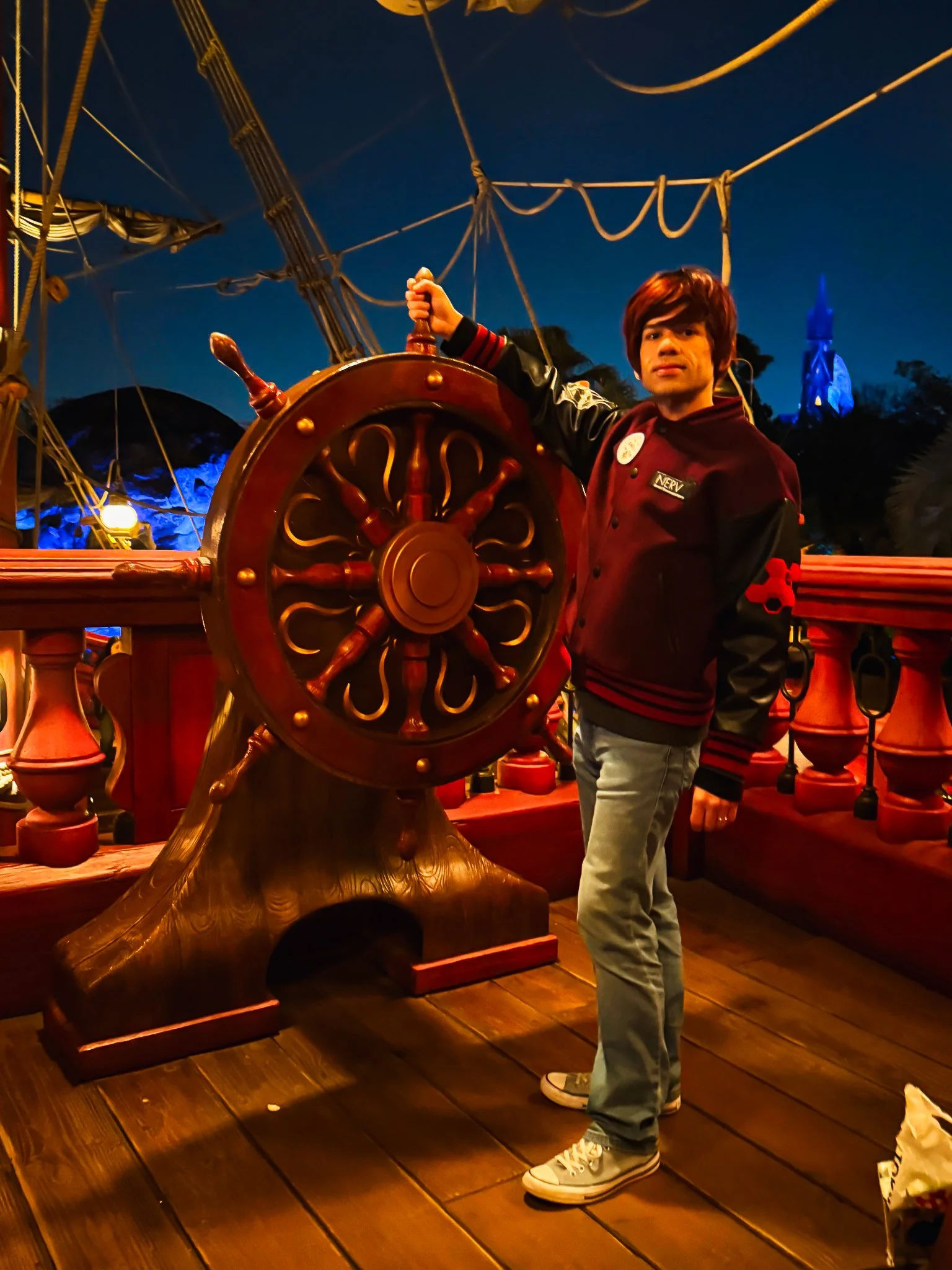
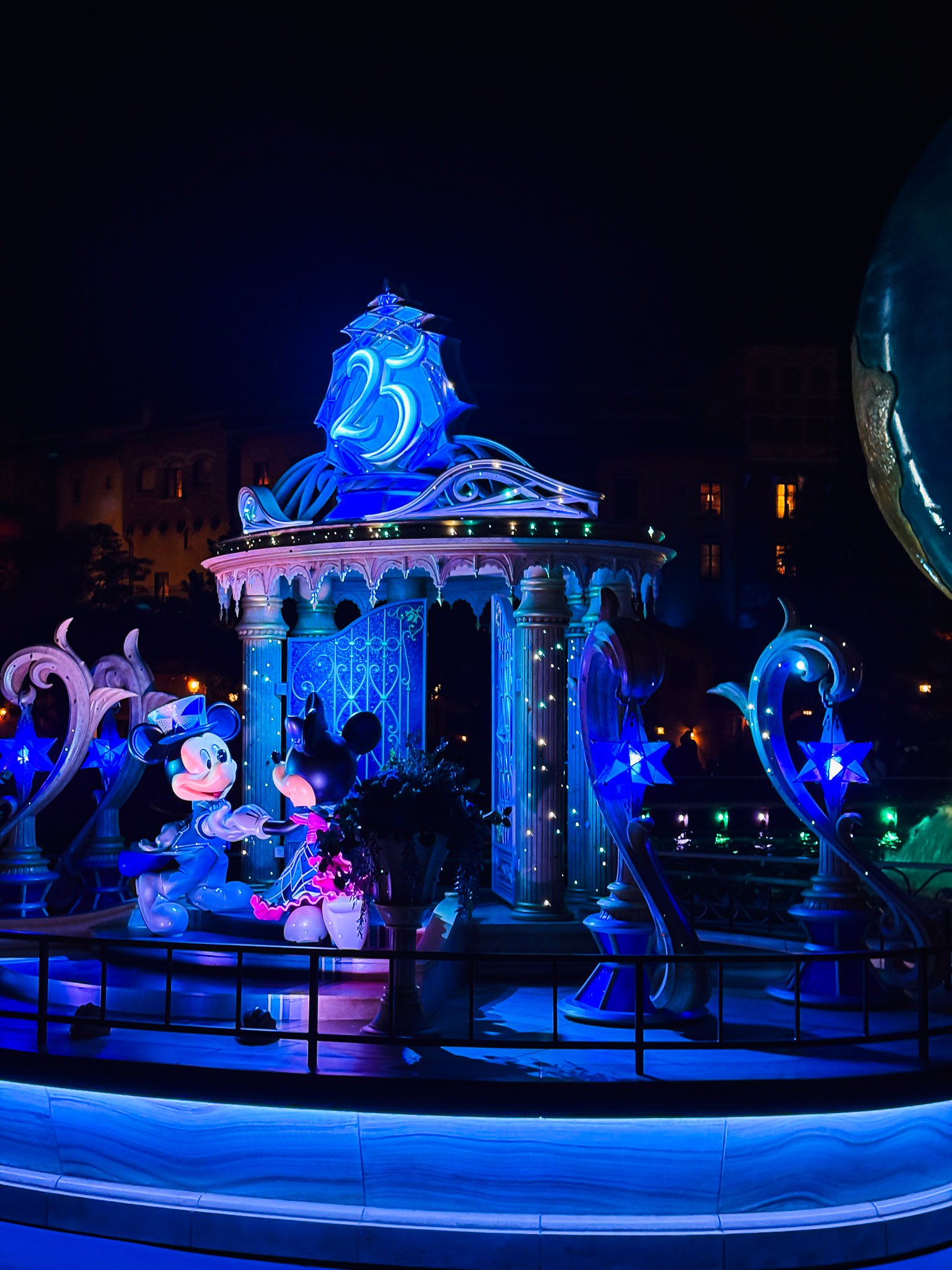
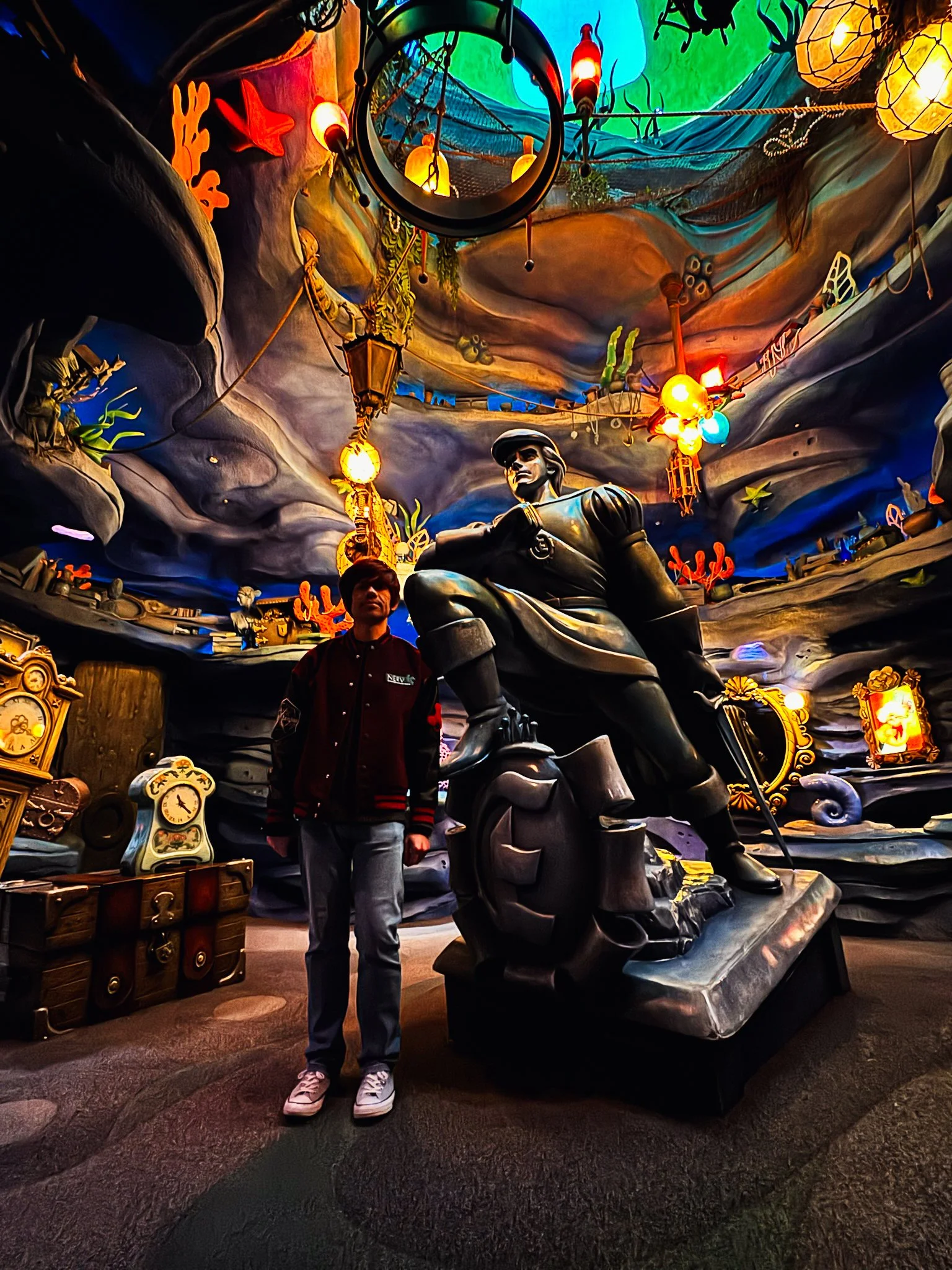
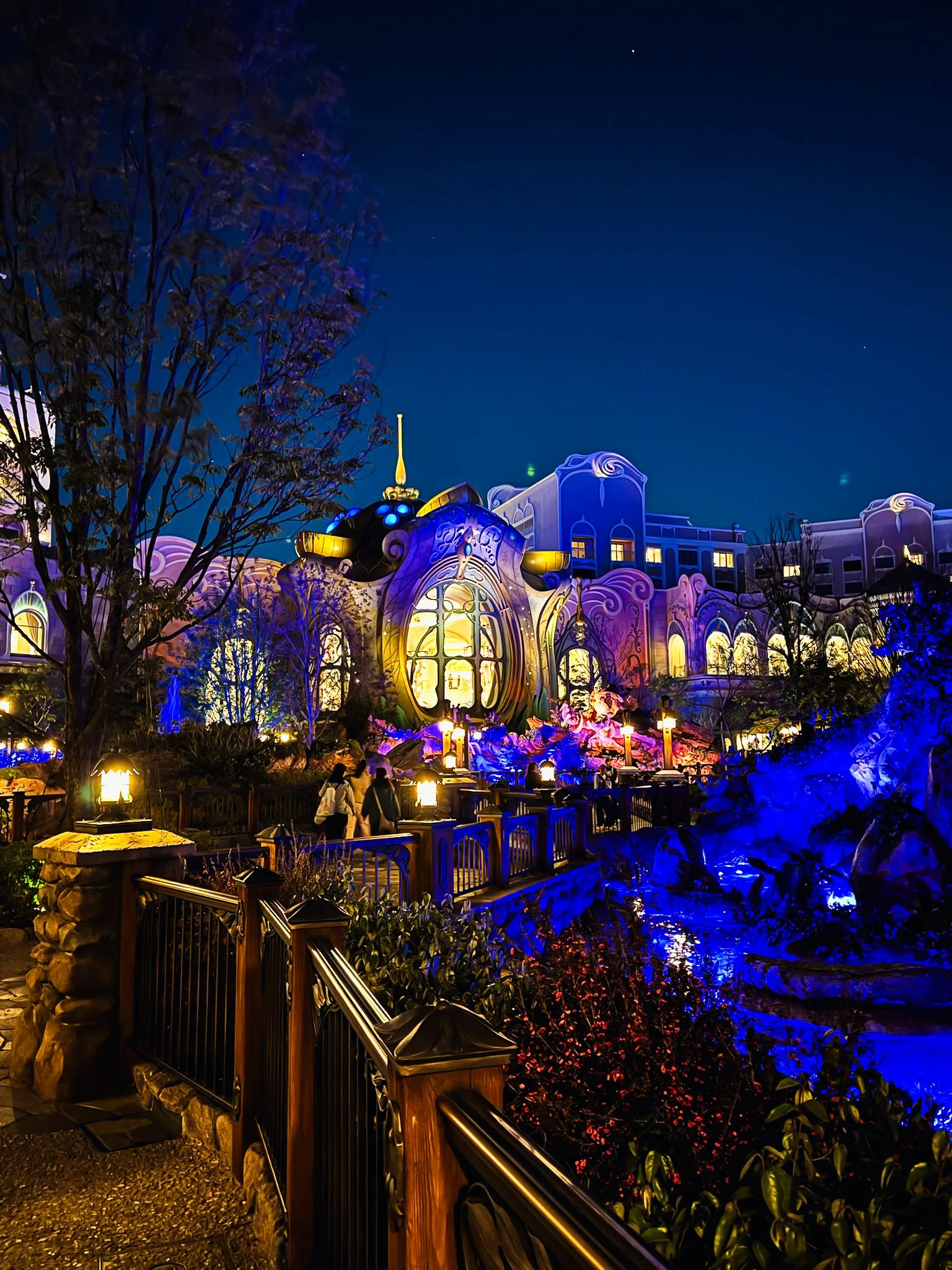
We spent the whole day at Tokyo DisneySea. This is Tokyo’s unique park and not a copy of anything in the U.S. It’s built around different “ports” like Mediterranean Harbor, American Waterfront, Arabian Coast, and Fantasy Springs, all centered around Mount Prometheus with a Jules Verne, steampunk aesthetic. All of the rides were unique and really well done, but the park itself is what stood out the most. It’s one of the most beautiful theme parks I’ve ever been to, especially at night. The Journey to the Center of the Earth ride was really cool and unlike anything else, but the true sleeper hit was the new Peter Pan ride in Fantasy Springs. It wasn’t even high on our list, but we ended up riding it twice because it hit so hard. We got dinner at Magellan’s, which is inside a gold-domed building at the base of the volcano. The inside is themed like an old explorers’ society, with a massive slowly rotating globe in the center and the dome painted with the zodiac. The nighttime show was also really different from anything I’ve seen at other Disney parks. Instead of a traditional parade or fireworks show, it combined boats moving through the water like floating parade floats, projections across the buildings and Mount Prometheus, and fireworks all happening at once.
day 8 東京→京都→城崎温泉(移動日)
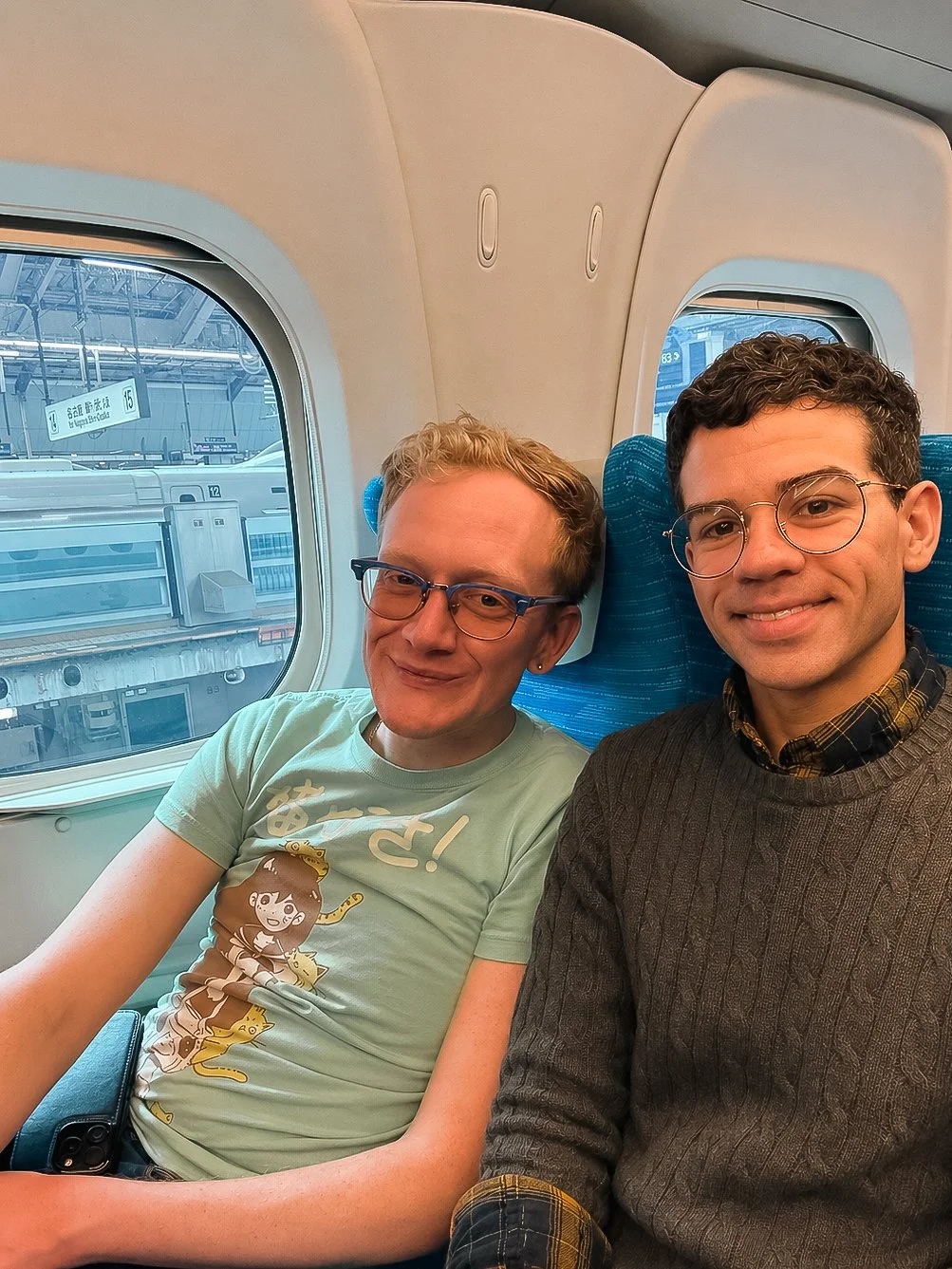
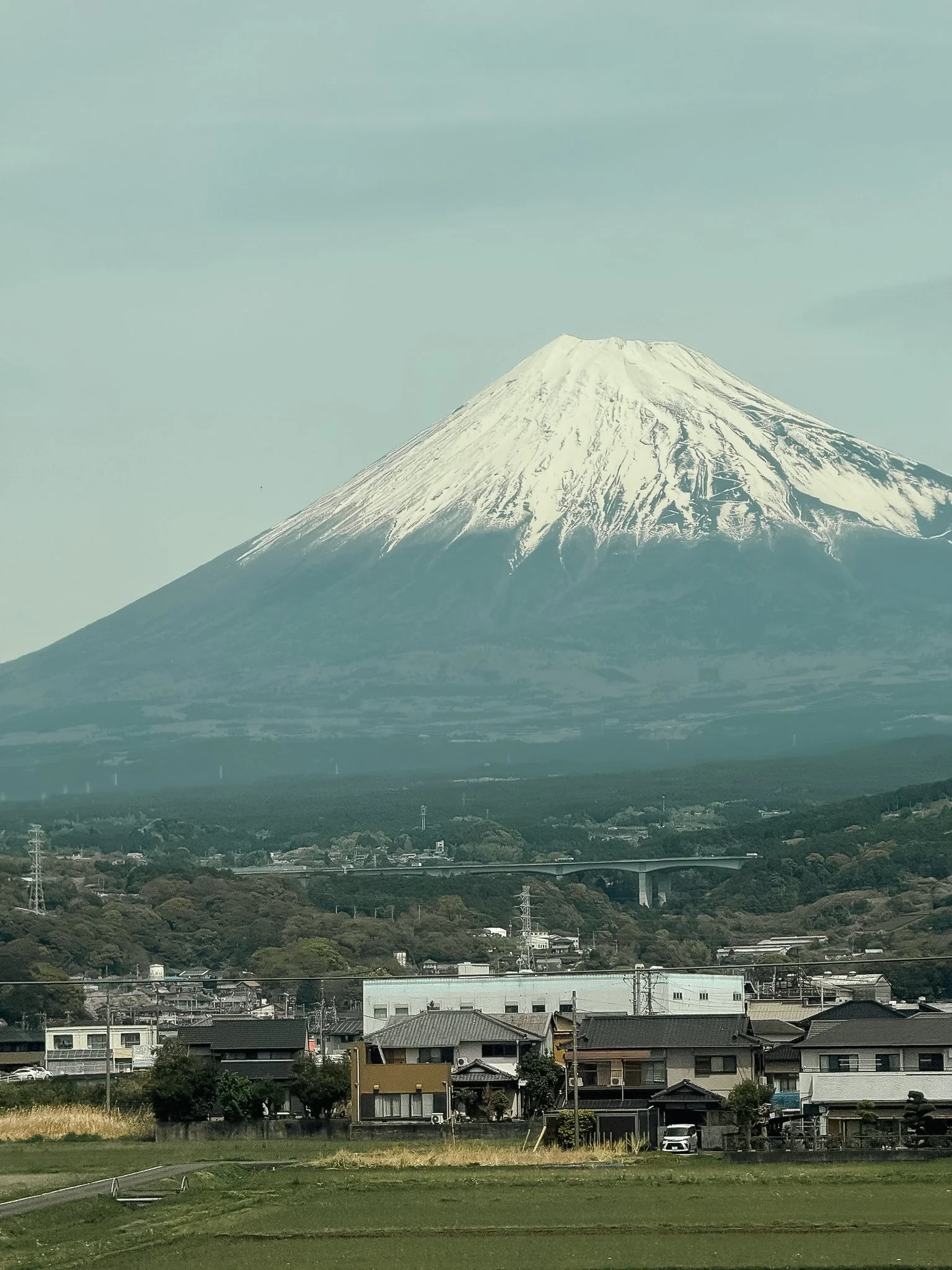
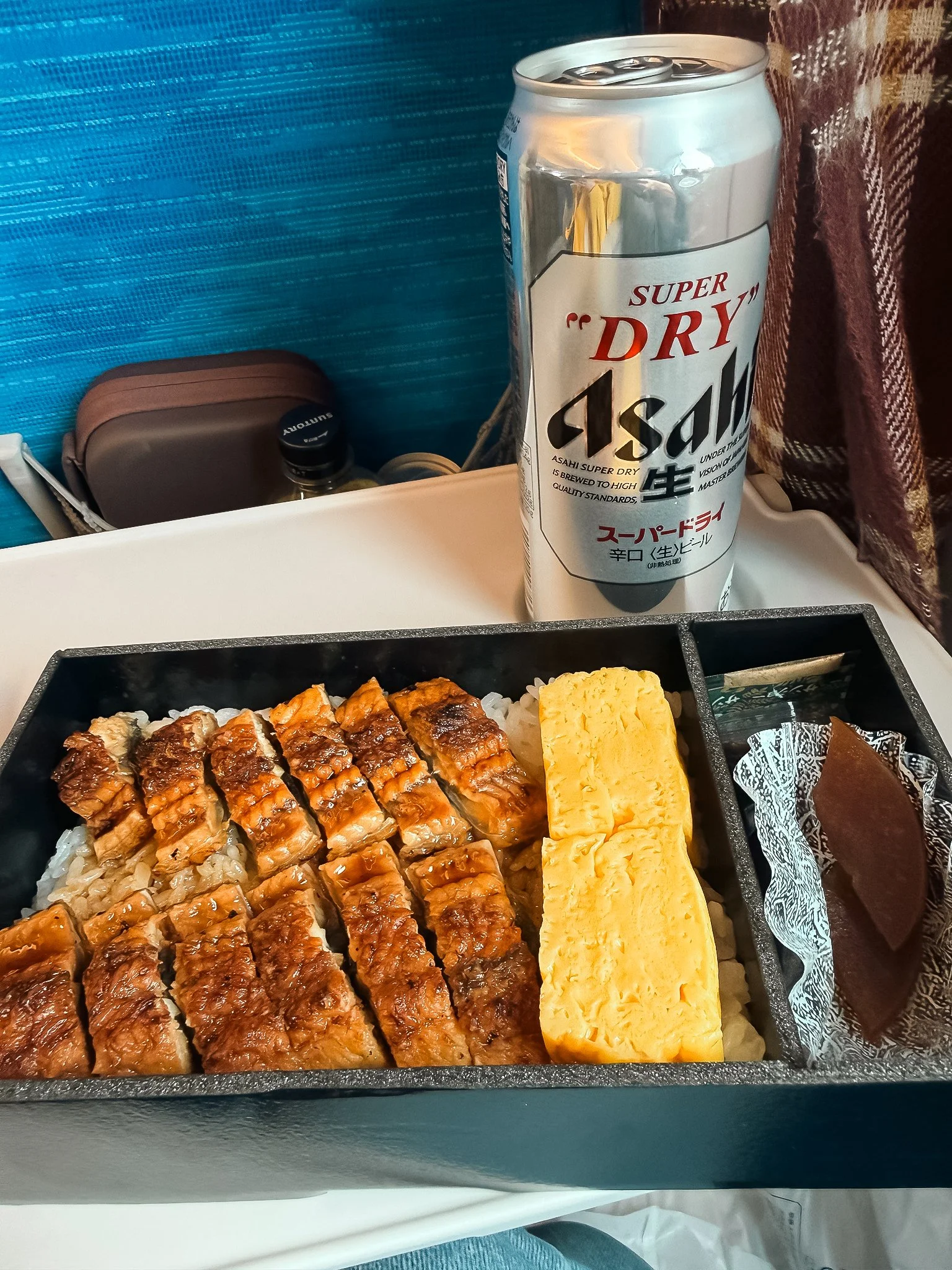
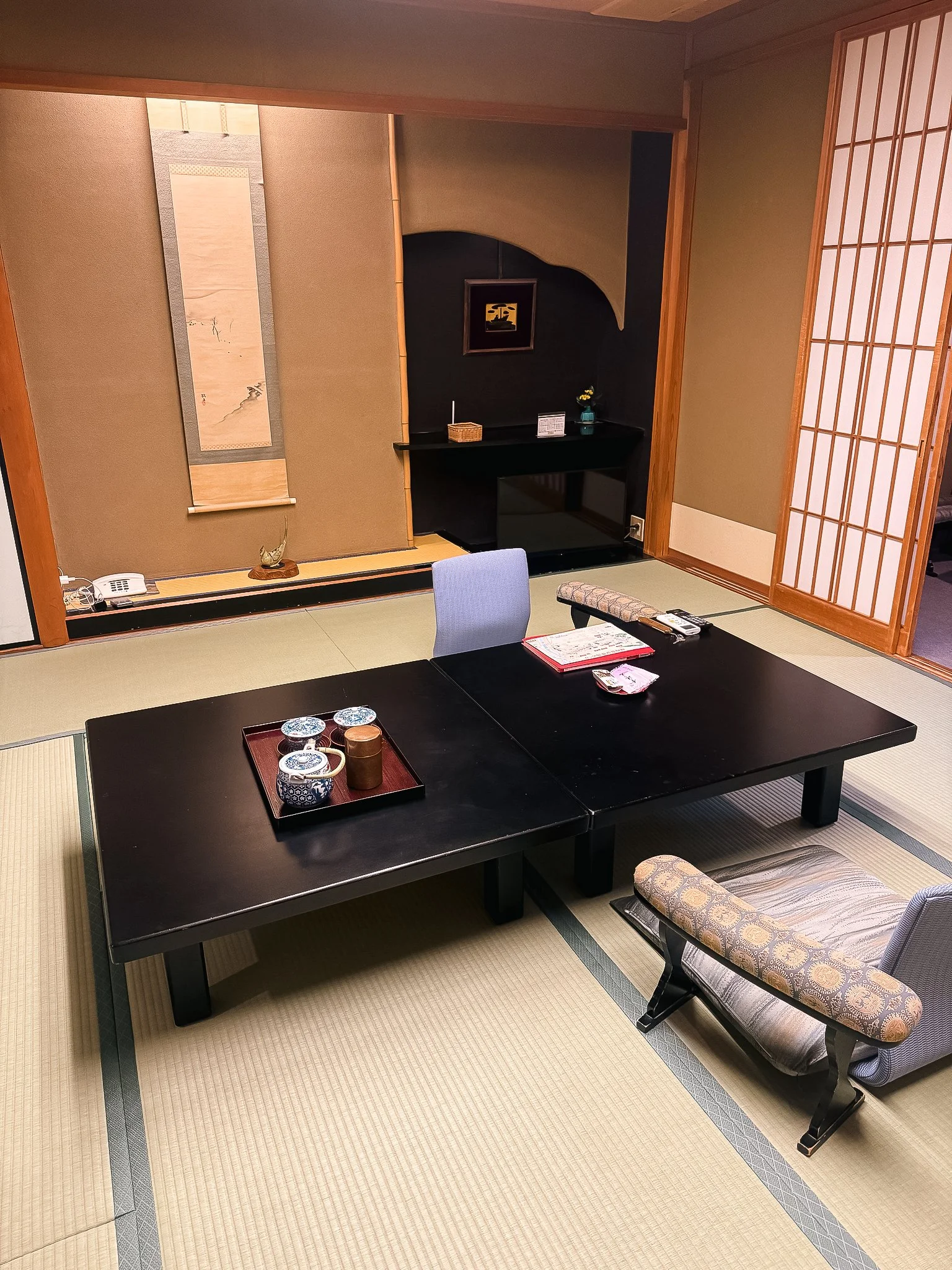
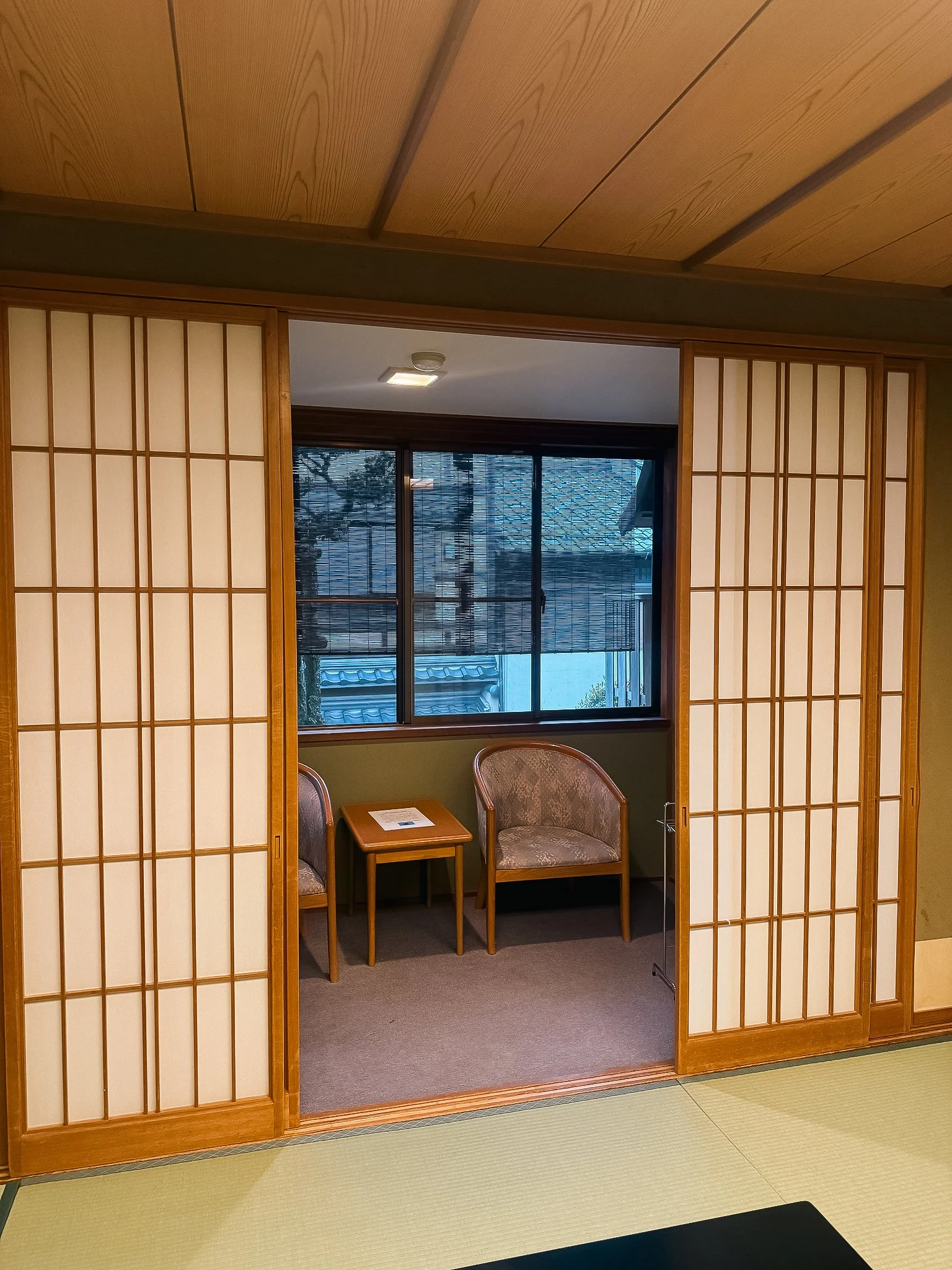
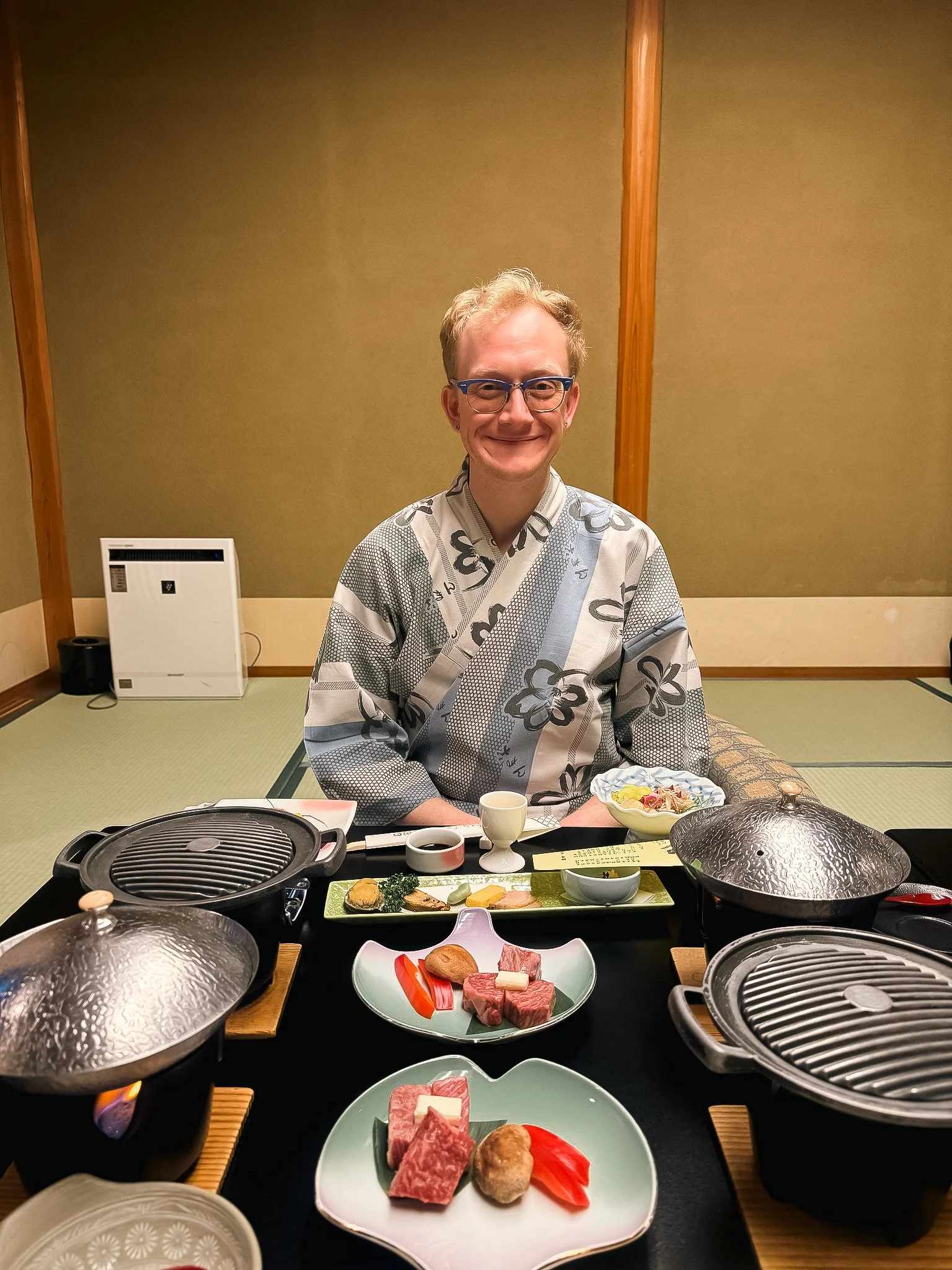
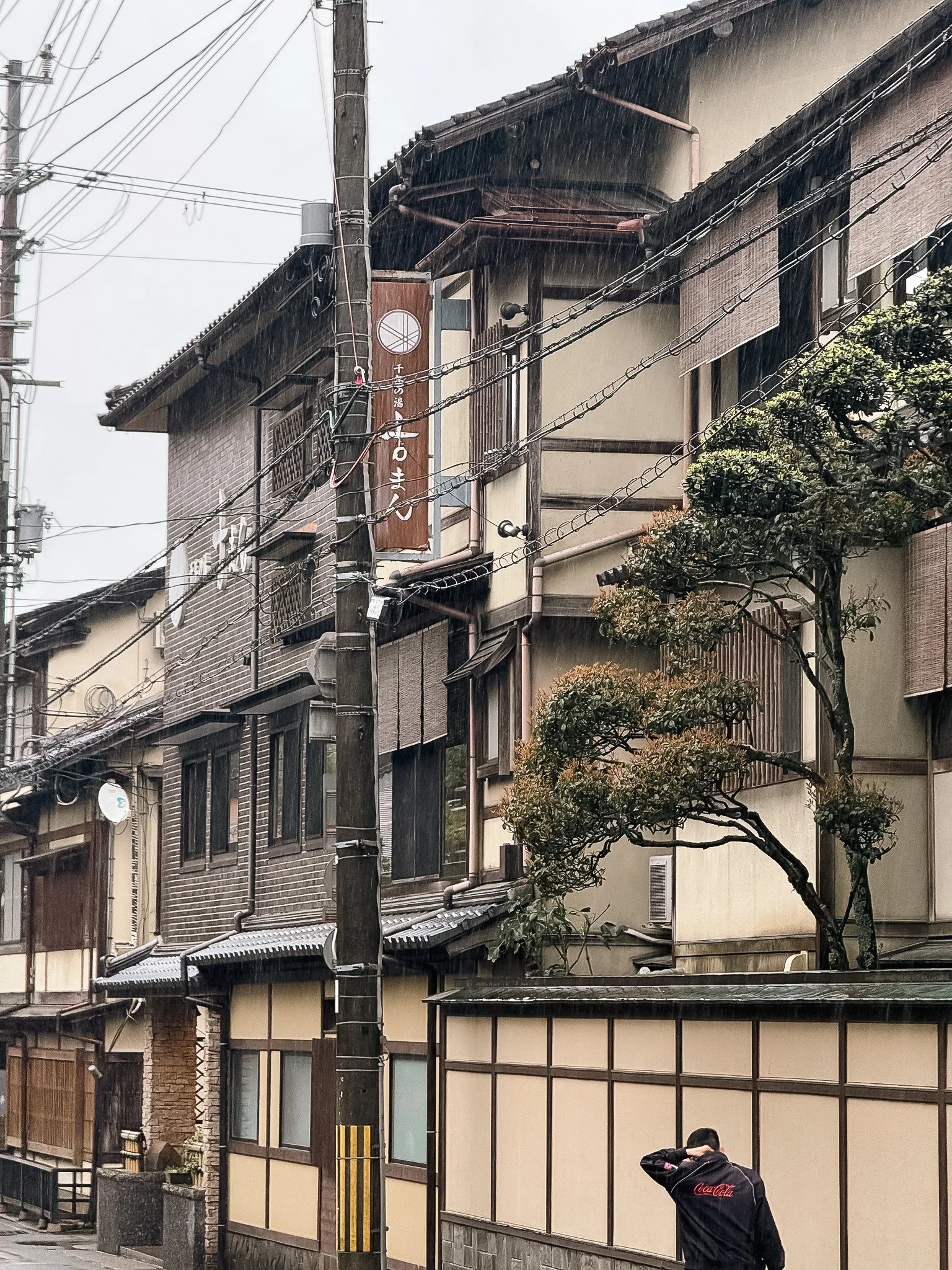
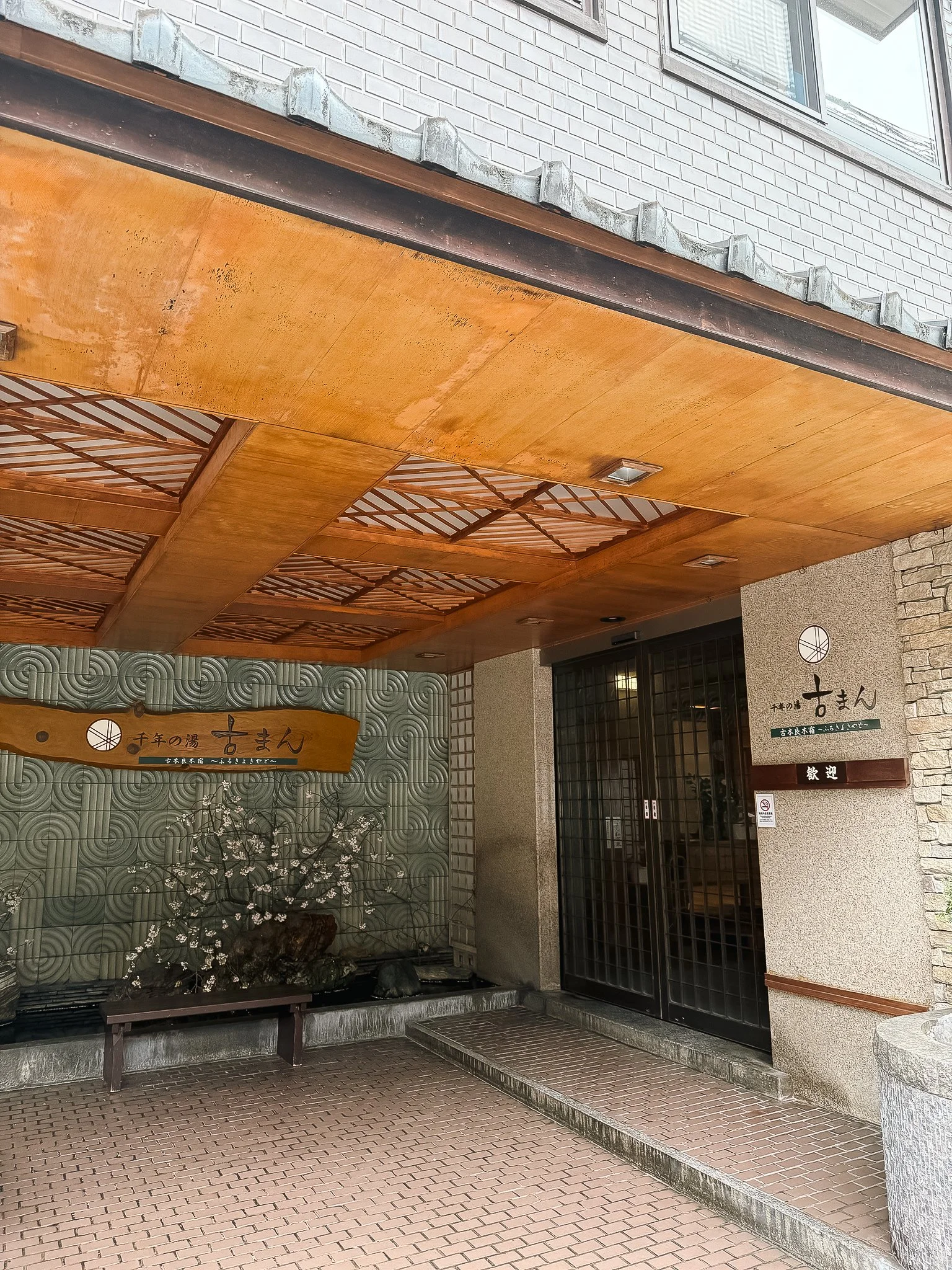
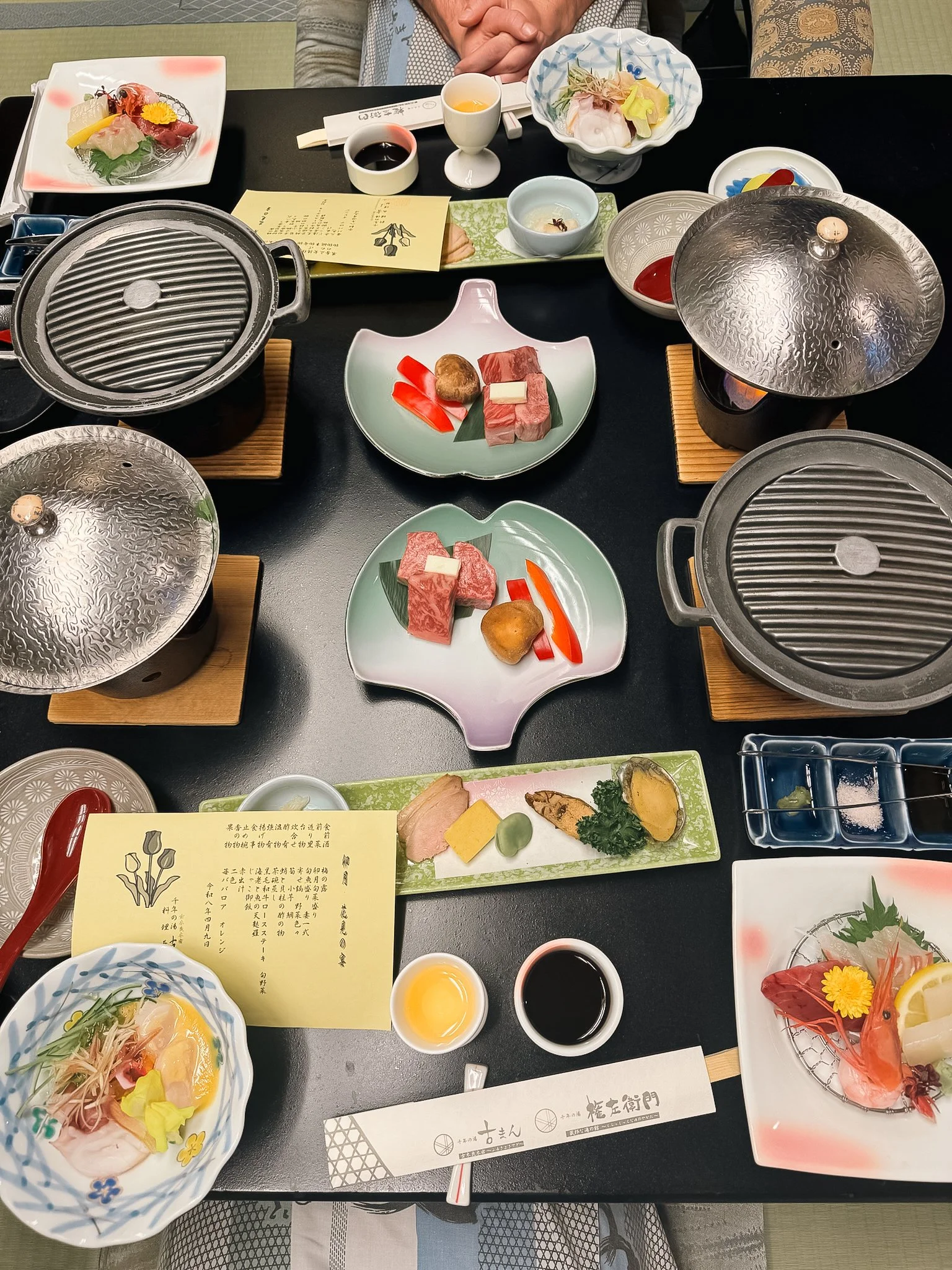
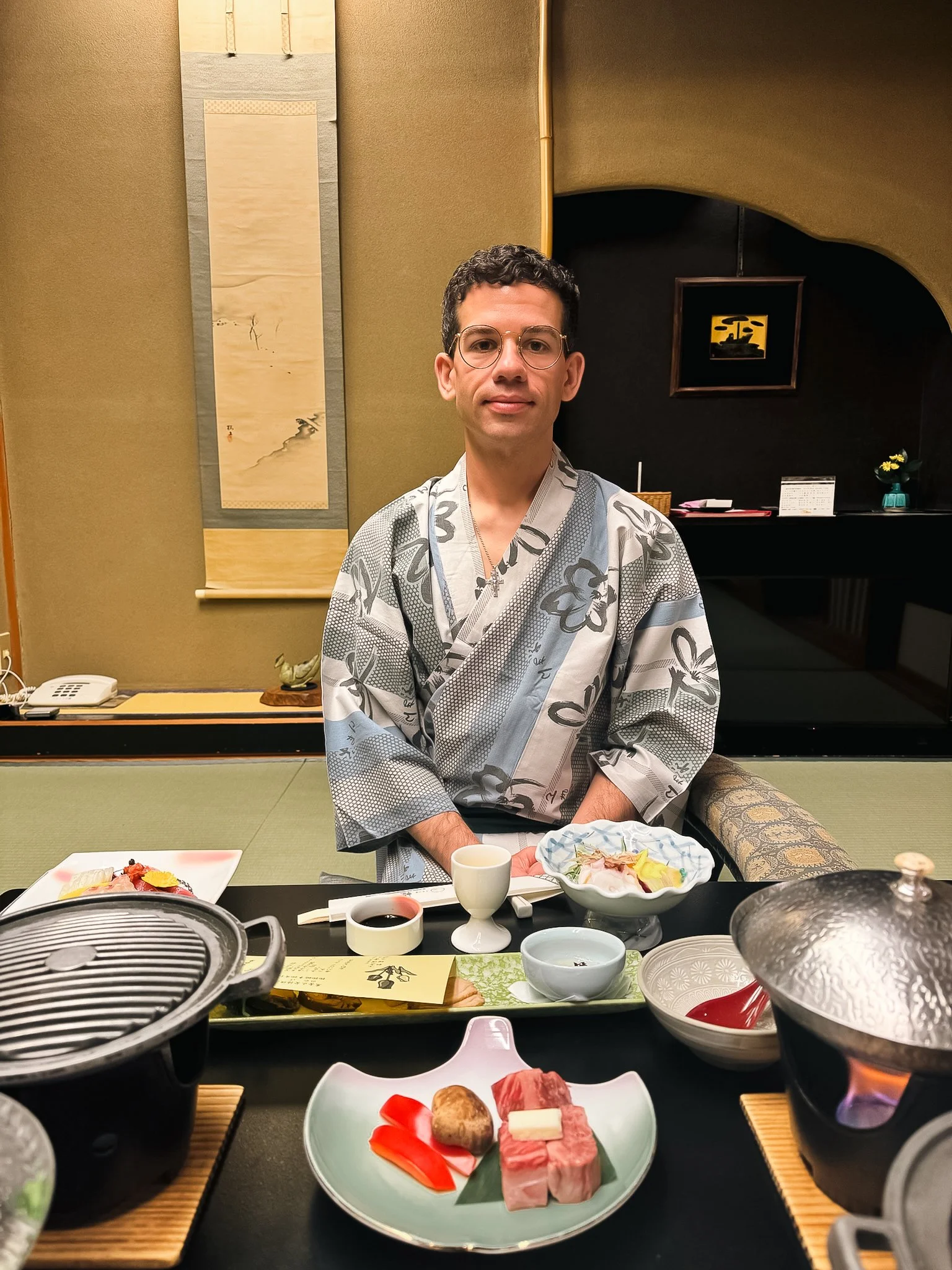
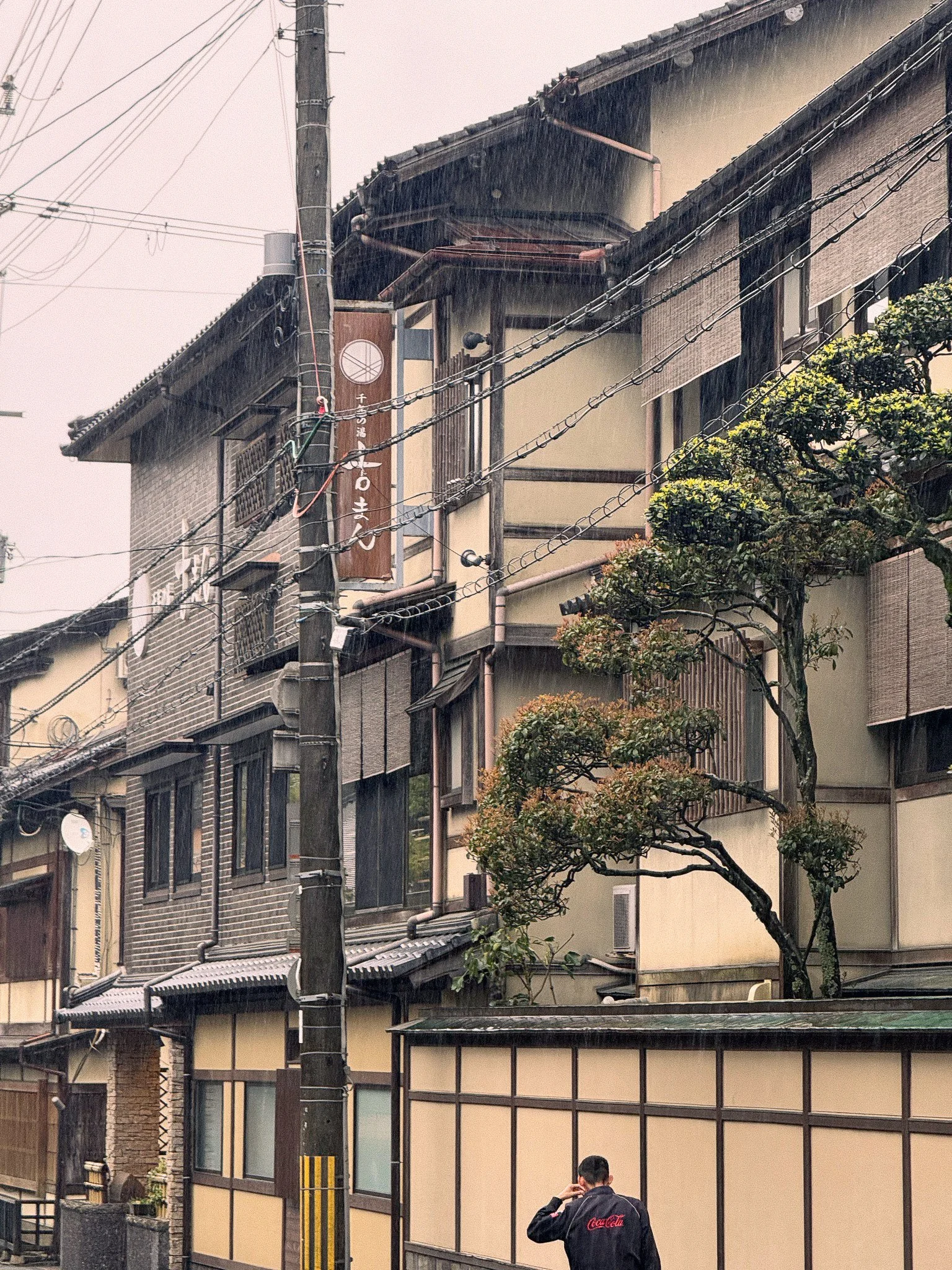
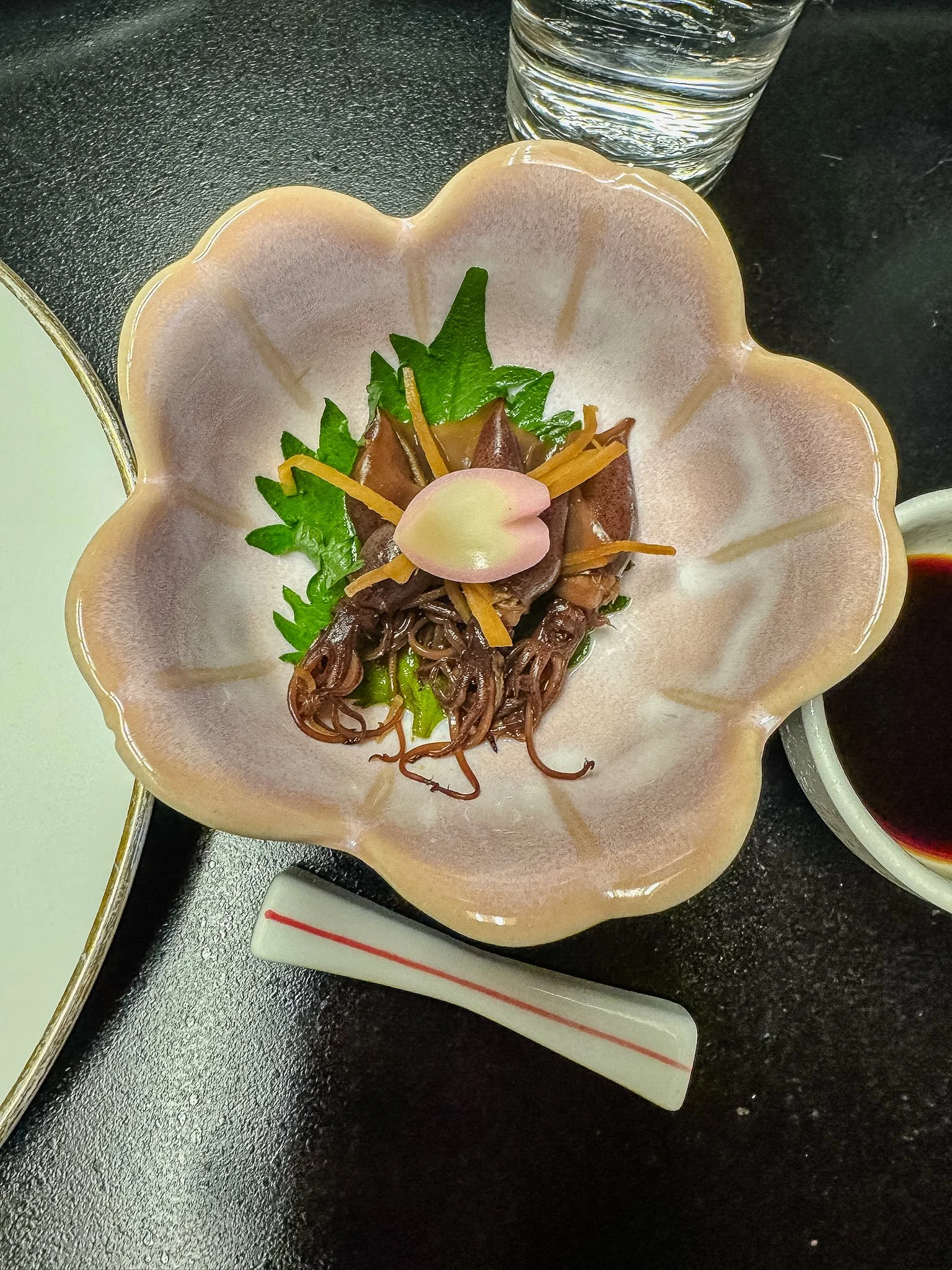
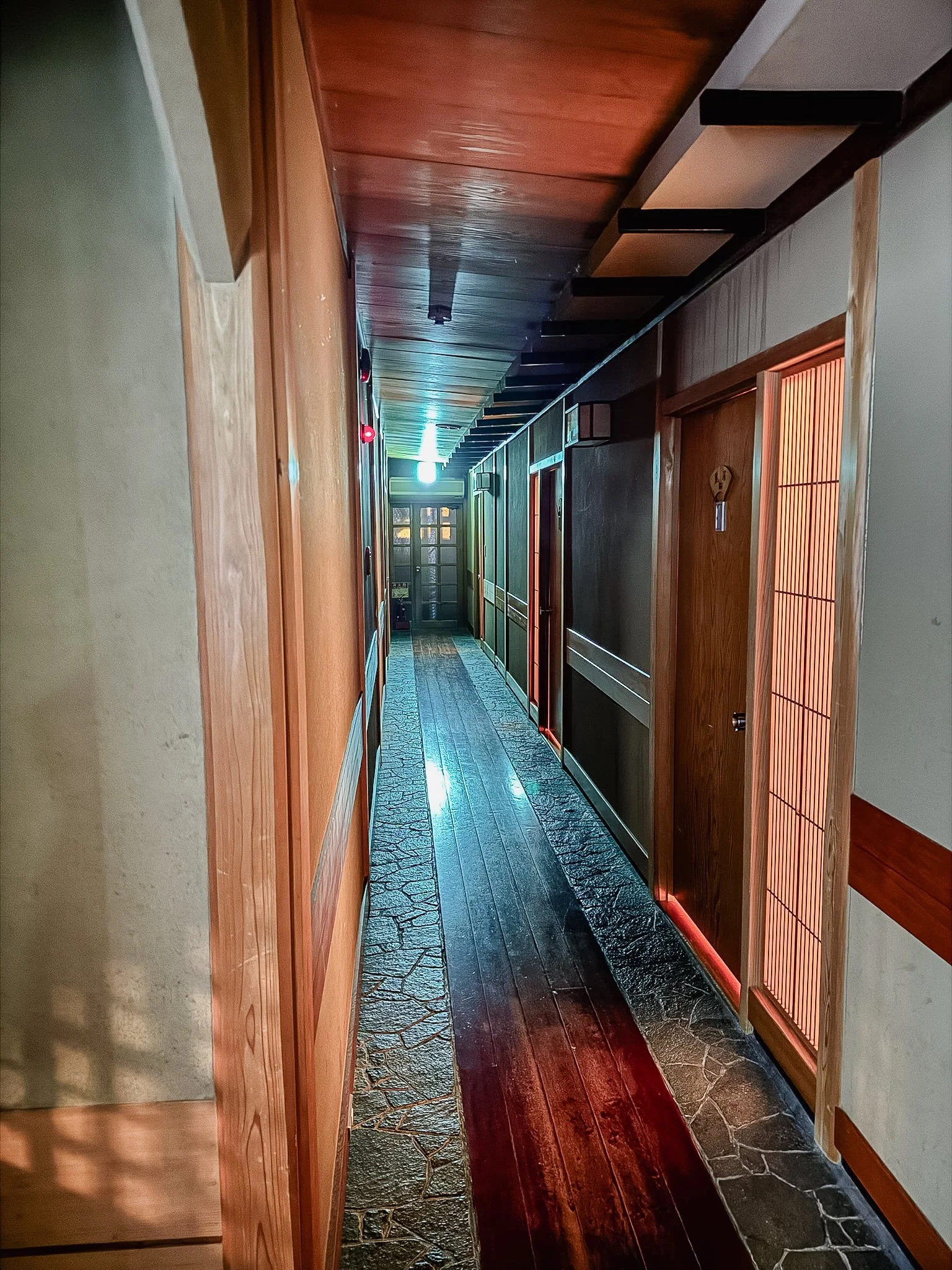
We left Tokyo and took the Shinkansen to Kyoto, picking up ekiben to eat on the train. We picked good seats and ended up getting great views of Mt. Fuji as we passed by. After transferring in Kyoto, we continued on a local train to Kinosaki Onsen, which felt much more remote and traditional compared to Tokyo. When we arrived, we took the shuttle over to our ryokan, Sennen no Yu Koman, a historic 1,300-year-old inn established around 700 AD and one of the oldest continuously operating businesses in the world. Staying at a ryokan is a completely different experience. You change into yukata, your shoes never go past the entrance, and everything follows a set rhythm. There’s a multi-course kaiseki dinner in the evening, breakfast in the morning, and time built around visiting the onsen baths. Our room had tatami mats and traditional paper doors, and we were assigned a nakai-san who would lay out futons in the evening and bring us our meals.
day 9 城崎温泉(外湯めぐり)・ロープウェイ/大師山
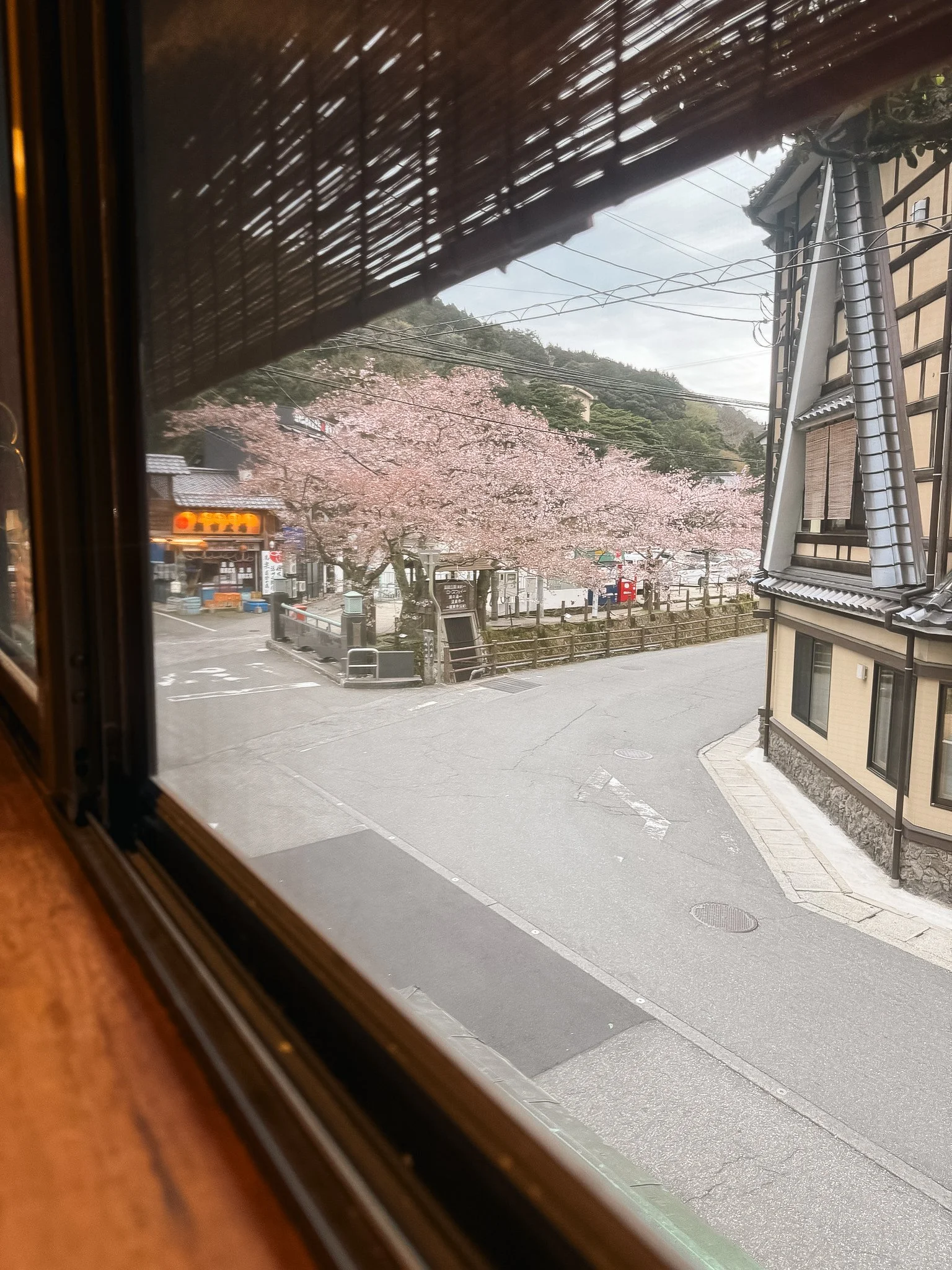
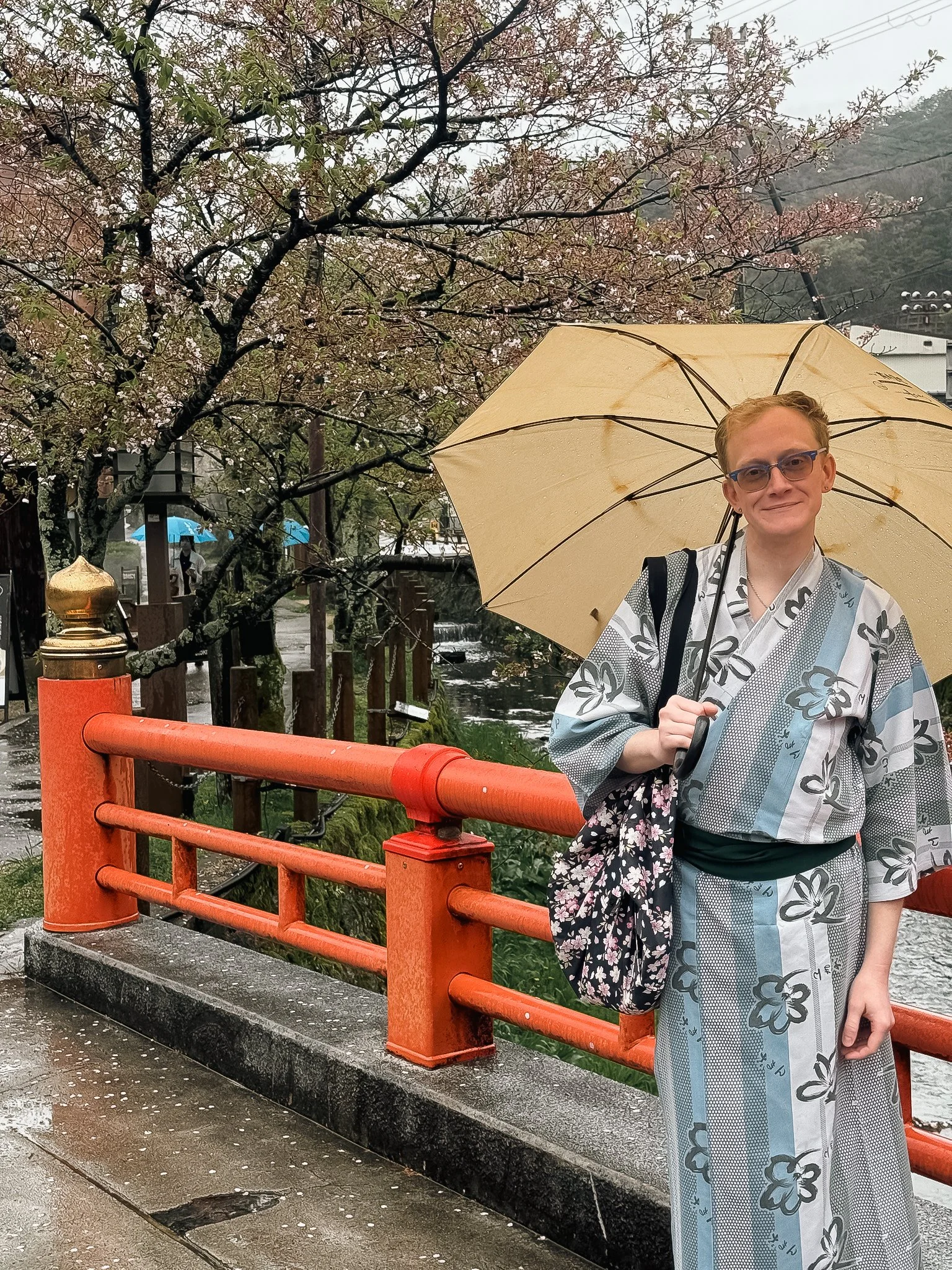
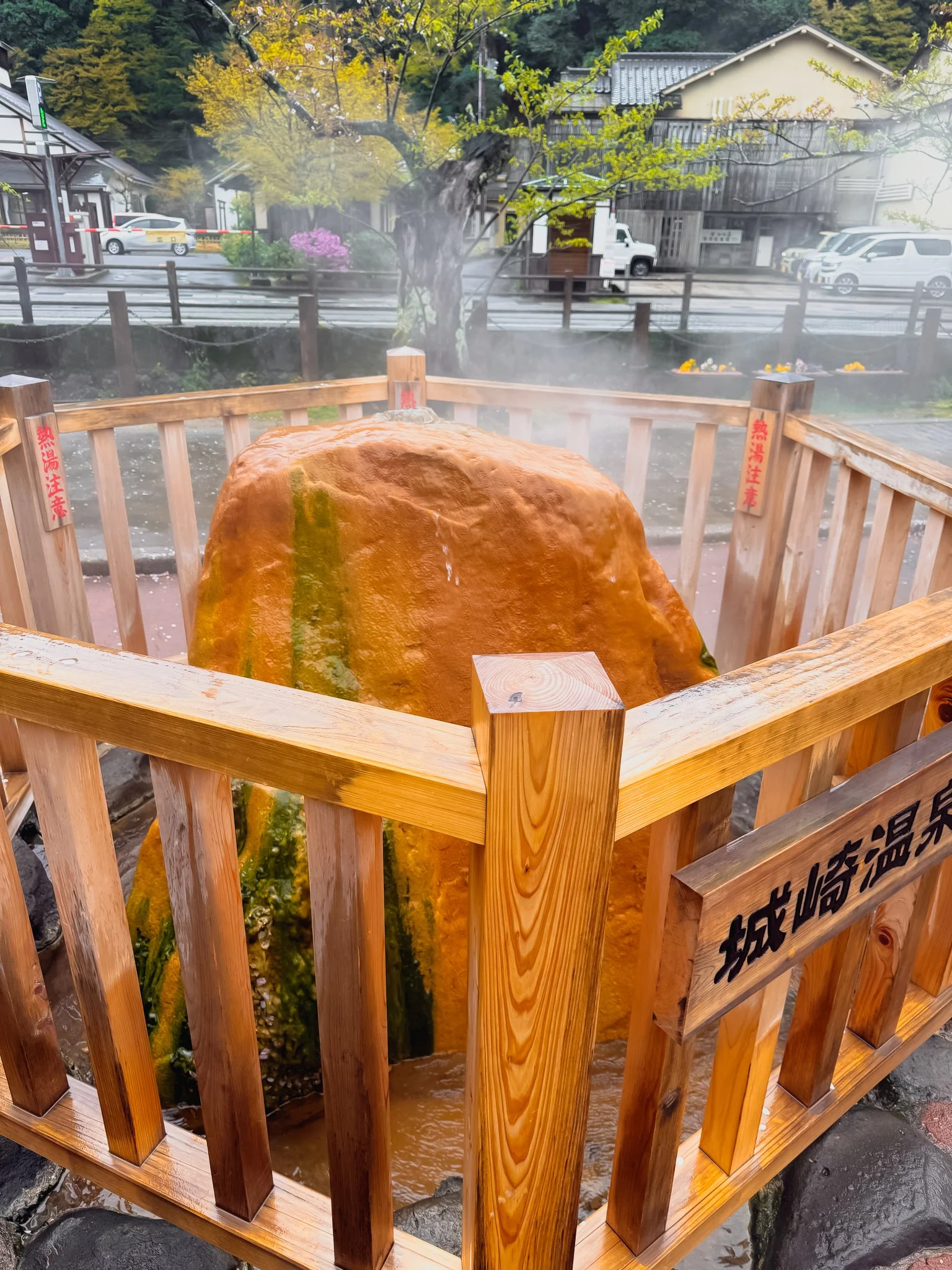
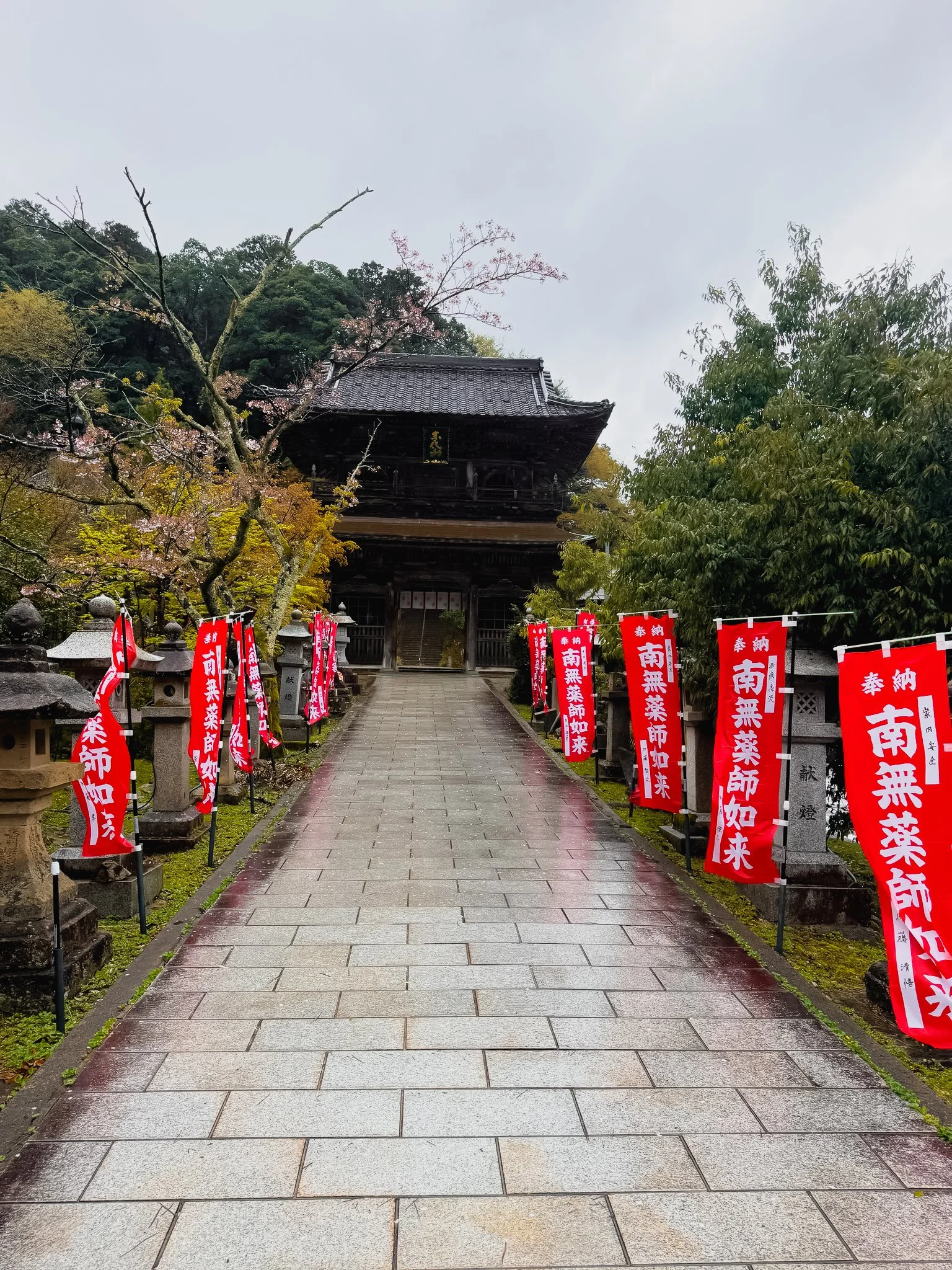
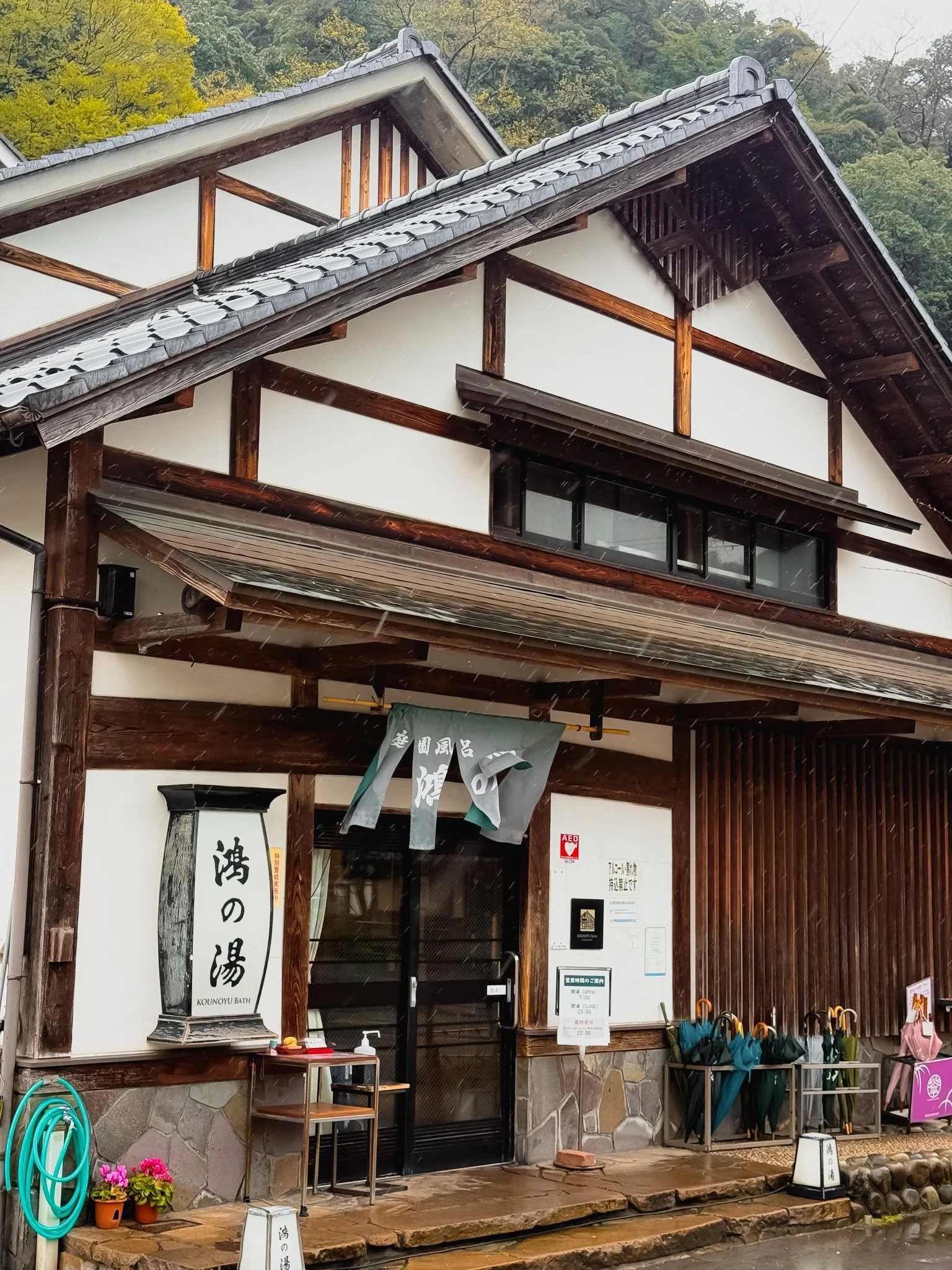
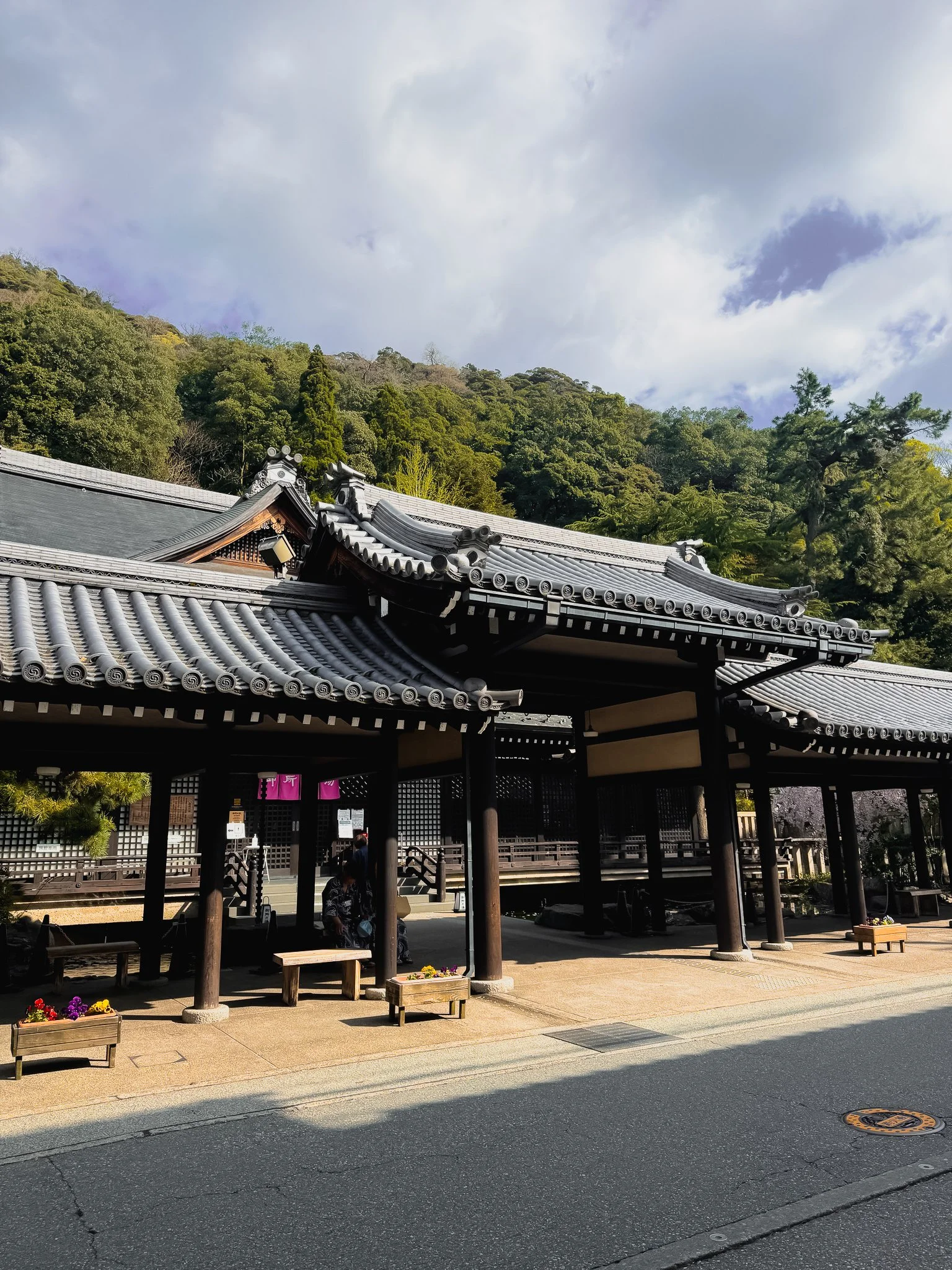
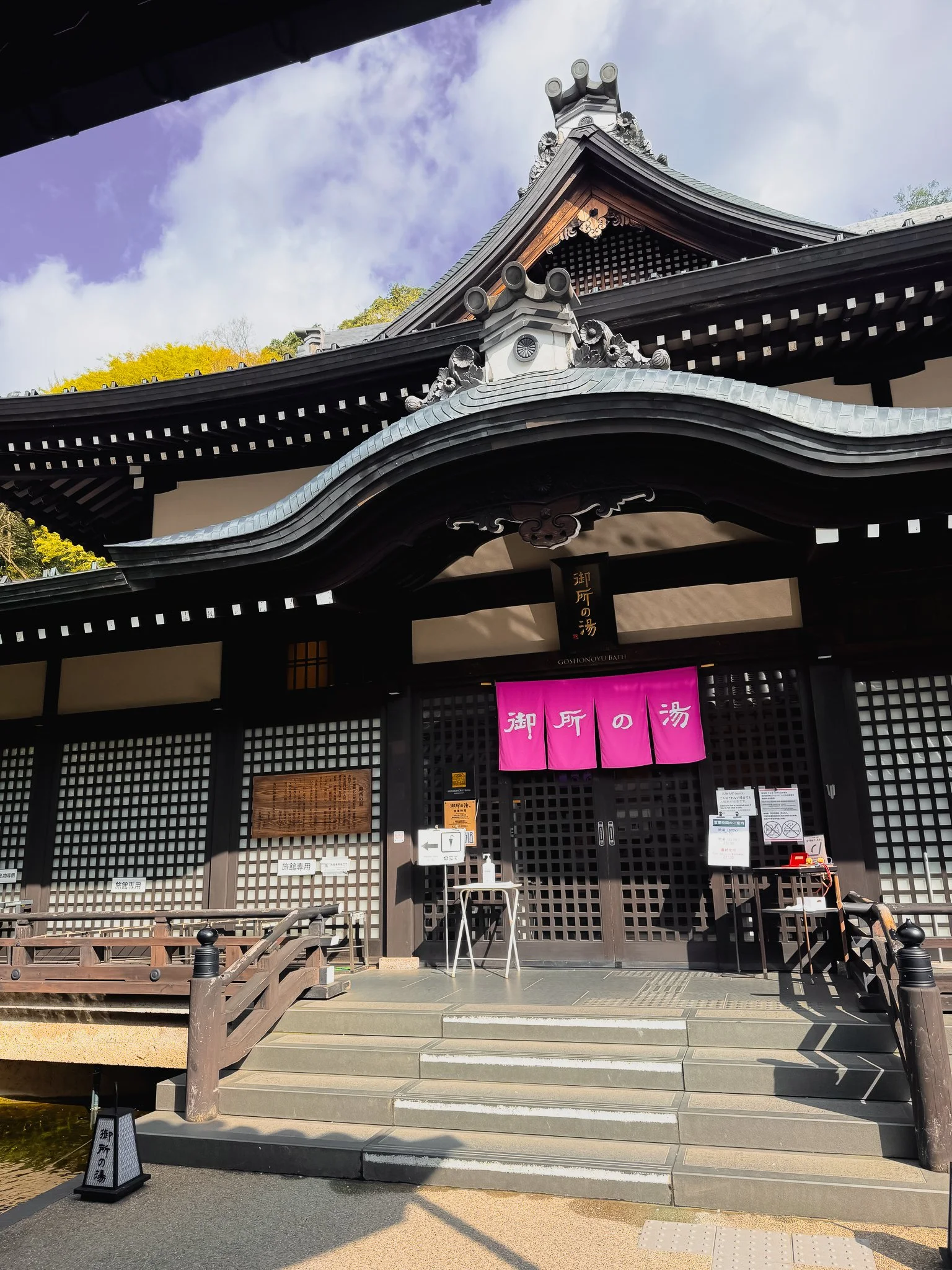
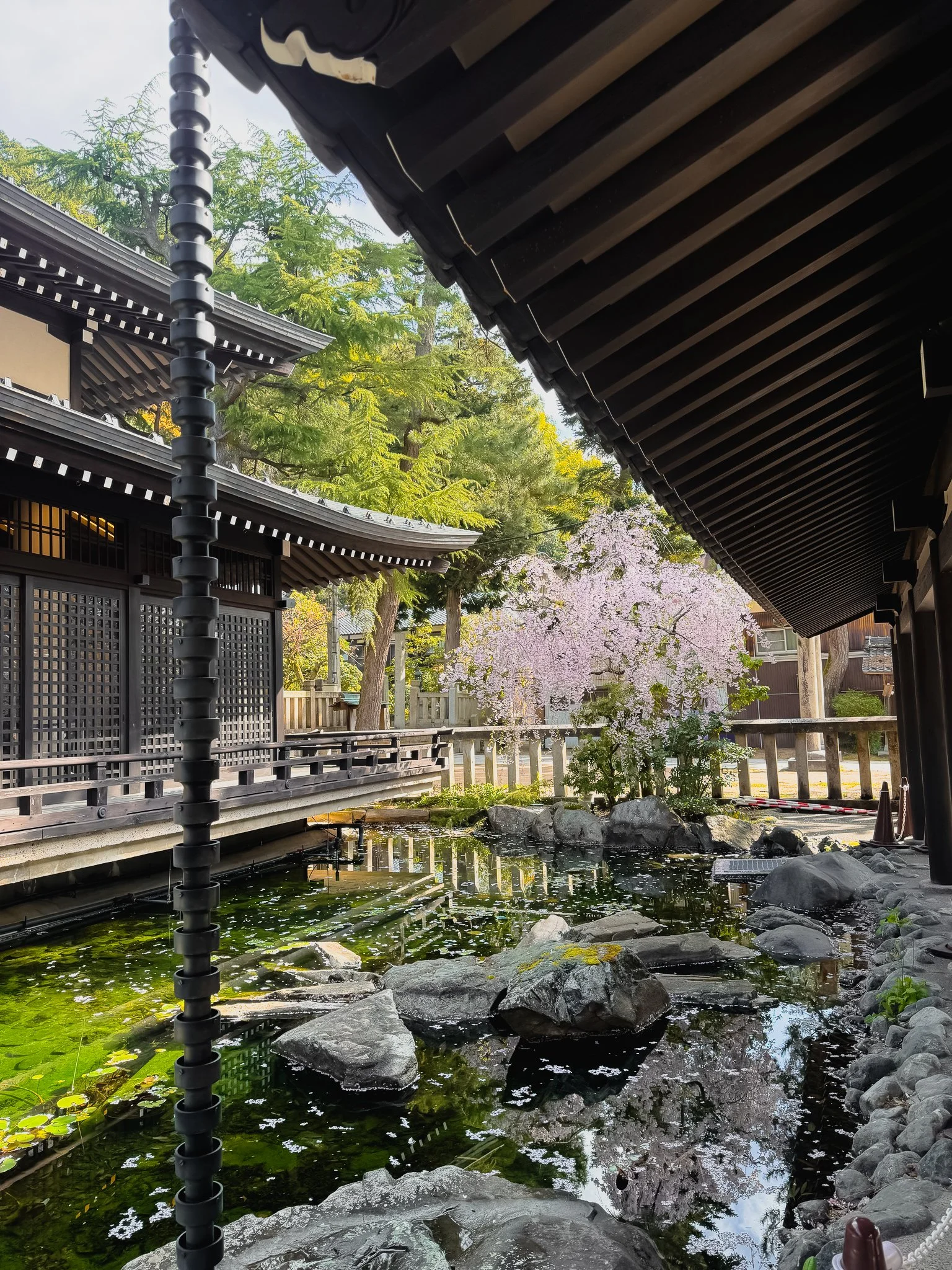
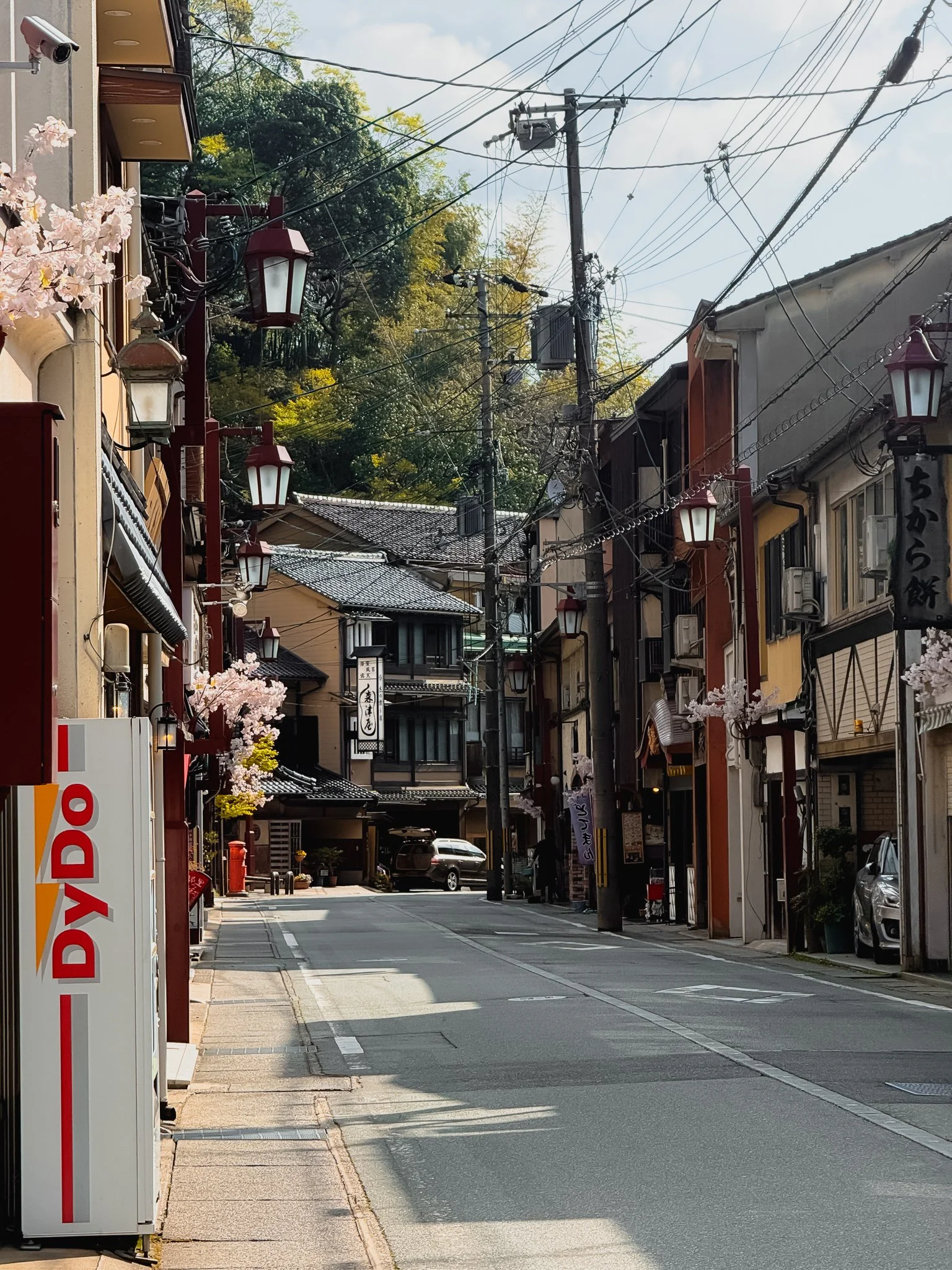
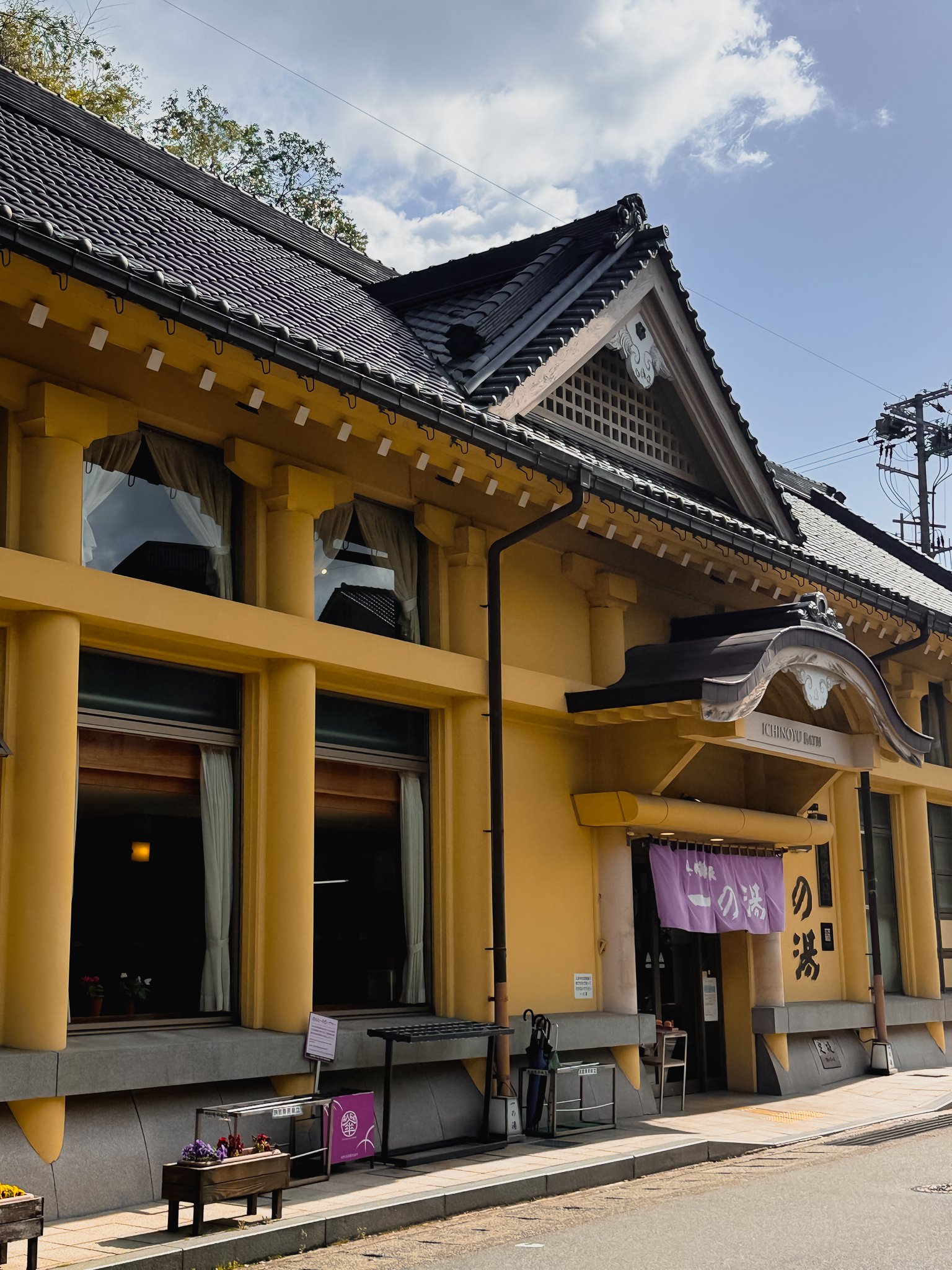
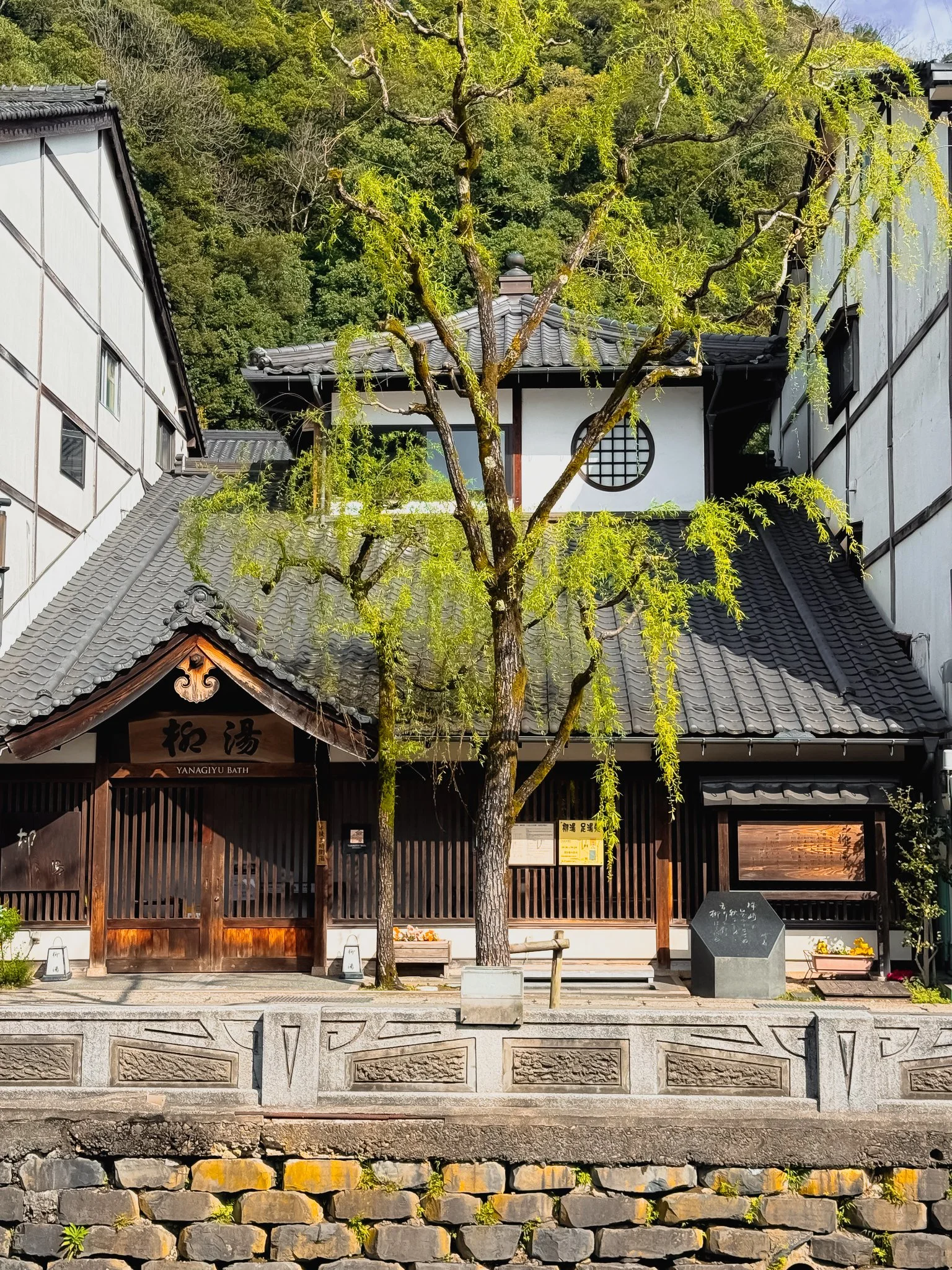
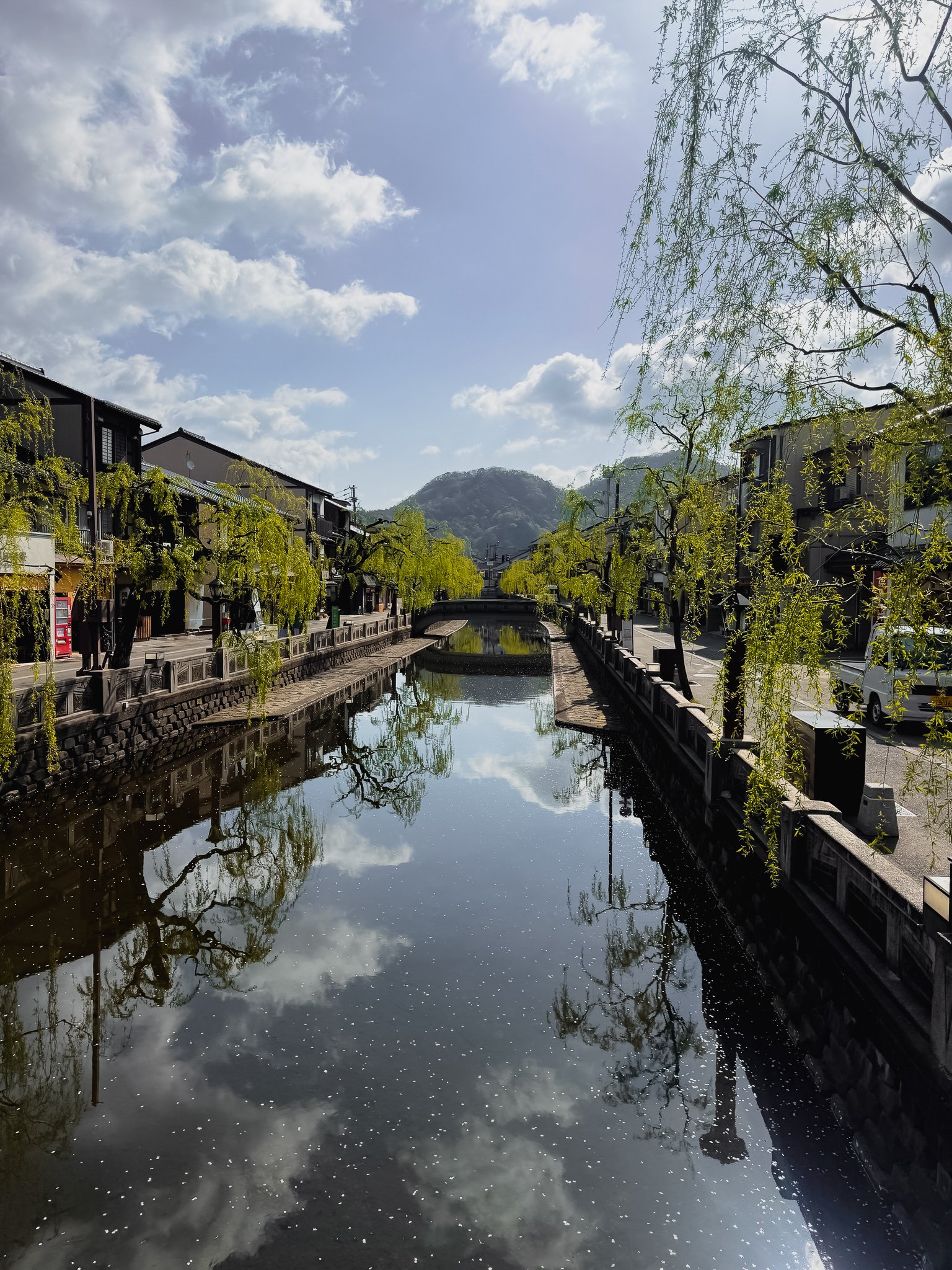
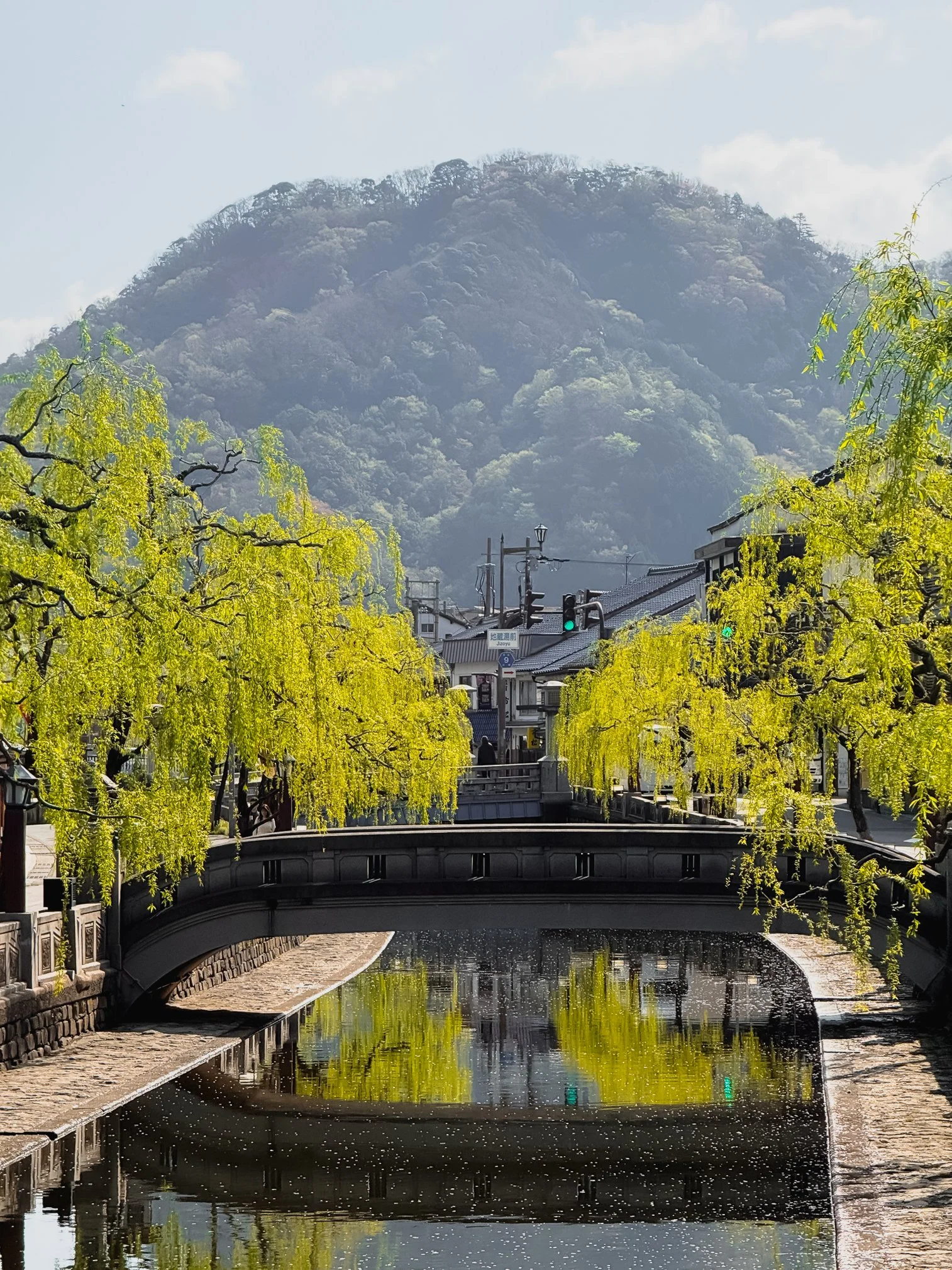
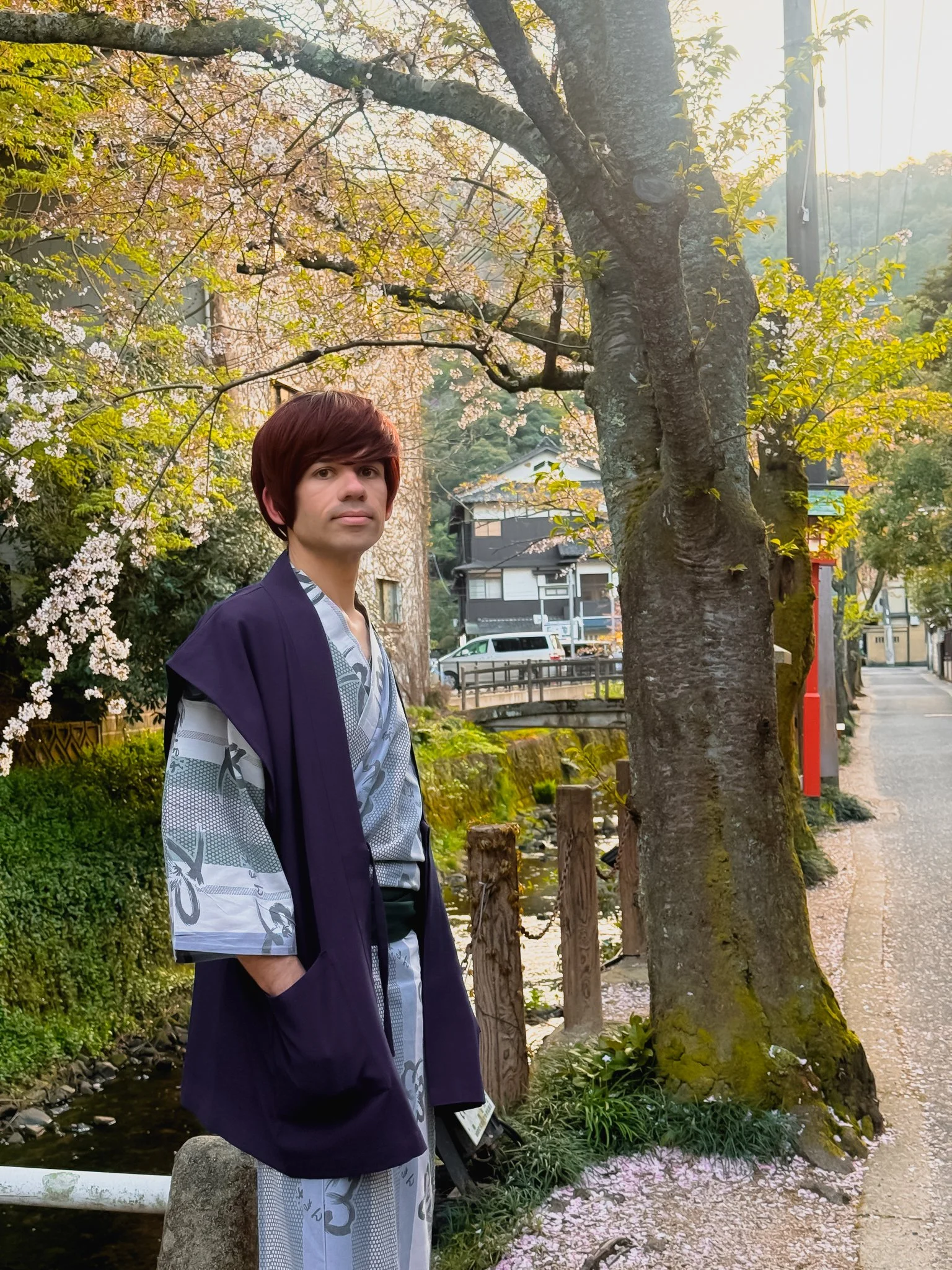
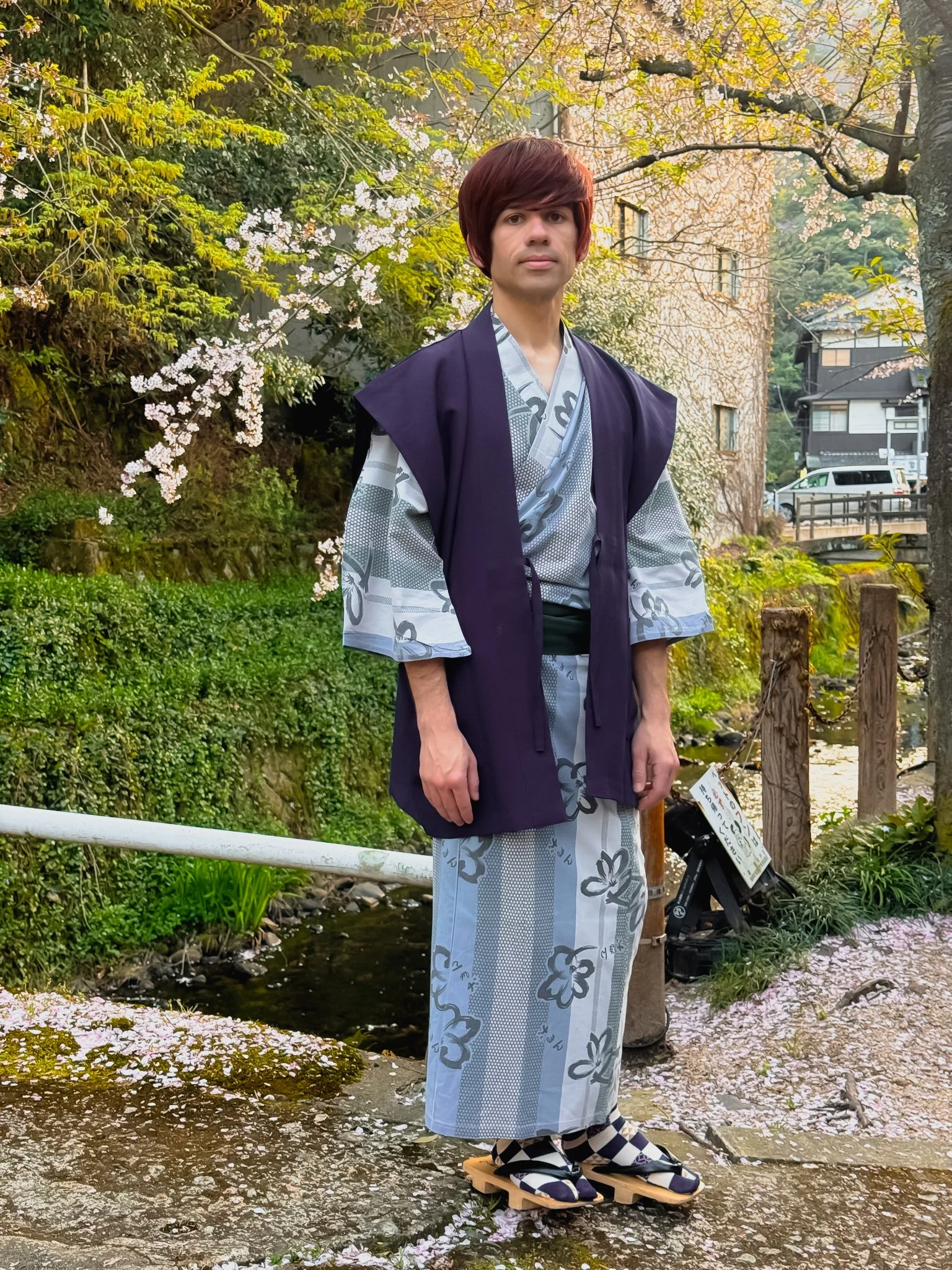
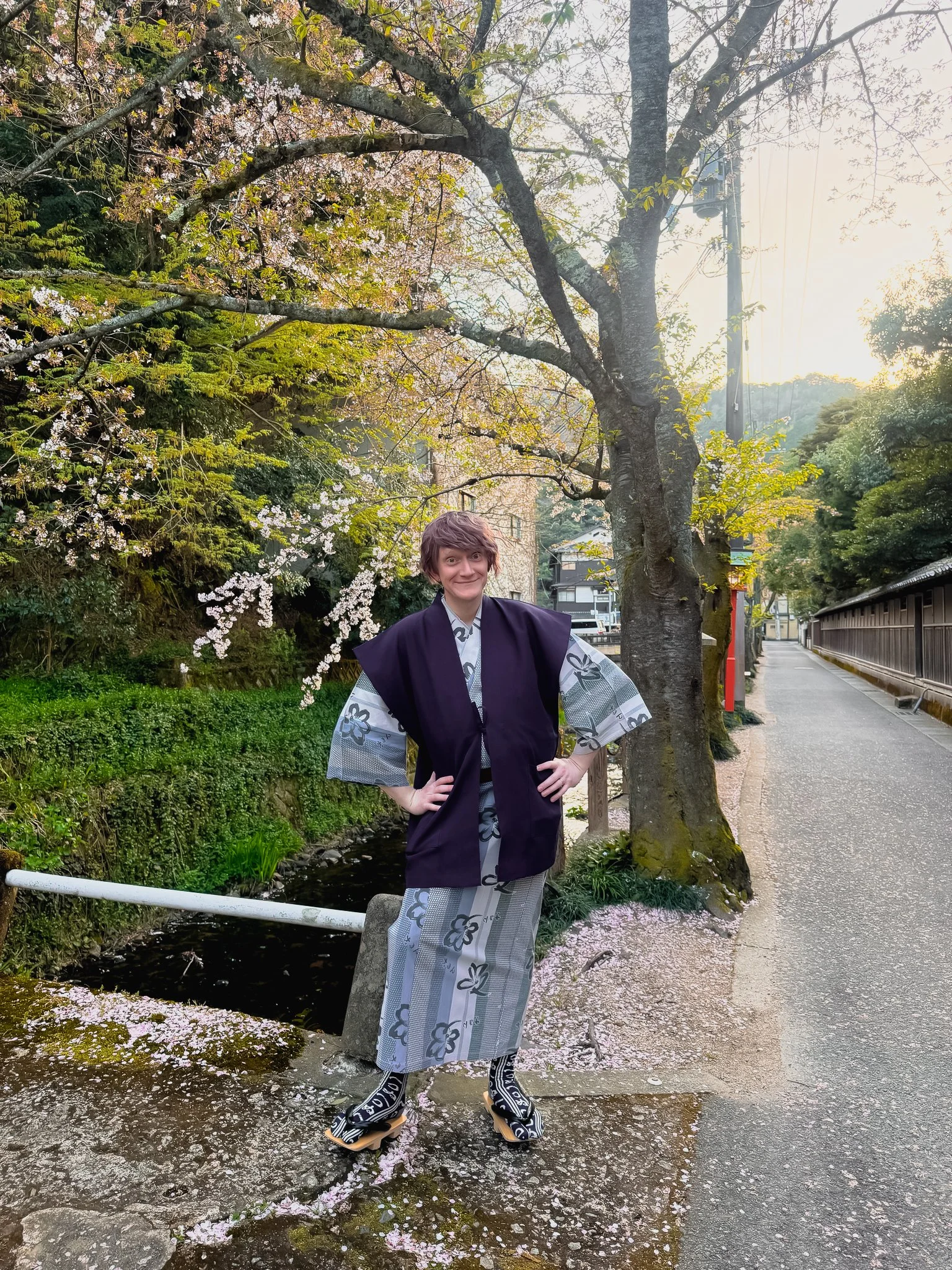
We spent the first part of the day exploring Kinosaki Onsen, walking through the town in yukata and geta sandals. The whole town is built around its seven public onsen, each with its own style and history, and the idea is to move between them throughout the day rather than staying in just one. We went to several of them, including Ichi-no-yu, which is built into a rock cavern, and Goshono-yu (our favorite), which is the largest and most ornate, with an outdoor waterfall. It’s definitely a unique experience going to the onsen, and there is a specific etiquette you’re supposed to follow. You go into the locker room and get completely naked, then wash yourself before entering the bath. You only carry a small towel to lightly dry off after rinsing. It really did feel like being in an episode of an anime. The baths were separated by a bamboo divider between the men’s and women’s sides, and you could hear the women laughing and talking loudly while the men’s side was much quieter.
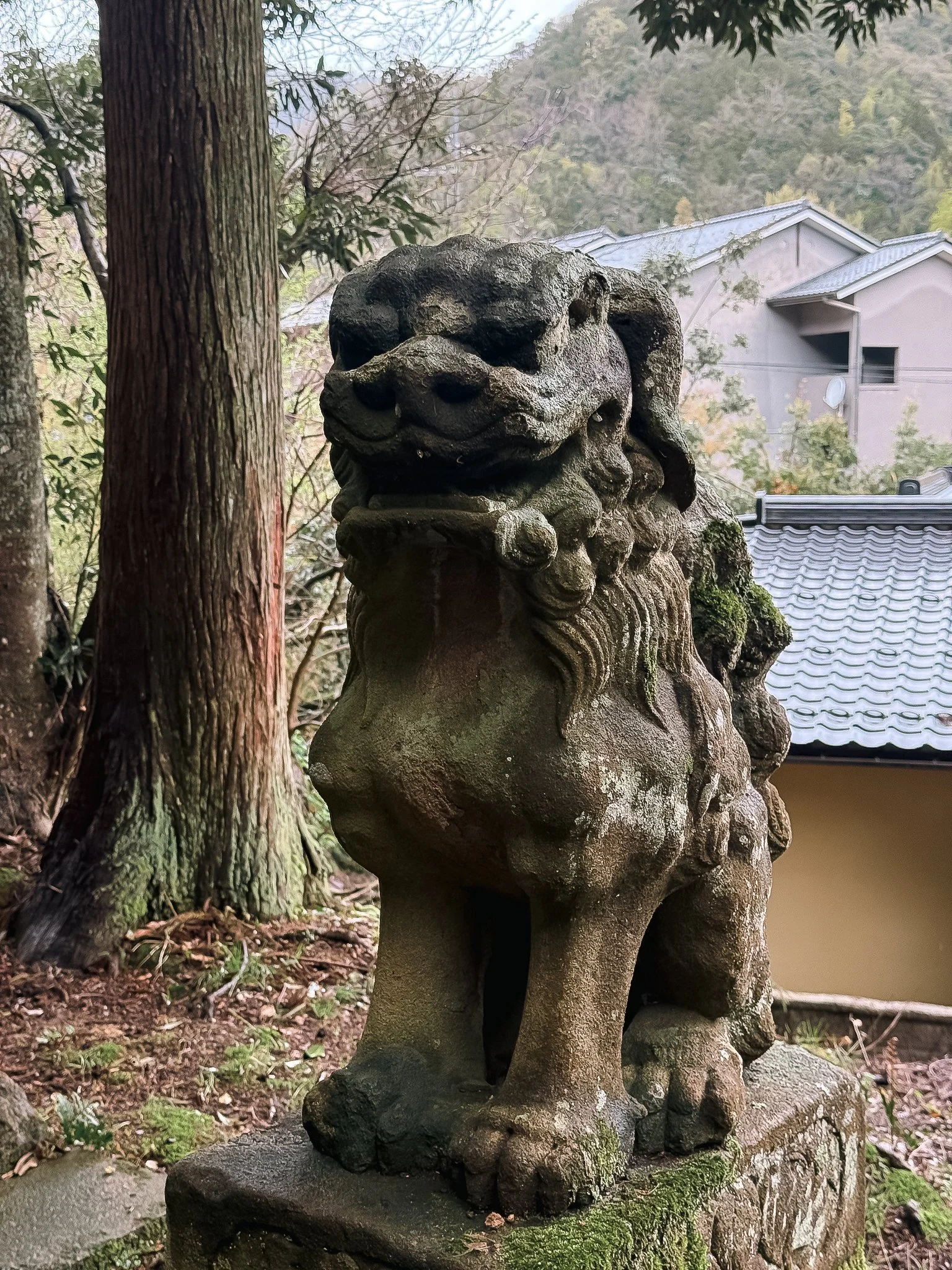
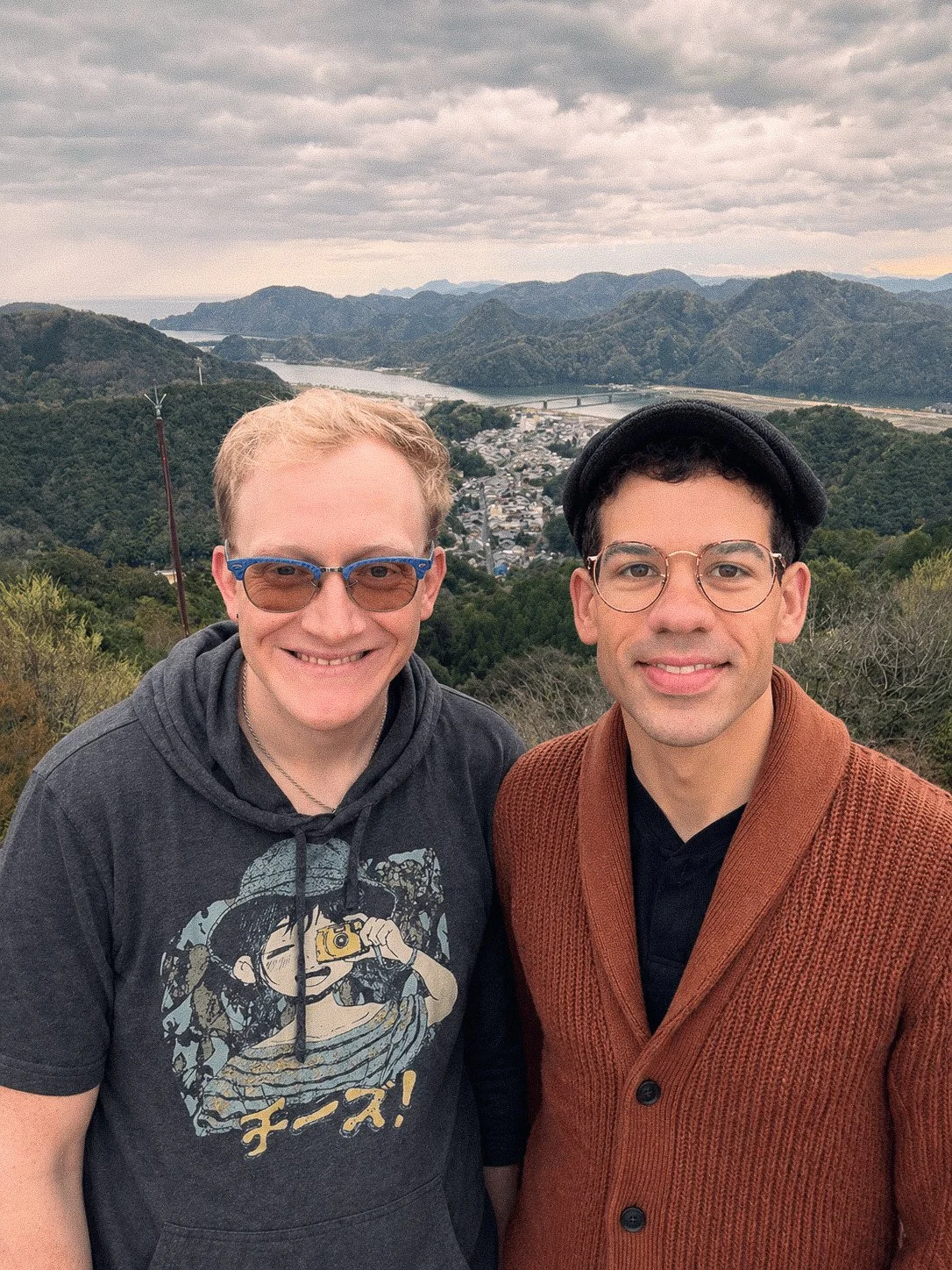
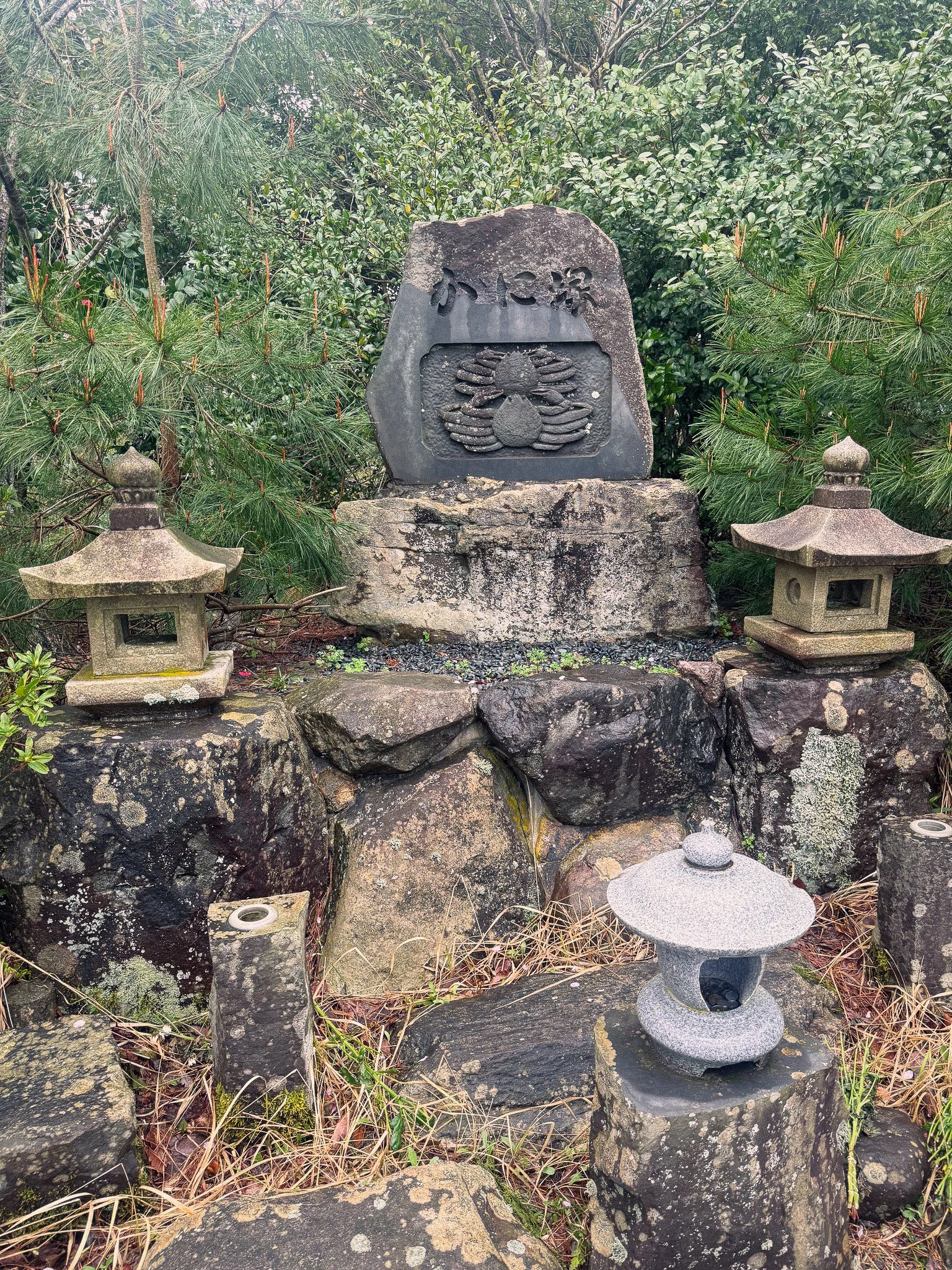
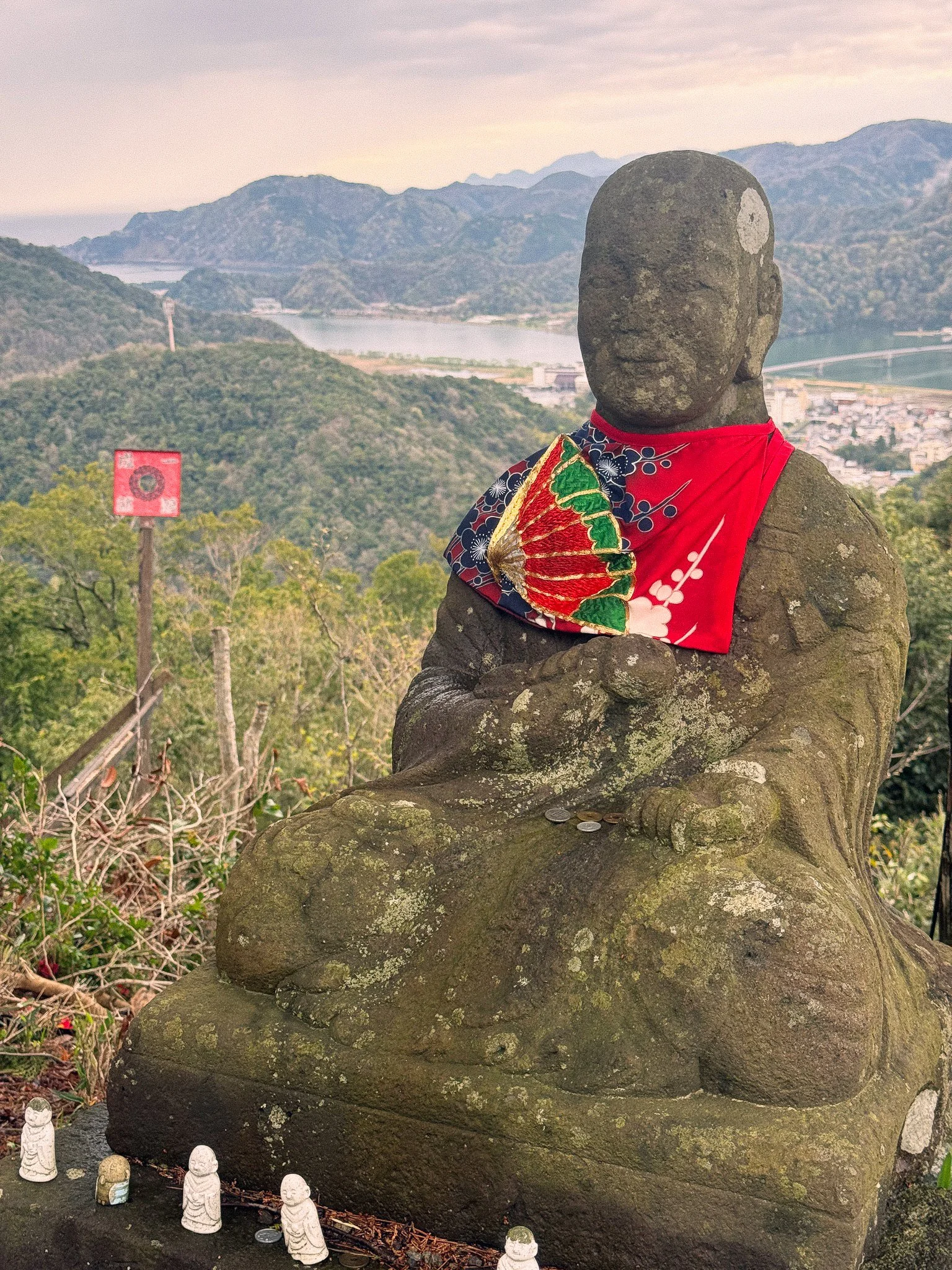
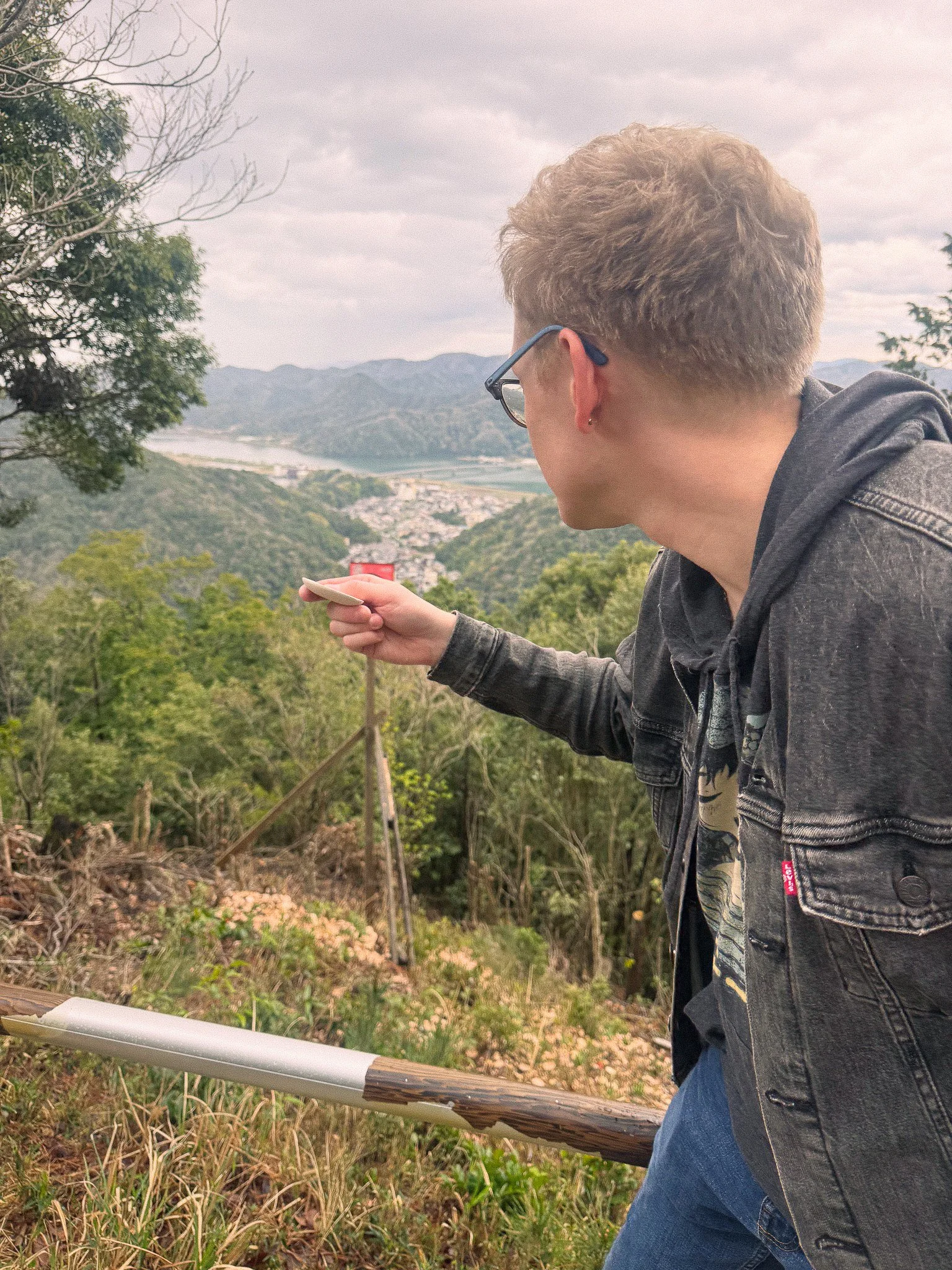
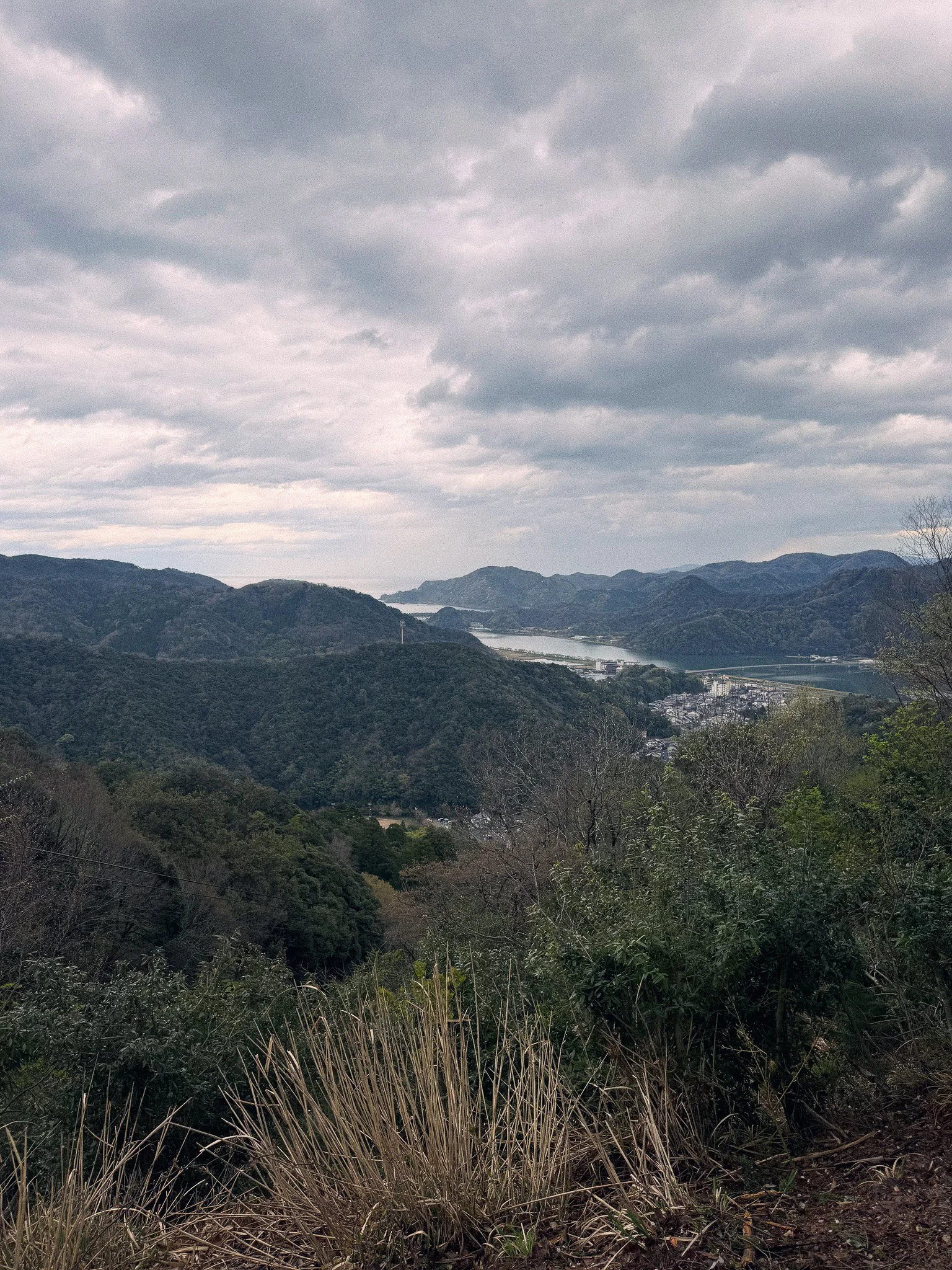
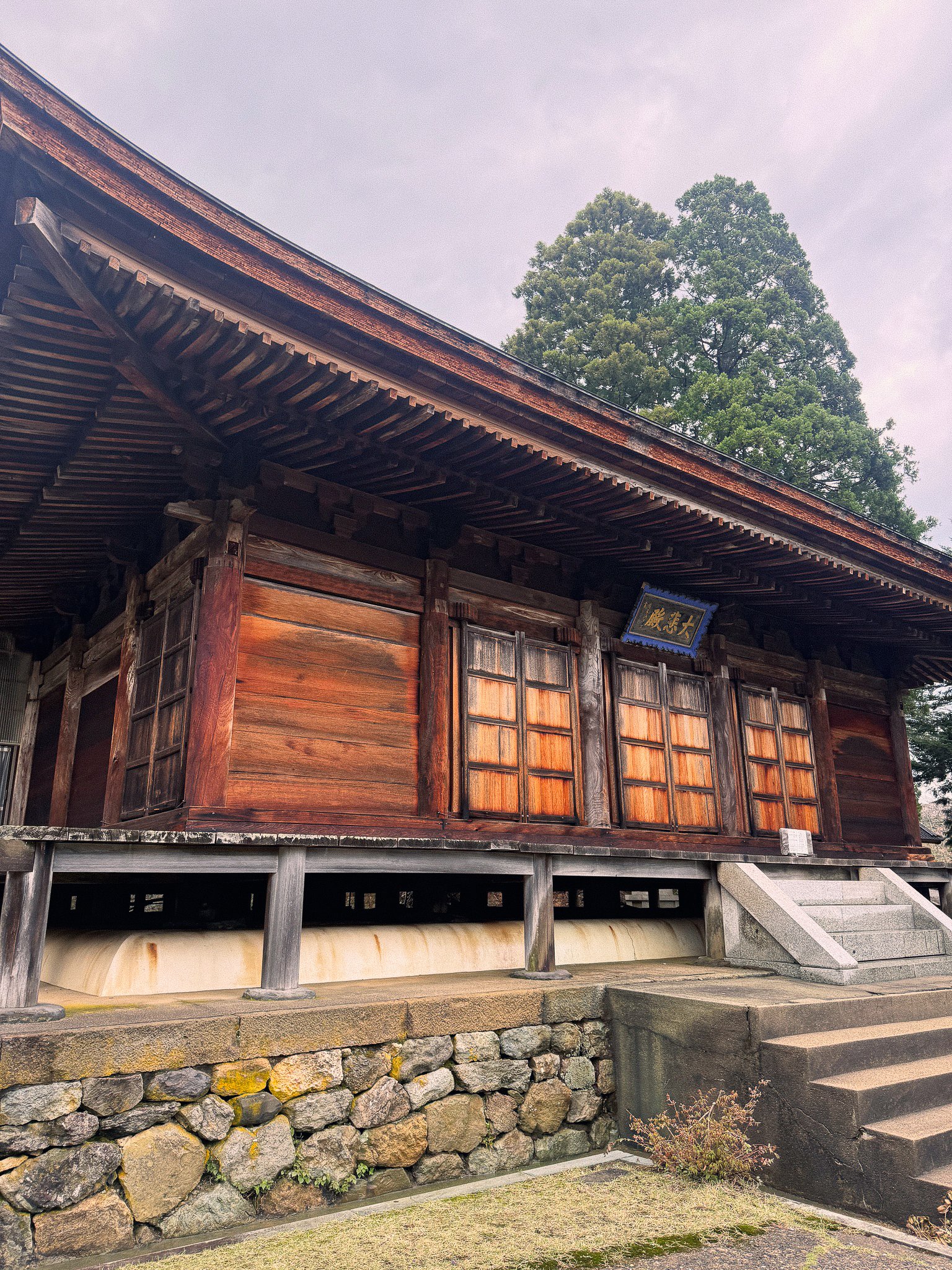
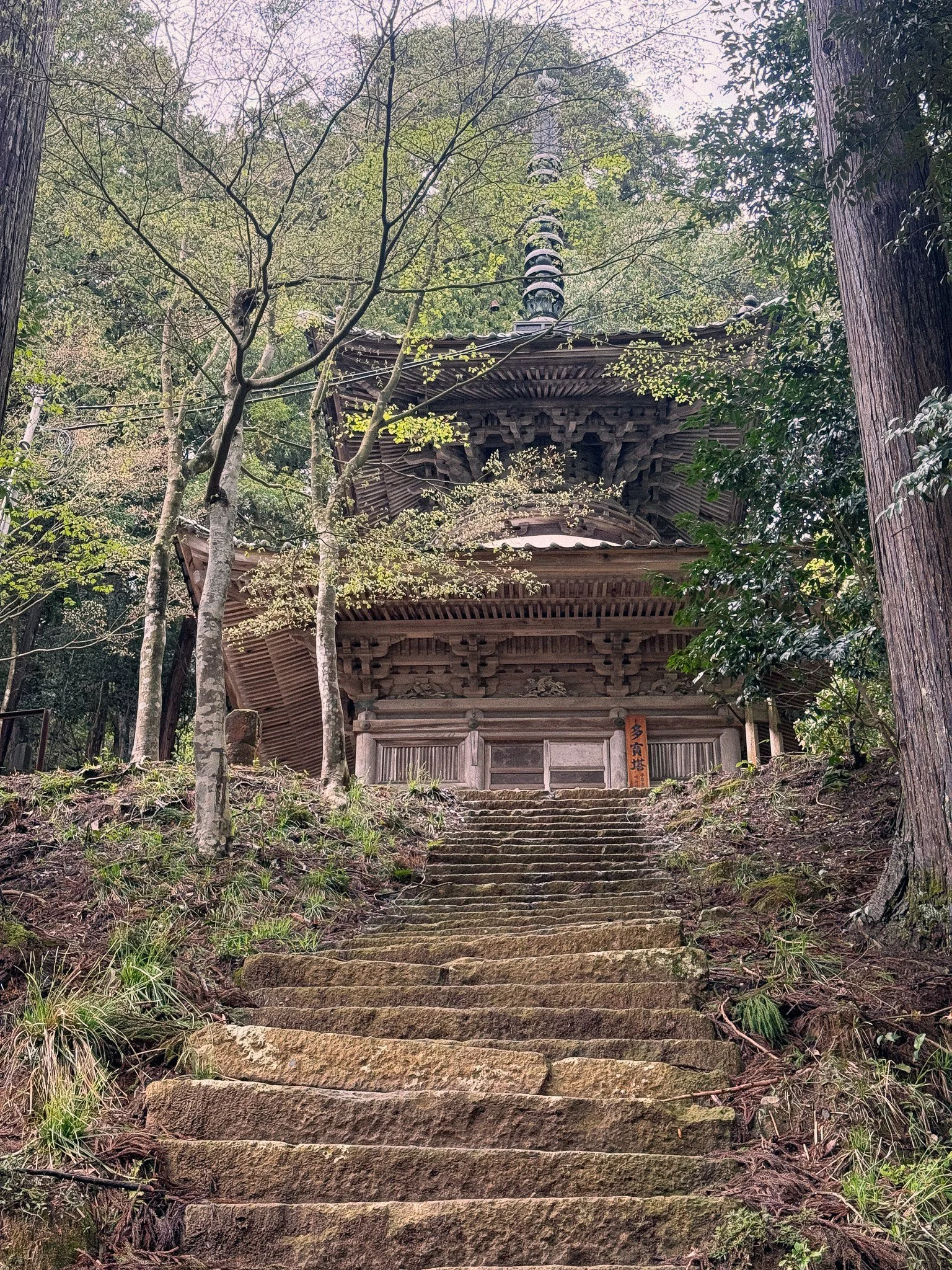
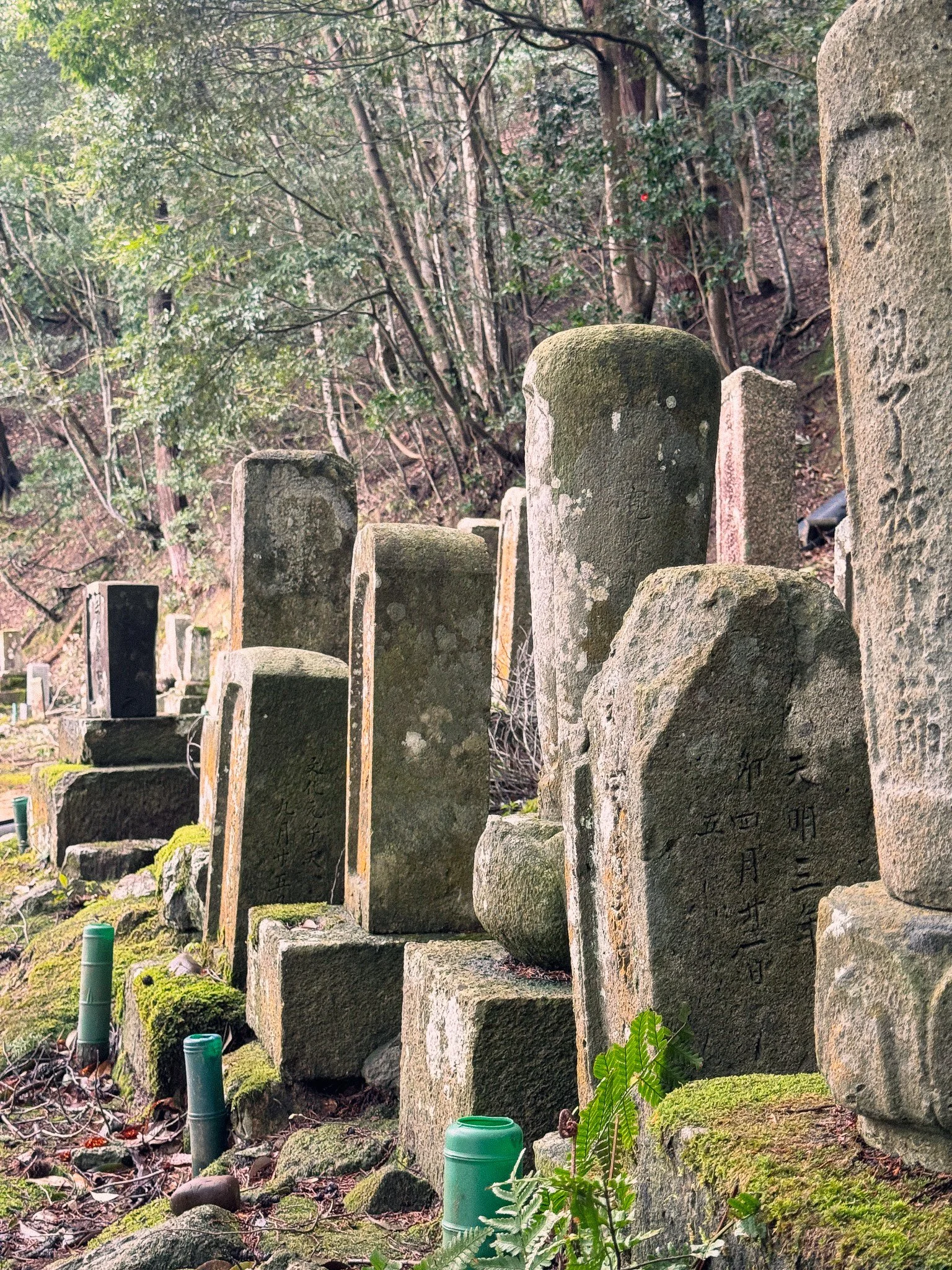
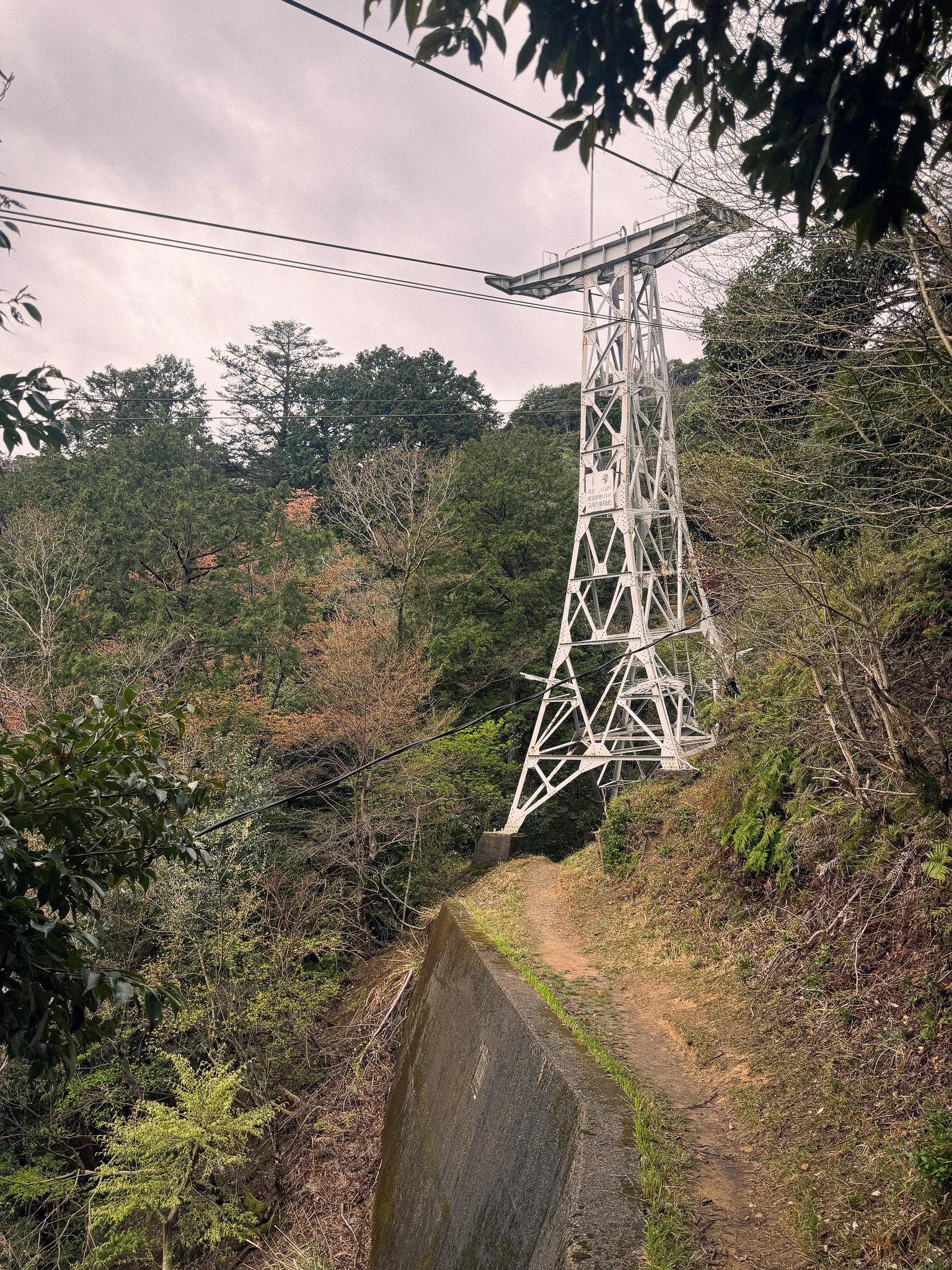
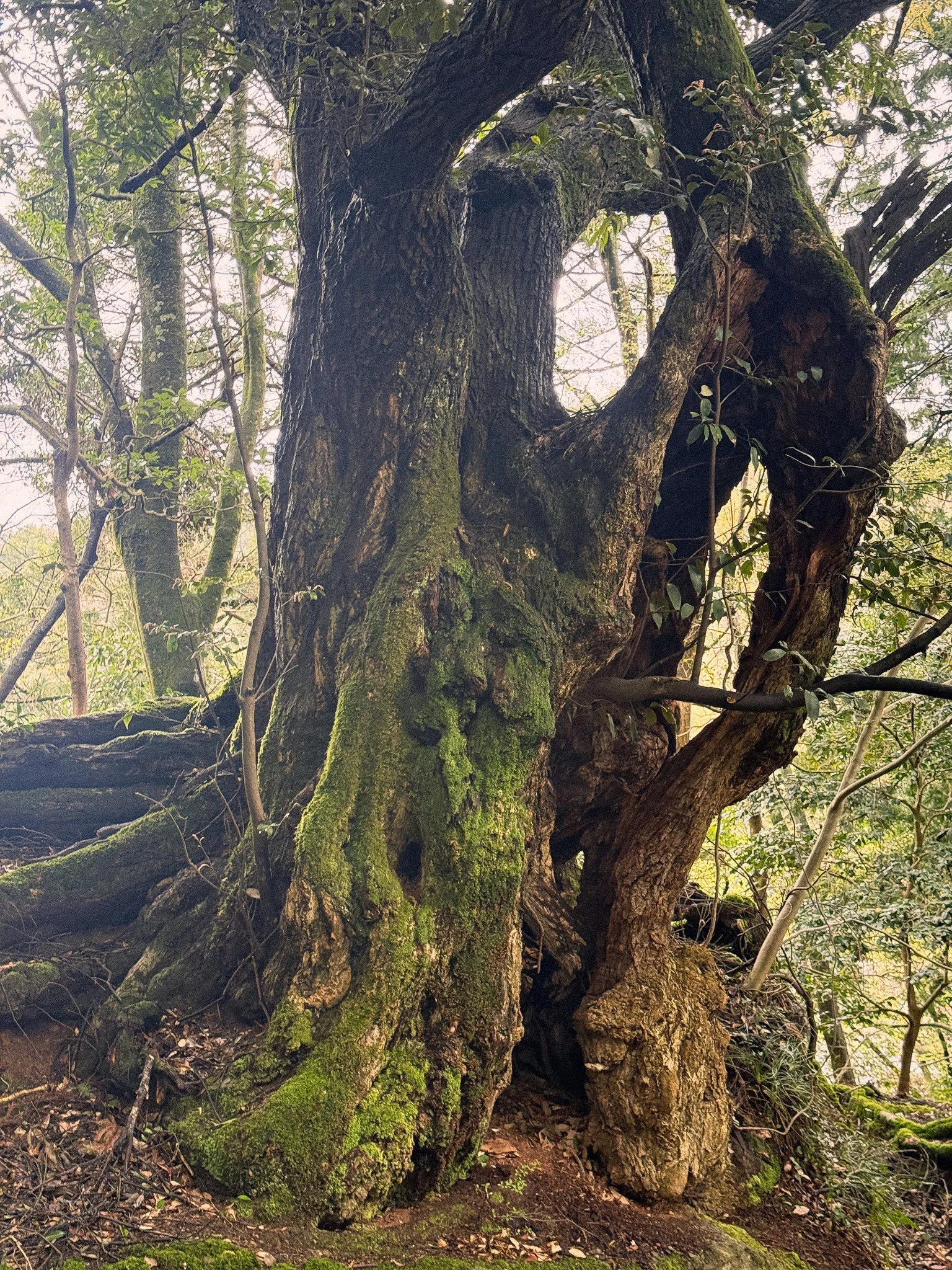
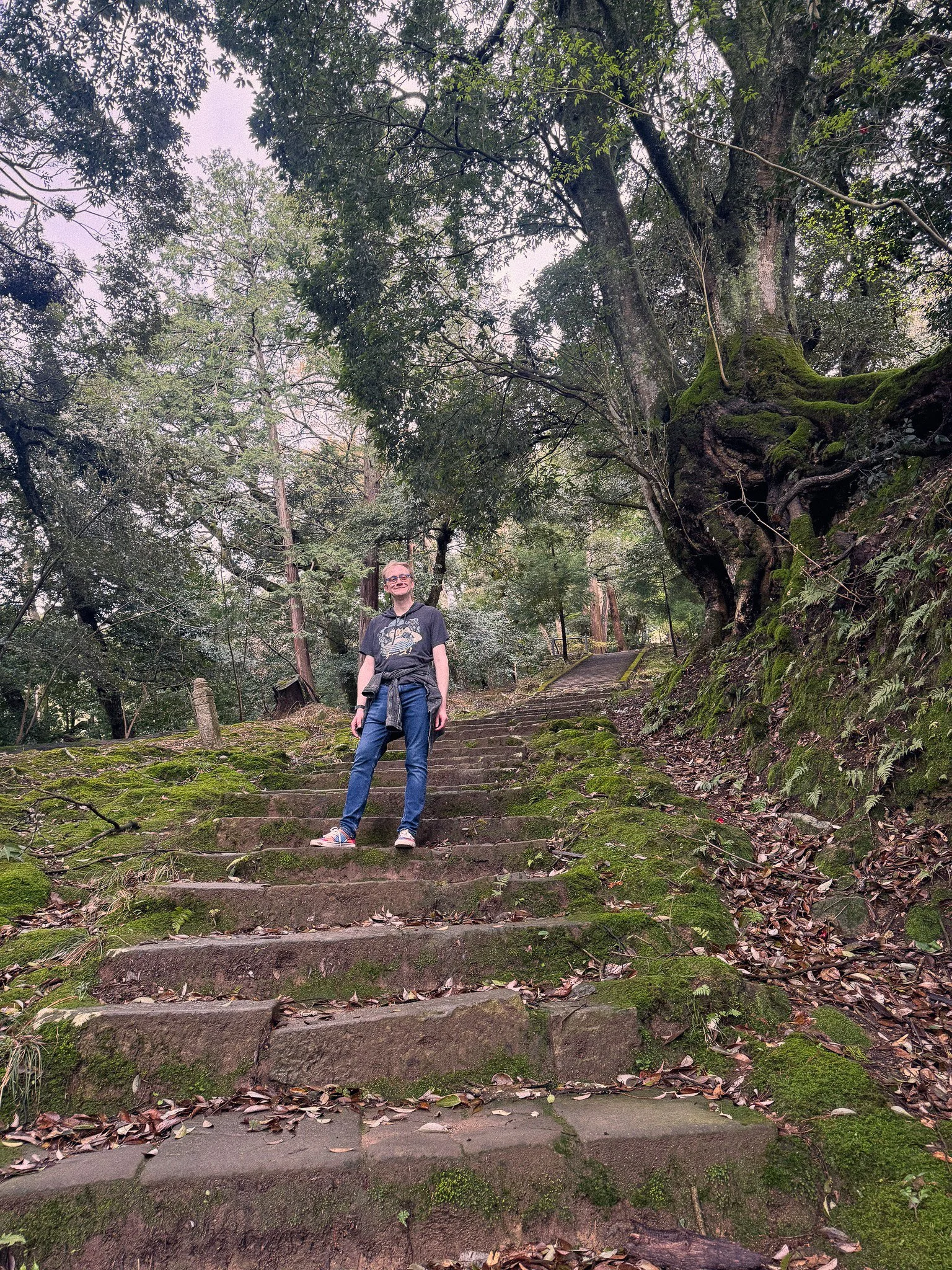
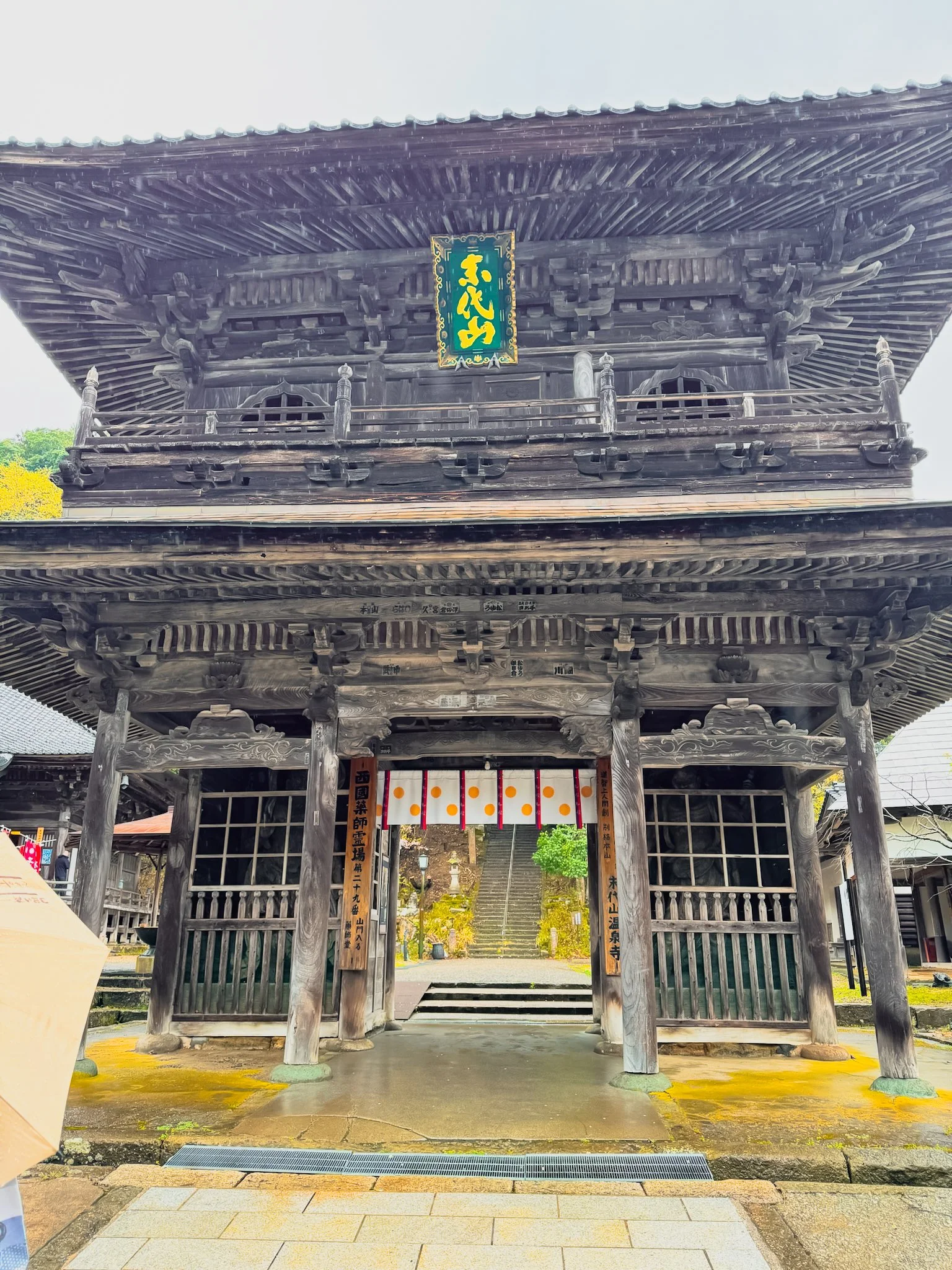
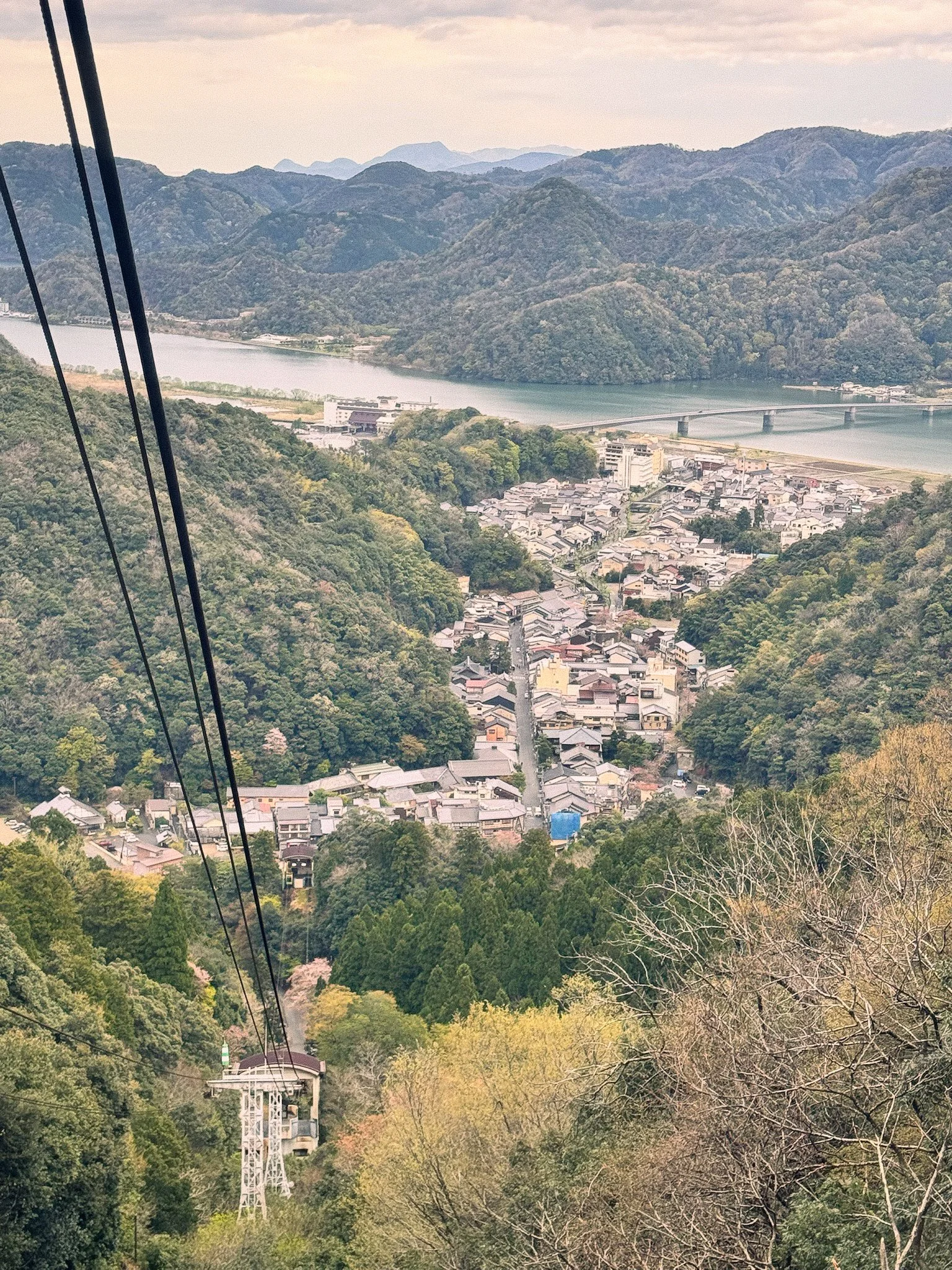
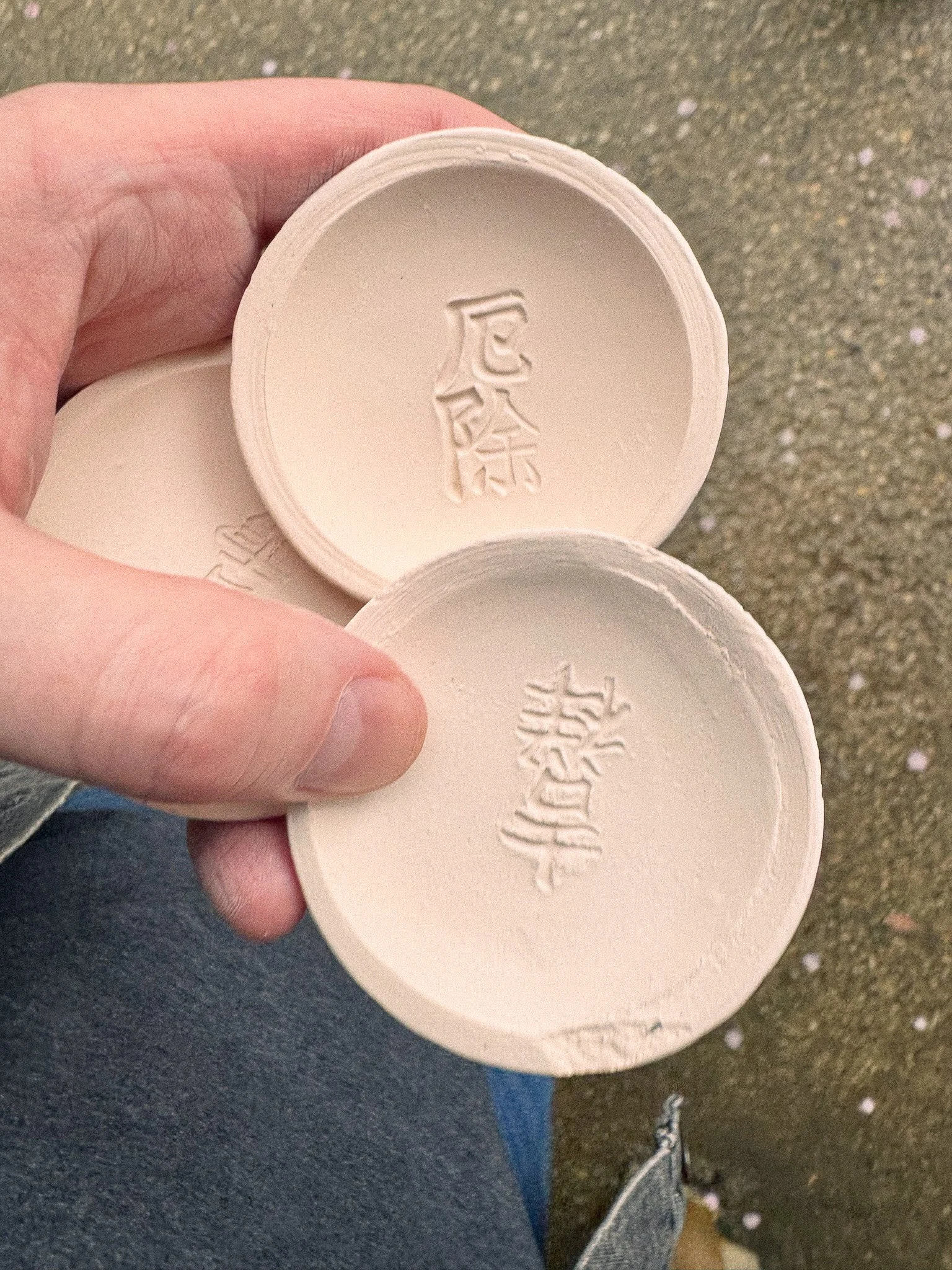
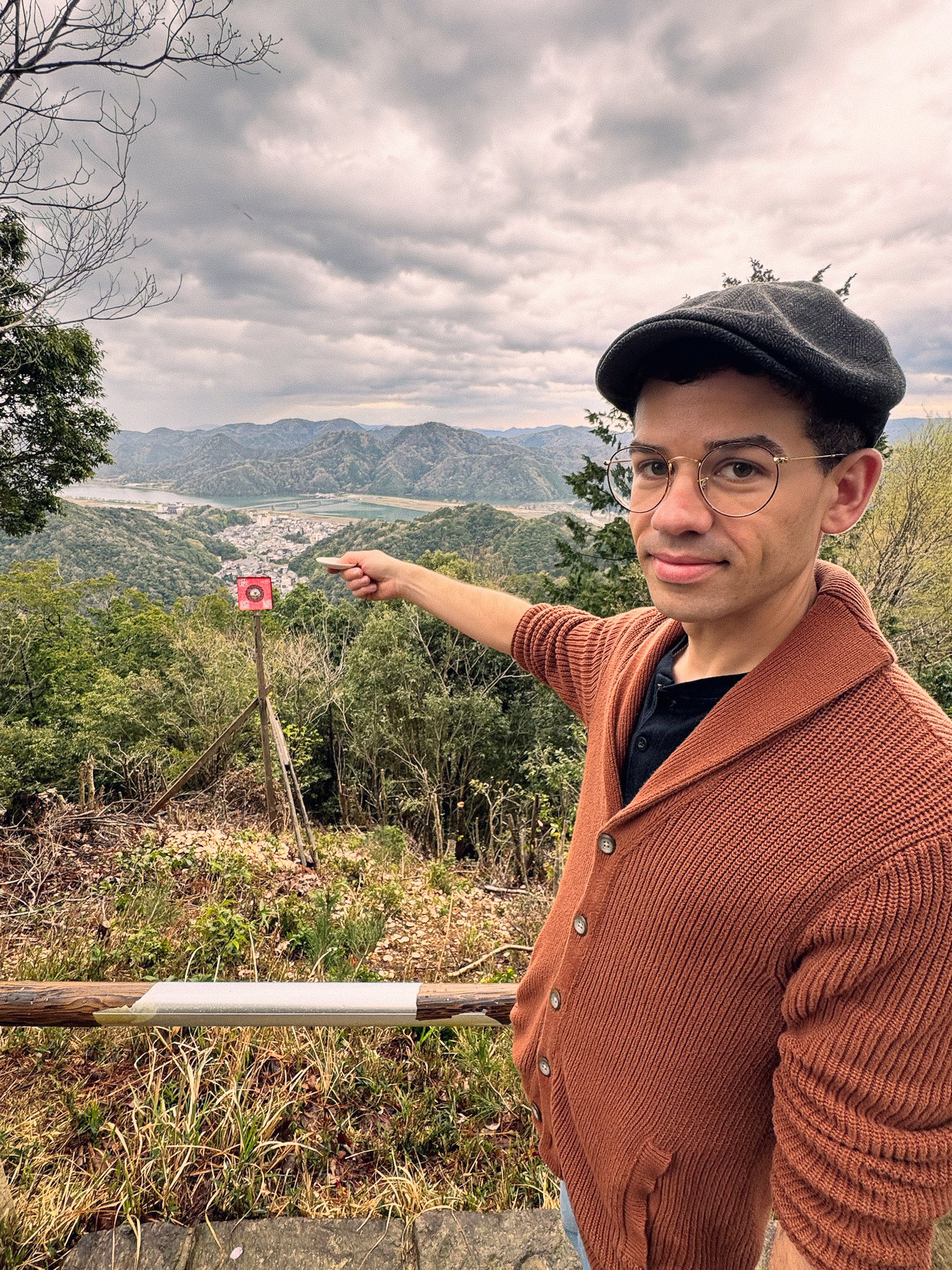
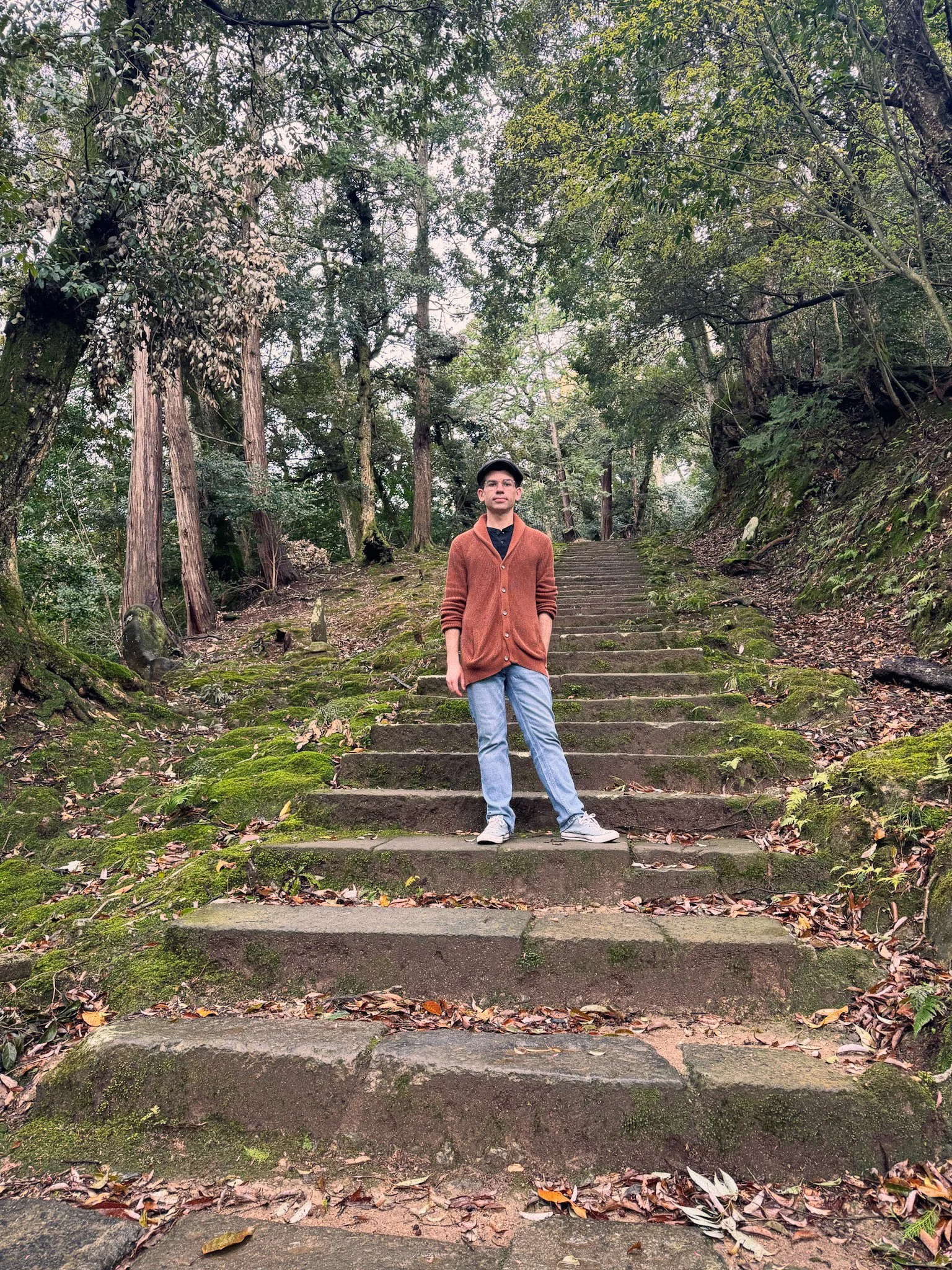
The morning had been a bit rainy, but once it cleared up in the afternoon we took the ropeway up to the top of Mount Daishi. From the top you could see out over the town with the ocean in the distance between the mountains. There were also a few small shrines and cemetery areas scattered around the summit. There was a spot where you could buy three ceramic discs and try to throw them through a small target for good luck. Justin and I both tried, and I usually have terrible aim, but I actually got pretty close. Instead of taking the ropeway back down, we walked the 500 old stone steps all the way back to town, then returned to the ryokan for another huge dinner and more onsen time.
day 10 出石・城崎温泉(最後の夜)
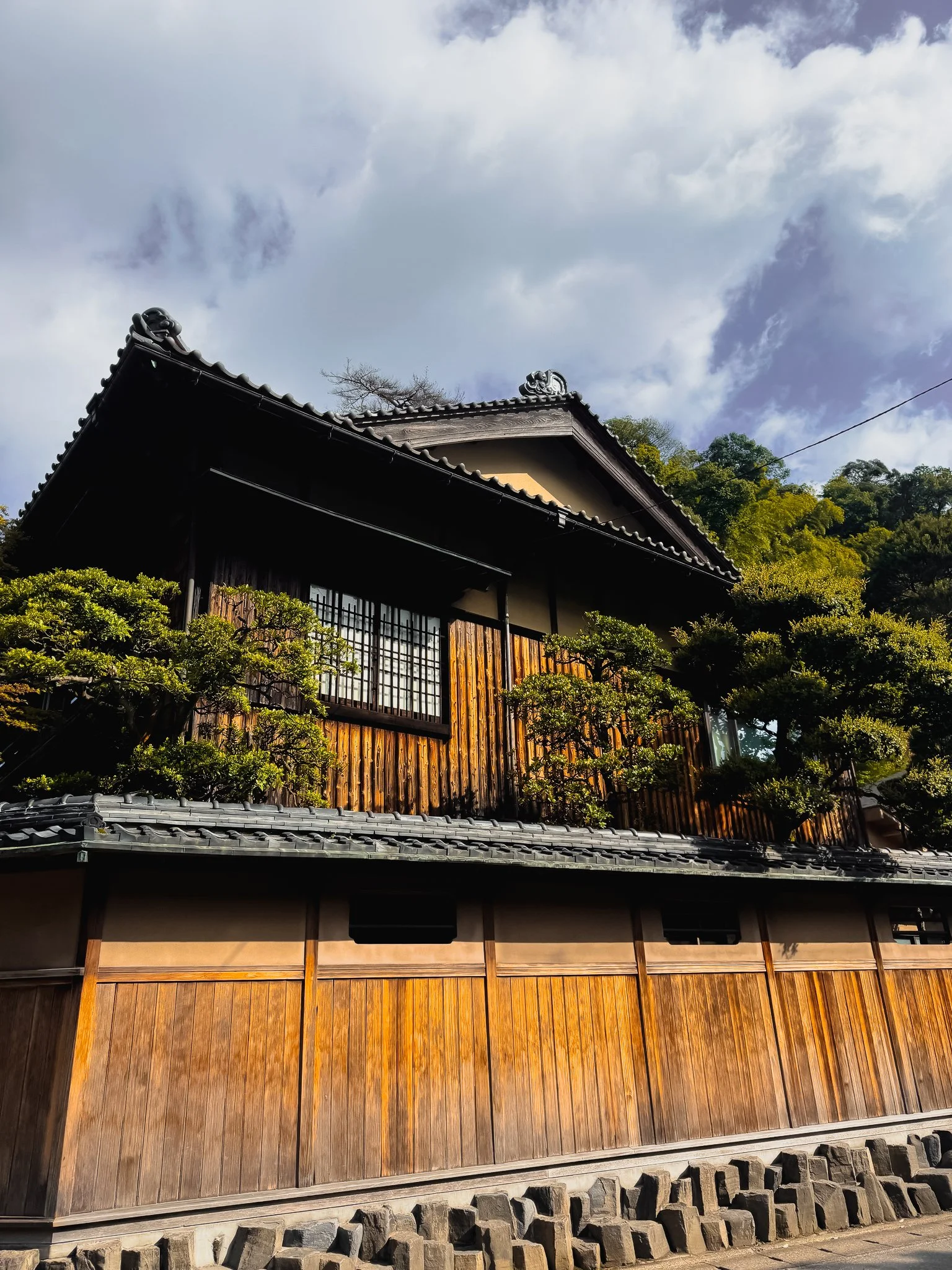
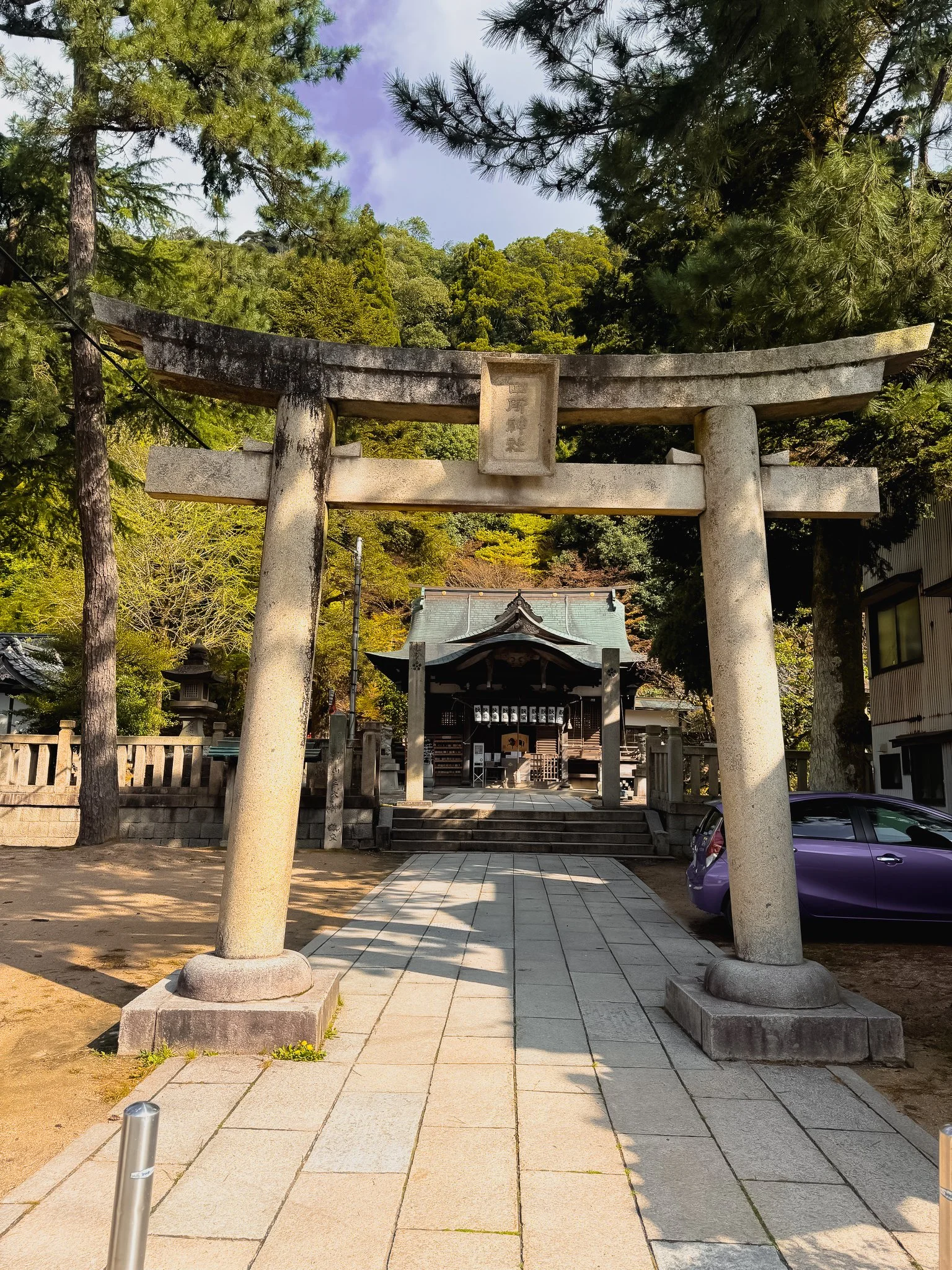
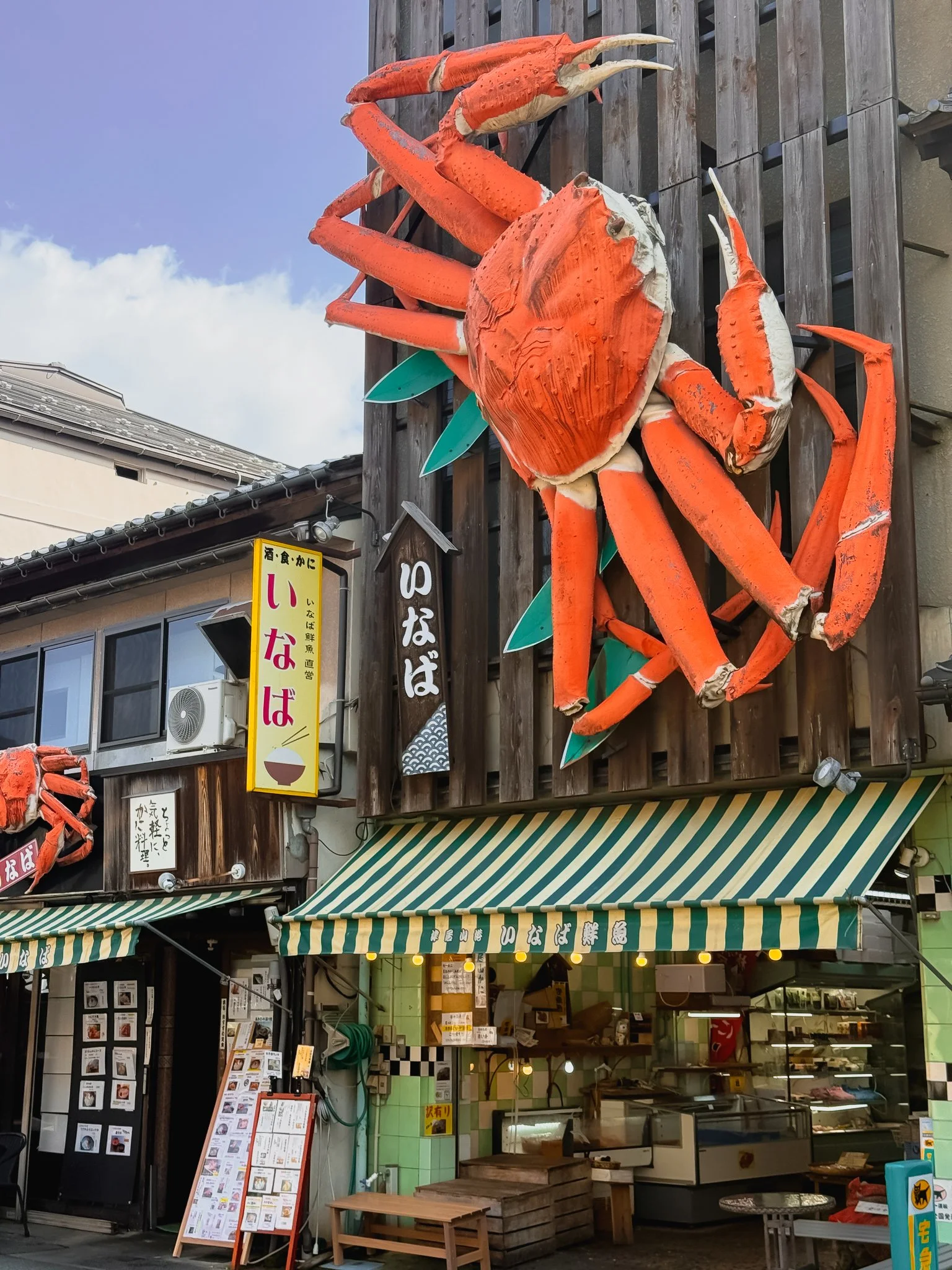
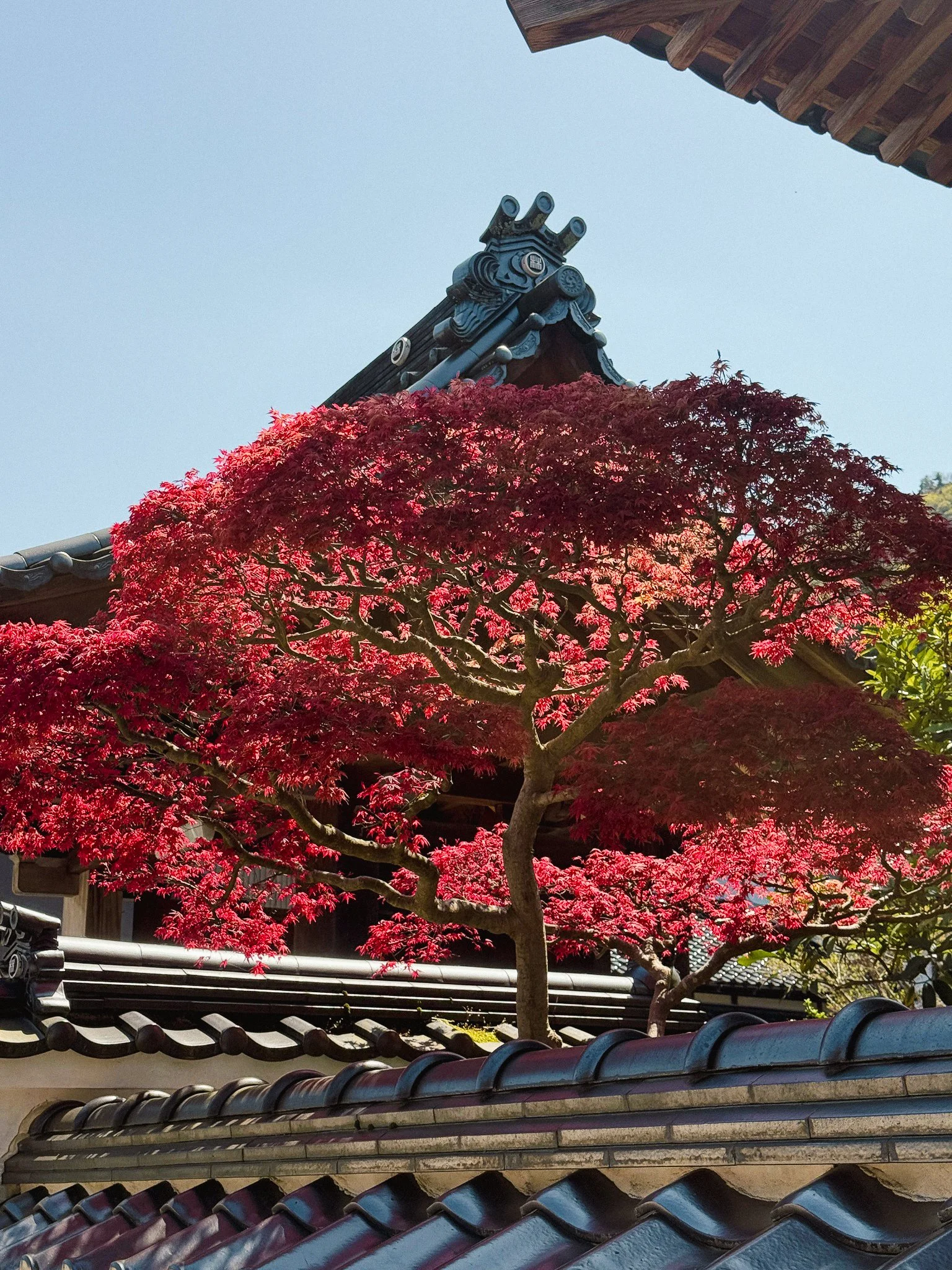
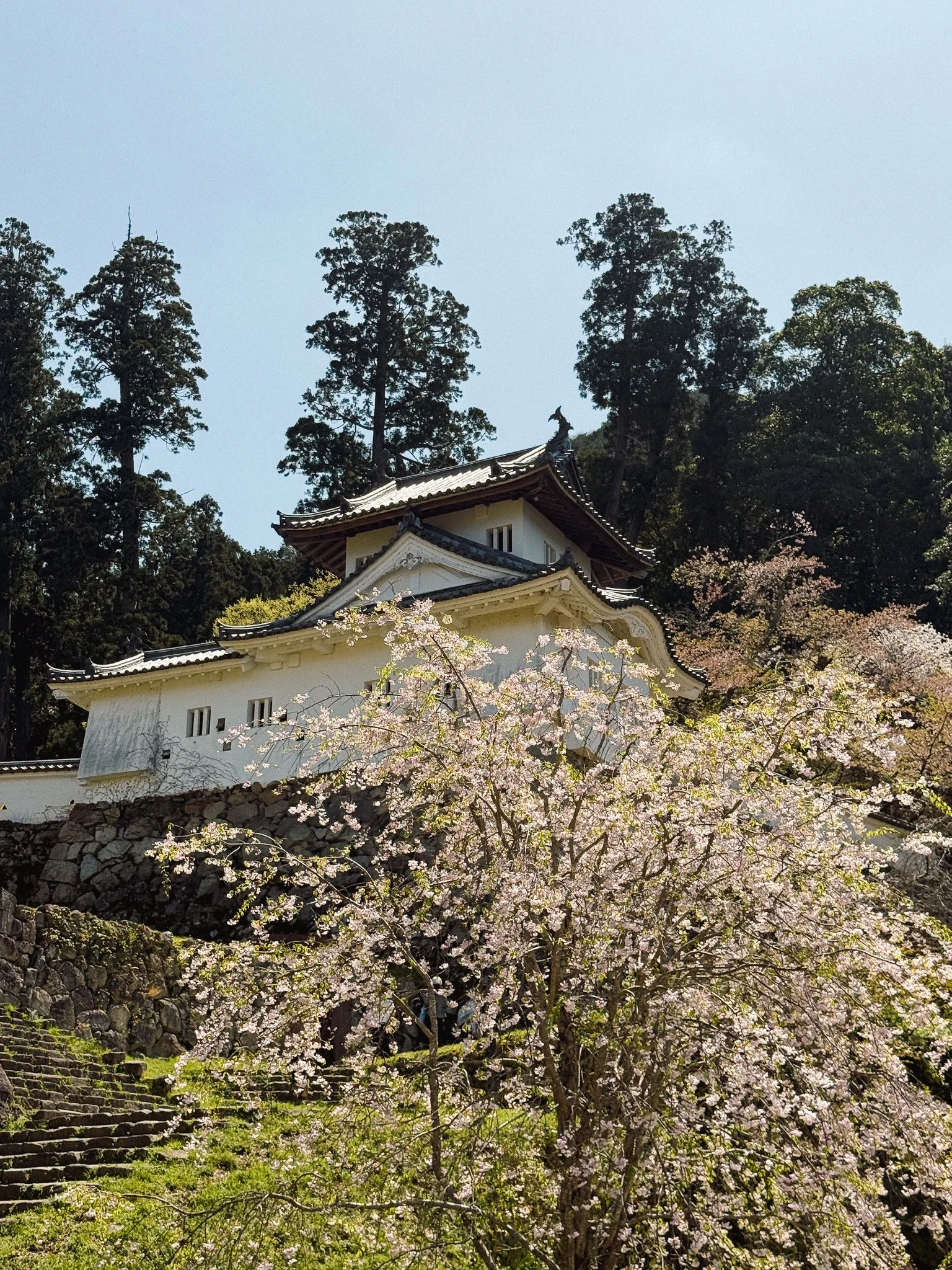
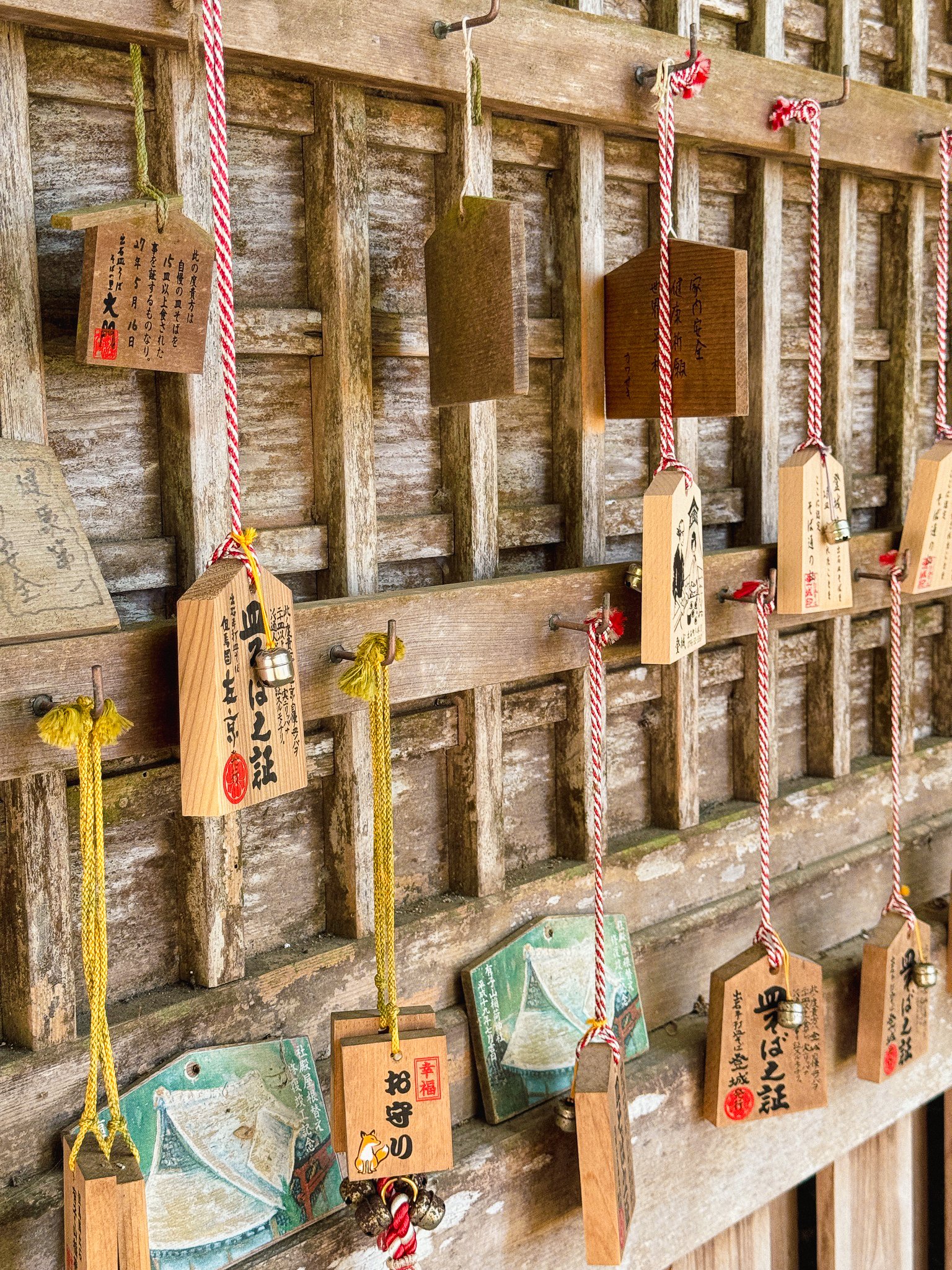
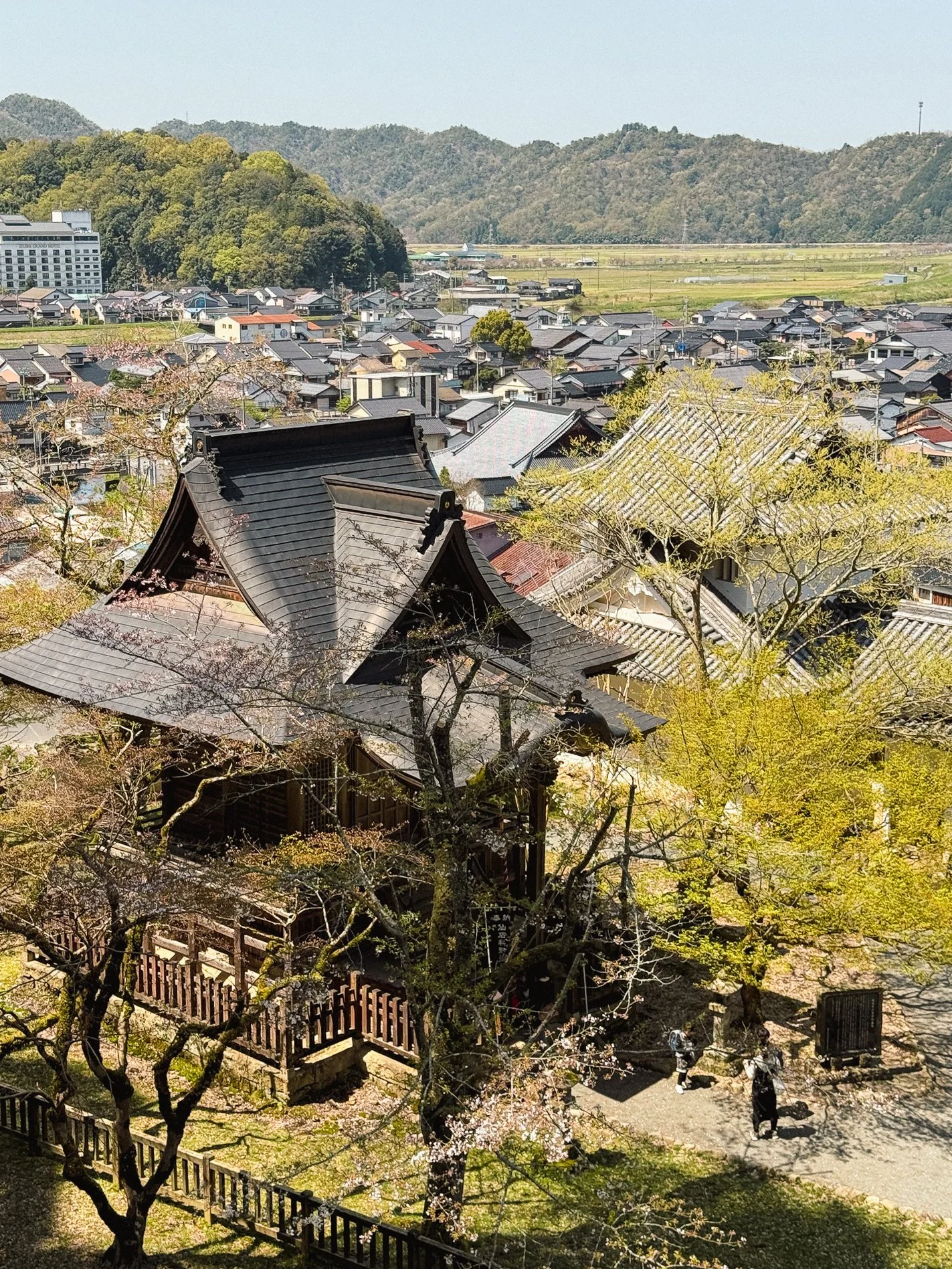
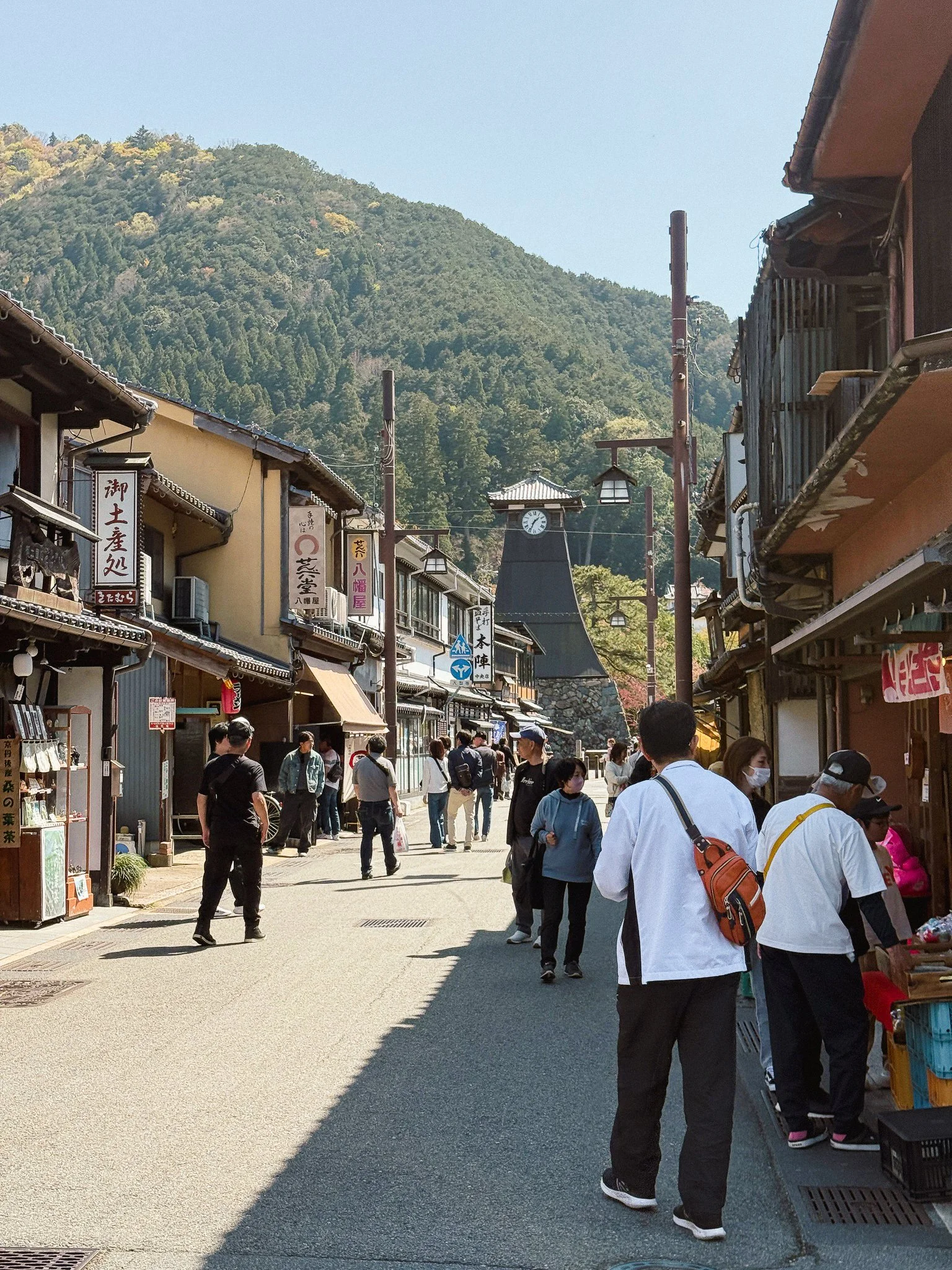
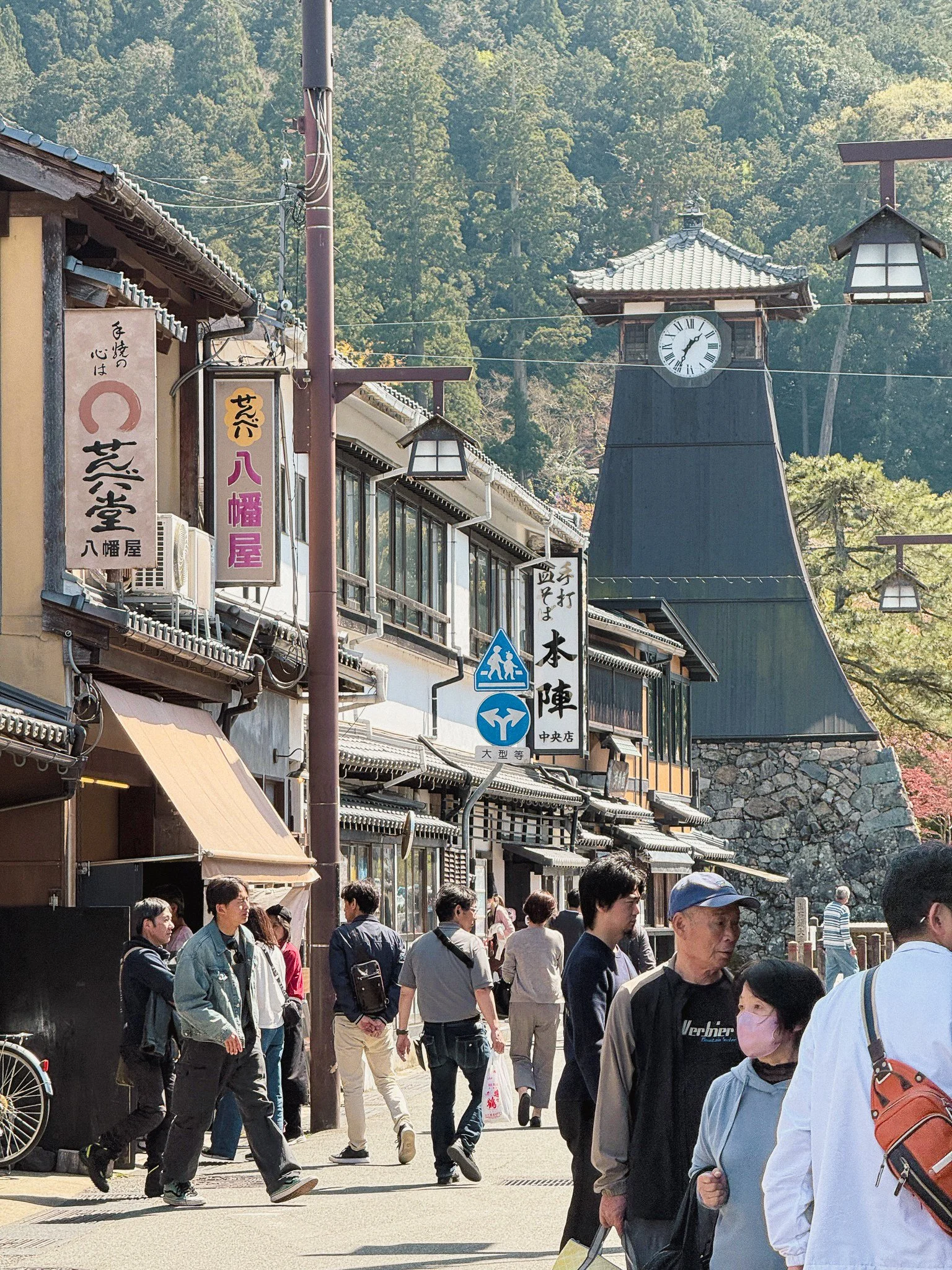
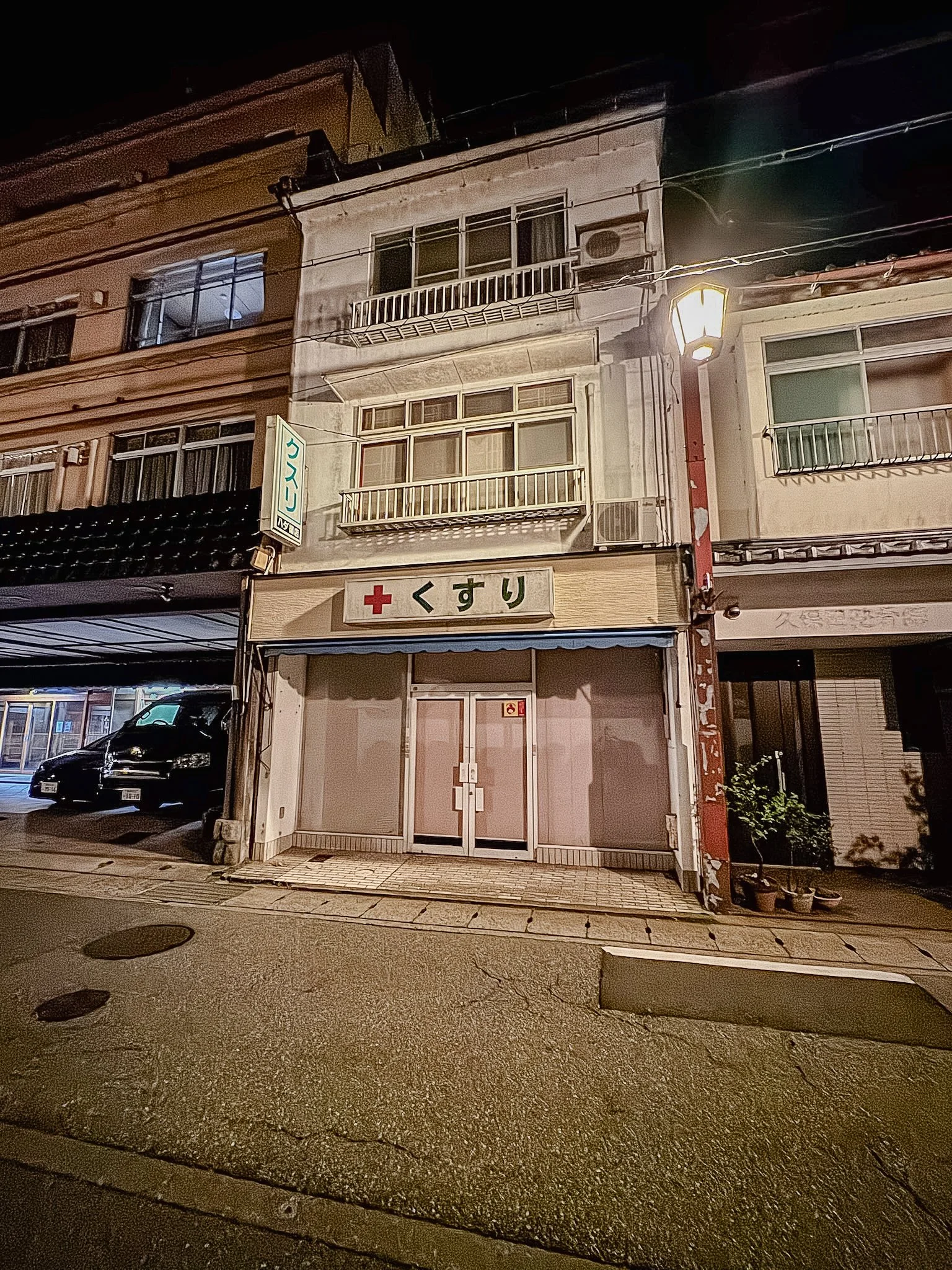
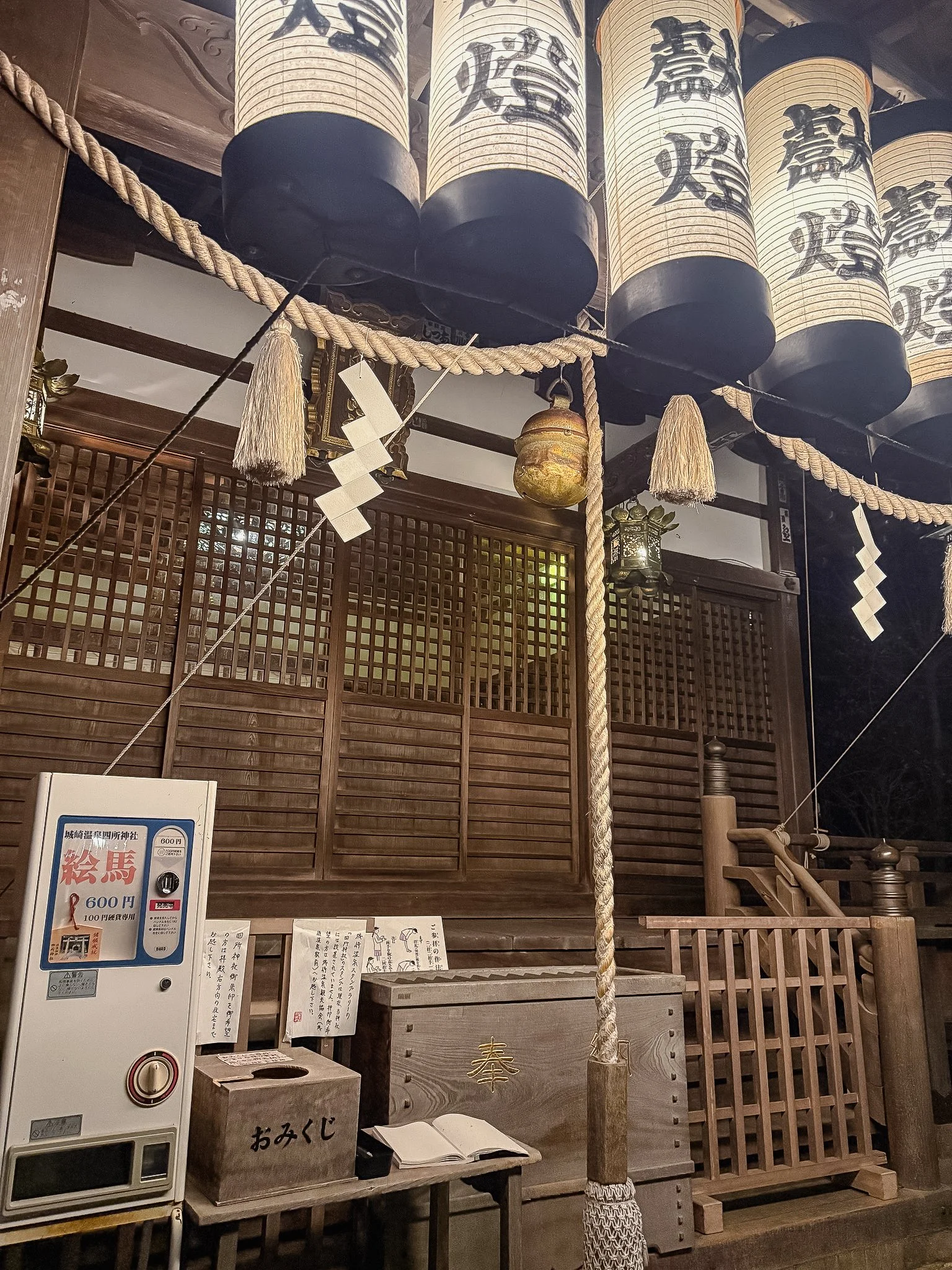
We took a bus out from Kinosaki to the nearby town of Izushi, which ended up being one of our favorite stops of the whole trip. It’s an old castle town that’s been preserved to still look like it did during the Edo period, so the whole place feels like stepping back in time, and we were clearly the only foreigners there.
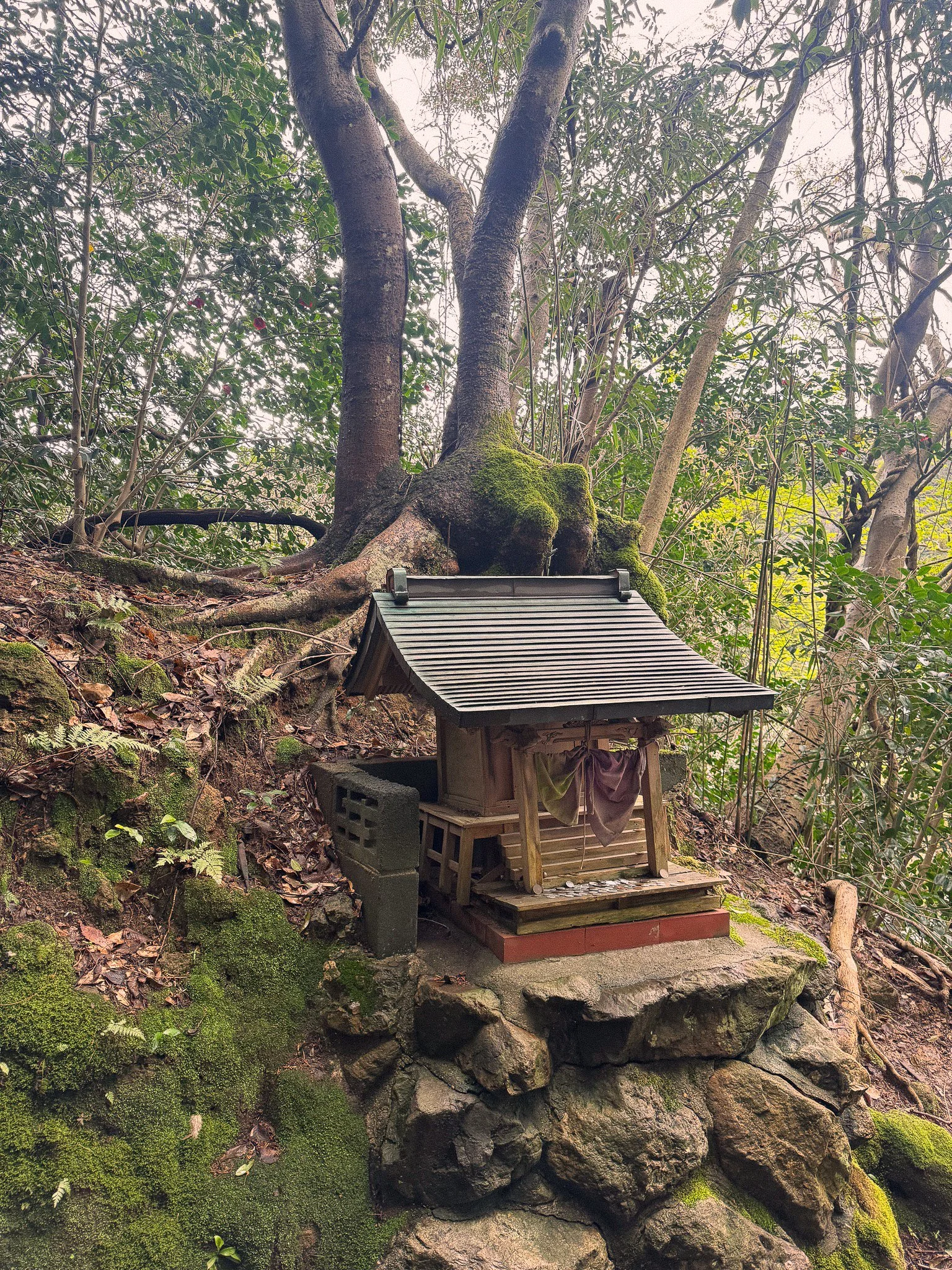
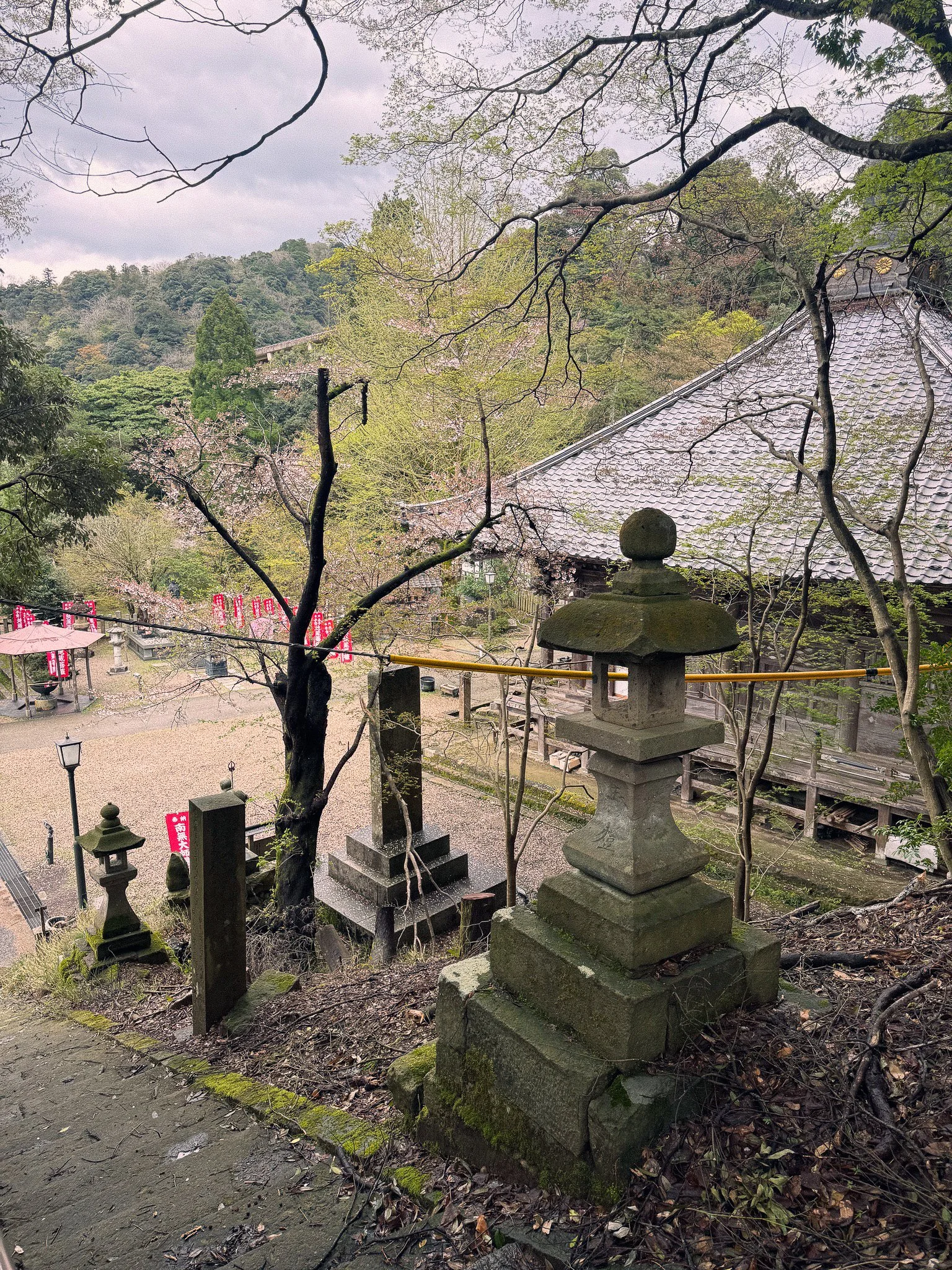
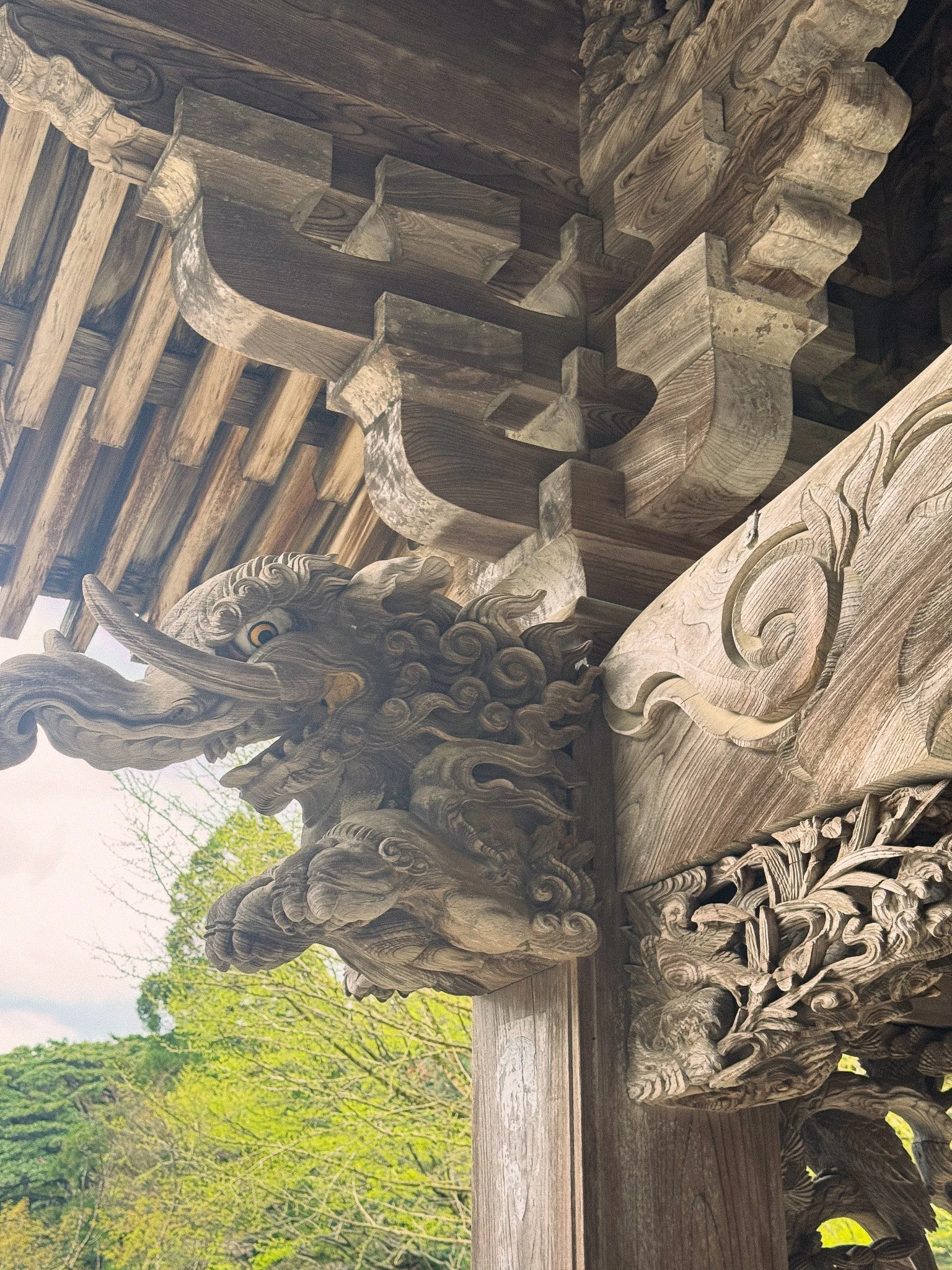
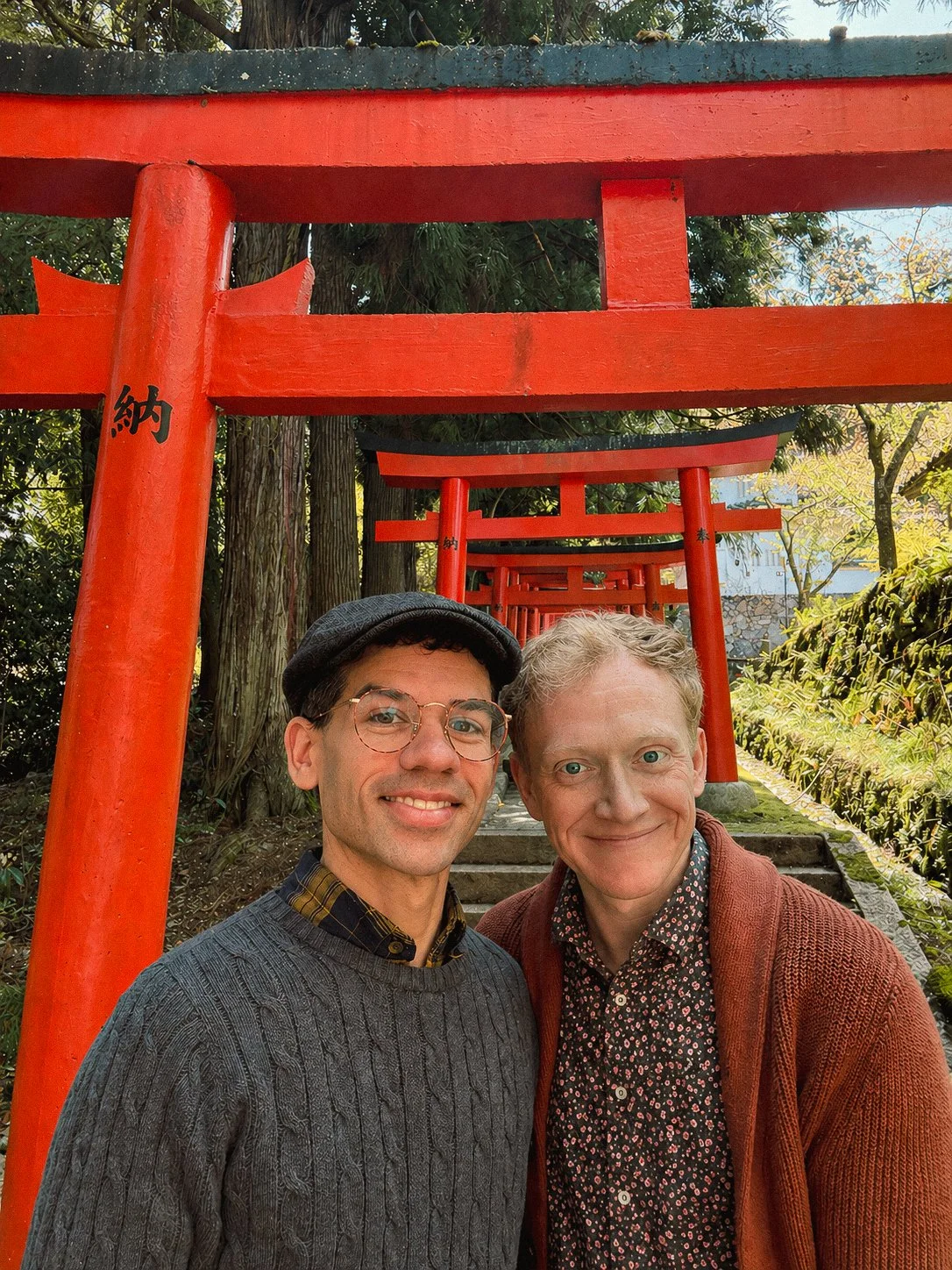
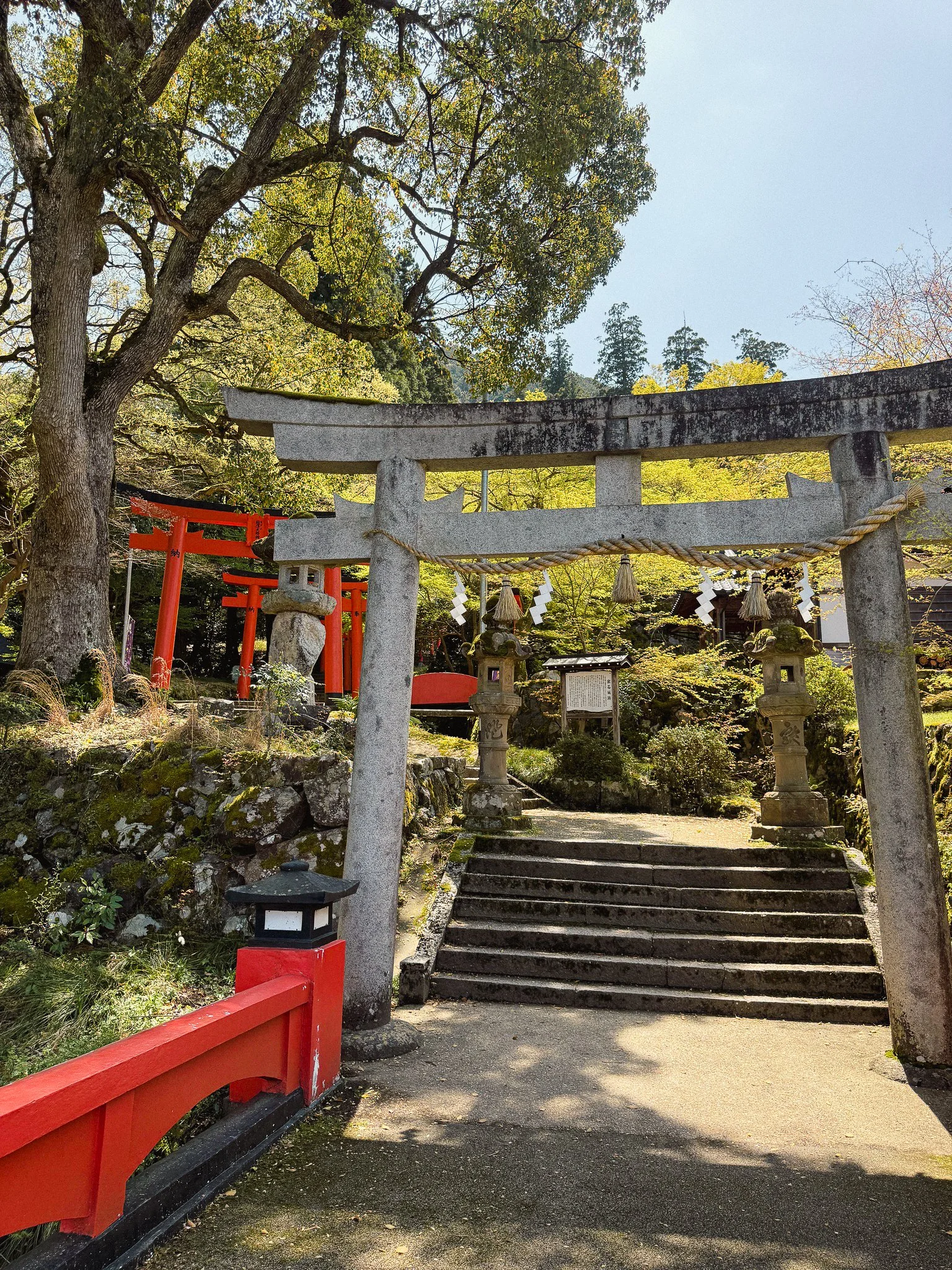
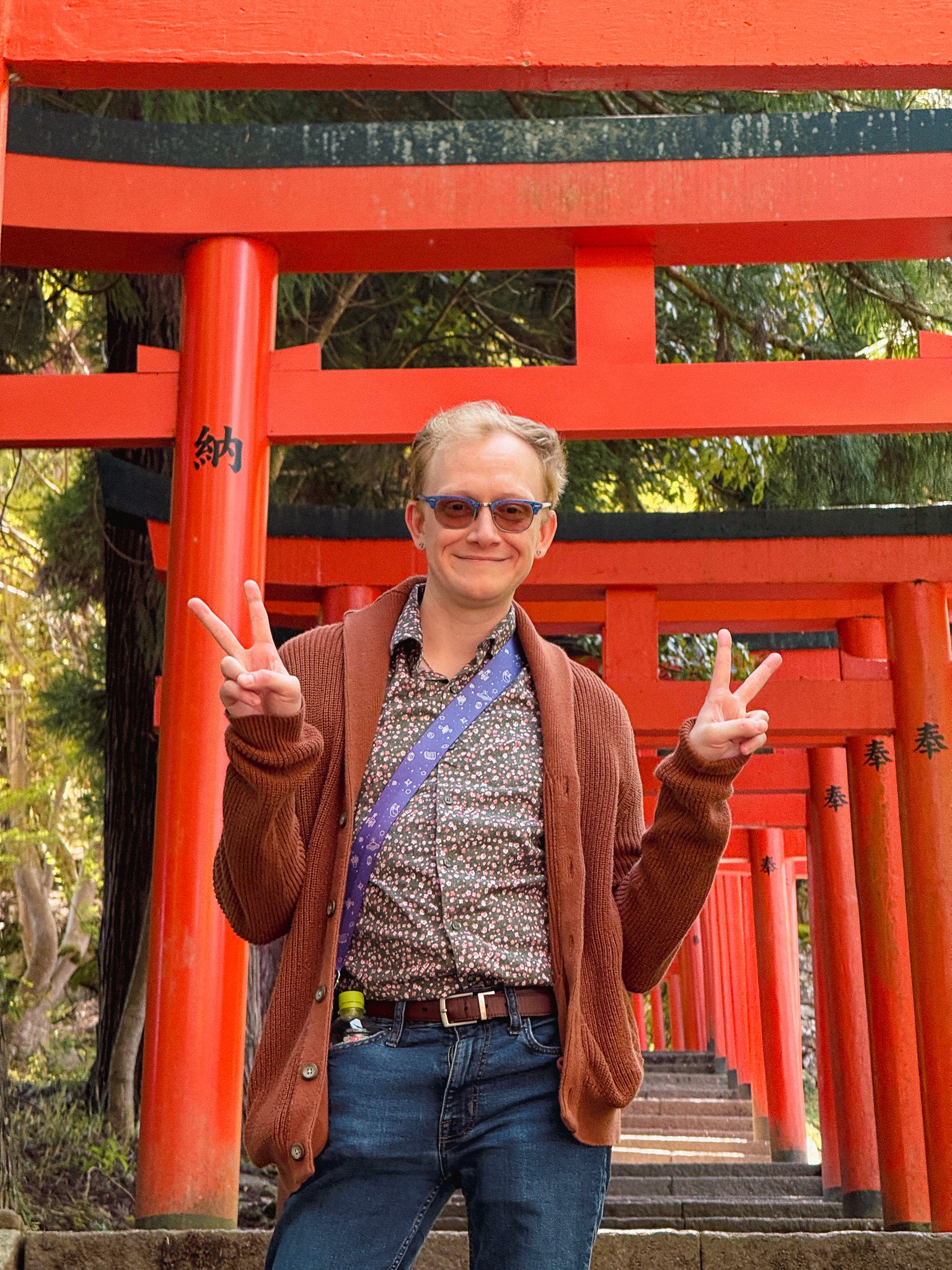
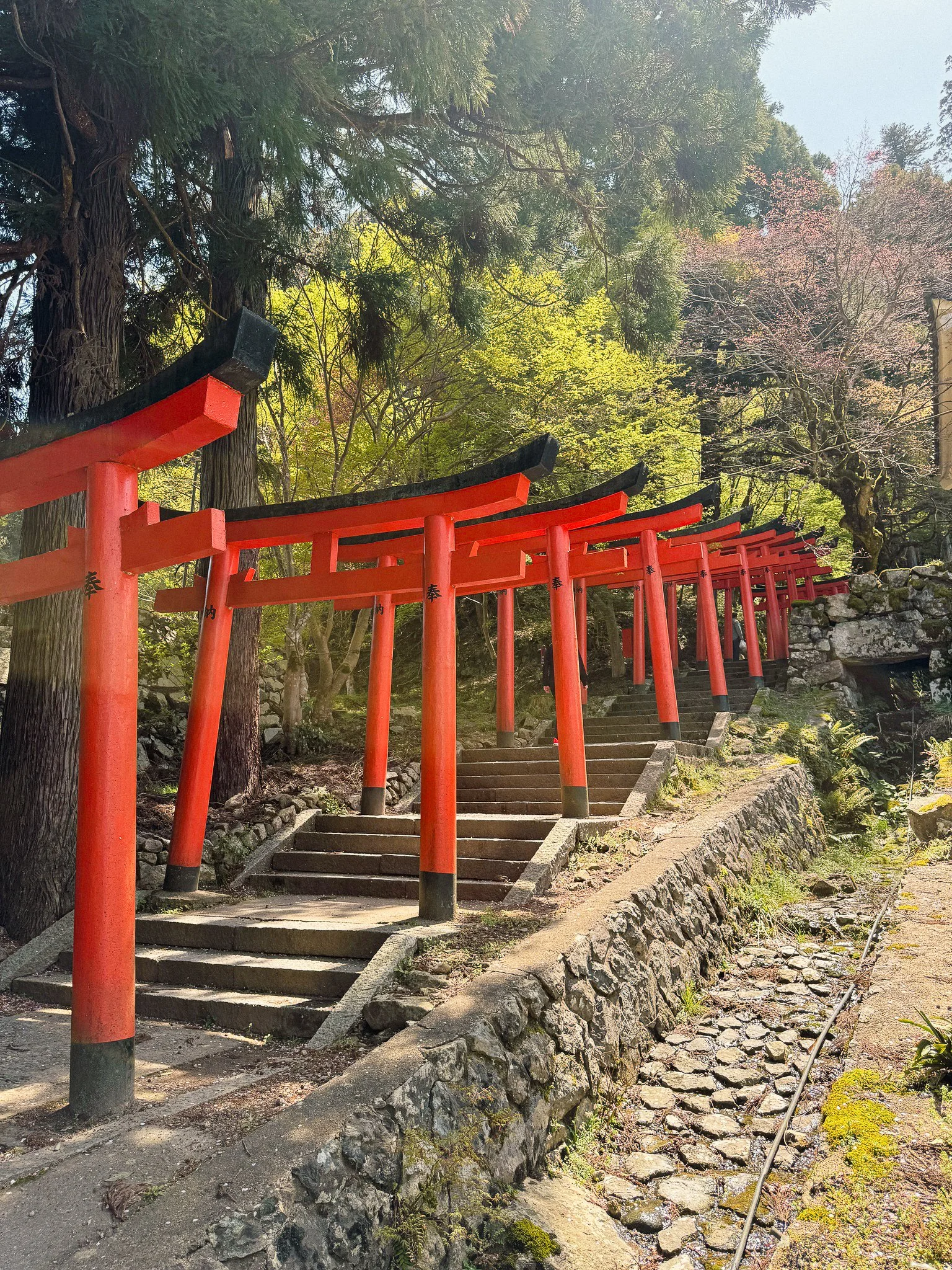
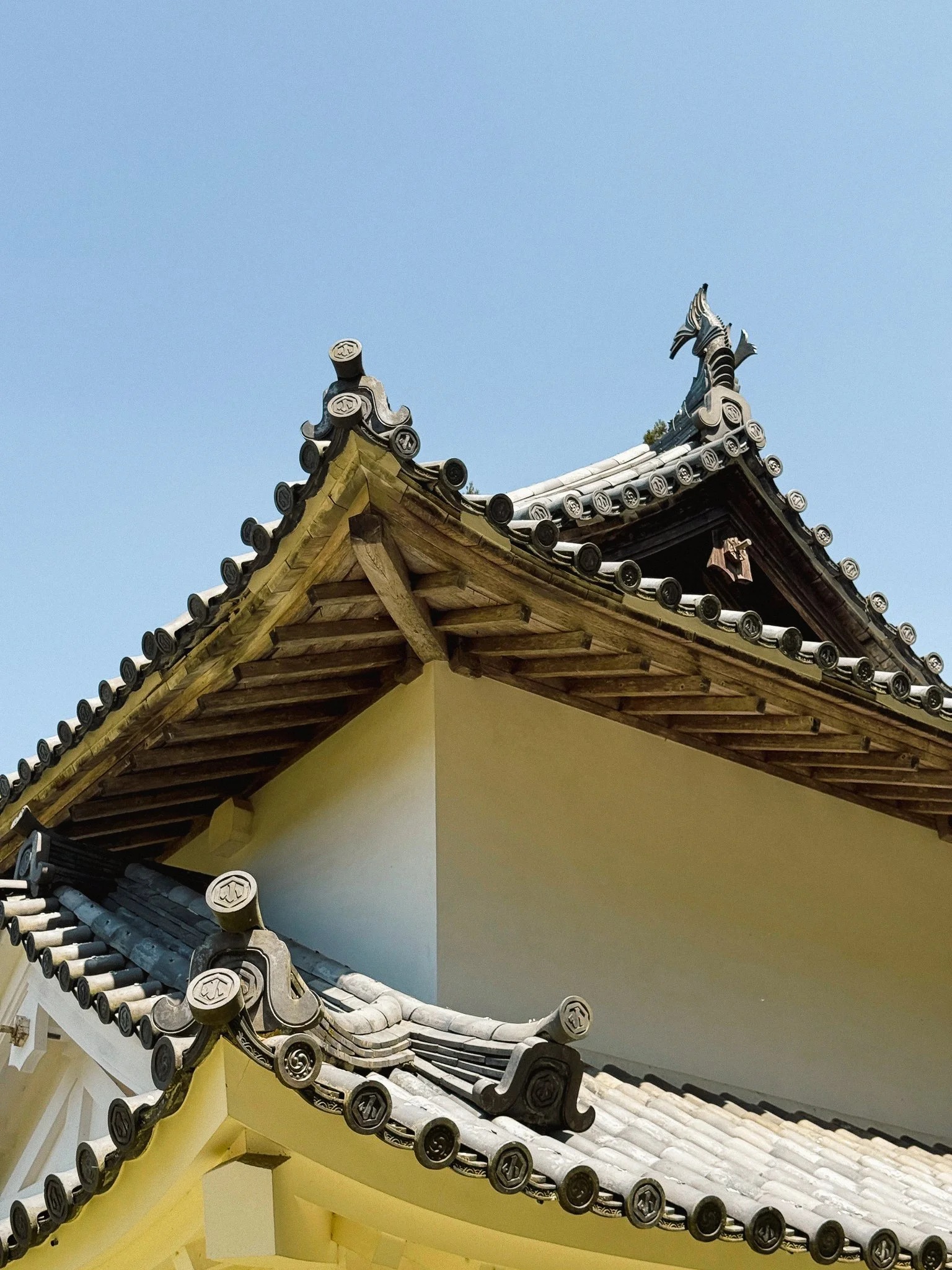
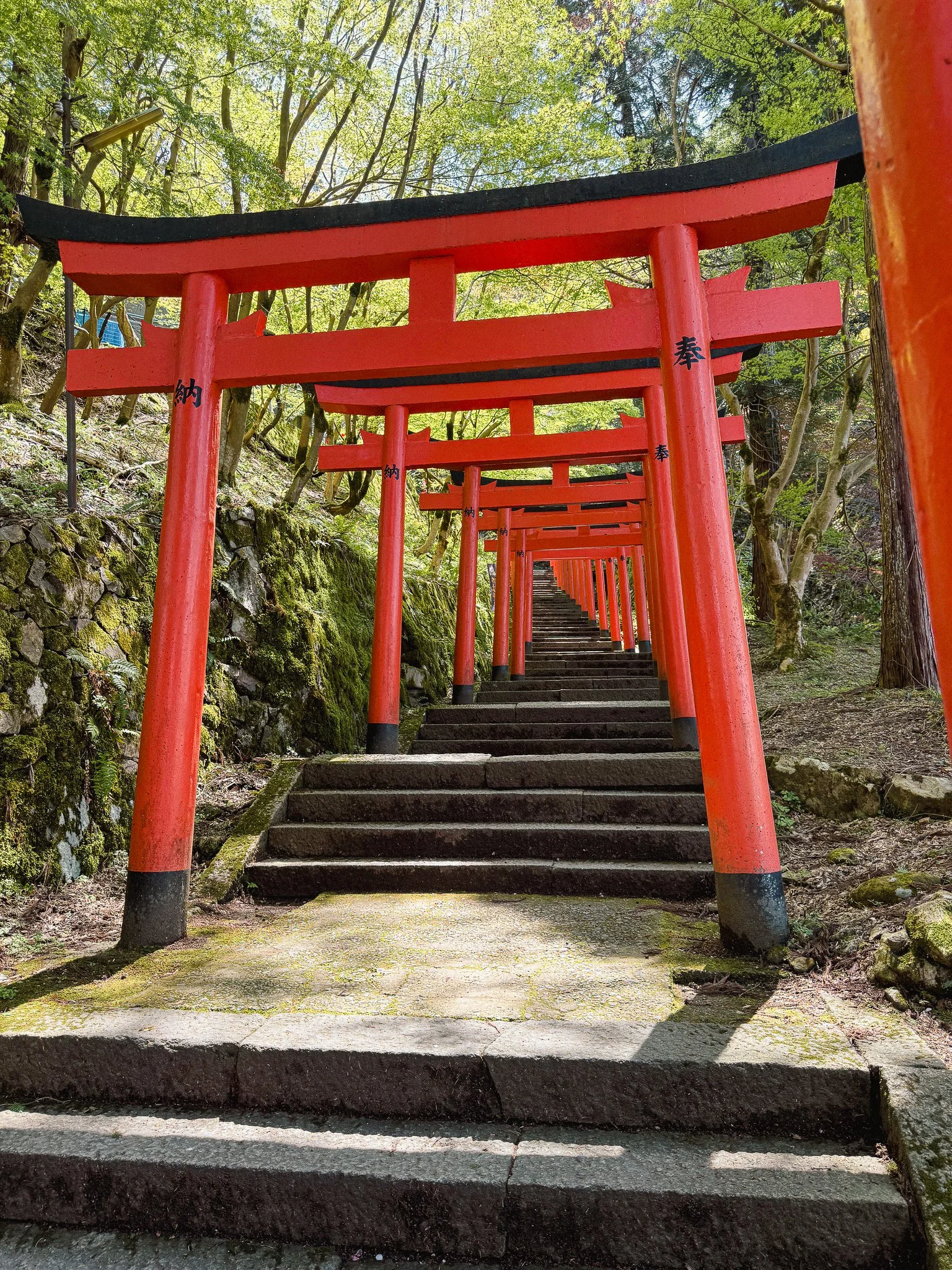
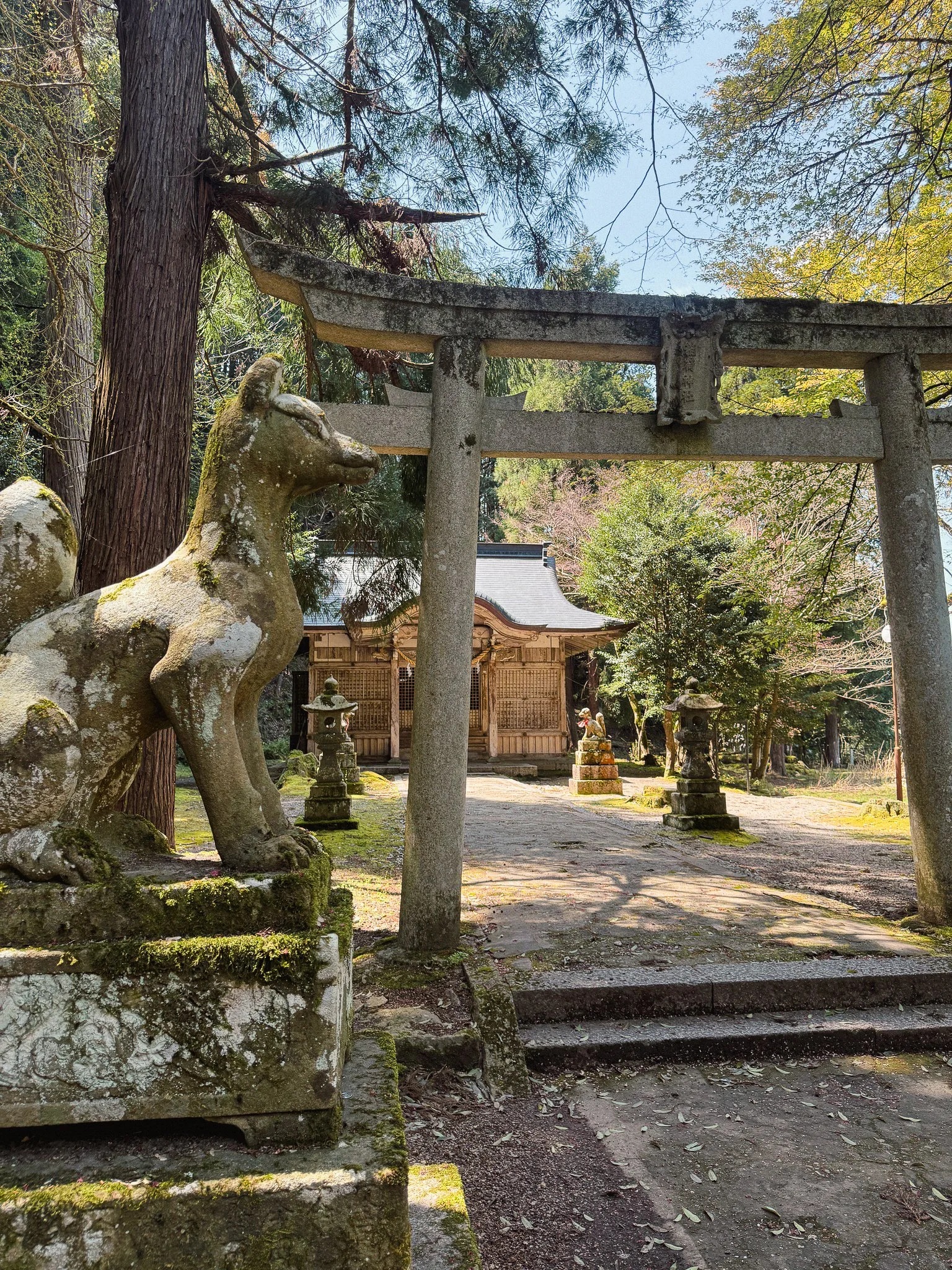
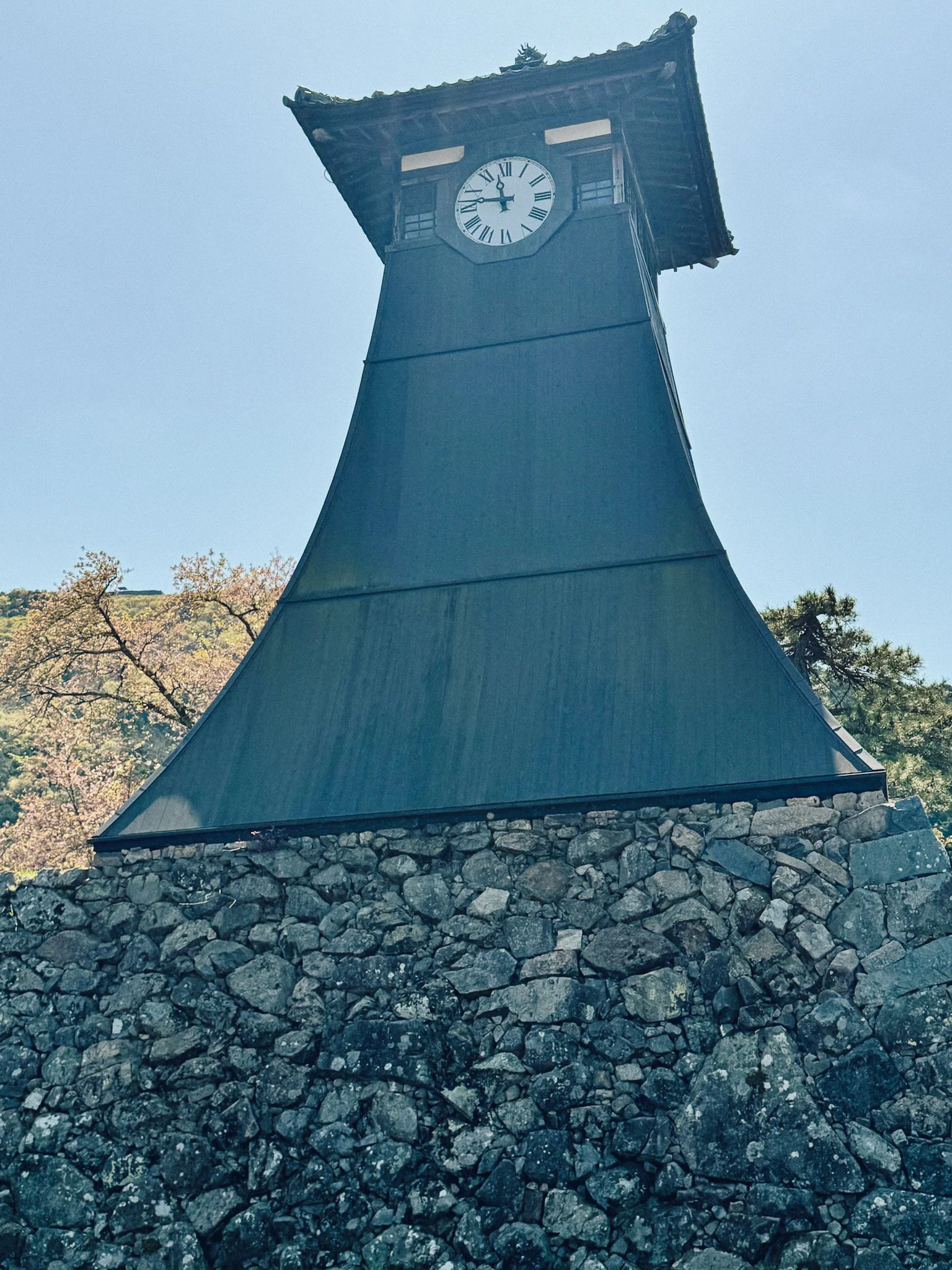
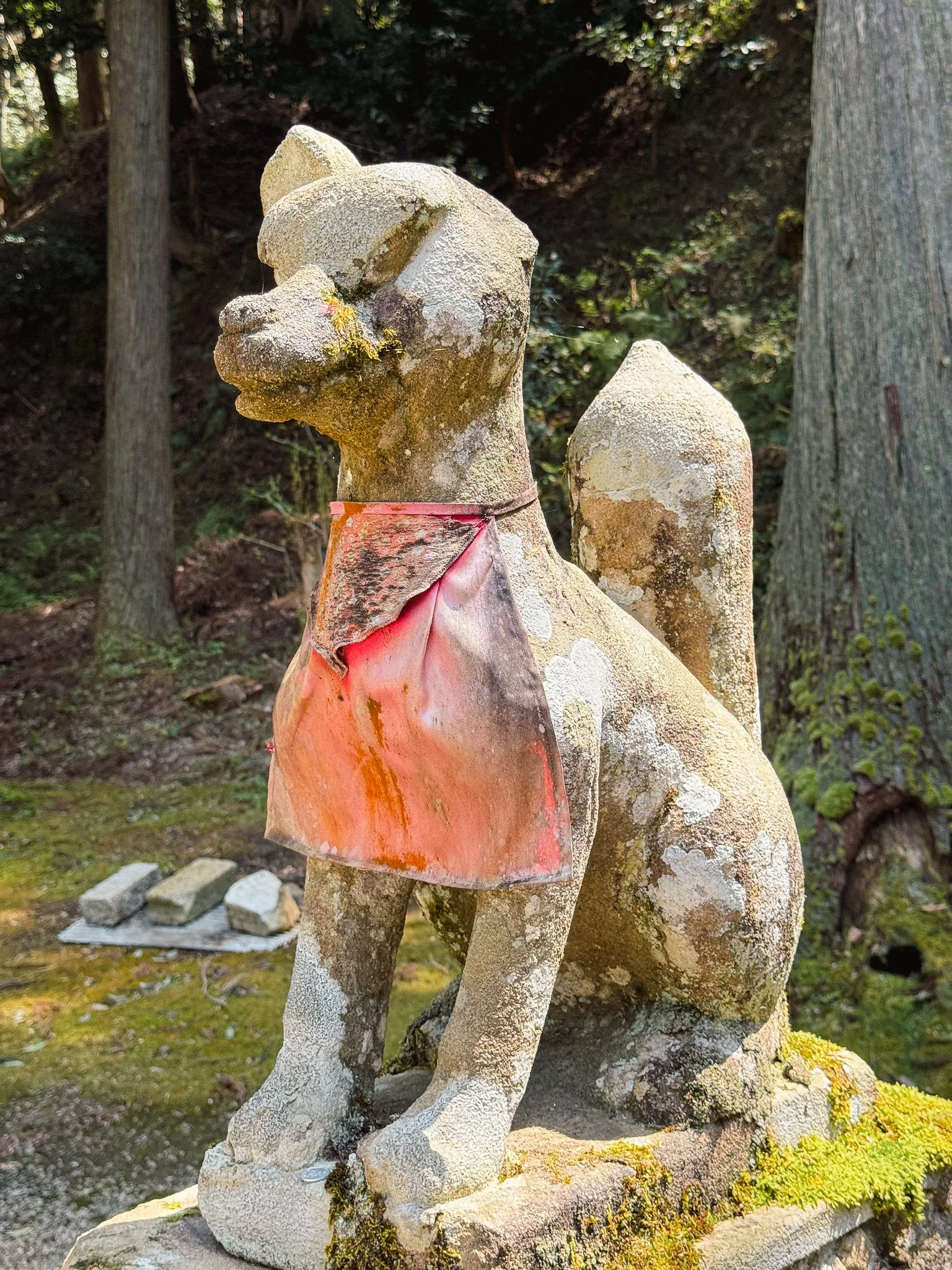
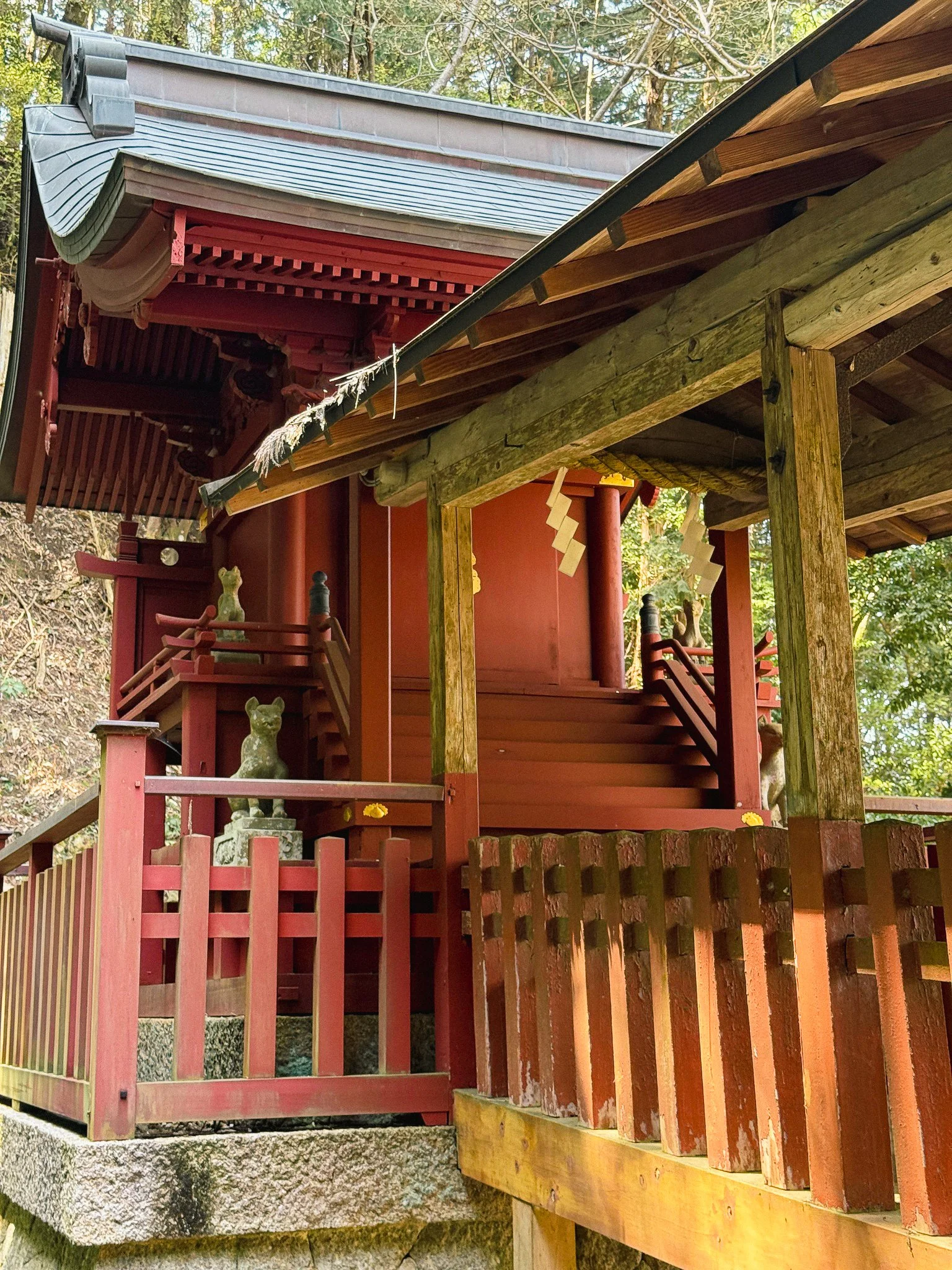
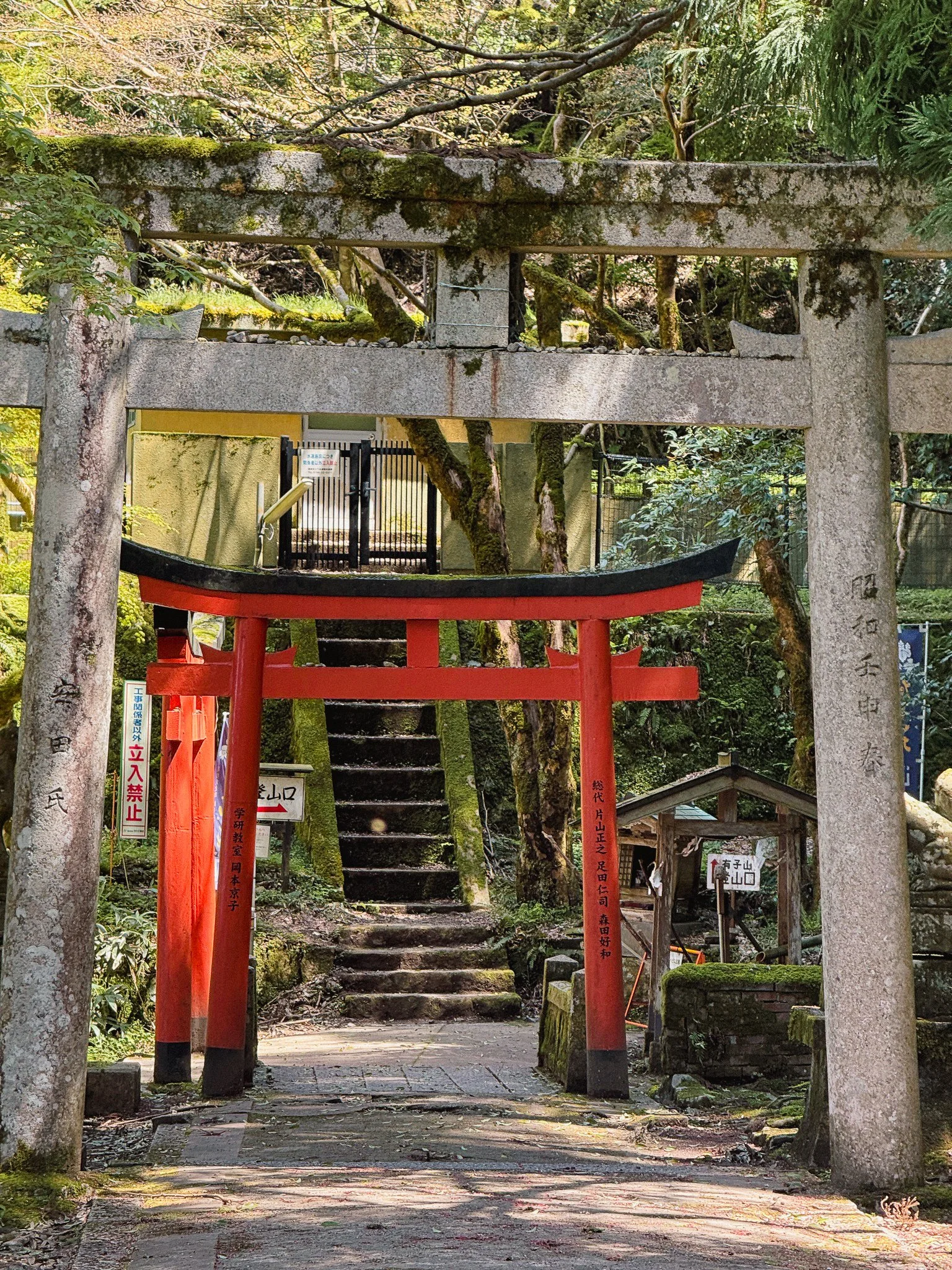
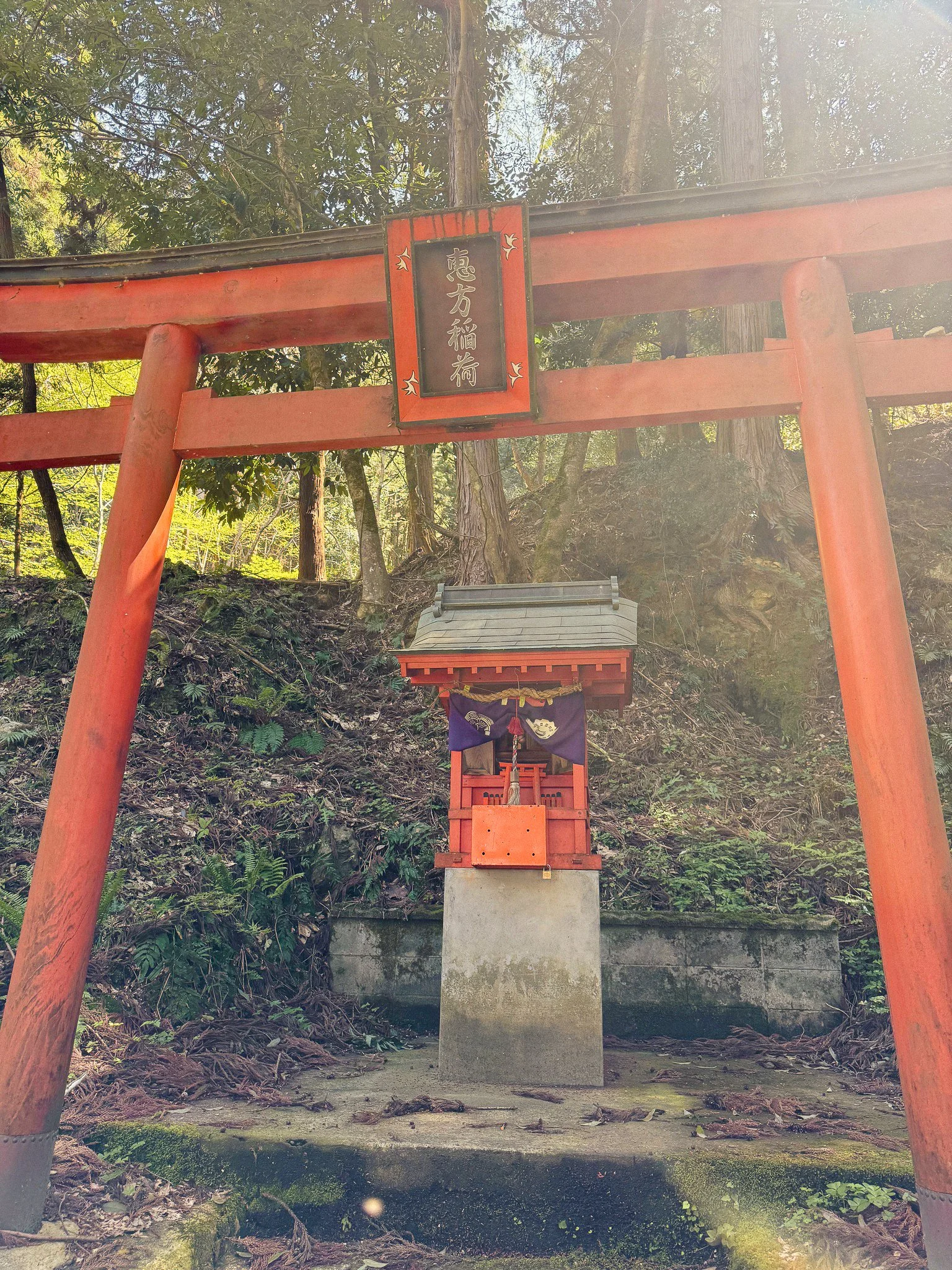
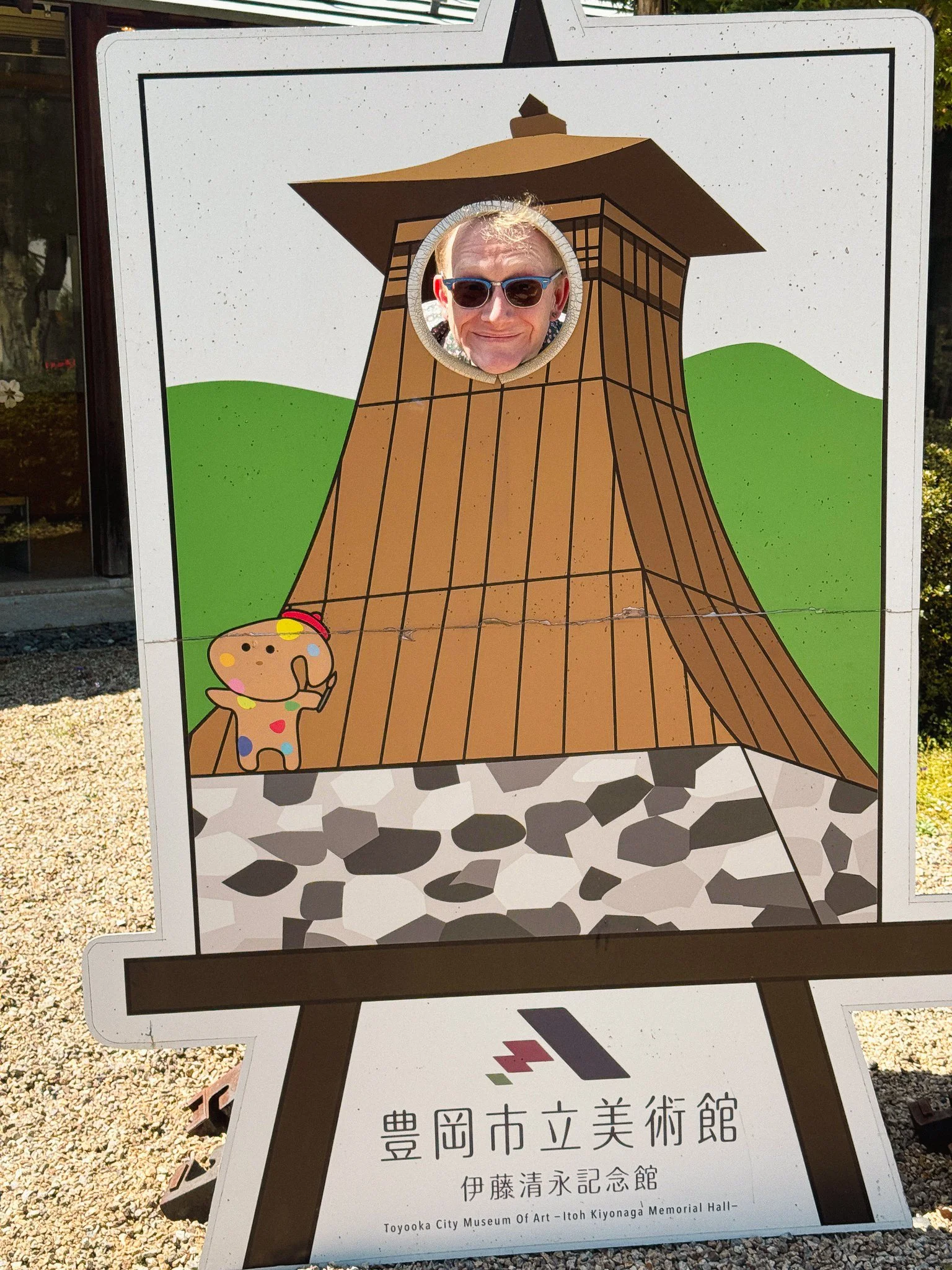
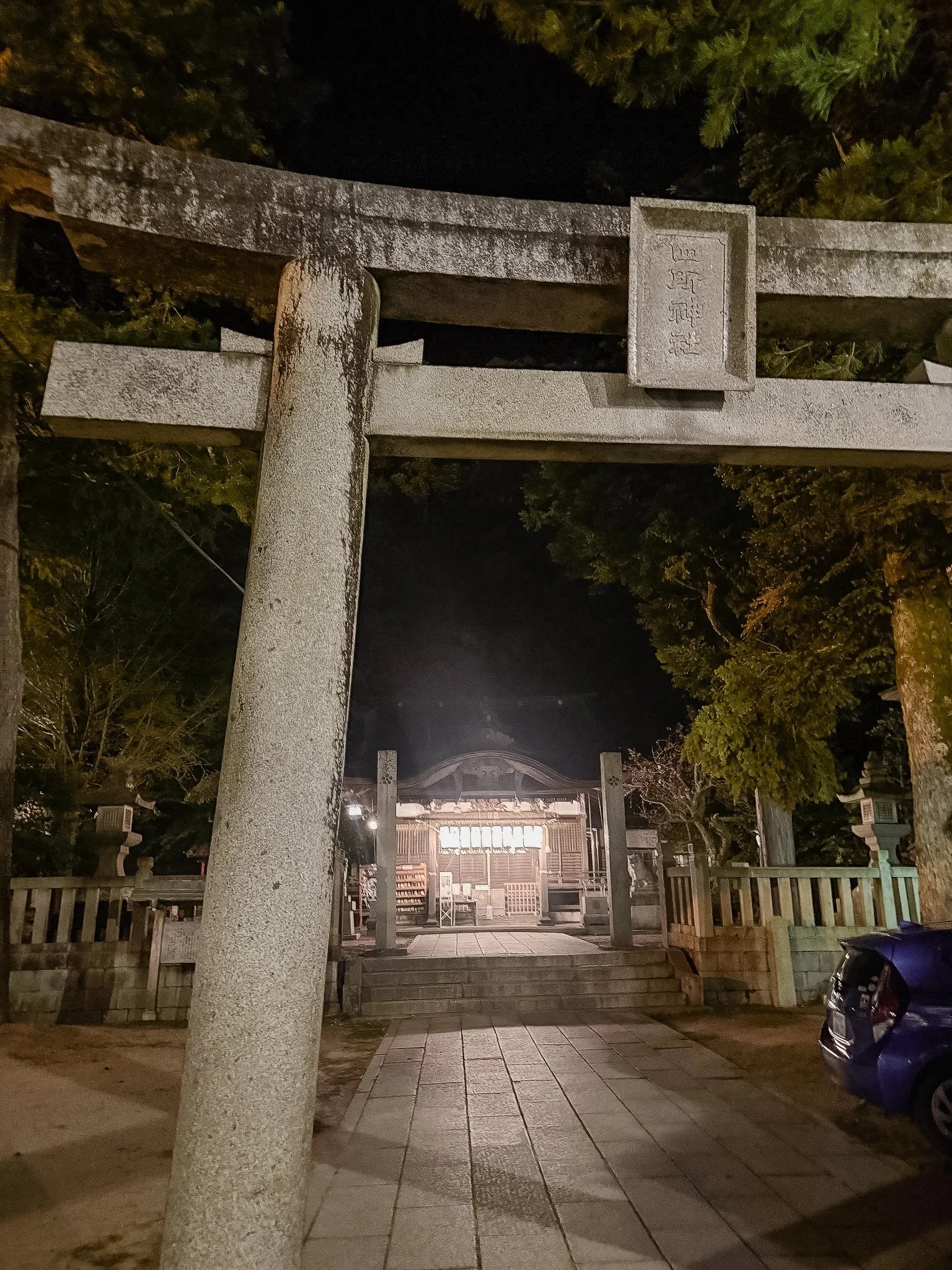
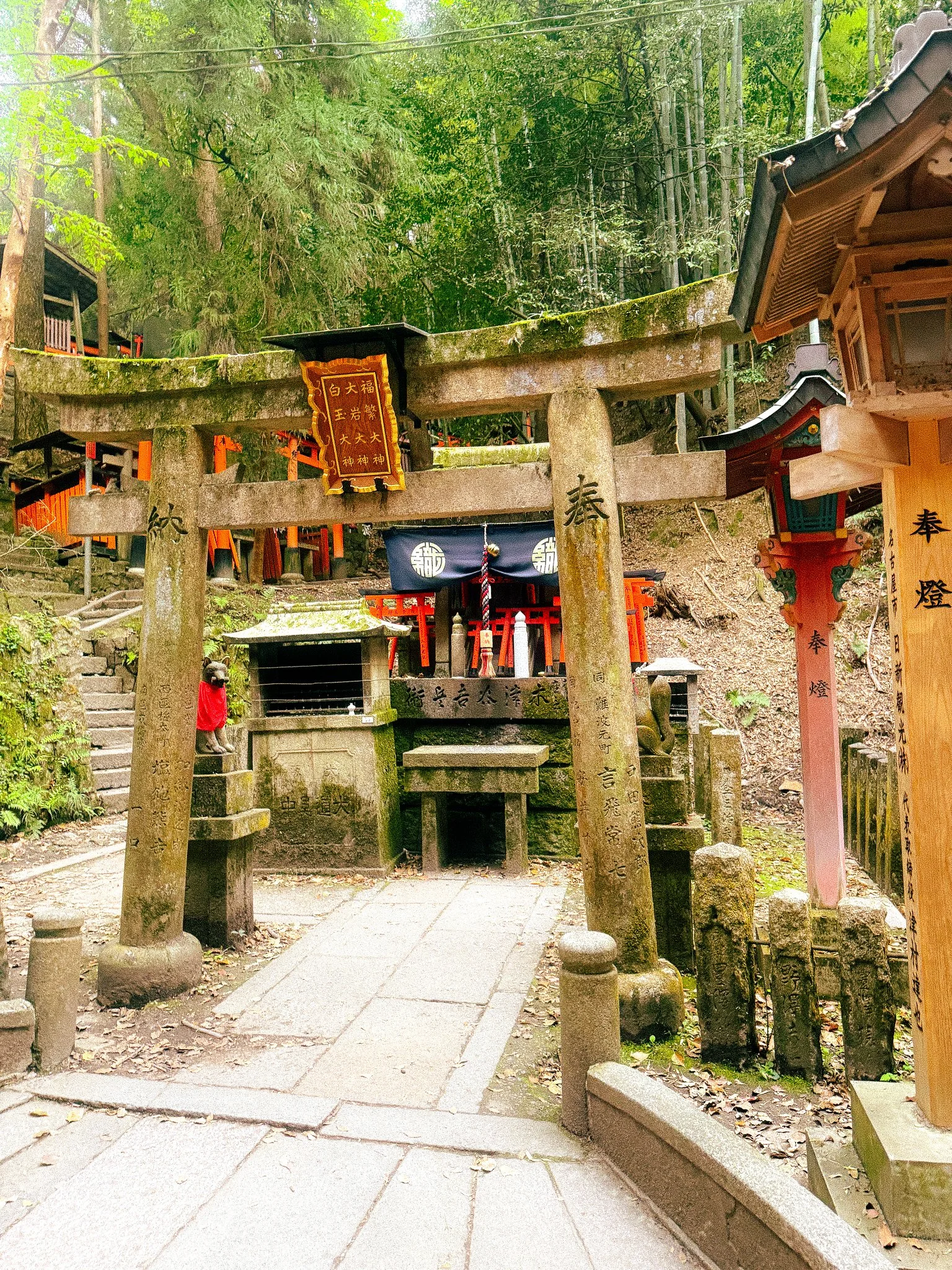
We started at the Shinkorō Clock Tower in the center of town, which was originally used to mark time with drum beats before an actual clock was added later. From there we made our way up toward the castle area. The original Izushi Castle dates back to the early 1600s, and while most of the structure is gone now, the stone walls and reconstructed gates still give you a sense of what it would have looked like. We walked up the mountain behind the castle ruins and passed through an Inari shrine lined with torii gates, similar to a much smaller version of Fushimi Inari in Kyoto. After that we came back down into the old town area and wandered through the streets, stopping into a few small shops along the way. It felt much more like just being somewhere local rather than doing a typical tourist stop.
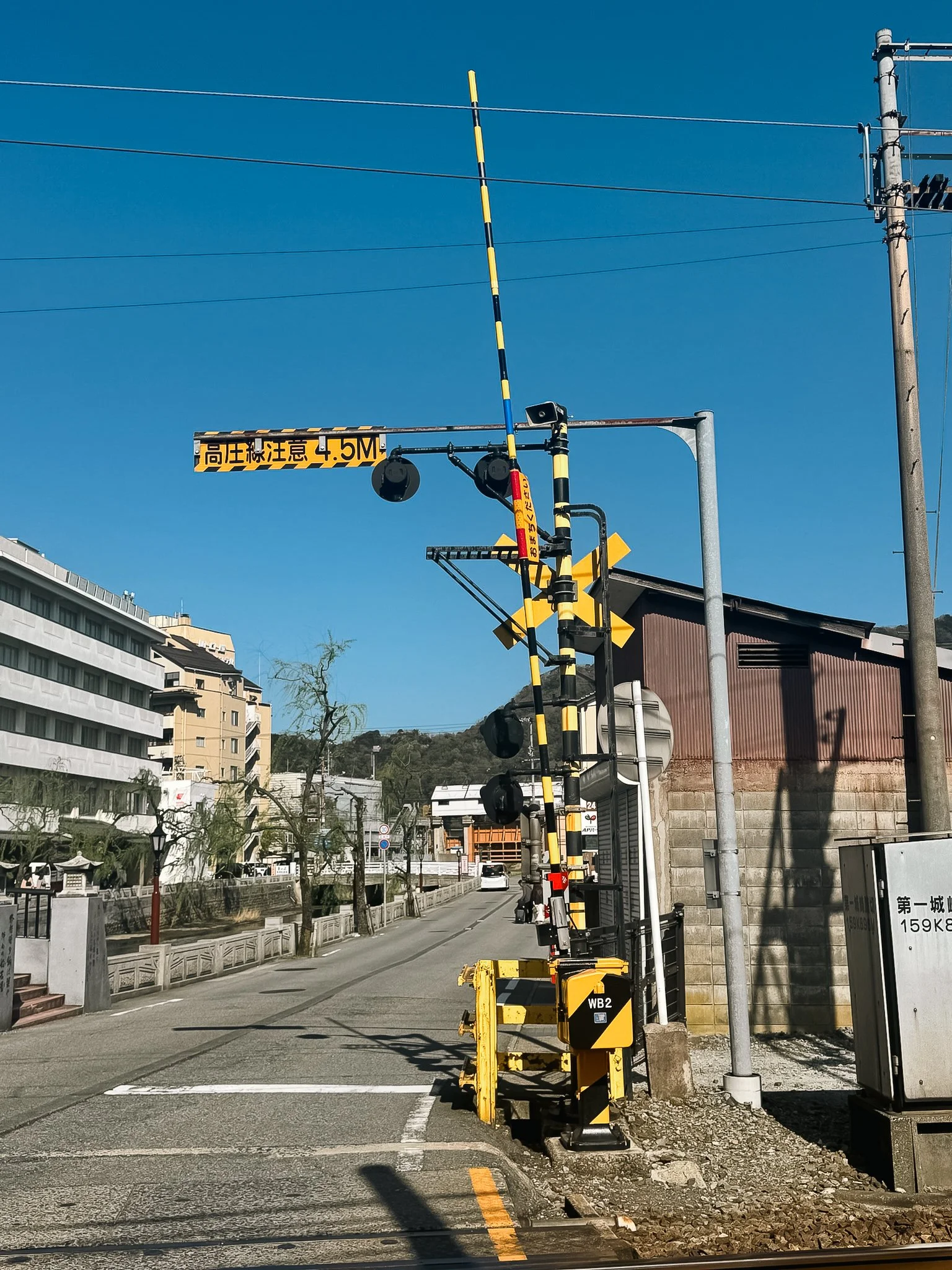
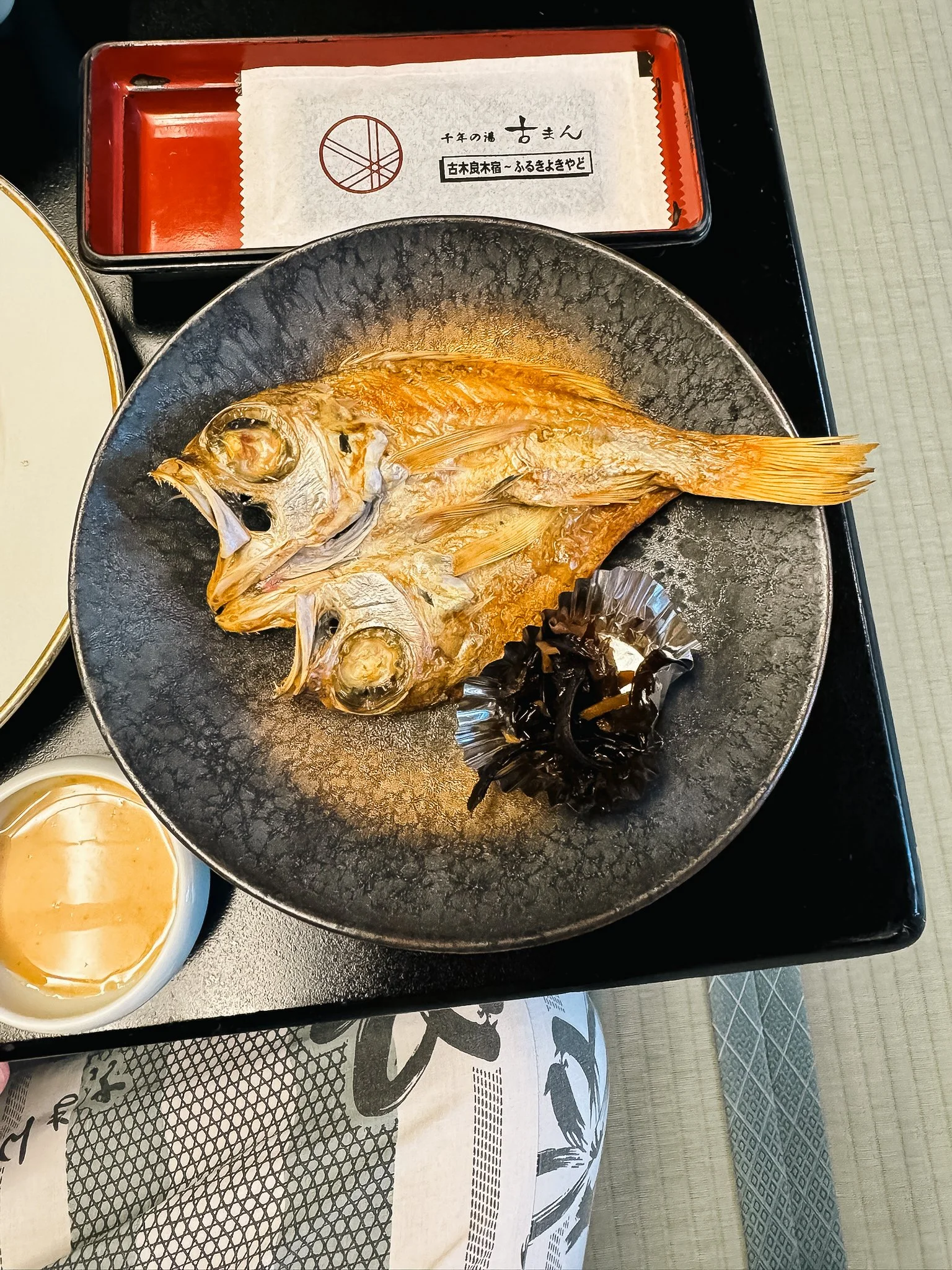
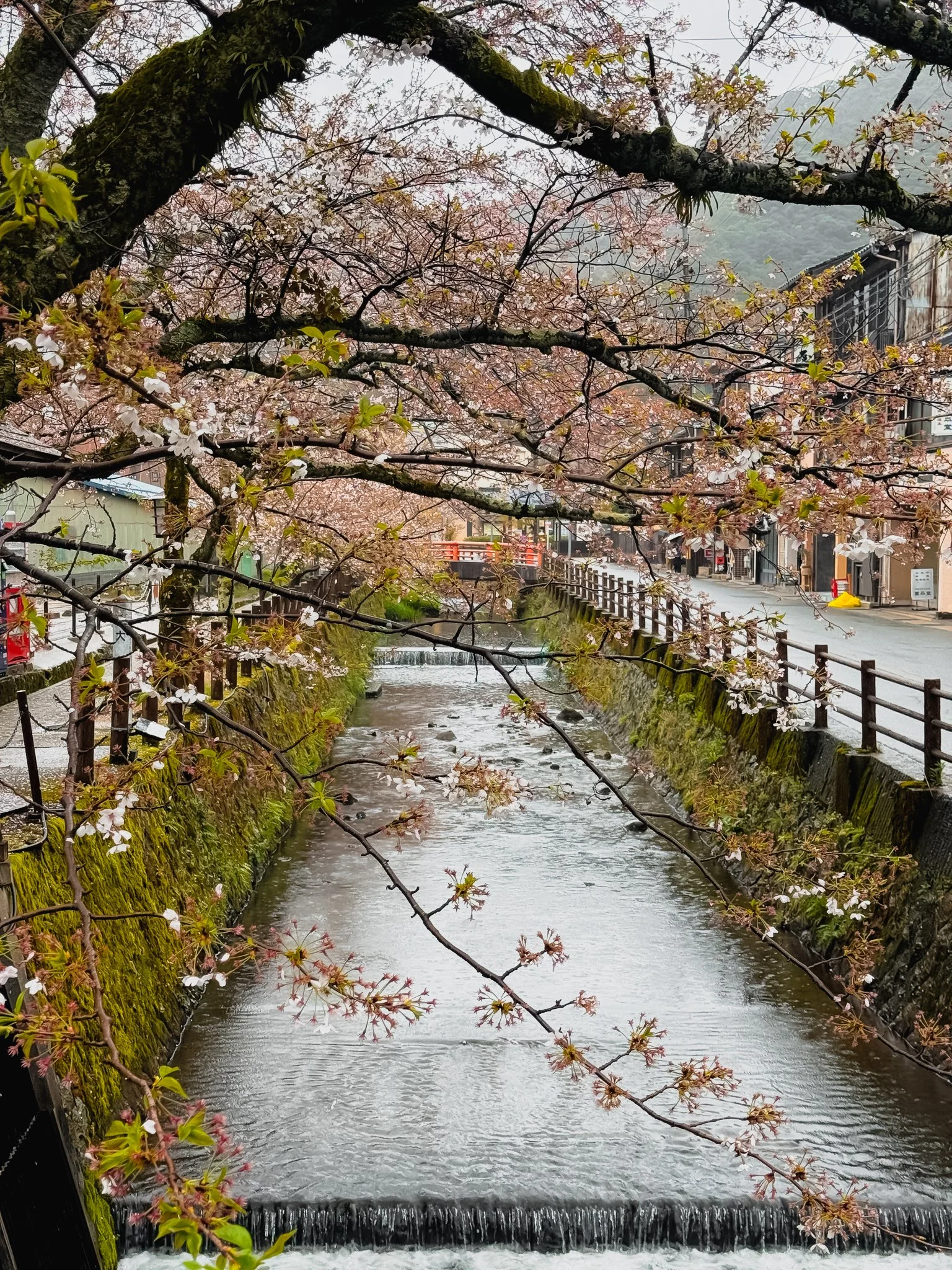
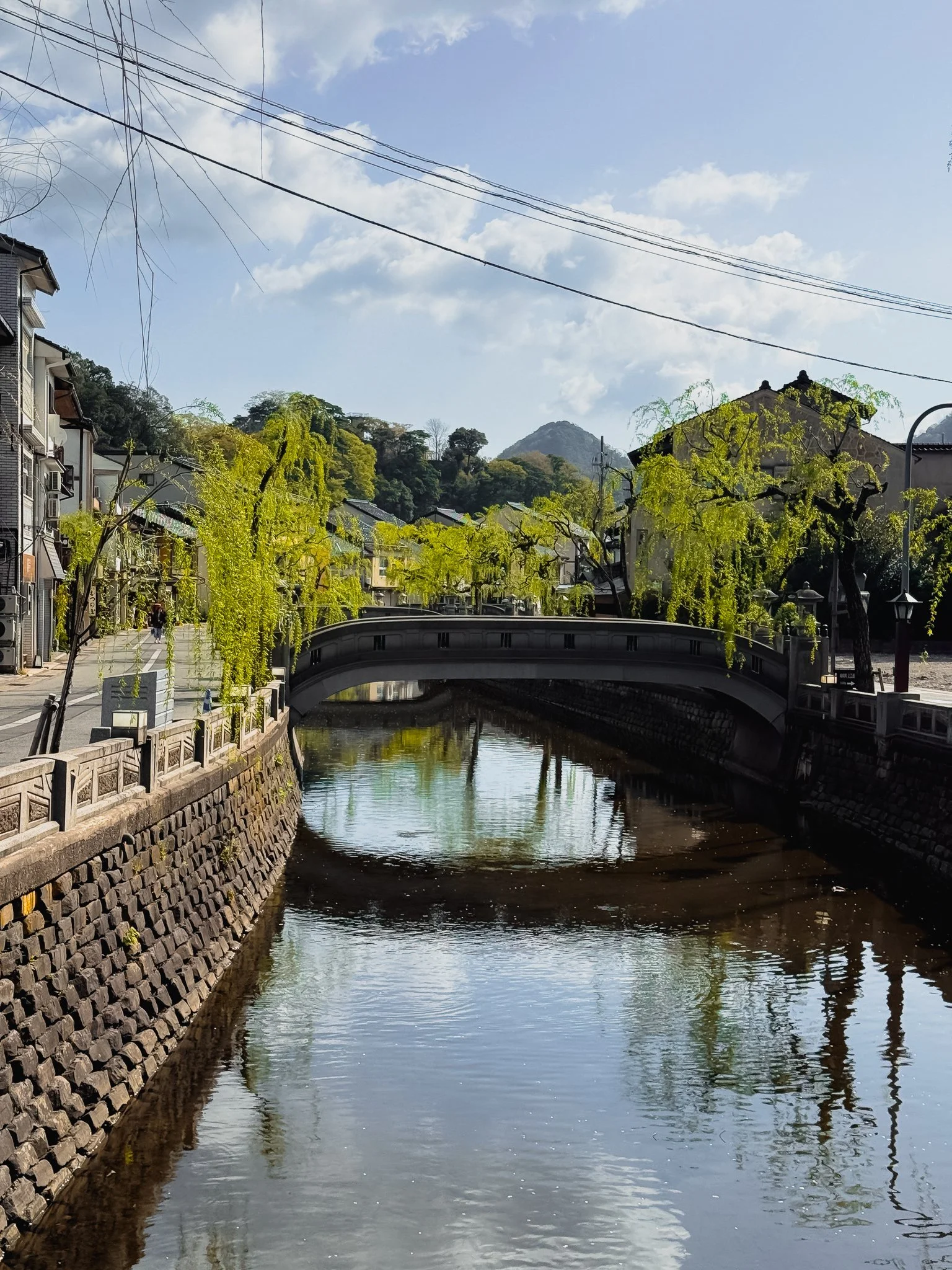
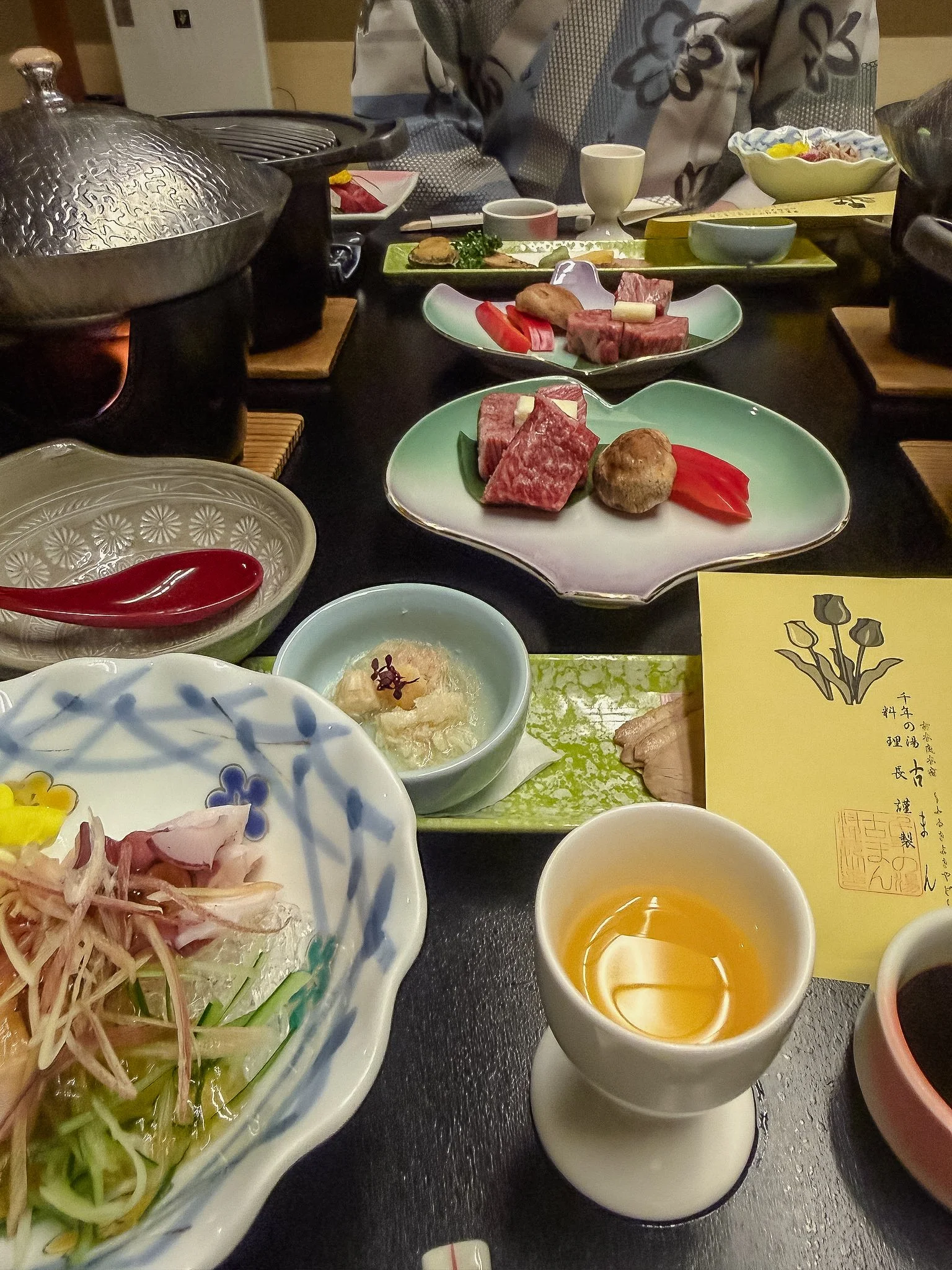
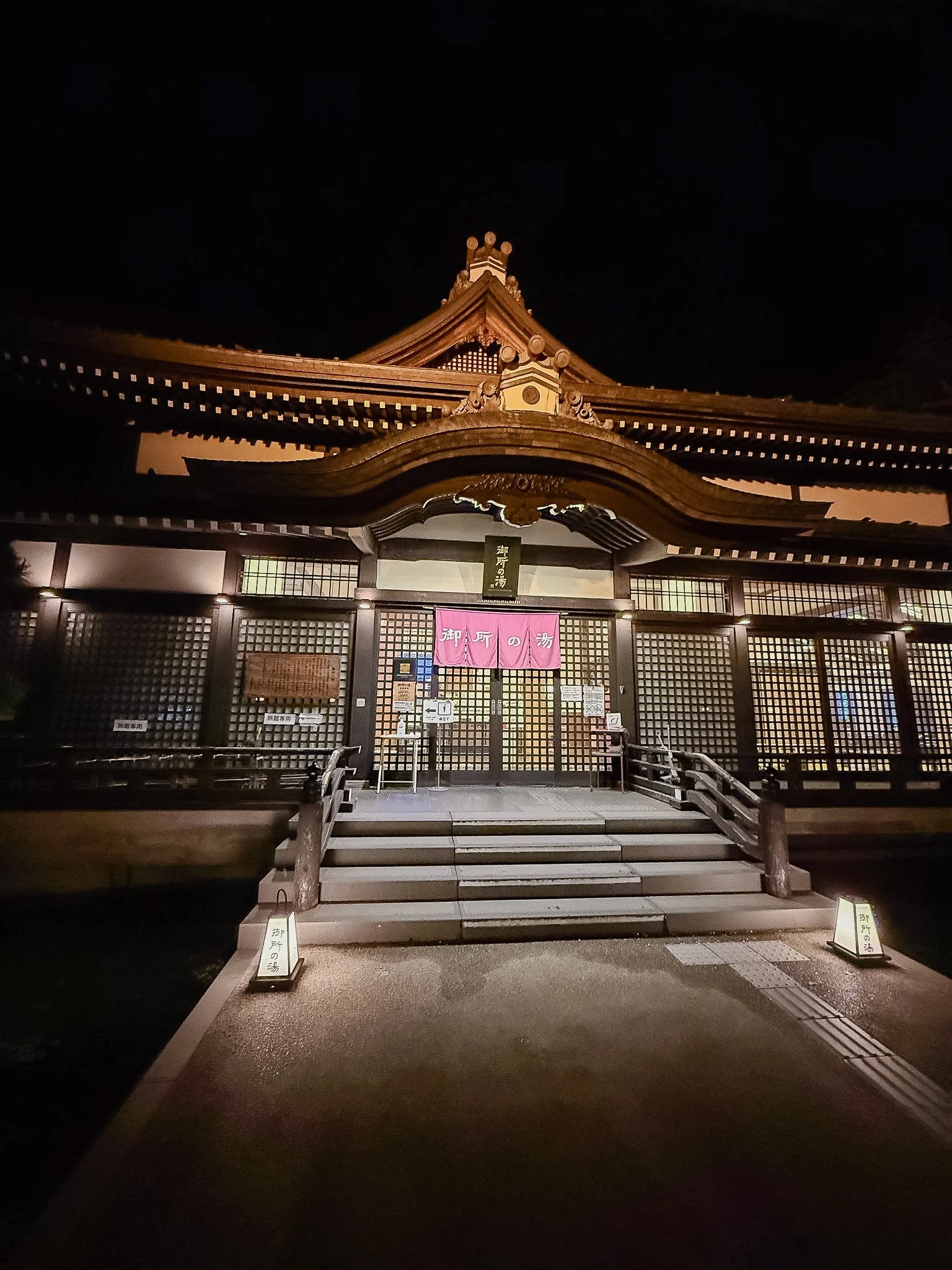
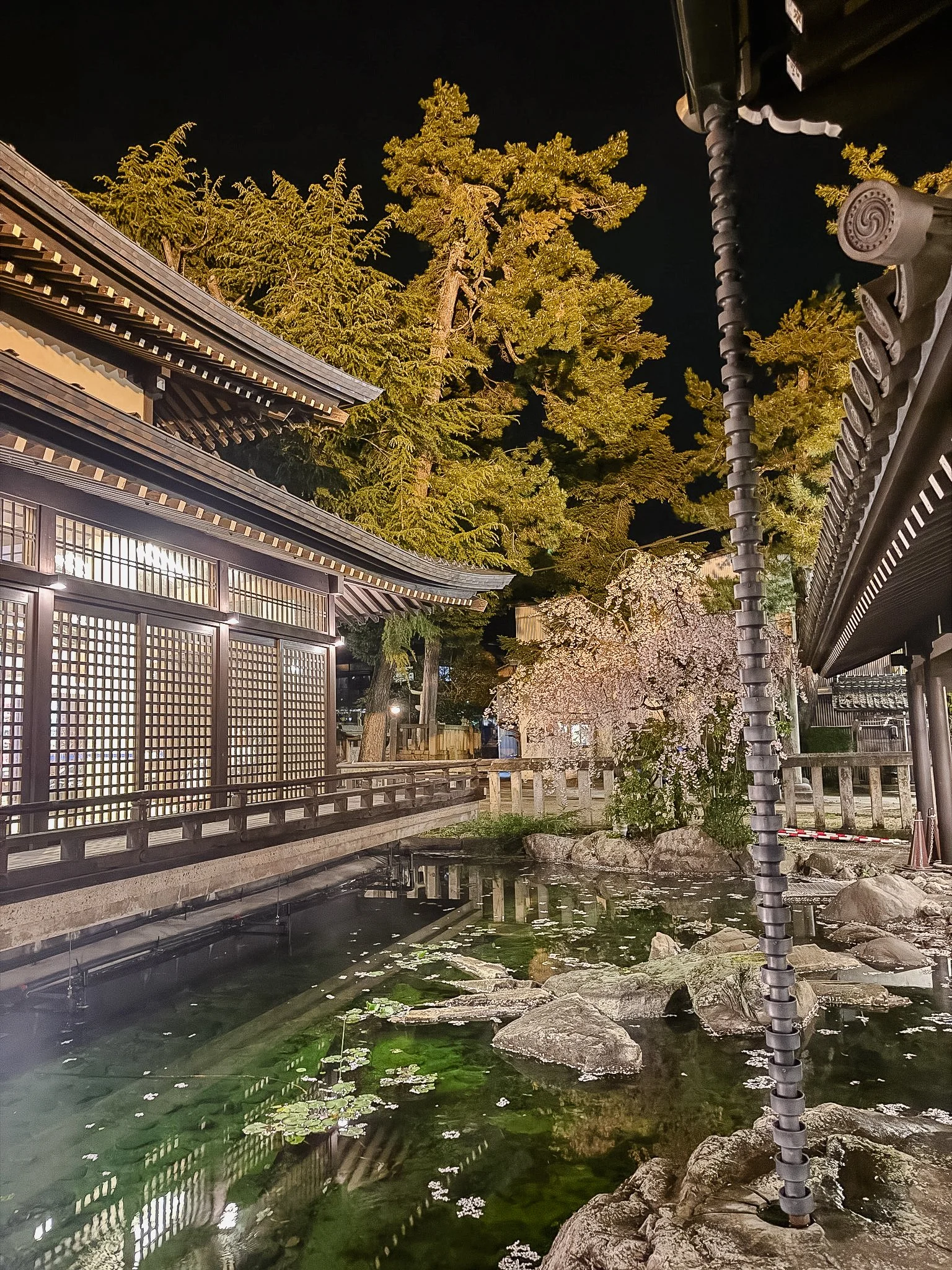
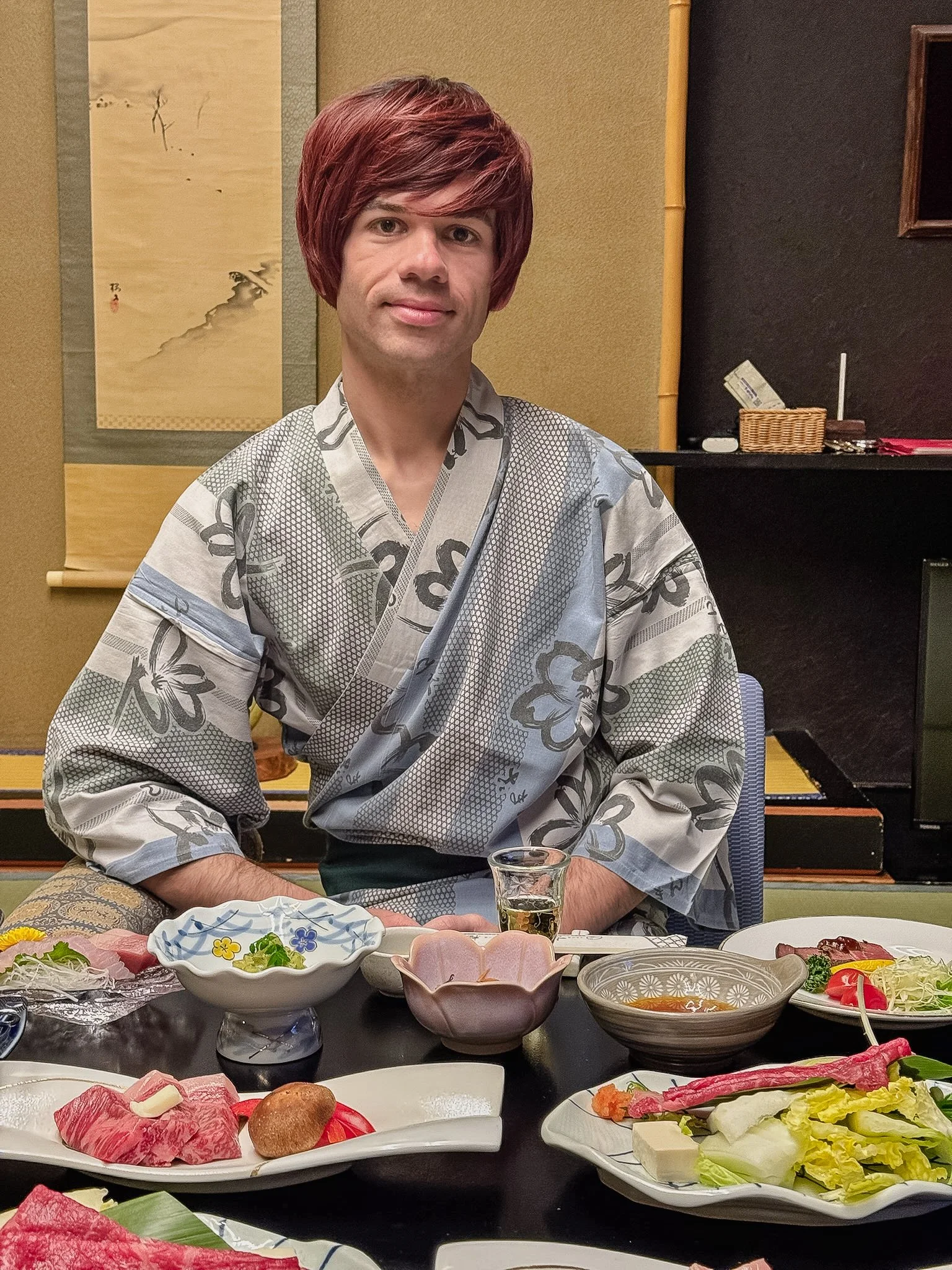
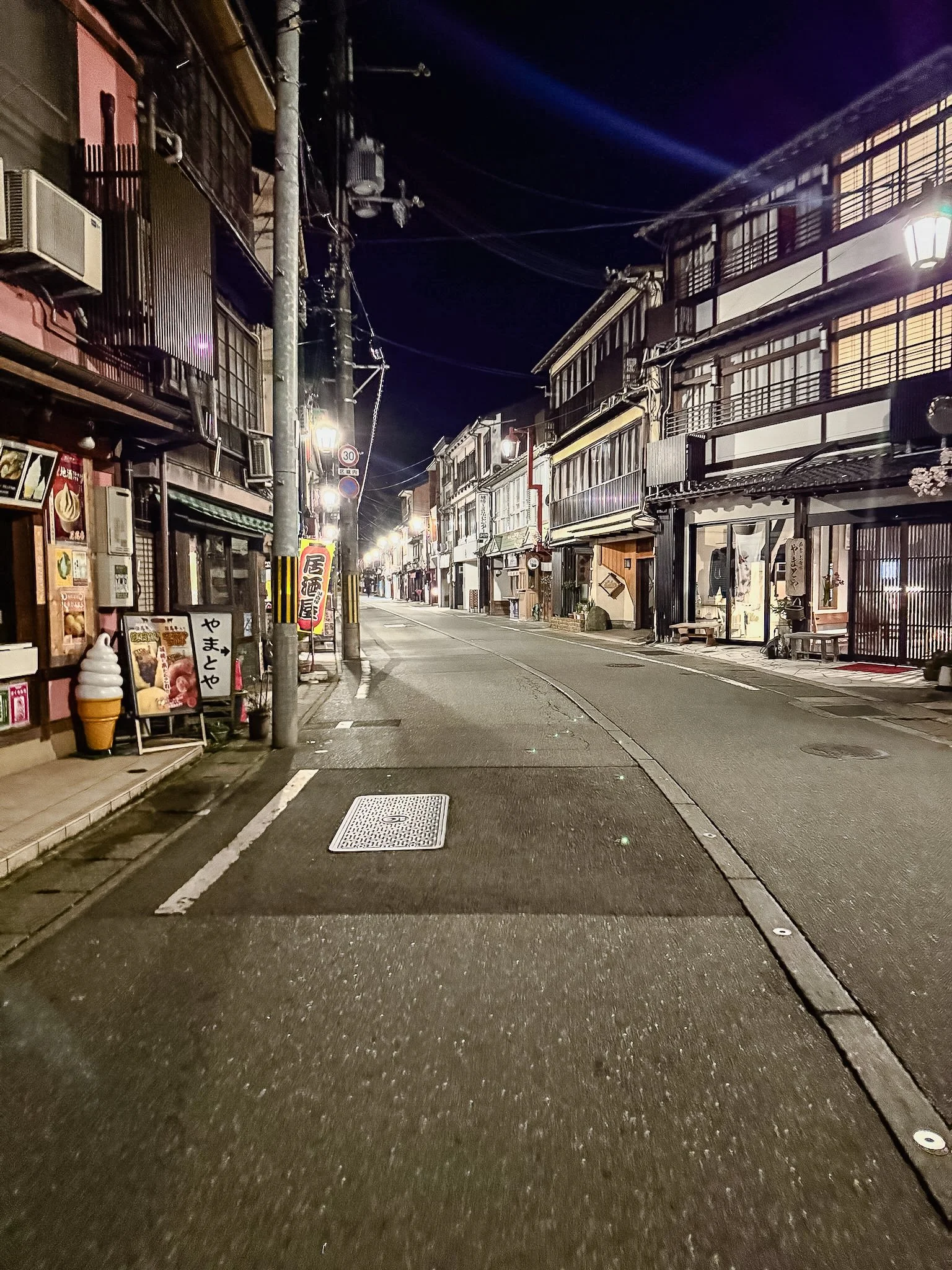
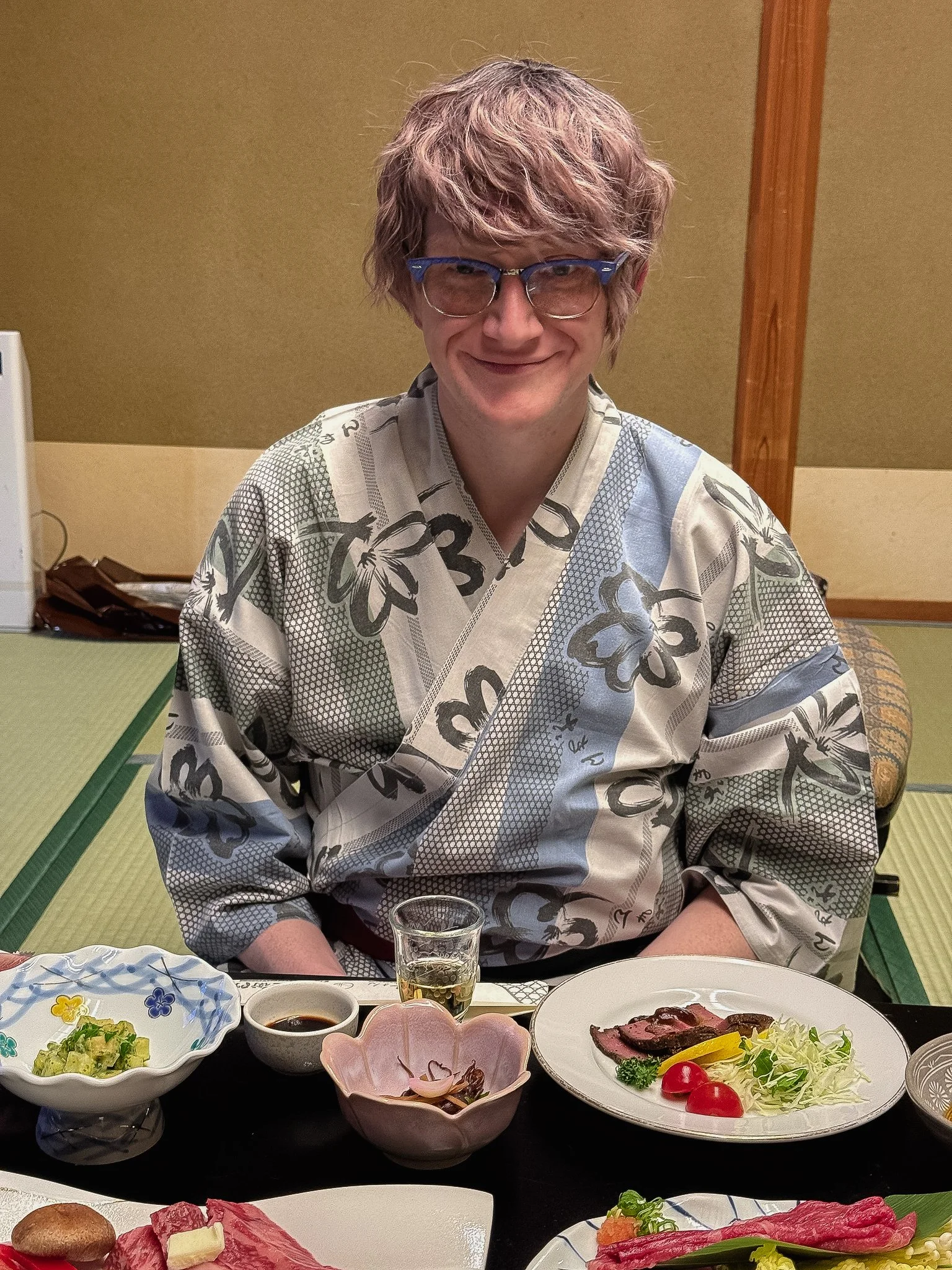
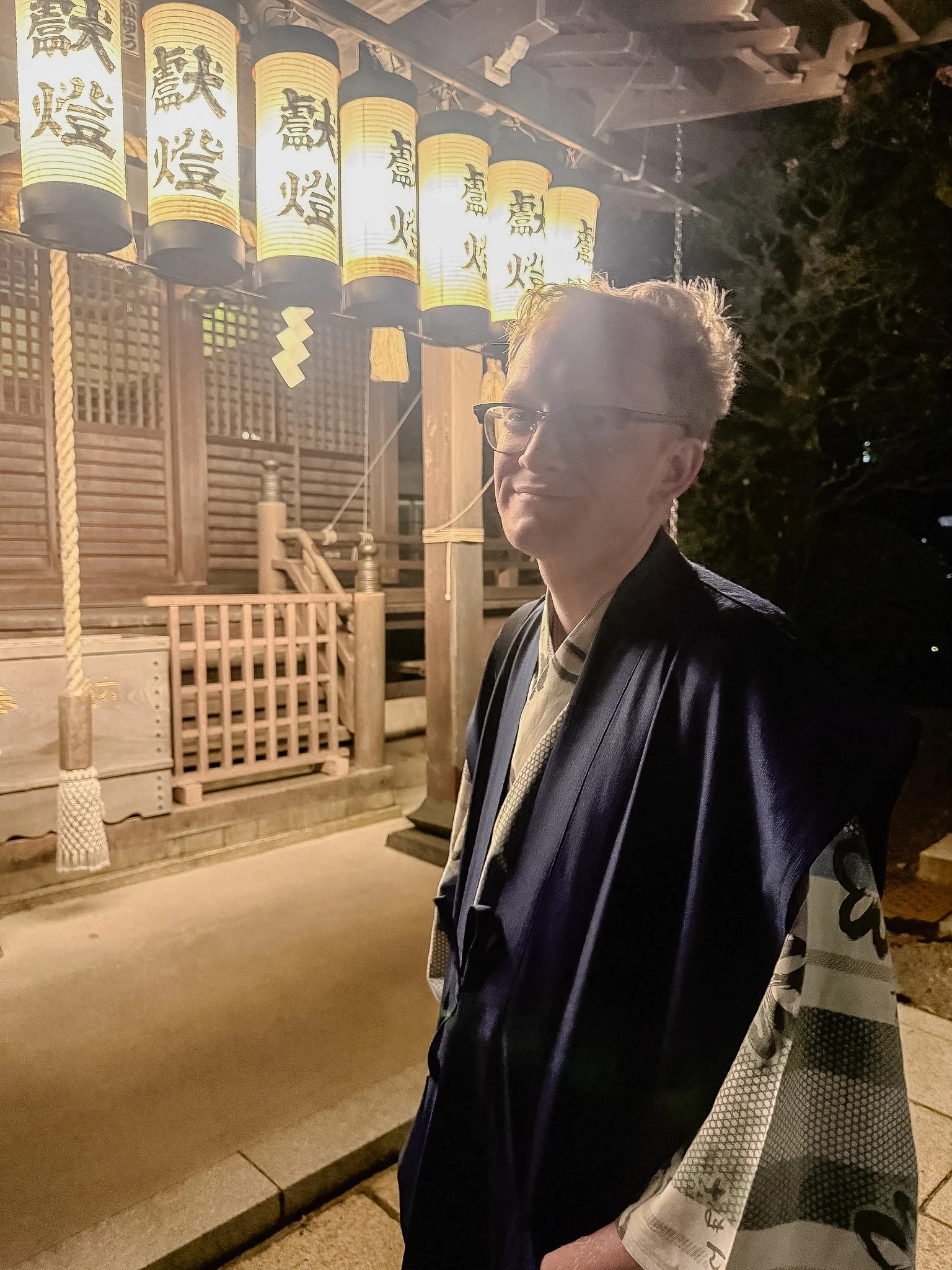
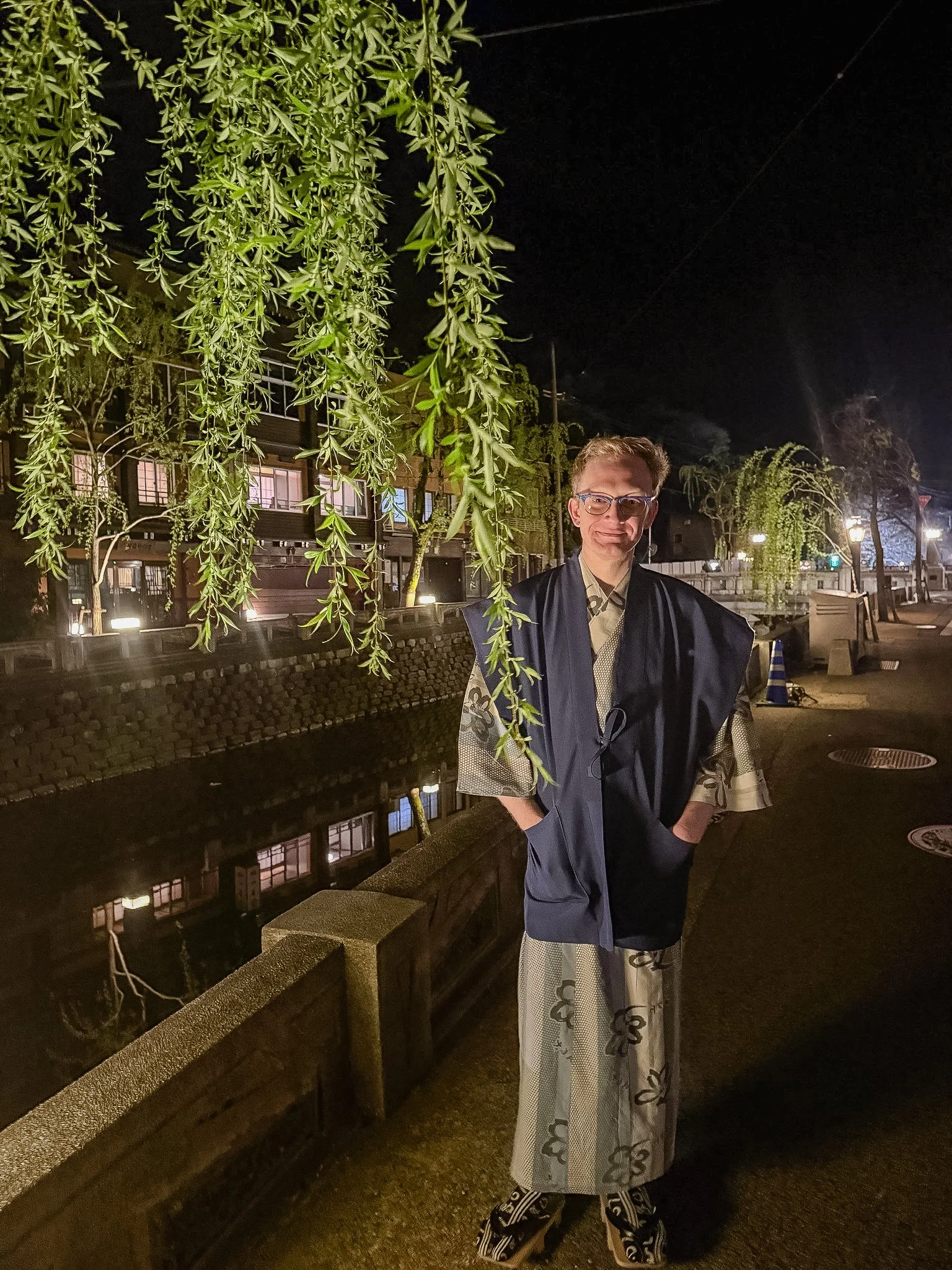
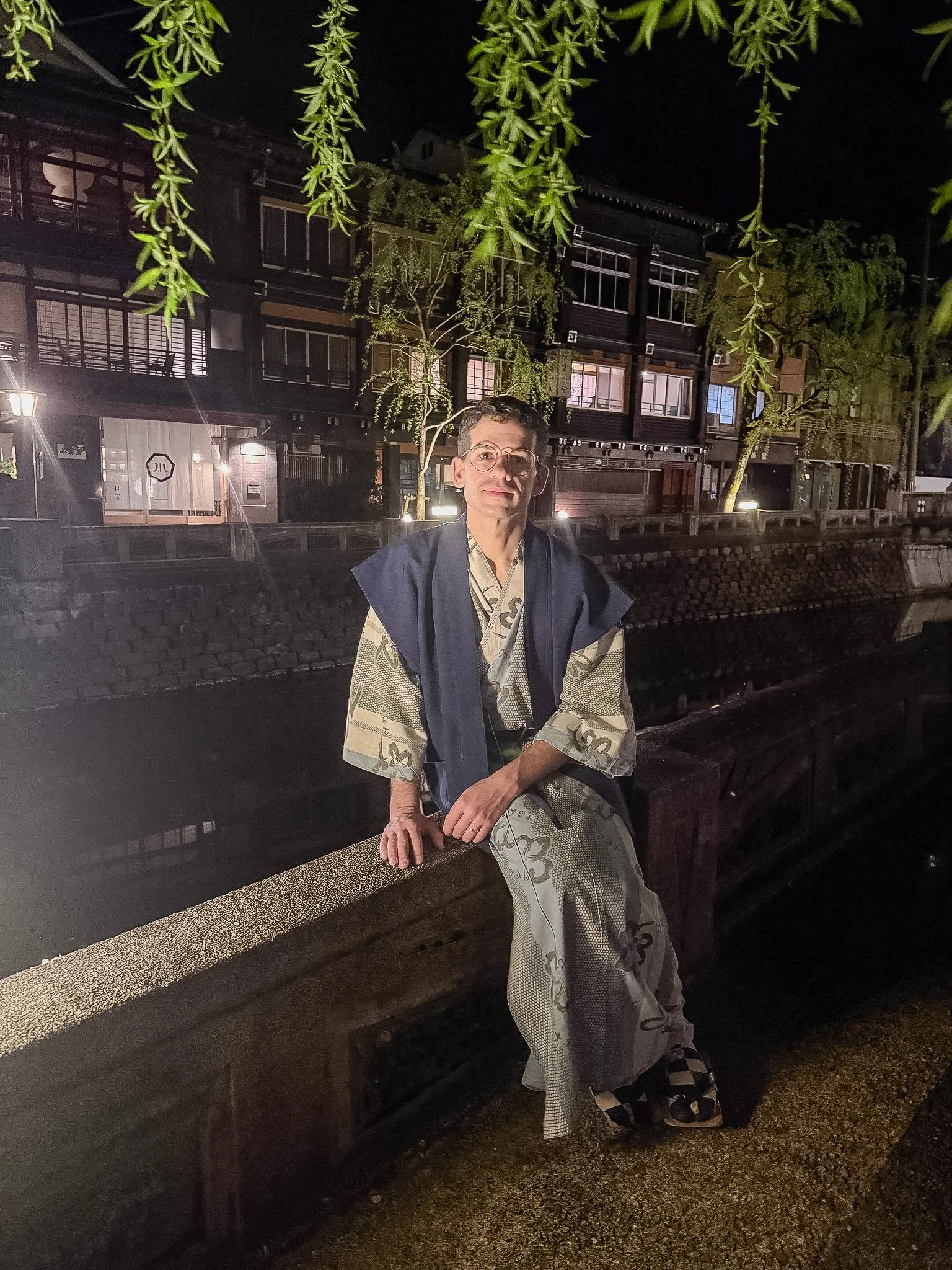
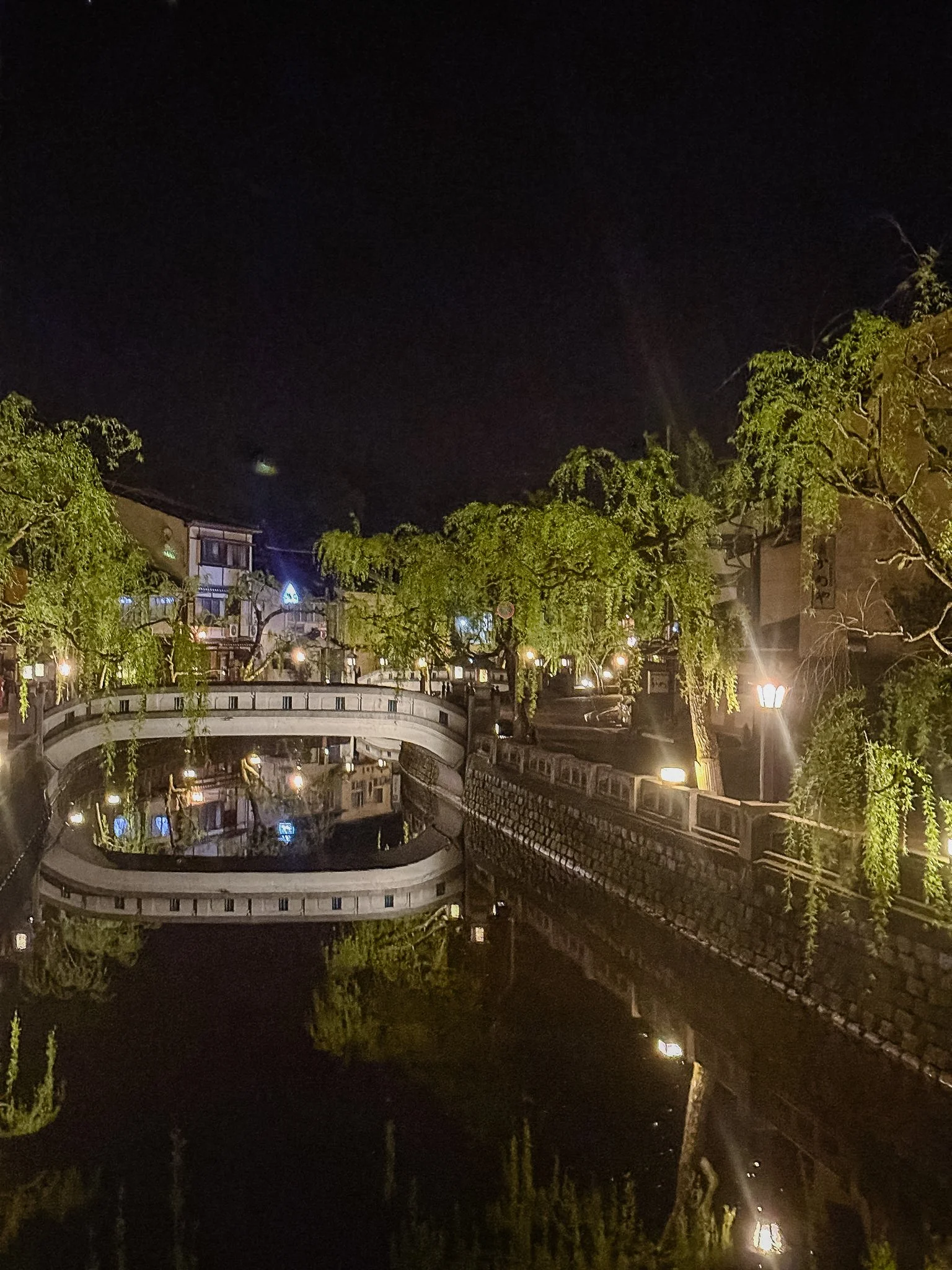
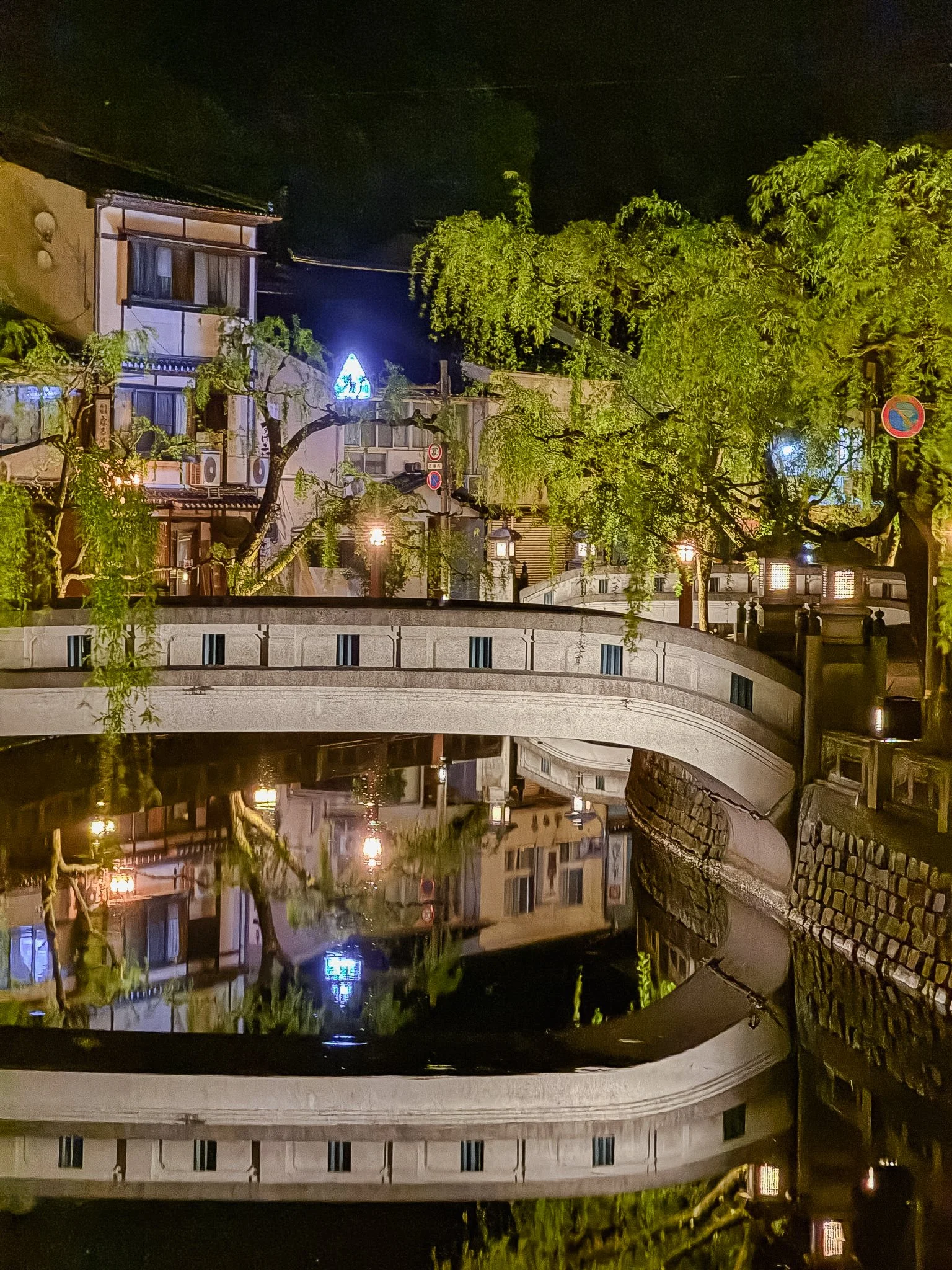
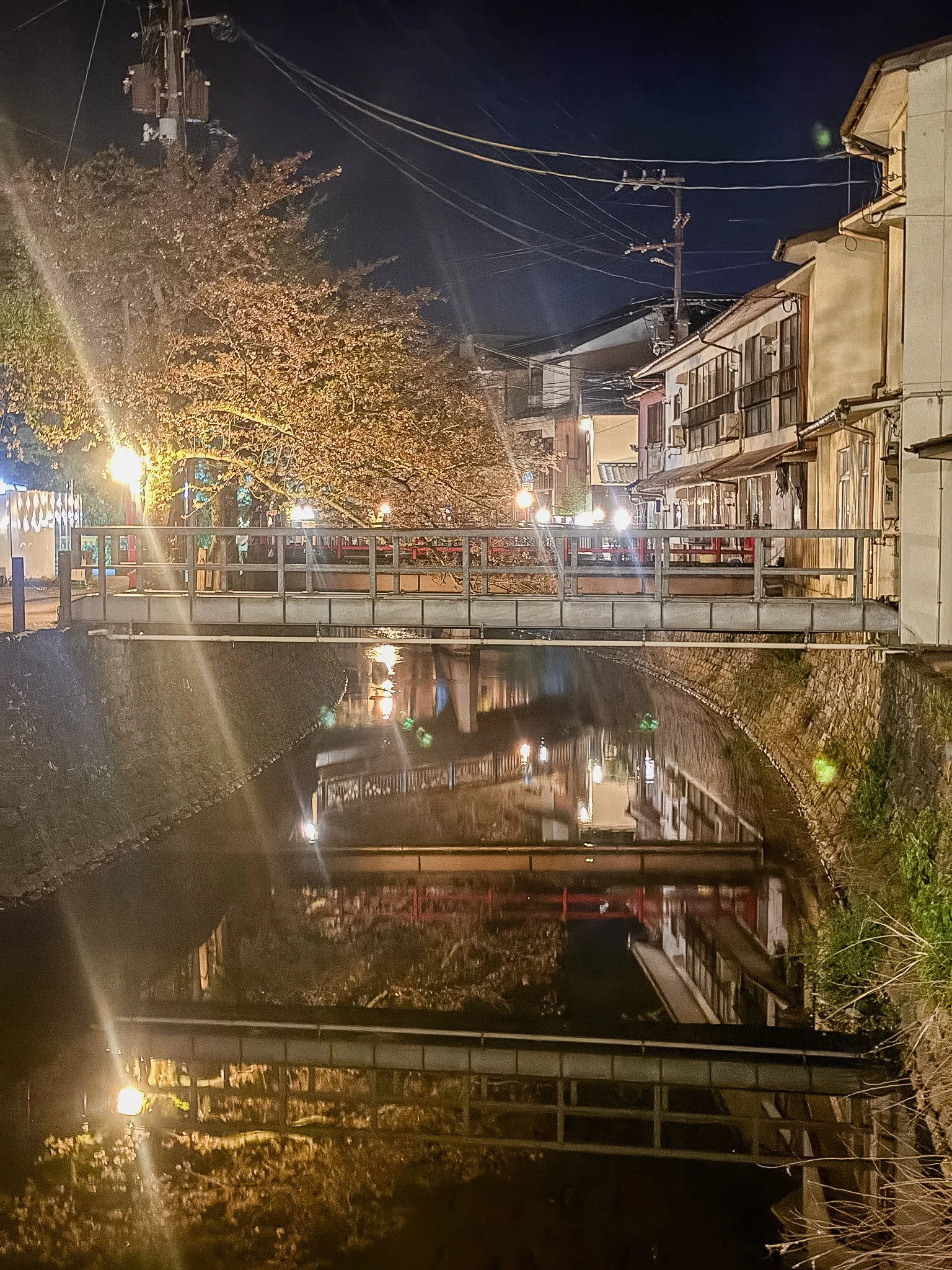
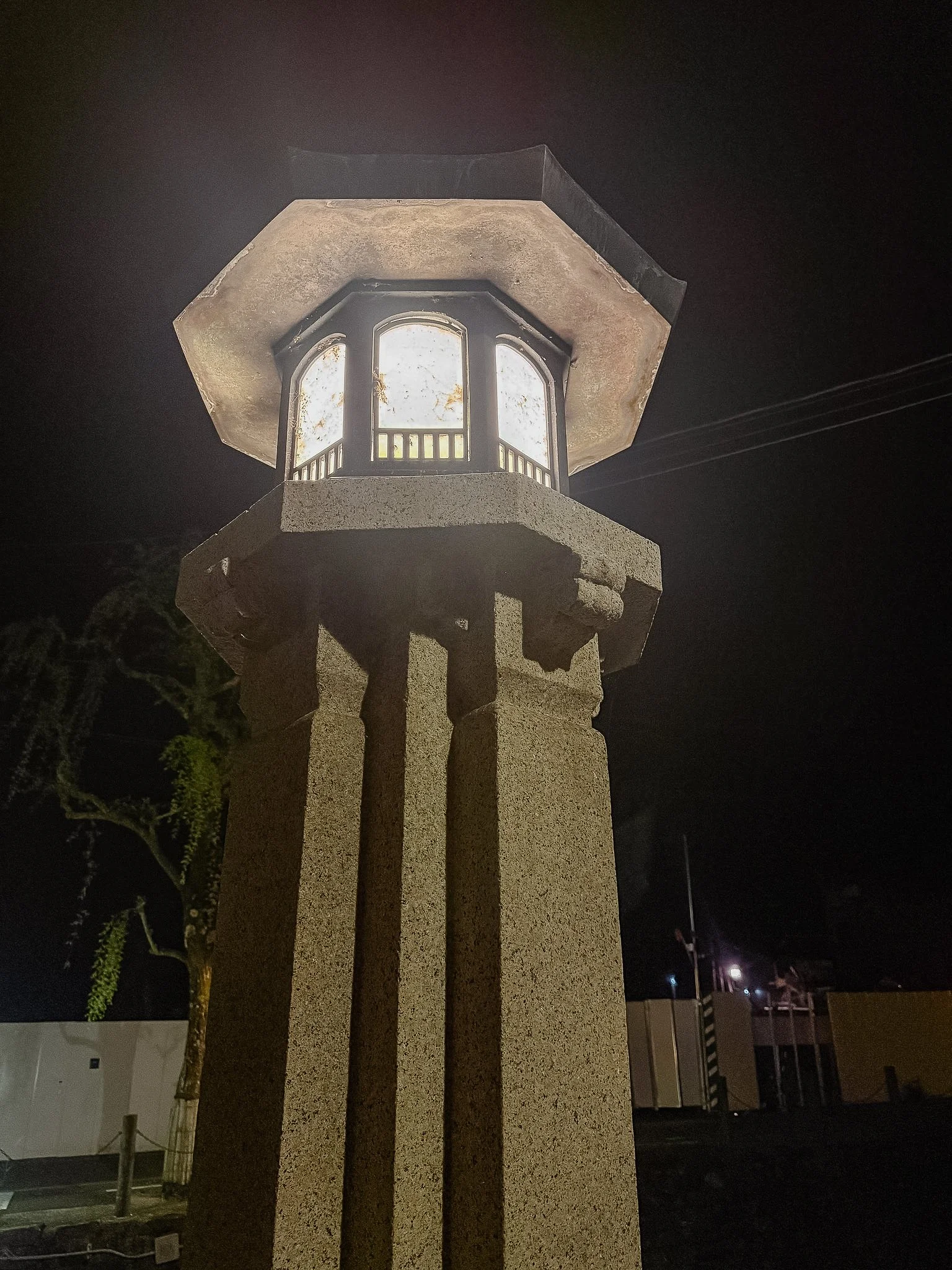
We spent our last night in Kinosaki enjoying the town and onsen-hopping. Walking around at night in yukata with everything lit up along the canal had a completely different feel from during the day. We had our final kaiseki dinner at the ryokan and also got massages, which were desperately needed after averaging 20,000+ steps a day up to that point. Then we went back out to hit a few more baths before calling it a night.
day 11 京都/東映太秦映画村・伏見稲荷大社→東京(新宿)
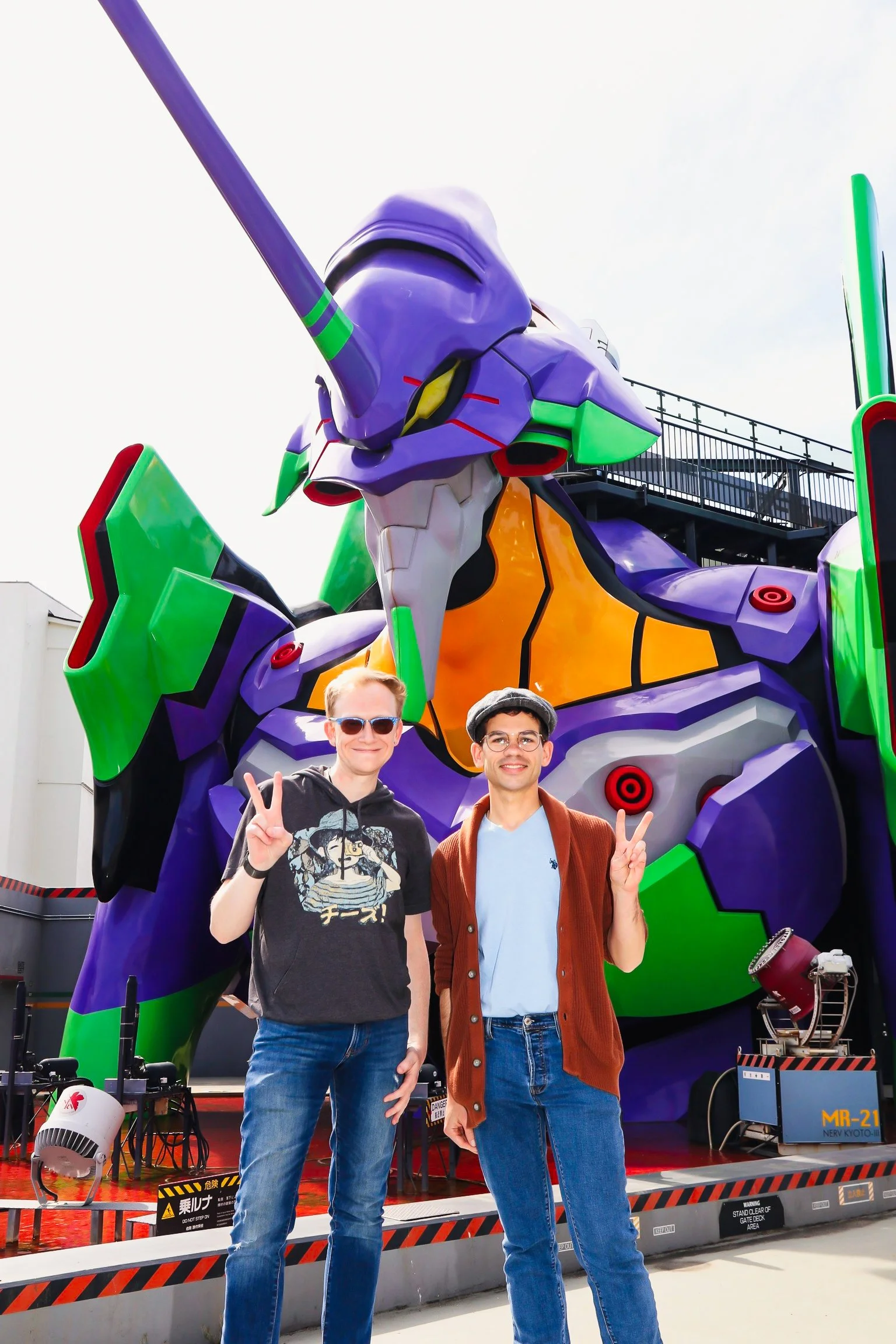
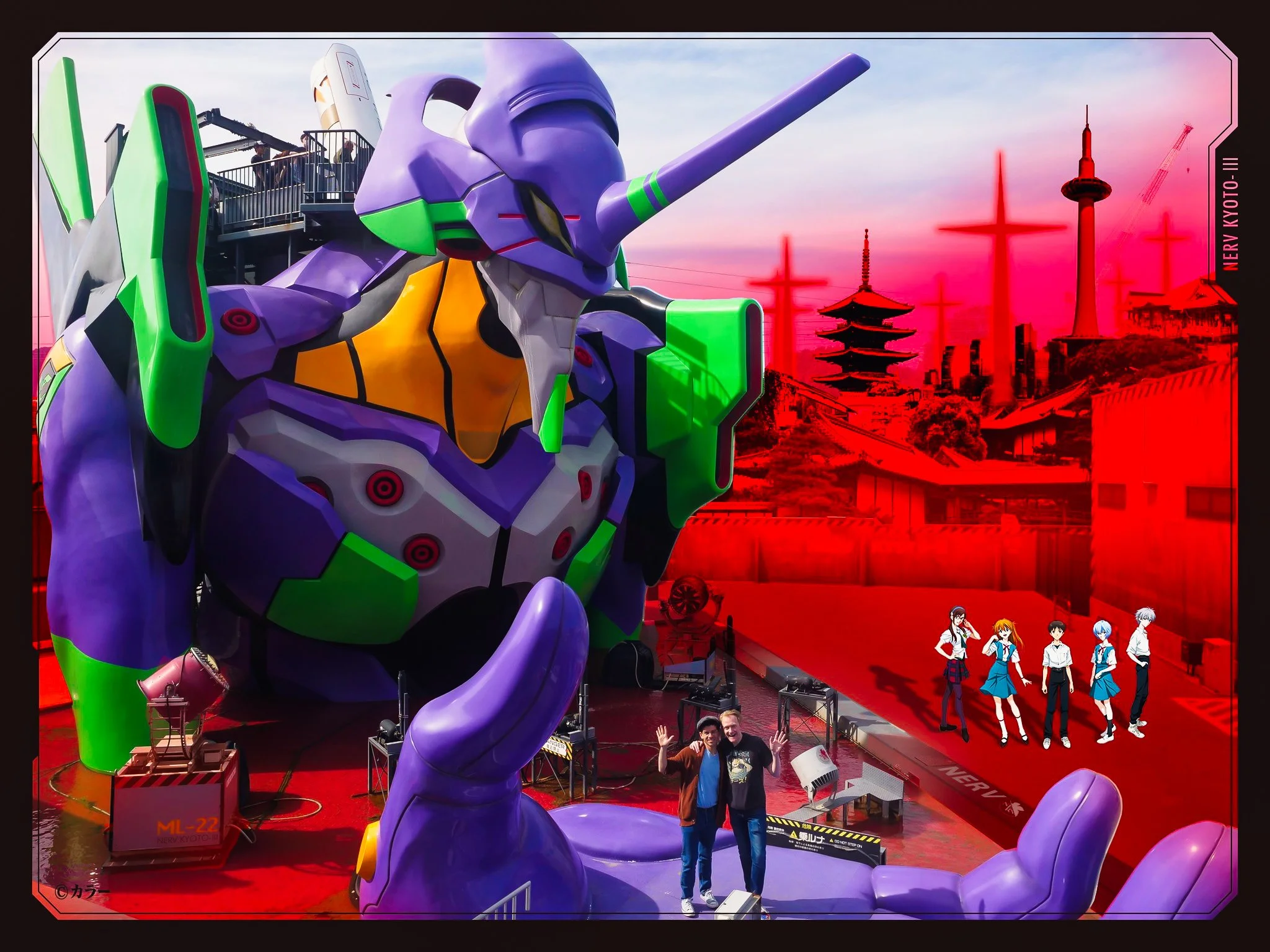
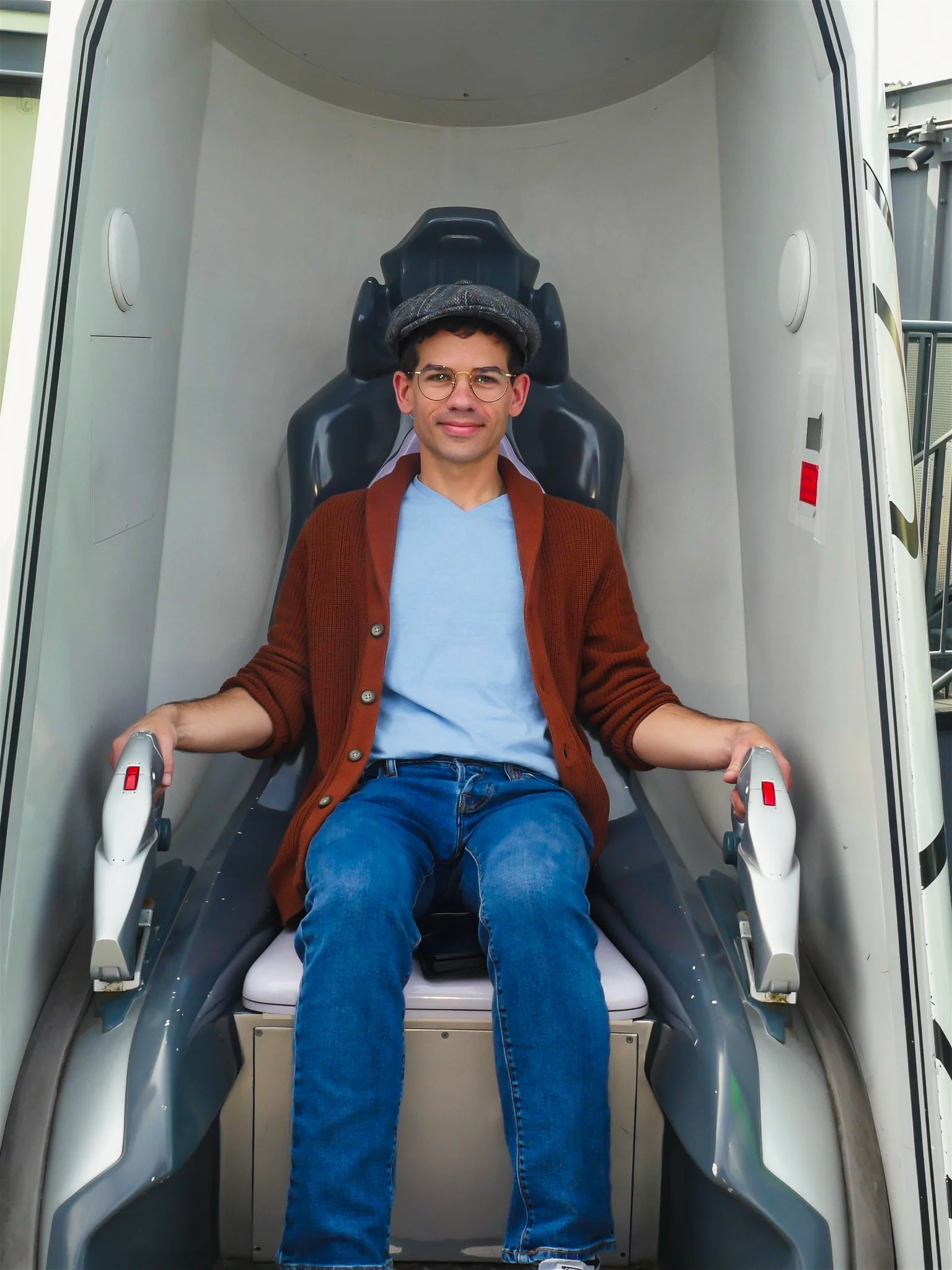
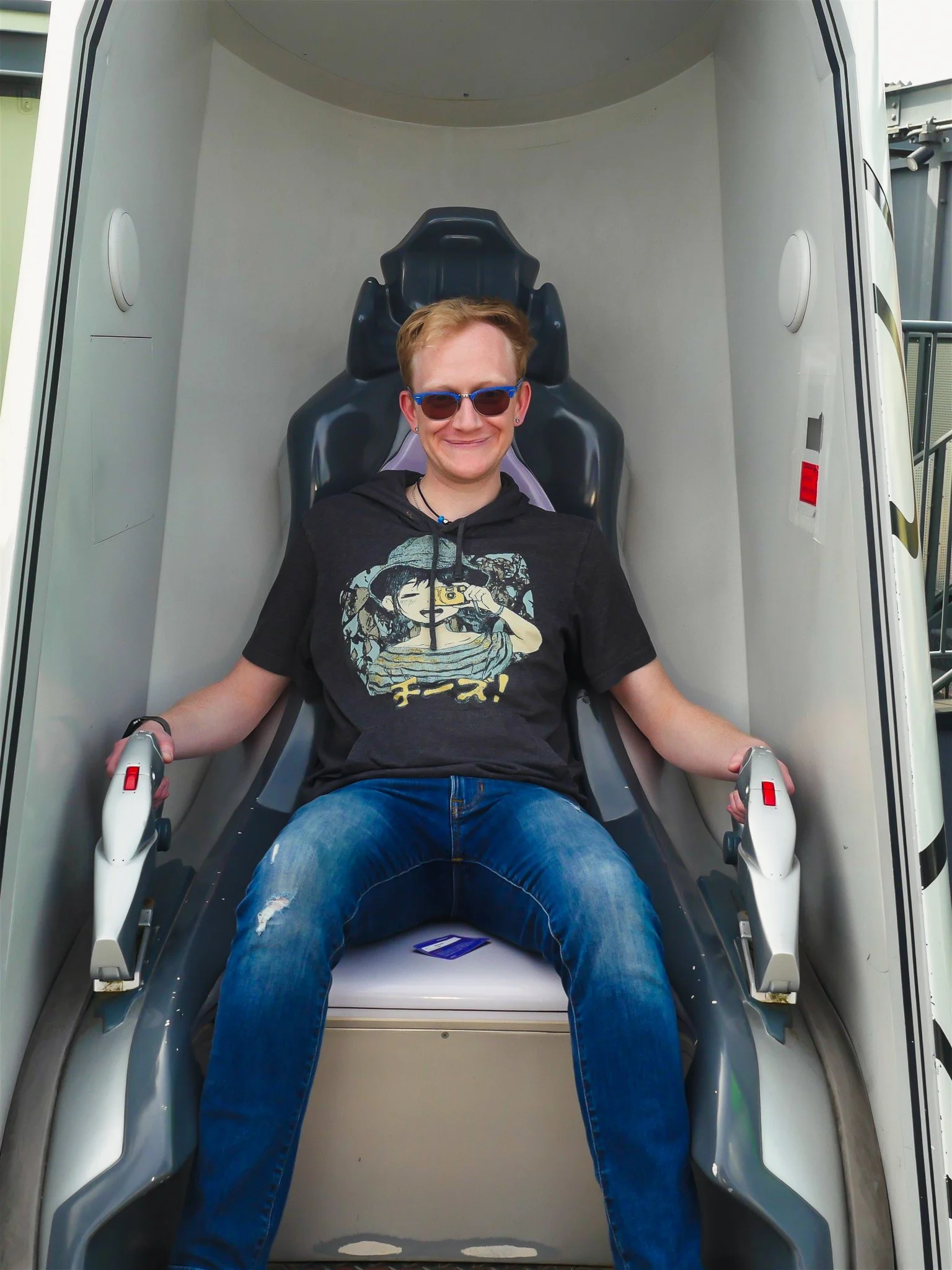
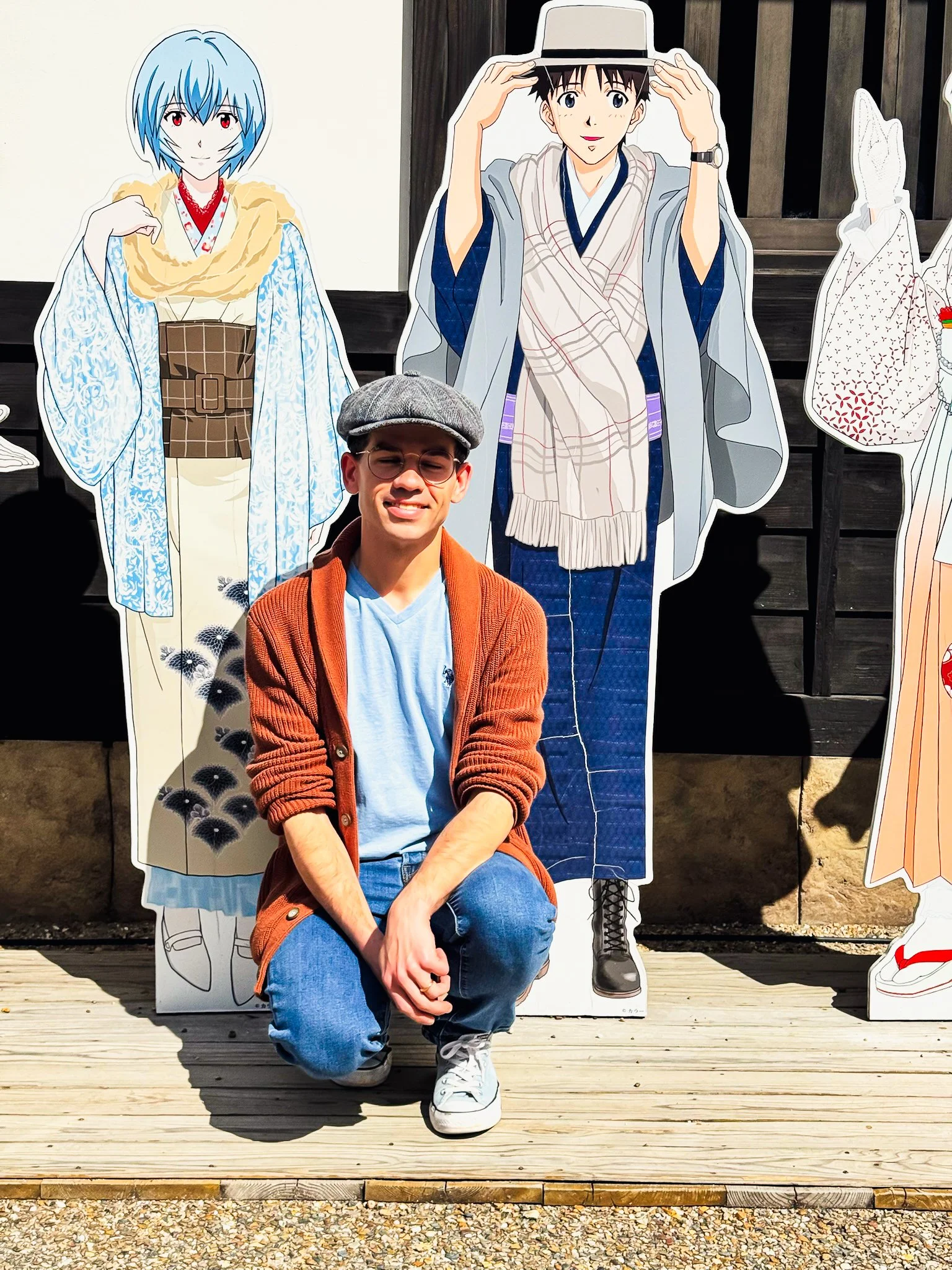
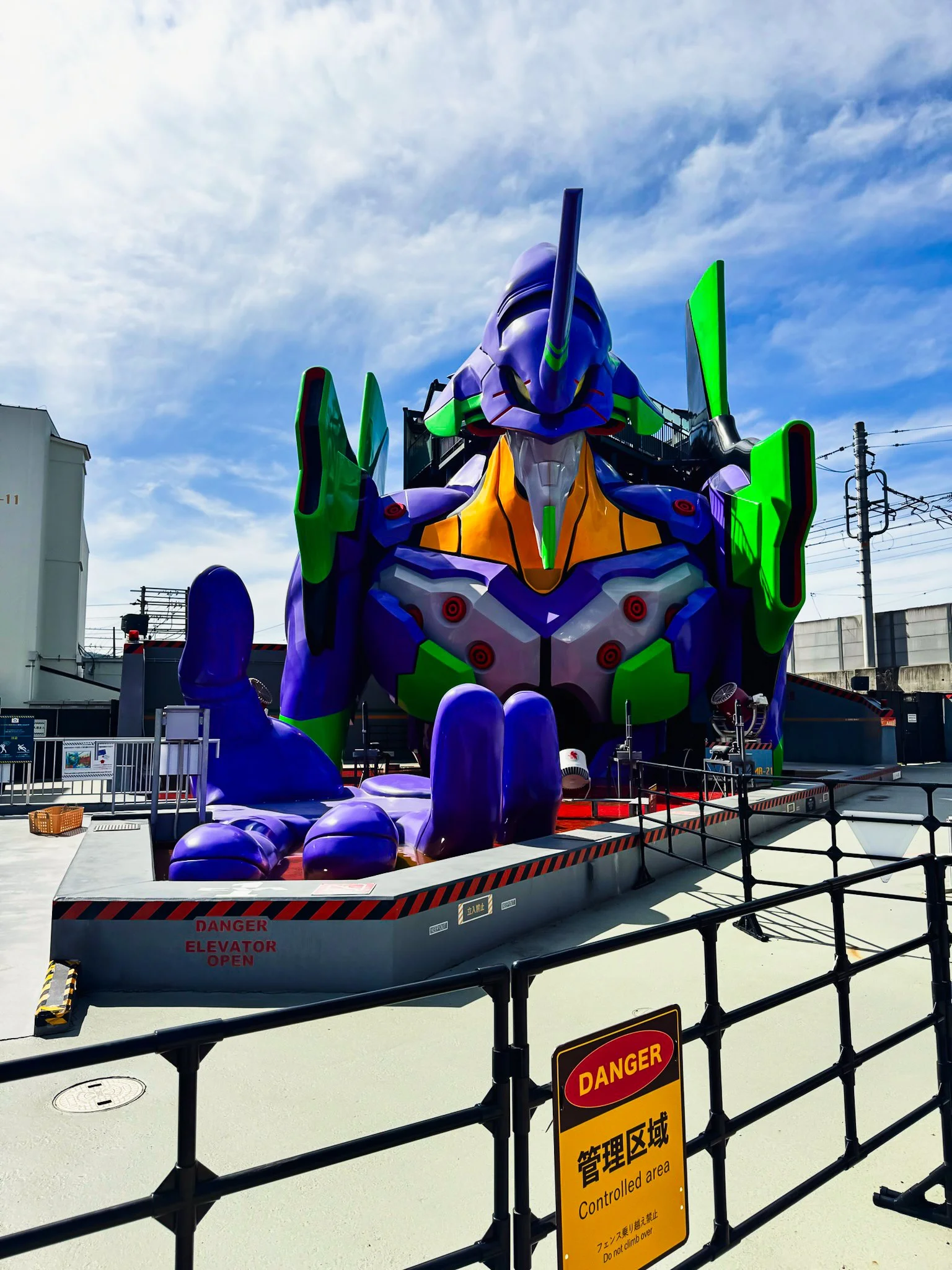
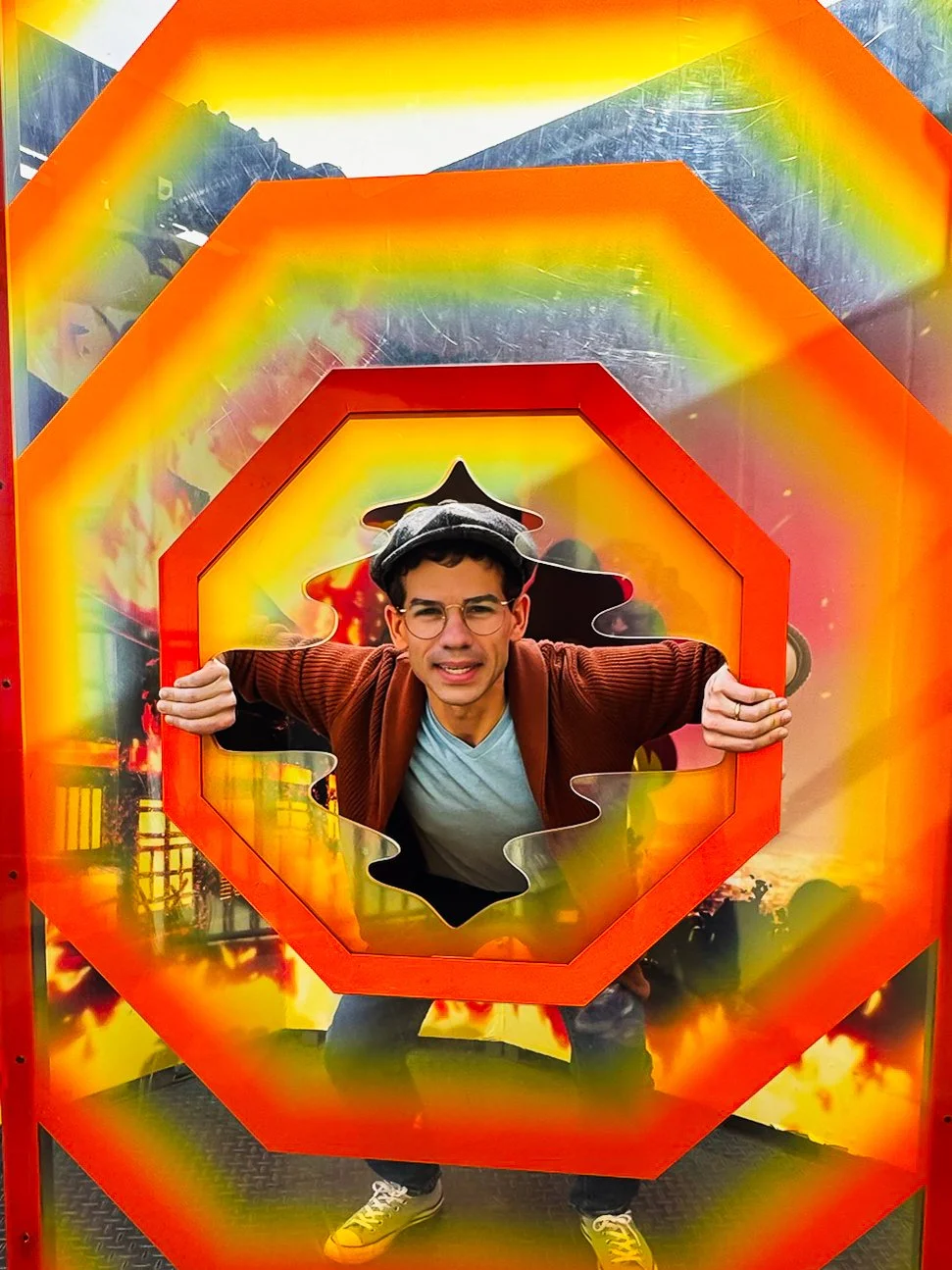
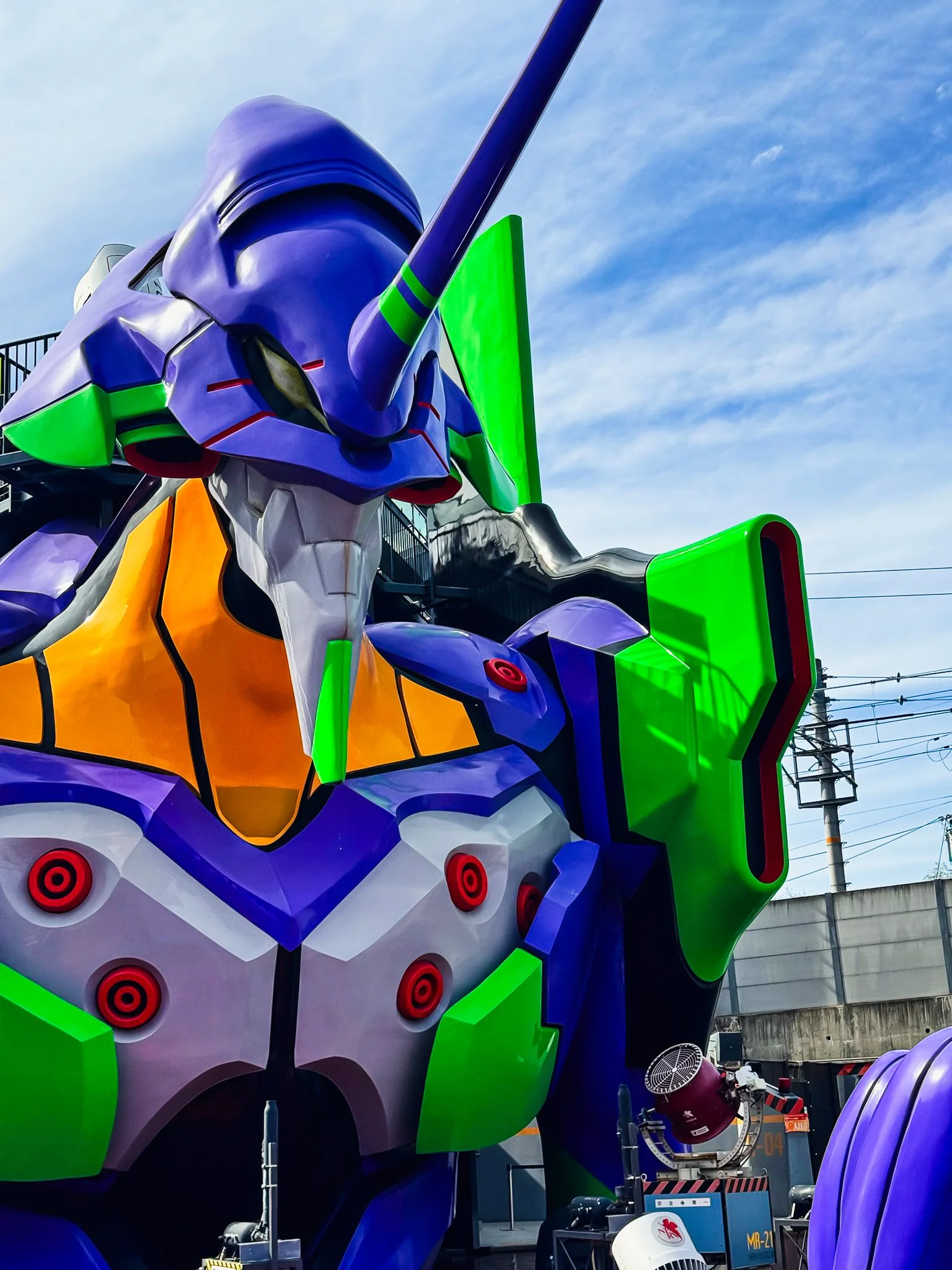
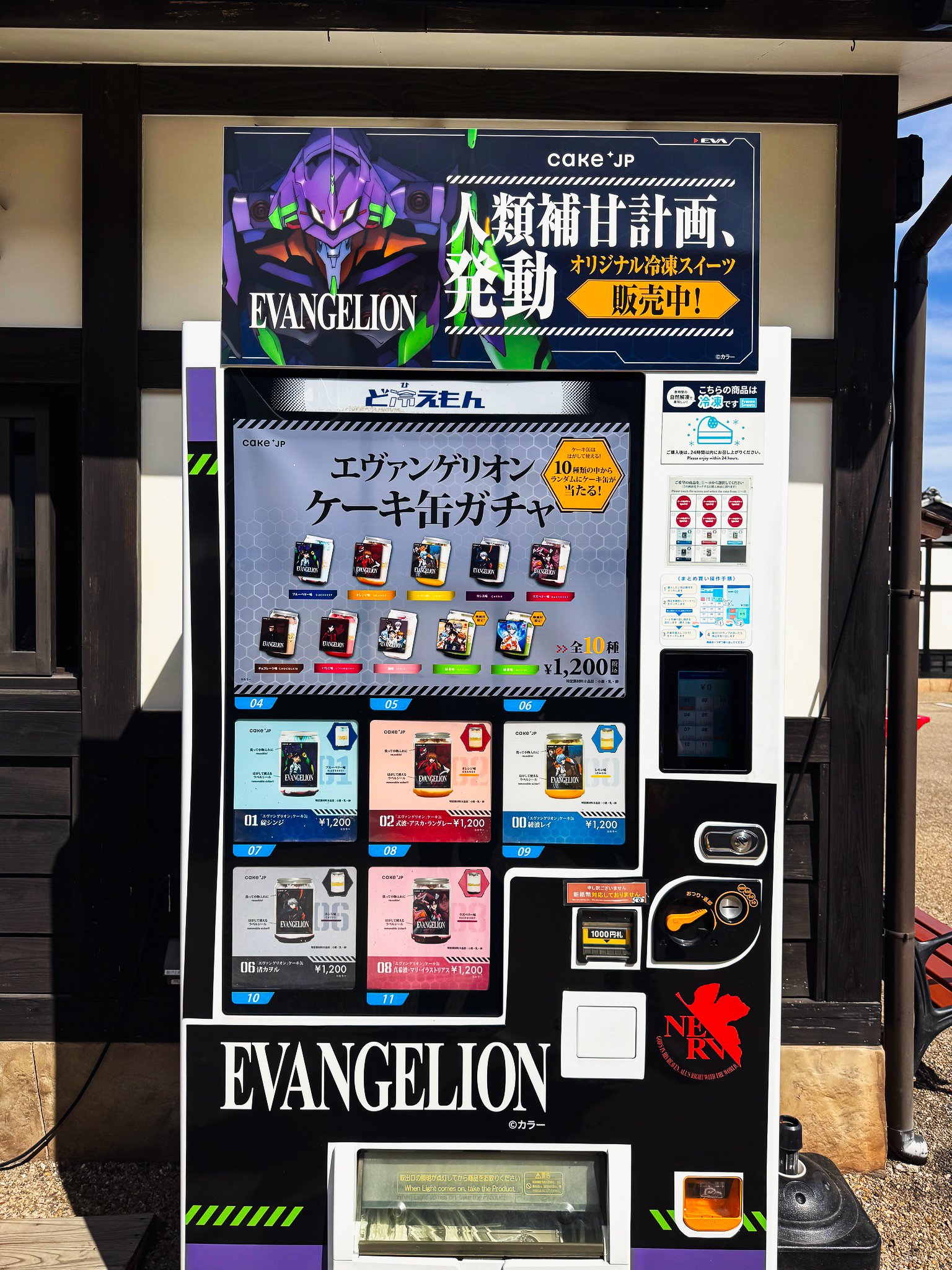
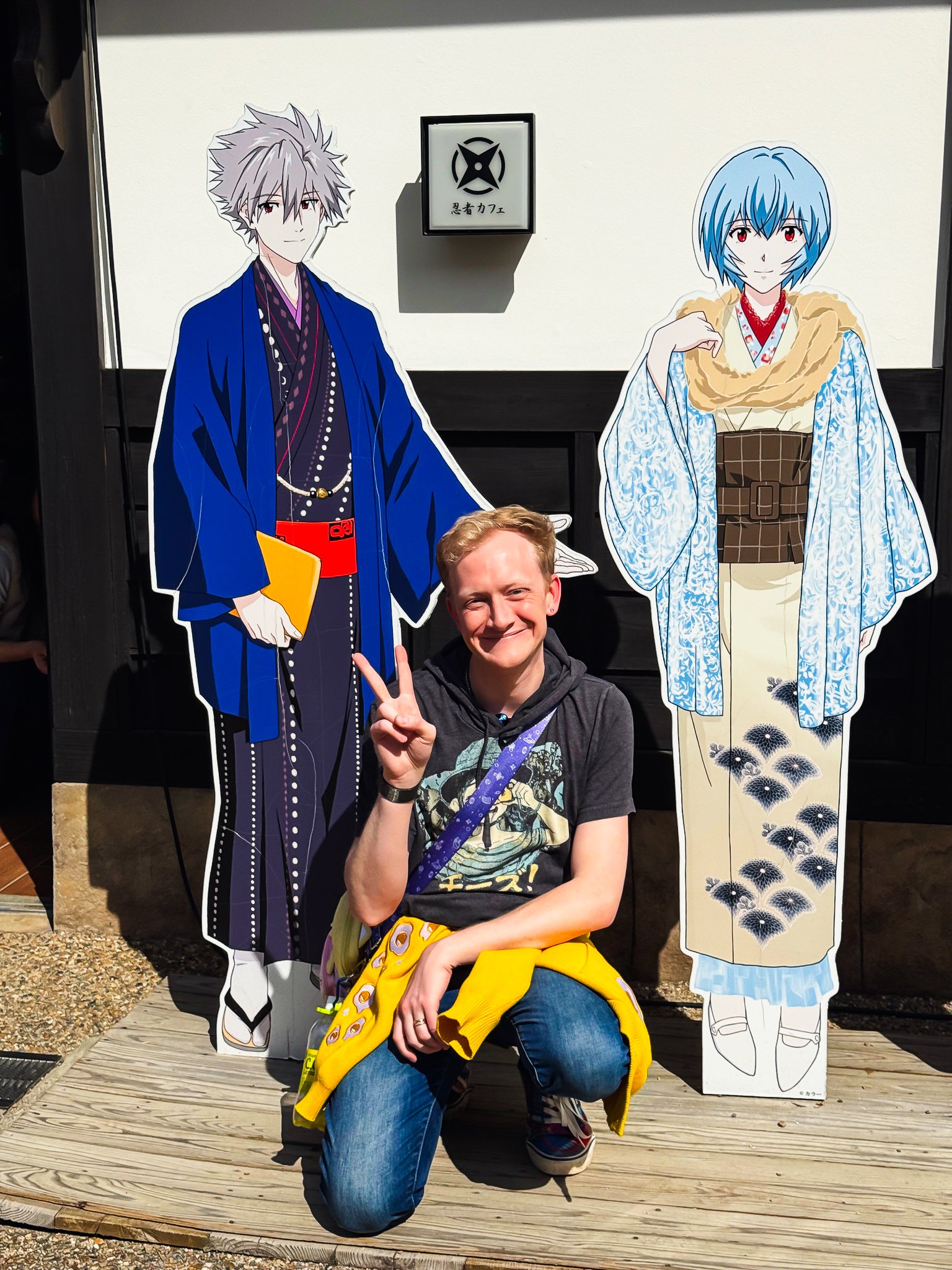
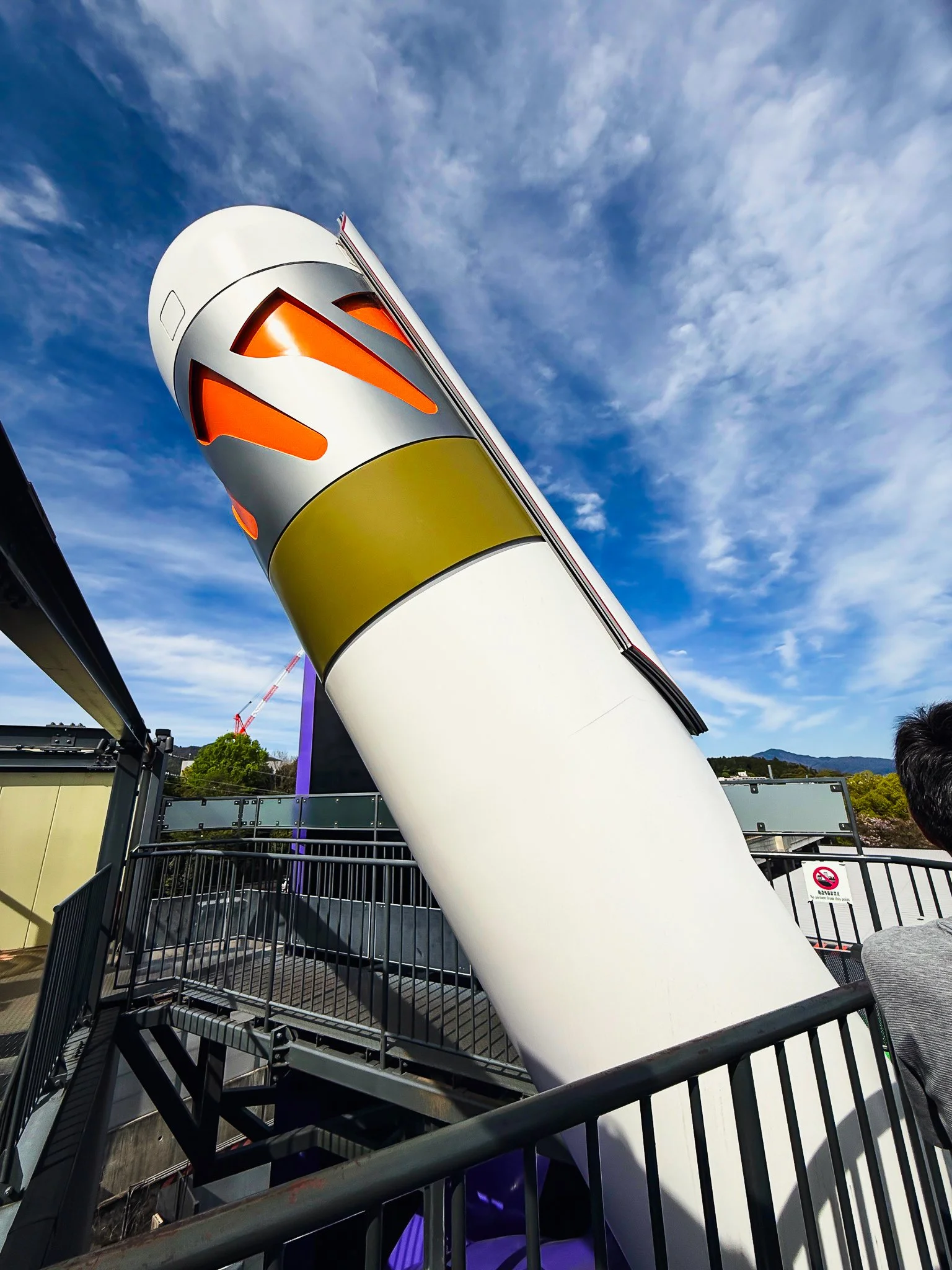
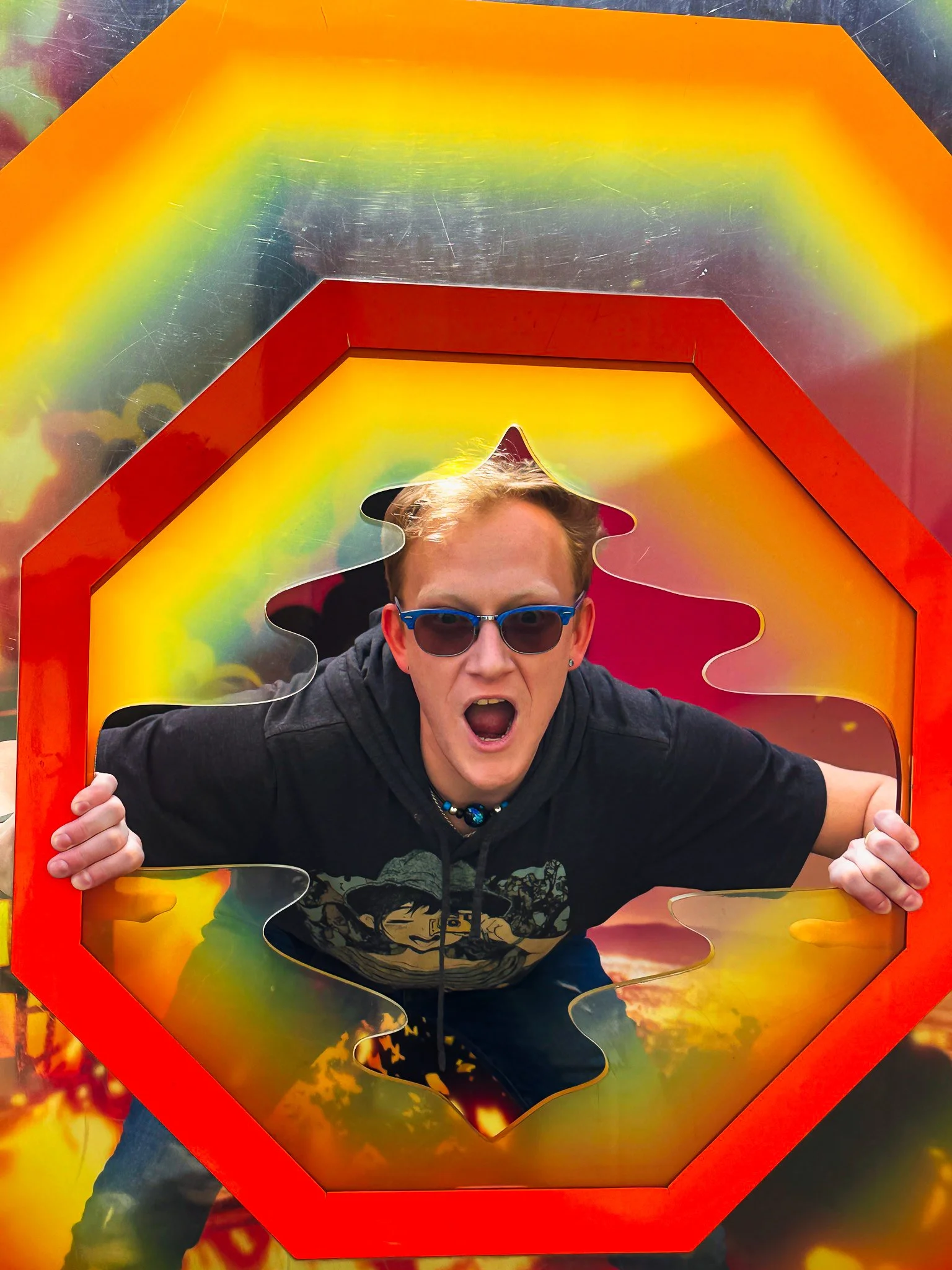
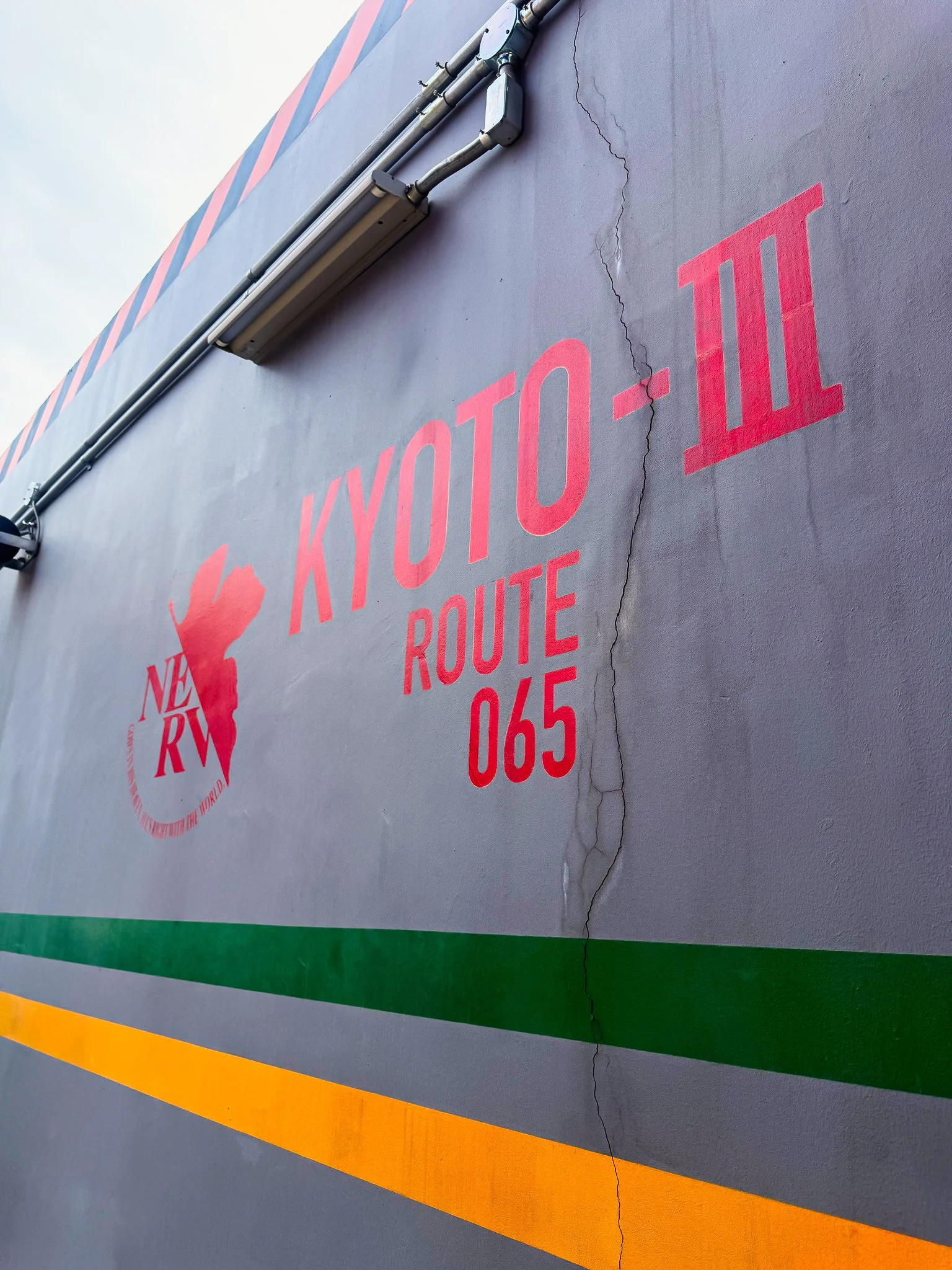
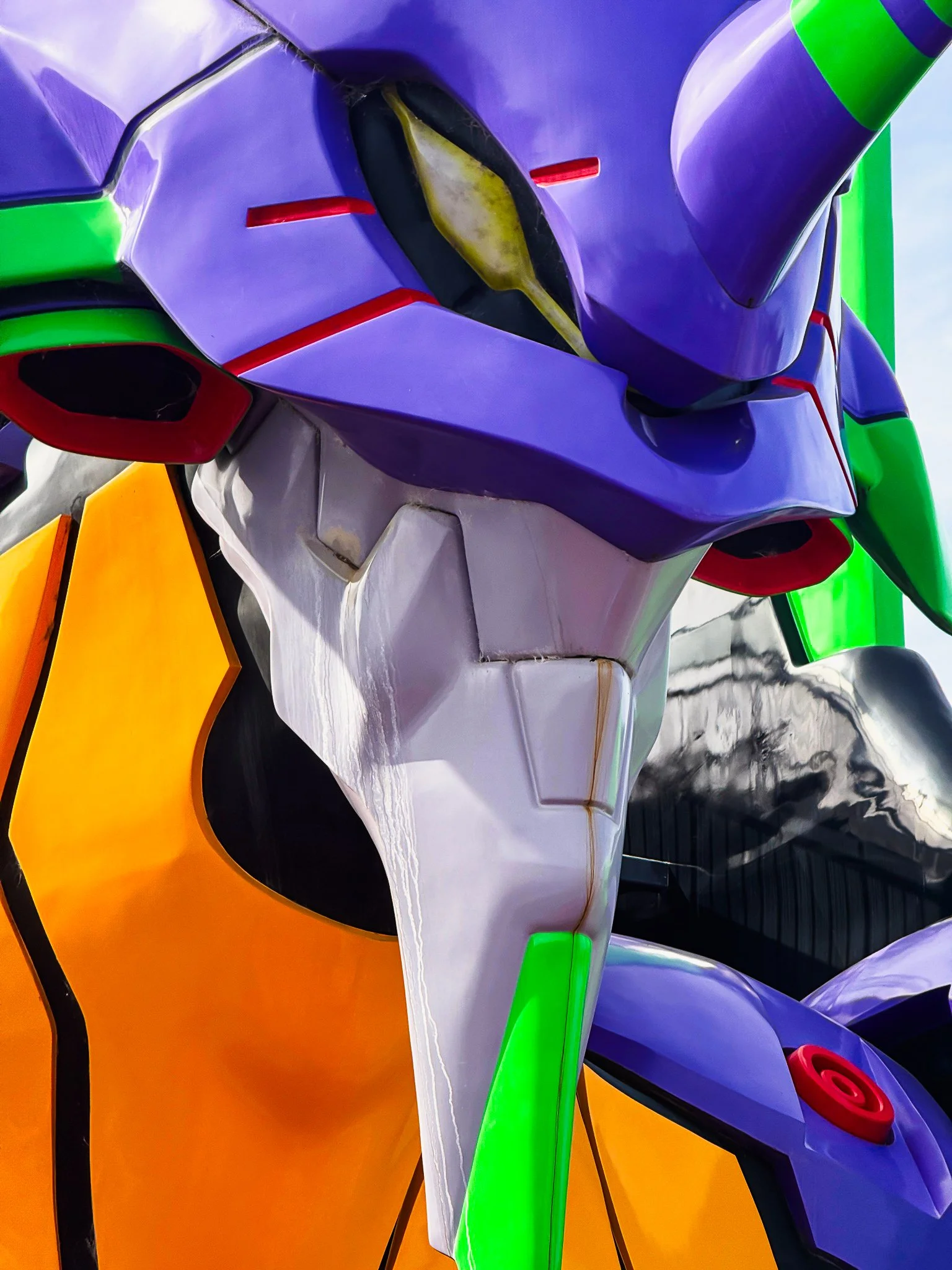
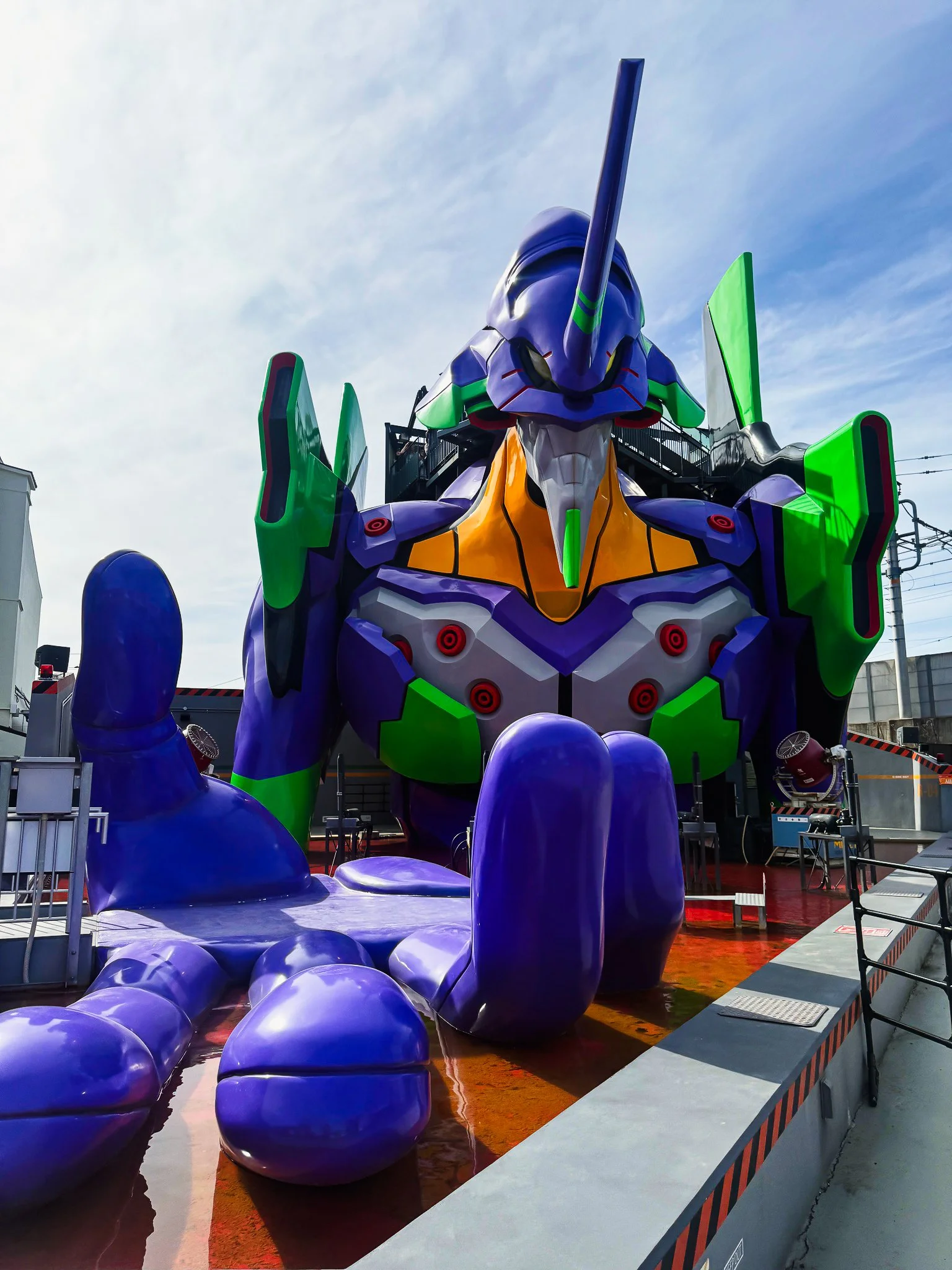
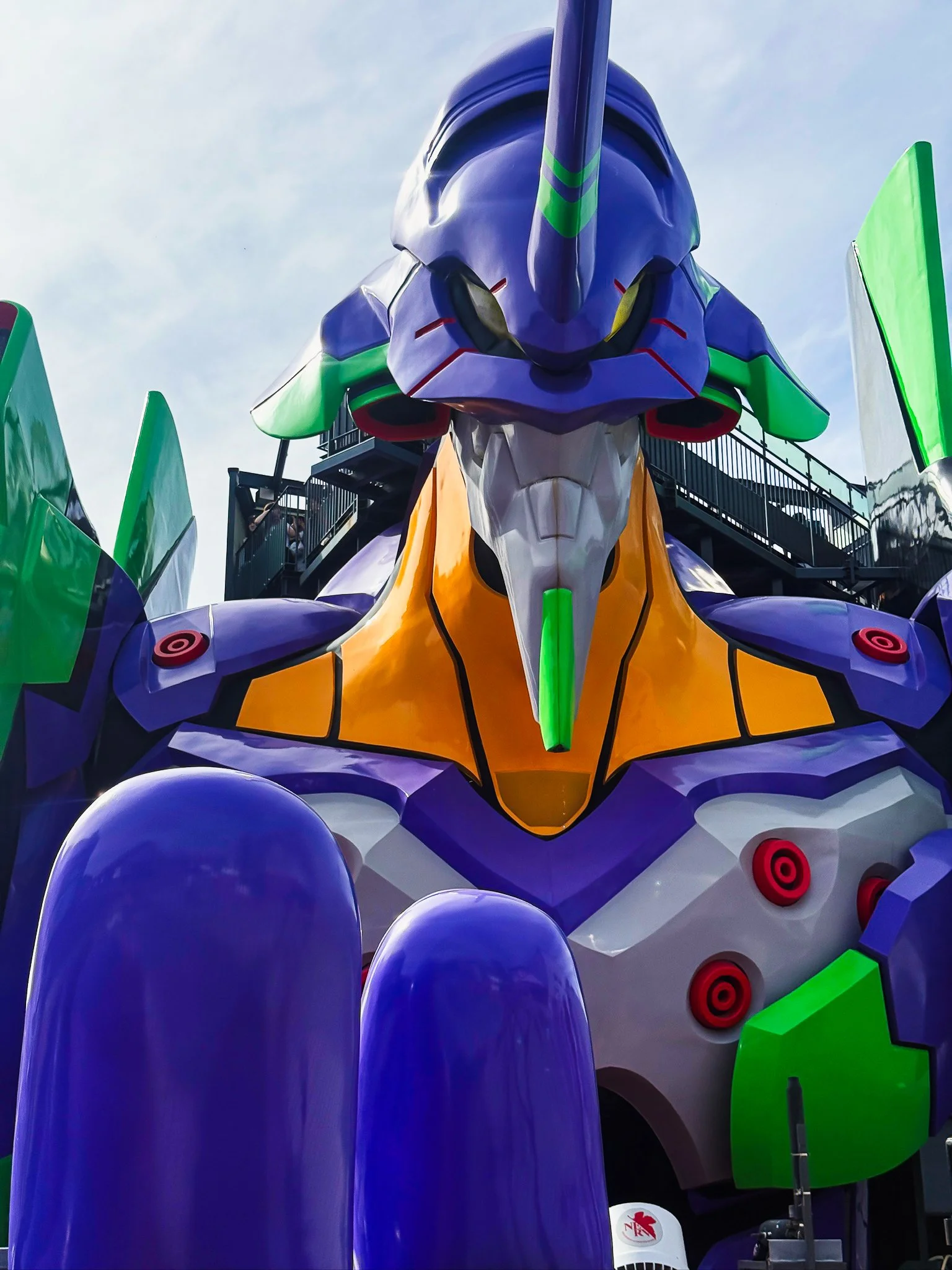
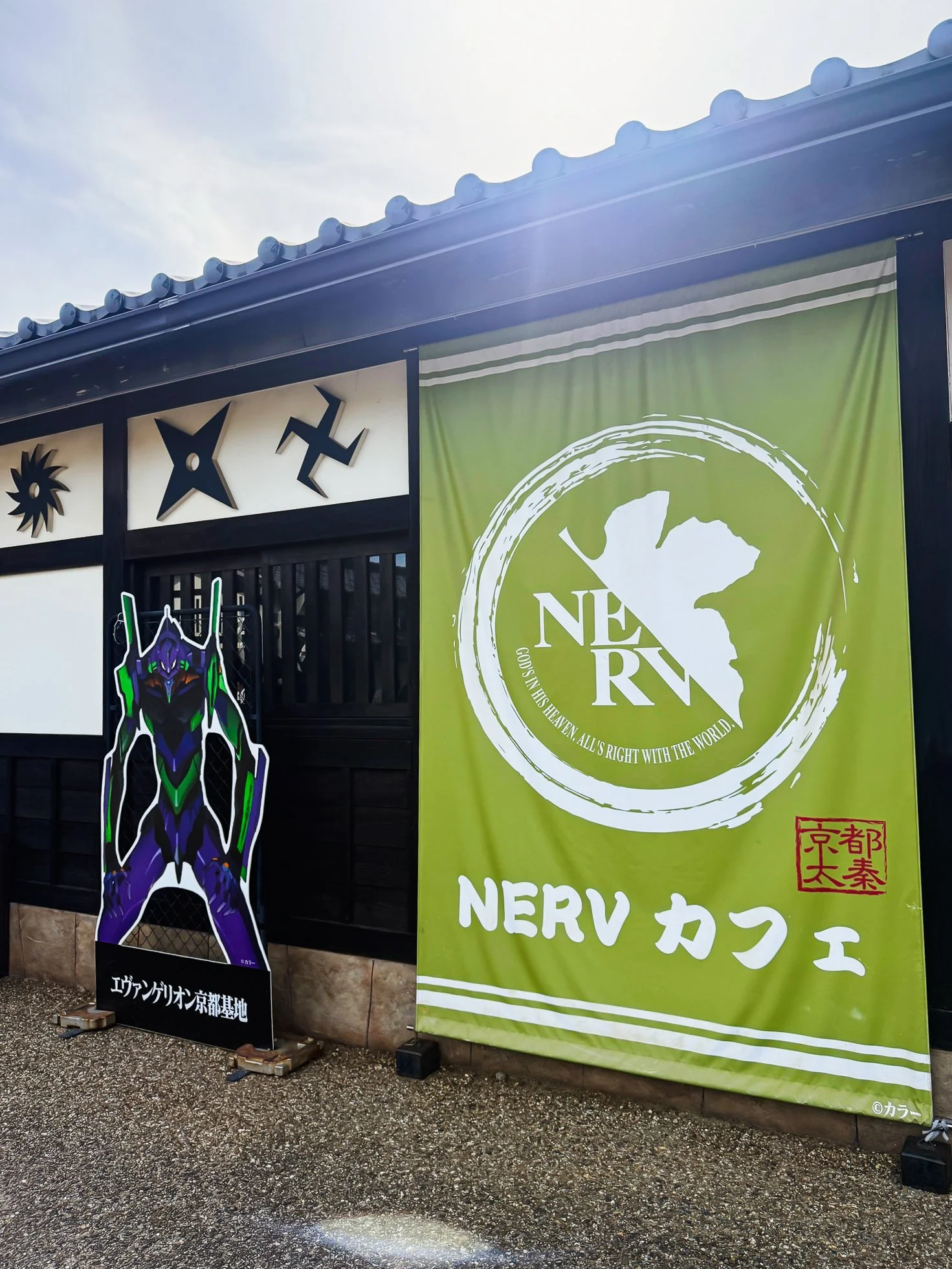
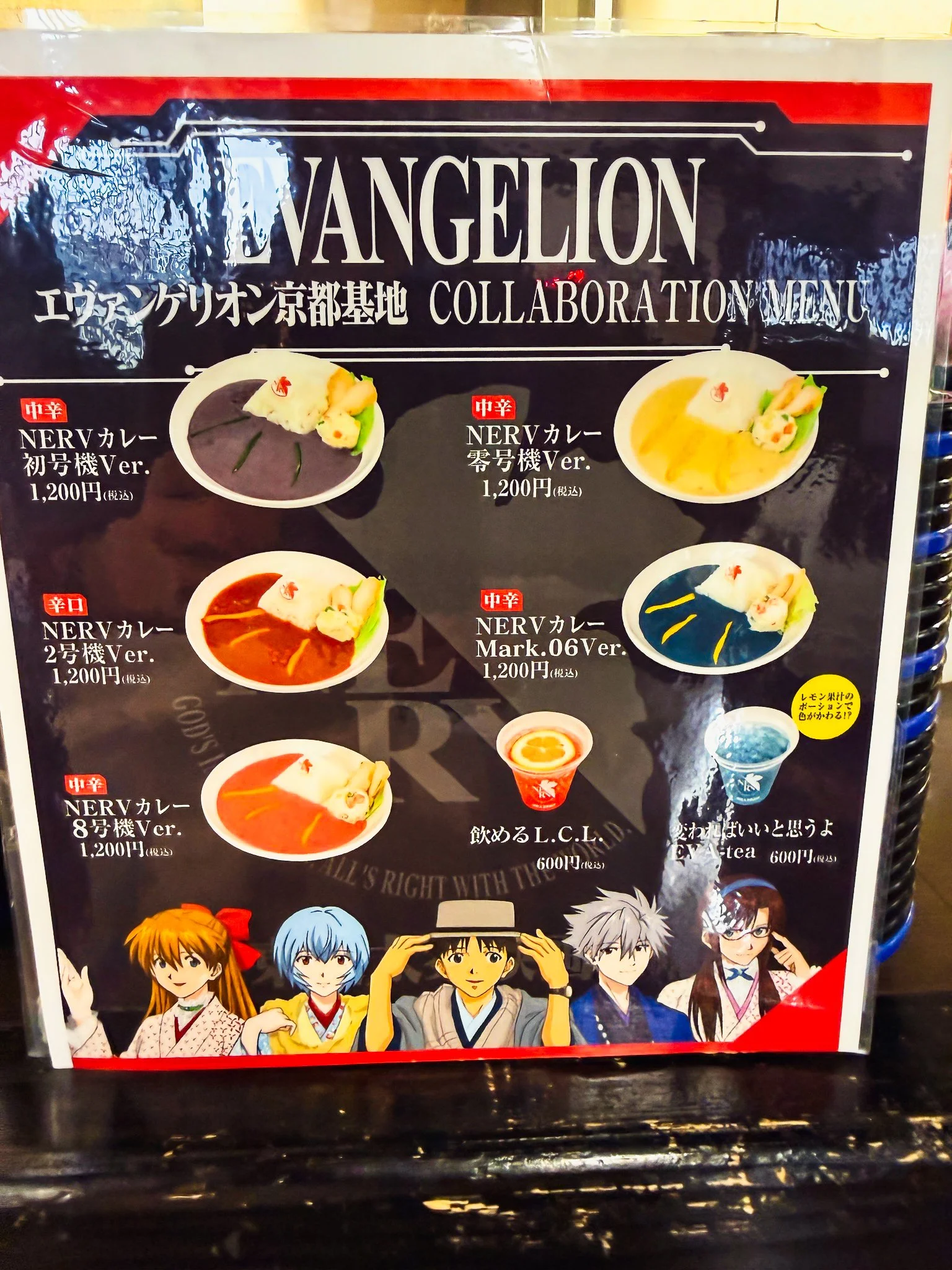
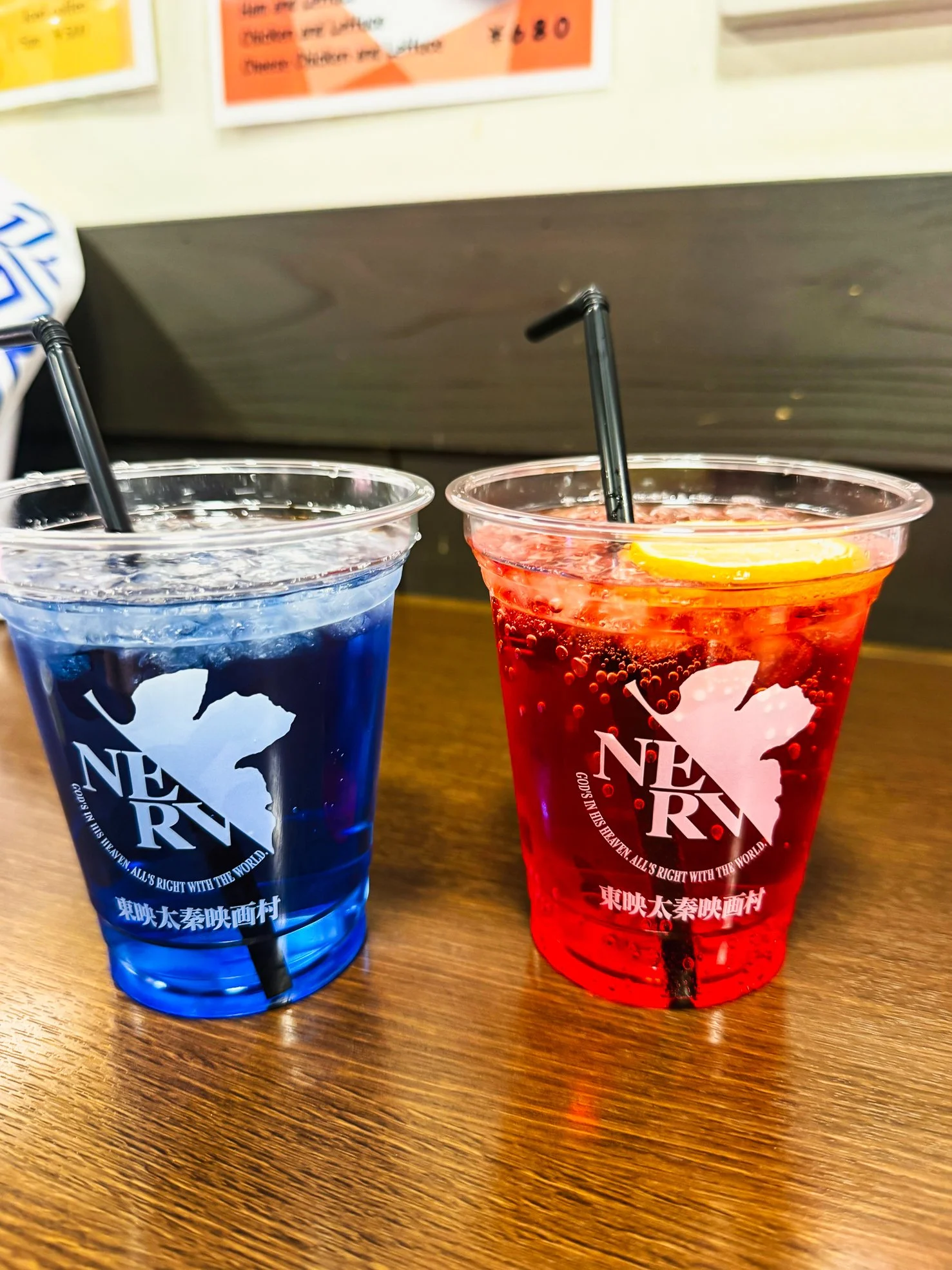
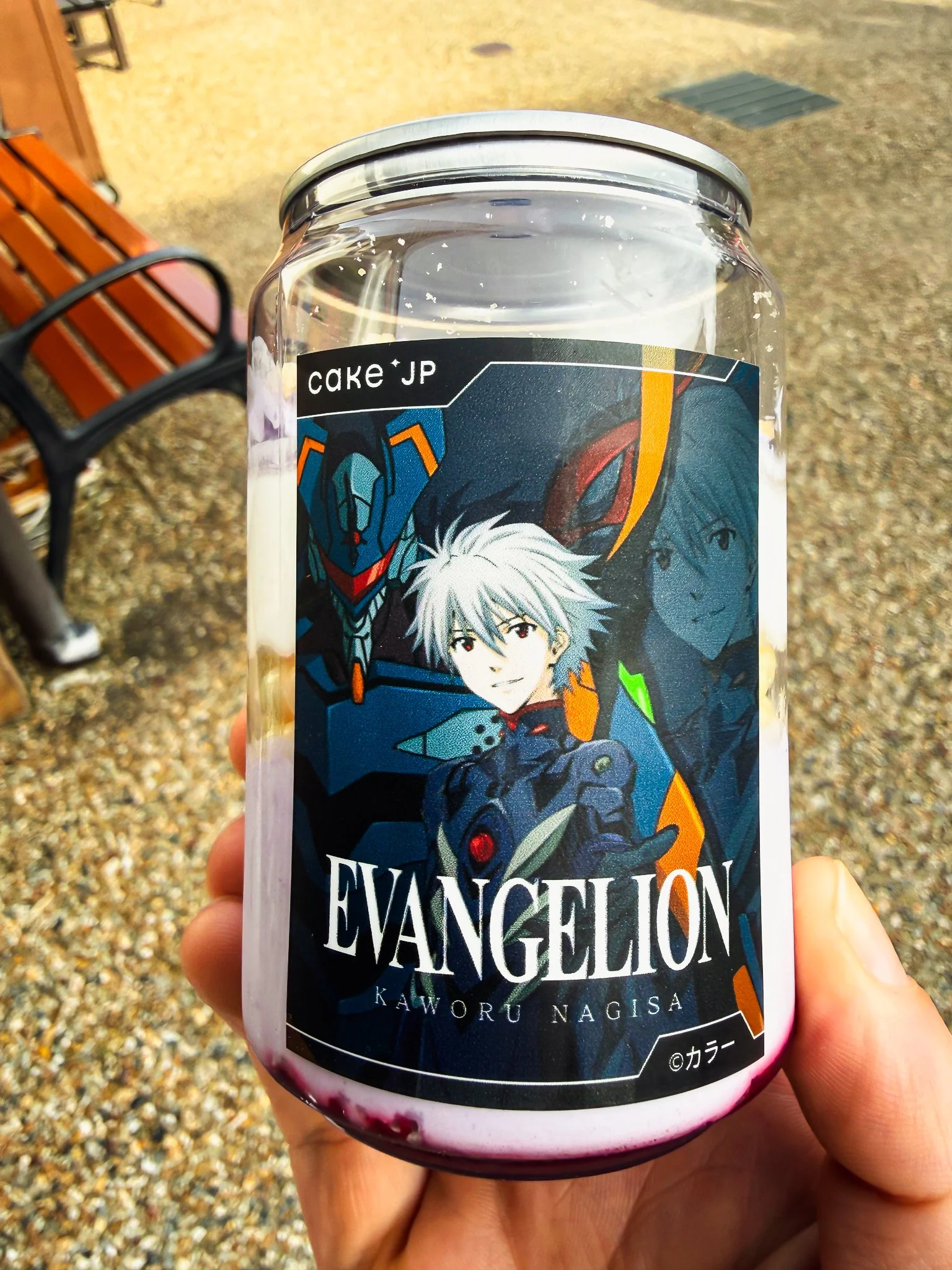
We checked out of the ryokan and took the train back to Kyoto. We built in a little extra time during the transfer so we could actually do something there, but the main thing I wanted to do was go to Toei Studio Park to see the life-size Eva Unit 1. They had a whole interactive experience built around it. You get a pilot sync rate card and go through a queue with little challenges and quizzes based on the show. At the top, you get to sit in the entry plug, grab the controls, and try to synchronize with the Eva. Justin and I both failed pretty badly. They also had another gift shop, so I ended up buying even more Eva stuff, plus the Nerv Kyoto-III café with Eva-themed drinks and food. There was even an Evangelion vending machine that sold different cakes based on the different pilots.
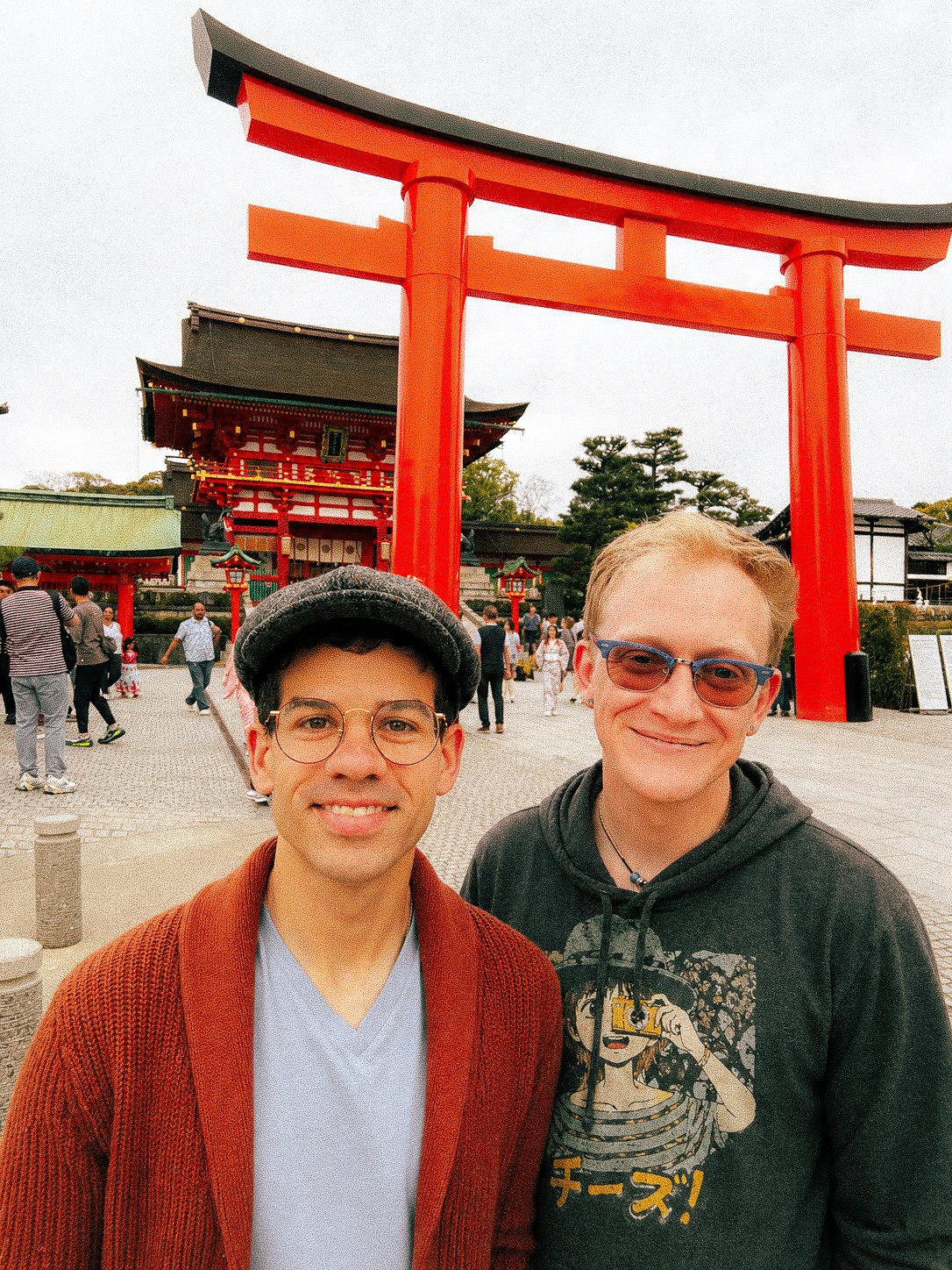
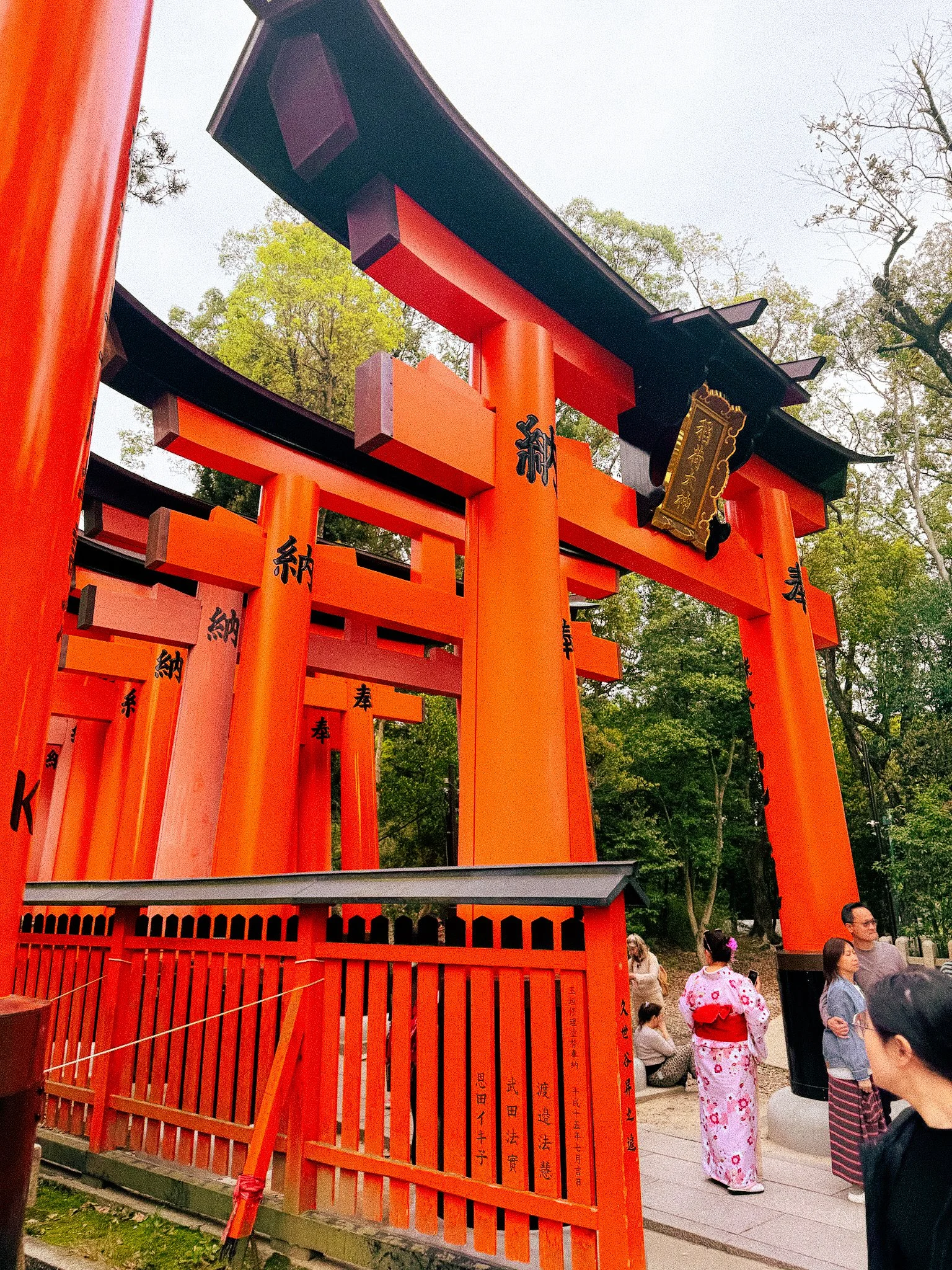
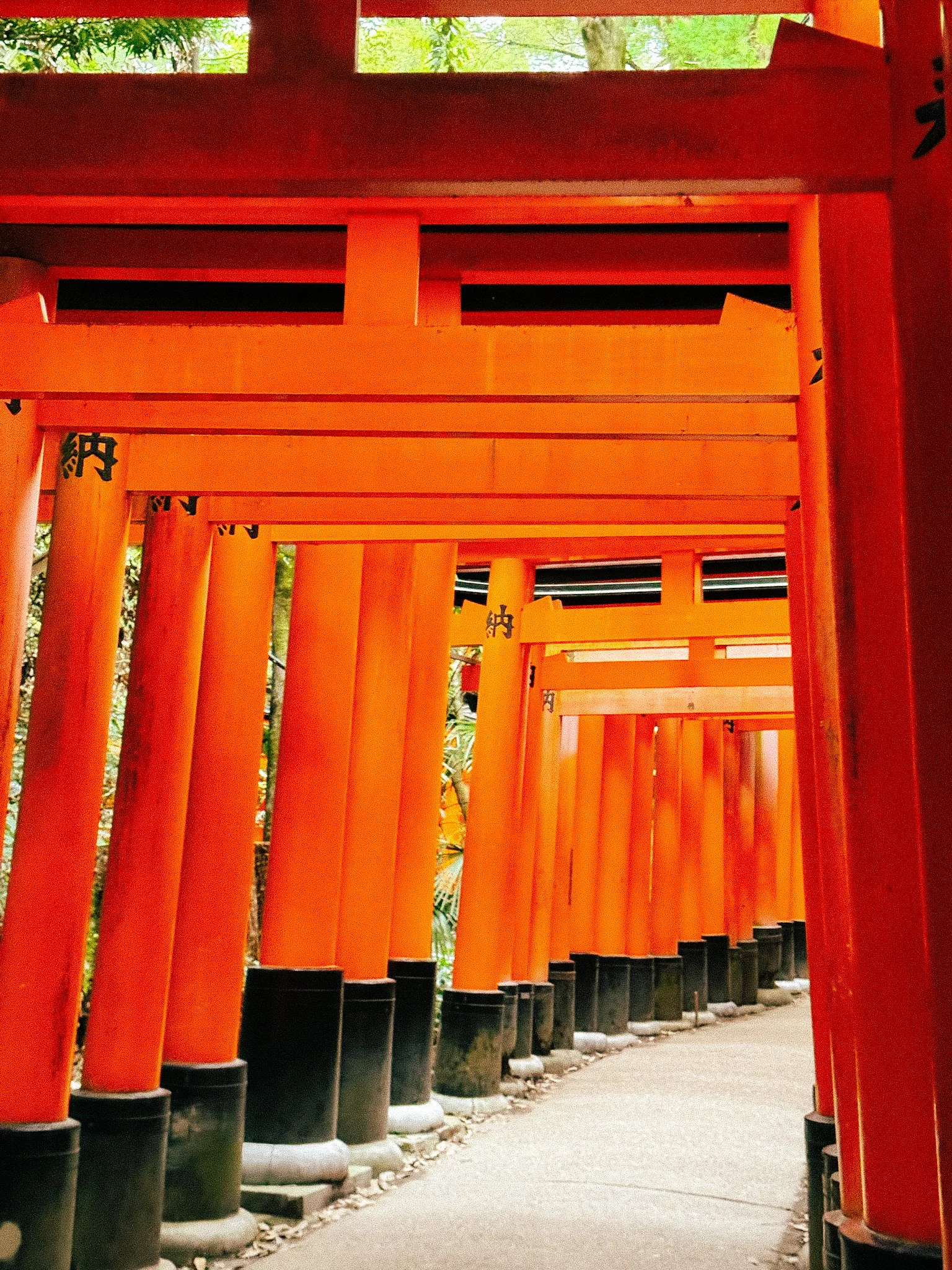
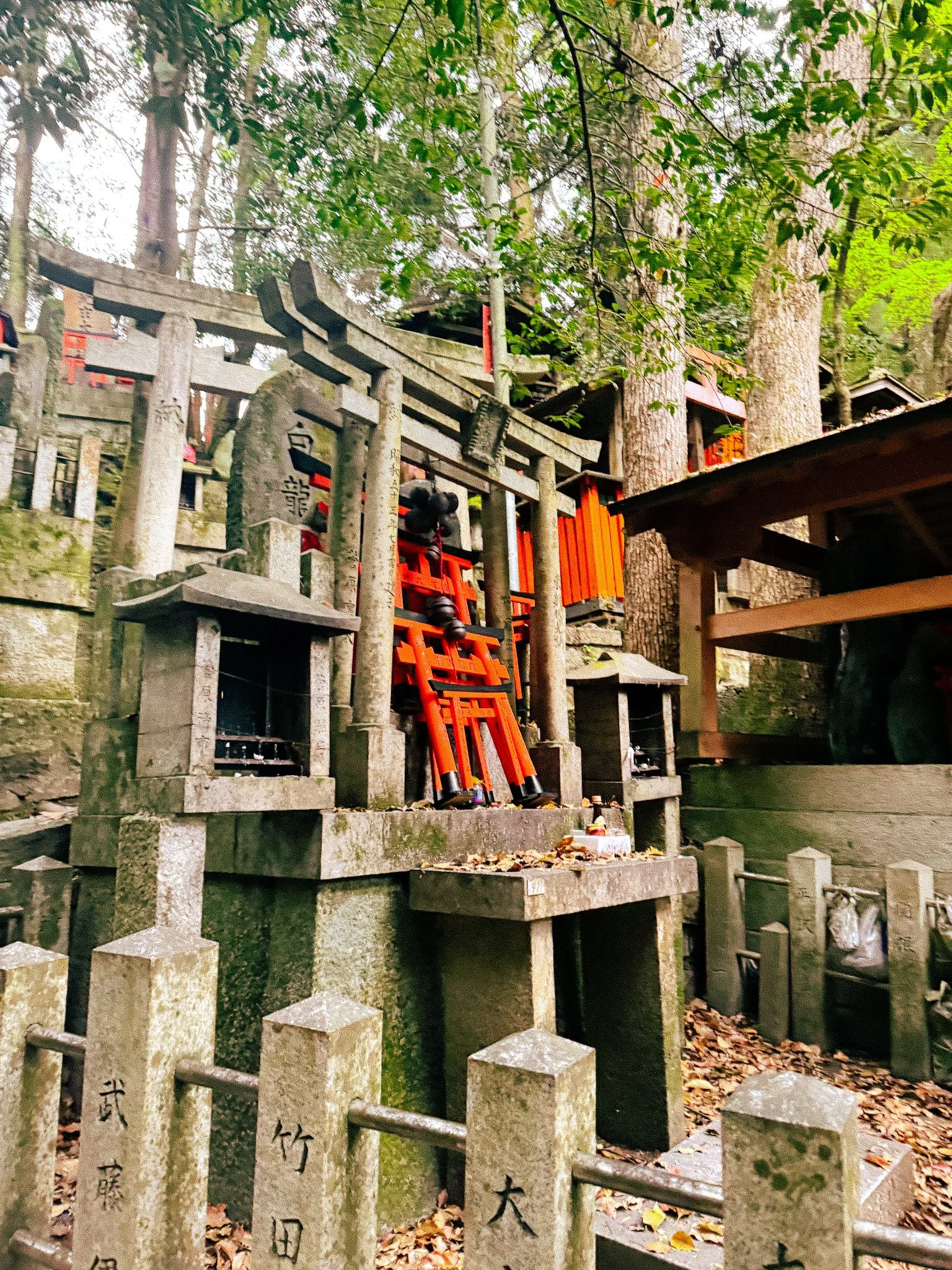
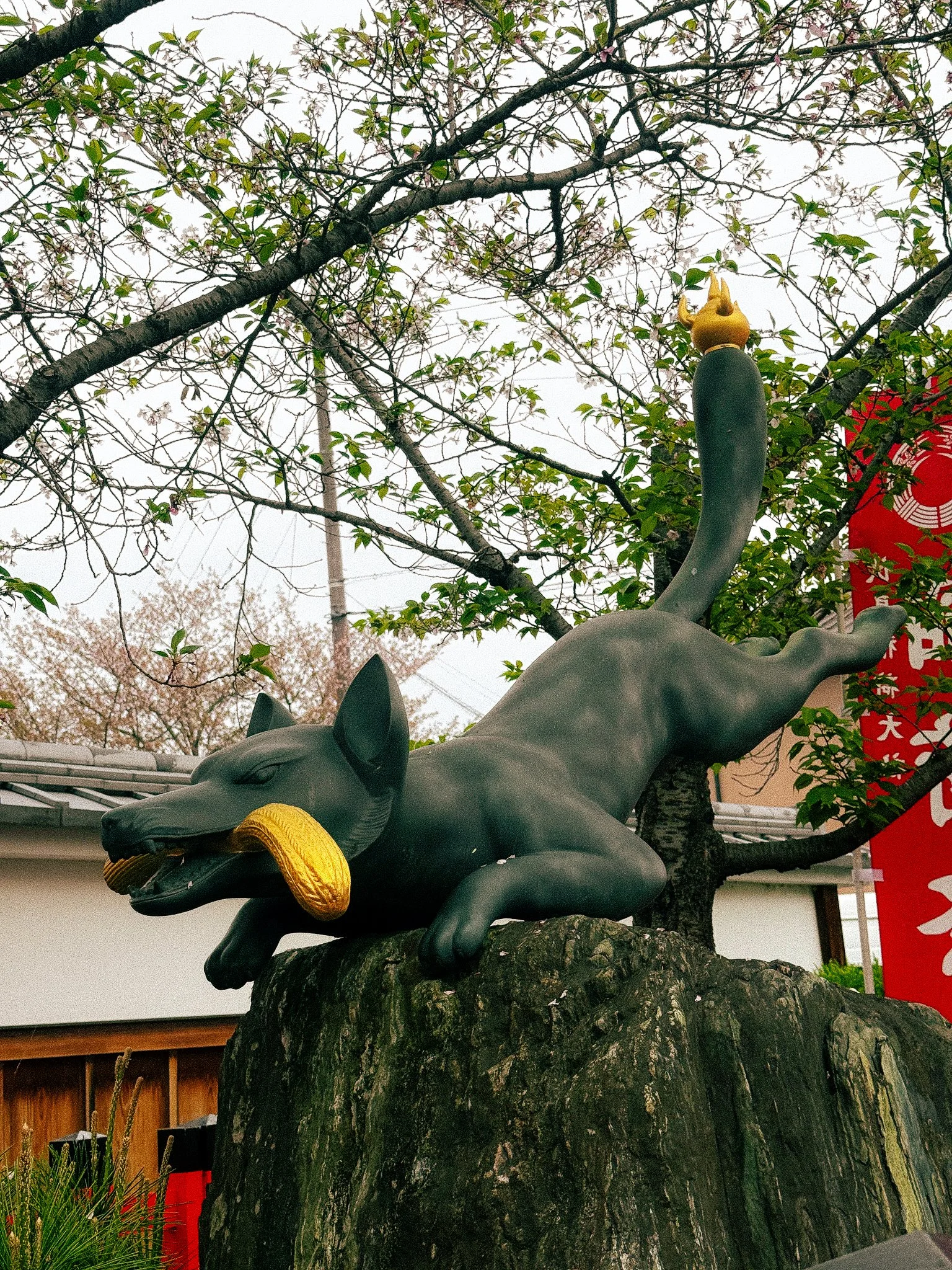
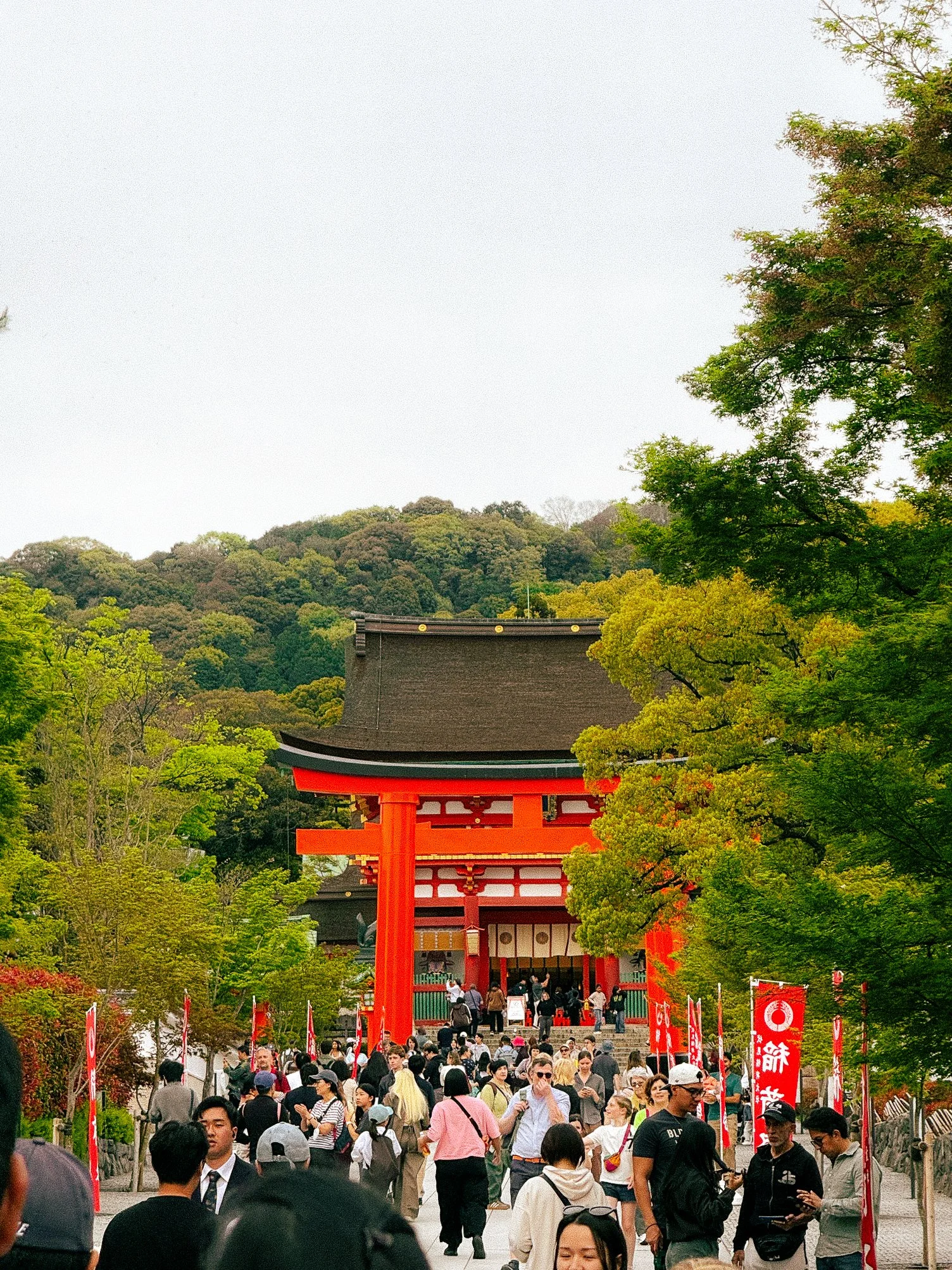
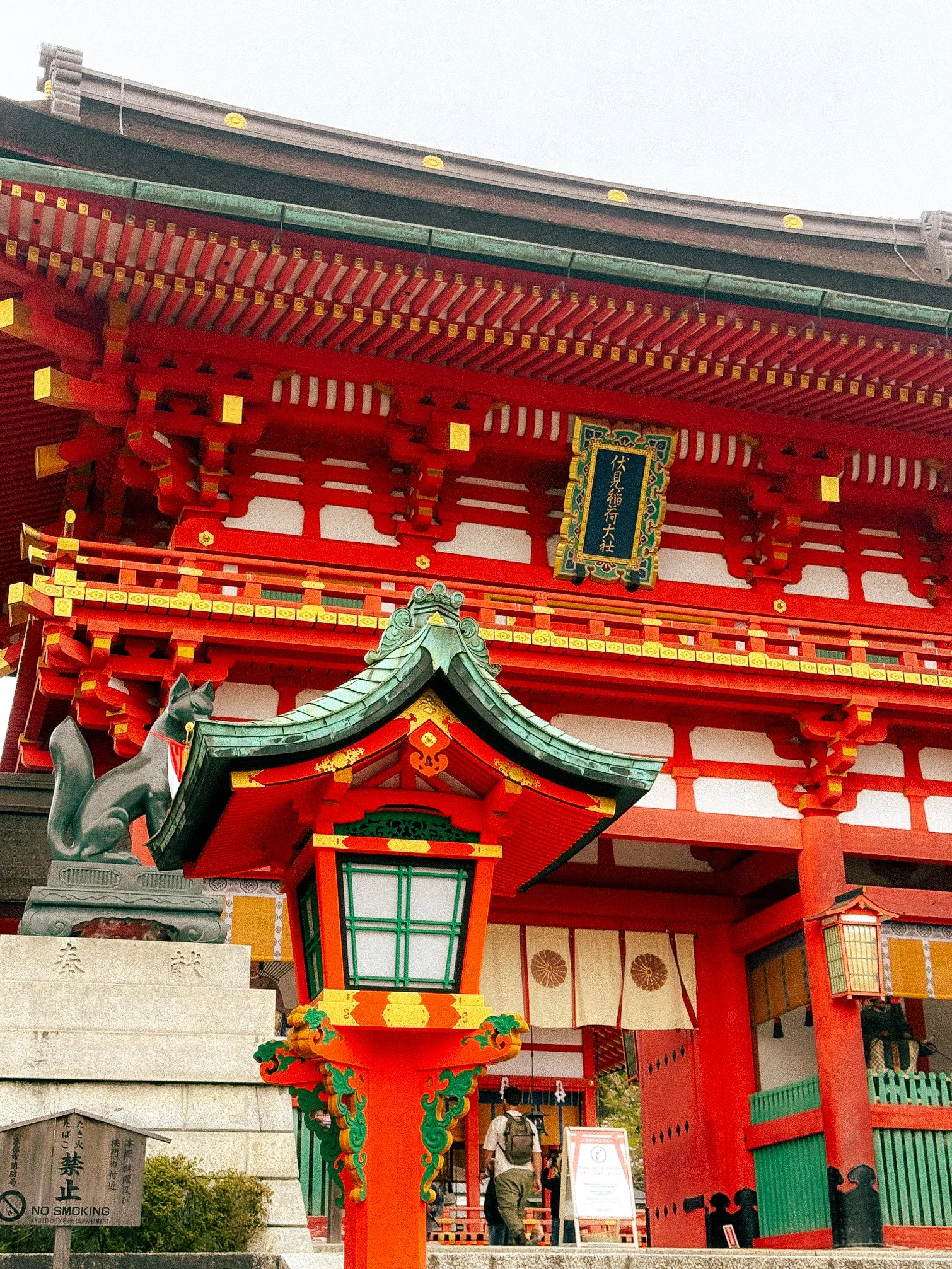
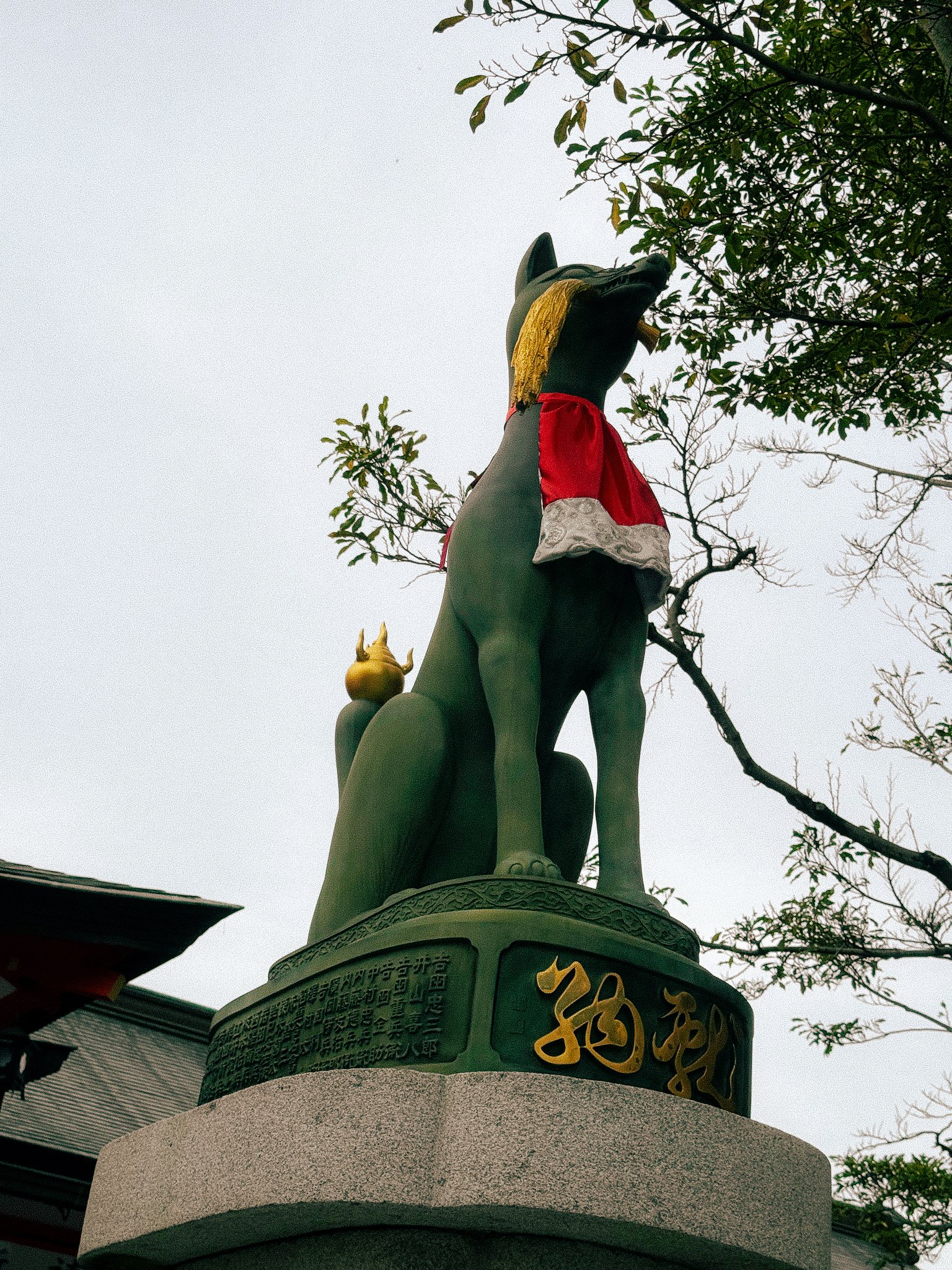
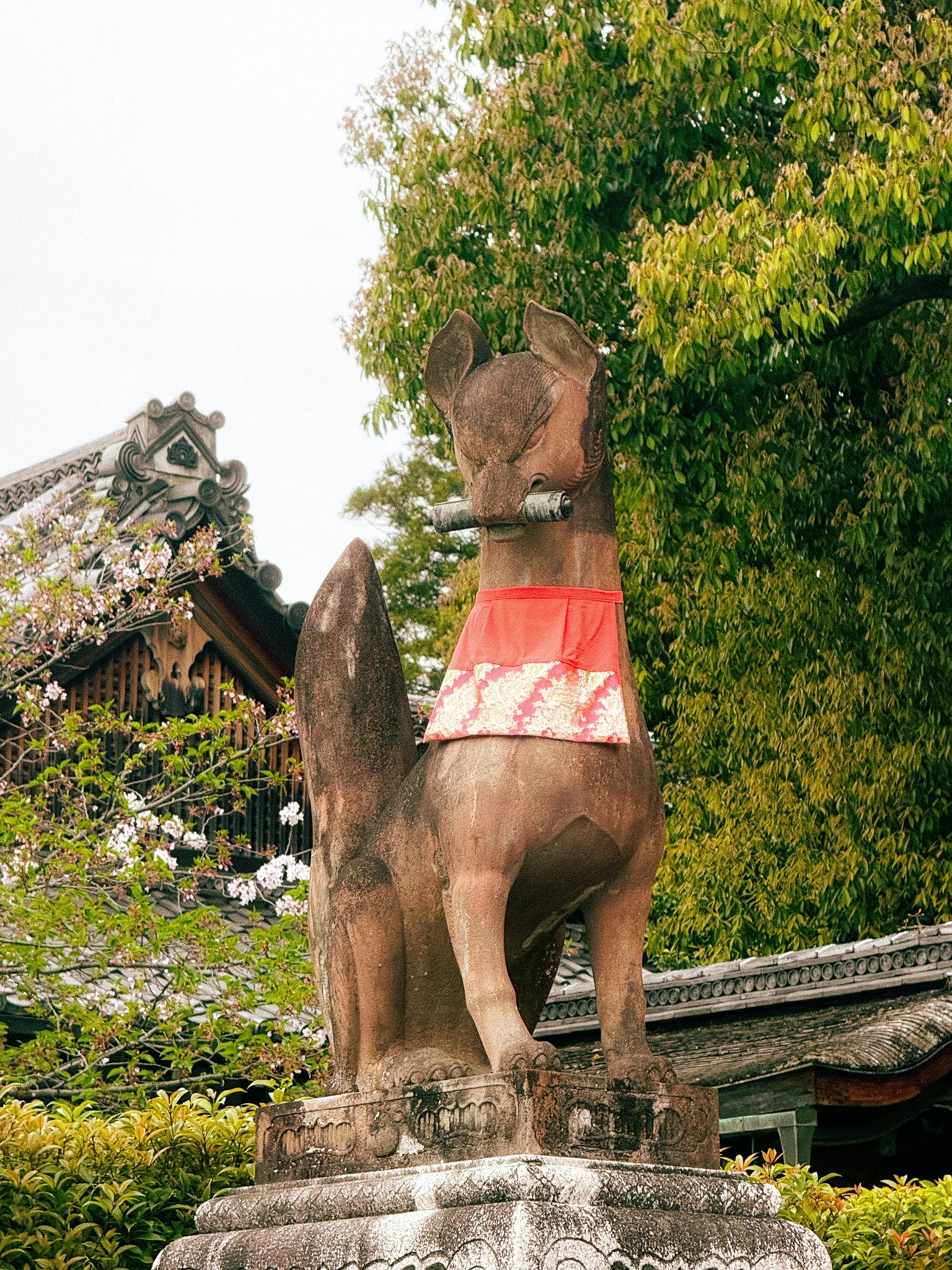
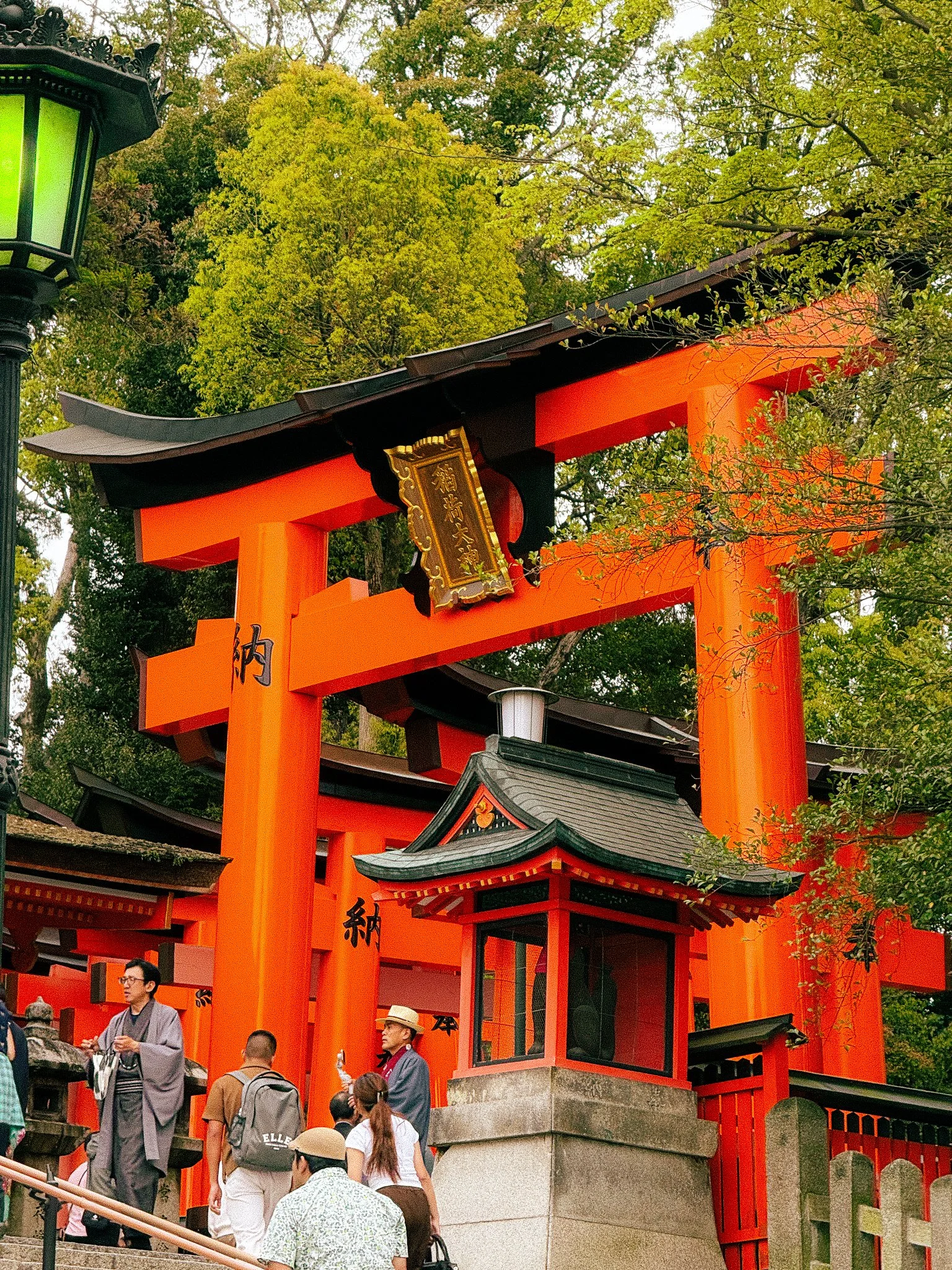
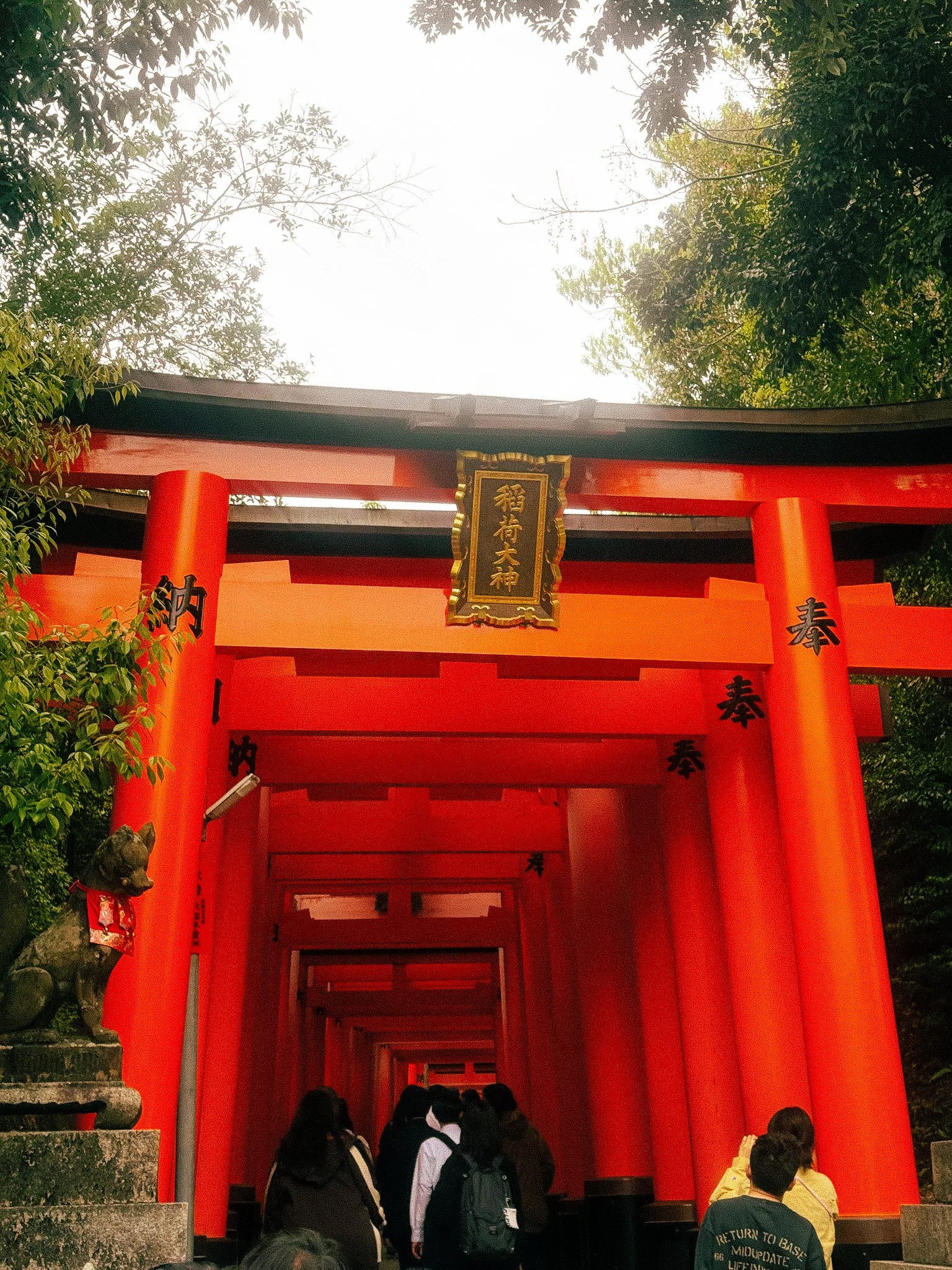
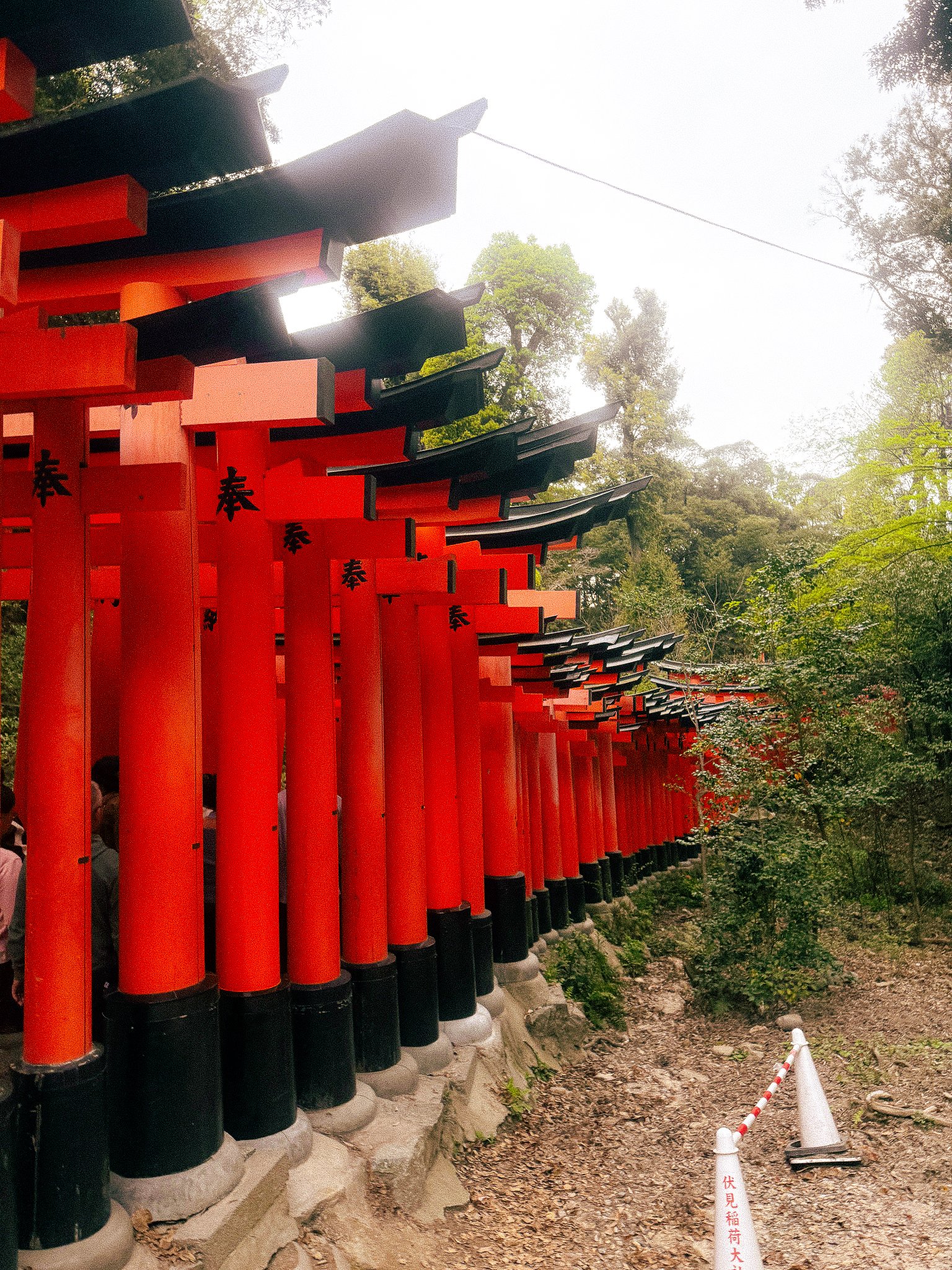
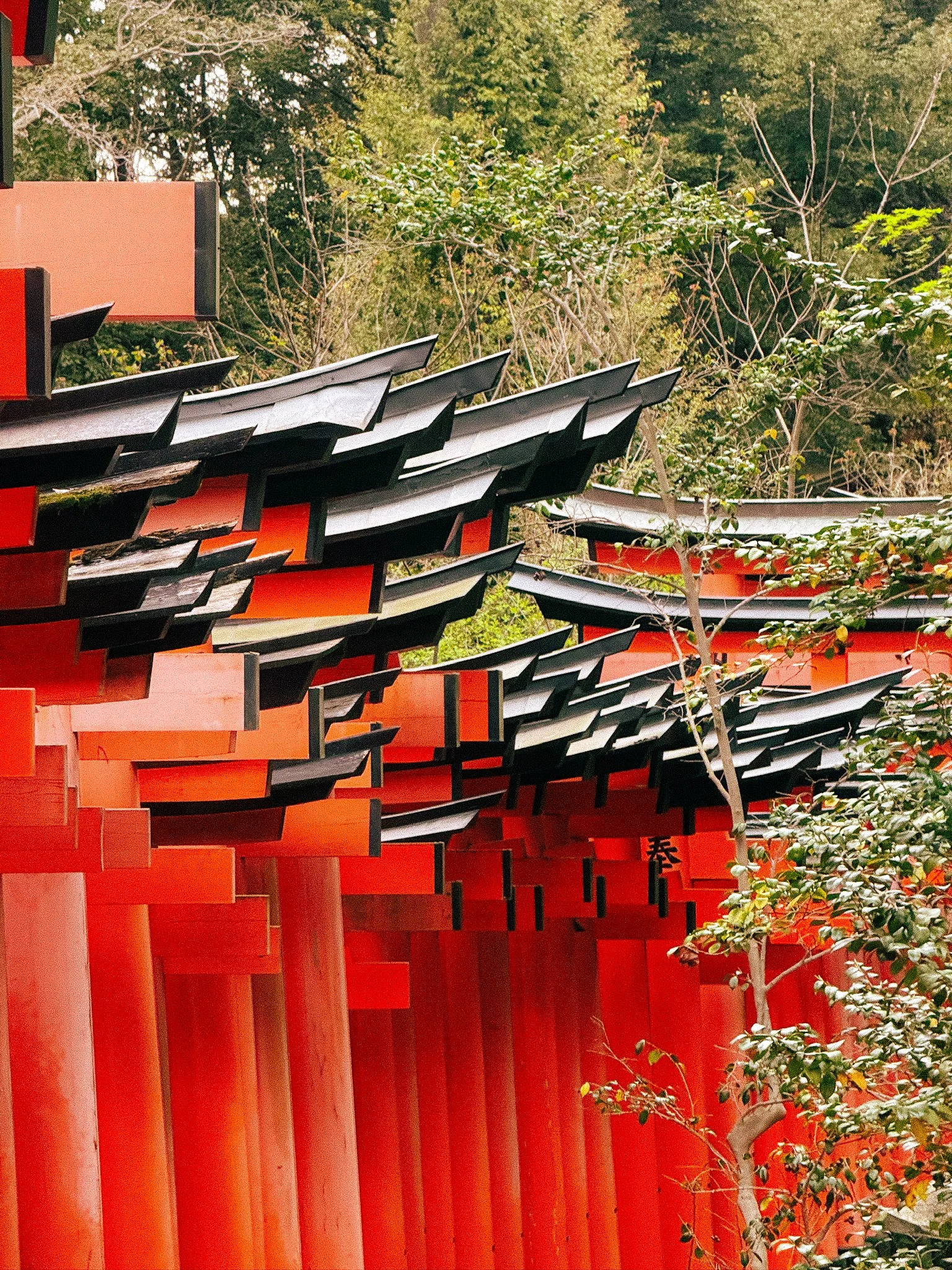
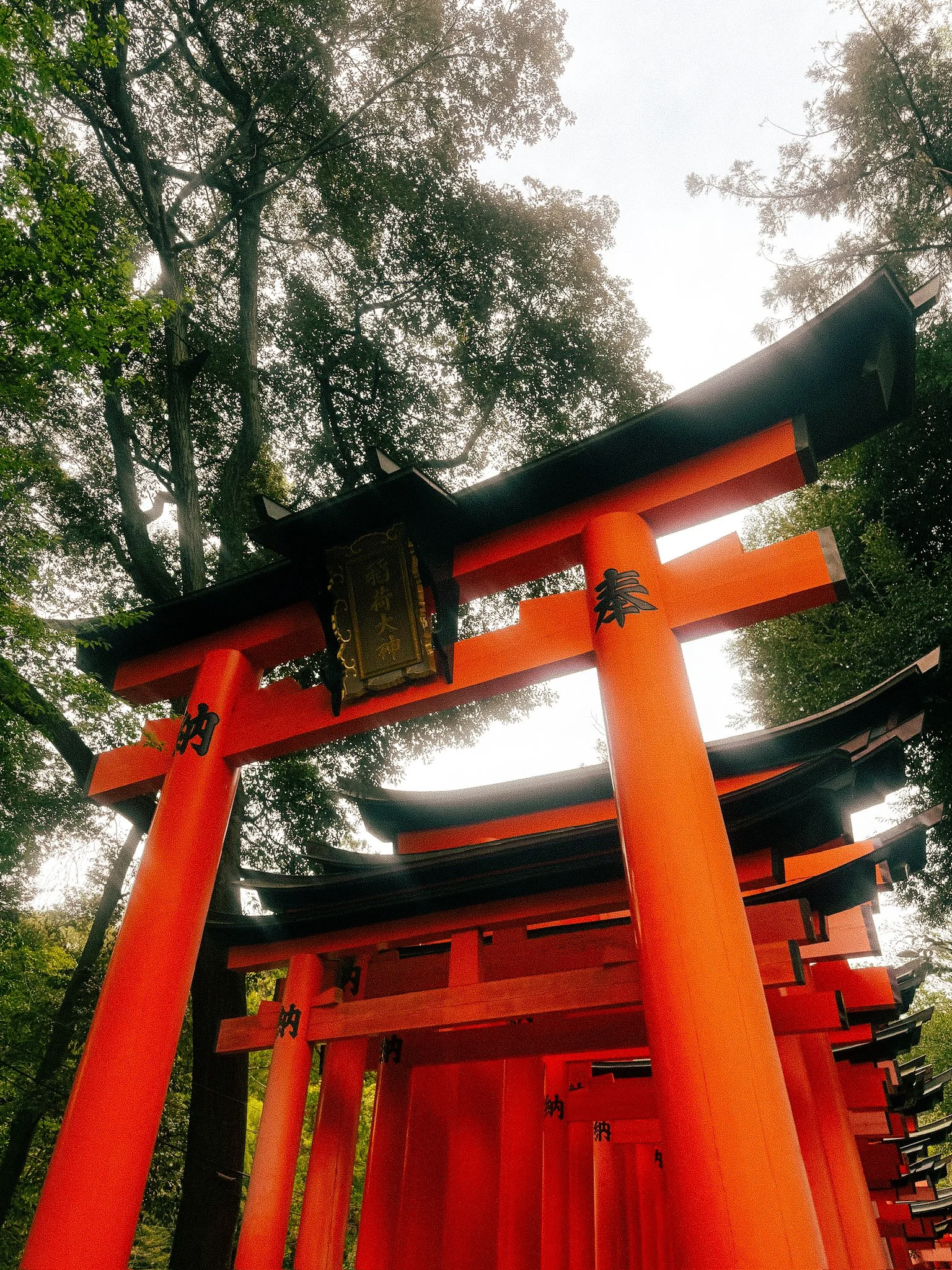
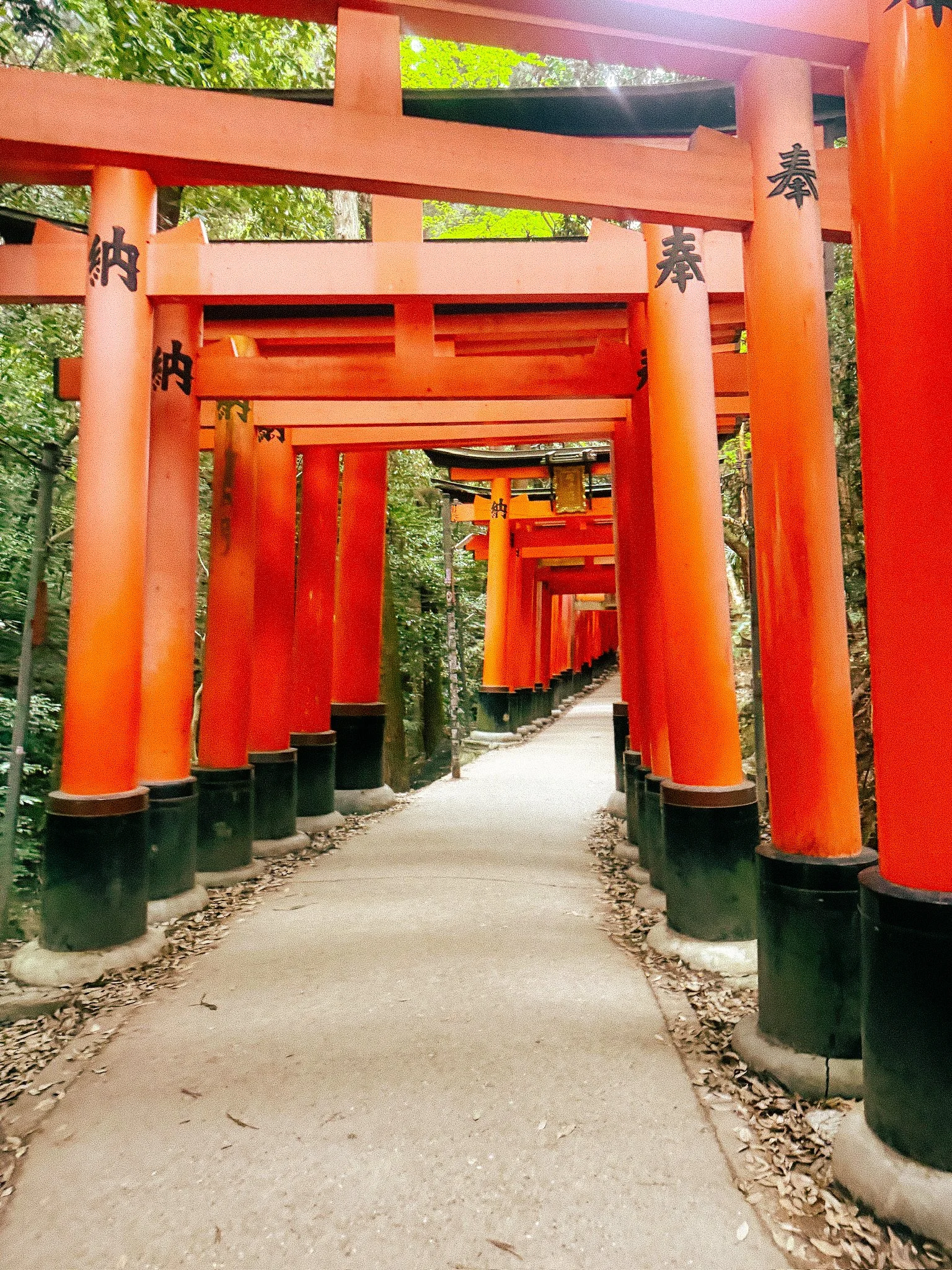
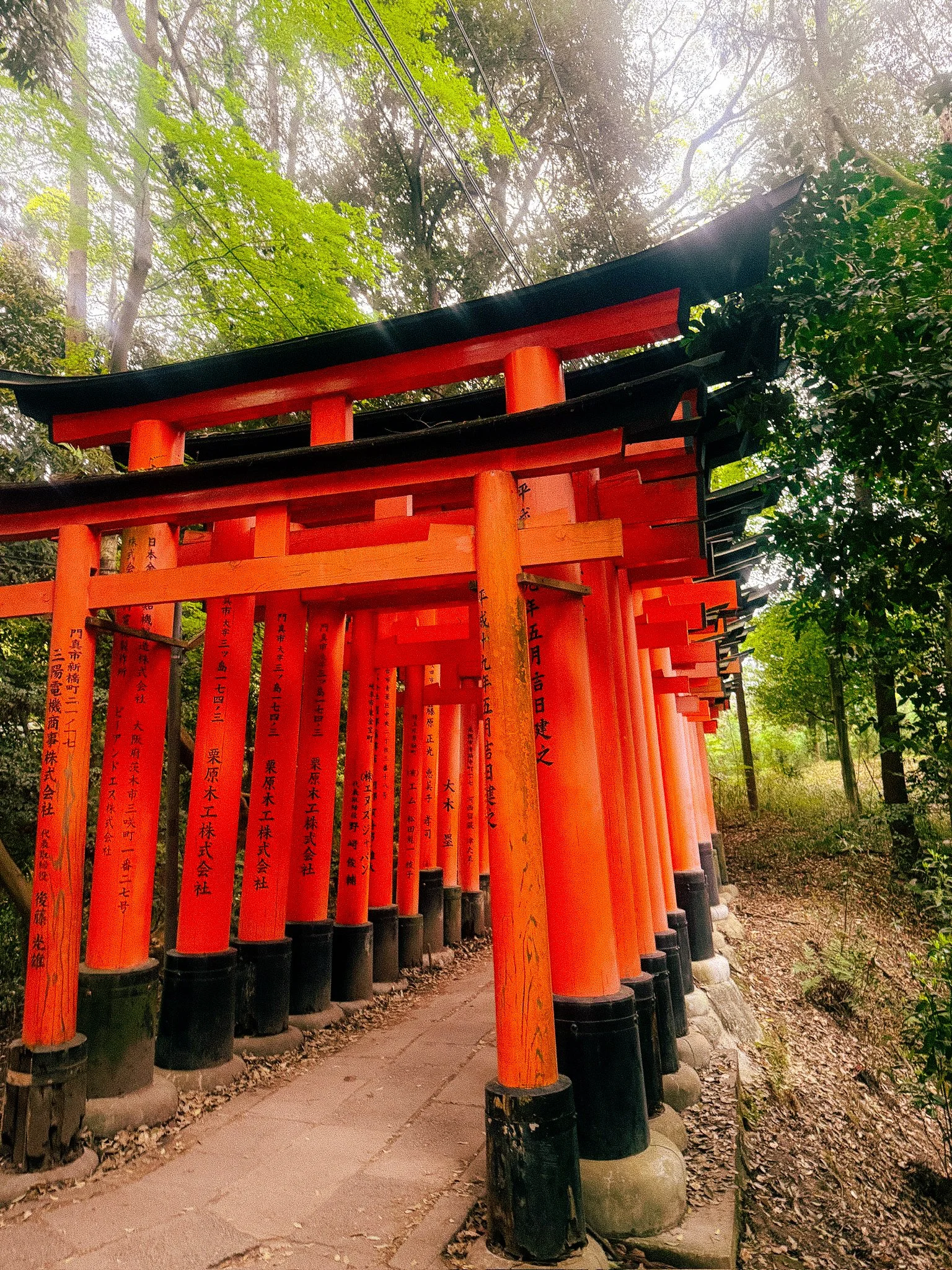
We hadn’t planned to spend much time in Kyoto because I had read that a lot of the major sites can get overwhelmed with tourists. But since we had some extra time, we decided to go ahead and visit Fushimi Inari Taisha, the most famous Inari shrine. It was really impressive, with hundreds of torii gates stretching up into the mountains and forming those long, winding paths. The crowds did make it harder to really take in the atmosphere. It made me glad we spent more time in Kinosaki and took the trip out to Izushi, because even though the Inari shrine there was smaller in scale, you could actually experience that quieter, more “mystic” feeling you want from visiting a religious site. Fushimi Inari felt much more epic, but also much more chaotic. We headed back to the station and caught the Shinkansen to return to Shinjuku in Tokyo.
day 12 港区/チームラボボーダレス・港区/東京タワー
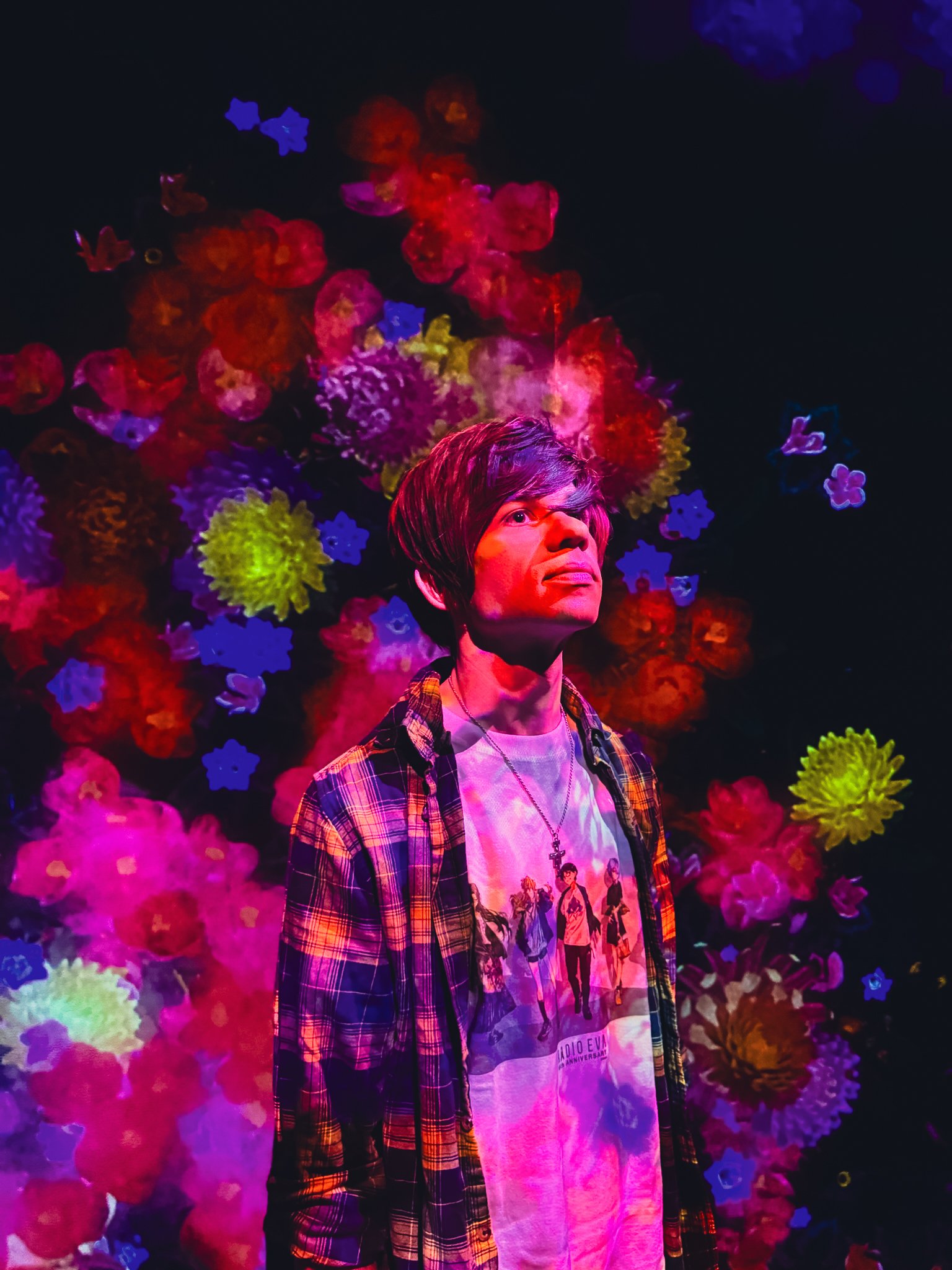
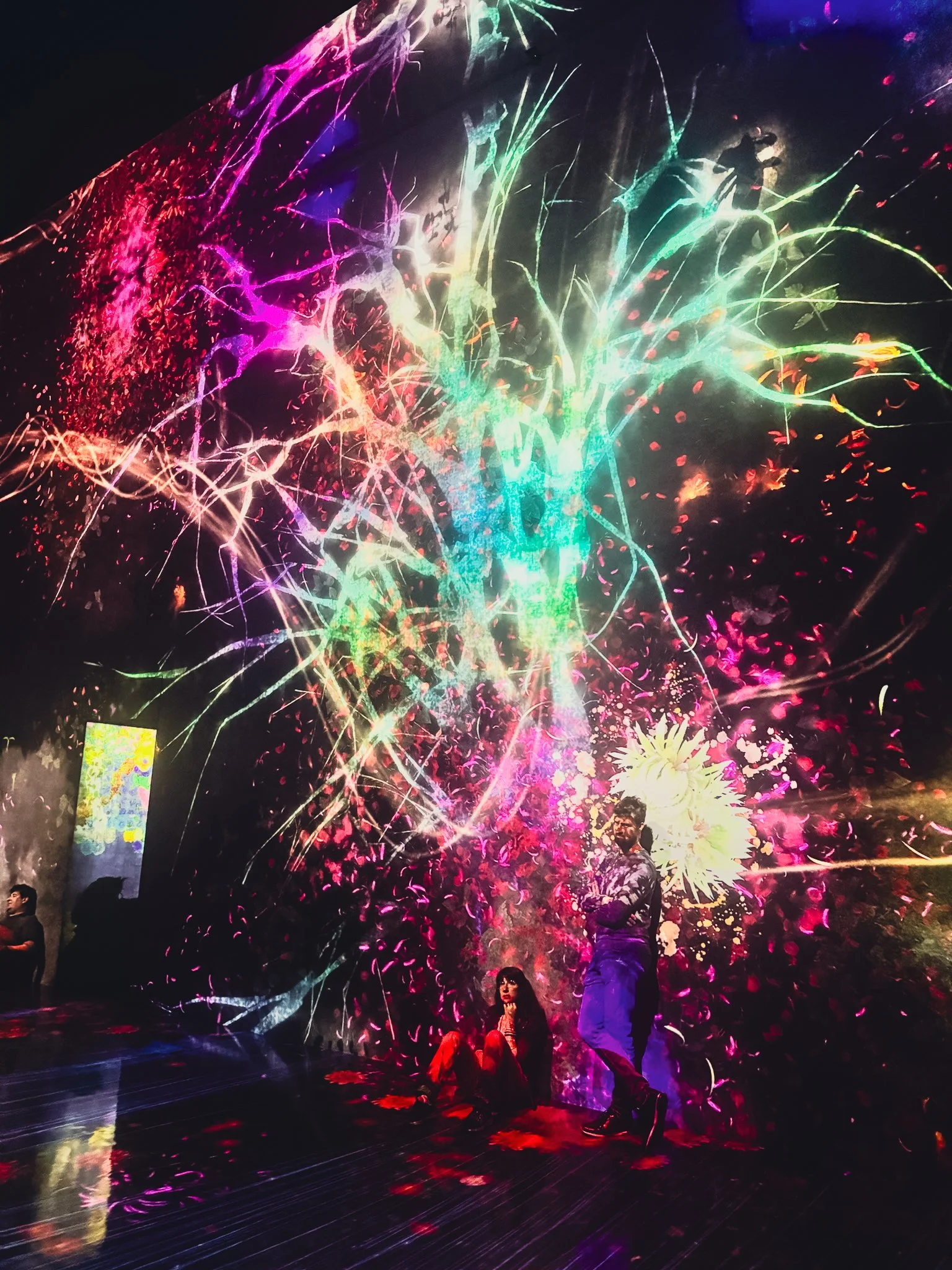
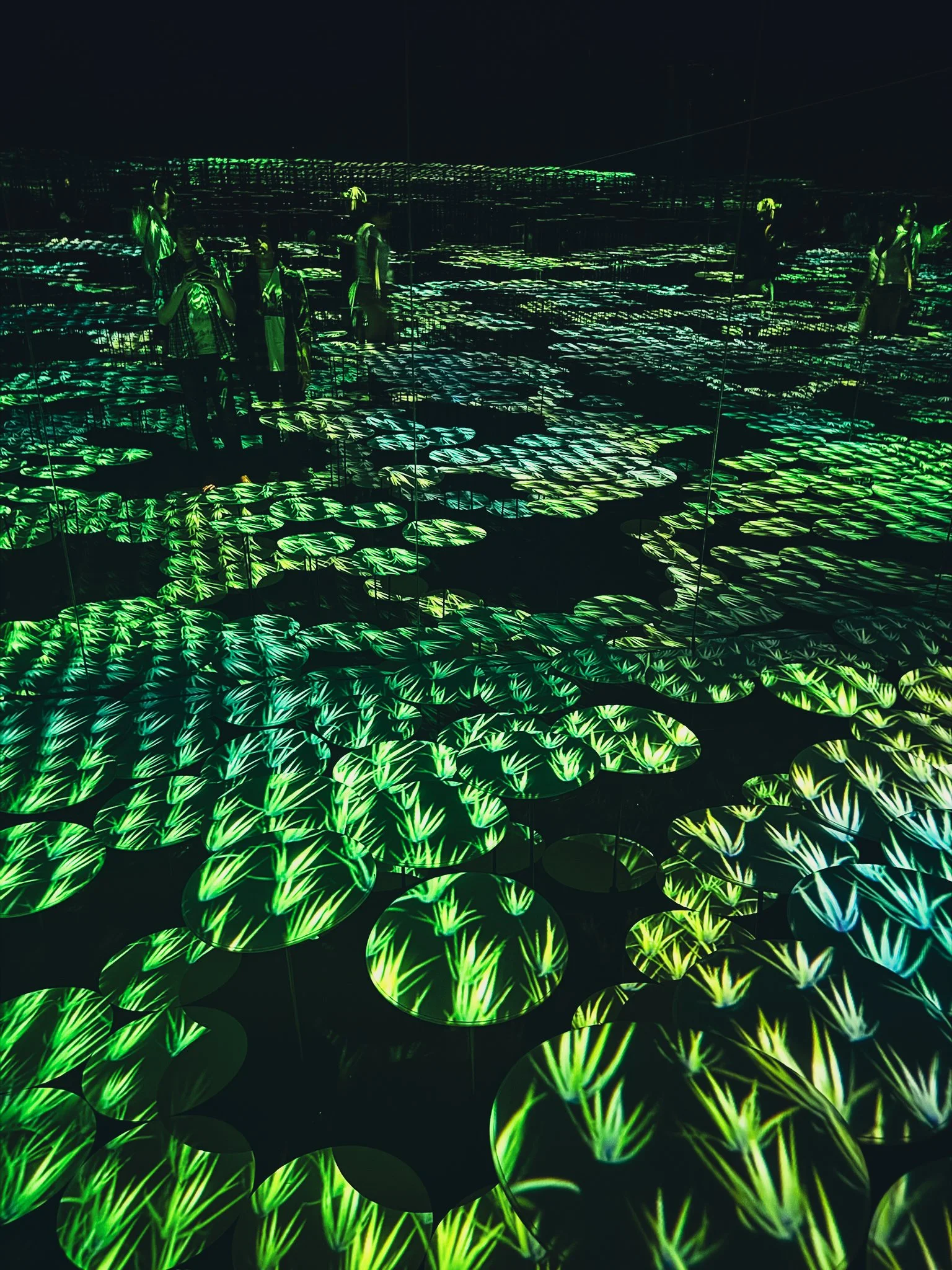
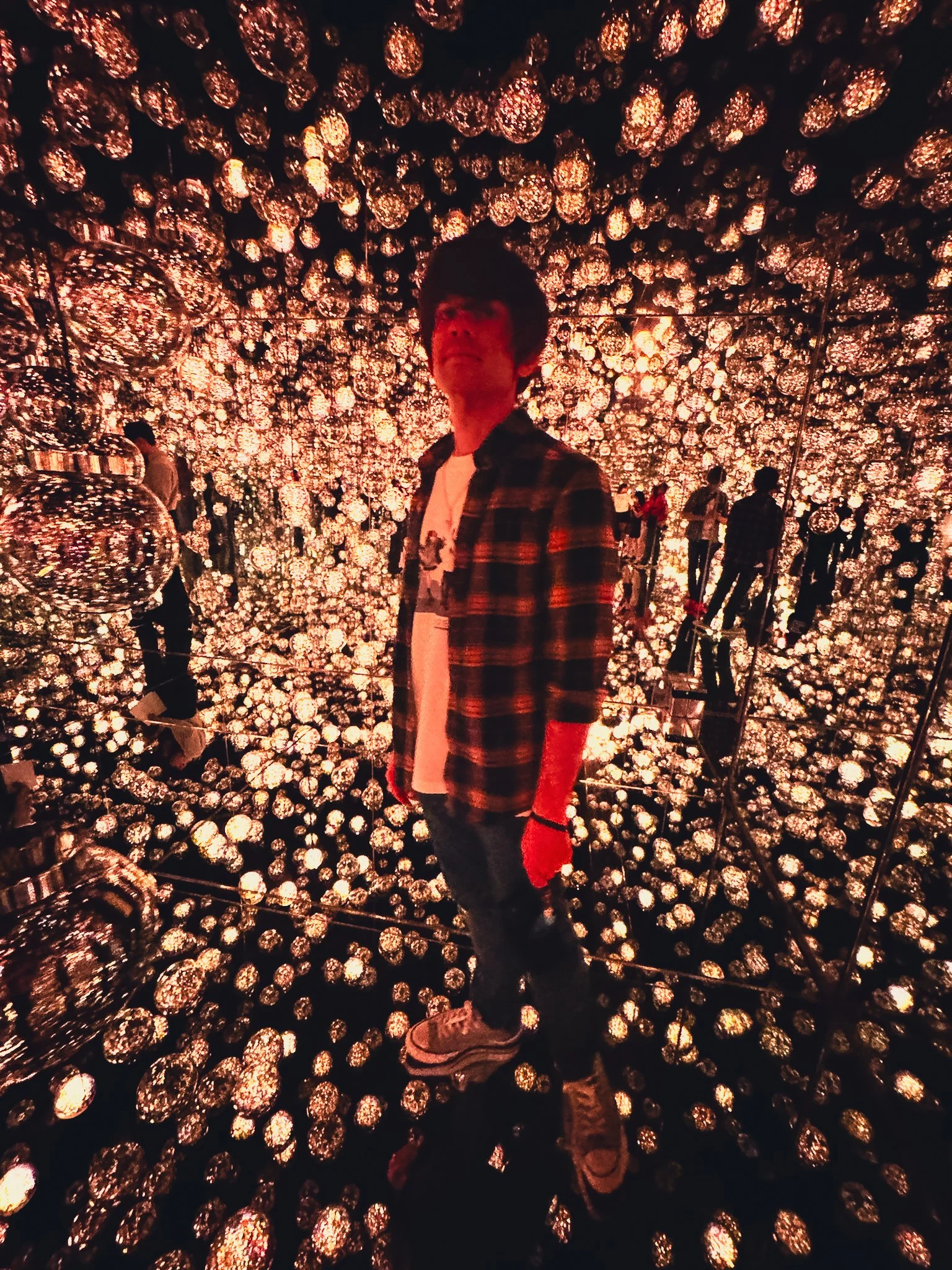
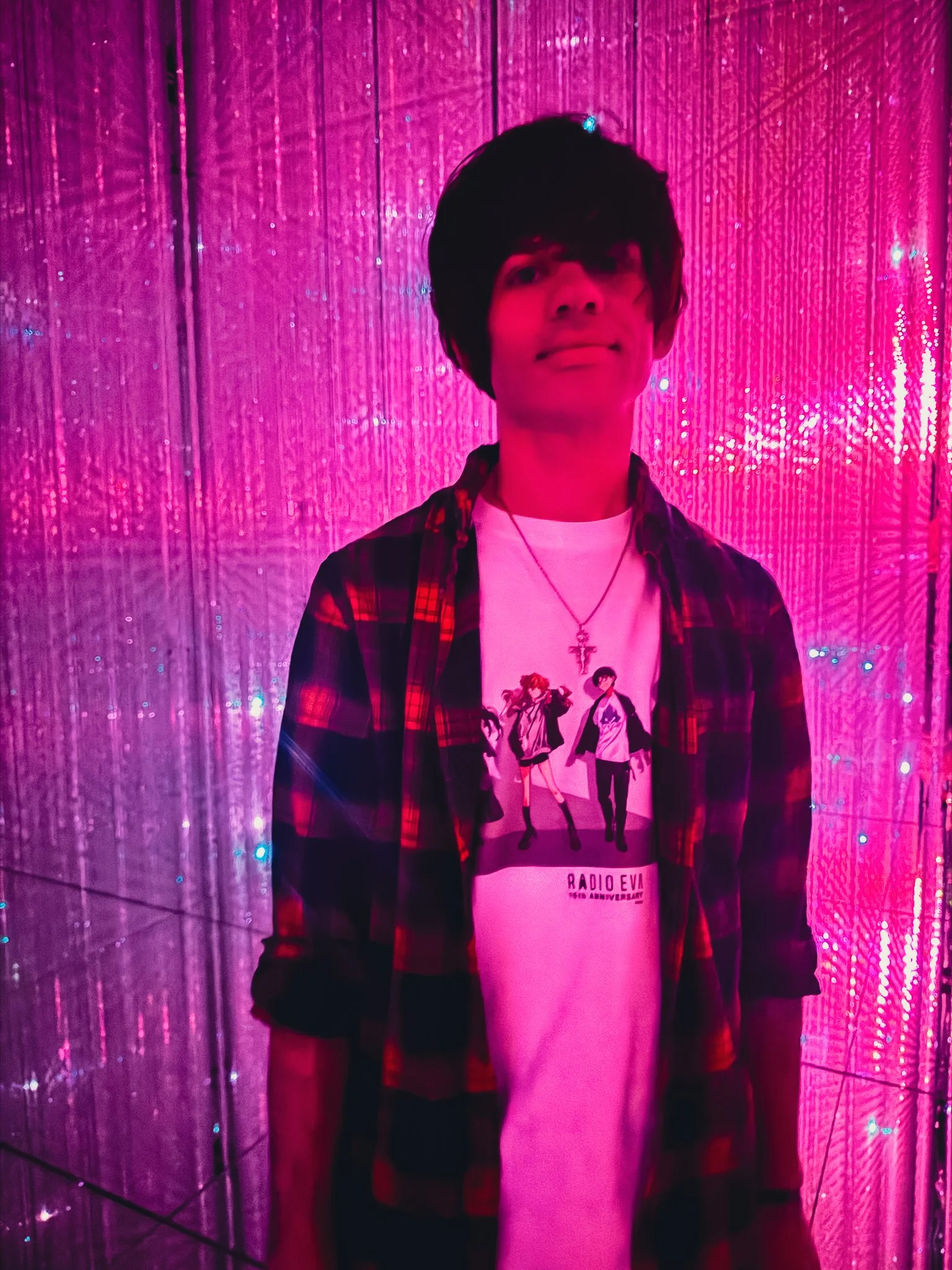
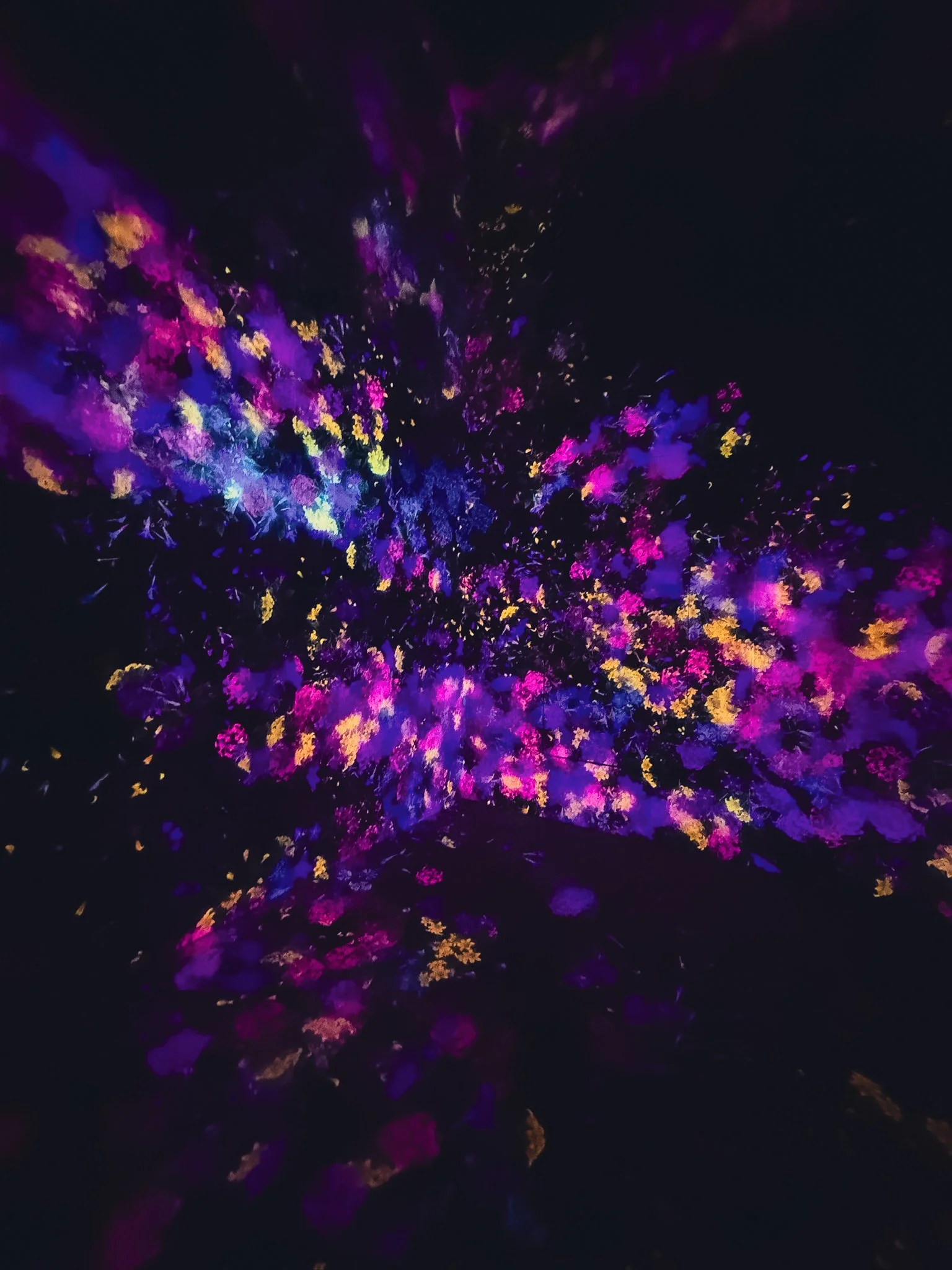
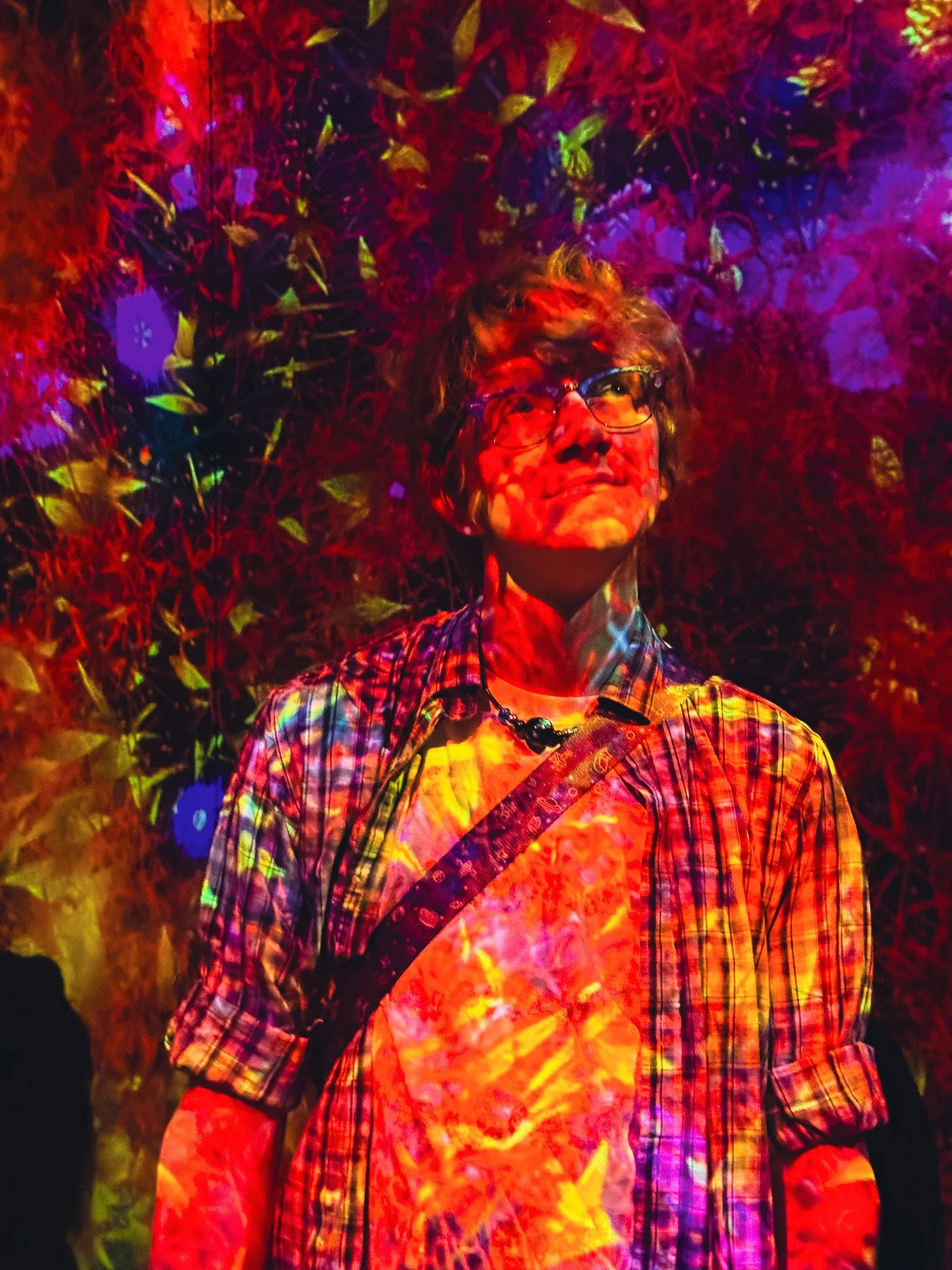
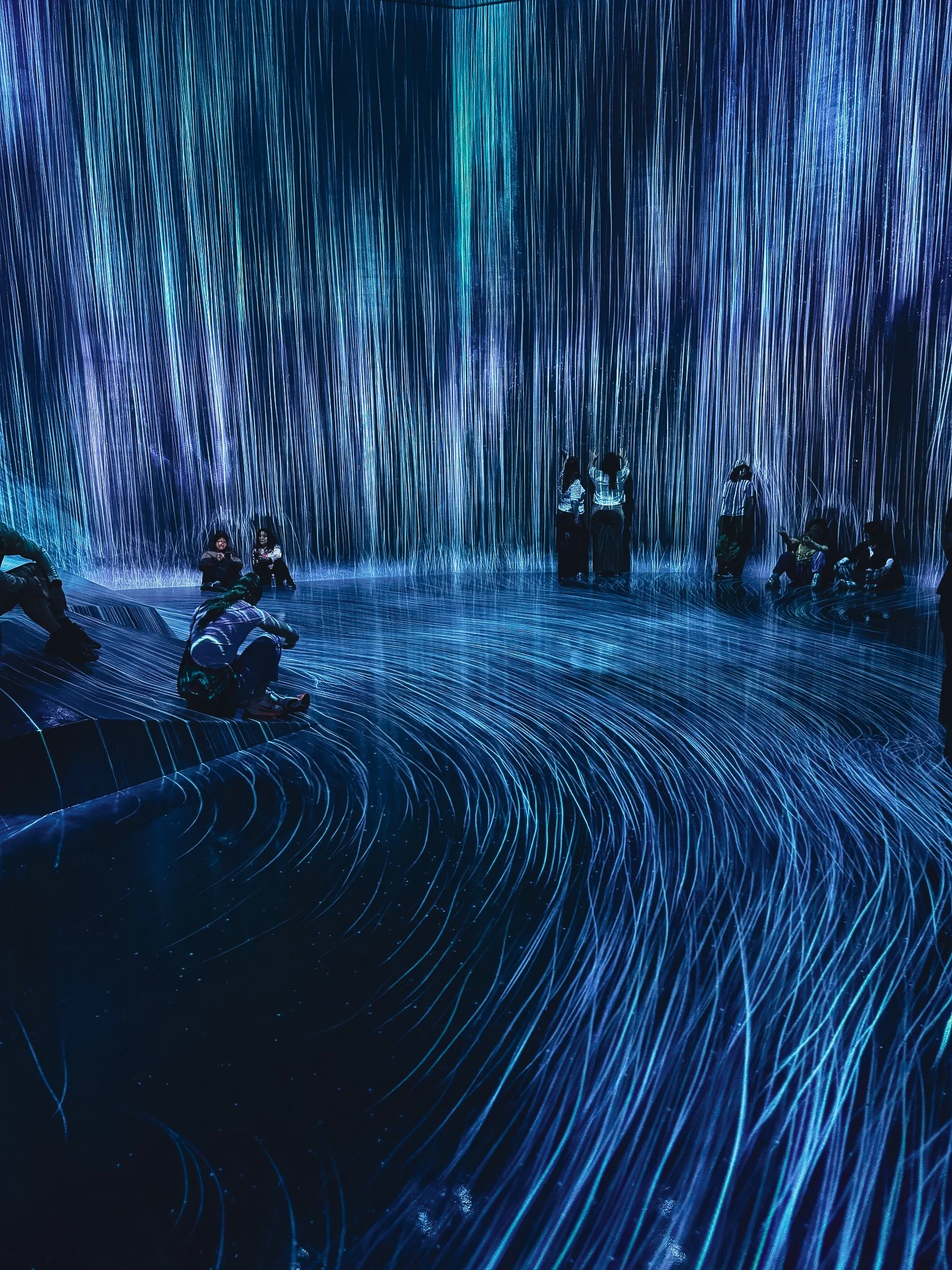
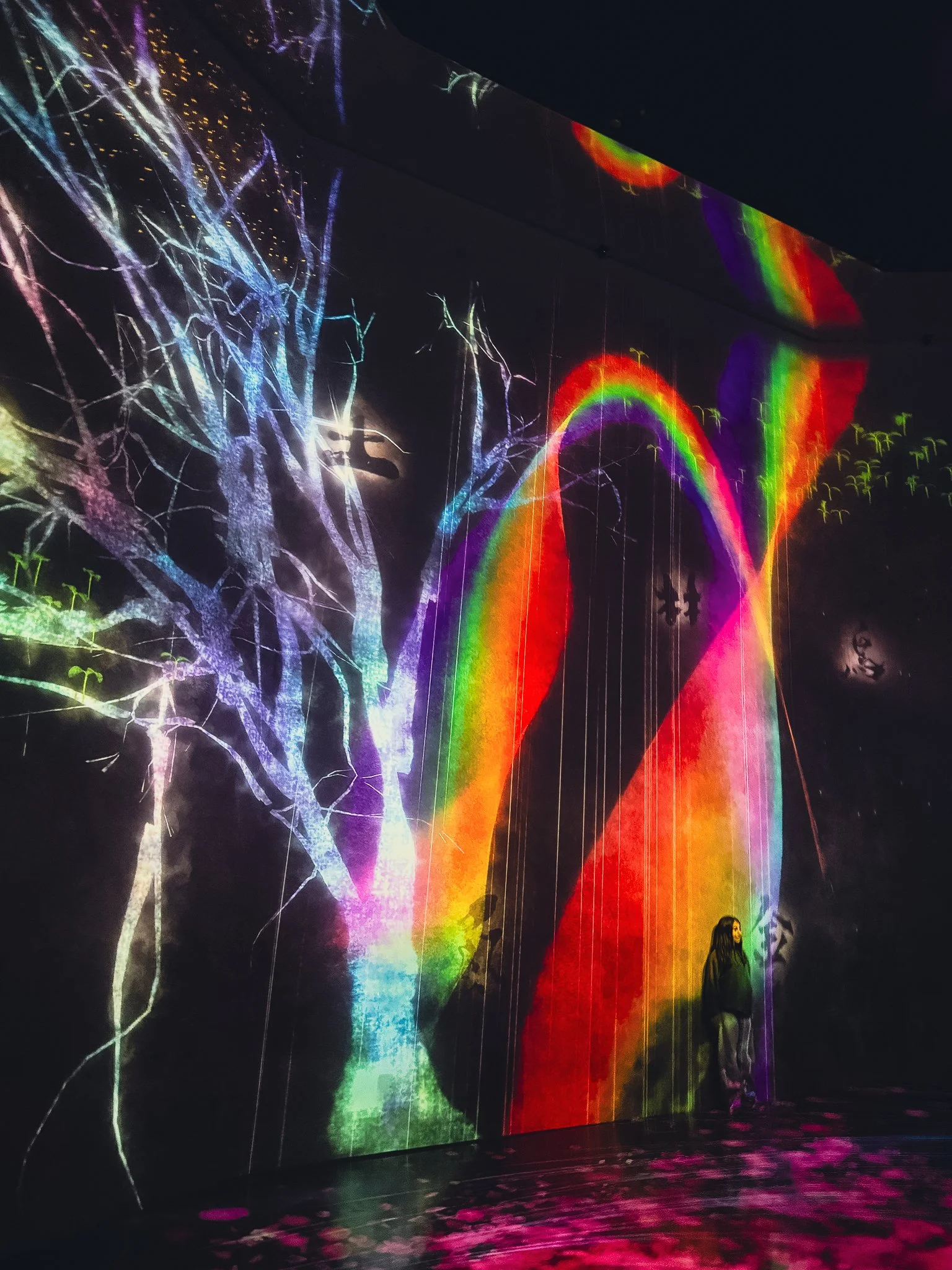
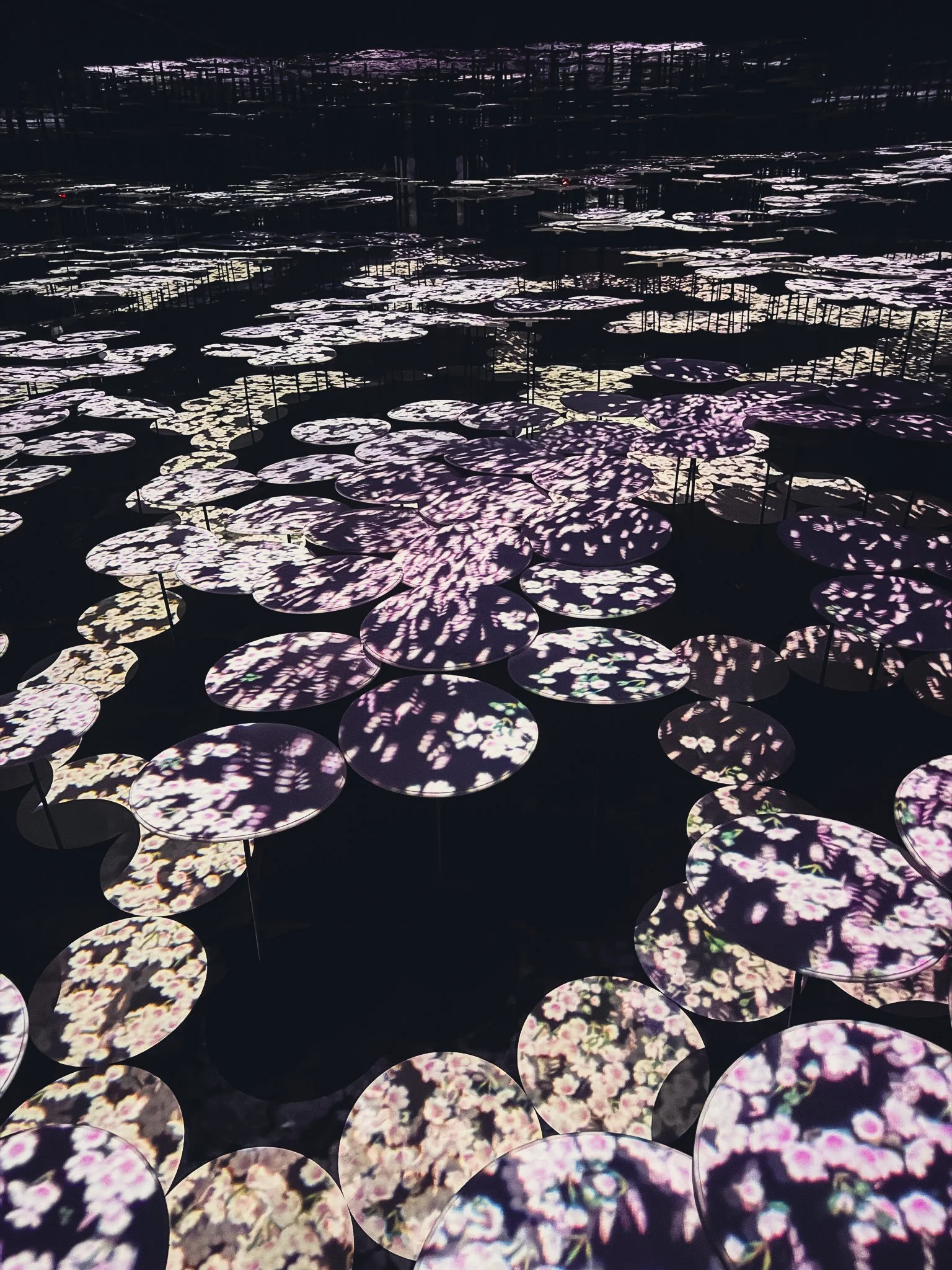
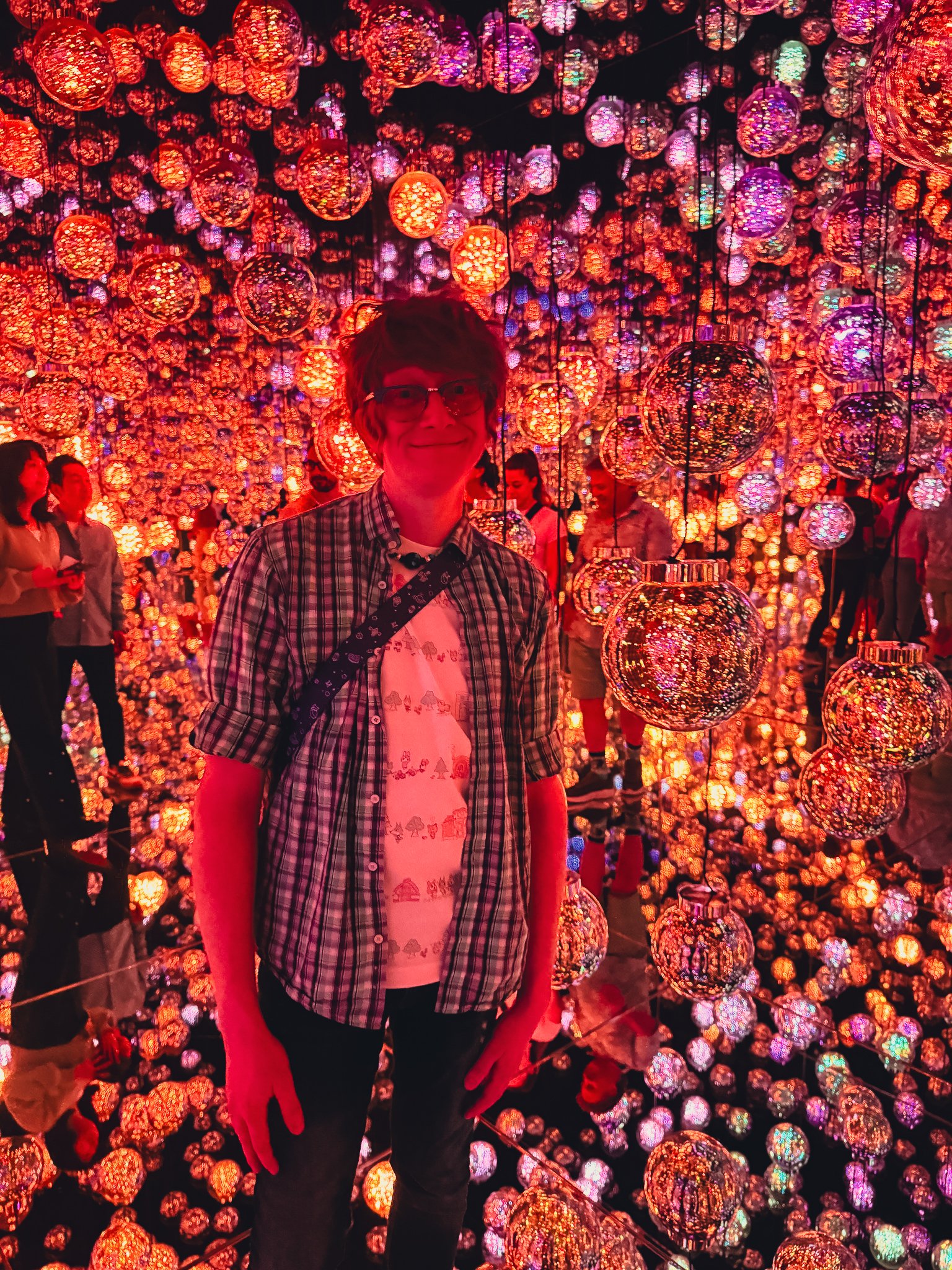
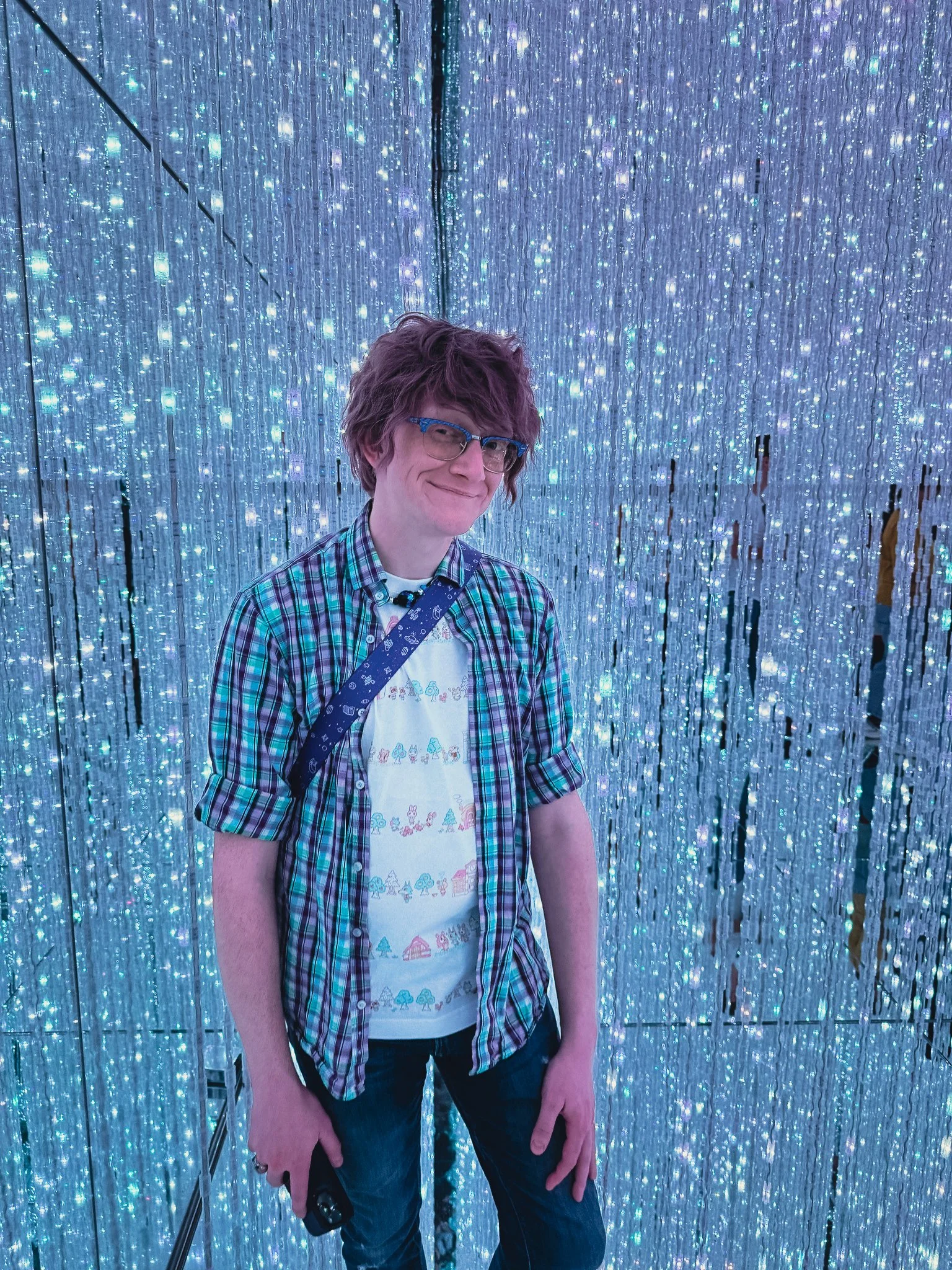
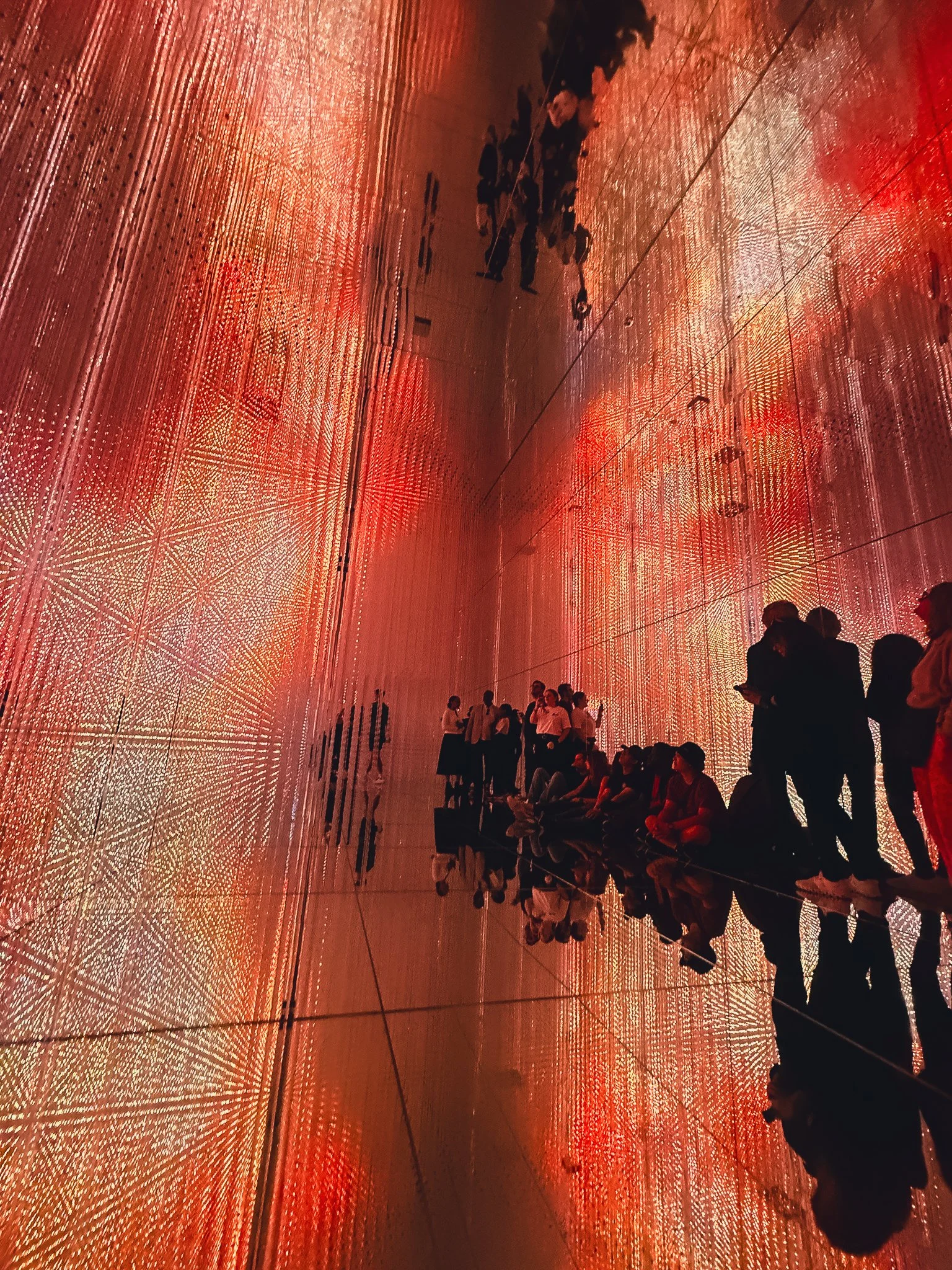
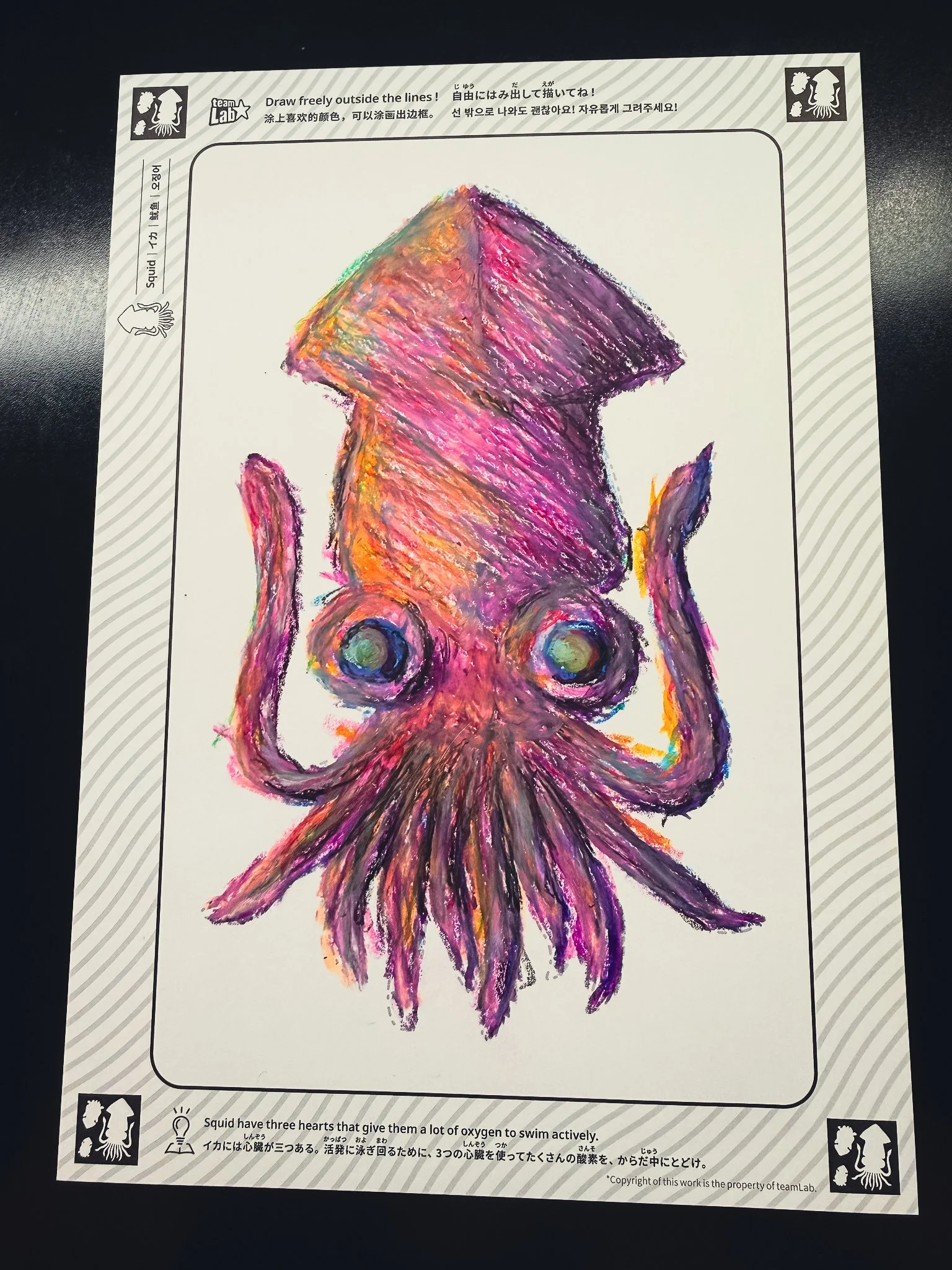
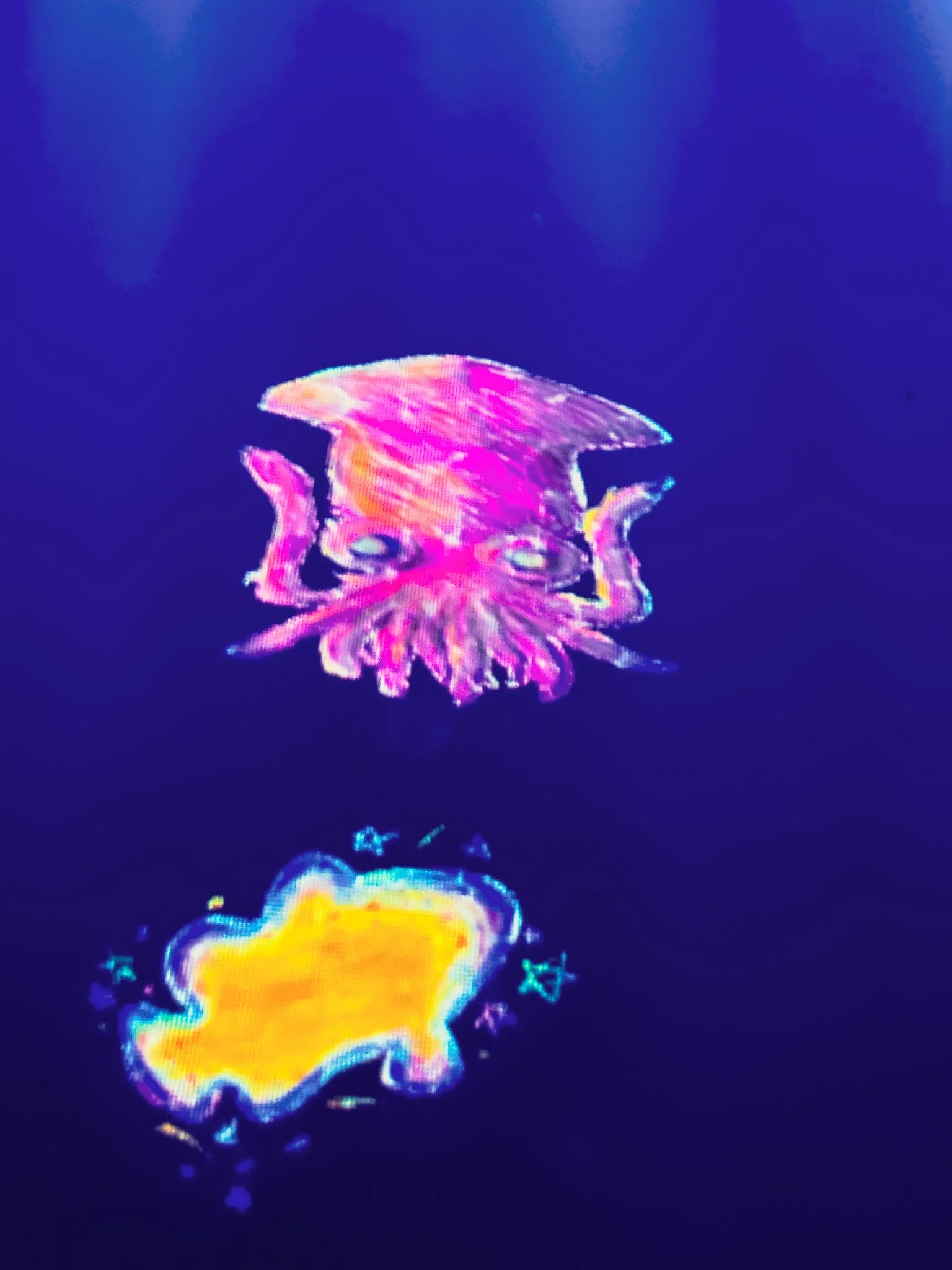
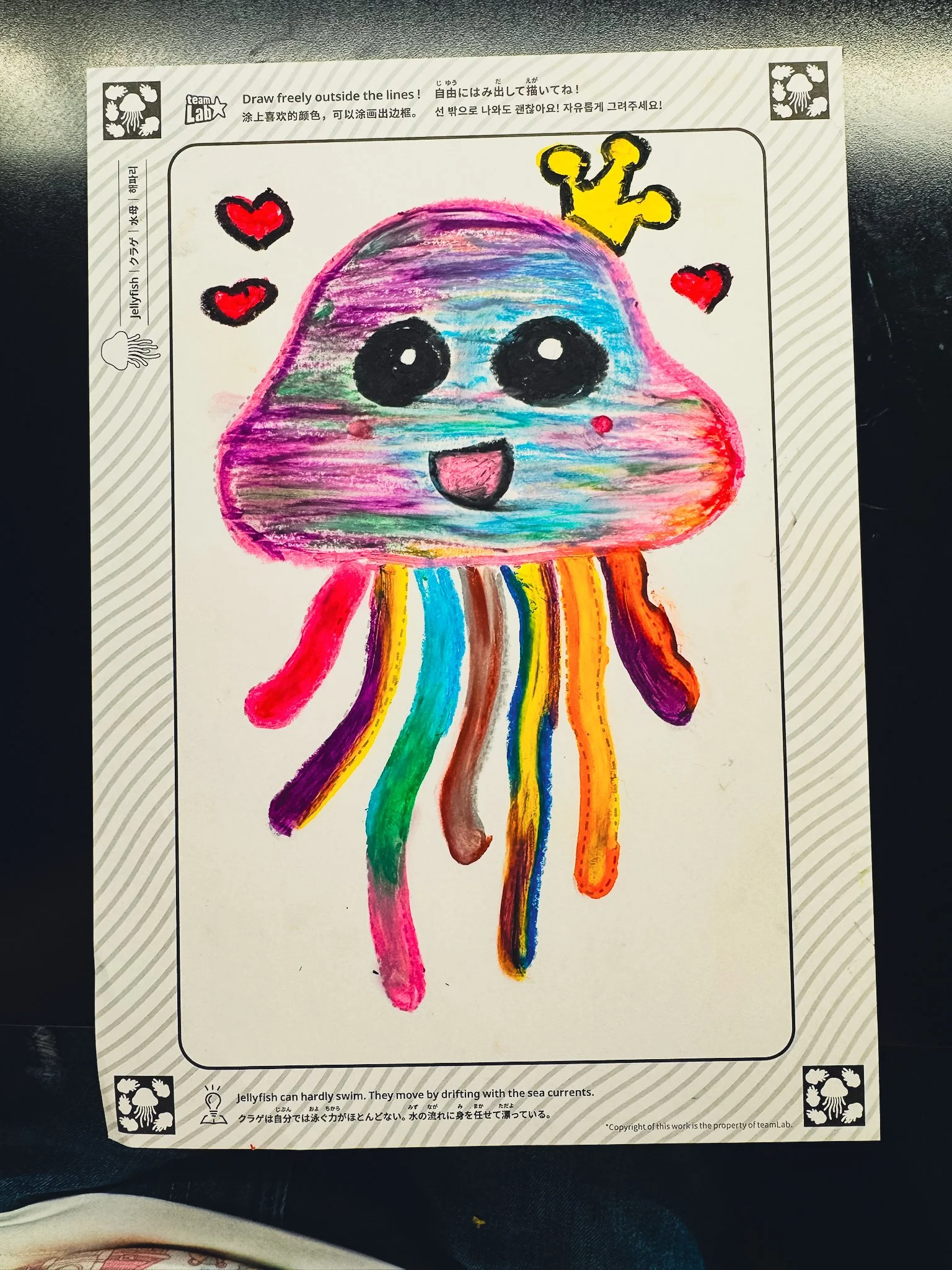
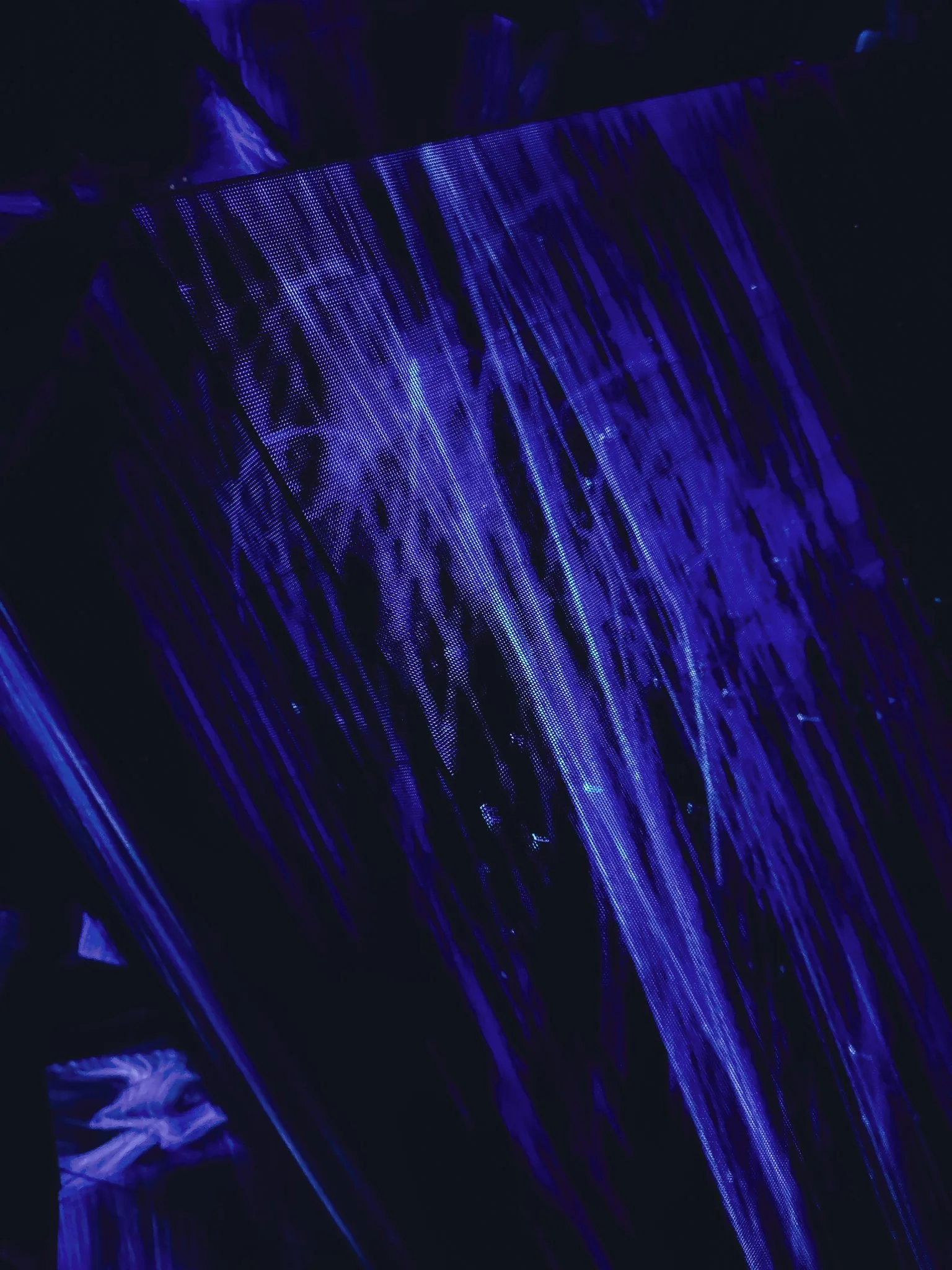
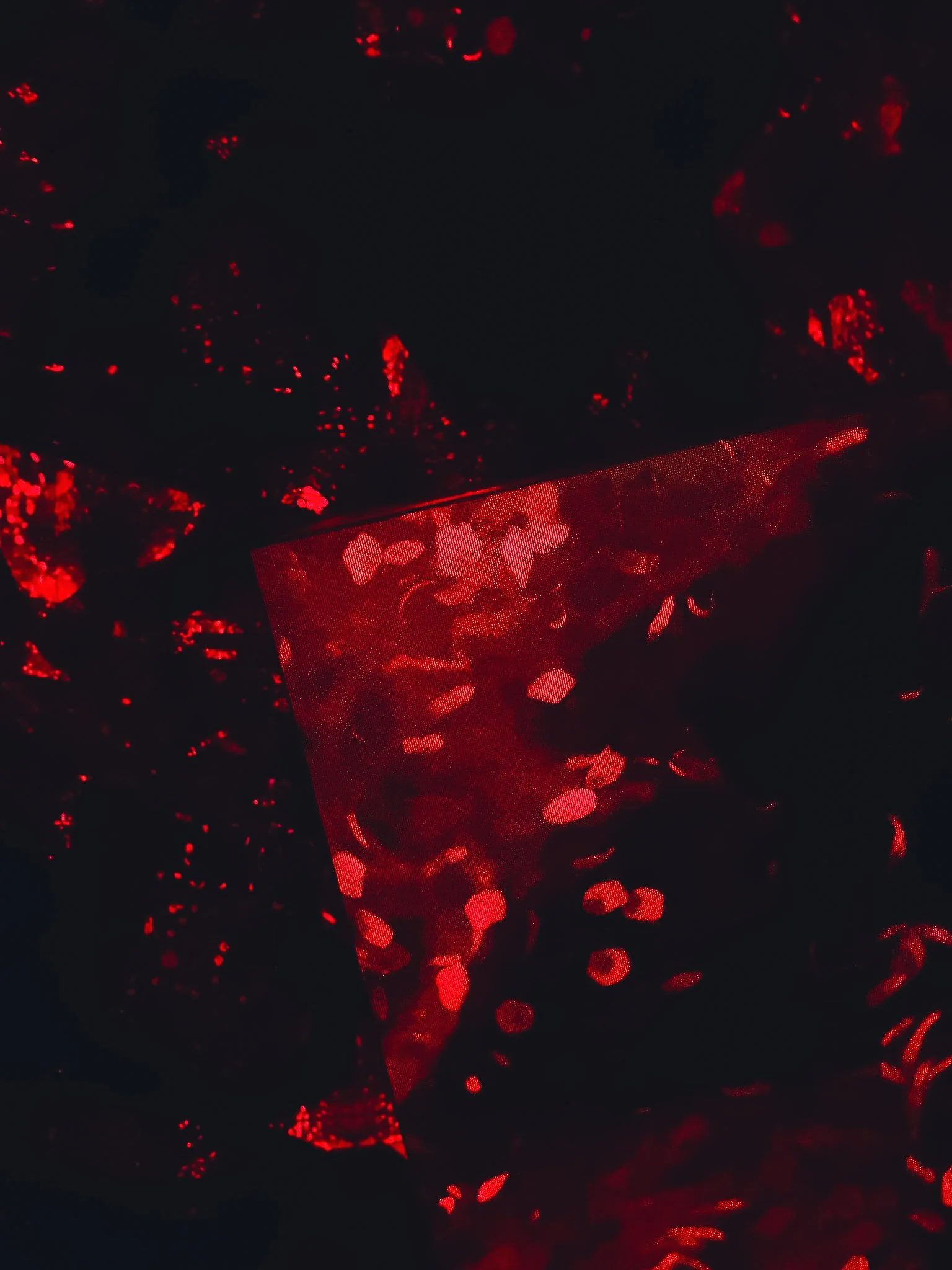
We spent the first part of our final day in Tokyo at teamLab Borderless in Minato. It’s a digital art museum made up of a series of immersive rooms where projections move across the walls, floors, and ceilings, and everything shifts and reacts as you walk through it. There aren’t really defined paths, so you just wander from space to space and discover things as you go. Some of the rooms were massive, constantly changing environments with flowers, lights, and patterns moving all around you, while others were more interactive. One part was where you could draw your own sea creature. I drew an octopus and Justin drew a jellyfish. Then they scan it and it shows up animated in the projection on the wall, so you could follow your creature as it swam around.
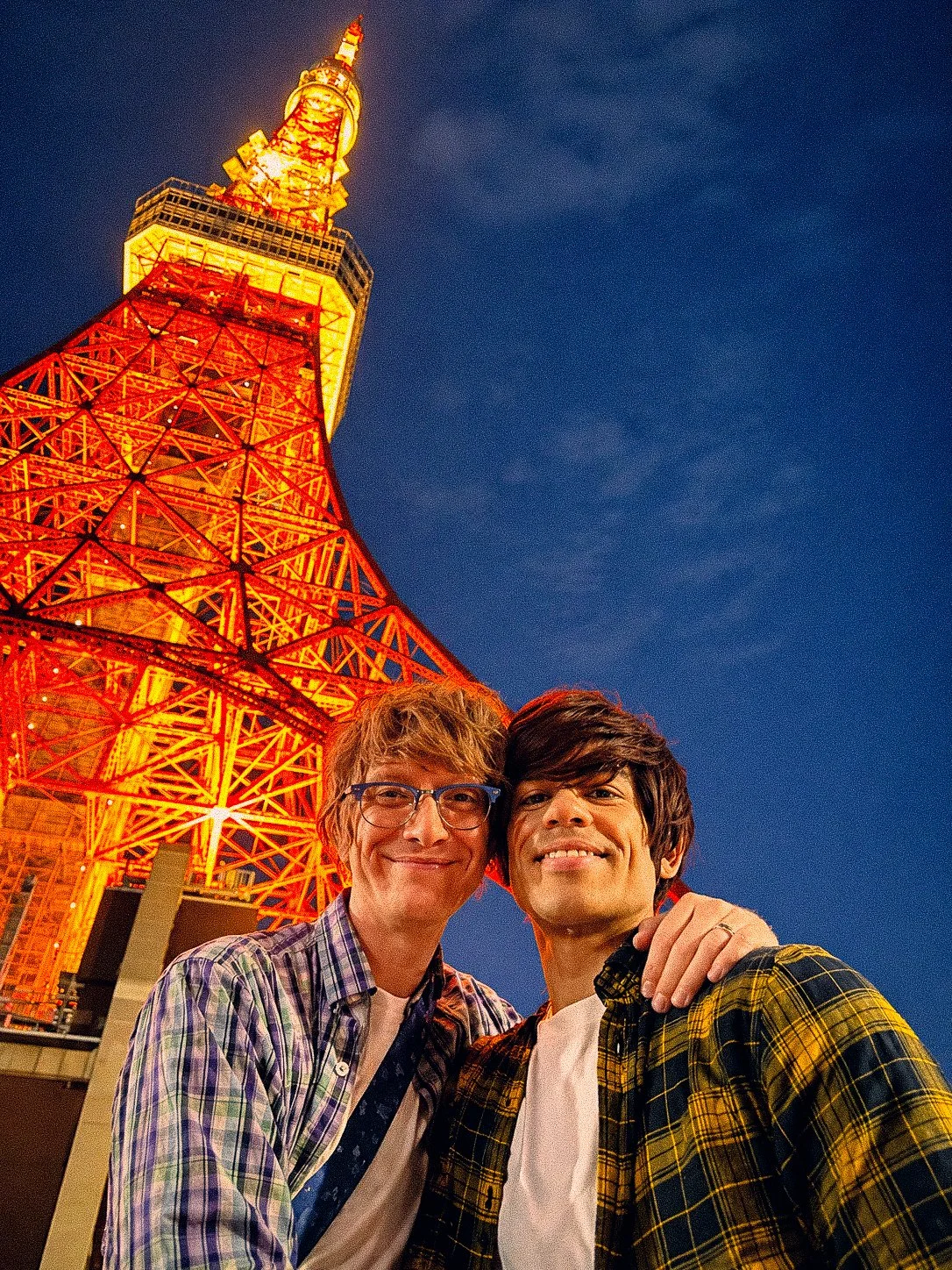
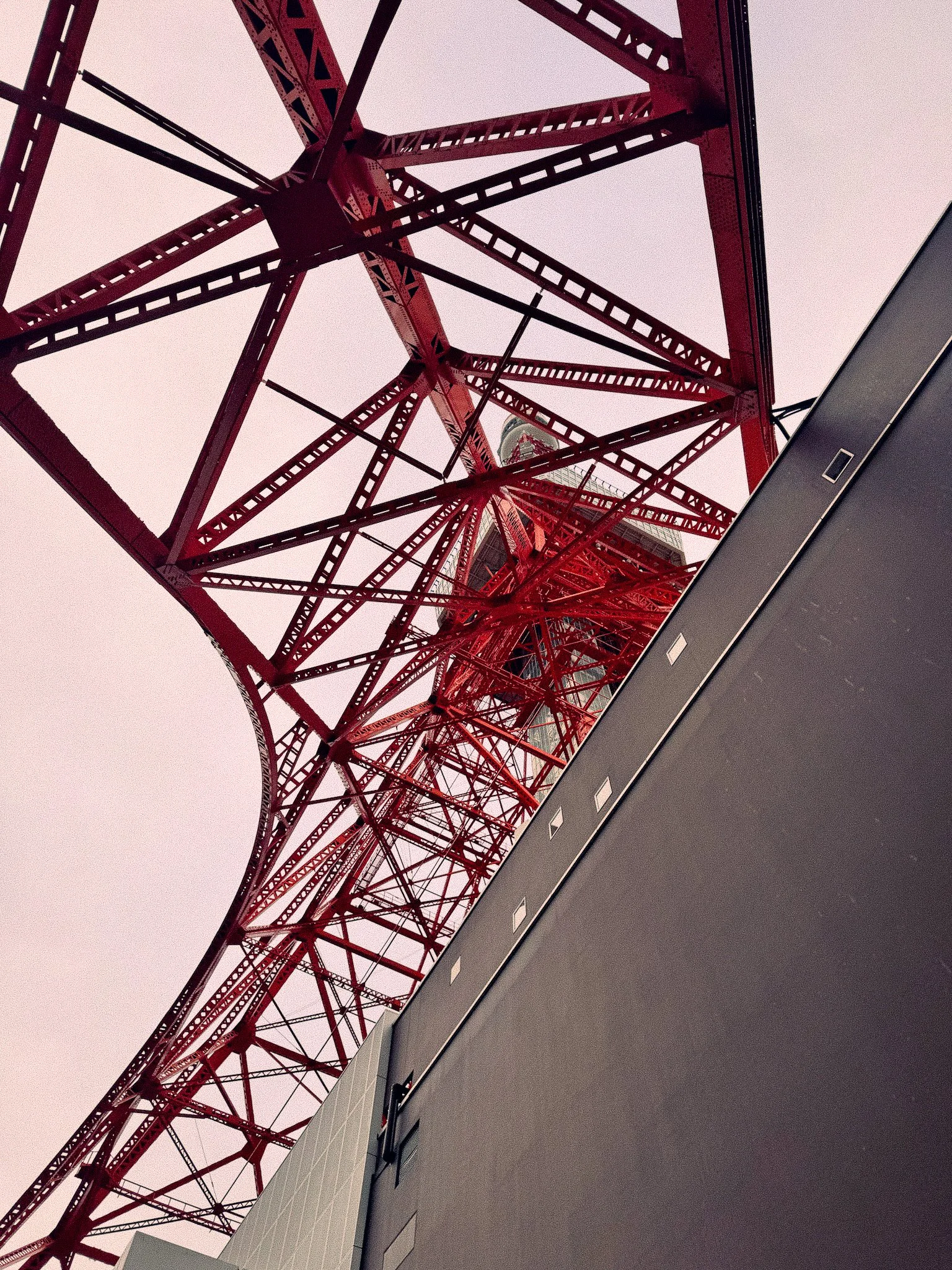
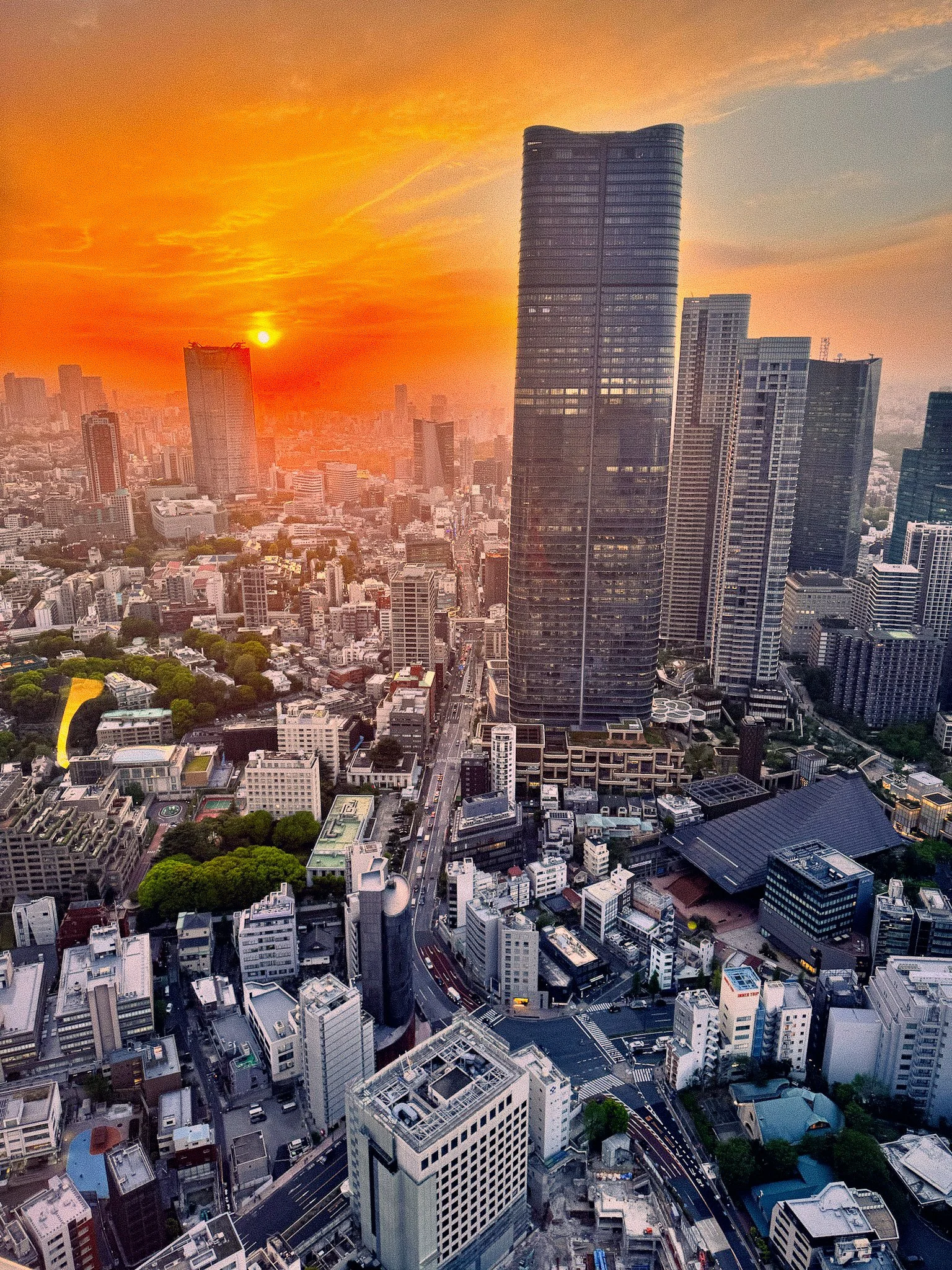
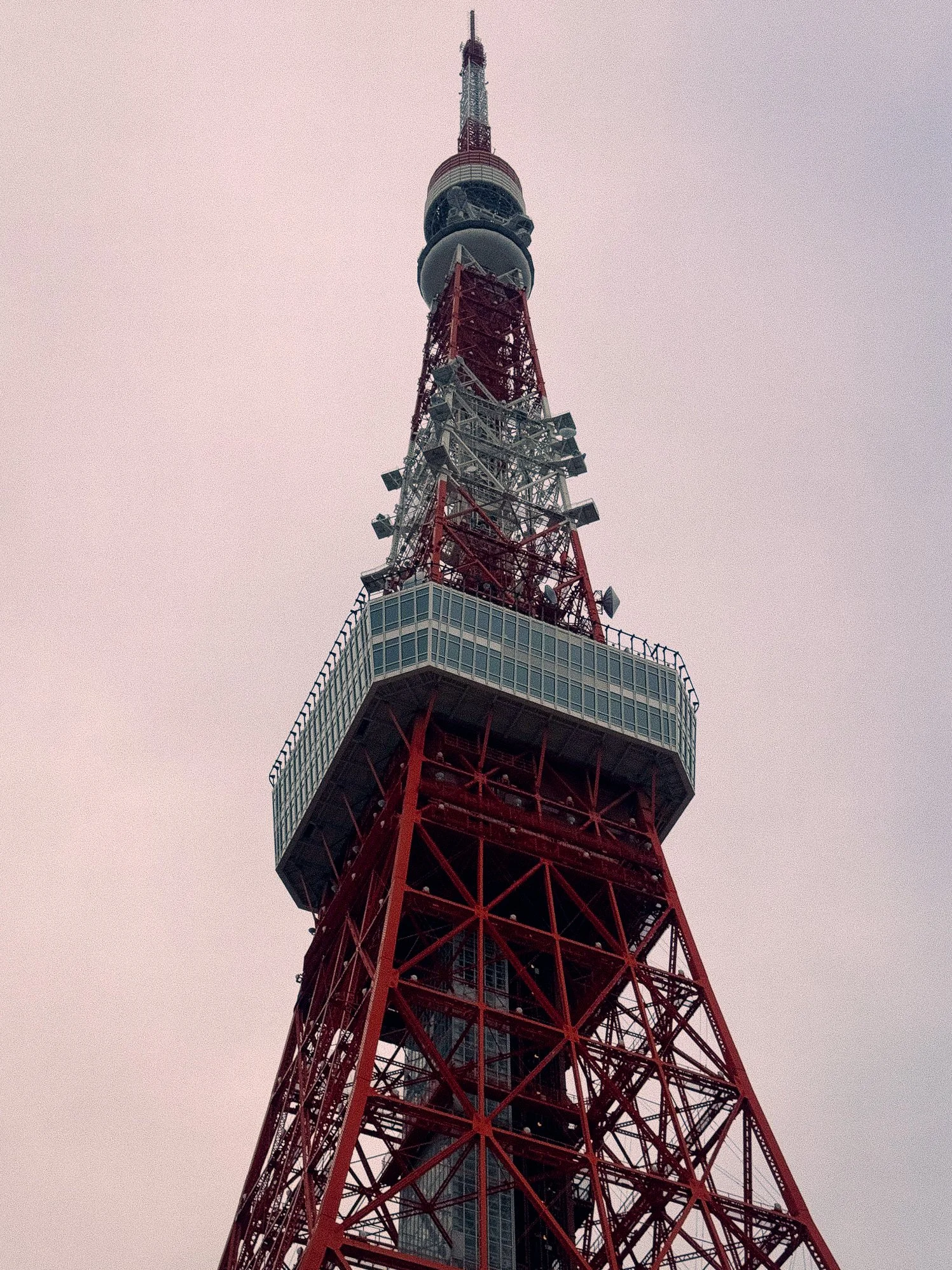
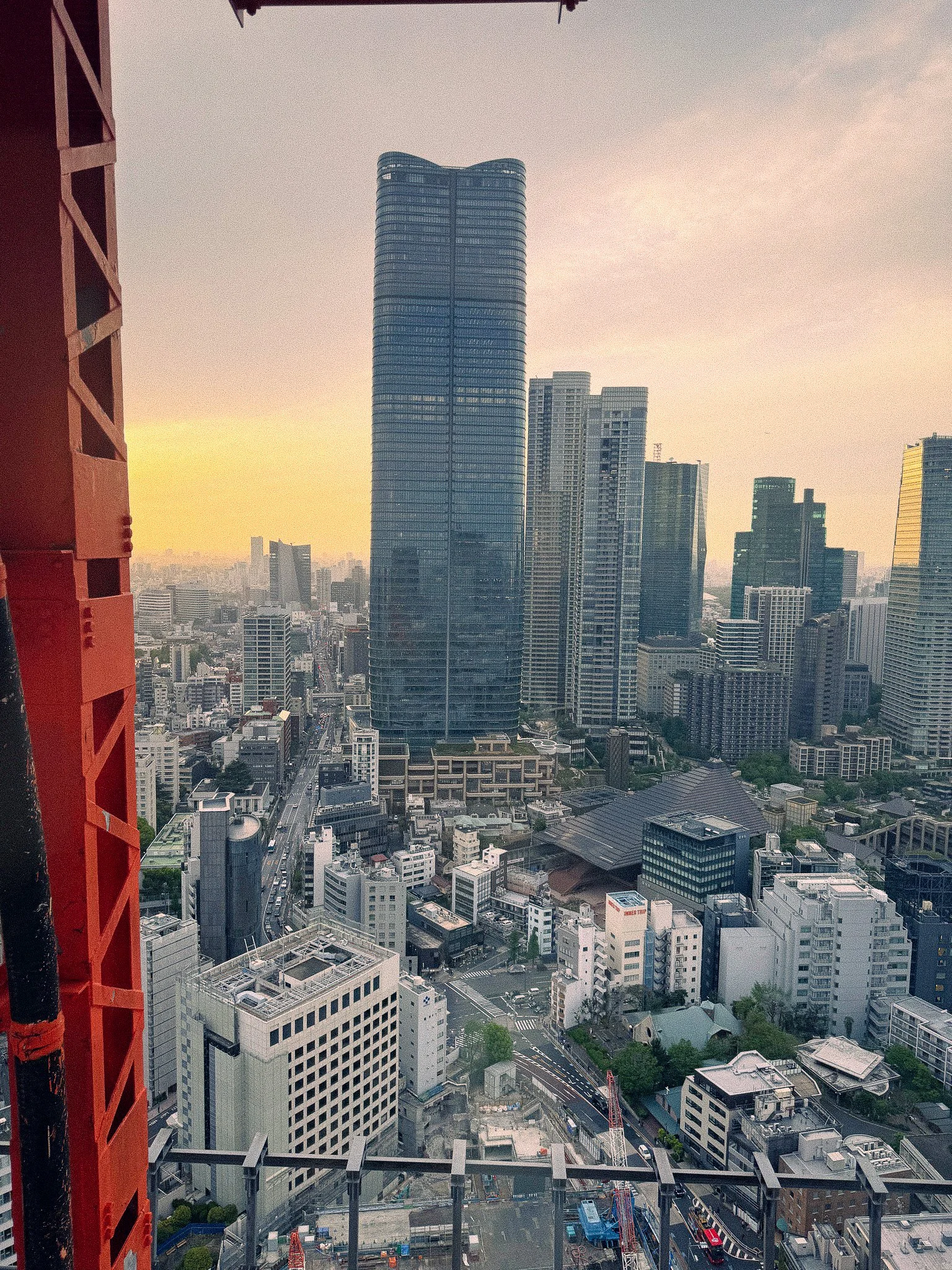
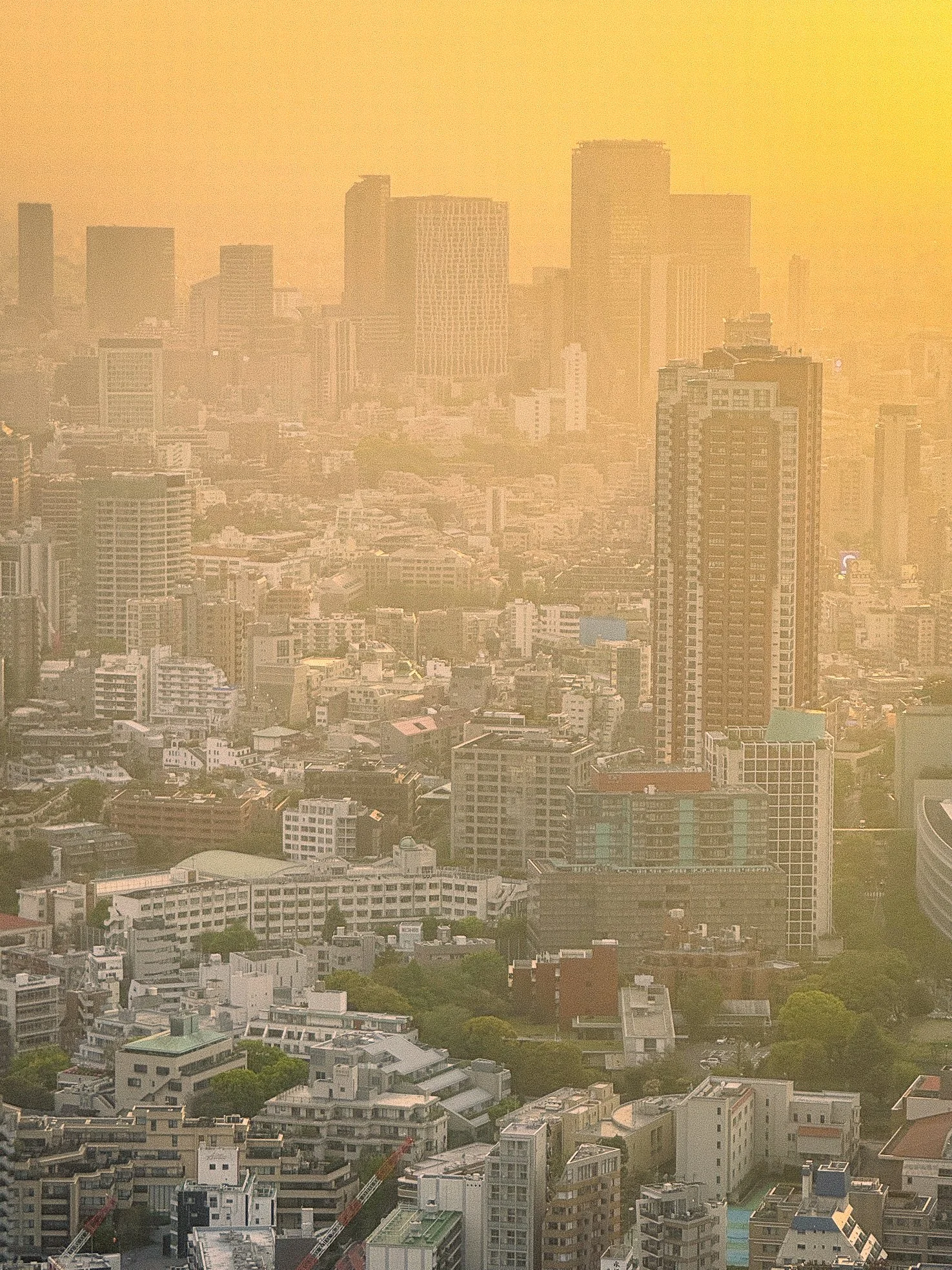
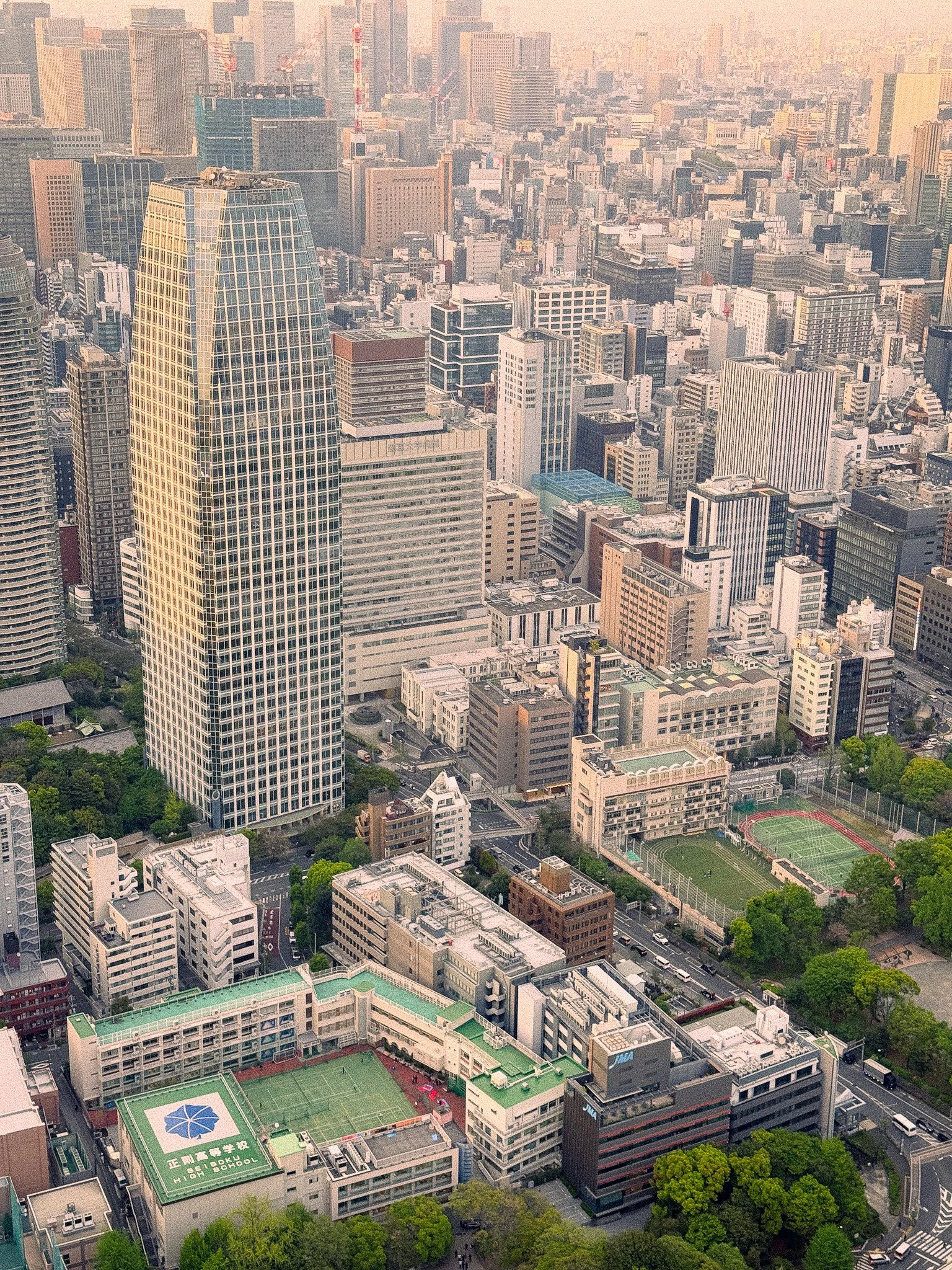
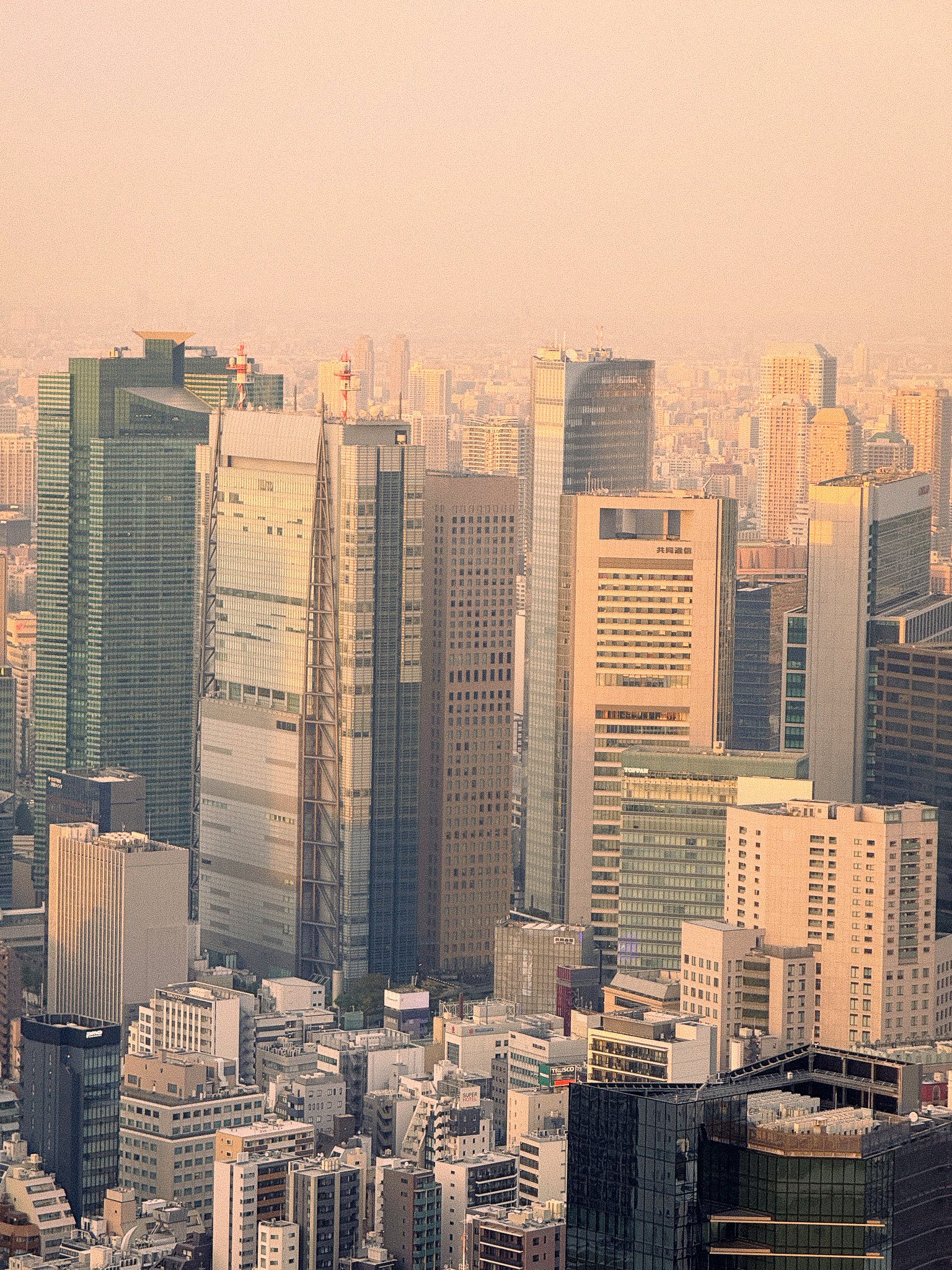
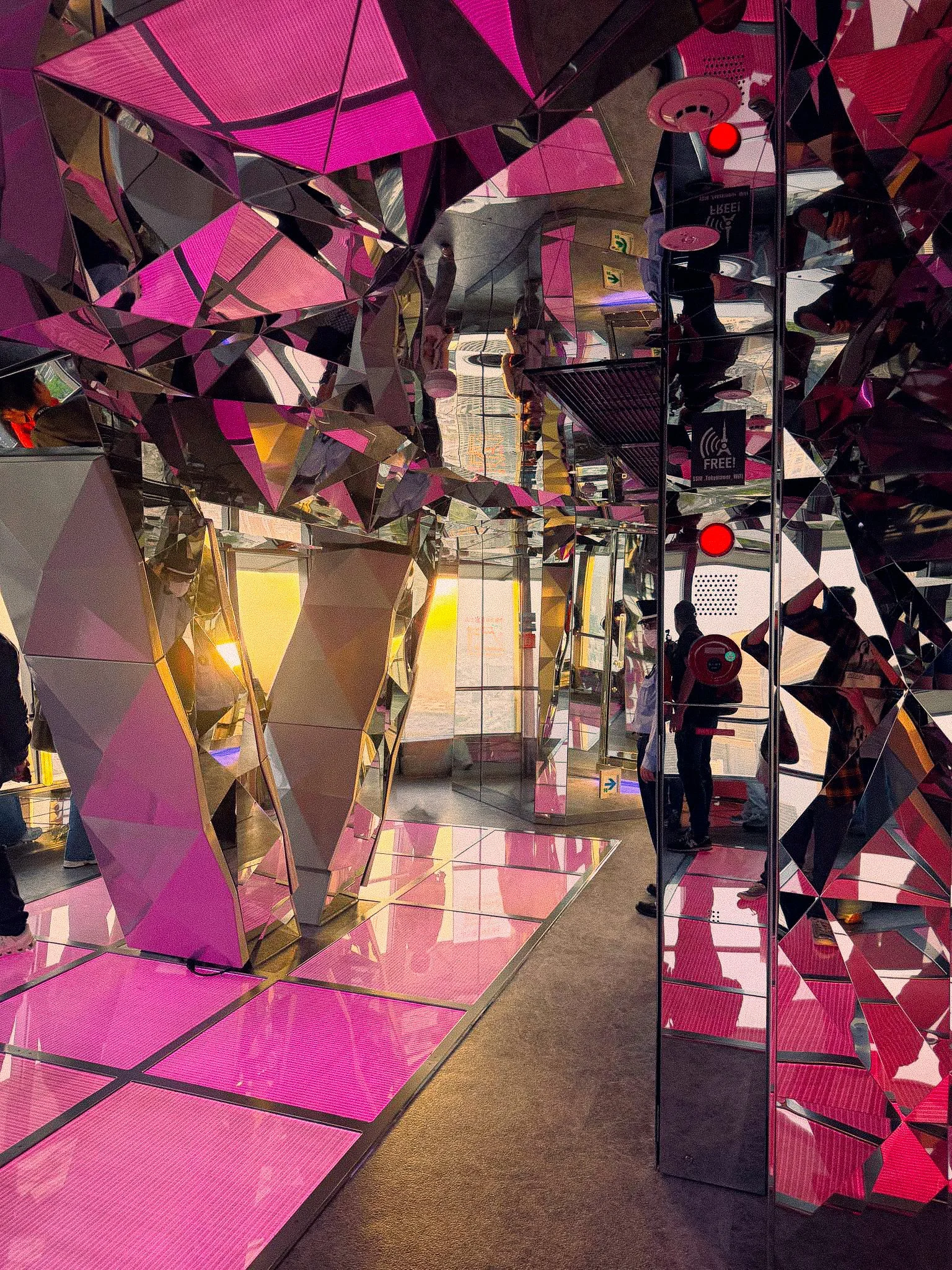
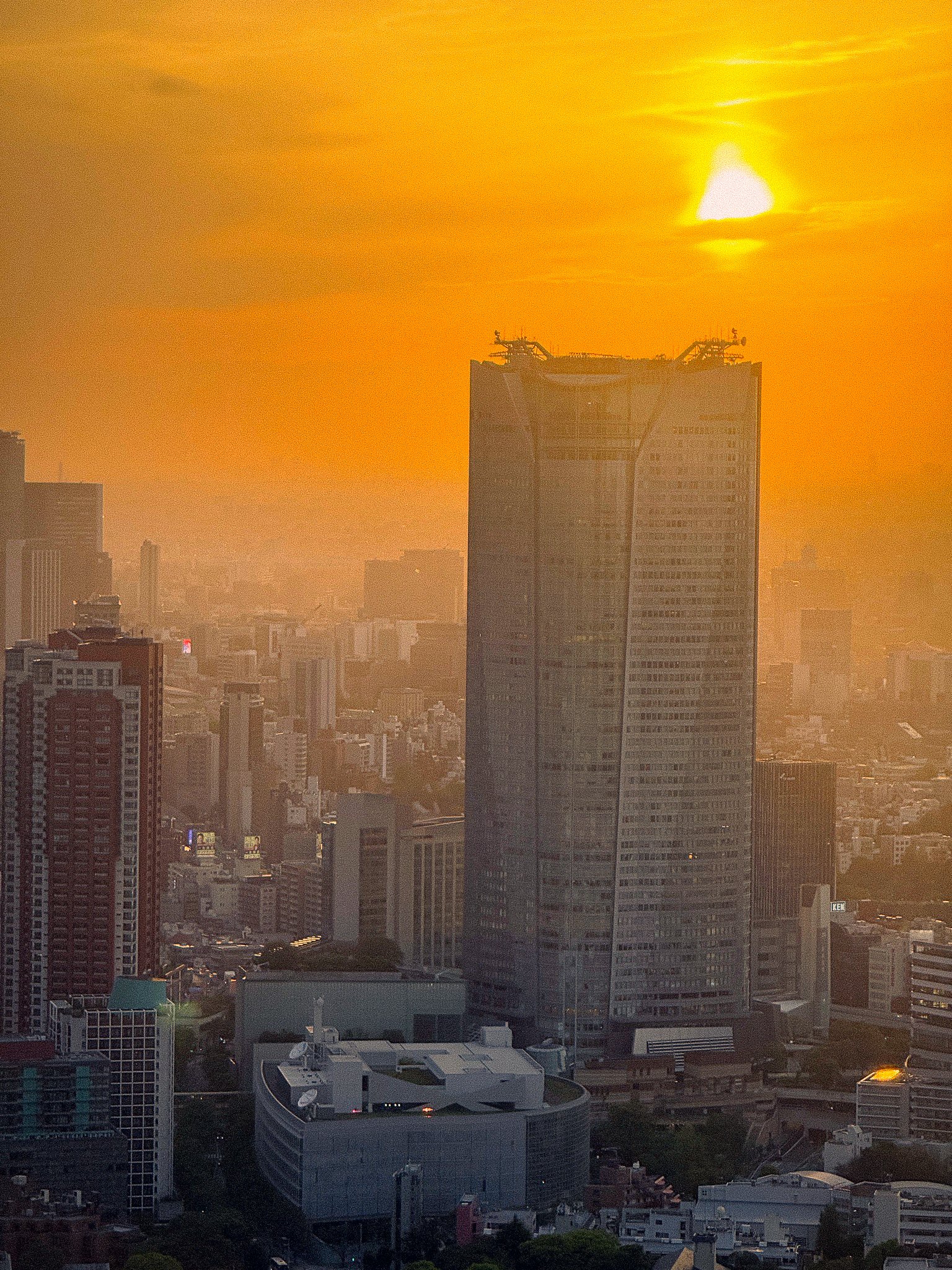
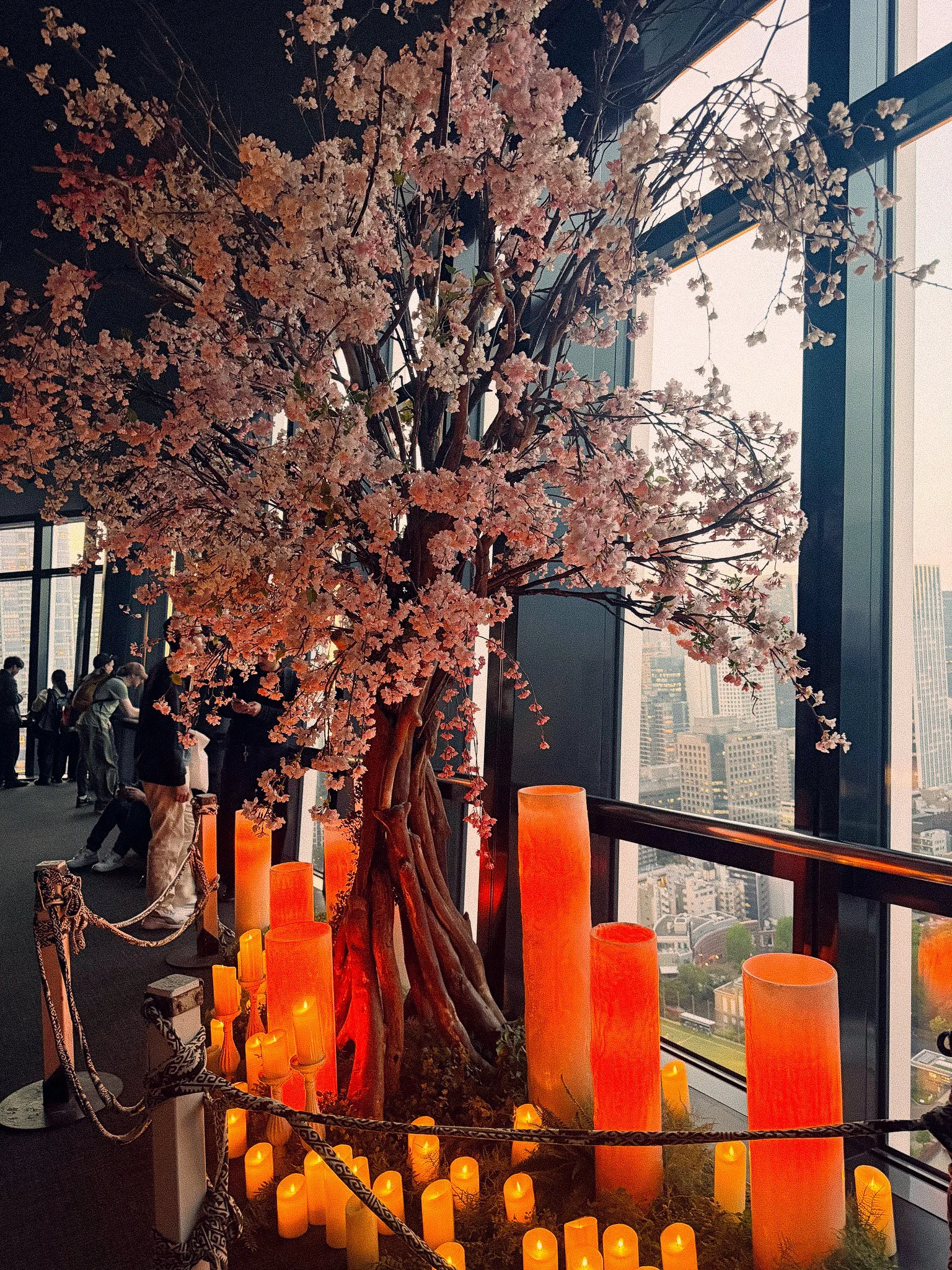
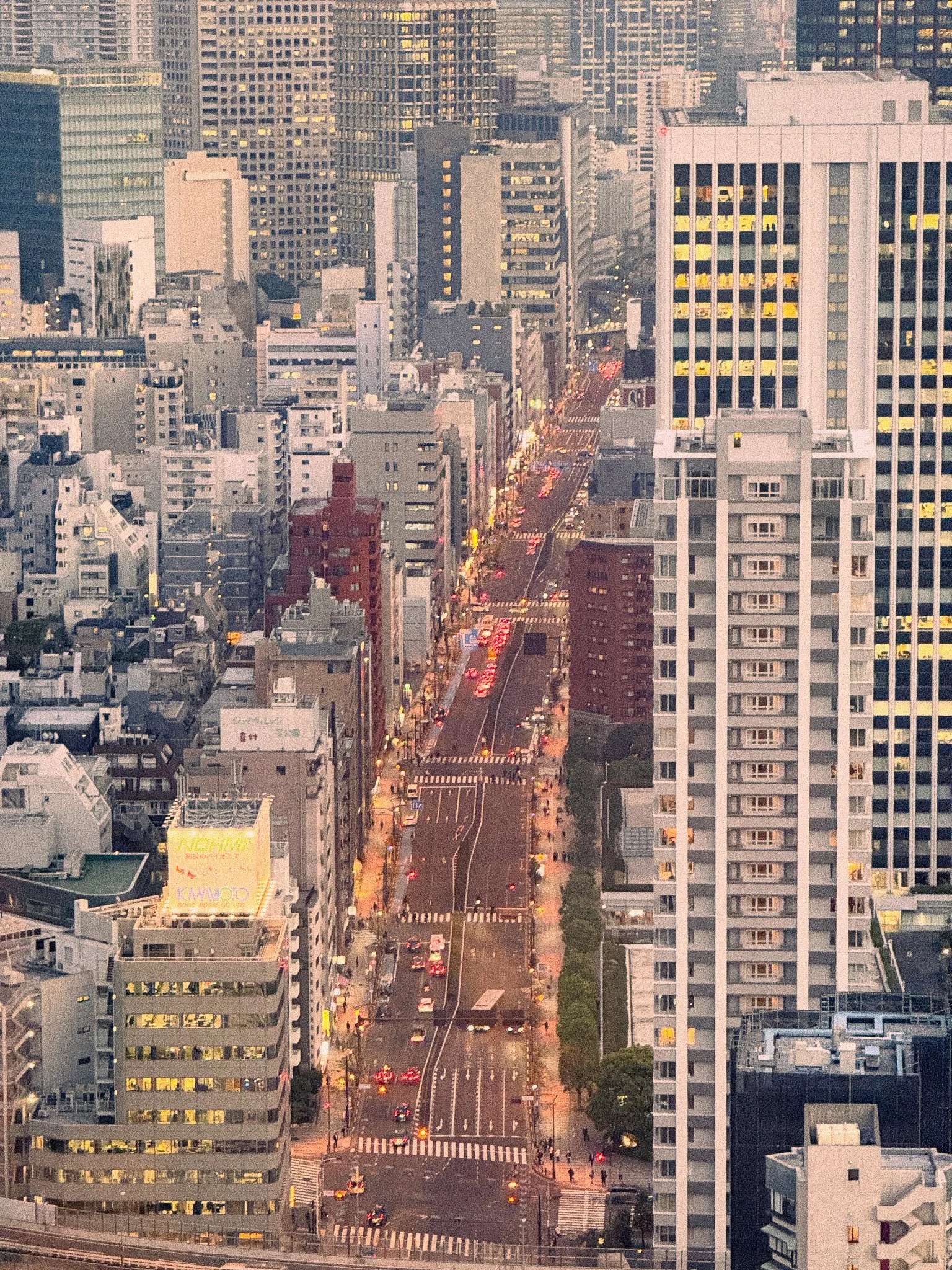
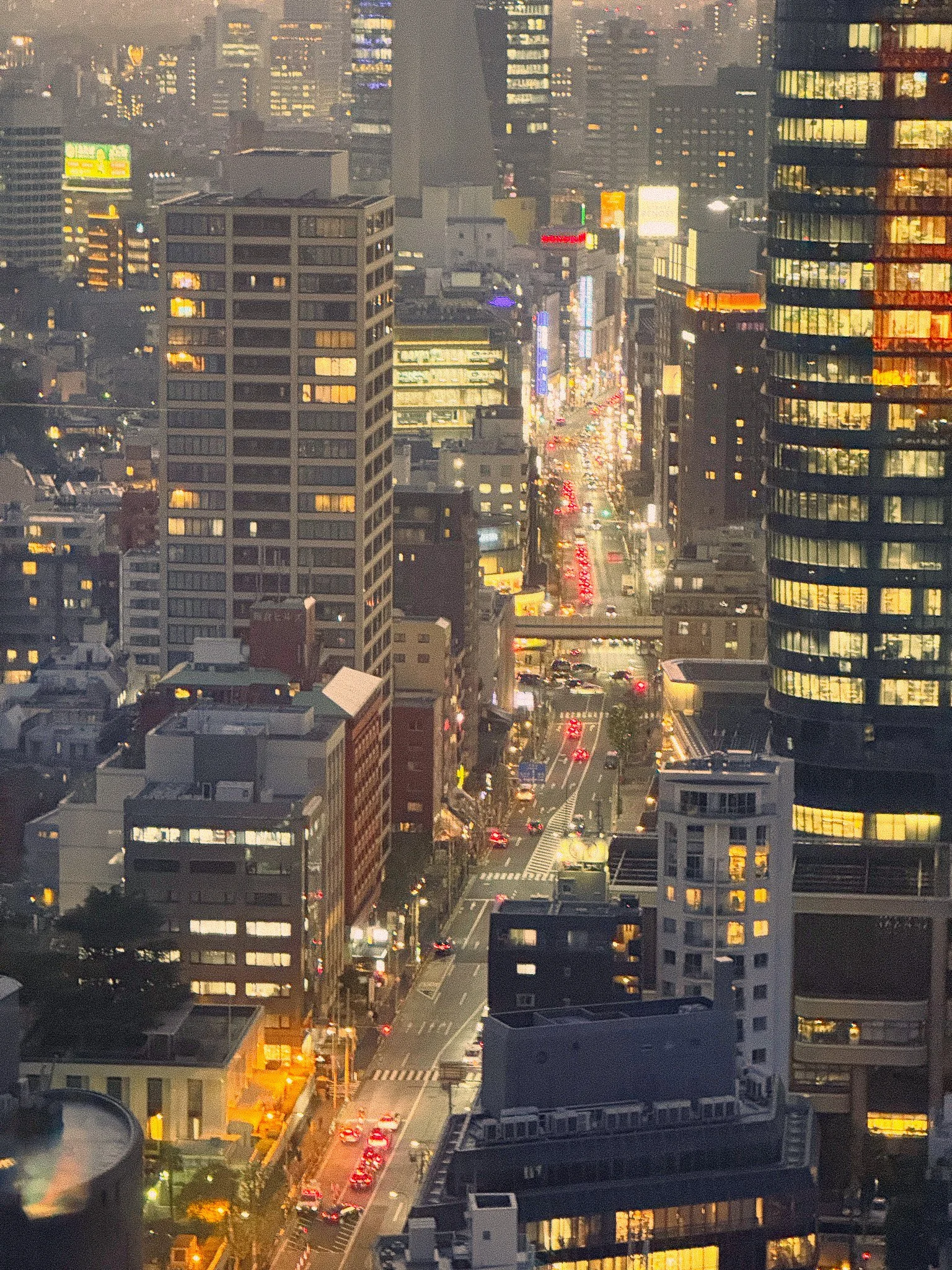
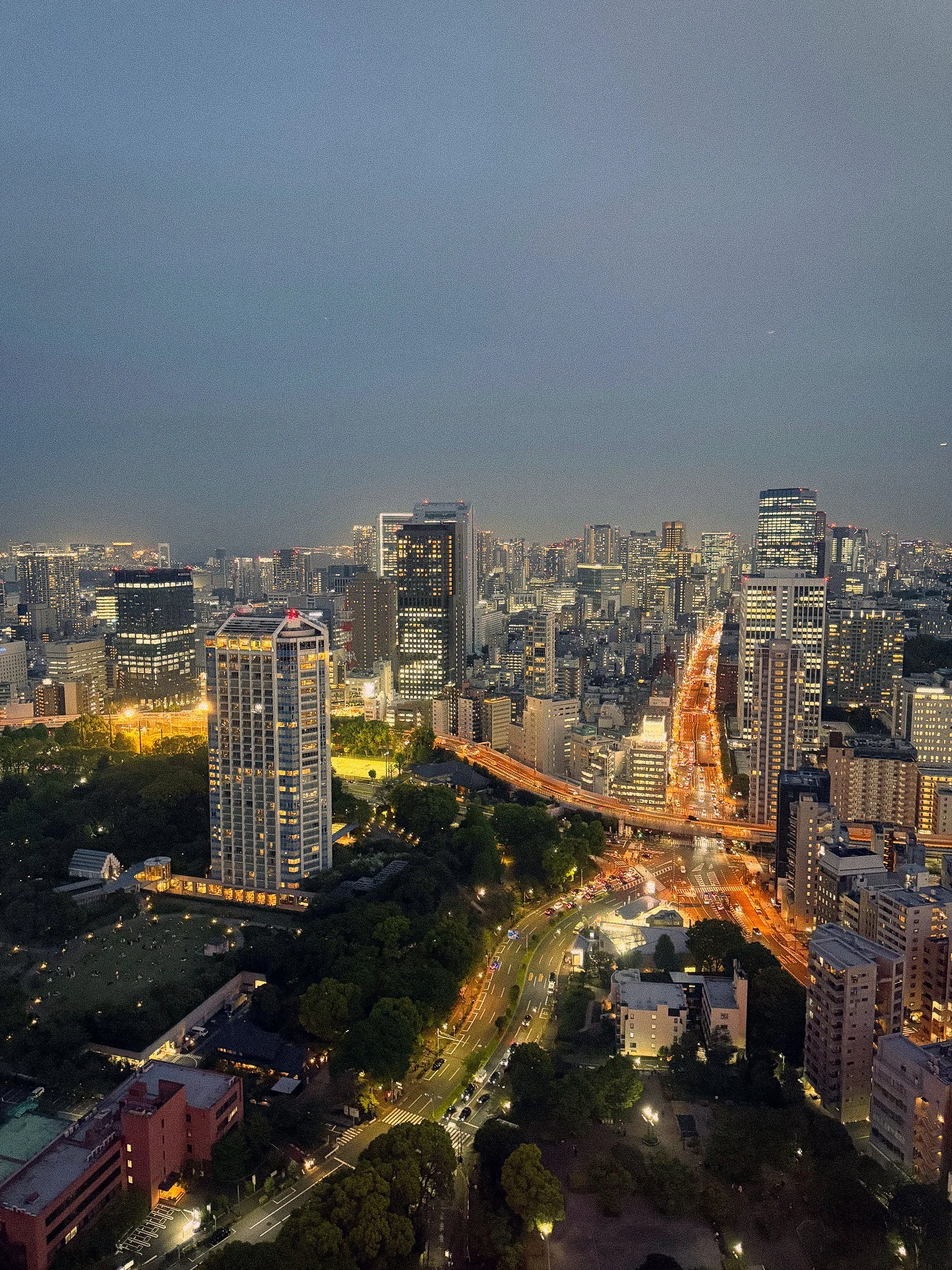
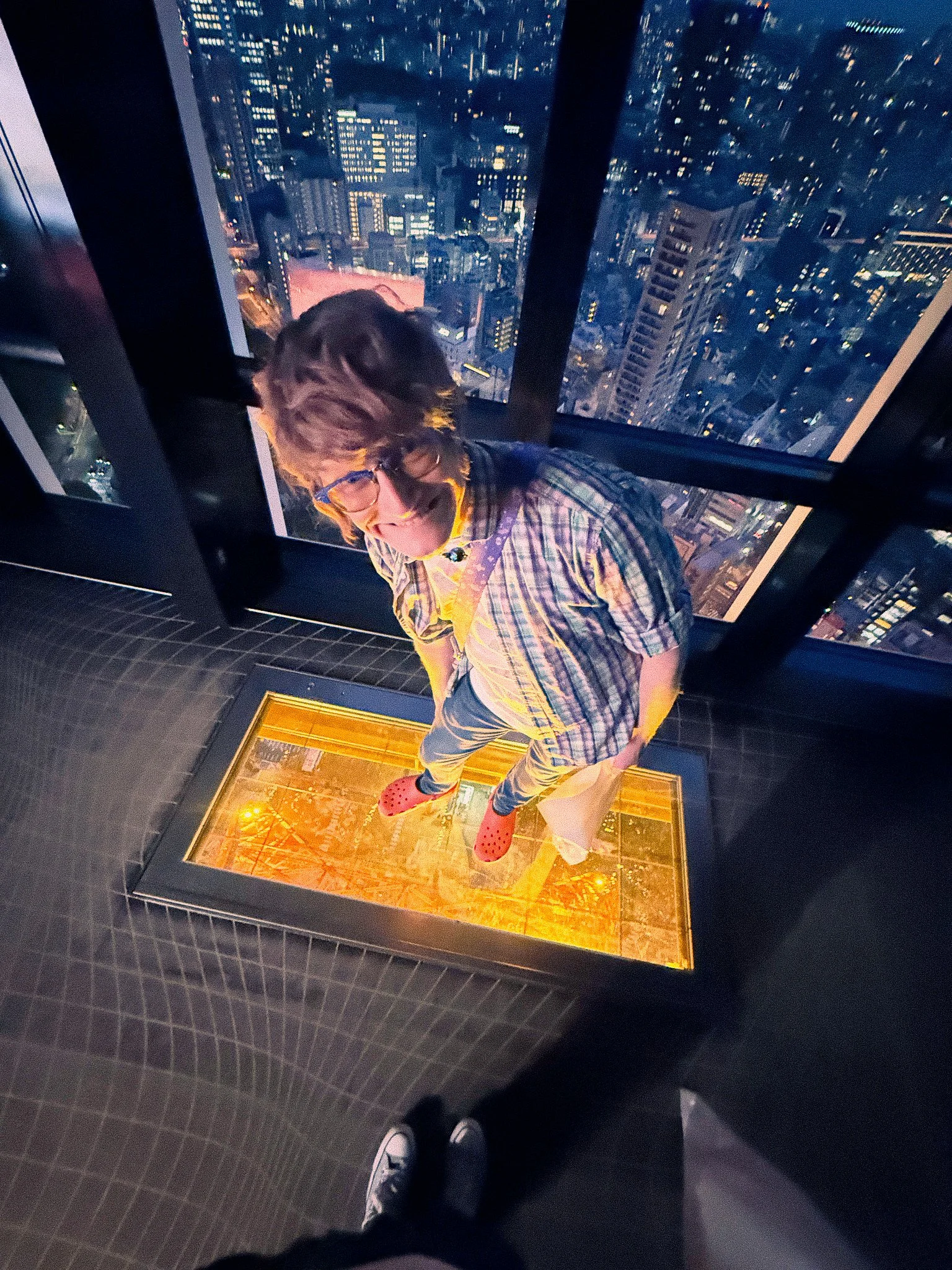
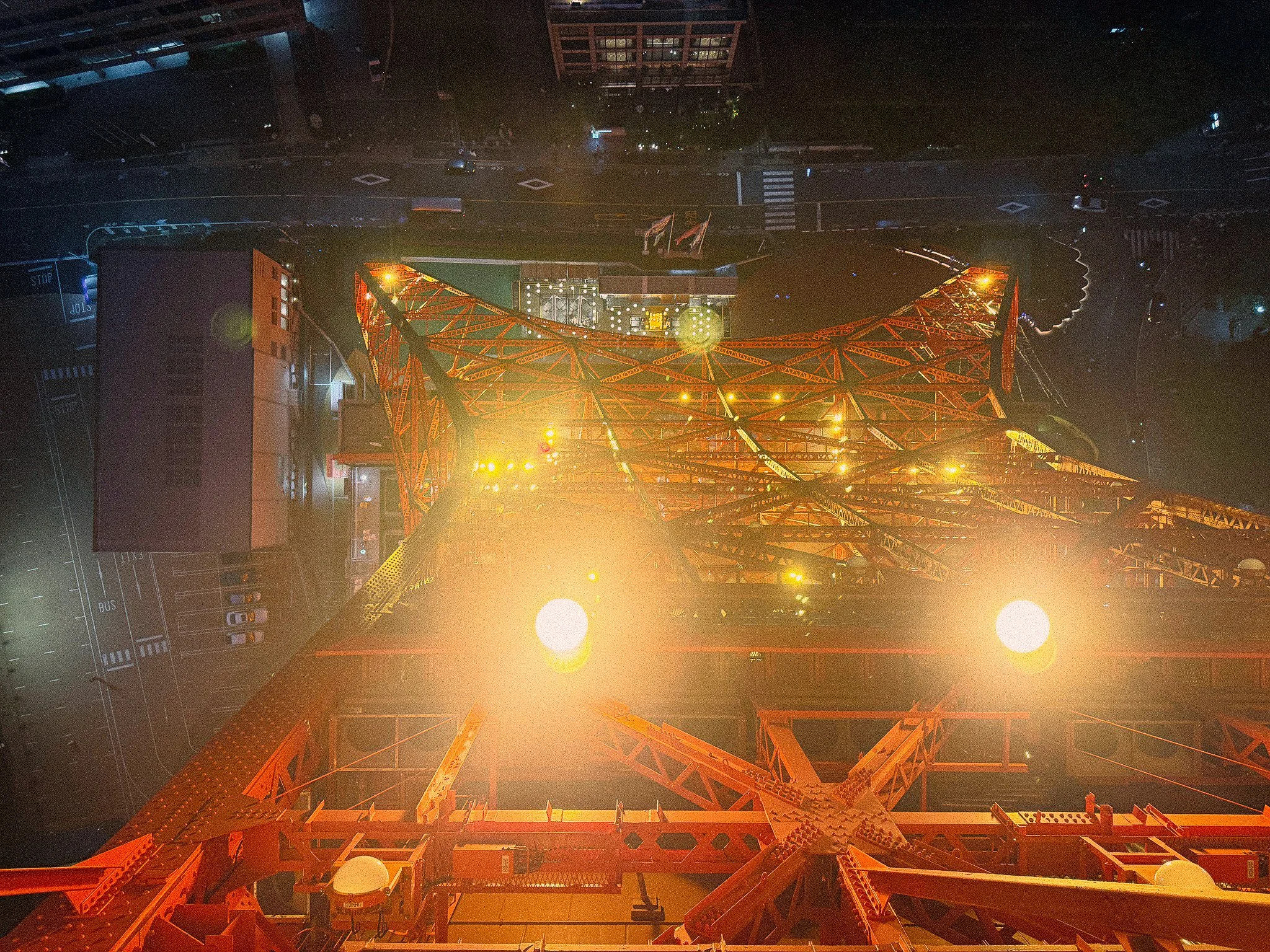
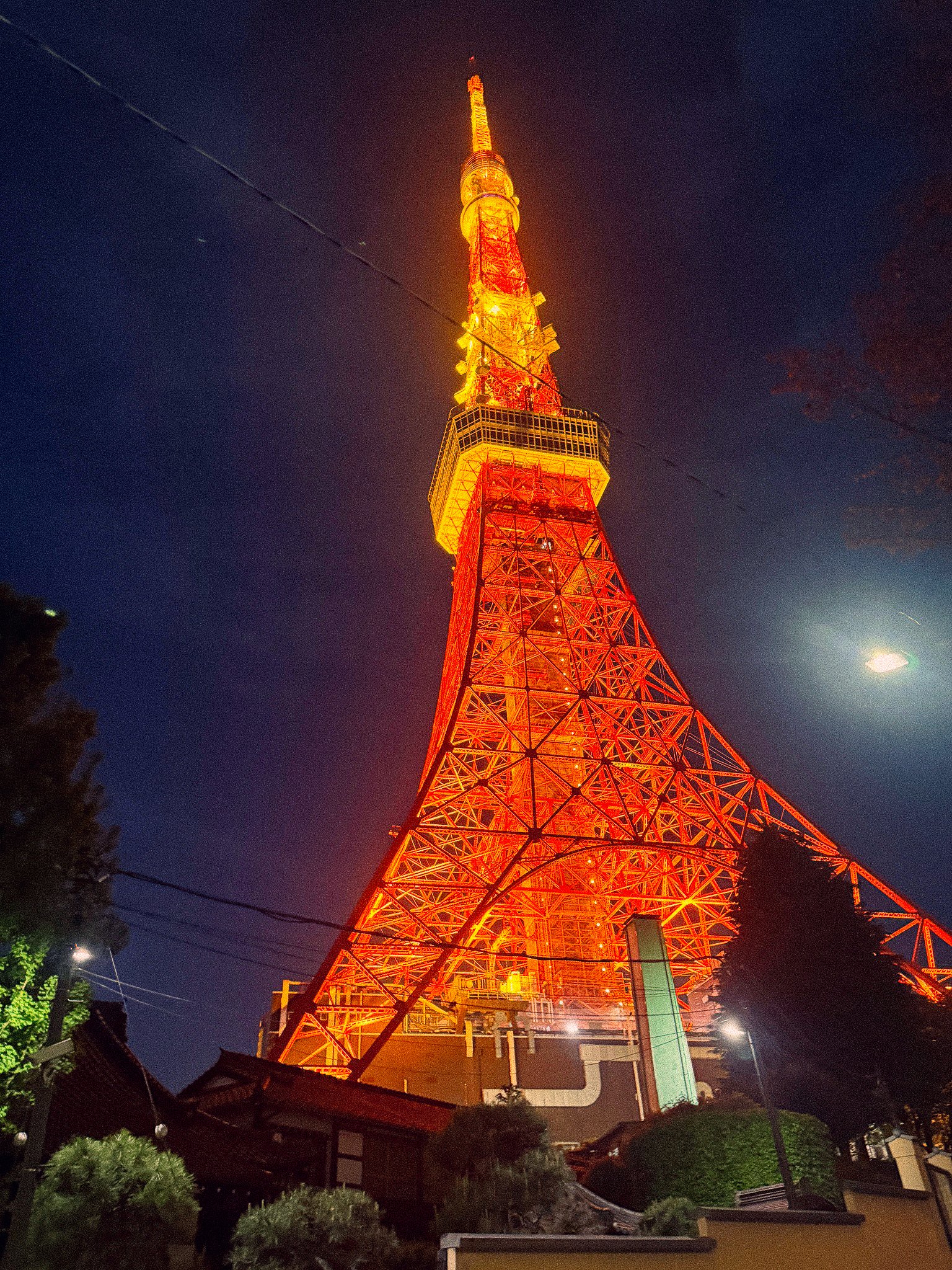
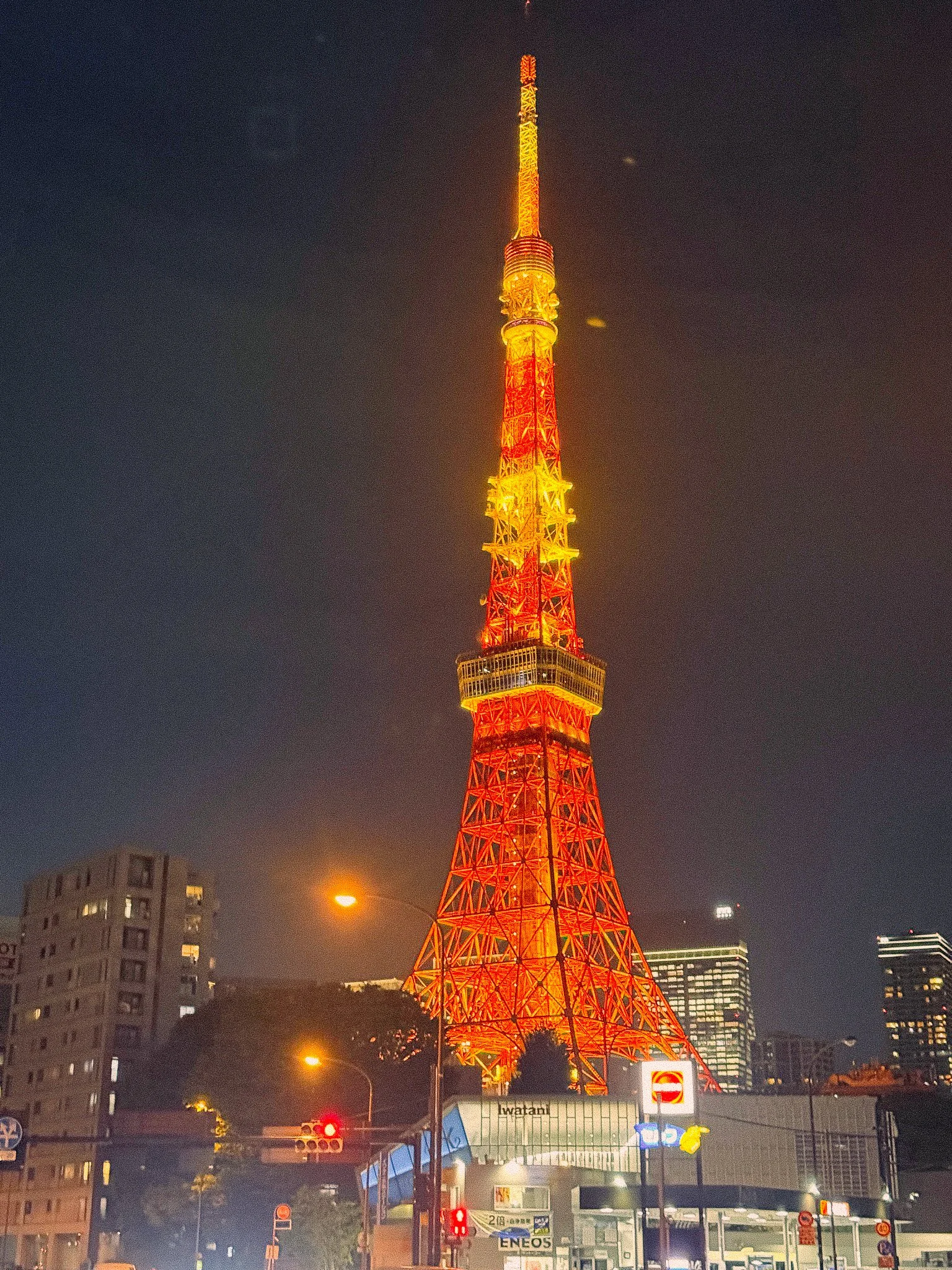
We saved Tokyo Tower for our last night in Tokyo since, to me, it’s the most iconic landmark in the city (even if it is basically a copy of the Eiffel Tower). It shows up in so many of the anime and games I love, so I’ve always associated it with that kind of romantic, Sailor Moon-style Tokyo imagery. We timed our reservation so we went up while it was still daylight, stayed through sunset, and then watched the city gradually light up at night.

day 13 新宿御苑→帰国
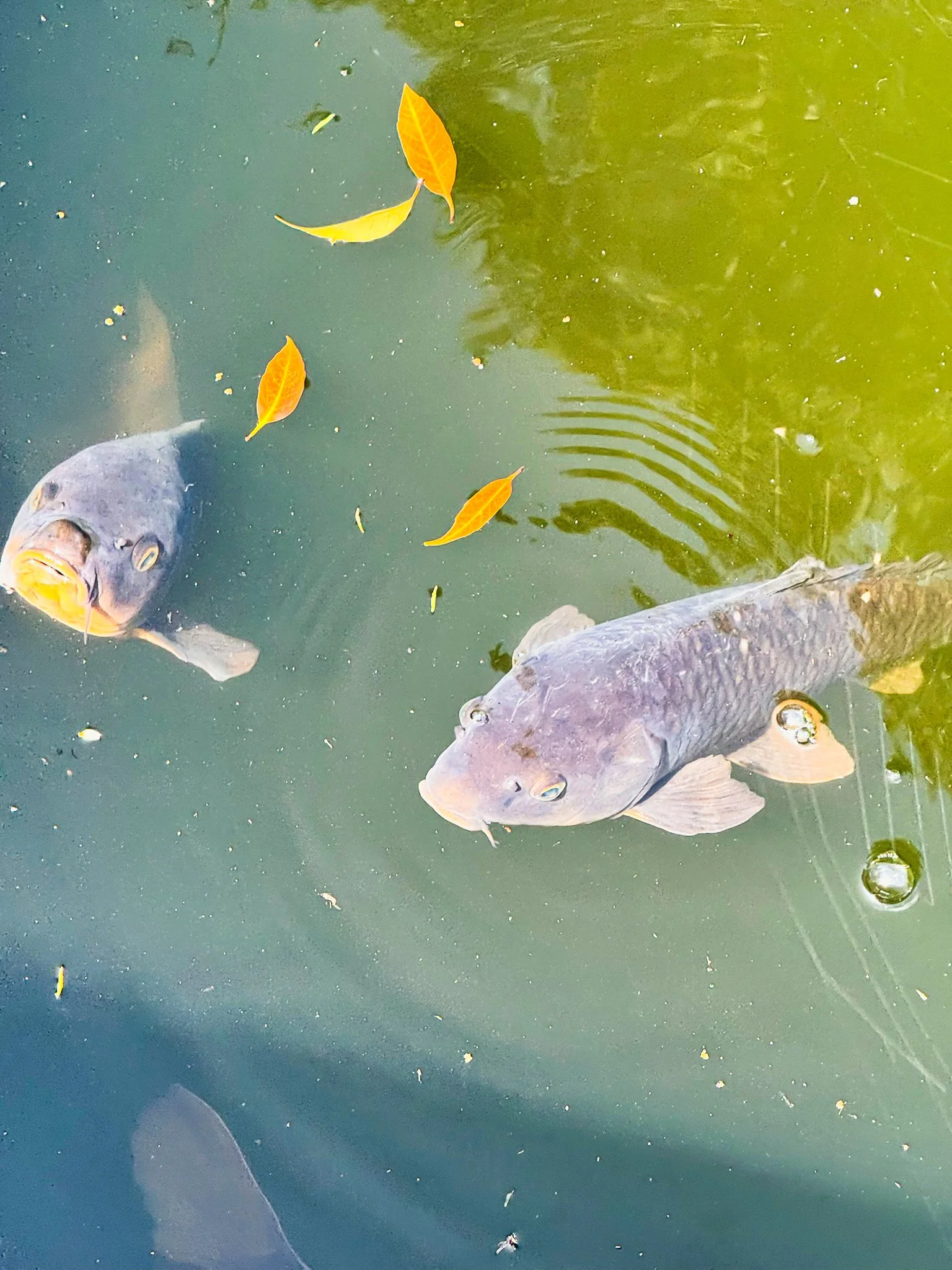
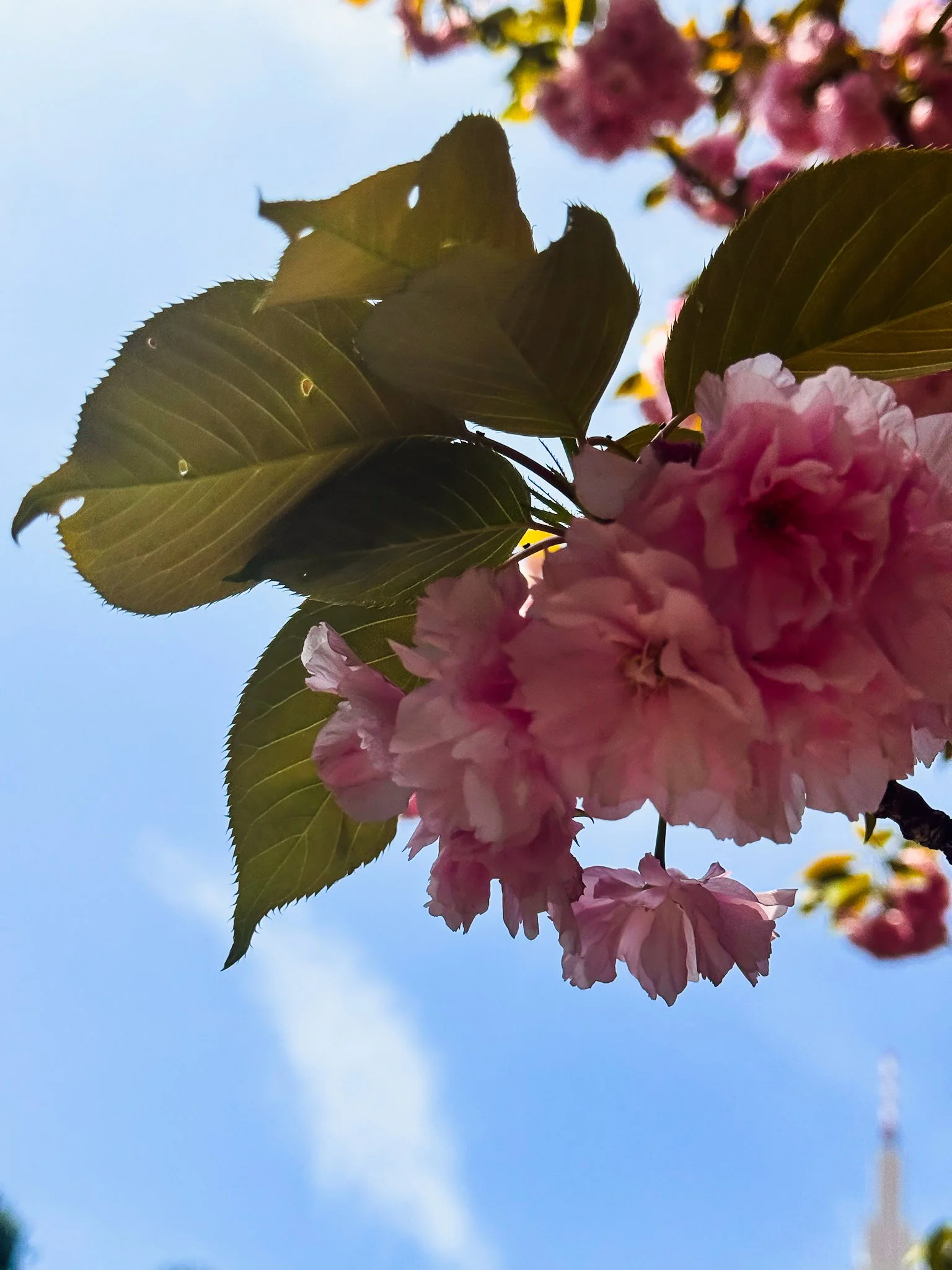
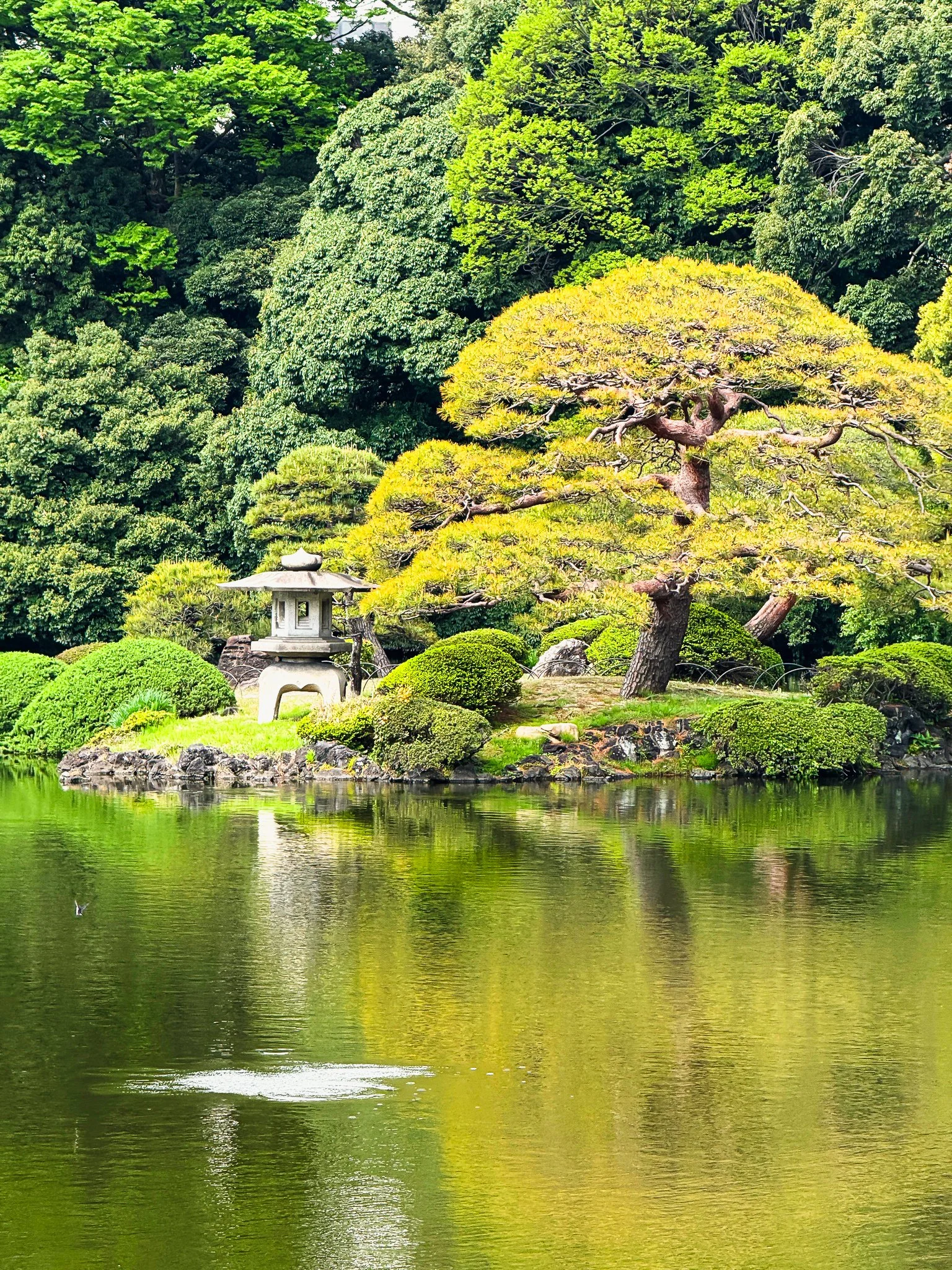
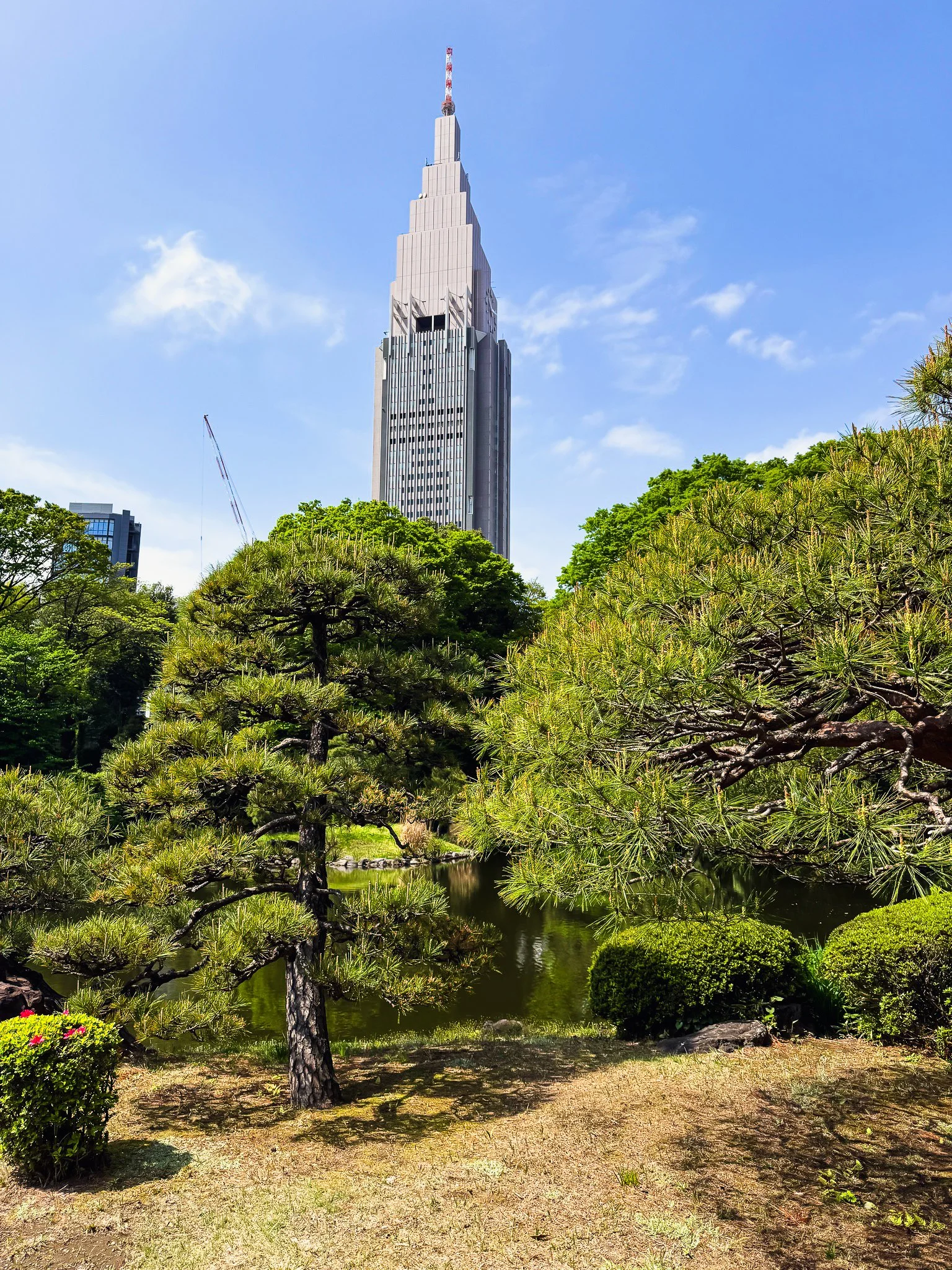
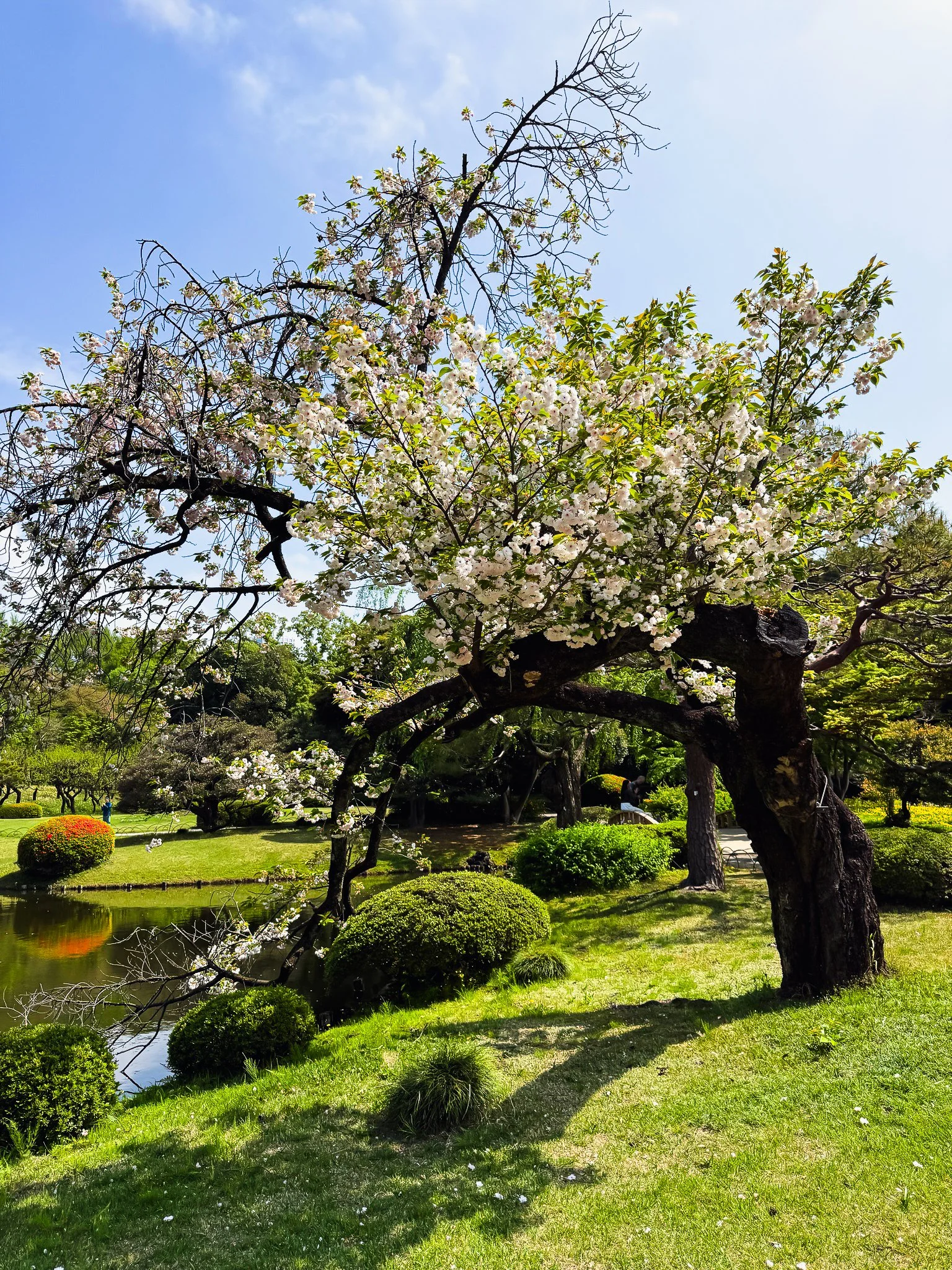
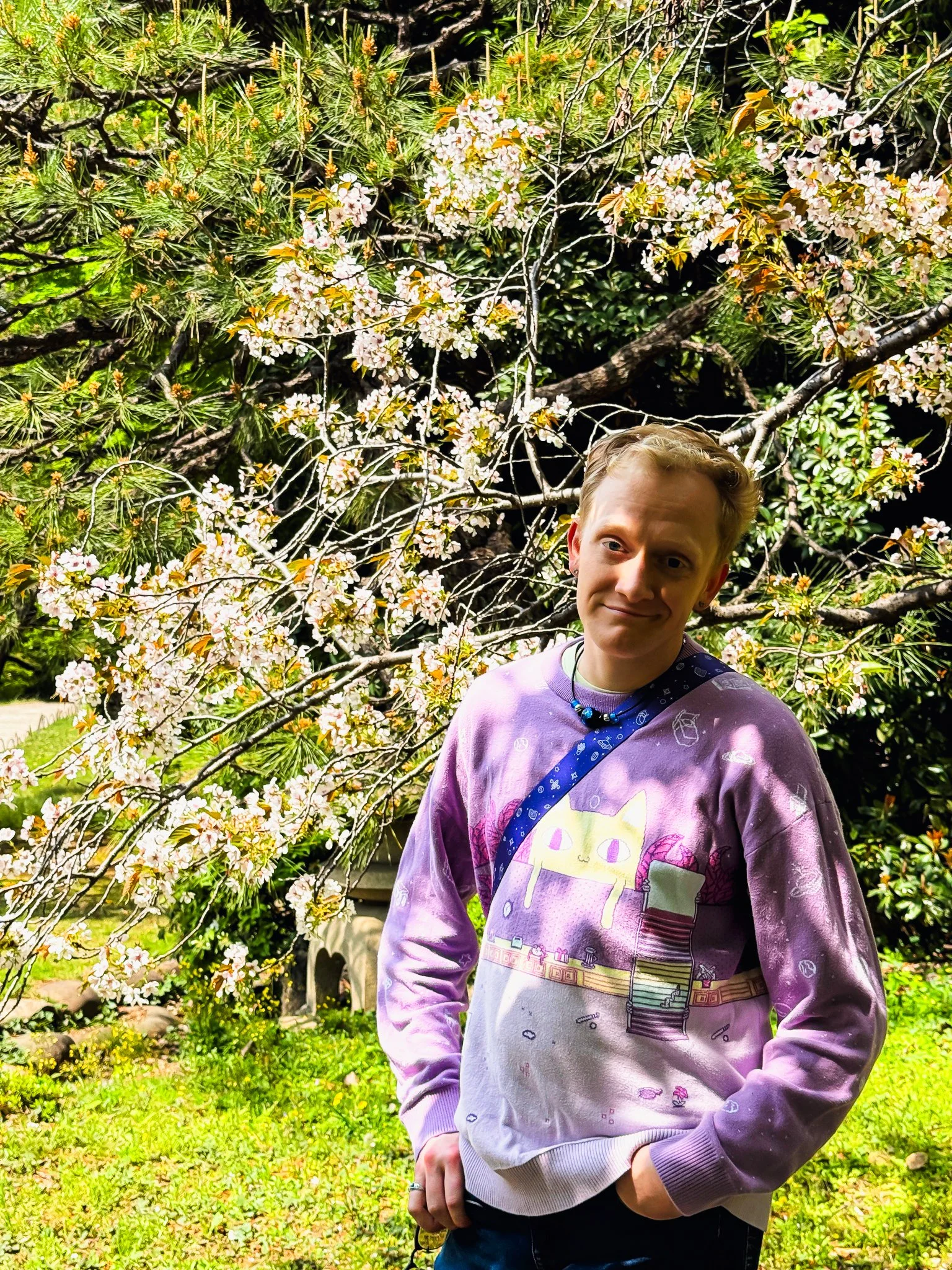
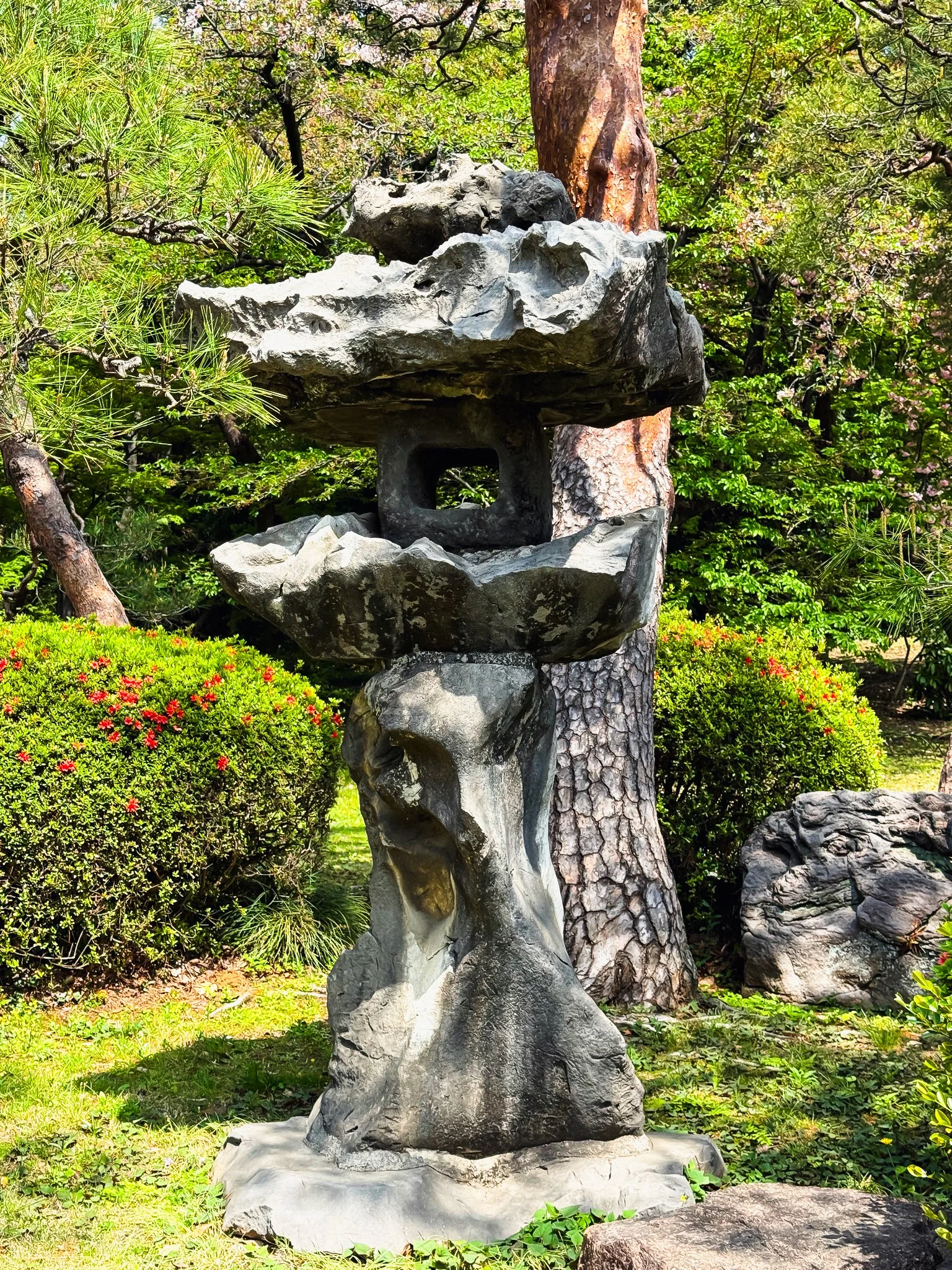
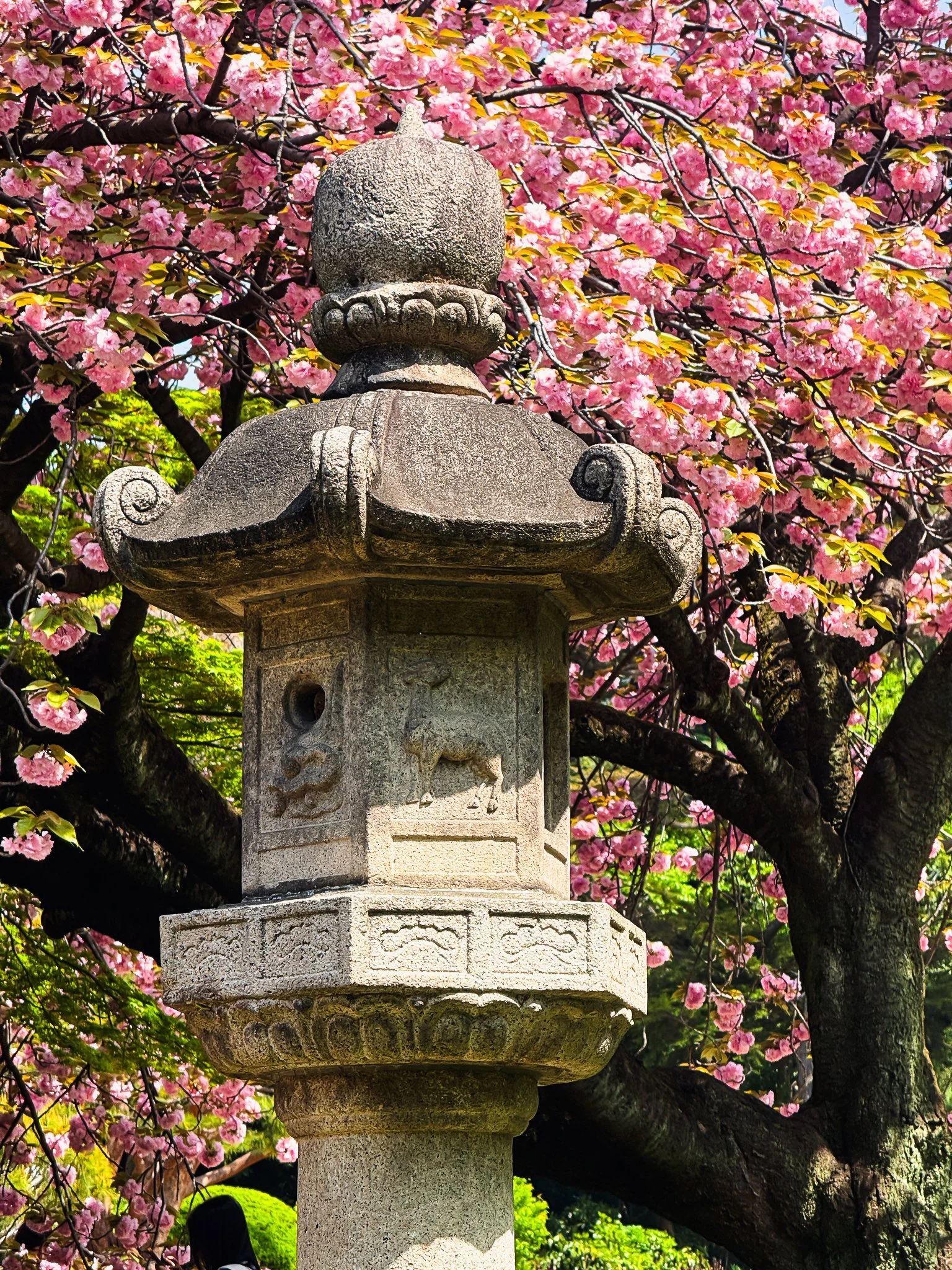
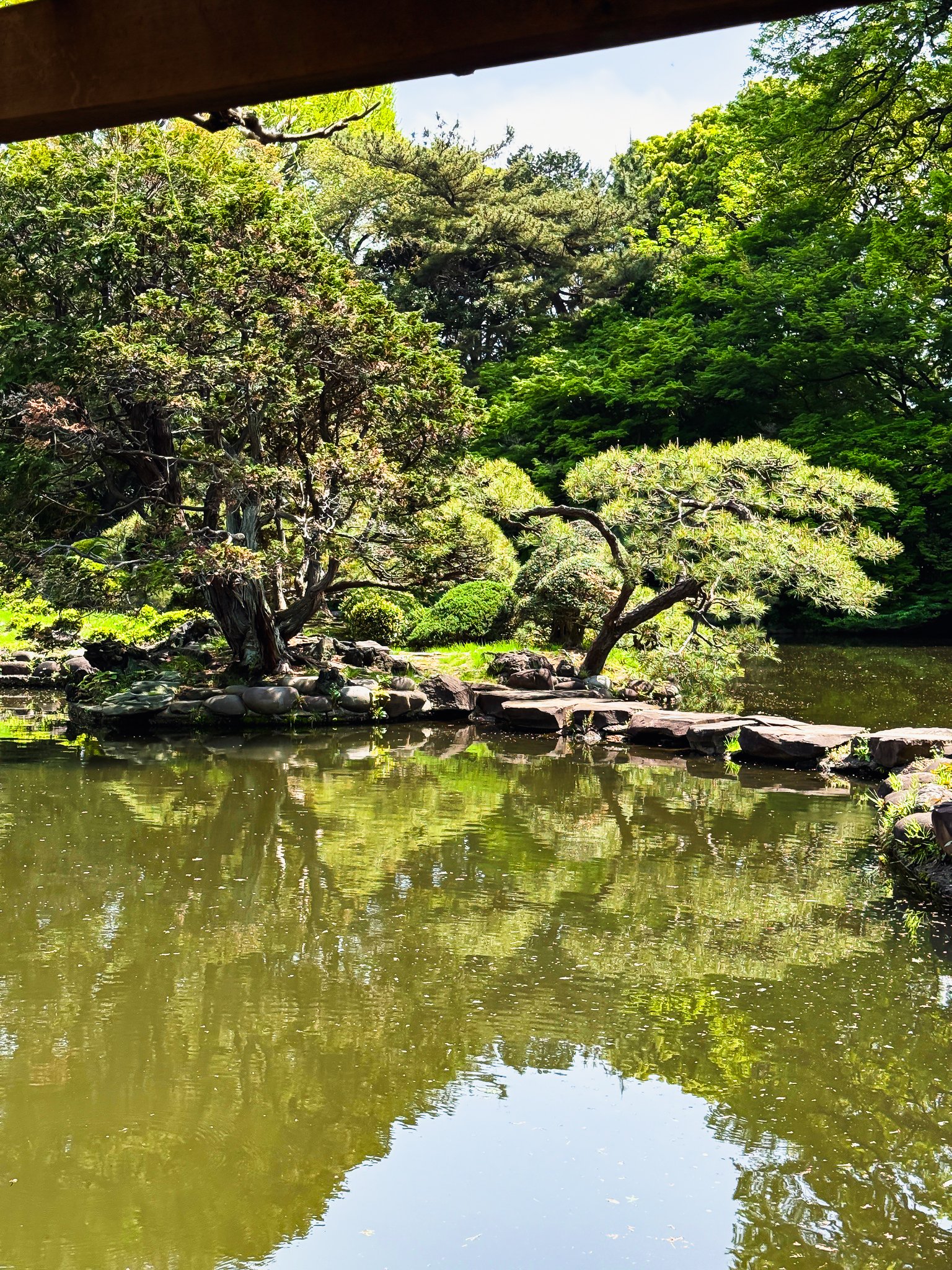
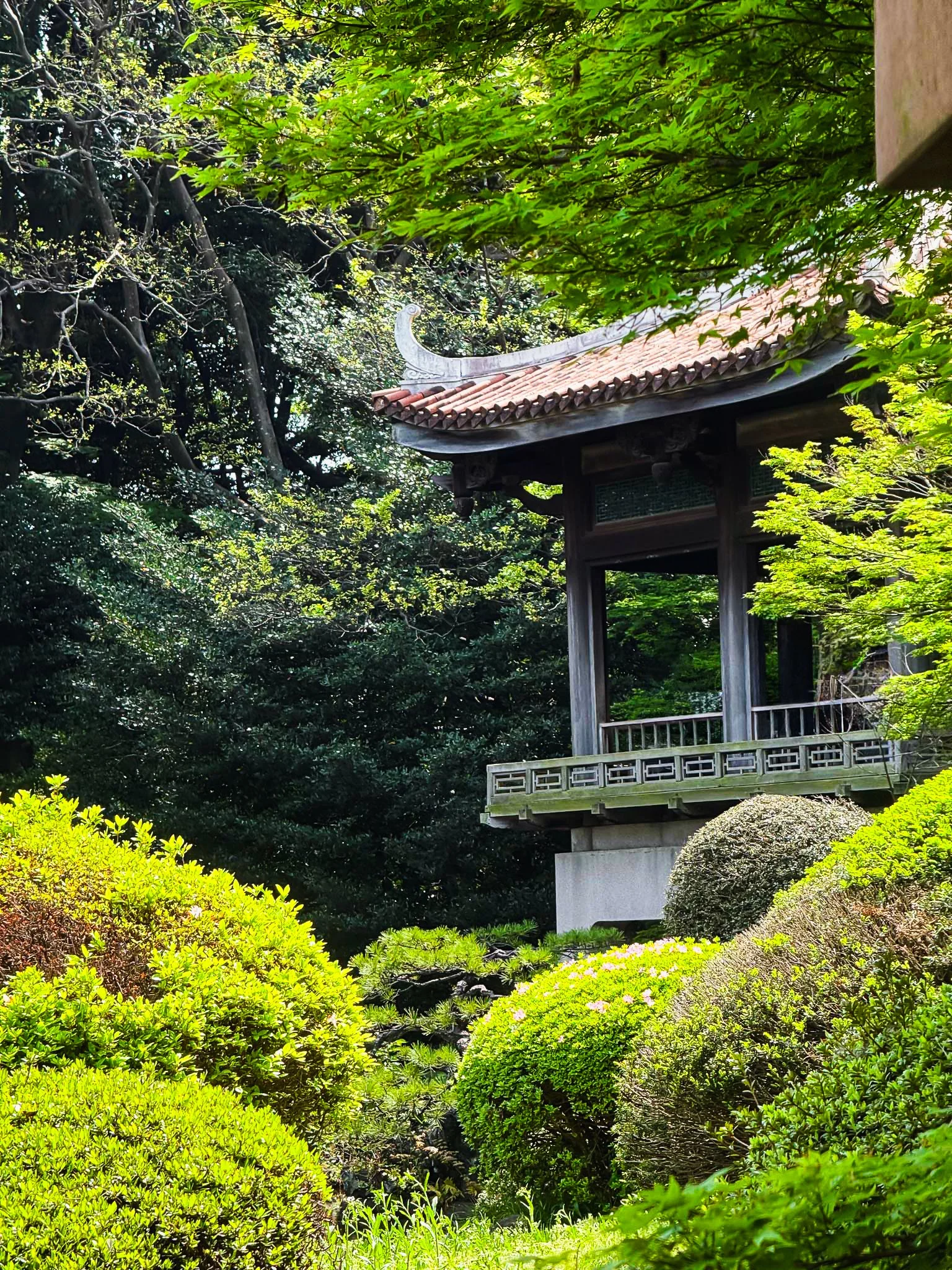
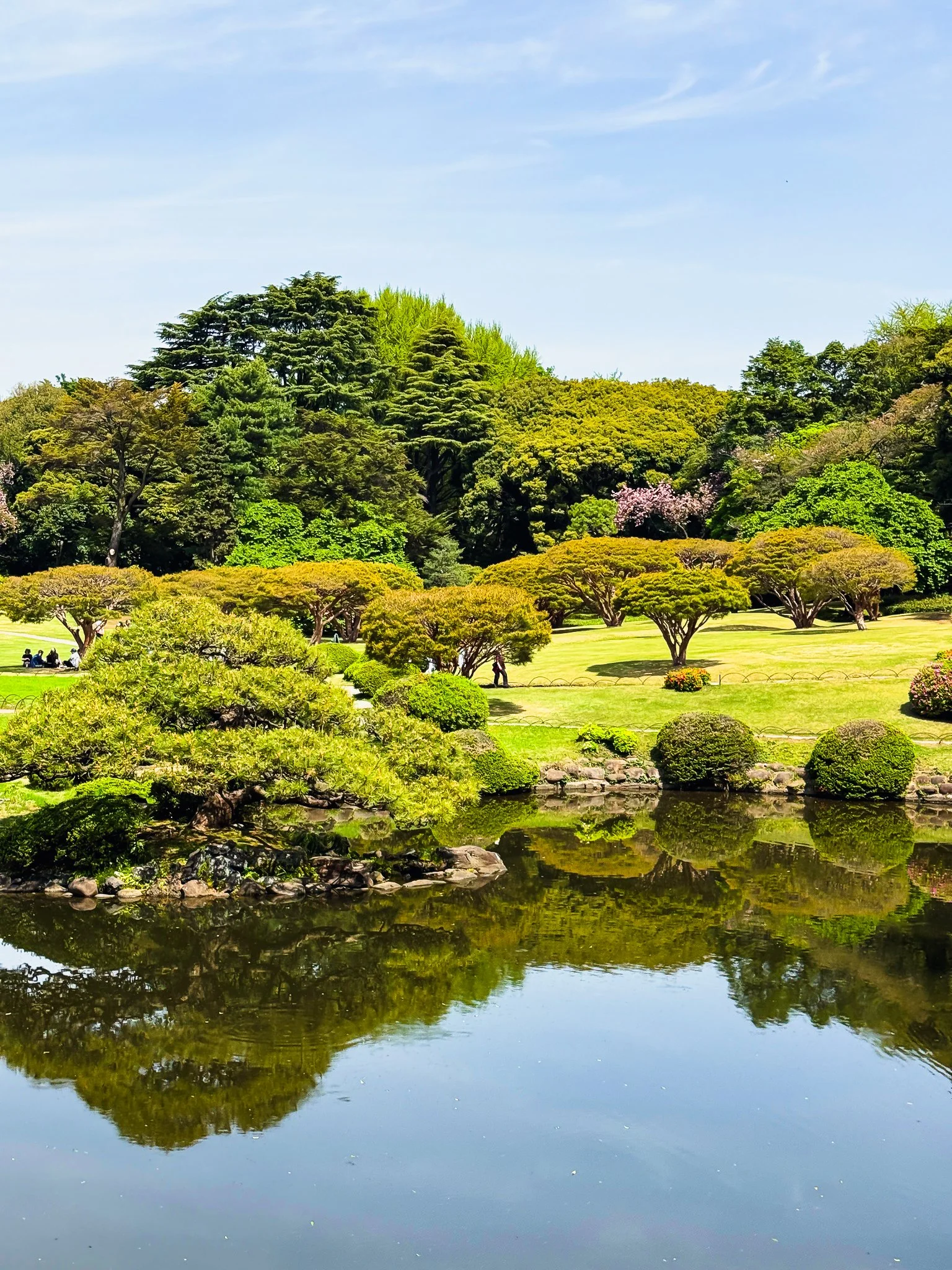
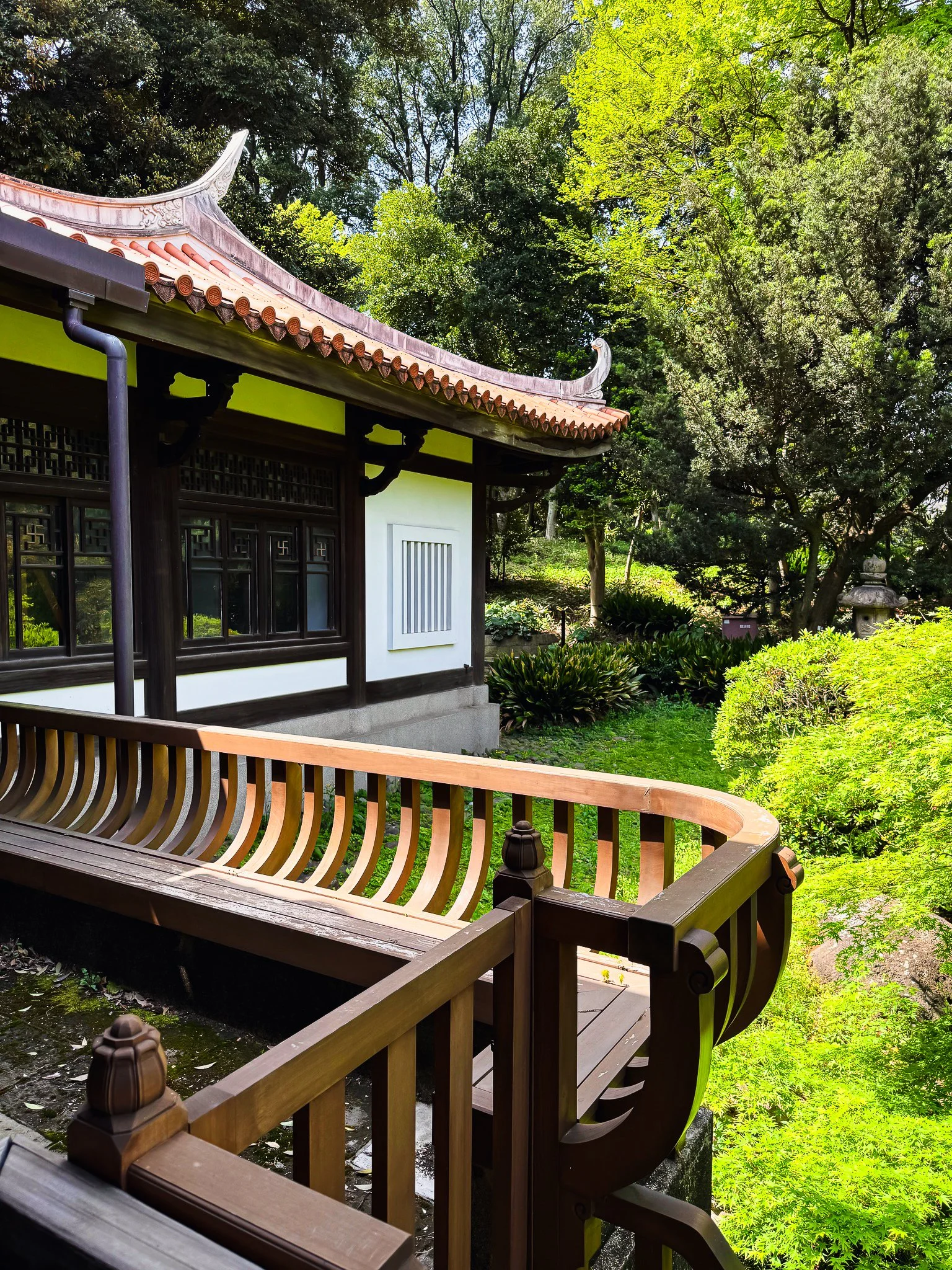
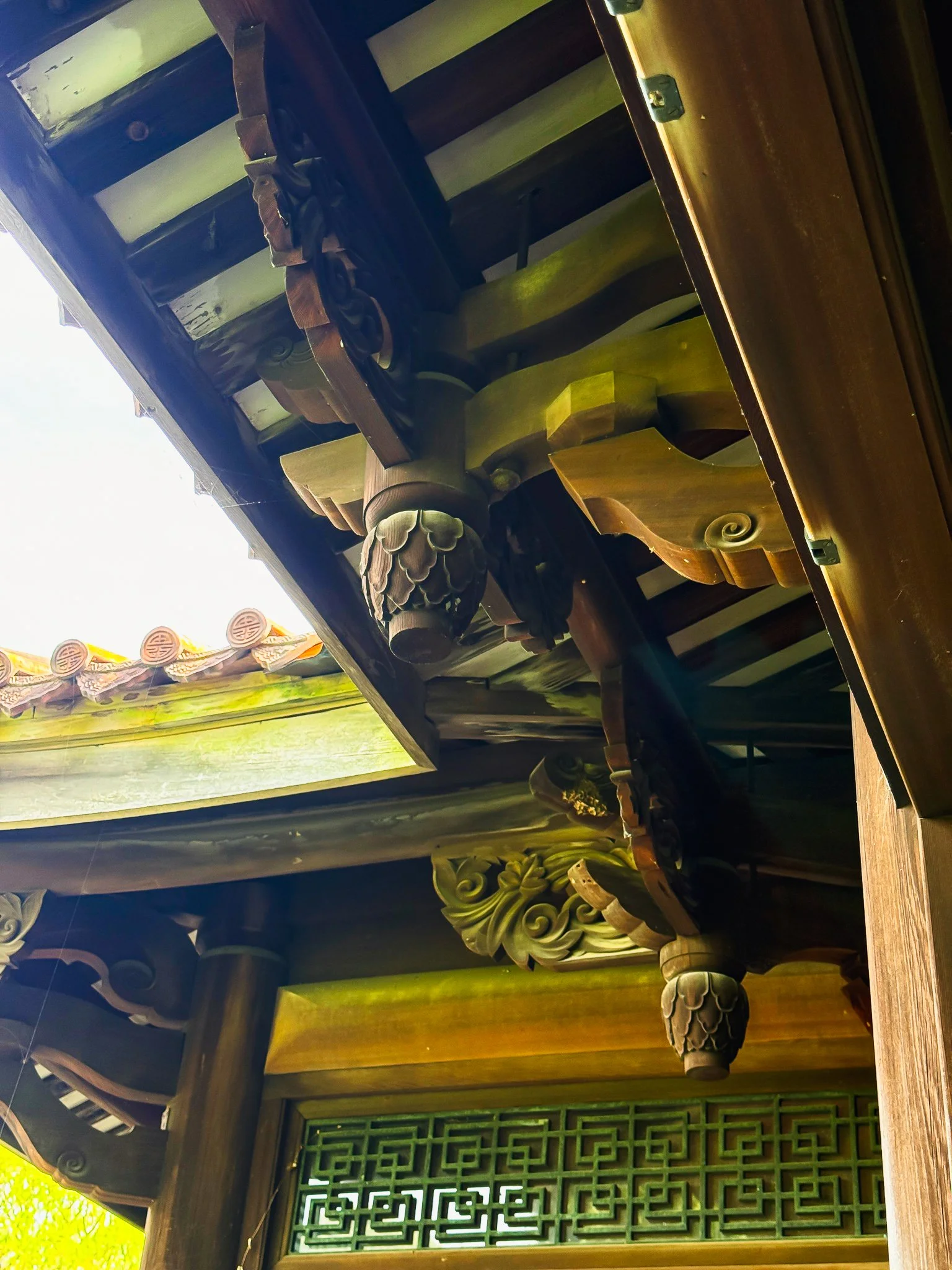
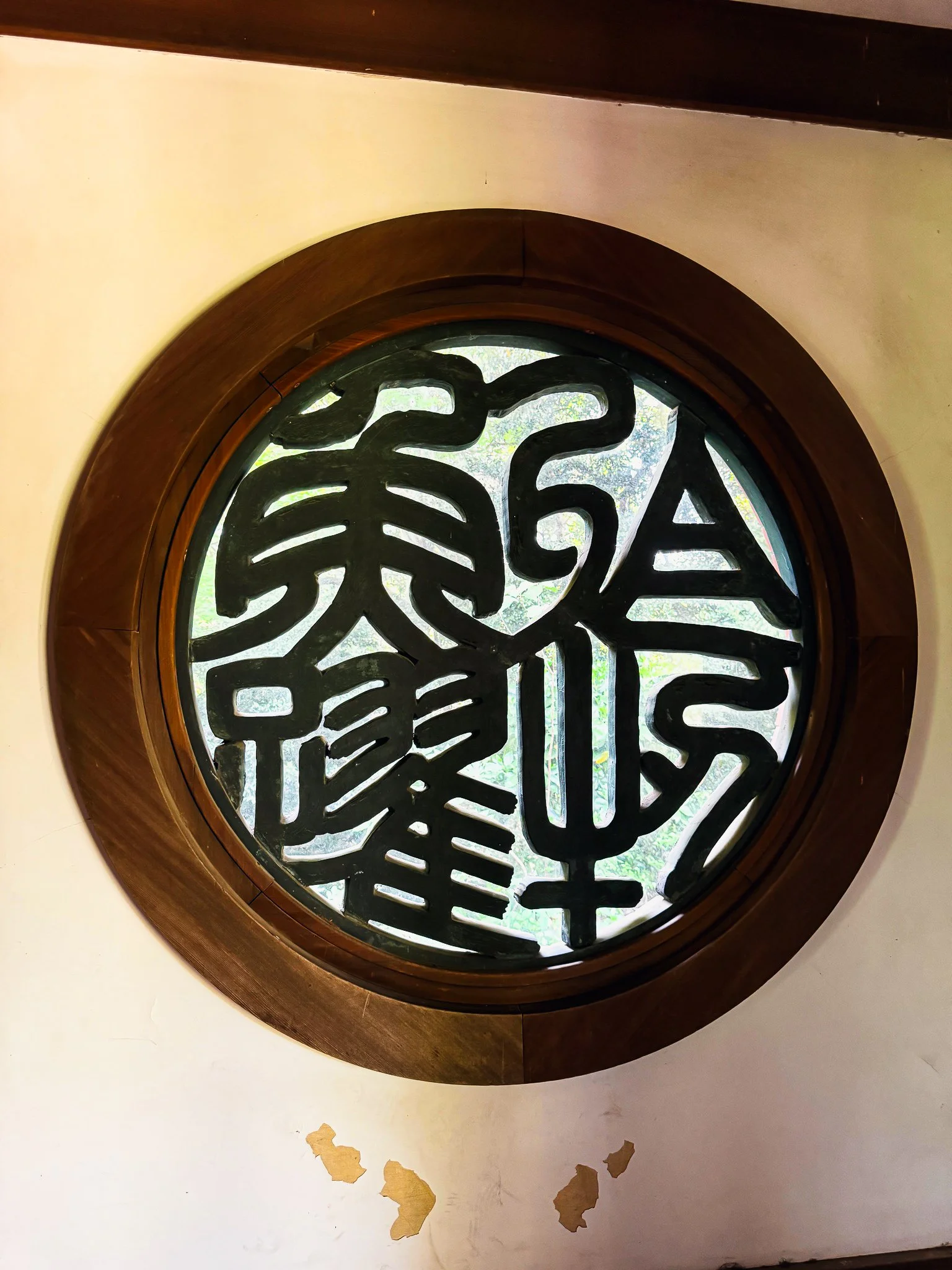
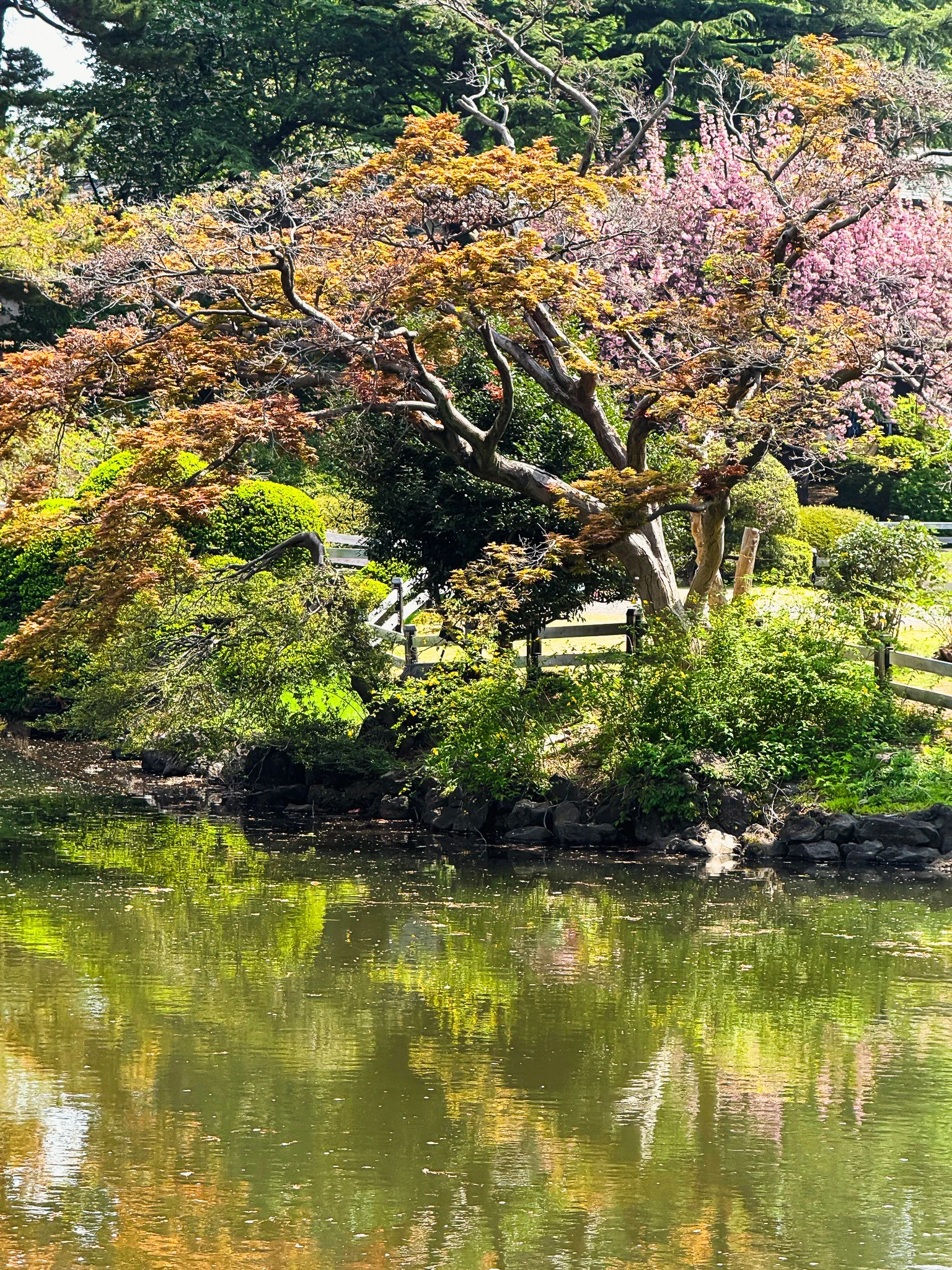
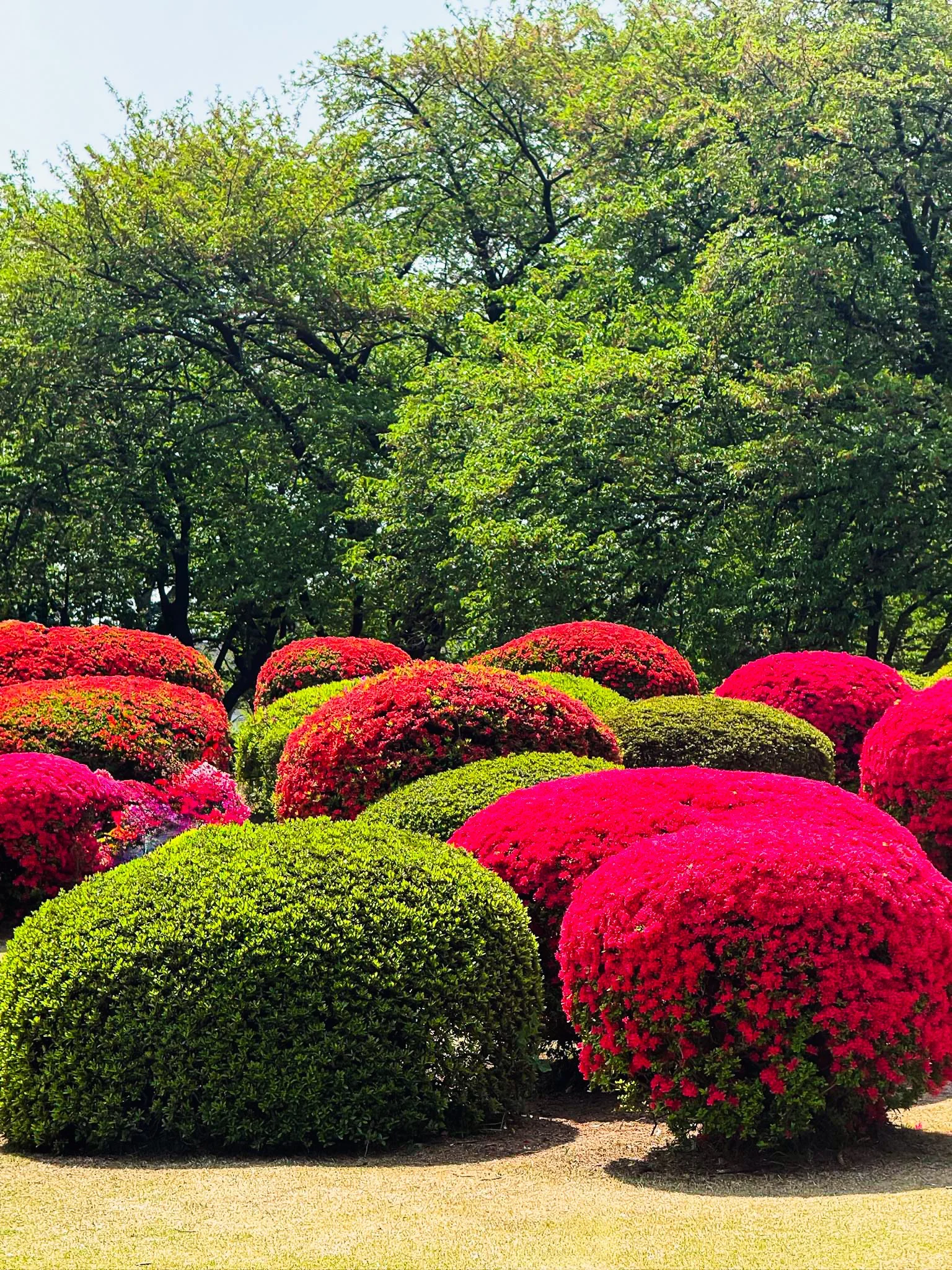
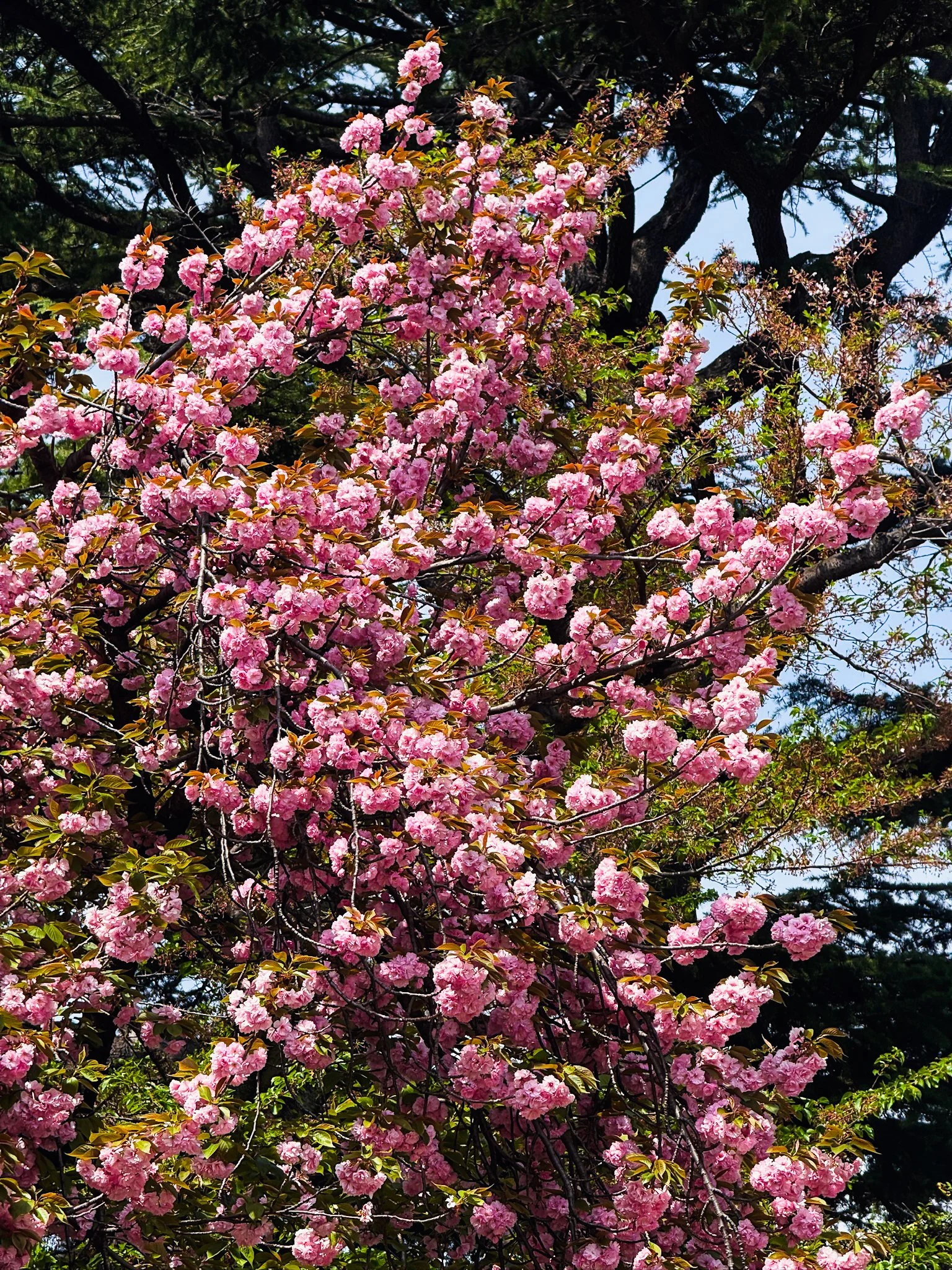
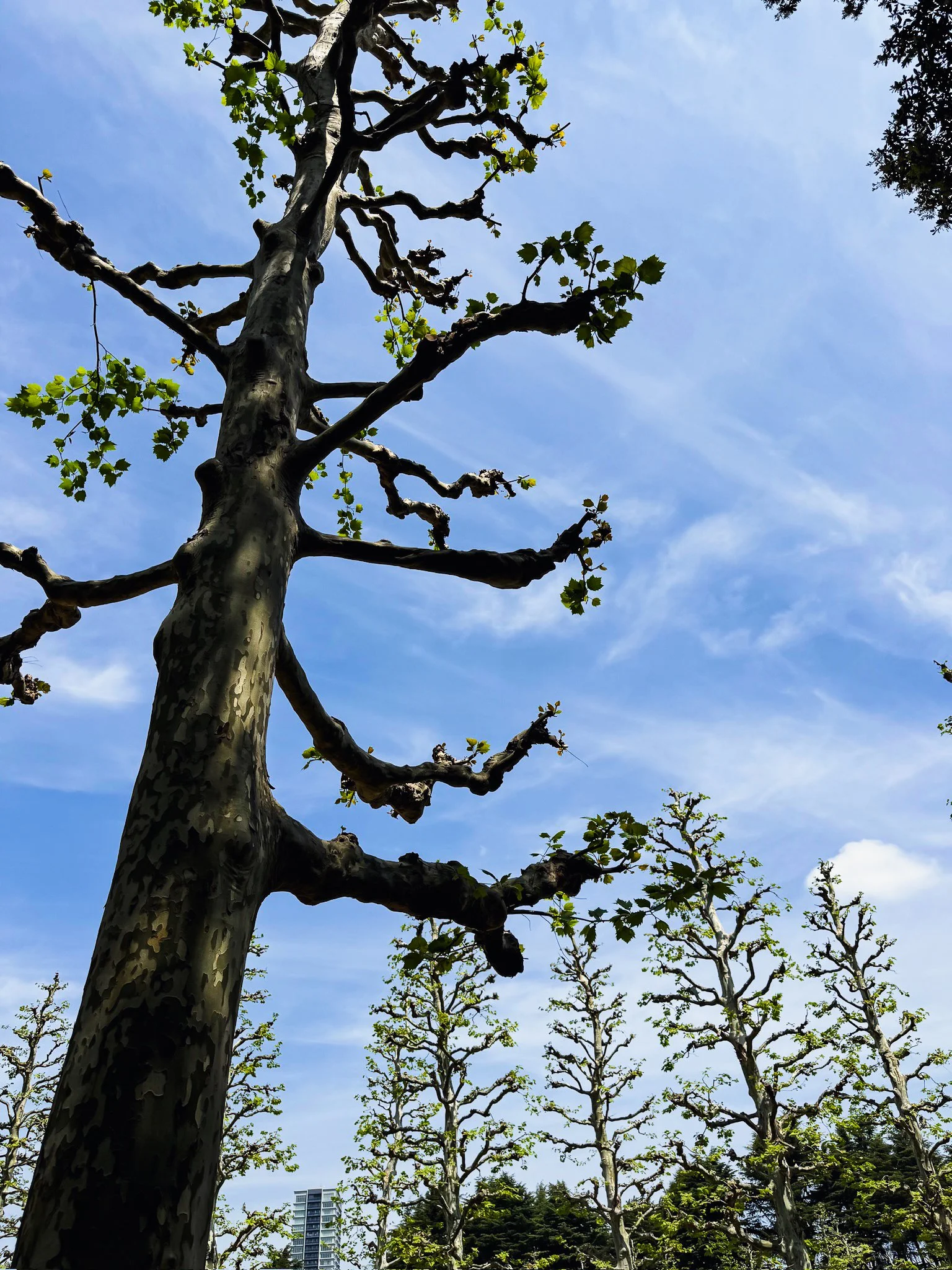
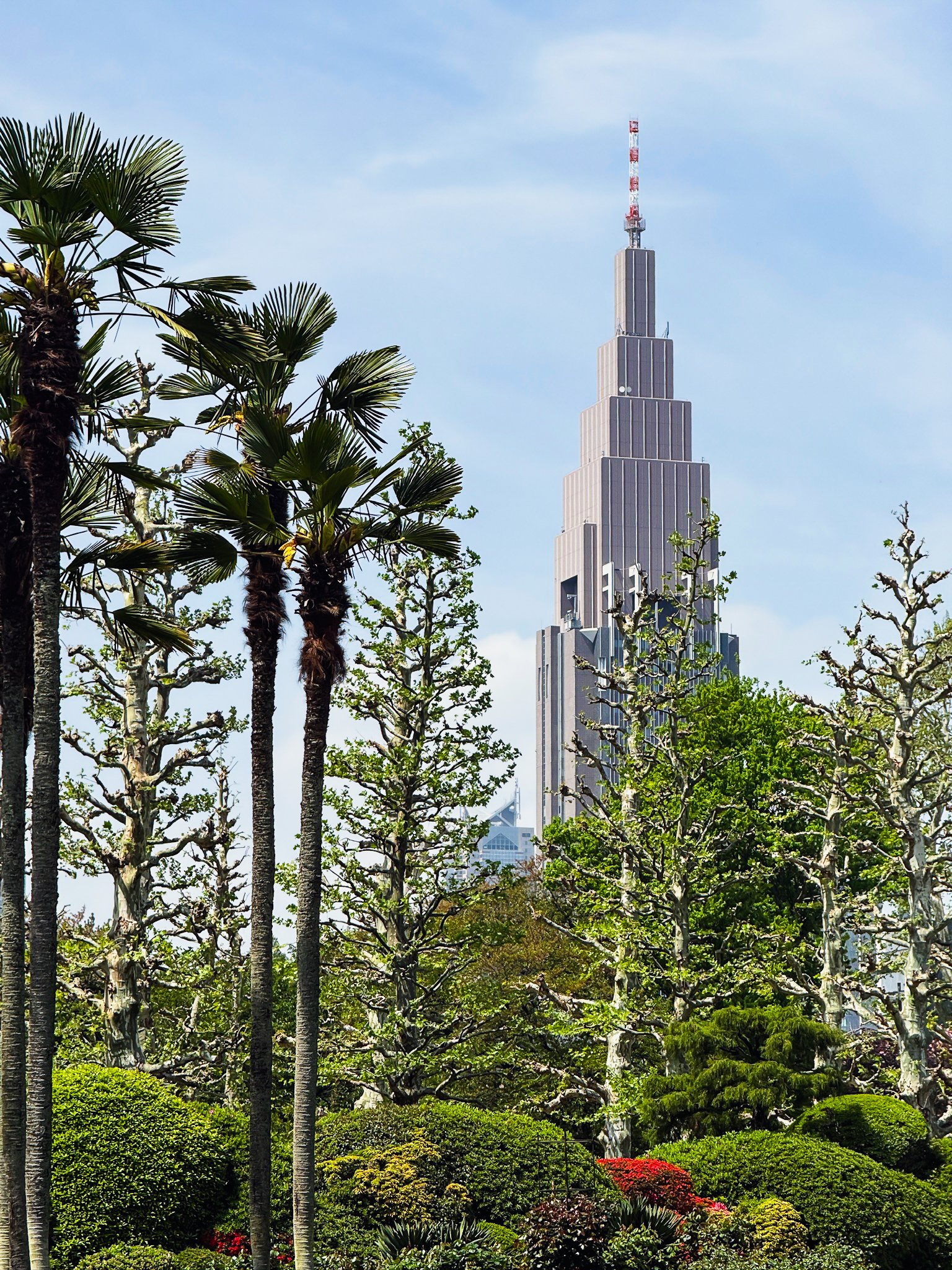
It was pretty sad checking out of the hotel on our last day. We still had some time before our flight, so we left our bags there and walked over to Shinjuku Gyoen to spend the morning and early afternoon. The cherry blossoms were mostly past their peak by then, but there were still plenty of other flowering trees, and the park itself is huge. We walked through a mix of traditional Japanese garden areas and more formal, European-style sections, just taking our time before heading out. We also stopped into a few shops nearby on the way back. After that we grabbed our bags and got on the train to head to the airport.